Published August 31, 2026
Table of Contents
- What a Honey Warming Cabinet Is
- Why Warming Honey Matters
- Temperature Control and Range
- Cabinet vs. Ad-Hoc Warming Methods
- Sizing: Barrel vs. Bucket vs. Small-Batch Cabinets
- Setting Up and Using One
- Reversing Crystallization Safely
- Cost and When It’s Worth It
- Who Actually Needs a Dedicated Cabinet
- Insulation Quality and Energy Efficiency
- Humidity and Condensation Inside the Cabinet
- Different Honey Varieties Crystallize Differently
- Power Requirements and Placement
- Integrating Warming Into a Bottling Workflow
- Buying Used Equipment
- Verifying Accuracy With an Independent Thermometer
- Connection to Straining and Filtration Steps
- Running Multiple Cabinets for a Growing Operation
- Cleaning and Maintenance
- Recording Warming Cycles for Consistency
- Common Mistakes
What a Honey Warming Cabinet Is
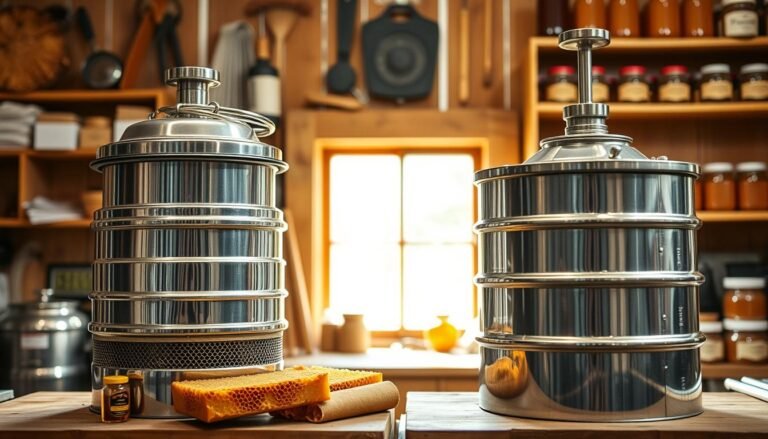
A honey warming cabinet is a dedicated, temperature-controlled insulated enclosure designed to gently and evenly warm containers of honey — buckets, barrels, or bulk totes — bringing crystallized honey back to a liquid, pourable state or maintaining honey at an ideal bottling temperature, without the scorching or uneven heating risk of improvised warming methods. Our guides on whether to bottle honey warm or cool and bottling temperature best practices cover the temperature principles generally; this guide covers the actual cabinet equipment used to achieve and maintain those temperatures.
Why Warming Honey Matters
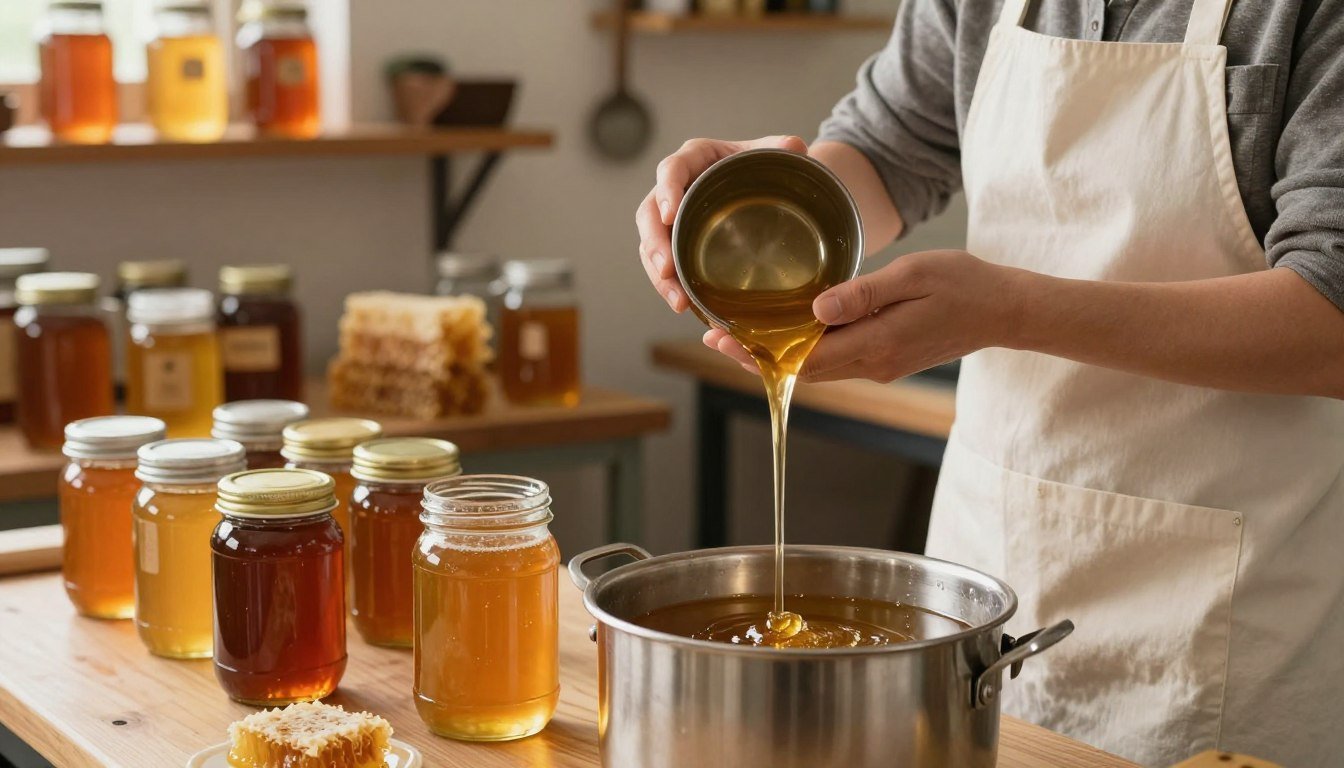
Honey naturally crystallizes over time, a normal process that doesn’t indicate spoilage but does make honey difficult to pour, strain, or bottle cleanly once it’s set — gentle, controlled warming reliquifies crystallized honey without degrading its flavor or nutritional properties the way overheating does, and reasonably maintaining honey at a warm (not hot) temperature before bottling also helps it flow more easily through equipment and settle air bubbles out before packaging.
Temperature Control and Range
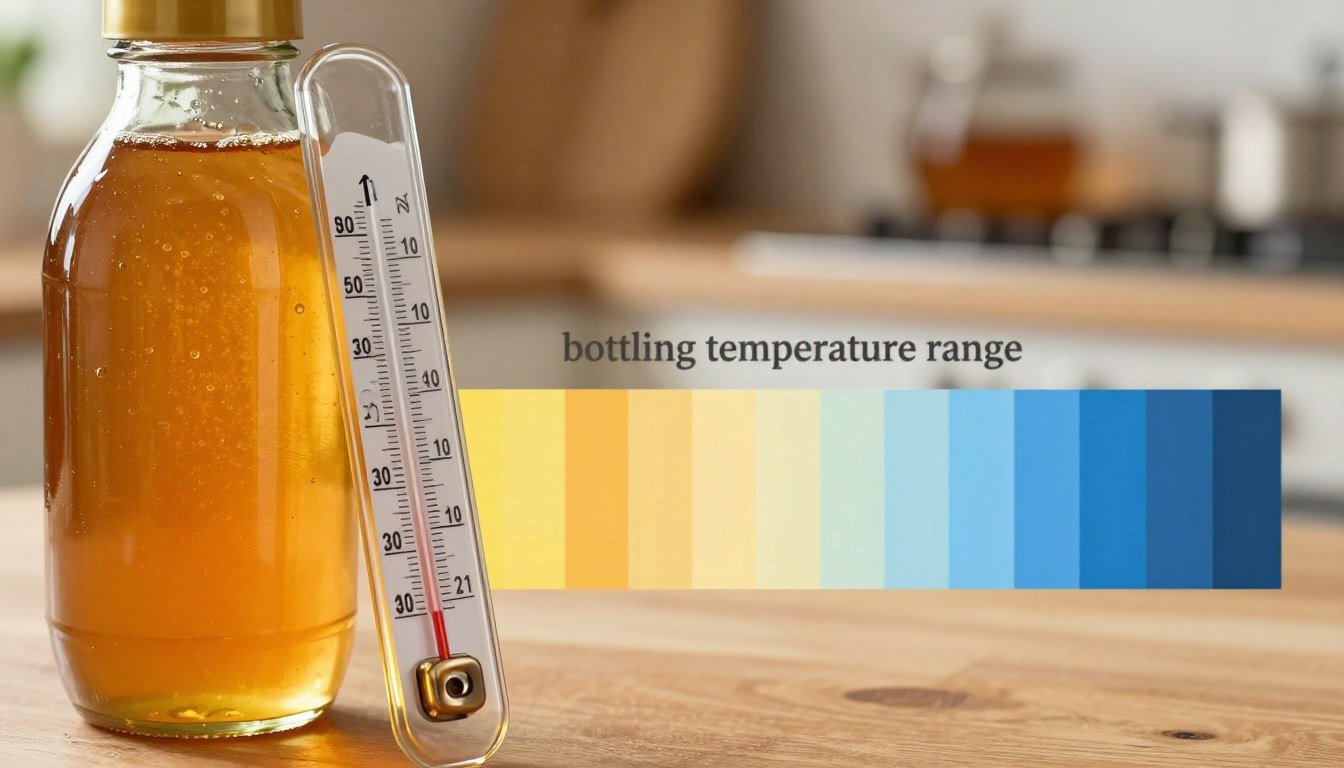
A quality warming cabinet uses a thermostat-controlled heating element to hold a consistent, precise temperature within honey’s safe warming range, avoiding the overheating risk that comes with less controlled methods — honey held too hot for too long develops HMF (hydroxymethylfurfural), degrades flavor, and can darken noticeably, all avoidable with proper temperature control. Look for a cabinet with a reliable, accurate thermostat rather than a simple on/off heating element without temperature regulation.
Cabinet vs. Ad-Hoc Warming Methods
| Factor | Dedicated Warming Cabinet | Ad-Hoc Methods (Water Bath, Sun, Space Heater) |
|---|---|---|
| Temperature control | Precise, thermostat-regulated | Imprecise, requires manual monitoring |
| Even heating | Consistent throughout container | Uneven, risk of hot spots |
| Scorching risk | Low with proper thermostat use | Higher, especially with direct heat sources |
| Cost | Real upfront investment | Minimal to none |
Ad-hoc methods can work for small quantities handled carefully, but a dedicated cabinet’s even, controlled heating genuinely reduces the risk of the scorching, uneven crystallization, or flavor degradation that comes with less precise warming approaches — particularly important for larger volumes where uneven heating in a bucket or barrel is harder to catch and correct without a proper thermostatically controlled enclosure.
Sizing: Barrel vs. Bucket vs. Small-Batch Cabinets
Warming cabinets come sized for different container types and volumes — small units designed for a few five-gallon buckets, mid-size units for larger totes, and large units built to hold full 55-gallon drums for commercial-scale operations. Match your cabinet size to your actual typical batch volume rather than your maximum theoretical future scale, since an oversized cabinet wastes both purchase cost and the energy needed to heat unused interior space.
Setting Up and Using One
Place honey containers inside the cabinet, set the thermostat to your target temperature (generally a gentle range well below honey’s damage threshold), and allow adequate time for the full container to reach temperature evenly throughout — a large barrel takes considerably longer to warm fully than a small bucket, so plan warming time well ahead of when you actually need the honey ready for bottling rather than trying to rush the process with excessive heat, which risks the exact scorching the cabinet is meant to prevent.
Reversing Crystallization Safely
A warming cabinet is genuinely the safest, most controlled way to reverse crystallization in a larger honey volume, since the gentle, even heat fully reliquifies crystals throughout the container without the localized overheating risk of more improvised methods. Be patient with fully crystallized honey specifically — it takes meaningfully longer to fully reliquify than honey that’s only partially set, and rushing this process with higher-than-recommended temperatures is one of the more common ways beekeepers accidentally degrade honey quality.
Cost and When It’s Worth It
A dedicated warming cabinet represents a real equipment investment, generally justified for an operation regularly processing honey in bucket or barrel quantities where consistent, controlled warming genuinely matters for both quality and workflow efficiency. For a hobbyist processing honey in small jars occasionally, a cabinet is likely unnecessary — careful use of a simple warm water bath or a low, controlled ambient warming space is often entirely adequate at that scale.
Who Actually Needs a Dedicated Cabinet
Beekeepers or small honey businesses regularly processing bucket or barrel quantities of honey, especially those dealing with honey varieties that crystallize readily, are the clearest fit for investing in a dedicated warming cabinet. A hobbyist bottling a modest personal harvest a few times a year can reasonably rely on simpler, lower-cost warming approaches without needing dedicated equipment.
Insulation Quality and Energy Efficiency
A well-insulated cabinet holds temperature more efficiently and consistently than a poorly insulated one, reducing both energy cost over repeated use and the risk of temperature fluctuation that could either understate needed warming time or, worse, allow localized overheating near the heating element if heat isn’t distributed evenly throughout the interior. Check insulation specifications and, where available, real user feedback on how consistently a specific model holds its set temperature, since this detail affects both cost and honey quality outcomes over the cabinet’s working life.
Humidity and Condensation Inside the Cabinet
Warming honey containers can generate some condensation inside a cabinet, particularly if containers aren’t fully sealed — excess moisture is worth avoiding since it can affect honey’s own moisture content if it finds its way into an open or poorly sealed container, risking fermentation down the line. Keep containers properly sealed during warming, and check whether your specific cabinet model includes any ventilation feature designed to manage interior humidity during extended warming sessions.
Different Honey Varieties Crystallize Differently
Some honey varieties (certain clover and canola honey, for example) crystallize quickly and reliably, while others (tupelo honey is a well-known example) resist crystallization almost entirely — if you work with multiple honey varieties, expect to need warming cabinet time for some batches far more than others, and don’t assume every harvest requires the same warming approach. Understanding which of your specific varieties are prone to crystallization helps you plan warming cabinet use proactively rather than reactively discovering a batch has set when you’re ready to bottle it.
Power Requirements and Placement
Larger warming cabinets, especially those sized for barrel quantities, can draw meaningful power and may require a dedicated circuit rather than sharing a standard household outlet with other equipment — check the specific model’s electrical requirements against your honey house’s actual setup before purchasing, and plan placement with adequate clearance for loading and unloading heavy, full containers safely.
Integrating Warming Into a Bottling Workflow
Plan warming time as a deliberate step ahead of a bottling session rather than an afterthought — start warming a barrel or bucket a day or more in advance for a large volume, so it’s ready and evenly liquid exactly when you’re set up to bottle, rather than delaying a bottling session while honey slowly comes up to temperature, or worse, rushing the process with excess heat to avoid that delay.
Buying Used Equipment
A used warming cabinet can be a reasonable way to reduce cost, but confirm the thermostat and heating element are functioning accurately before relying on it — a used unit with a drifting or inaccurate thermostat risks the exact overheating or underheating problems a properly working cabinet is meant to solve, so test it with a separate, verified thermometer before trusting its own temperature display for actual honey processing.
Verifying Accuracy With an Independent Thermometer
Regardless of whether your cabinet is new or used, periodically verify its displayed temperature against a separate, reliable thermometer placed inside during a warming cycle, since even a new unit’s built-in thermostat display can drift or be miscalibrated from the factory. This simple verification habit catches a developing accuracy problem before it results in a batch of overheated, degraded honey rather than after the fact.
Connection to Straining and Filtration Steps
Properly warmed honey flows and strains more easily than cold or partially crystallized honey, meaning a warming cabinet’s benefit extends into your straining and filtration workflow, not just final bottling — see our guide comparing coarse strain vs. fine strain honey for how warmed honey interacts with different straining approaches, since honey viscosity at the time of straining genuinely affects how well a given filter method performs.
Running Multiple Cabinets for a Growing Operation
As honey volume grows beyond what one cabinet can reasonably process on your typical bottling schedule, running two or more smaller cabinets in parallel, rather than one very large unit, offers scheduling flexibility — you can have one batch actively warming while another is being bottled, keeping a continuous workflow rather than a single-cabinet bottleneck. This approach also provides some redundancy if one unit needs maintenance or repair.
Cleaning and Maintenance
Wipe down the interior periodically to remove any honey drips or spills, and check heating element and thermostat function at the start of each season before relying on the unit for a real bottling schedule, catching any developing issue while there’s still time to address it rather than discovering a problem mid-harvest when the cabinet is actually needed.
Recording Warming Cycles for Consistency
For an operation processing multiple batches, keeping a simple log of warming start time, target temperature, and total duration per batch helps refine your process over time — you’ll build a genuine sense of how long different container sizes and honey varieties actually take to fully reliquify under your specific cabinet’s real performance, rather than guessing anew each time.
Common Mistakes
Setting the thermostat too high in an attempt to speed up warming risks the scorching and flavor degradation the cabinet is specifically meant to prevent — patience with a properly set, gentle temperature is essential. Assuming a container has warmed evenly throughout without checking, particularly for a large barrel, can leave you bottling honey that’s still partially crystallized at the container’s core while the exterior appears fully liquid. Buying a cabinet sized for a volume well beyond your actual typical batch size wastes both money and ongoing energy cost.
Sources
Temperature guidance and equipment principles reflect general USDA/university extension guidance on honey processing and HMF formation, alongside publicly available manufacturer information for commercial honey warming cabinet products.
FAQ
Does warming crystallized honey damage it?
Gentle, properly controlled warming doesn’t damage honey — overheating does, since excessive temperature promotes HMF formation, darkens color, and degrades flavor. A thermostat-controlled cabinet is specifically designed to avoid this.
Do I need a warming cabinet for a small honey harvest?
Probably not — a hobbyist bottling a modest harvest occasionally can rely on simpler methods like a careful warm water bath; dedicated cabinets are best justified for regular bucket or barrel quantity processing.
How long does it take to warm a full barrel of crystallized honey?
Meaningfully longer than a small bucket, since a large volume takes more time to reach even temperature throughout — plan warming time well ahead of when you need the honey ready rather than trying to rush it with excess heat.
What size cabinet should I buy?
Match it to your actual typical batch volume rather than a maximum theoretical future scale, since an oversized cabinet wastes both purchase cost and ongoing energy needed to heat unused space.
Do all honey varieties need the same warming time?
No — some varieties like certain clover and canola honey crystallize quickly and reliably, while others like tupelo resist crystallization almost entirely, so expect warming needs to vary by the specific honey you’re processing.
Should I keep a warming log for consistency?
Yes, for an operation processing multiple batches — tracking start time, target temperature, and duration per batch builds a genuine sense of how long different container sizes and varieties actually take under your specific cabinet’s real performance.