Published August 27, 2026
Table of Contents
- What Bee Pollen Harvesting Involves
- How Pollen Traps Actually Work
- Types of Pollen Traps
- How Much Pollen You Can Safely Take
- Timing: When and How Long to Trap
- Daily Collection
- Drying: Temperature and Moisture Targets
- Drying Methods Compared
- Long-Term Storage
- Trap Maintenance
- Quality and Adulteration Concerns
- Selling Bee Pollen
- Freezing Instead of Drying
- Regional and Seasonal Variation
- Common Mistakes
- FAQ
What Bee Pollen Harvesting Involves
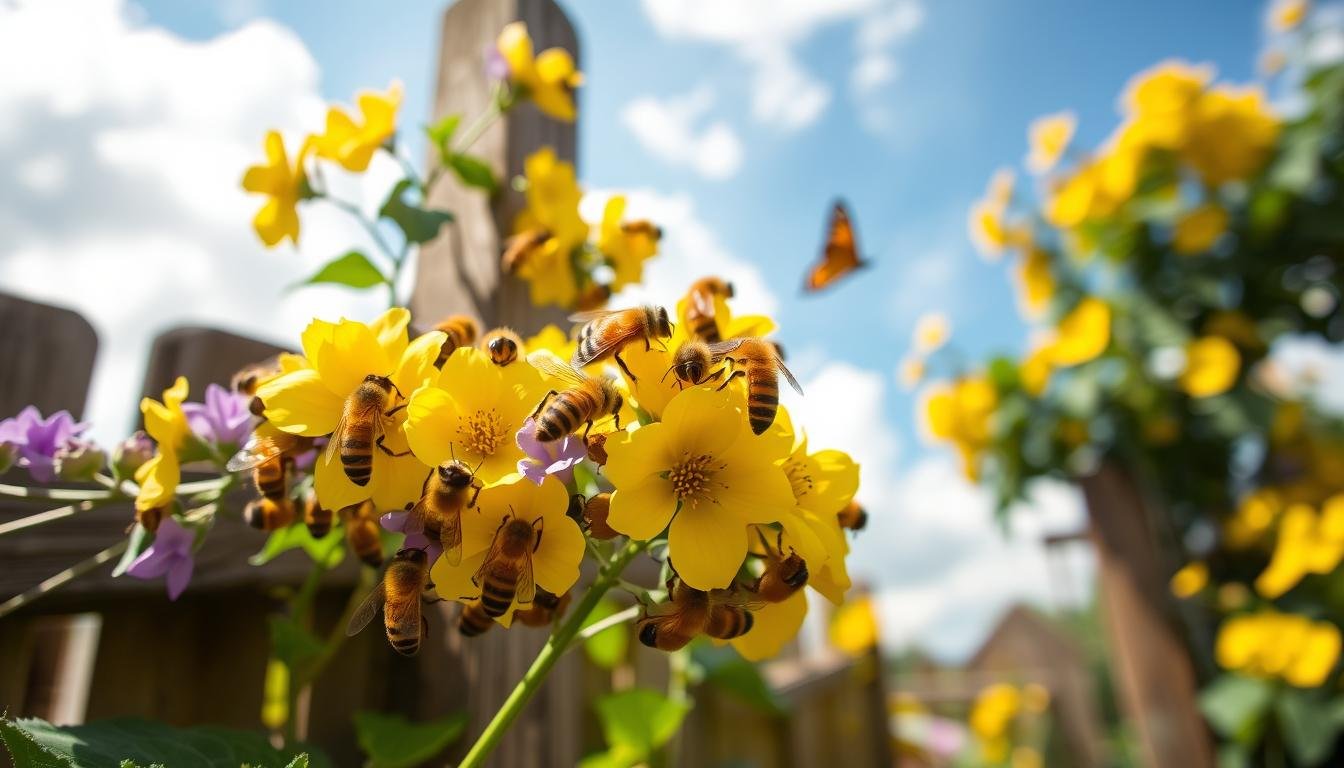
Bee pollen harvesting means intercepting a portion of the pollen foragers carry back to the hive, using a trap positioned at the entrance that gently dislodges pollen pellets from their legs as they pass through. It’s a genuinely different undertaking from honey or royal jelly harvesting — no frames to pull, no larvae involved — but it comes with its own precision requirements around timing, drying, and storage that determine whether the final product is a genuinely high-quality, shelf-stable product or a spoiled batch.
How Pollen Traps Actually Work
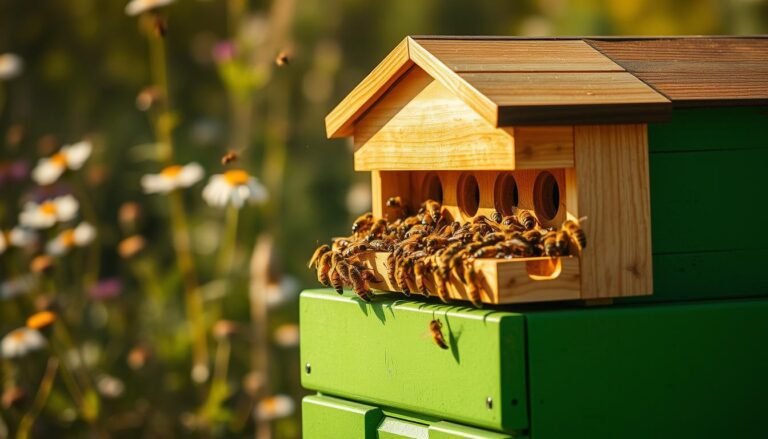
A pollen trap uses a mesh screen with holes sized just small enough that a returning forager has to squeeze through, brushing the pollen pellets off her hind legs in the process. The dislodged pellets fall through a second, coarser screen into a collection tray below, out of the bees’ reach, while the bee herself continues into the hive largely unaffected beyond having lost that trip’s external pollen load. The mesh sizing is a deliberate compromise — small enough to reliably knock off pellets, but not so restrictive that it damages bees or blocks normal traffic through the entrance.
Types of Pollen Traps
Common designs include full bottom-mounted traps that intercept the entire hive entrance, top-mounted traps integrated into a modified box, and smaller front-porch or entrance-style traps that attach externally without requiring as much modification to the hive itself. Each style has tradeoffs in ease of installation, how much of the entrance traffic gets captured, and how easy the resulting collection tray is to access and empty — beekeepers new to pollen trapping often start with a simpler entrance-style trap before moving to a full bottom trap if they want to scale up collection volume.
How Much Pollen You Can Safely Take
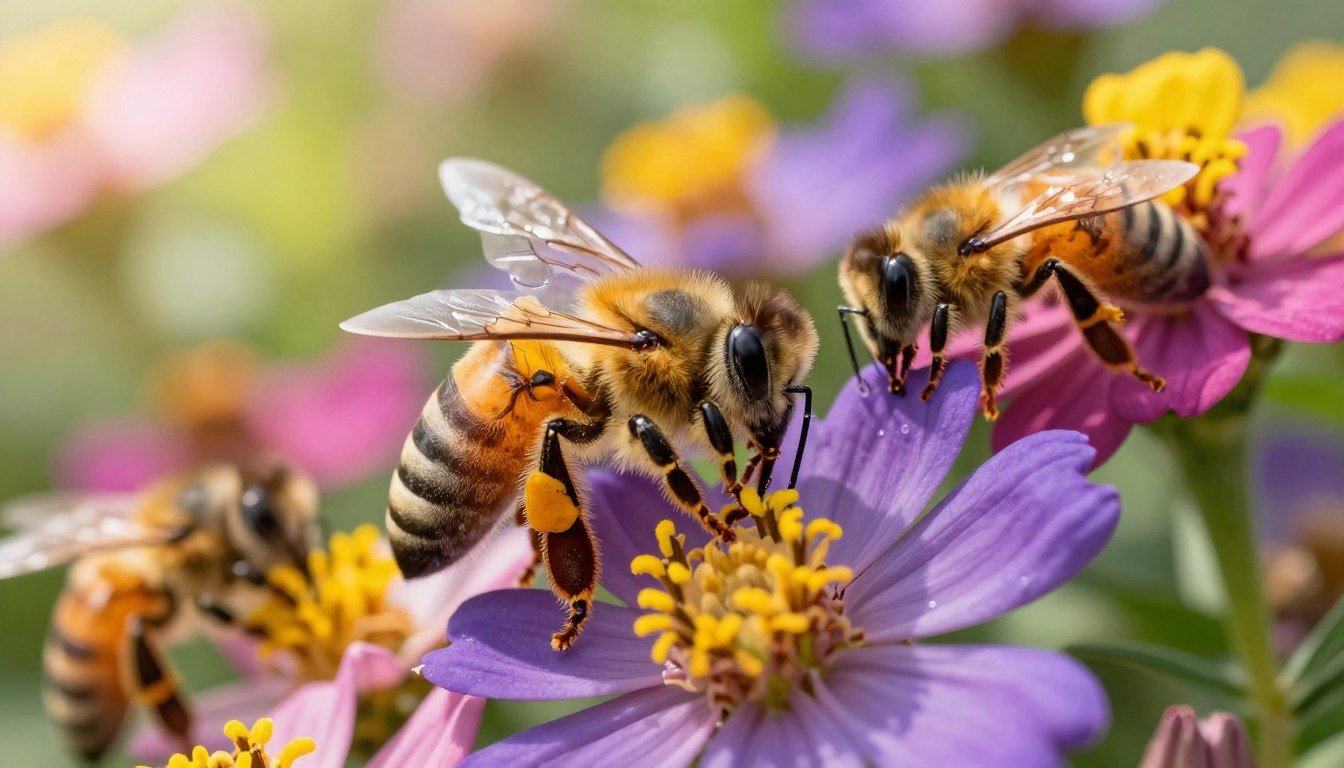
This is the detail that separates responsible pollen harvesting from a genuine risk to colony health: pollen is the colony’s primary protein source, essential for feeding brood, and a trap left on continuously, removing too high a percentage of incoming pollen, can leave a colony genuinely protein-starved even while it looks otherwise busy and active. Most trap designs are built to intercept only a portion of incoming pollen — commonly cited figures suggest traps typically remove somewhere in the range of 30-60% of what foragers bring in, depending on trap design and mesh sizing, deliberately leaving the rest to pass through for the colony’s own use. Beyond the trap’s own design limit, most experienced beekeepers also don’t run traps continuously through an entire season — trapping intermittently (a portion of days on, days off, or specific weeks during a strong pollen flow) and monitoring the colony’s brood pattern and general vigor gives you a practical check that you aren’t over-harvesting relative to what a specific colony can spare. A colony that starts showing a thinning brood pattern or reduced overall vigor during an active trapping period is signaling that harvesting needs to ease off, not that something unrelated has gone wrong.
Timing: When and How Long to Trap
Trap during a genuinely strong pollen flow, when abundant local forage means the colony has plenty of pollen coming in regardless of what a trap intercepts — trapping during a weak or dearth period is both less productive (there’s less pollen to collect in the first place) and more risky for the colony’s own protein supply. Many beekeepers trap primarily during peak daytime foraging hours rather than around the clock, and check/empty the collection tray daily rather than letting pollen accumulate for multiple days in the trap itself.
Daily Collection
Fresh pollen pellets should be collected from the trap tray daily, both because accumulated pollen sitting in an uncontrolled environment can degrade or attract pests, and because daily collection lets you move promptly into the drying process while the pollen is still genuinely fresh. Use clean hands or tools when handling collection trays, and transfer pellets to a clean container promptly rather than leaving them exposed longer than necessary before drying begins.
Drying: Temperature and Moisture Targets
Fresh bee pollen carries a surprising amount of moisture — up to roughly 21% by weight straight out of the trap — and needs to be dried down to somewhere in the 2.5-6% moisture range for genuinely stable long-term storage. Temperature control during drying matters a lot: keep it strictly within roughly 35-40°C (95-104°F). Going hotter can speed up drying, but it comes at a real cost, since temperatures above this range risk degrading heat-sensitive components like certain vitamins and enzymes that are part of what makes pollen valuable in the first place. There’s no shortcut here — rushing the temperature undermines the product’s quality even if it saves time.
Drying Methods Compared
A dedicated food dehydrator set to the correct temperature range is the most controlled, consistent option, and worth the investment if you’re harvesting pollen regularly. A simpler alternative is spreading pollen in a thin, single-pellet-deep layer on paper or a mesh tray in a well-ventilated, moderately warm space, though this gives you less precise temperature control and generally takes longer. Whichever method you use, the key checkpoint is the same: don’t call drying complete based on time alone — check that pellets are genuinely dry through to the center, not just on the surface, since a pellet that looks dry outside but retains moisture inside is exactly the scenario that leads to mold during storage.
Long-Term Storage
Once properly dried to the target moisture range, store bee pollen in airtight containers, in a cool, dark location — light and heat both degrade quality over time even once moisture is under control. Refrigeration extends shelf life further, and freezing dried pollen is a common choice for genuinely long-term storage, since the low moisture content combined with cold temperature significantly slows any remaining degradation. Whatever storage method you use, avoid repeatedly warming and re-cooling stored pollen (pulling it in and out of a freezer casually), since temperature cycling can introduce condensation and moisture back into an otherwise properly dried product. Portioning dried pollen into smaller containers before freezing, so you only thaw what you need at a given time, avoids this problem entirely.
Trap Maintenance
Inspect traps regularly for blockages — accumulated debris or a buildup of old pollen residue in the mesh can reduce collection efficiency or, in some designs, create conditions that could affect bee traffic through the entrance. Clean traps thoroughly at the end of each active trapping period (not just at season’s end), removing residual pollen and general debris so the trap is ready to perform consistently the next time it’s deployed rather than degrading in effectiveness through the season. A trap stored dirty over winter is also more likely to develop mold or attract pests before the next season even begins.
Quality and Adulteration Concerns
Because bee pollen is a specialty product often sold at a premium, quality and authenticity concerns are worth taking seriously if you’re producing it for sale. Properly dried, well-stored pollen from your own hives, harvested and dried according to the temperature and moisture guidance above, is a straightforwardly authentic, traceable product — a real advantage over some commercial pollen of uncertain origin or handling history. Keeping basic records (harvest date, drying method and temperature used, storage conditions) for your own batches supports both your own quality tracking and any claims you make about the product if you sell it.
Selling Bee Pollen
As with other specialty hive products covered elsewhere on this site, treat pollen intended for sale as its own distinct regulated product rather than assuming honey-selling rules automatically cover it — check specific labeling and food-safety requirements with local authorities before selling. Avoid making specific health or medical claims about bee pollen’s benefits beyond what you can substantiate; stick to factual, honest product descriptions. See how to start selling honey legally for the broader legal groundwork worth having in place before selling any hive-derived product, and best pollen sources for strong colonies for background on the forage this all depends on in the first place.
Freezing Instead of Drying: An Alternative Approach
Some beekeepers skip drying entirely and freeze fresh pollen instead, on the theory that avoiding the drying process altogether preserves more of the original nutritional content than any drying method, however carefully controlled. Frozen fresh pollen does need to stay reliably frozen without interruption, since it retains its original high moisture content and will spoil quickly if allowed to thaw and sit at room temperature the way properly dried pollen wouldn’t. This approach trades drying effort for a stricter cold-chain requirement — a reasonable option if you have reliable freezer capacity and don’t need the pollen to be shelf-stable at room temperature, but less practical for anyone planning to sell or ship the product without guaranteed unbroken refrigeration throughout. For most beekeepers producing pollen for sale rather than strictly personal use, proper drying to the target moisture range remains the more practical, lower-risk path.
Regional and Seasonal Variation in Pollen Color and Composition
Pollen color and even nutritional composition vary considerably depending on which plants were blooming when it was collected — a jar of pollen harvested during one bloom period can look and taste noticeably different from a batch collected weeks later during a different flow, since pollen from different plant species differs in color, texture, and nutrient profile. This natural variation is completely normal, not a sign of inconsistent quality, though it’s worth being aware of if you’re comparing your own batches across a season or explaining variation to customers if selling — labeling batches with rough harvest timing or dominant local bloom at the time can help set accurate expectations about why one batch differs from another. This same variation is part of what makes single-origin, small-batch pollen genuinely interesting to buyers who understand it, compared to a large blended commercial product with no seasonal story behind it.
Common Mistakes
| Mistake | Why it matters |
|---|---|
| Running a trap continuously without breaks all season | Can leave a colony genuinely protein-starved by removing too much incoming pollen over an extended period |
| Drying above 40°C to save time | Degrades heat-sensitive vitamins and enzymes, reducing the product’s actual quality |
| Calling drying done based on time rather than checking pellets are dry through the center | Residual internal moisture is the most common cause of mold during storage |
| Leaving collected pollen in the trap tray for multiple days | Increases risk of degradation and pest attraction before drying even begins |
| Neglecting trap cleaning between uses | Reduces collection efficiency and lets debris accumulate in the mesh over a season |
Sources
Drying temperature ranges, target moisture content, and trap mechanism details reflect published beekeeping equipment and pollen-processing guidance, consistent with widely documented commercial and hobbyist bee pollen harvesting practices.
FAQ
How much pollen do pollen traps actually collect?
Trap designs typically intercept roughly 30-60% of incoming pollen, deliberately leaving the rest to pass through for the colony’s own use — they’re not designed to capture everything.
What temperature should bee pollen be dried at?
Strictly between about 35-40°C (95-104°F). Higher temperatures dry faster but degrade heat-sensitive vitamins and enzymes in the pollen.
What moisture content is safe for storing bee pollen?
Roughly 2.5-6%, down from as much as 21% moisture in fresh pollen. Incomplete drying — moisture retained inside the pellet even if the surface looks dry — is the most common cause of mold during storage.
Will a pollen trap harm my colony?
Not if used responsibly — trap during strong pollen flows, don’t run it continuously all season, and monitor colony brood pattern and vigor as a practical check that you’re not over-harvesting.