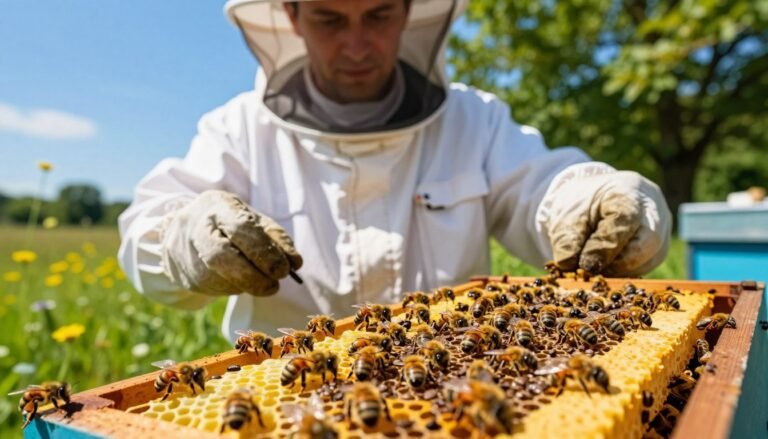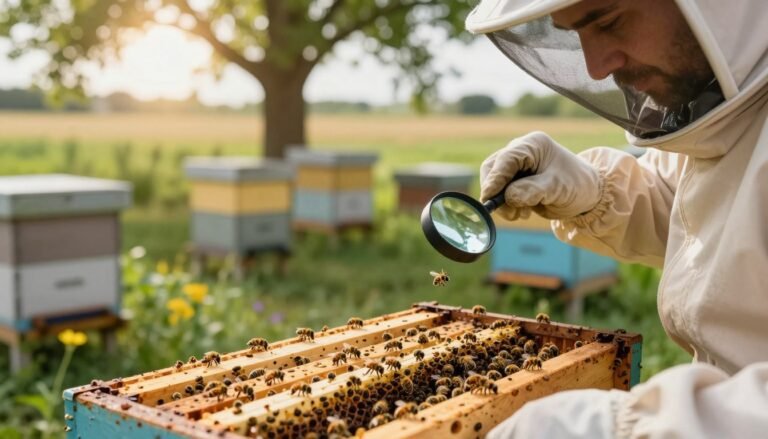
Responsible beekeeping depends on good timing and careful assessment before any treatment begins. Since NOD Apiary Products highlighted the efficacy of formic acid for mite control in 1997, commercial options such as Formic Pro strips have become common tools for varroa management.
Improper application stresses colonies and risks queen loss. Beekeepers must assess colony health, hive temperature, and current mite levels prior to applying any chemical control. This helps protect honey quality and overall colony vitality.
The goal here is clear guidance on safety protocols and professional practices. Learn how to avoid common mistakes that cause excessive bee mortality and how timing across the year affects efficacy. Follow product directions closely and monitor mites after treatment for best results.
Key Takeaways
- Evaluate colony health and hive temperature before treatment.
- Formic Pro strips have proven efficacy against varroa destructor since 1997.
- Proper application helps protect queens and honey quality.
- Monitor mite levels before and after any control method.
- Follow product instructions and safety protocols for best outcomes.
Understanding Formic Acid in Beekeeping
Formic acid has been part of varroa management for over thirty years, and commercial options such as Formic Pro helped bring vapour treatments into routine practice after NOD Apiary Products highlighted efficacy in 1997.
The main advantage is biological: this acid penetrates wax cappings, reaching developing brood and killing mites inside cells. That reach gives a level of control many contact treatments cannot provide.
“A gel matrix releases controlled vapors that spread through fanning, helping protect the colony while leaving no residues in honey or wax.”
- Works in brood and on adult bees, reducing varroa mite loads across hives.
- Formic Pro strips rely on bee circulation to distribute the vapors.
- Leaves minimal residues, aligning with sustainable honey management.
Always follow label directions and current EPA guidance for safe application. For practical trials and detailed data, see experimenting with formic acid.
Understanding the impact on queens and brood helps you plan timing and protect colony strength during any treatment cycle.
When Not to Use Formic Acid on Bees
Bad timing and poor conditions raise the risk that treatment will harm hive health. Avoid starting a treatment period during heat spikes above about 85°F for your region. High temperatures increase vapor intensity and can stress adult workers and queens.
Identify high-risk conditions early. Skip applications if colonies appear weak. A healthy cluster of roughly 10,000 adult bees is often needed for proper circulation of vapors and effective control of varroa mites.
Watch for clear signs of colony stress. Excessive bearding, dead workers at the entrance, or a failing queen in the brood nest are red flags. Stop the treatment period immediately if these signs appear.

- Do not place Formic Pro strips in top bar hives; ventilation differs from Langstroth equipment.
- Avoid treatments during hive moves for pollination or when ventilation cannot be ensured.
- If severe harm shows during the first few days, halt application and consider oxalic acid for targeted control.
Temperature Thresholds and Hive Safety
Monitoring ambient heat during treatment is central to protecting brood, queens, and adult workers.
EPA guidance sets an approved window of 50–85°F (10–30°C) for applying Formic Pro strips. Staying inside this range helps ensure controlled vapor release and preserves honey quality.
If temperatures climb above 85°F, vapors may intensify and cause higher mortality among workers and brood. Conversely, chilly conditions reduce efficacy and limit penetration through brood cappings, leaving varroa mites alive.
Watch local forecasts closely for the first three days of any application period; most of the gel’s release occurs then. Keep hives shaded from direct, extreme heat and avoid placing boxes where sun can trap hot air.
Practical steps:
- Delay treatment during unseasonably hot spells and resume when conditions return to the recommended range.
- Check internal hive temperature and queen behavior daily during treatment.
- Consult the Formic Pro guide for official thresholds and handling tips.
Maintaining proper temperatures preserves brood and keeps the treatment a safe, effective control option for varroa mites in your hives. For context on alternative approaches, see a comparison of Formic Pro vs oxalic acid.
Assessing Colony Strength Before Treatment
A reliable strength check prevents heavy losses during any fumigant application.
Confirm colony size and behavior before inserting strips. A minimum of 10,000 adult bees, which usually covers six 9-inch deep frames, is required for safe application of formic pro.
Calculating Frames of Bees
Count only frames that are fully covered with working bees. Counting total frames alone gives a false picture of strength.
New nucleus colonies are often too small. Let them build out before scheduling treatment. A weak colony cannot fan vapors well and will face higher queen and brood losses.
- Check frames fully covered: six deep frames ≈ 10,000 bees.
- Assess brood pattern: a compact, healthy brood patch supports effective control.
- Match dosage: strips and acid release depend on colony circulation for efficacy.
| Colony Size | Frames Covered | Recommended Action |
|---|---|---|
| Strong | 6+ deep frames | Proceed with formic pro treatment |
| Moderate | 4–5 frames covered | Delay until population grows |
| Small / Nuc | <4 frames | Avoid strips; consider alternative control |
Accurate counts reduce the risk of brood and queen loss after treatment and improve varroa mite control across the hive.
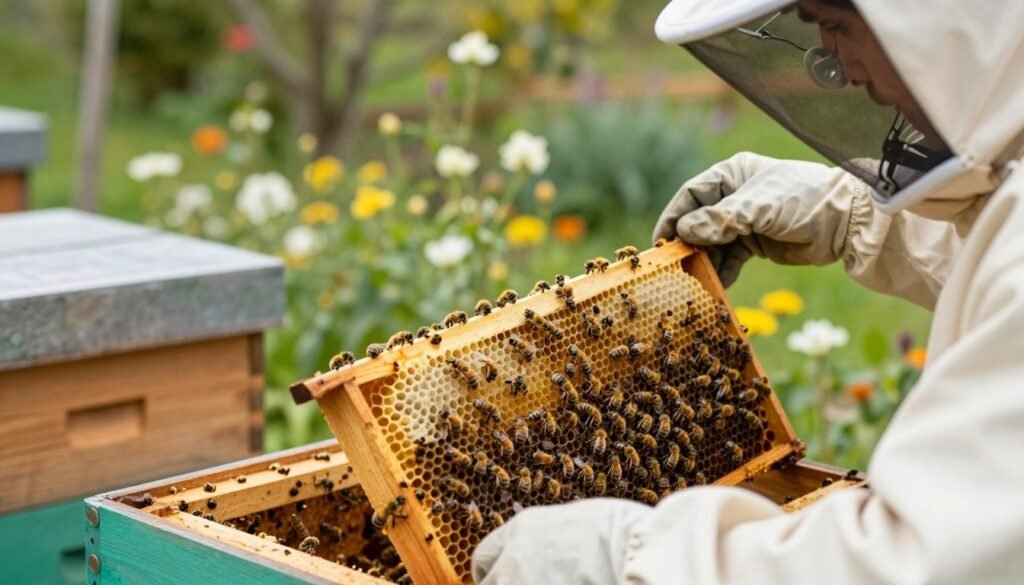
The Risks of Treating Weak Colonies
Treating underpowered colonies can quickly turn a management step into a major loss. Small hives often fail at regulating vapors from strips, which raises risk for the queen and developing brood.
Randy Oliver’s 2020 hot-weather trial showed clear queen turnover in weak colonies after application. Limited population size meant poor ventilation and higher vapor concentration. That stress led some colonies to supersede their queen.
Practical guidance:
- Avoid treating a colony below the label strength. Combine weak colonies or let them build up before any chemical treatment.
- Monitor closely after treatment for queen presence and a healthy brood pattern.
- Consider alternatives and comparisons such as formic acid vs oxalic acid when colony strength is marginal.
Protect honey and overall apiary efficacy by skipping treatments that a small colony cannot handle. Proper timing and strength checks reduce queen loss and improve mite control across your hives.
Managing Ventilation During Application
Good airflow keeps treatment vapors balanced and colonies stable during application. Proper ventilation preserves brood health while the strips work against varroa mites.
Opening Bottom Boards
Open bottom boards fully, keeping a minimum gap of 1/2 inch for steady airflow. For custom boards, set back the second box by 1/2 inch if needed so fresh air can pass through the hive.
A clear path under the brood area helps adult workers fan vapors evenly. Never install bee escapes or restrictive devices during the treatment period.
Adjusting Entrance Reducers
Remove entrance reducers and robbing screens to prevent vapor buildup. The colony must have unobstructed entry and exit so strips can maintain efficacy without harming queens or workers.
- Check hives on day one for excessive bearding. Excess bearding signals poor ventilation and requires immediate adjustment.
- Follow label instructions for strip placement and monitor frames and brood through the application.
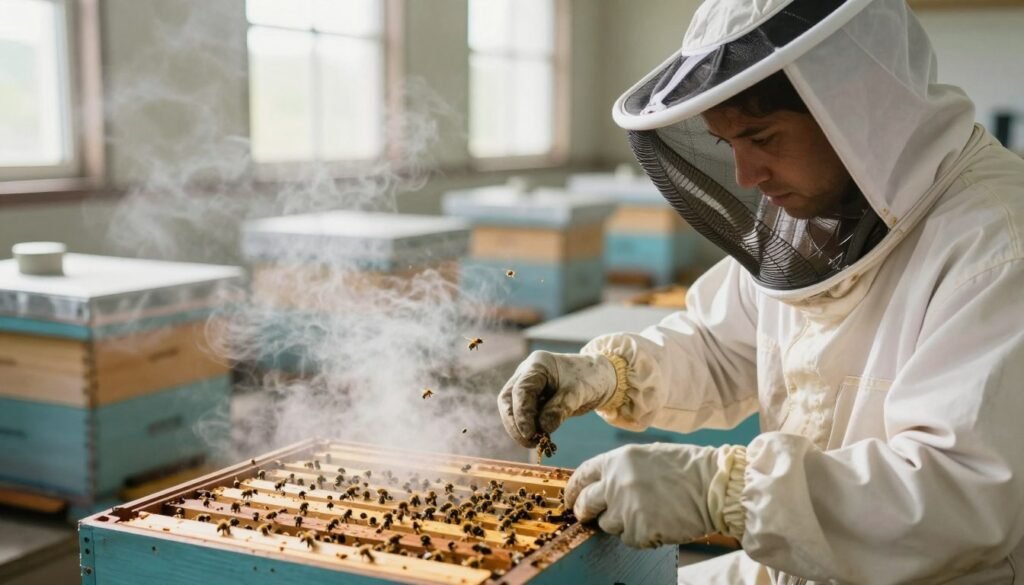
For a practical reference, review the treatment handbook and explore natural remedies for varroa mites for integrated control options.
Protecting the Queen During Treatment
Minimizing queen exposure preserves brood continuity and hive productivity. Plan any formic acid treatment around colony strength and ventilation. A strong cluster reduces stress and helps maintain normal pheromone signaling.
Wait after introducing a new queen. Allow 7–10 days before applying formic pro strips to let her settle and for workers to accept her pheromones.
Amrine & Noel observed that certain essential oils may alter the effect of the acid on queens. This finding is promising but needs more trials before routine adoption.
Vapors sometimes mask queen pheromones and trigger supersedure. Monitor the colony closely for a month after application for active laying and healthy brood. If workers show aggressive attention toward the queen, remove strips and improve ventilation.
Follow label directions for the best balance between mite control and queen safety. For timing guidance and regional thresholds, see the mite thresholds by month.
Avoiding Stressors During the Treatment Period
A calm environment makes strips and vapors more effective at lowering mite loads. Plan the treatment period so colonies face few interruptions. Small disturbances compound and reduce overall efficacy.
Nutritional Requirements
Ensure ample food reserves before starting any treatment. Nutritional stress raises mortality risk and weakens queens. Avoid in-hive feeding during the treatment period because added syrup disrupts vapor flow and stresses the colony.
Impact of Relocation
Transport and placement are major stressors. Do not schedule an application just before or after hauling hives for pollination. Allow several days of stable rest after moving before any strips go in.
Avoiding Extreme Heat
Temperatures at or above 92°F during the first three days can cause heavy worker and brood loss. Check forecasts for the entire period and delay treatment if high heat is likely.
| Stressor | Risk | Recommended action |
|---|---|---|
| Low food reserves | Higher mortality, weak queen | Feed before period; avoid in-hive feeding during treatment |
| Relocation / hauling | Reduced fanning, disorientation | Wait several days after move before applying strips |
| Extreme heat (≥92°F) | Brood and worker loss | Delay treatment until cooler days; provide shade and ventilation |
| Frequent inspections | Disturbed fanning behavior | Limit checks during first three days; monitor from a distance |
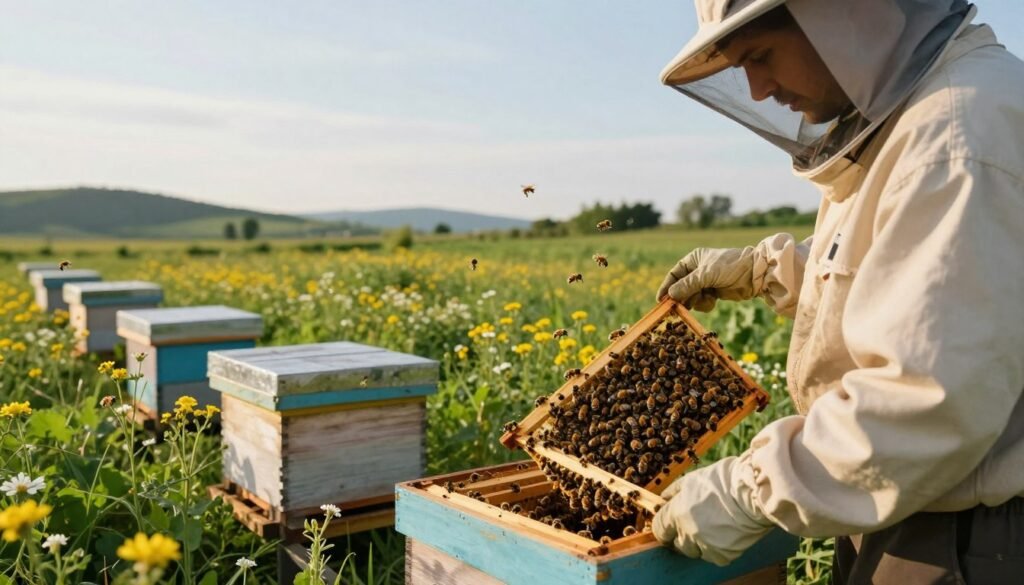
Plan season-long strategies that match colony strength and local conditions. For guidance about mixing treatments and compatibility, review the treatment compatibility guide.
Monitoring Mite Levels and Treatment Efficacy
Accurate mite counts after application guide future control and rotation plans. Perform a mite wash before any application and repeat one week after the last day of treatment. This timing allows mites emerging from capped brood to appear in samples.
Regular checks show trends. Monthly monitoring helps detect reinfestation from nearby colonies and reveals whether current treatments retain efficacy. Track numbers over time so you can identify resistance or declining control.
If post-treatment counts remain high, consider alternate management and consult local inspection resources. Good records let you compare outcomes by hive, season, and strip placement.
Practical steps:
- Run baseline mite washes before application and one week after the final day.
- Keep simple logs of counts, dates, queen status, and hive notes.
- Perform monthly checks through the active season for timely intervention.
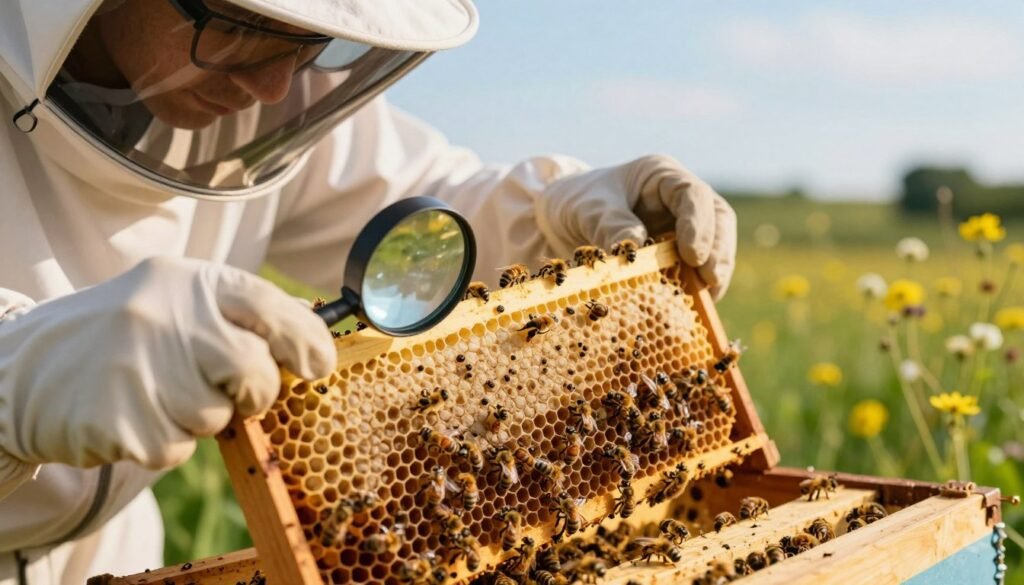
For a broader program that includes rotation strategies, review the varroa treatment rotation strategy to help preserve efficacy and protect queens, brood, and adult colony health.
Handling Honey Supers During Application
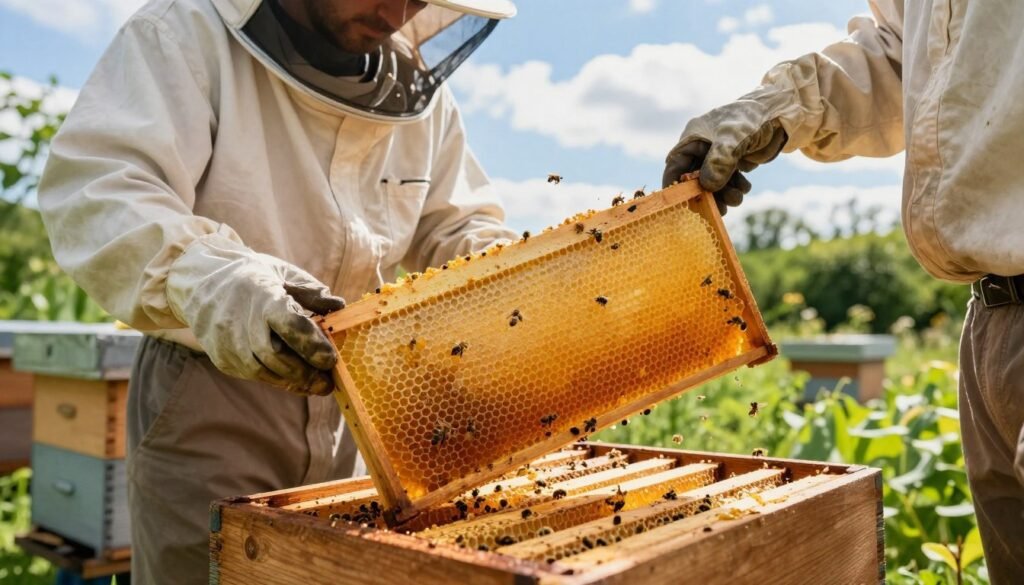
Keep honey supers in place during a treatment period when label guidance allows. Formic Pro leaves no residues, so honey and wax remain safe throughout a 14 or 20-day application.
This saves labor and reduces frame handling that can harm brood or the queen. Leaving supers on also keeps your harvest schedule steady during nectar flow.
“One major benefit of Formic Pro is that it permits treatment during the nectar flow without contaminating honey.”
Follow label instructions for strip placement to maximize efficacy against varroa mites. Verify your hive configuration—single or double brood boxes—matches the directions.
- If you remove supers, store frames in an airtight container or freezer to stop wax moth damage.
- Check expiry dates on packaging before application to ensure product control remains effective.
- Keeping supers reduces handling and helps maintain healthy frames and frames of brood.
| Action | Impact | Notes |
|---|---|---|
| Leave supers in place | Minimal labor, steady honey flow | Formic Pro safe for honey; follow instructions |
| Remove and freeze frames | Prevents wax moths | Use airtight storage if not frozen |
| Confirm hive setup | Better efficacy and queen protection | Match strip placement to brood layout |
Essential Safety Equipment for Beekeepers
Prepare protective equipment ahead of any treatment application so handling is controlled and safe. Proper gear protects you from splashes, vapors, and accidental contact during strip placement in a hive.
Always check equipment before you enter the apiary. Replace cracked gloves and scratched eyewear. Confirm closures on coveralls and that footwear is sturdy.
Basic kit items:
- Acid-resistant gloves (PVC, neoprene, or nitrile) for handling strips and bottles.
- Protective eyewear to prevent injury from splashes during application.
- Long-sleeved shirts or full coveralls, plus closed-toe shoes and socks for skin coverage.
When working with formic or oxalic acid treatments, follow label guidance and wear PPE every time. Good personal protection preserves your health so you can manage varroa mites and maintain colony strength and queen safety.

Troubleshooting Common Treatment Issues
A methodical check of ventilation and temperature often reveals why treatments fail. Start by confirming that air paths are open and that hive temperatures sit inside the approved range for your product. Poor airflow or heat spikes will reduce efficacy and raise mortality.
Inspect strip setup and packaging. Verify eco-paper wraps remain in place if required by the product. An incorrectly unwrapped strip can alter release rates and cut performance.
Match the application method with current conditions and colony strength. For oxalic acid or other products, pick a method suited for local temperature and hive population. Treat all hives in the yard at the same time to limit reinfestation from untreated hives.
- Review equipment instructions for your hive configuration and strip placement.
- Keep detailed notes on mites, queen status, dates, and weather for future troubleshooting.
- If unexpected mortality appears during the treatment period, pause and reassess ventilation and temperatures immediately.
“Systematic checks and careful record-keeping turn one-off problems into long-term learning.”
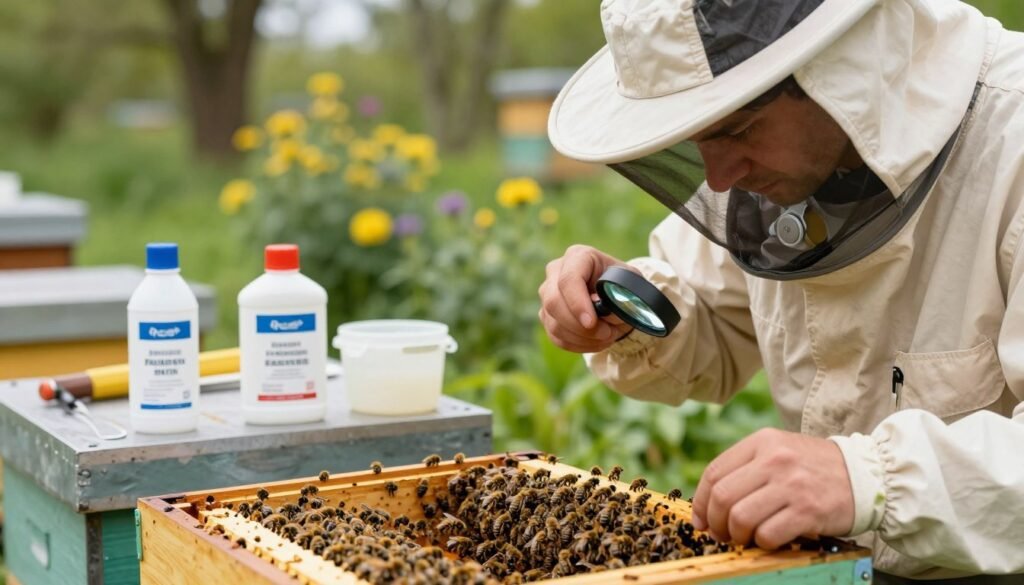
For specific cases like queen stress during heat, read the field analysis on hot-weather queen effects.
Conclusion
In closing, balanced decisions keep treatments effective and preserve queen and brood strength. Plan each application around temperature limits, ventilation, and colony strength. Small steps prevent heavy loss and support long-term apiary health.
Consistent monitoring and clear records yield better outcomes. Track mite and varroa counts, log results, and adjust management across the year. Review post-treatment mite counts at the linked guide for practical cadence: post-treatment mite counts.
Respect each colony as unique. Prioritize strength, avoid extreme stress, and treat with care so your bees remain productive for years.
FAQ
When is it unsafe to apply Formic Pro in a hive?
Avoid treating during extreme temperatures, heavy brood rearing, or when colonies are weak. Apply only when daytime highs sit in the manufacturer’s recommended range and the colony shows strong adult numbers across multiple frames. Poor ventilation, recent relocations, or active honey supers also raise risks.
How do temperature limits affect treatment safety?
Many miticide labels specify a safe temperature window for efficacy and bee survival. Above those limits, worker and brood stress increases and evaporation can irritate bees. Below limits, vapor delivery may fail and mites survive. Check the product label for the exact temperature range before starting.
What colony signs indicate treatment should be delayed?
Delay when you see low bee population, spotty brood pattern, queen problems, or high numbers of dead bees. Also avoid treating during swarming preparation or when brood is minimal but the queen is failing. These stressors reduce tolerance to acids and can lead to colony loss.
How many frames of bees indicate a strong colony for treatment?
A generally safe threshold is several fully occupied frames of adult bees covering the brood and food. Inspect for clustering across at least three to five frames, good brood coverage, and consistent bee movement. Weakly populated hives need alternative management or delayed treatment.
What ventilation steps protect hives during application?
Provide steady airflow without causing drafts that chill the brood. Open screened bottom boards slightly if recommended and avoid sealing the hive. Increasing upper ventilation can help vapors disperse. Follow label guidance—overventilation or poor airflow both raise hazards.
Should I open the bottom board during treatment?
Slightly opening the bottom board can improve air exchange and lower local vapor buildup. However, do not create large gaps that allow robbing or chilling. Adjust only as the label and local conditions recommend, and monitor bee behavior after adjustment.
How far should entrance reducers be adjusted for safety?
Loosen the reducer enough to permit normal forager traffic and ventilation, but keep openings small enough to limit robbing. Small adjustments often suffice; avoid removing reducers entirely during hot or windy days. Always balance airflow with colony security.
What steps protect the queen during treatment?
Ensure the queen is laying normally and not isolated in a small cluster. Avoid treatments during known queen issues or right after requeening. Gentle handling and timing treatments when the colony is robust reduce the chance of queen loss or reduced laying rate.
Which stressors should be minimized during the treatment period?
Reduce hive inspections, avoid feeding heavy syrups that stir brood activity, and postpone moves between apiary sites. Do not treat right before or after transport, and avoid exposing colonies to extreme heat. Less disturbance lets bees tolerate the miticide better.
What nutrition do colonies need before and after treatment?
Provide steady stores of pollen and nectar or a quality pollen substitute if natural forage is scarce. Do not overfeed sugar syrup during peak brood rearing; balanced stores help bees detoxify and recover. Good nutrition improves overall colony resilience.
Can relocating a hive around treatment increase risk?
Yes. Transport stresses bees and alters ventilation and temperature control. Move hives well before or after a treatment window, not during. If a move is unavoidable, monitor closely for abnormal mortality or queen issues.
Why must I avoid treating during extreme heat?
High heat amplifies vapor release and bee exposure, causing increased mortality and brood damage. Heat also reduces worker foraging and cooling capacity. Schedule treatments for milder weather and follow label temperature caps.
How should I monitor Varroa levels to time treatments correctly?
Use regular monitoring methods such as sugar shakes, alcohol washes, or sticky boards to track mite pressure. Treat when counts exceed your action threshold and coordinate with seasonal brood cycles. Post-treatment checks confirm efficacy and guide follow-up steps.
What precautions apply to honey supers during treatment?
Remove supers containing honey intended for human consumption unless the label permits treatment with supers in place. Contamination risk varies by product. Follow regional regulations and product instructions to protect honey quality and marketability.
What personal protection gear should be worn handling miticides?
Wear chemical-resistant gloves, eye protection, and a suitable respirator when mixing or placing pads or strips. Use long sleeves and avoid skin contact. Read the safety data sheet and product label for specific protective equipment requirements.
What are common issues after treatment and how are they fixed?
Watch for increased dead bees, queen supersedure, brood spotty patterns, or persistently high mite counts. Improve ventilation, check feeding and queen status, and consider alternative controls like oxalic acid vaporization or integrated pest management if efficacy is low. Consult extension services for persistent problems.