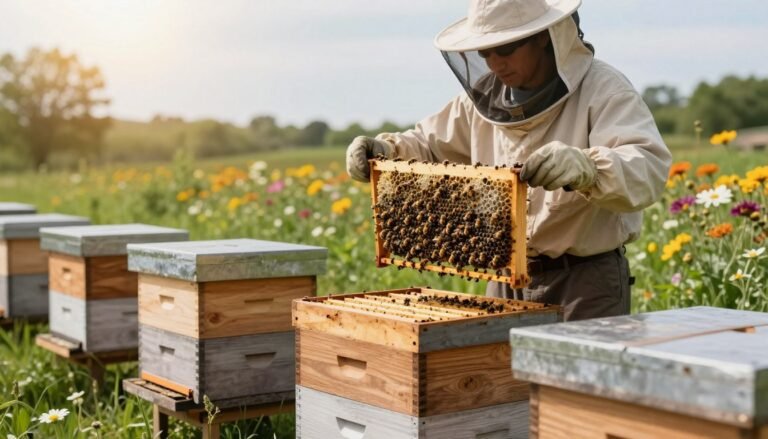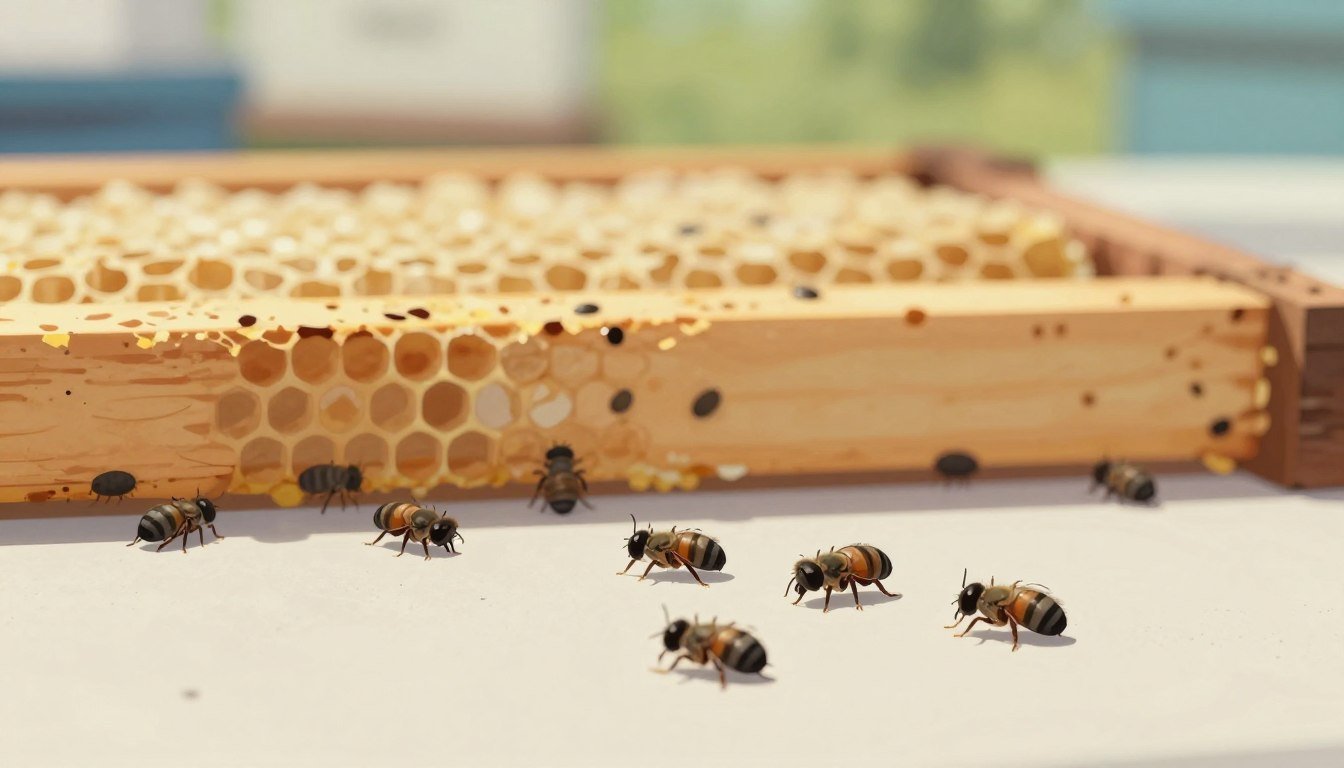
Monitoring mite fall is a key skill for U.S. beekeepers managing honey bee colonies. This introduction explains why tracking fallen pests helps you judge the effect of an acid treatment and decide if more work is needed.
Since EPA approval in 2015, many beekeepers follow a three-treatment protocol spaced five days apart to control populations in winter or low-brood windows. Proper safety gear, including respirators and eye protection, is mandatory when handling this substance.
Watch counts on a clean bottom board and pair those numbers with periodic sugar rolls or washes to get a complete picture. Practical tips cover dose, timing, and equipment choices. For community experiences and troubleshooting, see a forum discussion on what to do if treatments seem to fail and a comparison of vapor methods.
Community treatment reports and troubleshooting and method comparisons and research offer useful context for refining your plan.
Key Takeaways
- Track fallen mites on a clean board to assess treatment effect.
- Three applications, five days apart, are a common protocol in the U.S.
- Use PPE and follow label directions to protect yourself and colonies.
- Pair fall counts with sugar rolls or washes for accurate numbers.
- Treat during low-brood periods when possible to maximize impact.
Understanding the Role of Oxalic Acid in Beekeeping
A naturally occurring organic compound has become central to modern hive management in many regions. This section explains what it is, how regulators treat it, and why beekeepers use it as part of a broader approach to colony care.
Natural Properties
Oxalic acid appears in leafy greens, fruits, and some nuts. It is a colorless solid that dissolves easily in water to form a clear solution.
In nature, the acid acts as a deterrent to some herbivores. When applied correctly as a treatment, it can reach pests on adult bees and inside small hive spaces without leaving strong residues in honey.
Regulatory Status
In the United States, approval for hive use arrived in 2015. Since then, many beekeepers have integrated this option into winter and low-brood plans.
- Legal use: Follow label directions and PPE guidance for safe application.
- Research-backed: Studies from Europe and Canada support its effectiveness when timed well.
- Practical note: Treat as one tool among many for long-term colony control.
The Biological Mechanism of Mite Drop
Understanding how parasites sense and move helps explain why timing matters for an effective treatment.
These tiny pests lack eyes and depend on sensory papillae located on their front legs to find brood cells and cling to adult bees. That sense of touch and smell guides them between the phoretic phase on adult bees and the reproductive phase inside capped cells.
The prevailing theory holds that the treatment enters through the mite’s footpads and then reaches its circulatory system. Once inside, the acid disrupts physiological processes and often irritates the parasite, reducing its ability to re-enter cells and reproduce.
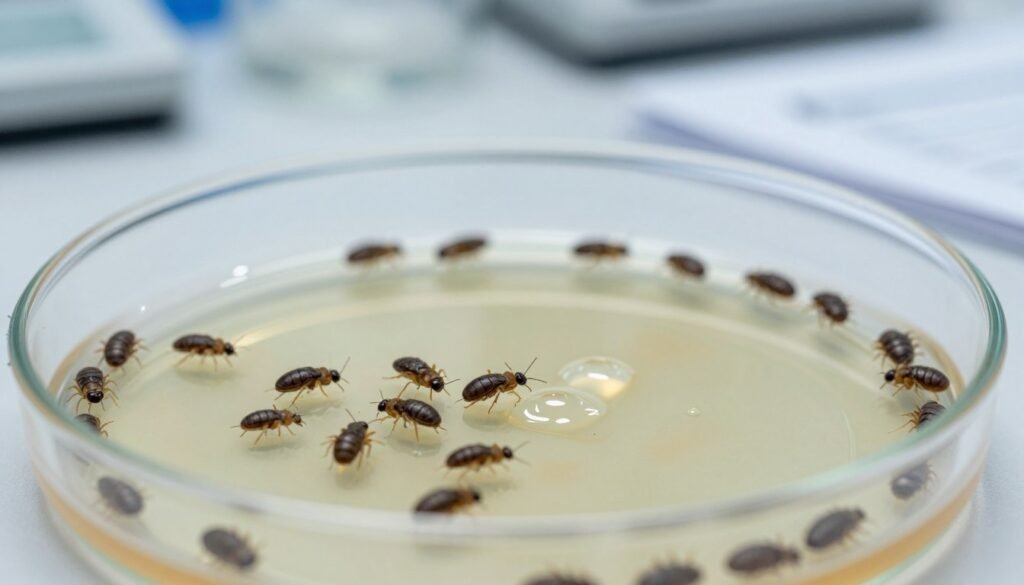
Timing is critical: colonies with lots of capped brood hide many parasites. Applying the treatment during low-brood windows catches more while they are on adult bees and improves overall control.
“Interfering with navigation and attachment is a key part of why chemical interventions reduce populations.”
For deeper methodology and timing guidance, read the extended-release update and consult monthly threshold guidance at monthly thresholds.
Preparing Your Hive for Effective Treatment
A well-sealed hive holds the treatment where it is needed and cuts stress on the colony during winter.
Sealing the hive
Start by closing gaps. Use cloth rags to seal the entrance and the back of the hive. This helps keep the vapor concentrated so the oxalic acid treatment reaches more bees and frames.
Inspect frames first. Make sure adult bees are present and brood levels fit your winter plan. If brood is high, effectiveness falls; timing is key.
- Equipment check: Use a reliable vaporizer such as the Varrox 12V 150W model for even sublimation.
- Power: Fit a fresh battery to the unit so the process finishes cleanly.
- Safety: Keep a supply of water ready to dilute any spills and to rinse gear safely.
“Proper preparation maximizes treatment impact while protecting the colony.”
Finally, create a calm workspace and limit hive openings. A controlled environment ensures the acid reaches interior spaces without forcing the bees to relocate. For a recommended small-apairy vaporizer, see the best oxalic acid vaporizer.
Evaluating Varroa Mite Drop After Oxalic Acid Application
Counting fallen parasites on a clean board gives a direct measure of treatment performance.
Record counts after each application. Don noted a clear increase in fallen mites following his second treatment, which is common as the acid reaches more of the colony. High counts on a sticky board usually indicate the treatment is working.
Keep notes on date, method, and environmental conditions. Consistent application allows valid comparisons between treatments and helps you spot trends over time.
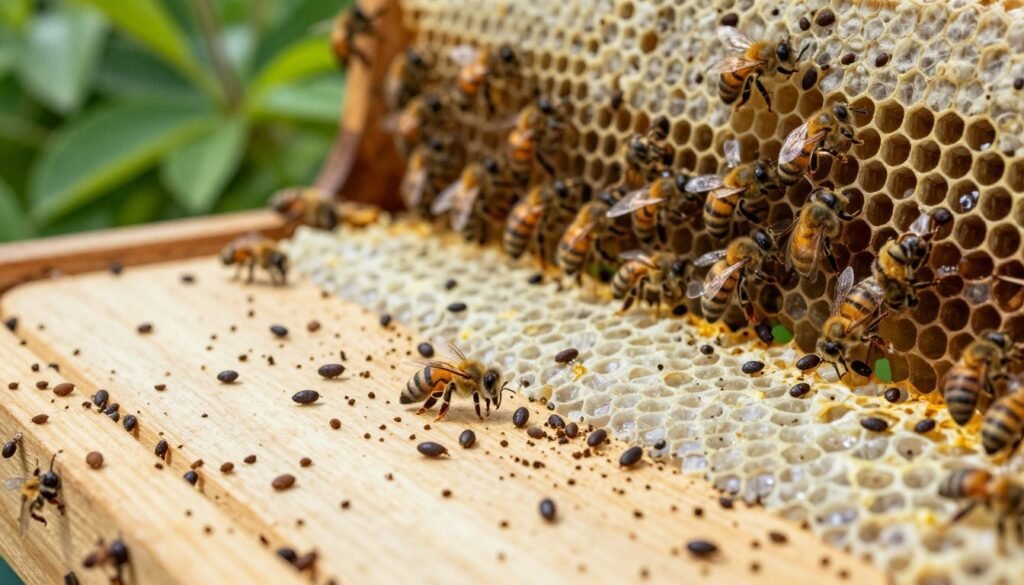
If counts stay high after multiple treatments, investigate nearby hives for possible re-infestation. A sustained spike can mean reinvasion rather than treatment failure.
“A high sticky-board count is often a positive sign that the intervention reached active pests in the hive.”
- Monitor daily for several days post application to track progress.
- Log results to detect patterns across treatments and seasons.
- Use consistent techniques to make data actionable for future plans.
| Observation | What It Means | Recommended Action |
|---|---|---|
| Low counts after first application | Early success or low initial pressure | Continue planned treatments and monitor |
| Spike after second treatment | Treatment reached more of the colony | Log and compare; proceed with third application |
| High counts persist | Possible reinfestation or incomplete control | Investigate neighboring hives; consider integrated steps |
| Consistent decline | Effective control established | Maintain regular monitoring and colony care |
Interpreting Daily Mite Counts
Daily counts give a practical read on how treatments shift infestation rates in each colony. Track simple numbers and you turn raw observations into clear action.
Establishing thresholds helps you decide when to act.
Establishing Thresholds
A common benchmark is 3 mites per 100 bees from an alcohol wash in late summer. Use that as a trigger for an oxalic acid treatment when brood is low or during winter. Record the number, the method, and the date so trends become obvious over time.
Using Sticky Boards
Sticky boards sit under the hive and capture the daily drop of parasites. Count daily for at least a week around an application to see the rate change. Pair these counts with sugar rolls or washes to verify true load.
- Tip: Note spikes that may indicate reinfestation rather than treatment failure.
- Equipment: The Varrox vaporizer reaches about 300C — adequate for vapor application and safe for common screens.
“Consistent monitoring is the hallmark of professional beekeeping.”
For complementary approaches and natural options, see natural remedies for varroa mites.
Why Mite Counts May Spike After Secondary Treatments
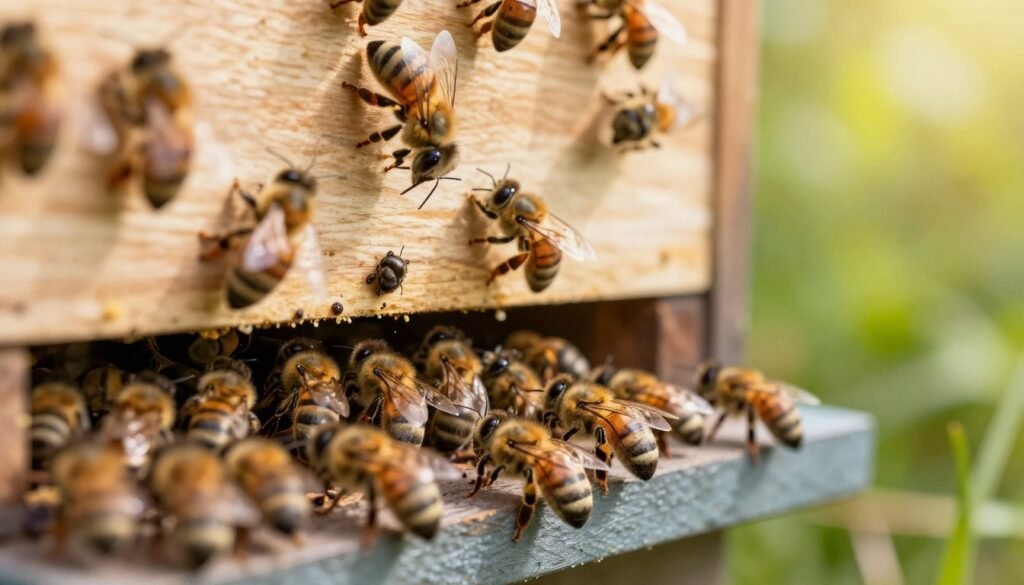
Counts often climb following a secondary treatment because hidden populations move onto adult bees and meet the vapor.
During summer and other high-brood periods, a large part of the pest population hides beneath capped cells. Those individuals are out of reach until they emerge, so early treatments may not catch them.
Timing matters. A three-treatment plan spaced five days apart helps catch cohorts as they rotate into the phoretic phase. The residual effect of the acid can last several days, creating a cumulative kill that shows up as a mid-sequence spike in numbers.
- A spike after the second application often means the treatment is reaching newly exposed parasites.
- Fluctuations are normal as different cohorts emerge and face control measures over multiple days.
- Keep monitoring so you can tell reinfestation from an expected treatment effect.
“High counts at the middle treatment are frequently a positive sign that the process is working, not failing.”
For comparisons and further method guidance, consult a review of formic vs oxalic approaches. Close observation during these days helps ensure the vaporization process proceeds as expected and steadily lowers numbers toward safer thresholds.
Managing Potential Re-infestation from Nearby Hives
Robbing and drifting create common pathways for parasites to move between colonies in an apiary.
Stay vigilant late summer through winter. Strong colonies often raid weak, collapsing hives. That behavior can bring new pests into an otherwise healthy yard.
Watch for sudden increases in daily counts. A spike may signal exposure to an outside source rather than treatment failure.
Keep records and act quickly. Maintain strong bee populations with proper feeding, space, and ventilation to reduce robbing pressure.
Use targeted measures when needed. A preventive application of oxalic acid can help protect a colony during high-risk periods. Pair treatments with consistent monitoring and good husbandry.
“Maintaining a strong colony is your best defense against incoming pests from surrounding, untreated hives.”
- Monitor sticky-board counts and washes to spot reinfestation early.
- Isolate or re-queen weak hives to reduce robbing targets.
- Coordinate treatments with neighbors when possible to lower local pressure.
For winter-specific strategies and timing when brood is minimal, see guidance on winter varroa treatment without brood.
| Situation | Likely Cause | Recommended Action |
|---|---|---|
| Sudden count rise | Robbing or drifting from nearby hives | Increase monitoring; strengthen colony defenses; consider targeted treatment |
| Weak hive nearby | Attracts robbers and spreads pests | Isolate, re-queen, or remove to prevent spread |
| Persistent high counts | Local reinfestation pressure | Coordinate treatments locally; maintain strong colonies |
| Stable low counts | Effective control and low external pressure | Continue regular monitoring and good husbandry |
Safety Protocols for Handling Oxalic Acid
Never treat a hive without a clear safety plan that protects your lungs, eyes, and skin.
Oxalic acid is labeled as Category 1 toxicity and can severely irritate eyes, skin, and the respiratory system. Always don a fitted respirator during any vaporization or handling to prevent inhalation of fumes.
Wear eye protection, chemical-resistant gloves, and long sleeves. Keep a large container of water close by to flush skin or clothing in case of spills.

Control the dose applied to each hive. Too much can harm bees and brood, so measure carefully and follow label directions at every application.
Store the product in a clearly labeled, sealed container away from food and drink. Keep equipment clean and dedicated to hive work only.
“Safety is the top priority when handling this powerful treatment—protect yourself first, then your colony.”
For step-by-step guidance and legal use details, consult the beekeepers guide to using oxalic acid.
Comparing Dribble and Vaporization Methods
Beekeepers balance convenience and impact when choosing between applying a liquid treatment directly and sending vapor into the hive.
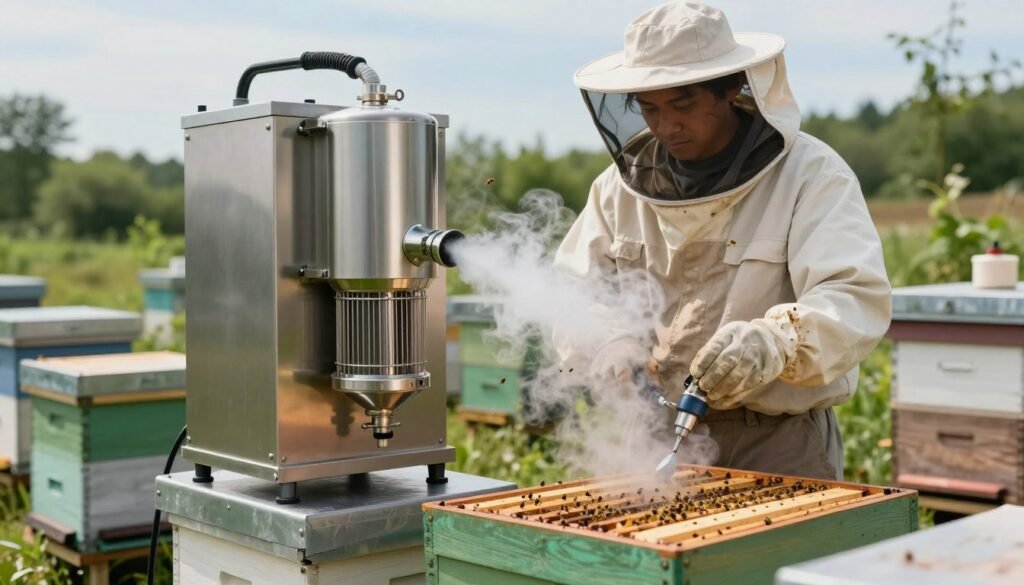
Dribble Technique
The dribble method uses a measured sugar-water-acid mix applied with a syringe directly onto the bees. It delivers a precise dose to the cluster and can be effective during low brood periods.
Pros: simple gear, low cost, easy to learn.
Cons: requires opening the hive and disturbs the colony; not ideal in very cold weather.
Vaporization Equipment
Vaporization treats the hive without opening it, making this way popular for winter work. Units like the Pro Vap speed treatment of many hives and reduce handling stress for bees.
Pros: fast for multiple hives, less cold exposure, often lower bee disturbance.
Cons: higher upfront equipment cost and need to maintain the unit for correct dose.
- Choose based on yard size, time, and colony condition.
- Research favors vaporization for reduced handling stress and efficiency.
- Follow label directions and check equipment before each application.
“Match the method to your season and number of hives for the best result.”
For a focused comparison, read this guide on dribble vs vaporization.
The Impact of Brood Cycles on Treatment Success
Treatments work best when scheduled to catch parasites as they leave capped cells and re-enter the open bee population.
Only a small share—about 15–20%—of the pest population is on adult bees during summer. Most remain protected beneath capped brood and escape a single application.
The egg-to-emergence period is roughly 21 days. That rhythm dictates when successive treatments should be applied to hit cohorts as they cycle into the phoretic phase.
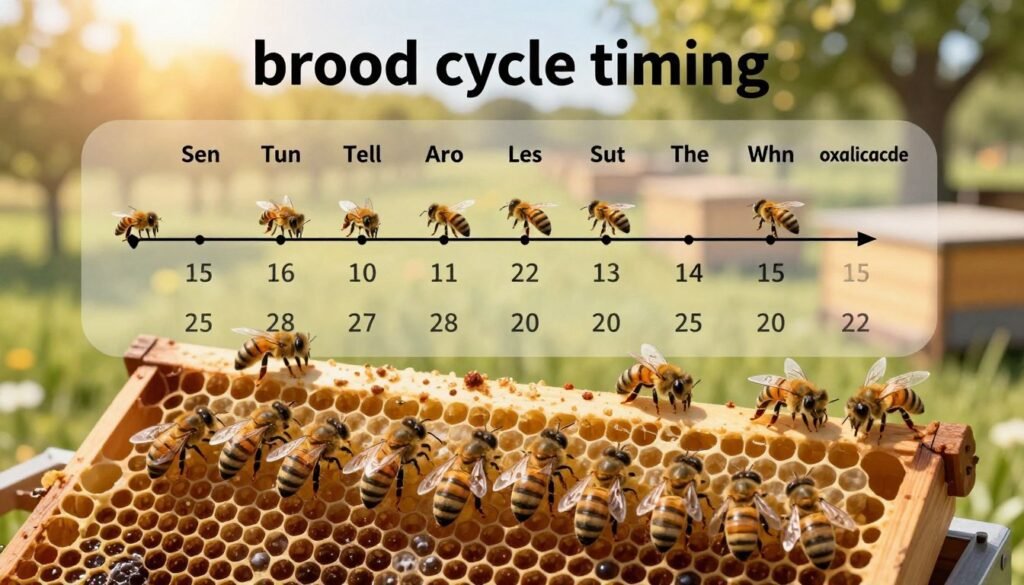
Because pests enter cells just before capping, a one-time treatment rarely controls the entire population. Plan multiple applications spaced to track the 21-day cycle.
- Monitor frames for brood levels so you know how much of the population is sheltered.
- Time vaporization or dribble to match emergence windows and improve control rates.
- Log numbers and adjust intervals if research or observation shows persistent pressure.
“Understanding brood dynamics turns intermittent treatment into a strategic, season-long control plan.”
Long-Term Strategies for Colony Health
A multi-year plan that mixes cultural practices and targeted applications keeps colonies robust. Good management goes beyond a single oxalic acid treatment and focuses on steady gains each season.
Rotate chemical controls each year to reduce selection pressure and slow resistance. Maintain larger colony sizes before winter; strong hives survive cold months better and produce more honey in spring.
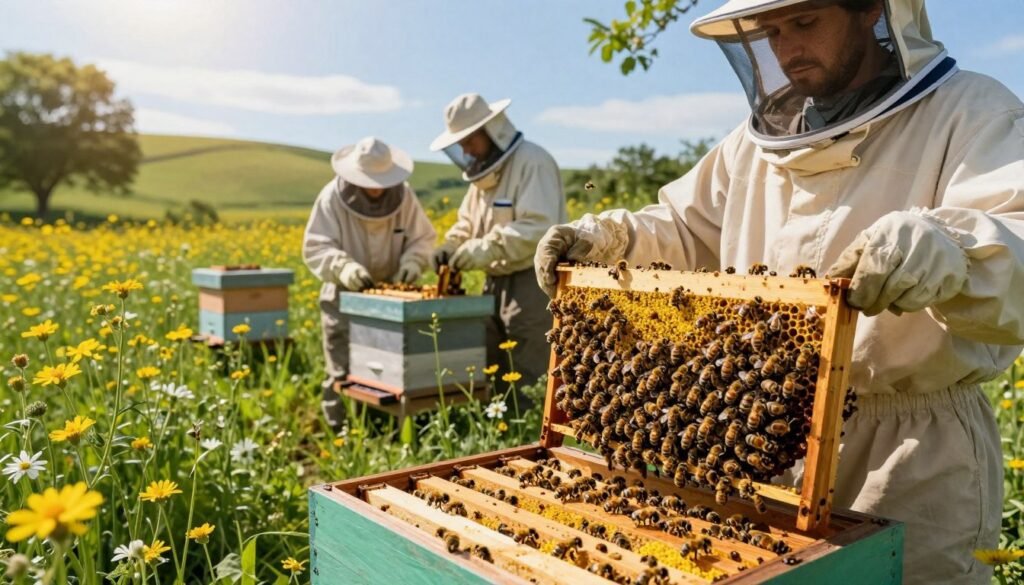
- Rotate treatments annually to limit resistance and preserve options.
- Monitor consistently using sticky-board counts and washes to tailor control varroa plans per hive.
- Invest in equipment and ongoing research to improve application accuracy and outcomes.
- Prioritize colony strength through feeding, requeening, and disease management to boost winter survival.
Focus on the overall health of your bees. Small, steady improvements in husbandry, monitoring, and targeted treatment build resilient colonies and better honey yields over the year.
“Successful beekeeping is a marathon, not a sprint—patience and consistent care pay off.”
Conclusion
Effective hive care blends practical monitoring with targeted interventions to keep colonies resilient. Track simple counts, keep clear records, and match timing to brood cycles to improve results for your bees.
Prioritize safety and consistency. Use proper PPE, measure doses carefully, and select the method that fits your yard and season. Studies on residue and exposure support careful use; see a detailed residue review at residue research for context.
Managing varroa and controlling mites is a long-term task. With steady monitoring, good equipment, and commitment, your colonies can thrive. Thank you for your work in beekeeping and for helping protect our honey bee colonies.