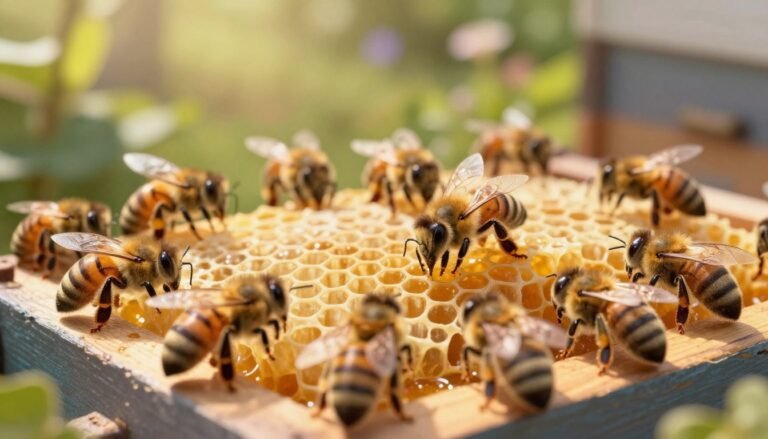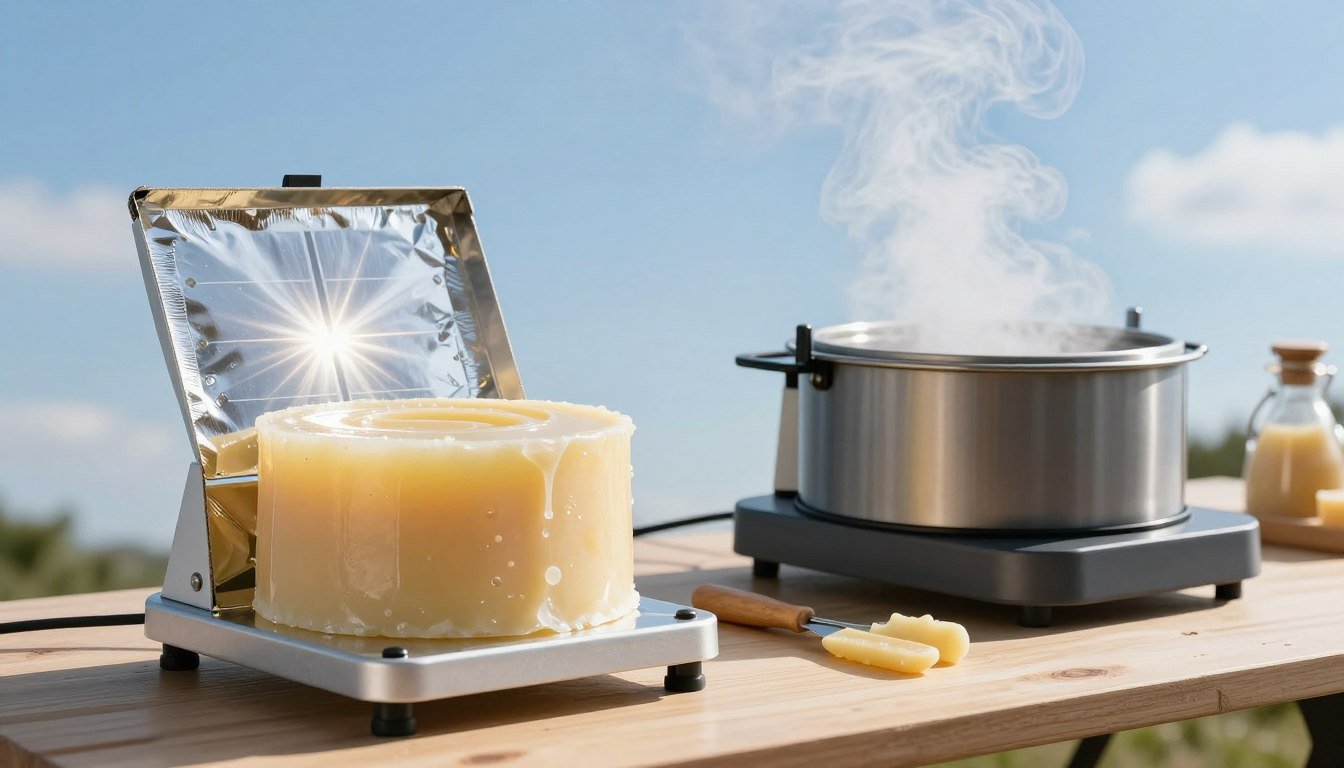
Choosing between a solar wax melter vs steam wax melter is a key decision for any beekeeper aiming to reclaim beeswax from old frames and brood boxes. Each approach has clear trade-offs: one leans on natural heat and low running costs, while the other offers speed and consistent results.
The solar option suits small-scale, weather-dependent work and can deliver high-quality, unburnt output with minimal energy cost. By contrast, a professional steam system, such as Thornes steamer equipment, does an excellent job on large batches and tough, old brood boxes.
In this guide we compare efficiency, output quality, and practical needs so you can match equipment to your apiary’s scale and goals. Links below point to detailed equipment notes and advantages to help you decide.
Learn more about steam benefits at steam melter advantages and review extraction options at bee wax extraction equipment.
Key Takeaways
- Solar systems are low-cost and eco-friendly but need strong sunlight and patience.
- Steam systems deliver fast, reliable melting and suit larger operations.
- Thornes equipment is often chosen for handling old frames and brood boxes effectively.
- Choose based on scale: hobbyists may prefer solar; commercial users often opt for steam.
- Consider wax quality, weather, and job volume when selecting equipment.
Understanding the Importance of Wax Rendering
Turning cappings and old comb into clean wax can add significant value to every honey harvest. You will often collect about 1–2 pounds of wax for every 100 pounds of honey extracted during the season.
Every beekeeping operation should treat rendering as a priority. Pound for pound, rendered wax can rival or exceed the value of the honey you produce in a year.
Save cappings and excess comb from routine hive inspections. Proper handling of burr comb and cappings boosts your total beeswax yield across years of work.
Clean wax has many marketable uses: candles, furniture polish, hand cream, and lip balm. Refining cappings turns waste into product and strengthens the economics of your apiary.
“Rendering cappings and comb maximizes the economic potential of every harvest cycle.”
- Prioritize rendering to capture value.
- Collect cappings during extraction to grow yield.
- Refine clean wax into finished goods for extra income.
For practical guides on equipment and process details, see how it functions and explore backyard options for small operations.
Solar Wax Melter vs Steam Wax Melter: How They Work
The core of both systems is simple: apply controlled heat to free liquid material from the honeycomb structure. Proper control keeps the material from burning and preserves quality.

Thermal Liquefaction
Thermal liquefaction breaks combs by softening the wax so honey and liquids run free. Heat alters the comb’s structure without chemically changing the product when done correctly.
Temperature control matters. Too hot and the color and scent change. Too cool and the process stalls, costing extra time and effort.
Physical Isolation
Once liquefied, physical isolation separates liquid from solids, bees, and cocoon fibers. Filtering and settling remove debris and yield a cleaner product ready for further refining.
Small operations often use passive collectors, while larger setups combine pressure vapor and skimming for fast results. For technical details on primary function, see how primary units work.
| Mechanism | Heat Source | Typical Benefit |
|---|---|---|
| Thermal liquefaction | Solar radiation or vapor | Gentle softening; preserves scent |
| Physical isolation | Gravity, filters, settling | Removes solids; produces cleaner wax |
| Control factors | Temperature and time | Prevents chemical change; saves time |
| Further steps | Secondary refining | Ready for foundation making — see foundation guide |
The Benefits of Using Solar Energy for Wax Processing
Using daylight to do the heavy lifting keeps costs low and cuts electricity use. A modest, well-built unit can render about 6–8 pounds per run while costing less than $75 to build.
The recommended build measures 27-3/4″ x 18-9/16″ x 18-1/2″. Use knotty pine and 3/4-inch exterior plywood for the floor and side panels to ensure strength and durability under heat.
Install a 15-degree incline on the floor so melted material flows by gravity into a large aluminum roasting pan and a smaller aluminum loaf pan for fine collection. Replace glass with 6mm polycarbonate greenhouse glazing for better heat retention and safer handling of beekeeping supplies.
Building a Cost-Effective Unit
- Materials: knotty pine, 3/4″ exterior plywood, aluminum pans, 6mm polycarbonate.
- Design: 15° floor angle, sturdy side panels, gravity-fed collection.
- Yield and size: renders 6–8 pounds; dimensions listed above.
| Component | Material | Function | Notes |
|---|---|---|---|
| Floor & sides | 3/4″ exterior plywood / knotty pine | Support and heat resistance | Use exterior-grade fasteners |
| Collector pans | Large roasting pan + loaf pan (aluminum) | Catch melting liquid | Place pans at bottom of 15° incline |
| Glazing | 6mm polycarbonate | Retains heat; safer than glass | Improves efficiency and longevity |
| Cost & yield | Under $75 | Produces 6–8 lbs per run | Good for small apiaries and hobbyists |
For full construction guidance and downloadable plans, check these construction plans. When you collect material, consider turning the reclaimed product into finished goods using a beeswax candle tutorial.
Why Steam Melters Are Preferred for High Volume
For large apiaries, powered steam systems deliver predictable results that keep operations moving through the entire season.
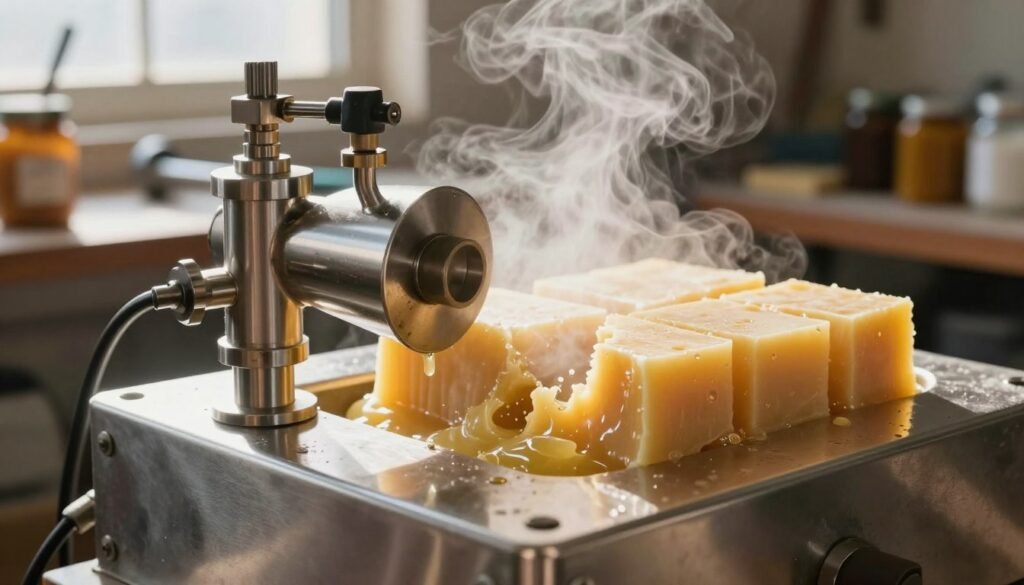
Consistent thermal energy from steam lets you separate wax from debris and impurities reliably. This makes processing combs and cappings fast and repeatable, even when the weather is poor.
Unlike passive units, a steam melter needs an active energy source such as electricity or fuel. That reliable input is what keeps a busy job on schedule.
Using a steam system lets teams process large quantities of old brood boxes, combs, and cappings in a single day. The Thornes steamer is widely used for this reason; it handles tough, aged combs and keeps productivity high.
- Weather-independent operation during peak season.
- High throughput for commercial beekeeping supplies.
- Cleaner output via steady heat and efficient separation.
“For busy operations, steam provides the speed and consistency that hobby setups cannot match.”
For safe handling and setup guidance, review extraction safety tips at extraction safety tips.
Factors to Consider When Choosing Your Equipment
Practical choices for reclaiming comb depend on climate, throughput needs, and how gently you heat material.
Weather dependency
If your site gets strong sun only some days, a passive unit will slow your work. A solar wax option works best on clear days in the season. If you need to process many boxes regardless of weather, consider a powered system that does not rely on sun.
Processing speed
Speed matters when a job must finish in limited time. A steam-based setup cuts time and handles large batches from hive boxes quickly. For small runs, the passive way gives good results but takes more time.
Material integrity
Controlled heat preserves the scent and color of bees products. Both methods can protect combs and cappings when the beekeeper monitors temperature and time carefully.
| Component | Recommended | Why it matters |
|---|---|---|
| Floor | 3/4″ exterior plywood | Supports weight and heat |
| Side | Knotty pine | Durable framing for panels |
| Pan | Aluminum collector | Easy to empty and clean |
- Build quality: check floor and side construction to hold comb weight.
- Match method to scale: use solar for small apiaries, use steam for large jobs.
Conclusion
Match the tool to your workload. Small apiaries benefit from a low-cost, eco-friendly solar wax melter that runs when the sun is strong. Larger operations gain time and consistency with a powered steam approach.
Both methods remove impurities effectively and produce clean beeswax ready for crafting or sale. Invest in the right wax melter and you will save effort when processing old brood boxes and cappings over the years.
Review your available beekeeping supplies, budget, and daily throughput before choosing. For practical DIY guidance on extraction and refining, see DIY beeswax extraction methods.