Managing parasites in a beehive is essential to keep colonies productive and resilient. Many beekeepers noted last year that these pests sharply threatened colony stability.
After any treatment, performing a careful post-treatment varroa mite count helps you judge results and plan next steps. This check gives clear data on mite levels and tells you if another treatment or a change in strategy is needed.
Understanding the parasite life cycle helps protect bees from long-term harm. Regular monitoring keeps colonies within safe limits and supports healthy bee populations across your apiary.
Simple, consistent checks let you act at the right time and keep colonies strong through the season.
Key Takeaways
- Do a post-treatment check to confirm effectiveness and guide next steps.
- Last year showed how quickly pests can weaken a colony.
- Monitoring helps keep bee numbers stable and productive.
- Knowing the parasite life cycle improves protection strategies.
- Regular, simple checks reduce long-term risk to colonies.
The Importance of Monitoring Varroa Mite Levels
Keeping a monthly testing routine gives beekeepers an early warning when parasites begin to rise. Regular checks stop small problems from turning into severe losses for a colony.
Bees reproduce and forage best when caregivers act quickly. If you miss the window to apply a needed treatment, an infestation can grow fast and overwhelm colonies within a year.
Healthy bees are the foundation of good beekeeping. Constant vigilance keeps brood strong and supports productive hives through seasonal shifts.
- Monthly testing helps you track trends and choose the right treatment at the right time.
- Consistent monitoring prevents sudden spikes that threaten an entire colony.
- Use reliable resources on how to monitor for varroa mites and on natural remedies to guide action in your apiary: how to monitor for varroa mites, natural remedies for varroa mites.
Understanding the Post-Treatment Varroa Mite Count
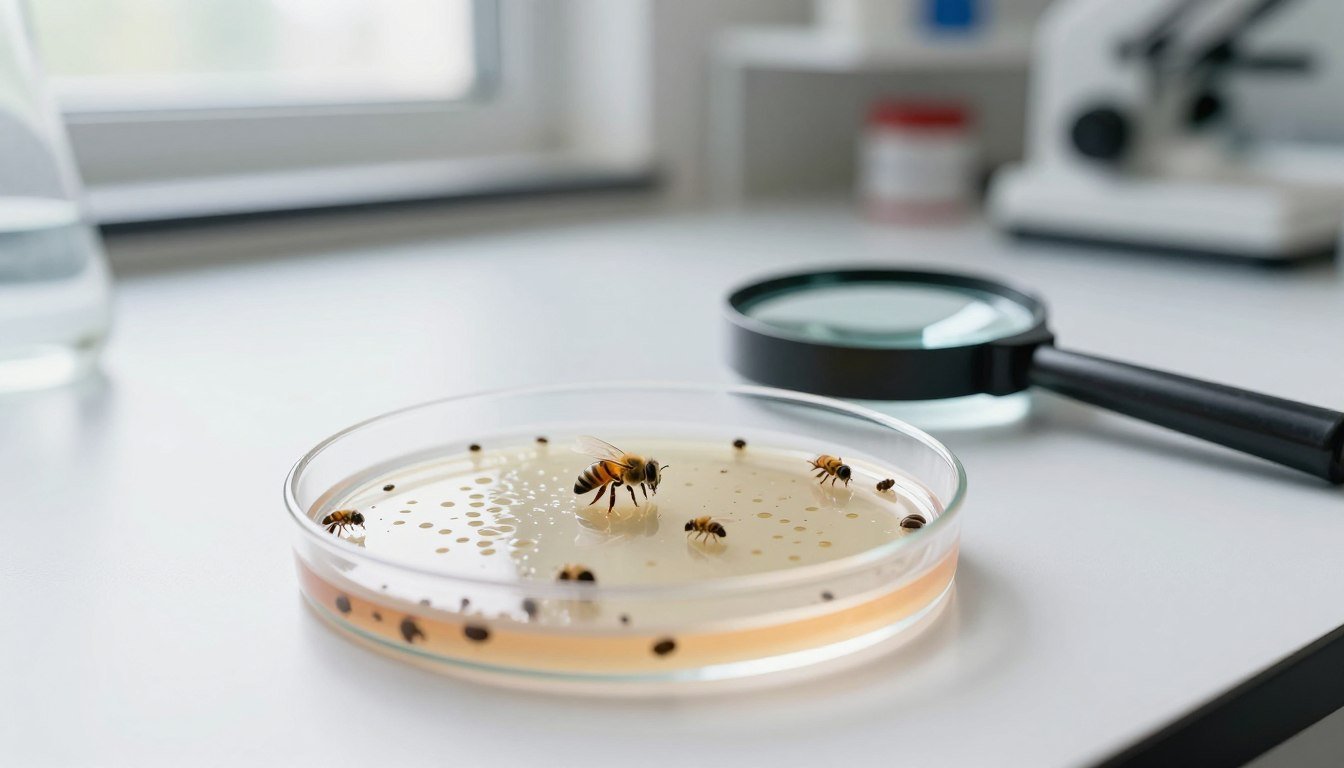
After treating a hive, reliable testing gives a clear snapshot of how many parasites remain. This check helps you judge whether a treatment lowered mite levels and if more action is needed.
The Alcohol Wash Method
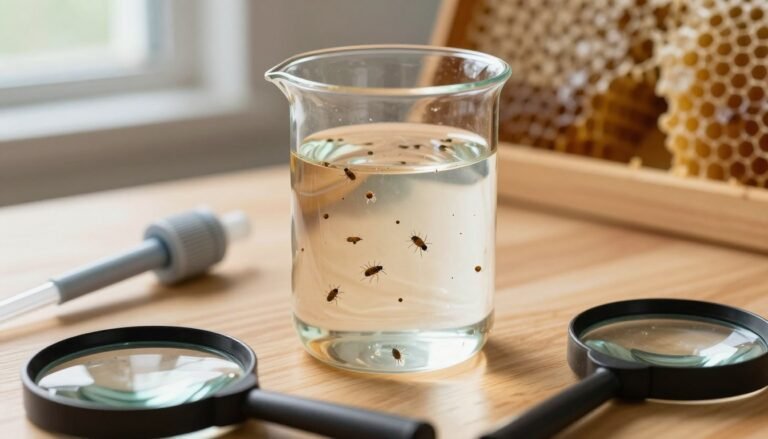
The alcohol wash is the most accurate way because it dislodges mites from bees quickly. Collect a sample of roughly 300 nurse bees from brood frames with open larvae.
Place the bees in the wash and agitate. The process kills the sampled bees, but it yields a precise measure of the mite population per 300 bees.
The Sugar Roll Technique
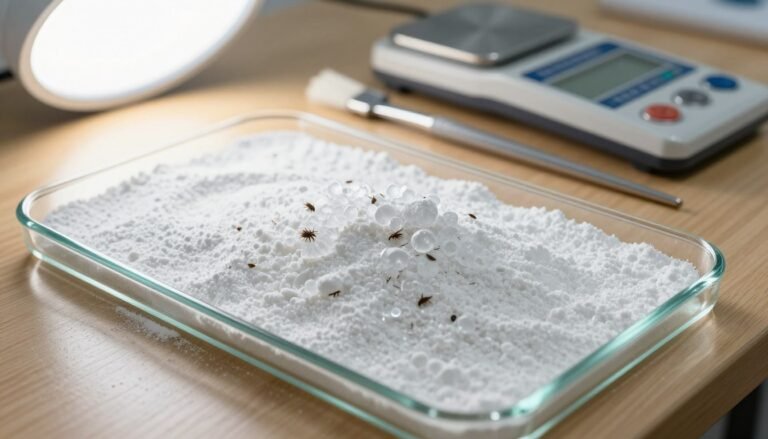
The sugar roll is a gentler way when you cannot sacrifice many bees. It uses powdered sugar to force mites off live bees into a jar for counting.
“Every count gives a snapshot of colony health and shows whether the treatment reduced mite levels.”
Tip: You can also track mite drop on a bottom board to get a rough idea of phoretic mites without disturbing the brood.
Selecting the Right Testing Method for Your Apiary
Choosing the right testing method starts with your apiary’s size and the goals you set for each colony. Small-scale beekeepers often prefer gentler techniques that spare bees. Larger operations need methods that are fast, repeatable, and easy to standardize across many colonies.
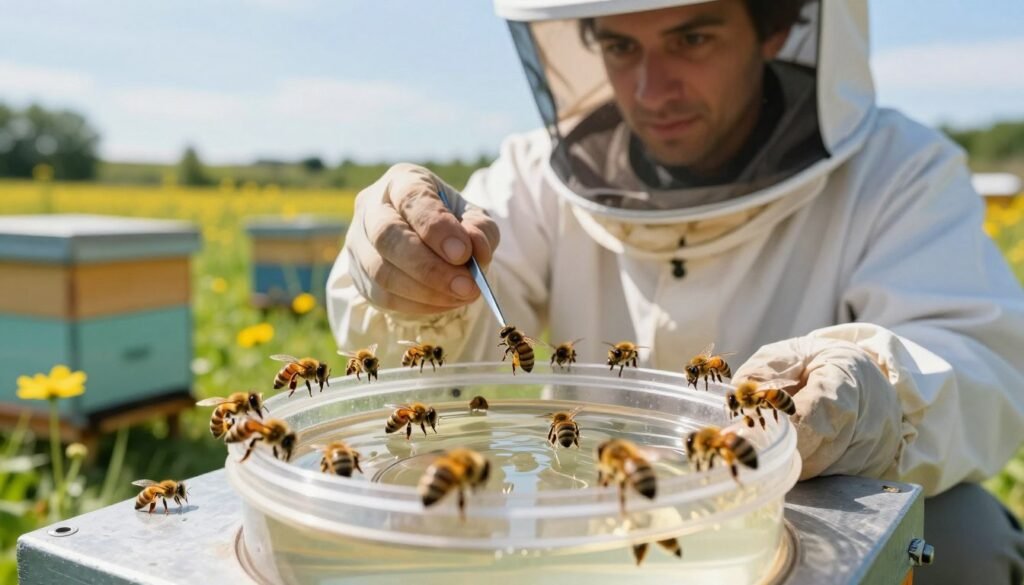
The alcohol wash is the most reliable option when accuracy matters. Many beekeepers accept the loss of a small sample because data from an alcohol wash guides confident treatment decisions.
Consistency beats convenience for multi-hive apiaries. Use one method all year so results compare directly and reveal trends in mite levels.
- Match method to colony size and your monitoring goals.
- Prioritize tools that produce clear data for each treatment choice.
- Keep records each year to spot rising problems early.
“Reliable testing protects colony health and helps beekeepers choose the right treatment.”
Interpreting Your Mite Count Results
A clear way to judge hive health is to convert raw totals into mites per 100 bees and compare that number to seasonal thresholds.
Calculating Mites per Hundred Bees
Use this simple math: if you sampled 300 bees, divide the total mites by 3 to get mites per 100 bees.
Seasonal thresholds matter. From April to July, treat when the level reaches about 2% (2 mites per 100 bees). From August to October, the threshold rises to about 3%.
- Sticky board flags: more than 8 in 24 hours (Apr–Jul) or more than 12 (Aug–Oct) suggests using a more accurate method like an alcohol wash.
- Track phoretic mites on adult bees to know if mites are shifting from brood cells to the adult population.
- Accurate interpretation of your counts ensures your treatment strategy protects the colony and prevents collapse.
“Turning raw numbers into a percent gives a clear, timely idea of infestation pressure and next steps.”
For breeding and hygienic selection tips that reduce future pressure, see research on hygienic behavior in bee lines.
Seasonal Considerations for Mite Management
Timing is crucial: the same treatment that worked in spring may lose effectiveness by late summer. Warmer months speed mite reproduction, so adjust inspections and interventions as the season changes.
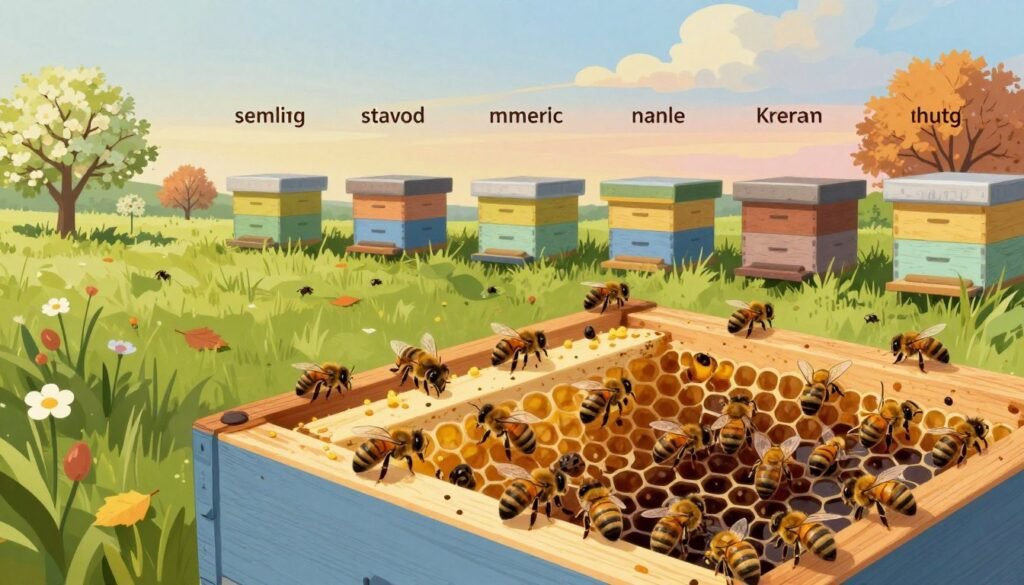
Bees face the highest infestation risk during summer when brood is abundant. Monitor regularly and keep mite levels low to protect each colony through the busiest foraging months.
Plan treatments around life cycles and the calendar. Early spring checks set a baseline; follow-up actions in mid-summer prevent dramatic spikes that harm overwintering success.
- Inspect before fall: reduce mites so colonies enter winter strong.
- Match treatment to season: choose methods proven for the current time of year.
- Record results and refine timing year to year.
“Seasonal planning keeps colonies resilient and gives beekeepers a clearer path to effective treatment.”
For a detailed seasonal schedule, review this seasonal schedule to align inspections and actions across the year.
Managing Mite Populations During the Growth Stage
Catching rising parasite pressure while colonies expand gives bees the best chance to stay strong. Act during this period to protect brood and preserve foraging power later in the season.
Benefits of Early Treatment
Treating early keeps the colony healthy enough to defend itself and to build honey stores before the end of the year.
Quick intervention reduces virus transfer and lowers the overall load on the bee population.
- A sample showing 7 or more per 300 bees signals serious stress and needs immediate action.
- At 10 or more per 300, colonies may abscond, risking total loss.
Queen Laying Considerations
Choose treatments that protect the queen and sustain brood production. Some products harm laying rates or disturb brood if used at peak queen activity.
“Managing the load during growth ensures a strong population for the peak season.”
Record results and adjust methods by colony size and timing to keep bees productive through the season.
Managing Mite Populations During the Growth Stage
Protecting a growing colony means spotting rising threats quickly and choosing the safest treatment for bees. Early action preserves brood, keeps the population strong, and lowers virus transmission risks.
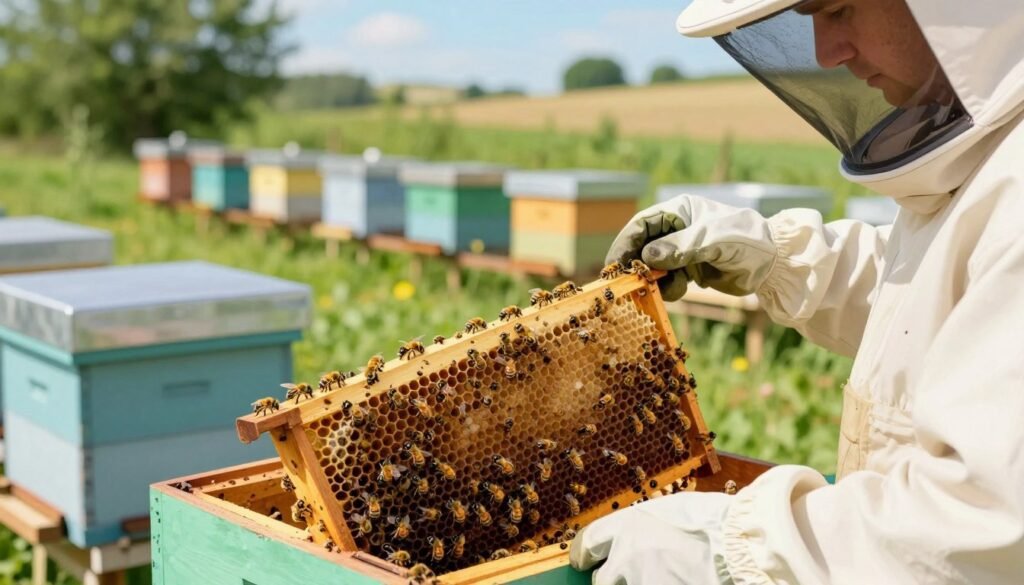
Benefits of Early Treatment
Intervene early to stop small problems from becoming losses. A mite count of 6 or greater during the peak season is a clear signal to treat immediately.
When possible, avoid treatments during peak nectar flow because few options will not taint honey. If summer treatment is necessary, ensure daytime temperatures are between 50–85°F for products like Formic Pro during the first three days.
- Monitor phoretic mites on adult bees to judge pressure.
- High apiary temperatures increase the risk of absconding or queen loss with the wrong treatment.
Queen Laying Considerations
Choose treatments that protect the queen and maintain steady brood production. Protecting the laying cycle helps colonies build reserves for fall and winter.
“Early, careful decisions during growth give colonies the best chance to enter winter healthy.”
For a reliable testing guide, review varroa mite testing to align sampling and actions across your apiary.
Preparing for Winter with Post-Harvest Testing
The end of the honey season is the ideal time to validate that treatments left your colonies clean and queen-ready.
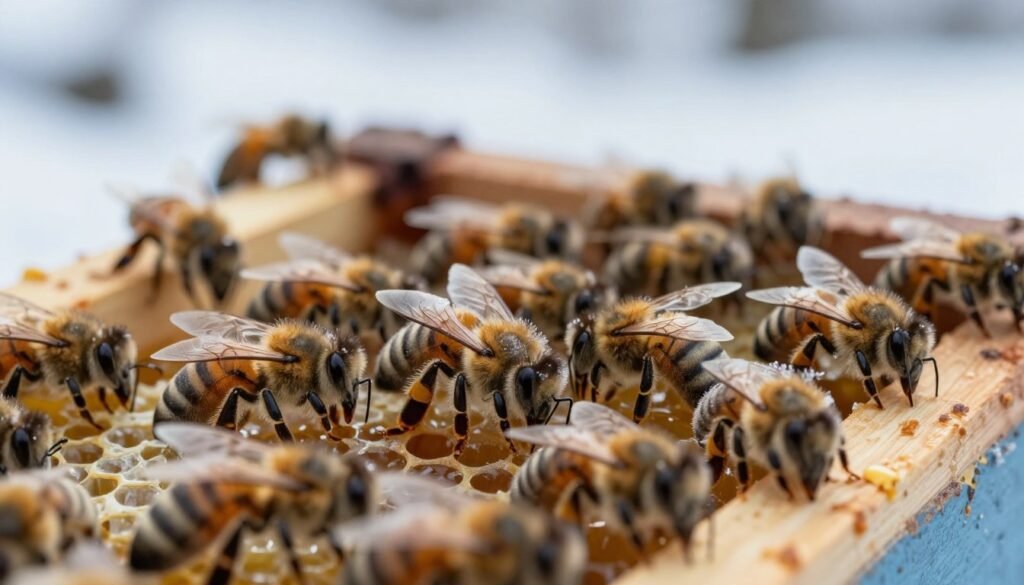
Cold-climate beekeepers aim for 0 or 1 mites per 100 bees before the hive is sealed for winter. After harvest, test adult bees to confirm low levels and protect the winter population.
Winter Bee Health
Healthy winter bees come from low parasite pressure in late fall. If counts are above target, consider a timely treatment that fits temperature limits.
- Apiguard note: it only works safely when daytime temps stay between 60–100°F for the full treatment period.
- Oxalic acid is an effective cleanup tool at season end to remove remaining pests from the colony.
- Work to finish the year with a strong queen and a near‑zero infestation to boost overwinter survival.
“A clear end-of-season check gives beekeepers the data they need to enter winter with confidence.”
For tips on keeping colonies productive while preparing for cold months, review resources on apiary productivity.
Utilizing Integrated Pest Management Techniques
Integrated Pest Management (IPM) is a practical way for beekeepers to protect colonies year-round. It blends cultural steps, scheduled testing, and targeted treatments to keep bee populations stable.
Test regularly: when temperatures exceed 70°F, perform a mite test every 4–6 weeks. Rotate which colony you sample each month to monitor the whole apiary without excess labor.
“Use several tools, not just one, and change tactics to avoid resistance.”
| IPM Tactic | Best Time | Pros | Cautions |
|---|---|---|---|
| Mechanical (screened bottom) | All season | Reduces drop, low cost | Not stand-alone |
| Organic acids (oxalic acid) | Post-harvest/winter | Effective cleanup | Follow label; temperature limits |
| Behavioral (hygienic lines) | Breeding season | Long-term resistance | Requires record keeping |
| Rotation of treatments | As needed | Slows resistance | Avoid repeated use of same product |
Never rely on one treatment repeatedly. Rotating methods slows resistance and keeps treatment options effective. Use organic acid blends and other options only per label and be mindful of queen and brood safety.
For a practical list of control methods, see control methods that fit U.S. beekeeping operations.
Troubleshooting Unexpected Mite Count Spikes
Sudden jumps in mite levels can signal external pressures or internal weakness in a colony. Start by confirming your sampling method and timing before changing treatments. Small errors in sampling or seasonality can make numbers look worse than they are.
The Role of Colony Strength
Weak colonies show spikes sooner. Check brood pattern, queen activity, and overall population size. A failing queen or sparse brood makes bees more vulnerable to rapid infestations.
Action steps: revisit the brood frames, compare population across hives, and record observations. If brood is present, follow an oxalic acid protocol of three treatments spaced six days apart to target hatching mites.
Identifying External Infestation Sources
Spikes often come from robbing, drifting bees, or nearby colonies with high mite levels. Inspect flight activity and hive entrances for signs of robbing or drifting during spring and late season.
- Use bottom board checks and alcohol wash comparisons to confirm trends.
- Consider winter vaporization with oxalic acid when bees are clustered and not leaving the hive.
- Keep detailed records of mite drop and hive history to spot patterns and reassess treatment strategy or queen health.
“Consistent sampling and clear records help beekeepers find the root cause of sudden spikes and protect colonies faster.”
Conclusion
Ending the season with low infestation levels gives bees the best chance to thrive in winter. A clear final count supports confident decisions and helps you plan fall work that protects brood and stores.
Regular counts and timely treatments keep populations low and reduce virus spread. Track a single reliable metric like a mite count after harvest to confirm results and refine your approach before cold weather arrives.
With steady effort, good records, and the right tools, your apiary can enter winter strong. Keep testing, adapt by season, and prioritize colony population health to boost survival year after year.