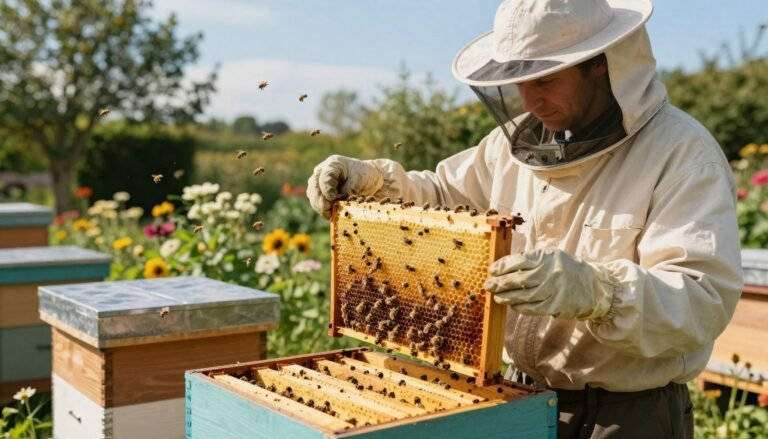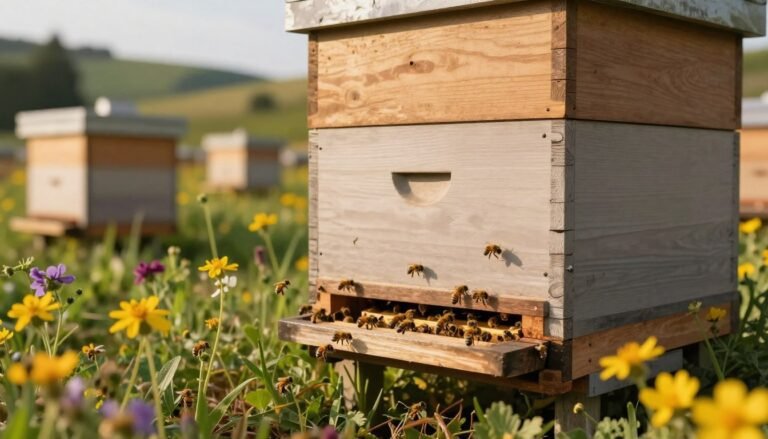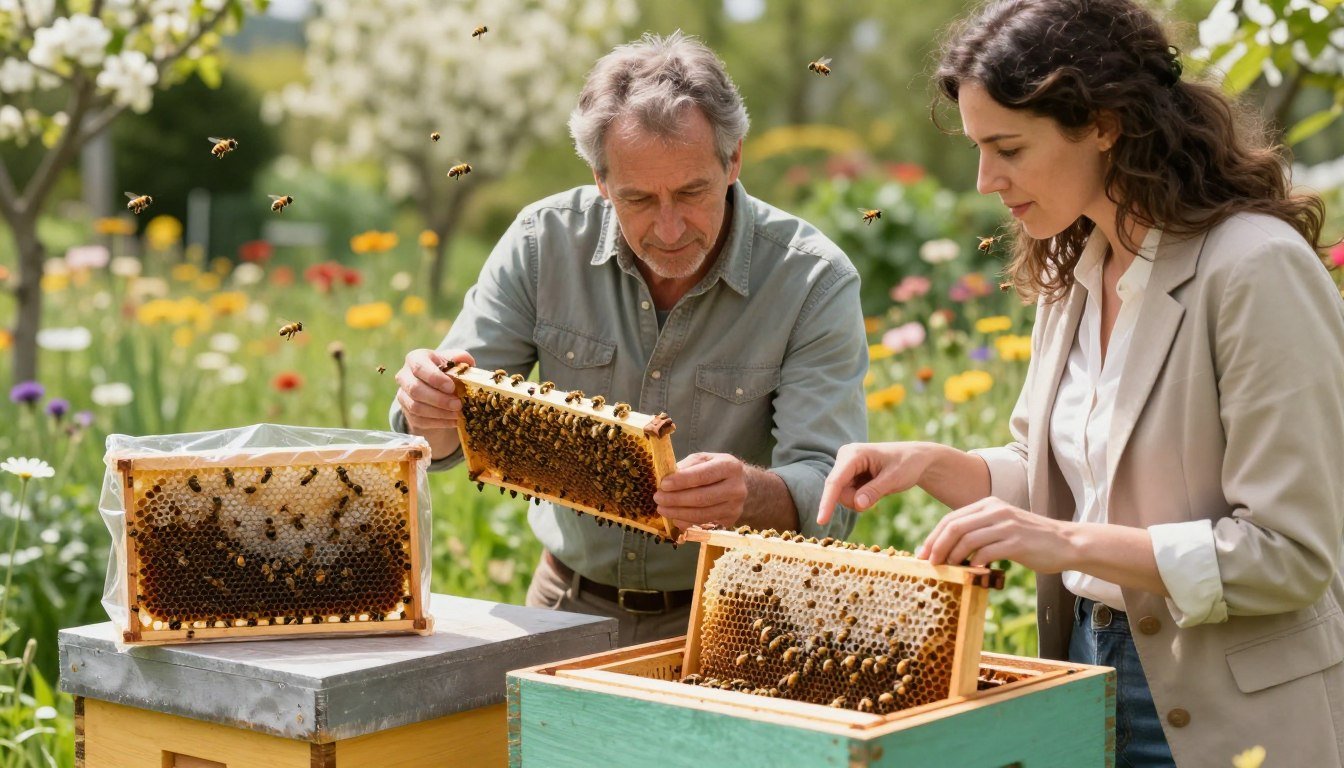
Deciding how to start a new hive is a defining choice that shapes your first year as a new beekeeper. The two common routes—buying a standard package or taking on a nucleus colony—each have clear trade-offs in setup, speed, and management.
Experienced beekeepers with over 20 years of practice report success with both methods, noting that local climate and available resources often guide the decision. A nuc gives a head start with drawn comb and brood, while a standard option arrives as loose workers with a caged queen and needs time to build comb.
Choosing the right equipment and starting method affects spring buildup, honey output, and long-term colony health. Learn the key operational differences and how each way suits your goals, then consult practical resources and advice to match your location and schedule.
Key Takeaways
- Both methods can produce honey in year one when managed well.
- A nucleus colony often starts stronger due to existing frames and brood.
- Standard options are usually available earlier and cost less.
- Local climate and resources should guide your choice.
- Set up and frames matter—proper installation speeds success.
- Read expert guidance like this nucleus colony vs package overview.
Understanding the Basics of Package Bees vs Nucs for Beginners
A new beekeeper’s early decision often comes down to whether they want to build comb from scratch or inherit existing frames and brood.
What each option is: One choice arrives as a shipment of loose workers with a caged queen. The other is a compact colony that already has drawn comb, brood, and an active queen.
These differences shape spring growth and day-to-day care. A mini-colony tends to start stronger and needs less comb-building. The loose shipment requires more feeding and supervision until comb is drawn.
Beekeepers often weigh the trade-offs by matching their time, budget, and local forage to the option that suits them best.
- Management: One needs active installation and monitoring; the other arrives more established.
- Growth: Nucleus hives usually show faster early development during spring.
- Risk: Both can succeed with good care and timely interventions.
Compare practical buying guides like this nucleus colony overview or read regional notes at buying packaged bees and nucs to match the choice to your location.
What Defines a Package of Bees
A standard shipment typically contains about three pounds of worker insects — roughly 10,000 to 15,000 individuals — plus a mated queen held in a small protective cage.
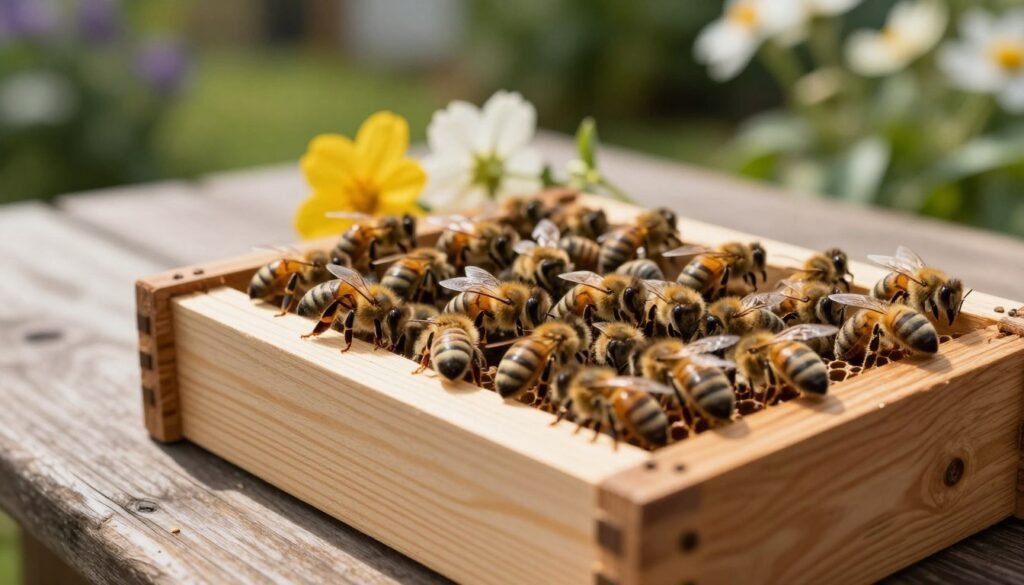
The Role of the Queen
The queen is central to colony formation. She arrives caged to reduce stress and to allow workers to accept her scent. Release her slowly so the worker bees acclimate and begin accepting her leadership.
Once accepted, the queen starts laying and the hive moves from caregiving to growth. Reliable sources often guarantee a healthy queen, but remember the lack of existing brood means the colony builds its brood cycle from scratch.
Installation Challenges
Because the shipment contains no drawn comb or stores, the workers must spend energy building wax frames and collecting nectar and pollen. This is a major point of difference compared to a nucleus colony.
Practical steps: shake the worker cluster into the hive box, provide immediate feeding, and monitor acceptance of the queen. These moments can be challenging for new keepers, so patience and steady care drive success.
- Box holds ~3 lbs of worker bees and a caged queen.
- No stored honey, pollen, or nectar — feed right away.
- Shaking into the hive and slow queen release are key tasks.
For a concise comparison and additional guidance, review this nucleus colony overview.
The Anatomy of a Nucleus Colony
A nucleus colony is a small, functioning hive that gives a new beekeeper a clear head start. It usually contains five frames of drawn comb, a laying queen, and roughly 20,000 worker bees.
Because these frames hold brood in all stages, plus stored honey and pollen, the unit expands faster than a starter shipment that has no comb. The presence of an active laying queen means the colony is already reproducing and organizing its nest.
Installation is simple: nucleus hives are designed to be moved directly into a full-size hive body. That reduces handling time and lowers the early risk of loss for many beekeepers.
- Five drawn frames provide comb and food stores.
- About 20,000 worker bees keep the brood nest warm and productive.
- Faster spring buildup because brood and stores already exist.
For practical setup tips and transport options, see this nucleus colony guidance and advice on the best nuc box.
Comparing the Advantages and Disadvantages
Choosing how to start a colony changes growth speed, workload, and early risk. Below are clear, practical differences to help you weigh trade-offs.
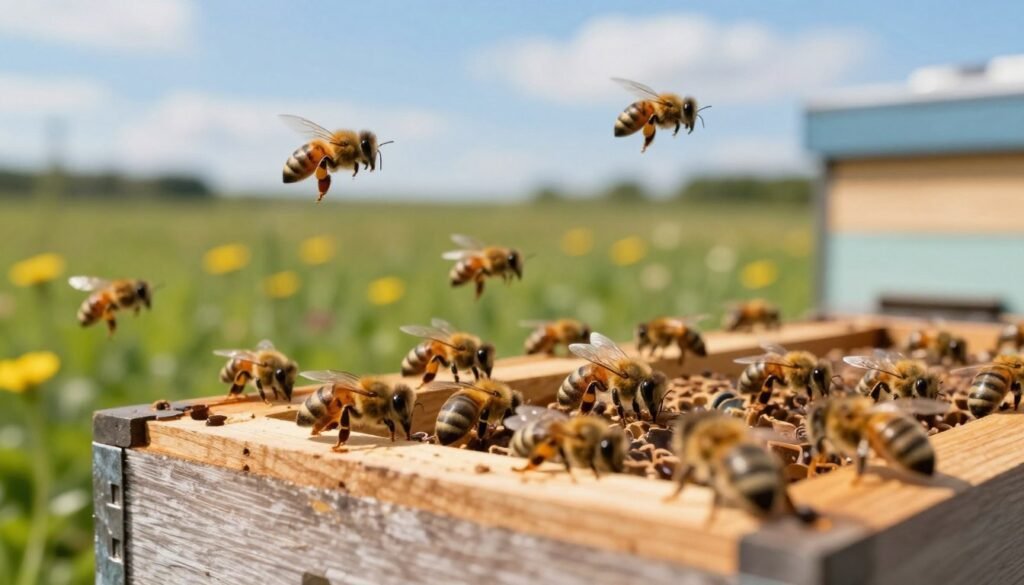
Growth Rates and Development
Nucleus colonies usually expand faster because they arrive with drawn frames, brood, and active worker support. That rapid start often leads to earlier honey flow and a higher first‑year success rate.
Starter shipments take more time; the queen must establish a laying pattern while worker bees build brood comb and stores.
Comb Building Requirements
Comb is costly in nectar. It takes roughly 8 pounds of sugar or nectar to draw one pound of new wax comb. That makes feeding a major task when starting without drawn frames.
Many keepers use equipment such as the Mann Lake Pro Feeder to supply syrup until the colony can forage and build comb efficiently.
Disease and Pest Risks
Older comb can hide problems. A small risk with nucleus hives is that used frames may carry pathogens or varroa reservoirs. A fresh start reduces that specific hazard.
Balance this by inspecting frames, rotating old comb over time, and using good integrated pest management. If you want deeper reading, see our beekeeping starter guide.
- Advantage: nucleus hives reach production faster due to existing brood and stores.
- Advantage: starter shipments are often cheaper and available earlier in spring.
- Point: feeding and equipment needs are higher when bees must build all comb from scratch.
Financial and Operational Considerations
When planning a new hive, many keepers weigh upfront cost against early operational ease.
Initial costs: A standard shipment is usually less expensive to buy, but it needs extra equipment and immediate feeding. Count syrup, pollen substitutes, and feeders when you make a budget.
Operational time: Installing a starter requires careful introduction of the queen in her cage and close monitoring during the first weeks. That step adds hands‑on time that some new beekeepers find challenging.
Higher upfront, lower follow‑up: A nucleus hive costs more to acquire but often saves on supplemental feed and replacement queens. The presence of brood and stored honey cuts early maintenance.
Consider box and equipment lifecycle. The disposable box included with a shipment might be single‑use, while a nuc box can be reused for splits and transport. This affects long‑term costs.
- Budget tip: Factor in feeders, sugar, and occasional supplements when comparing total investment.
- Operational tip: If you want a quicker, steadier start, a nucleus often lowers early workload.
For deeper buying guidance, review a detailed nucleus overview and advice on picking suitable stock at nucleus colony guidance and top recommendations for new keepers at best bees for beginners.
Selecting the Right Option for Your Beekeeping Goals
Match your start method to seasonal rhythms and the length of your local nectar flow.
Assess local climate and forage. Short springs favor a ready-made nucleus colony because drawn frames and brood speed early growth. In long bloom seasons, a starter shipment can catch up as worker populations swell.

Assessing Your Local Climate and Forage
Seek local advice. Talk with nearby beekeepers and extension services to learn what stock adapts well to your region. Use regional guides like starting your beekeeping journey and practical steps at how to start beekeeping to compare options.
- Inspect brood pattern in a nuc before purchase to confirm a healthy laying queen and solid brood.
- Limited equipment? A nucleus often includes frames and stores, easing the initial setup.
- Experienced keepers may choose starter shipments for flexibility, while many recommend nucleus hives to ensure early success.
“Choose stock that matches your climate and your calendar — that choice drives first-year success.”
Conclusion
Success in your first year often comes down to steady care and a willingness to learn. After 20 years of practice, experienced keepers report that both package bees and nucs can yield a honey harvest in year one when managed well.
Your commitment to learning, timely interventions, and the right resources will shape the outcome. Inspect brood, protect the queen, and adjust feed and shelter as seasons change.
Every colony is unique. Adaptation improves with each year and increases long‑term success. Continue studying practical guides and local advice—start with a concise detailed comparison.
Good luck with your new hive. Stay attentive, keep learning, and enjoy the journey.
FAQ
What is the main difference between a bee package and a nucleus colony?
A nucleus colony arrives with drawn comb, brood, a laying queen, and worker bees already organized on frames. In contrast, a bee kit contains loose workers and a queen in a cage without foundation drawn. The nucleus offers a head start because the colony has existing brood and stores, while a kit requires more time to build comb and develop the colony.
How quickly will a nucleus colony start producing honey compared to a kit?
A nucleus colony typically reaches foraging strength faster because it begins with frames of brood and stored nectar and pollen. A kit needs weeks to draw comb and rear brood before achieving similar nectar flow activity. Local nectar sources and season timing still determine actual honey production.
What equipment differences should I expect when starting with either option?
Both require a standard Langstroth hive, protective gear, smoker, and basic tools. A nucleus arrives on full frames that fit straight into a new brood box, minimizing setup. A kit requires installing the queen and workers into an empty box with foundation or frames, which can require more careful handling and time.
How does queen quality and availability affect success?
A laying queen in a nucleus is established and easier for a new beekeeper to manage. Kits include a caged queen that must be released or accepted by workers, which carries some risk of rejection. Buying queens from reputable suppliers such as Mann Lake, Brushy Mountain, or local breeders improves success either way.
Which option has higher disease and pest risks?
Nucleus colonies may carry brood diseases or varroa mites if not screened by the supplier. However, because they have drawn comb and brood, contaminants can persist longer. Kits start on clean foundation or new frames, which lowers early disease risk but offers no immunity; regular mite monitoring and good sanitation are essential for both.
Are there cost differences between the two choices?
A nucleus usually costs more upfront because it includes frames, brood, and a laying queen. A kit tends to be cheaper but may require more time and resources to reach the same strength. Consider long-term value: quicker establishment can mean earlier pollination services or honey harvests that offset higher entry costs.
How does local climate and forage influence the decision?
In short seasons or marginal climates, a nucleus offers an advantage by accelerating colony development before dearth periods. In regions with long springs and abundant nectar, a kit can catch up and perform well. Assess local bloom timing and consult regional beekeeping clubs or extension services for tailored advice.
What installation challenges should new beekeepers expect?
Installing a nucleus is straightforward—transfer frames into the hive, level them, and close the box. Installing a kit requires careful shaking or fume-board technique to move workers into the hive and patience while the queen is accepted. Both need routine inspections afterward to confirm laying patterns and queen presence.
How soon should I inspect after installing either option?
Inspect a nucleus within 7–10 days to confirm the queen is laying and brood is developing. For a kit, check after the queen release period—usually 7–14 days—to ensure acceptance and egg laying. Keep inspections brief and calm to avoid stressing the colony.
Can I requeen or split a nucleus or kit later in the season?
Yes. Both can be requeened or used to create splits once they reach adequate strength. A nucleus is ideal for requeening because the introduced queen encounters established brood and workers; a strong kit colony can also be divided to grow apiary numbers over time.
What are practical resources for new beekeepers deciding between the two?
Useful resources include state extension services, local beekeeping associations, and reputable suppliers like Mann Lake or Betterbee. Books such as “The Backyard Beekeeper” by Kim Flottum and online forums moderated by certified apiarists offer practical, region-specific guidance.
How important is verifying the health of a nucleus before purchase?
Very important. Ask suppliers about mite treatment history, brood pattern, and queen age. If possible, inspect the nucleus or request photos showing even brood distribution and no signs of disease. Healthy foundation and good pollen stores reduce early problems.
Which option is better for learning hive management quickly?
A nucleus often accelerates learning because new beekeepers witness brood cycles, queen performance, and frame management sooner. A kit teaches foundational skills like comb drawing and queen introduction, which are valuable but slower to demonstrate colony dynamics.
What maintenance practices help either colony thrive the first year?
Monitor for varroa with regular mite counts, feed sugar syrup during nectar dearths, provide pollen substitute if forage is scarce, and perform sanitary frame rotation when disease appears. Timely interventions and steady inspections promote long-term success.