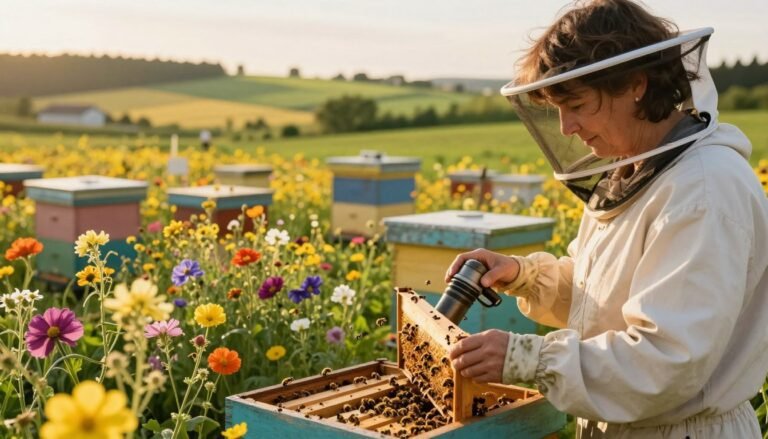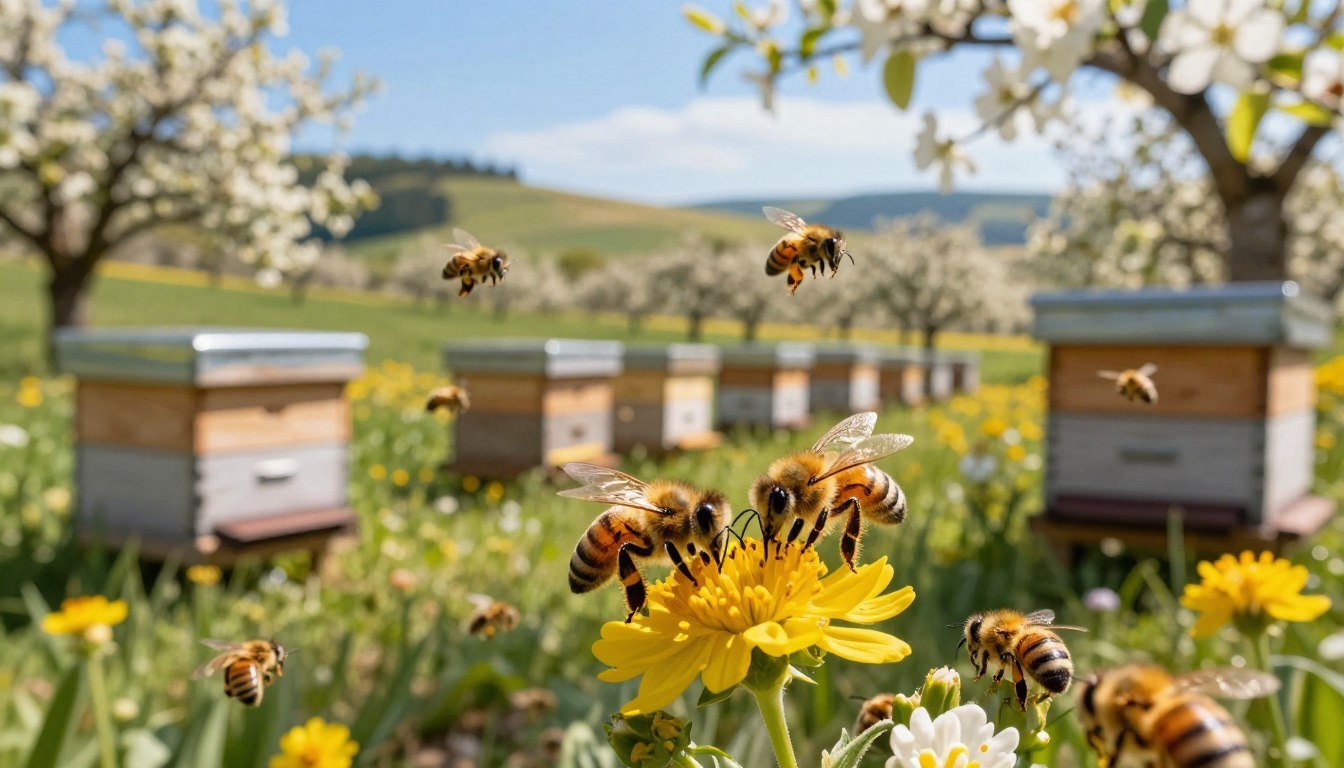
This article examines how long-distance movement affects honey bee colonies and outlines practical steps to preserve colony health during large-scale operations.
In 2016, Michael Simone-Finstrom led a landmark study that measured the effects of transport on hive performance. That research drew attention to the fact that over one million hives are moved to California annually to pollinate almond blooms.
Individual bees have short lifespans—typical foragers live about 20 days—so even brief disruptions can harm production and recovery. Commercial operations move hives across states to meet pollination contracts, which raises questions about handling, temperature control, and nutrition.
This article offers research-backed guidance on pre-transport checks, ventilation, placement at destination, and timing to support colony health. For deeper background and management details, see our comprehensive guide on migratory management practices.
Key Takeaways
- Transport can affect hive performance; plan inspections and treatments before movement.
- Ventilation and temperature control reduce risks during transit.
- Adequate forage and nutrition at the destination support recovery and production.
- Arrive early at pollination sites to allow bees to reorient and build strength.
- Research and monitoring help balance commercial demands with long-term colony health.
Understanding the Physiological Impact of Migratory Beekeeping
Long-distance transport triggers measurable changes in worker physiology that can alter hive function within days. Apis mellifera show cellular shifts that affect brood rearing, honey production, and overall colony status.
Cellular consequences of transport
Short trips of about three days have been linked to smaller glands in nurse bees. Those glands make brood food and their reduction impairs larval care.
Oxidative damage is a key mechanism. Elevated malondialdehyde (MDA) signals lipid and protein harm in honey bee tissues. Over time this damage can cause DNA mutation and lasting protein dysfunction.
Lifespan impacts on worker bees
Controlled studies found transported bees lived about one day less than stationary bees. Acute challenge can briefly boost antioxidants, but chronic exposure shortens lifespan.
- Gland atrophy reduces brood food and affects rearing success.
- MDA levels provide a measurable index of oxidative burden.
- Monitoring the number and resilience of bees helps predict long-term survival of hives and apiary resources.
Migratory Beekeeping Stress Reduction for Colonies
Commercial transport often exposes hive groups to rapid environmental shifts that can weaken colony resilience.
Practical steps can lower losses. Field work shows that supplemental feeding before transit boosts worker vigor and eases recovery. See NC State’s findings on nutrition and hive outcomes: NC State commercial bee study.
Balance movement with rest and access to diverse pollen. Adopt plans that match routes to bloom schedules and local forage. A sustainable approach is outlined here: creating a sustainable apiary plan.
“Supportive management and targeted resources can noticeably improve honey bee health after transit.”
| Action | Why it helps | Timing |
|---|---|---|
| Supplemental nutrition | Maintains brood rearing and worker energy | 1–2 weeks pre-move |
| Pre-move health check | Reduces parasite load and disease risk | 48–72 hours pre-move |
| Match routes to forage | Ensures quick recovery and honey flow | Seasonal planning |
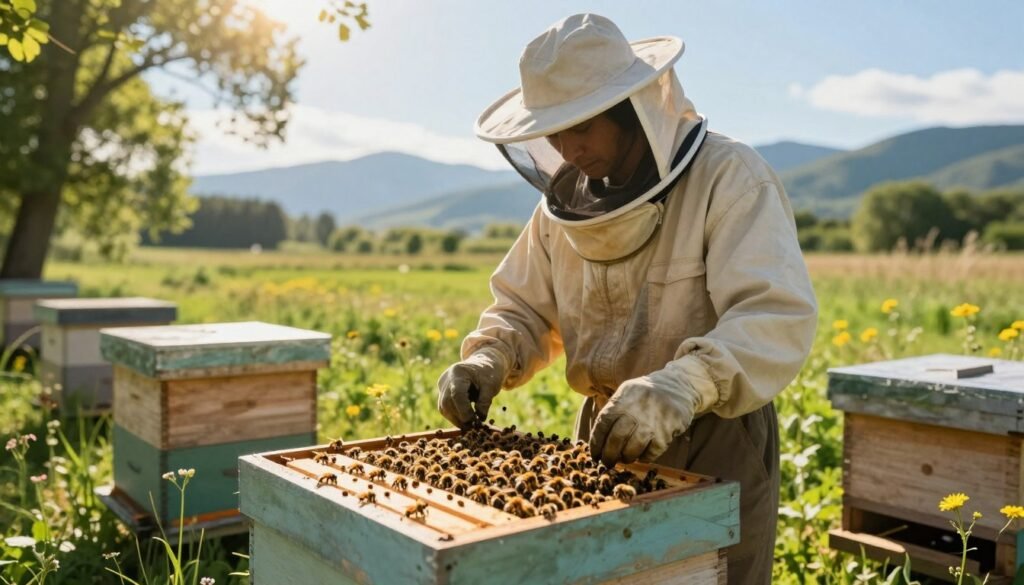
The Role of Nutrition in Mitigating Travel Fatigue
Good forage timing can make the difference between a resilient hive and one that struggles after long hauls.
Food scarcity raises oxidative markers in honey bees more than movement itself. That means access to nectar and pollen matters more than the trip.
Following the Green Wave
Move your colony to follow bloom peaks. This gives bees steady pollen and nectar availability at each stop.
| Action | Benefit | Recommended timing |
|---|---|---|
| Follow regional bloom maps | Ensures constant forage availability | Seasonal planning |
| Supplemental feeding | Offsets short gaps in natural resources | When forage is scarce |
| Diversify pollen sources | Builds fat bodies before winter | Late summer to autumn |
| Monitor hive weight | Tracks honey stores and energy reserves | Weekly during movement |
Proper nutrition is the most effective way to reduce travel fatigue and boost colony resilience. The Simone-Finstrom study found that abundant forage eases negative effects seen after transport. Supplemental feeding and timely moves along the green wave keep bee numbers stable and aid rearing. Prioritizing high-quality resources preserves hive health and eases temperature regulation during transit and winter.
Managing Environmental Risks During Relocation
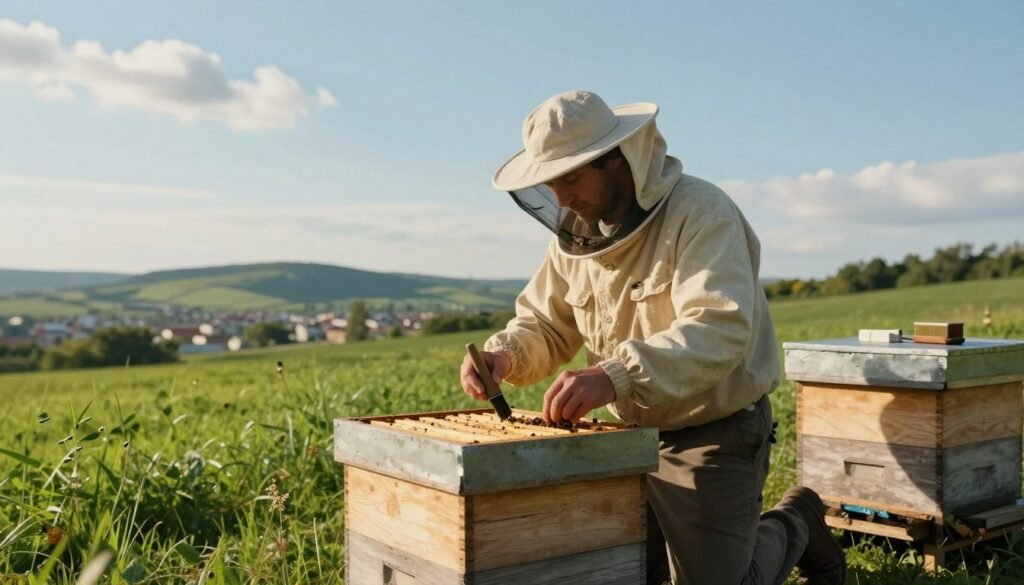
Relocating hives into biodiverse landscapes often protects colonies from common agricultural hazards. Moving bee groups away from drought or low-diversity zones reduces cumulative damage that can lead to colony loss.
Site selection matters. Choose locations with mixed crops, natural forage, and buffer strips to lower pesticide exposure and pathogen pressure. The environment at a location strongly influences hive numbers and honey yield, as noted in a related study: related study.
Monitor temperature and humidity during placement and after arrival. Simple sensors help track conditions that affect brood rearing and winter survival.
Practical steps include scanning nearby land use, testing for pesticide drift, and prioritizing areas with abundant pollen diversity. These measures improve resilience of the species and support rearing success.
| Risk | Why it matters | Action |
|---|---|---|
| Pesticide exposure | Reduces bee foraging and increases mortality | Choose buffer zones and monitor sprays |
| Low biodiversity | Limits pollen variety and weakens immune response | Place hives near mixed habitat and flowering borders |
| Pathogen hotspots | Raises disease transmission and hive loss | Avoid monocultures; rotate locations seasonally |
Optimizing Hive Hardware for Transport
Robust hardware design keeps the internal climate of a hive steady during long highway runs.
Precision-engineered hives offer stable temperature and humidity control. That control helps maintain brood rearing and keeps honey quality intact during transit.
Thermal Regulation
Insulation and thermal mass reduce rapid temperature swings. Well-insulated boxes protect the number of bees and improve winter survival.
Adding reflective panels or foam frames can help maintain a steady temperature without blocking normal bee activity.
Ventilation Standards
Proper vents prevent moisture buildup that harms brood and raises disease risk. Vents must allow airflow while limiting drafts that chill the colony.
Using screened bottom boards and adjustable upper vents gives control over humidity and temperature during different phases of transit.
“Effective hive hardware acts as a biological buffer, protecting the colony from external environmental fluctuations.”
| Component | Benefit | Best practice |
|---|---|---|
| Insulated outer walls | Stabilizes internal temperature | Use high-R materials, sealed seams |
| Adjustable vents | Controls humidity and airflow | Open slightly in heat, close in cold |
| Queen excluder | Keeps colony organized during movement | Install before loading, remove after settling |
For specifics on transport fixtures and fixation devices, see our practical guide on hive transport equipment. Investing in quality hives reduces loss and supports the long-term resilience of your bees and colony population.
Monitoring Parasite Loads and Disease Vectors
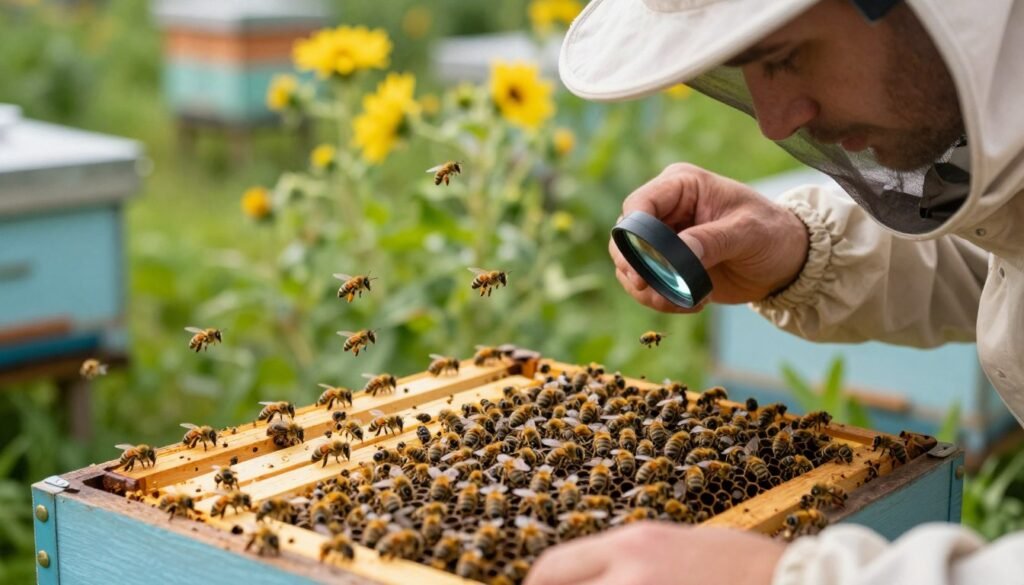
Regular checks of parasite loads keep a colony healthy during long moves. Early detection of Varroa destructor cuts loss risk; failure to monitor raises loss rates by up to 27.7%.
Professional Varroa monitoring tools and rapid diagnostic kits are essential for any large-scale operation. Use sugar shakes, alcohol washes, and point-of-care disease tests to get timely data.
Track these indicators:
- Varroa mite counts per 300 bees
- Signs of Deformed Wing Virus and Nosema
- Brood pattern and adult bee numbers
Movement exposes bees to new pathogens. That amplifies the effects of existing infections, as NC State researchers noted in their study.
“Proactive monitoring and rapid treatment decisions prevent small infestations from causing major colony loss.”
Control temperature and humidity in the hive to limit disease spread. Good environmental control supports rearing and winter resilience.
| Action | Tool | Threshold | When to Act |
|---|---|---|---|
| Varroa screening | Alcohol wash / sugar shake | >3% mites per 300 bees | Pre-move and every 4–6 weeks |
| Viral surveillance | Rapid DWV test kits | Any symptomatic adults | On arrival and if deformities appear |
| Nosema check | Microscope / field kits | Elevated spore counts | Late summer and pre-winter |
| Environmental logging | Temp/humidity sensors | Persistent extremes | Continuous during transit and settlement |
Stay vigilant. Consistent monitoring, prompt action, and good hive conditions protect honey and the species long-term.
The Importance of Timing in Colony Movement
Timing hive moves to match floral peaks gives managers a measurable advantage in colony growth and honey flow.
Moving hives 35 to 60 miles across five trips, as seen in the NC State design, shows how repeated movement over months affects bee numbers and rearing. Accurate timing is essential; move too late and your colony may miss peak nectar and suffer loss in production.
Seasonal planning lets you align hive placement with crop bloom cycles and pollen availability. That alignment supports brood rearing, keeps the number of bees stable, and helps the species recover quickly after transit.
Seasonal Planning
Map local bloom windows and set a calendar for moves each year. Coordinate arrival dates so your honey bees reach peak forage, and control hive temperature during the first 72 hours on site to aid settling.
Good timing reduces unnecessary movement and helps maintain resilience into winter. For guidance on ethical management and timing decisions, review our piece on beekeeping ethics.
Assessing Oxidative Stress in Individual Bees
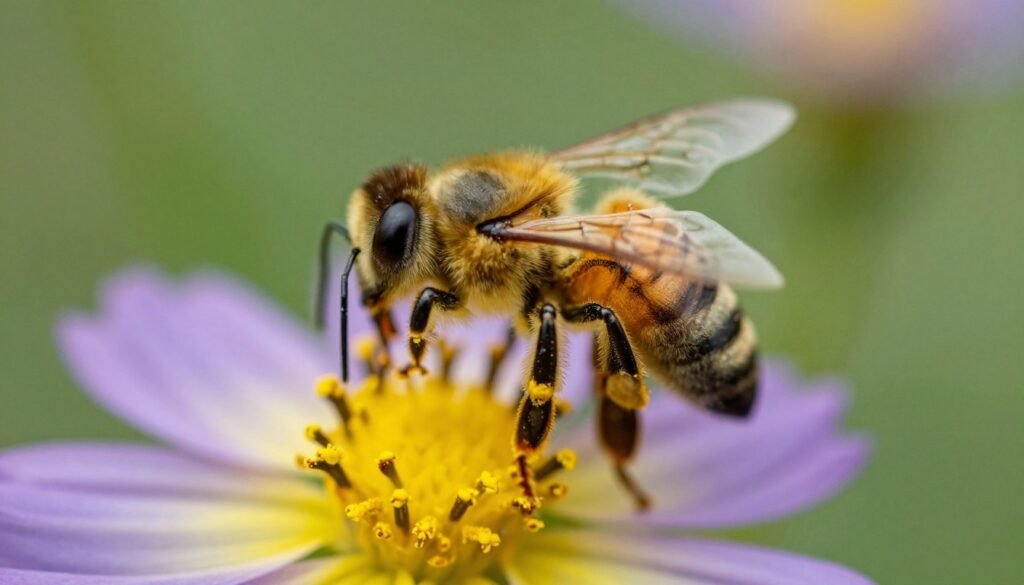
Measuring malondialdehyde (MDA) in single bees provides a direct view of cellular wear that can follow transport and temperature shifts.
The NC State study tested a total of 282 bees in Experiment 2 to quantify oxidative damage. Researchers used the OXItek TBARS Assay Kit to measure MDA in the heads of individual bees.
MDA levels reflect both exposure and the bee’s ability to resist damage. High readings indicate lipid and protein oxidation that can lead to DNA mutation and cellular dysfunction.
Assessing oxidative damage in each honey bee helps link handling practices to long-term effects on colony rearing and resilience.
| Measure | Method | Sample size | Interpretation |
|---|---|---|---|
| MDA concentration | OXItek TBARS assay | 282 bees | Index of oxidative damage and aging |
| Temperature logging | Env sensors | Continuous | Correlates with MDA variation |
| Colony counts | Field census | Multiple hives | Links individual damage to hive-level effects |
“Individual assays let managers make targeted changes to protect honey, hive function, and species resilience.”
Leveraging Microclimates for Winter Survival
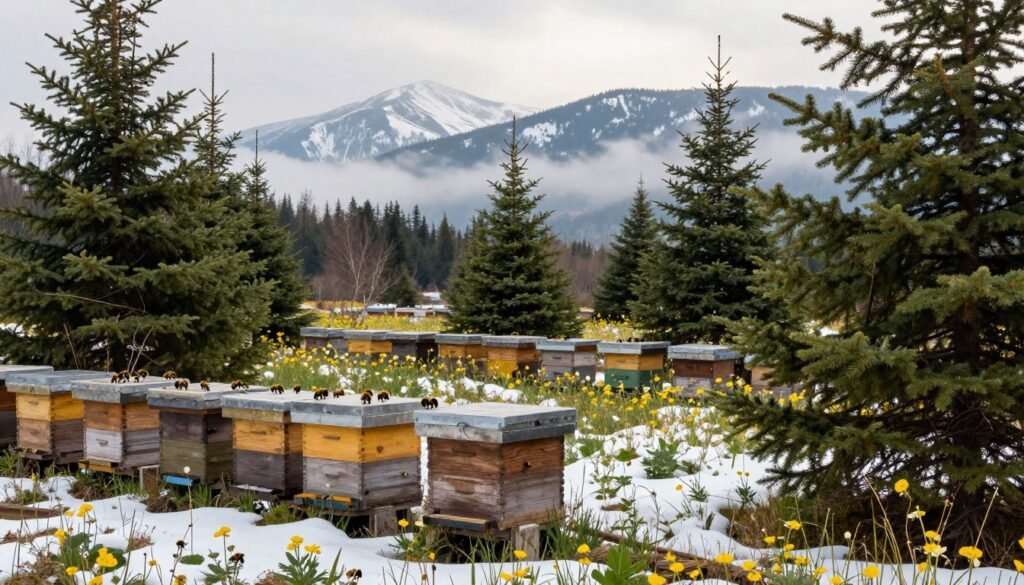
Microclimate selection gives managers a practical lever to preserve honey stores through cold months.
Moving hives to warmer southern latitudes or into protected valleys reduces the thermal burden on the cluster. This means bees use less honey to keep the brood warm and maintain normal rearing activity.
Ambient temperature and humidity at the chosen site shape winter survival. Sites with mild nights and low dampness lower mortality and support resilience of the species.
NC State researchers noted environmental conditions as a major driver of colony health. Proper site choice before winter is a simple, high-impact strategy that mitigates transport effects.
Practical checklist:
- Pick sheltered valleys with stable nighttime temps.
- Avoid low-lying damp sites that raise humidity.
- Locate apiary near late-season forage to top up honey stores.
| Site trait | Why it matters | Action |
|---|---|---|
| Warmer microclimate | Reduces honey consumption | Target southern slopes or sheltered basins |
| Low humidity | Limits brood disease risk | Avoid frost pockets and marshy areas |
| Nearby forage | Allows final honey buildup | Place near late bloom sources |
“Choosing the right winter site preserves reserves and helps the hive recover quickly in spring.”
Balancing Forage Availability with Travel Schedules
Timing moves so honey bee colonies reach peak bloom is a core strategy. Stationary bees in North Carolina had to work much harder as summer flowers dried. Moving hives into fields of blooming plants helped bee populations perform better during food scarcity.
The Simone-Finstrom study showed that lack of food raised oxidative damage more than transport itself. That means good scheduling often beats extra in-hive treatments when nutrition is the limiting factor.
Plan routes around bloom maps and local reports. Prioritize locations with high-quality pollen and nectar at the moment your hive arrives.
Practical checklist:
- Map floral peaks and set arrival windows.
- Reserve sites that offer diverse pollen sources.
- Use short supplemental feeds only to bridge brief gaps.
“Align travel with resource availability to keep colonies productive and reduce loss.”
| Challenge | Action | Benefit |
|---|---|---|
| Drying local forage | Move to bloom-rich location | Restores nutrition and worker activity |
| Uncertain bloom timing | Consult regional bloom maps | Better arrival scheduling |
| Short gaps between blooms | Provide targeted supplemental feeding | Prevents energy deficit and loss |
Implementing Effective Queen Management
Consistent queen oversight preserves genetic uniformity and stabilizes worker behavior across sites.
Queen status is a primary indicator of hive health and productivity. In the referenced study, sister queens were reared from a single Italian queen to keep genetics uniform. That approach made it easier to link queen condition to colony outcomes after relocation.
Provide the queen access to high-quality pollen and monitor her laying pattern weekly. Healthy egg-laying supports population growth and resilience during transit and after arrival.
| Action | Why it helps | Timing |
|---|---|---|
| Queen quality checks | Detects poor laying or supersedure early | Every 7–14 days pre- and post-move |
| Provide diverse pollen sources | Boosts queen fecundity and brood health | Continuous, especially 2 weeks pre-move |
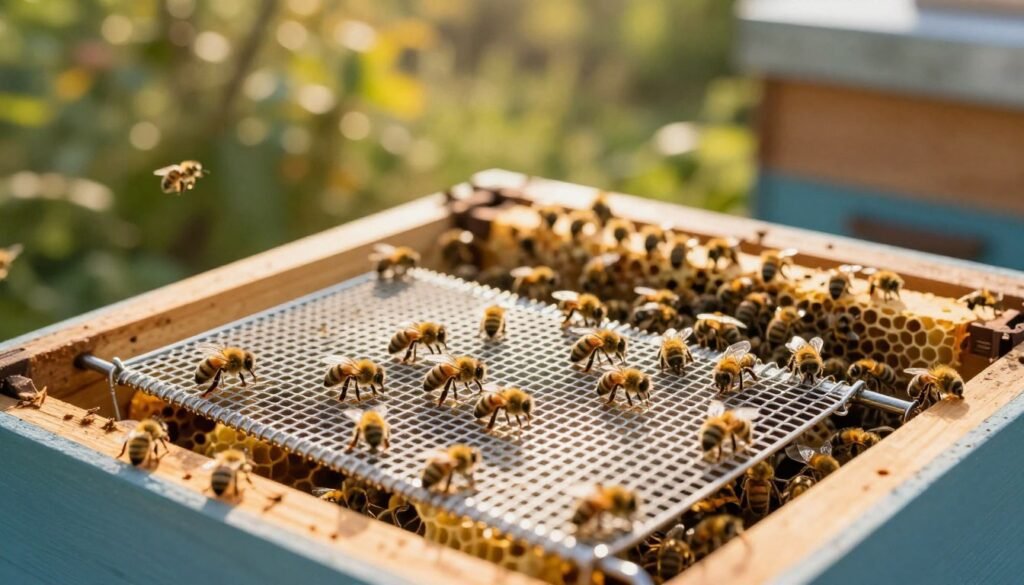
| Install a queen excluder | Keeps the queen in the brood box and maintains organization | Before loading; remove after settling |
| Environmental control | Limits chilling and clustering that impair laying | During transit and first 72 hours on site |
Practical note: Good queen management combines genetic planning, nutrition, and physical control of the hive layout. For step-by-step protocols, see our queen management guide.
“Prioritizing queen health ensures sustained productivity across the season.”
Analyzing the Effects of Rearing Environments
Early rearing conditions leave a measurable imprint on adult honey bee physiology.
NC State researchers performed the first direct research measuring this link. In an intensive transport experiment, colonies were trucked three hours daily for six consecutive days. A total of 185 bees were tested to quantify oxidative change.
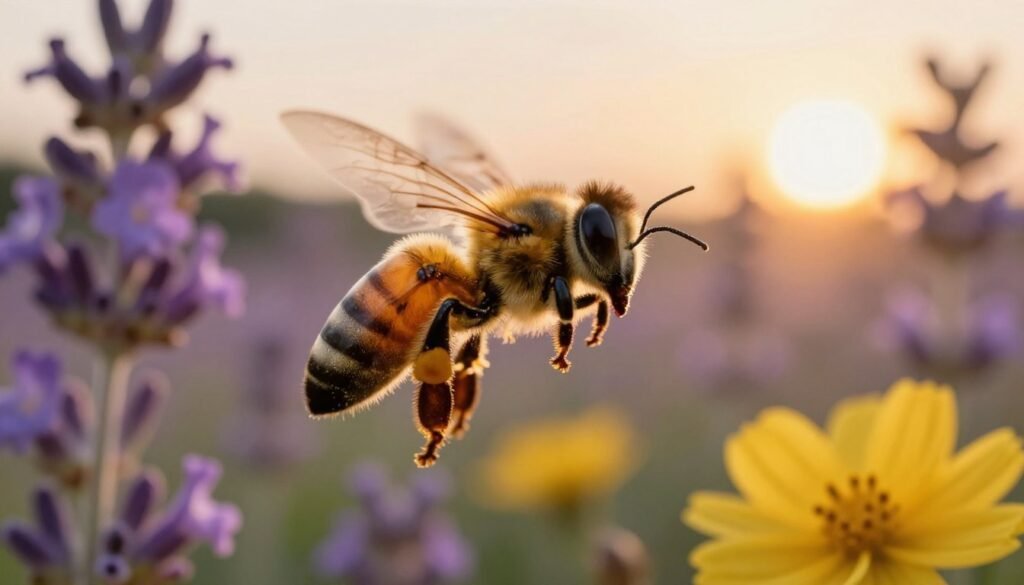
Results show foraging workers raised in moved yards had higher oxidative stress than those reared in stable hives. The rearing environment where larvae develop strongly shapes adult responses.
Understanding these effects helps managers protect production and worker health. By optimizing larval diet and site stability during development, you can raise stronger honey bees that tolerate transit better.
| Factor | Observation | Implication |
|---|---|---|
| Daily 3‑hour trucking | Higher oxidative markers | Adjust timing and reduce movement during larval stages |
| Rearing environment | Shapes adult resilience | Prioritize stable brood sites and quality pollen |
| Sample size | 185 bees tested | Robust initial evidence to guide practices |
“Focusing on early development yields clear gains in later production and health.”
Best Practices for Loading and Unloading Hives
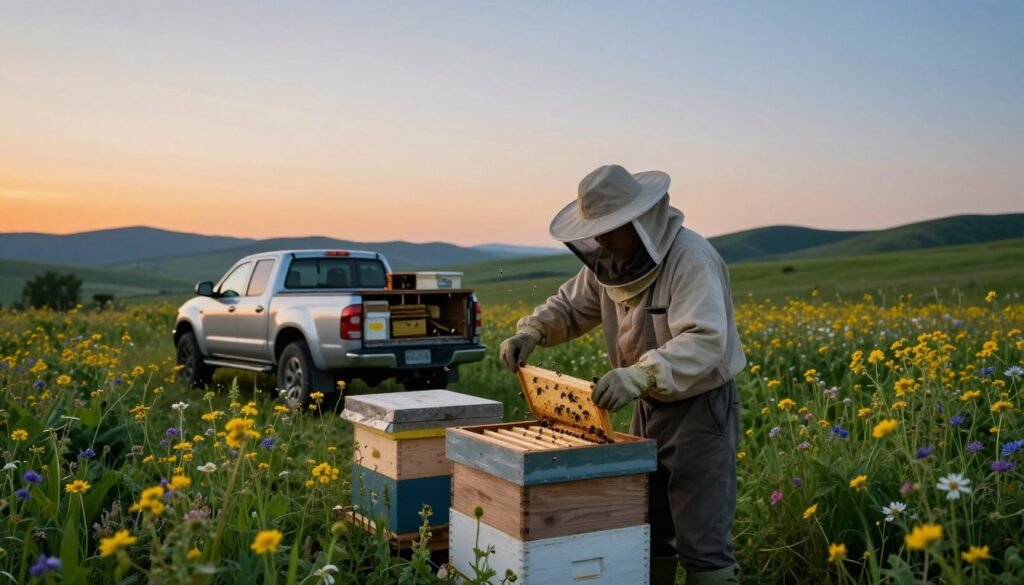
Load and secure each hive with deliberate, steady motions to avoid jolts that injure the brood and workers.
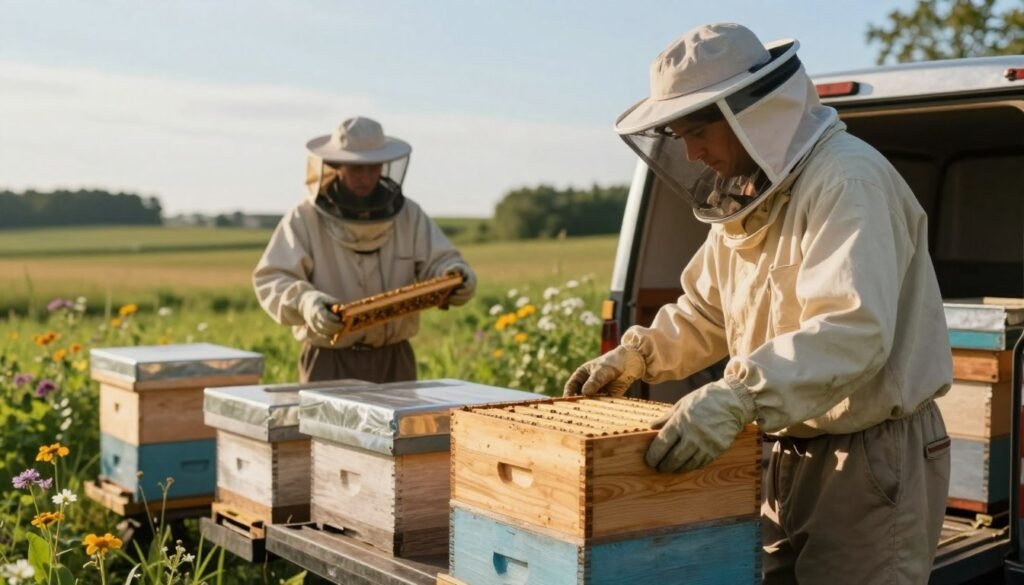
Handle boxes one at a time. Keep lids and entrances closed during lifts. Use straps and blocks to lock boxes on the truck bed and prevent shifting during transit.
Use a queen excluder when appropriate to keep the queen in the brood chamber while moving. This helps maintain hive organization and reduces the chance of queen loss.
Schedule moves in the cooler parts of the day. Early morning or late evening lowers internal hive temperature and limits activity at the entrance, easing loading and unloading.
Maintain environmental control during transfers. Shield hives from direct sun and avoid prolonged exposure to heat. Small vents can be opened slightly to prevent overheating while still keeping bees contained.
“Careful handling and proper fixation are the simplest ways to protect hive integrity and limit loss.”
| Step | Why it matters | Best practice | Timing |
|---|---|---|---|
| Secure stacking | Prevents boxes from shifting | Use ratchet straps and wood blocks | Before departure |
| Queen control | Keeps egg-laying stable | Install queen excluder when moving | Prior to loading |
| Temperature control | Reduces heat-related loss | Move in cool hours; shade on truck | Morning/evening |
| Gentle handling | Limits physical damage | Lift squarely; avoid tilting boxes | During load and unload |
Utilizing Supplemental Feeding Strategies
A deliberate feeding plan before and after transport keeps hives fueled during gaps in floral availability. Start by topping up stores so colonies leave with ample honey and syrup reserves.
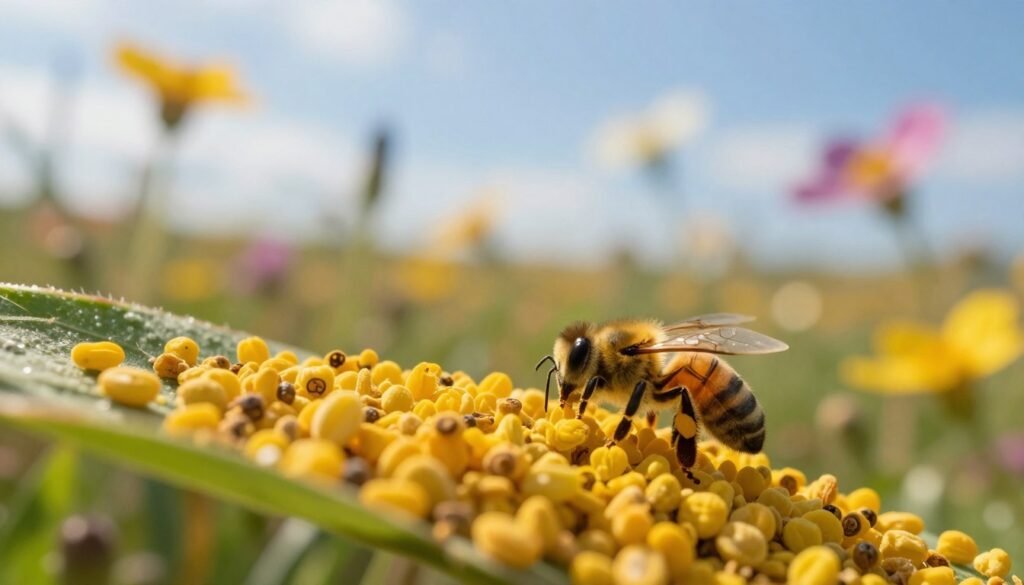
High-quality pollen substitutes provide protein that supports brood rearing and helps build fat bodies in workers. Use tested blends that include essential amino acids and simple sugars to supply quick energy.
Timing matters: feed syrup or patties 7–14 days before a move and again on arrival if local forage is scarce. Short-term supplements blunt the effects of travel fatigue and maintain egg-laying rates.
Practical checklist:
- Confirm honey and syrup levels in each hive.
- Offer pollen substitute patties when natural pollen availability is low.
- Use light, digestible carbohydrate feeds during transit windows.
Supplemental feeding is a proven tool to preserve productivity and lower loss risk when natural resources are limited. For deeper reading on tools and guides, see our beekeeping resources and books.
Long-Term Health Monitoring for Migratory Apiaries
Yearly health audits make it possible to spot cumulative effects that single inspections miss. Long-term monitoring of honey bee colonies reveals trends in brood, parasite load, and production that guide durable decisions.
NC State research was the first to examine long-term effects of managed transport on apis mellifera. That study showed how repeated moves change hive status over months and years.
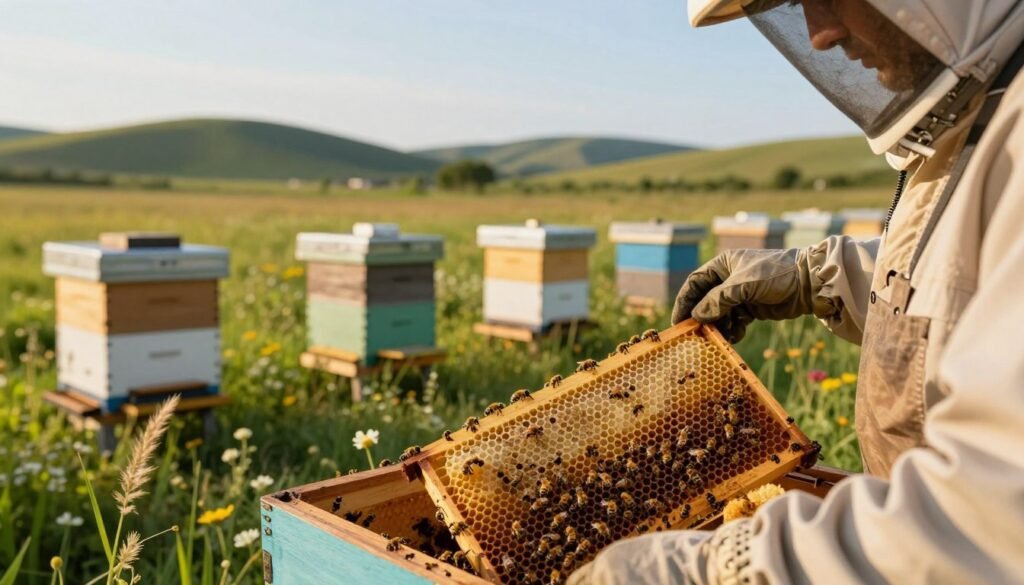
Consistent monitoring includes routine mite screens, pathogen checks, and sample assays of individual bees. Good record-keeping ties those results to outcomes and helps prevent loss.
Practical steps:
- Log hive inspections and parasite counts each month.
- Track weight, brood pattern, and queen performance in each apiary.
- Use data to adjust routes, timing, and control measures in commercial beekeeping operations.
| Metric | Frequency | Action |
|---|---|---|
| Varroa / parasites | Monthly | Treat or isolate if threshold exceeded |
| Brood & queen status | Biweekly | Replace or requeen when poor |
| Hive weight / production | Weekly during season | Move or supplement resources as needed |
“Long-term data turns short-term observations into resilient management plans.”
Conclusion
To conclude, applied research and on‑farm steps offer actionable paths to lower loss and improve outcomes.
This article collected practical guidance and research-based information to help managers protect hive health during relocation. Use timing, nutrition, and site choice to support recovery and long-term productivity.
The NC State study remains a key resource; consult the regional study summary and our operational guides, such as expansion tips, to refine plans over time.
Thank you for taking the time to read this article. With consistent practice and the right strategies you can sustain healthy, productive hives season after season.
FAQ
What immediate physiological effects do colonies experience during transport?
Transport causes changes at the cellular level, including altered metabolic rates and shifts in gene expression tied to energy use. Workers often show reduced flight muscle efficiency and elevated markers of oxidative damage after long moves. These responses can reduce foraging capacity and weaken disease resistance if not managed.
How does relocation affect worker lifespan and colony productivity?
Frequent moves shorten individual worker lifespan by increasing energy expenditure and exposure to temperature swings. Colonies may see reduced honey yield and brood rearing in the weeks following movement unless nutrition and rest periods are provided to allow recovery and re-establishment of normal task allocation.
What nutritional steps help colonies recover after long trips?
Offer high-quality pollen supplements and a carbohydrate feed like 1:1 sugar syrup immediately after settling to restore energy and protein reserves. Provide diverse forage access by timing moves to coincide with flowering periods and considering local floral resources to support brood rearing and immune function.
How can operators follow the “green wave” to improve forage access?
Plan movements to match peak bloom sequences across regions—starting where early spring blooms occur and following later-flowering landscapes. Use floral maps, USDA bloom reports, and local agronomy contacts to schedule sites that provide continuous pollen and nectar during transit.
Which environmental risks pose the greatest threats during hive relocation?
Temperature extremes, sudden storms, and pesticide exposure are top hazards. Avoid hauling during heat waves or severe cold, monitor weather forecasts, and coordinate with farmers about spray schedules. Choosing staging sites with wind shelter and shade reduces mortality from thermal stress.
What hive hardware improvements reduce thermal shock in transit?
Insulated covers, ventilated inner covers, and reduced hive entrances help stabilize internal temperatures. Use breathable straps and secure frames to prevent crushing. For long hauls, consider reflective tarps and slip-resistant pallets to keep boxes steady and thermally buffered.
What ventilation standards should be used when transporting hives?
Maintain airflow to prevent CO2 buildup while limiting drafts that chill the cluster. Small screened vents near the top and a partially closed entrance modulate exchange. Test configurations on shorter trips to confirm bees remain clustered and not overly agitated.
How should parasite loads and disease vectors be monitored before and after movement?
Conduct mite counts (alcohol wash or sugar shake) and brood inspections several weeks pre-move and two to four weeks post-move. Treat varroa and nosema according to thresholds and regional best practices. Maintain records to spot trends and inform treatment timing.
When is the best time of year to move colonies for minimal disruption?
Move during foraging lulls when brood rearing is lower—often late summer to early fall for destination placement, or early spring if establishing for pollination. Avoid peak nectar flows and heavy brood expansion to reduce disruption to colony rhythms and to lower loss risk.
How can oxidative stress in individual bees be assessed practically?
Field proxies include monitoring for reduced foraging and increased mortality; laboratory tests like measuring antioxidant enzyme activities or oxidative damage markers give definitive results. Partnering with university extension labs can provide accurate assays for program monitoring.
What role do microclimates play in winter survival after relocation?
Selecting sites with southern exposure, windbreaks, and sloped terrain can moderate cold and improve cluster stability. Microclimates that extend usable foraging and reduce extreme thermal swings help colonies conserve energy and maintain brood through winter.
How should travel schedules be balanced with local forage availability?
Use regional floral calendars and scouting to align arrival with nectar and pollen peaks. Avoid prolonged stays in dearth areas; if unavoidable, provide supplemental protein and carbohydrate feeds to prevent resource depletion and hive weakening.
What queen management practices reduce disruption during movement?
Inspect queen performance and replace failing queens well before transport. Cage or mark queens for easy identification when stacking hives. Minimize brood disturbance during loading and allow a settling period at the new site to let pheromone signals re-establish social order.
How do rearing environments influence colony resilience to transport?
Colonies reared in diverse forage and stable apiary conditions develop stronger immune responses and better stress tolerance. Brood raised under varied floral diets shows improved protein reserves and longevity, which translates to higher survival through transit events.
What are best practices for loading and unloading hives to avoid injury and loss?
Use gloved handling, secure frames with inner cover clips, and limit vibration by padding and even stacking. Move during cool, calm parts of the day and avoid sudden jolts. On arrival, allow hives to rest undisturbed for at least 24–48 hours before intense inspections.
When should supplemental feeding be used and what types work best?
Apply supplemental feeds during nectar dearths, immediately after long moves, or when brood rearing demands exceed natural supplies. Use pollen patties or high-quality protein supplements and liquid sugar feeds to restore energy and support brood production.
What long-term monitoring practices help maintain hive health across multiple moves?
Keep detailed records of treatments, mortality rates, honey yields, and forage conditions. Schedule regular mite counts, disease screens, and queen checks. Use this data to adjust movement timing, nutrition plans, and hardware choices to improve survival and productivity over successive seasons.