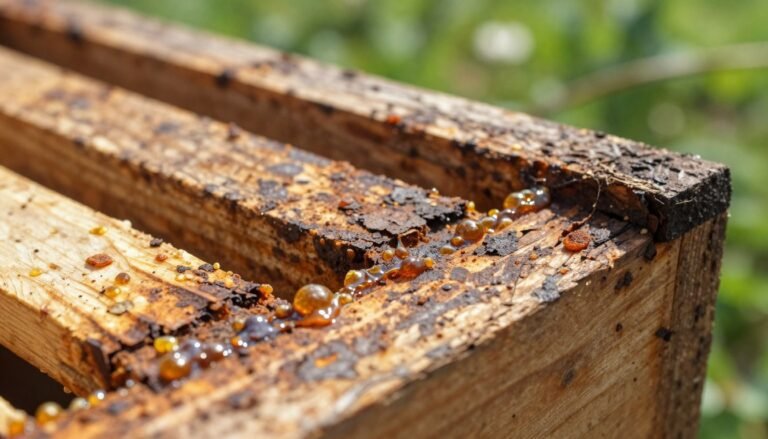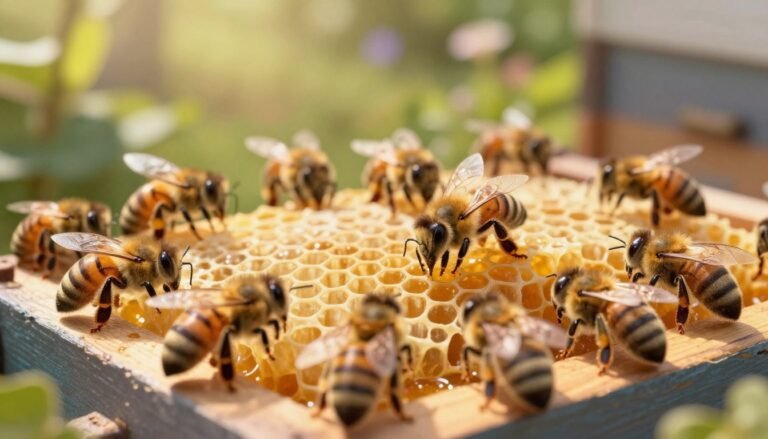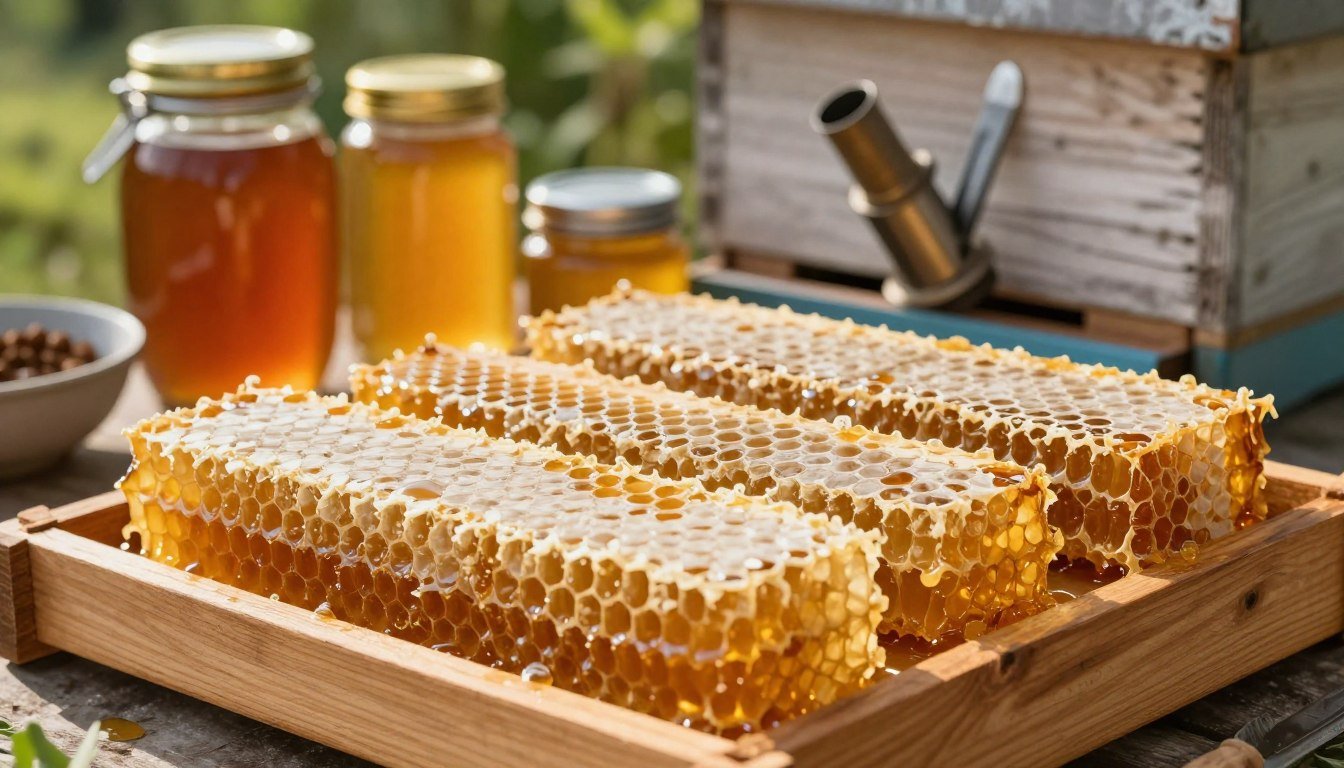
Keeping frames, wax, and honey safe over winter matters for every beekeeper. Limited storage and tight sheds make it hard for many to protect valuable brood and supers.
Wax moths lay eggs on exposed comb-filled frames, and that threat can ruin years of work. If a 3 cubic foot chest freezer fits 28 frames, most hobbyists still lack room for everything.
Alternative options include airtight bags, sealed boxes, and elevated racks in a dry shed. Good airflow, low humidity, and clean surroundings cut pest risk and prevent water damage. Use plastic bags or rigid containers for short-term protection and separate brood from honeycomb when labeling boxes.
Freezing remains the most reliable kill step for moth larvae, but when a large unit is not available, careful sealing and ventilation are strong substitutes. These steps help ensure clean equipment when spring arrives and reduce costly replacements.
Key Takeaways
- Protect frames and supers from wax moths and mice with good sealing and ventilation.
- Label brood and honeycomb separately and keep boxes dry and elevated.
- Use heavy-duty bags or rigid totes as practical non-freezer storage options.
- Understand moth life cycles; freezing kills larvae, but airtight methods work in warm climates.
- For detailed steps on preventing pests in frames, see this guide: preventing pests in frames.
Why Proper Comb Storage Matters
Keeping frames in good condition preserves both time and money for the next season. Proper care reduces repairs and lets your bees focus on production rather than rebuilding wax foundations.
Moisture and pests are the two biggest threats. Damp environments encourage mold and mildew that weaken wood and wax. Rodents and insects can chew, contaminate, and spread disease if equipment sits unprotected.
A tidy, labeled system speeds spring work. When boxes and frames are organized, you find needed gear fast and avoid delays during colony buildup.
Preserving drawn comb keeps colonies efficient. Bees can use ready comb for brood or honey and spend less energy making fresh foundation.
“Well-stored equipment is an investment in healthier hives and fewer headaches come spring.”
- Protects investment: less repair and replacement cost.
- Prevents spoilage: lower risk of mold and pest damage.
- Saves time: quick access when activity spikes.
| Risk | Common Cause | Practical Protection |
|---|---|---|
| Mold growth | High humidity, poor ventilation | Dry storage, stacked with air gaps |
| Pest damage | Rodents and insects accessing frames | Sealed containers and raised shelves |
| Wax degradation | Age and contamination | Clean, labeled frames and periodic inspection |
Preparing Your Equipment for Long-Term Storage
Clean, dry equipment cuts repair time and keeps frames ready for next spring. Begin with a quick inspection. Remove caked beeswax, pollen clumps, and old honey before putting anything away.
Cleaning and Drying
Use a soft brush and mild soap to remove debris, wax, or propolis from every frame and box. Rinse lightly and allow all equipment to air dry completely. Dry wood and foundation resist mold and moth larvae better than damp gear.

Place parts in a clean, well-ventilated shed or garage shelf. Keep frames upright and spaced so light and airflow reach each piece. This limits moisture and long-term damage.
Labeling and Organization
Mark each box with the date and contents. Store small tools and fittings in a plastic bag labeled by type. Organize brood and supers separately to save time when building hives next year.
- Remove pollen and propolis that attract pests.
- Keep honeycomb and beeswax clean for bees in spring.
- Place boxes off the floor to discourage mice.
“Proper prep protects your investment and speeds early-season work.”
How to Store Drawn Comb Without Freezer Space
Simple barriers — tight plastic seals plus raised shelving — cut pest access and preserve wax quality until spring.
Use airtight bags and cool, dry places for short-term storage. Vacuum-seal packs are food safe and work well when kept in a cool basement. If you must keep many frames, a 3 cubic foot chest freezer will hold about 28 frames; even a non-working chest makes a good gasket-sealed container against insects.
Refrigerators fit fewer pieces: plan on 4–5 frames per shelf and leave room for other food. Always freeze frames for 24–48 hours before final packing to kill moth eggs and larvae.
Warm climates need extra caution. Cockroaches can chew through thin plastic, so use heavy bags and raised boxes with decent airflow. Sealed bags also block mice and reduce handling time in spring.
“A broken chest can be repurposed as a secure storage vault for frames when freezer access is limited.”
For detailed seasonal tips and equipment plans, see this guide on winter frame storage and methods that help increase honey production.
Utilizing Cold Climates for Natural Preservation
In cold regions a simple wire-rope hang delivers excellent results. String two parallel strands across a shed or garage and suspend frames by their ears. This arrangement keeps hives off the floor and uses ambient chill as a natural pest barrier.

Hanging Frames on Wire Rope
Start by freezing frames briefly before moving them. A single freeze cycle kills eggs and larvae so insects do not hitch a ride into your shed.
Rodents have trouble crossing thin wire, so suspended frames gain extra protection. Maintain good light and air in the shed to prevent mold and damp spots. Match rope spacing to the ears of your frames so each piece hangs level and stable.
- Cost-effective: this method avoids large bins or a full-size freezer.
- Secure: off-ground storage deters mice and reduces handling damage.
- Practical: check stored frames periodically to confirm the cold is keeping pests inactive.
“Hanging frames on wire rope is a low-cost, reliable way to protect comb during long winters.”
For technical notes about a low-temperature kill step before moving gear, see this quick guide on freezing frames. If your bees are slow to build new foundation, review common causes in this reference on comb drawing.
Managing Pest Threats in Your Storage Area
Good lighting and routine checks form the backbone of any pest-management routine for wintered hive gear. Keep an inspection schedule and note any holes, droppings, or webbing. Early detection saves frames, equipment, and time.
Wax Moth Prevention
Wax moths lay eggs that hatch into larvae and can ruin comb-filled frames. Clean pollen and old honey from frames before packing. Store boxes in well-lit areas because moths avoid light, and consider moth crystals for closed stacks — air items afterward.
Protecting Against Mice
Mice seek warm supers in winter and leave droppings that contaminate honey equipment. Use thick plastic bags and sealed boxes to block access. Elevate stacks and seal gaps in the shed; even small openings invite rodents.
Small Hive Beetle Control
Small hive beetles target honey, so keeping frames dry cuts attraction. Inspect for beetle remnants and keep food-grade containers closed. Regular checks and proper cleaning reduce damage and protect your hive investment.
“Regular inspections and clean gear are the best defense against pests.”
For practical notes on storing empty supers, consult this guide before winter packing.
Handling Old and Darkened Comb
Old brood cells often darken with time, leaving stiff, propolis-rich wax that can harbor residues and cocoons. Dark frames attract pests and raise the risk of moths and small hive beetles in your storage area.
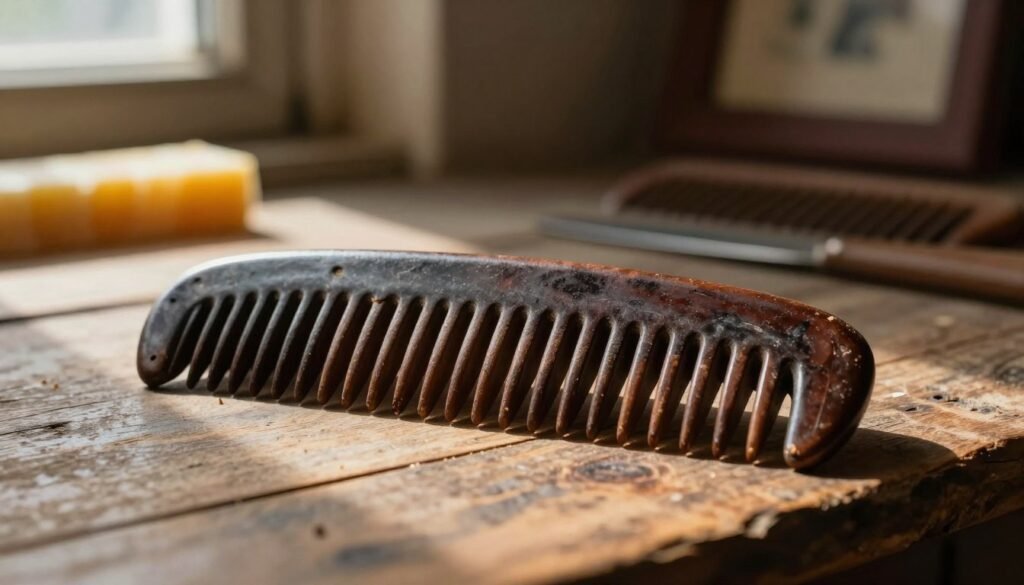
Remove very dark or nearly black comb from active hives. These pieces can contain chemical residues from past treatments and heavy pollen or brood build-up that reduces cell health.
- Dark brood comb forms as cocoons and propolis build up in cells over time.
- Moths target dark brood; keep such frames out of mixed stacks.
- Some beekeepers use old comb as swarm-bait, but never for honey storage.
Recovering wax is best done with a solar wax melter. That method separates beeswax from propolis and dirt more cleanly than melting honeycomb in a pot, which often yields low-quality wax mixed with contaminants.
Always inspect frames for signs of moth damage before deciding to keep, recycle, or melt them. Cycle out old brood and replace with fresh foundation to protect boxes, supers, and the hive overall.
“Turn unusable dark comb into clean beeswax with a solar melter and protect your good frames from cross-contamination.”
For practical tips on storing frames and preparing them for spring, see this guide on storing frames.
Best Practices for Stacking and Airflow
Stacking technique matters: offset your supers by 90 degrees so air and light pass through every layer. This simple layout cuts mold risk and makes the stack less inviting for moths.
Place stacks on a flat, stable surface in the shed and keep boxes level. Use a frame rack or a vertical rack if you have many supers; racks expose frames and let light reach each piece.
Freezing is a verified kill step: 20°F for about 4.5 hours or 5°F for 2 hours will kill wax moth larvae. Always let frozen frames defrost fully before sealing in plastic bags, or trapped water can cause mold.
- Open stacking with offsets improves circulation and reduces humidity damage.
- Keep stored equipment clean and raised to discourage mice.
- Use a well-lit area and check stacks periodically for pests and water.
“Proper airflow is the best defense against mold and pest damage and helps keep frames ready for spring.”
For notes on frame maintenance and removal of problematic comb, see this guide on remove burr comb properly.
Common Mistakes to Avoid During Winter
Mistakes in winter storage often come from small oversights that cost beekeepers time and good wax. A damp shed, unlabelled stacks, or sticky frames can mean lost honey and damaged comb by spring.
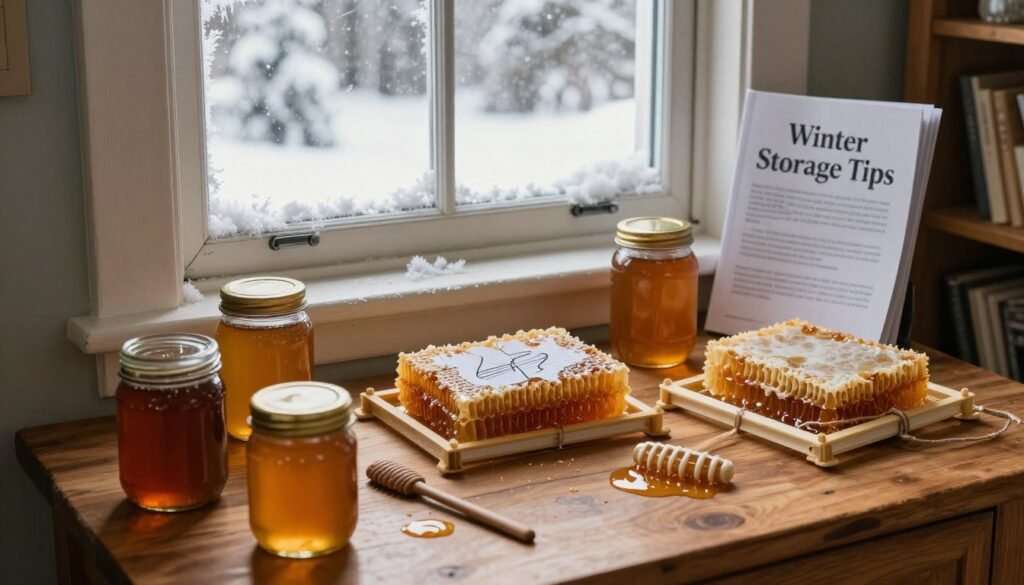
Keep equipment dry. Damp wood invites mold and weakens beeswax. Check vents and allow air movement around stacks.
Remove honey residue from frames before packing. Sticky surfaces attract moths and mice and invite pests into your boxes.
Freeze frames briefly if possible before final packing. Skipping this kill step often leads to moth infestation that destroys comb and brood.
Avoid over‑roomy winter arrangements. Too much space in a hive or super stack can let beetles breed. Match space to colony size.
Label every box and use food‑safe bags when sealing honeycomb or supers. Non-food plastic can taint next year’s honey.
| Mistake | Typical Damage | Quick Fix |
|---|---|---|
| Damp equipment | Mold growth, weakened wax | Raise stacks, add vents, dry before packing |
| Honey left on frames | Attracts moths and mice | Clean frames, seal with food-safe containers |
| Skipping freeze step | Wax moth infestation | Freeze or use sealed, cool storage |
| Tight stacking in humidity | Poor air flow, mold | Offset boxes, allow gaps for air |
“Simple checks in fall protect your investment and make spring work faster.”
For tips on storing drawn foundation and on reusing hive bodies, consult those guides before final packing. Small steps now save frames, supers, and honey next year.
Conclusion
Small, regular steps in winter preserve drawn comb and protect your equipment for the coming season.
Strong, lasting methods — cleaning, drying, careful stacking and targeted pest control — save you time and money and keep wax and honey in good condition.
Handle brood frames and supers with attention, label boxes, and keep items raised and lit when possible. These habits help bees rebuild quickly in spring and reduce moth and mouse losses.
For guidance on retiring damaged comb and keeping hive materials safe, read this note on when to discard comb after disease.
FAQ
What are quick ways to keep drawn comb safe when freezer access is limited?
Use a cool, dry shed or garage with good airflow and airtight containers. Clean comb of debris, let it fully dry, then wrap frames in breathable cotton or place them in sealable plastic bins with tight lids. Elevate boxes on pallets or shelves to reduce damp and rodent access. Periodically inspect for pests through the winter.
Can I hang frames instead of stacking them to prevent pest damage?
Yes. Hanging frames on galvanized wire or rope inside a screened enclosure reduces contact and improves airflow. Space frames a few inches apart so air circulates and wax moths find it harder to settle. This mirrors the protection a live hive offers.
How should I treat comb that contains brood or honey before storage?
Remove as much honey as possible by gentle draining or letting bees cap and clean frames. For brood comb, freeze-safe options are limited without a freezer; instead, consider rendering wax or using solar exposure in cold, dry weather while keeping frames protected from pests. Always let comb dry to minimize mold.
What steps prevent wax moths in stored frames?
Keep temperature low, maintain good airflow, and avoid high humidity. Store frames in sealed containers or in screened, locked boxes treated with paradichlorobenzene crystals only as a last resort and following label directions. Regularly inspect and remove any infested frames promptly. Freezing is ideal, but if unavailable, use cleanliness and low humidity as primary defenses.
How can I keep mice from damaging stacked supers and frames?
Elevate stacks on pallets, use welded-wire skirts or rodent-proof shelving, and seal gaps around doors and vents. Avoid leaving food scraps or exposed honey near storage. Place traps outside storage buildings rather than inside, and use metal or heavy plastic containers for smaller frame sets.
Are there effective small hive beetle controls for stored equipment?
Maintain dryness and stable cool temperatures; small hive beetles prefer warm, humid conditions. Store equipment off the ground and in well-ventilated areas. If beetles show up, freeze or heat-treat individual frames when possible, or clean and sanitize boxes before reuse.
What’s the best way to handle old, darkened comb destined for storage?
Assess comb quality: brood-stained comb often has less value and higher pest risk. Consider rendering heavily darkened comb into beeswax or using it for foundation. If keeping for reuse, clean excess propolis and debris, dry thoroughly, and place in sealed, pest-resistant containers.
How should I stack boxes to maximize airflow and minimize mold?
Stack loosely with spacers or lateral battens between boxes to allow 1–2 inches of airflow. Avoid airtight compression. Use breathable covers like canvas instead of plastic sheeting. Good airflow cuts humidity, reducing mold and pest attraction.
Can I rely on outdoor cold weather for long-term preservation?
In reliably cold, dry climates, outdoor storage in well-ventilated, sheltered locations works. Protect frames from moisture and pests with screened enclosures or airtight containers. Monitor temperatures and humidity; freeze-thaw cycles can introduce condensation and damage comb.
What common mistakes lead to comb loss over winter?
Typical errors include storing wet or uncured comb, packing frames too tightly, using damp or unventilated spaces, and failing to protect against rodents or wax moths. Also avoid stacking directly on the ground and leaving honey-soaked frames exposed.
Is it acceptable to store comb in plastic bags or sealed plastic tubs?
Sealed plastic tubs can work if frames are bone-dry and protected from pests. Avoid soft plastic bags that trap moisture and promote mold. For long-term holds, use hard plastic bins with tight lids and add desiccant packets if humidity is a concern.
How often should stored frames be inspected during winter and spring?
Inspect monthly when feasible, and increase checks in late winter and early spring when pests become active. Look for webbing, larvae, holes, chewing, or unusual odors. Rapid removal of any infested comb limits spread to other equipment.
What equipment or preparations save space while protecting comb?
Use frame racks, vertical hanging systems, or narrow shelving to keep frames accessible and ventilated. Label frames with contents and date using weatherproof tags. Consider rendering lower-value comb into wax to free space for prime frames.
Are there safe chemical treatments for long-term comb protection?
Chemical options are limited and must follow label guidance. Paradichlorobenzene (PDB) crystals can deter wax moths in sealed woodenware but are not advisable around food-grade comb or honey. Nonchemical methods—cold, dry storage, sanitation, and physical barriers—are preferred for safety and product integrity.
If I lack freezer room, when is it better to render wax rather than keep comb?
Render wax when comb is heavily brood-stained, shows repeated infestations, or you have limited secure storage. Rendering recovers valuable beeswax and removes pest reservoirs. Reserve prime, lightly used comb for reuse when storage conditions are reliable.