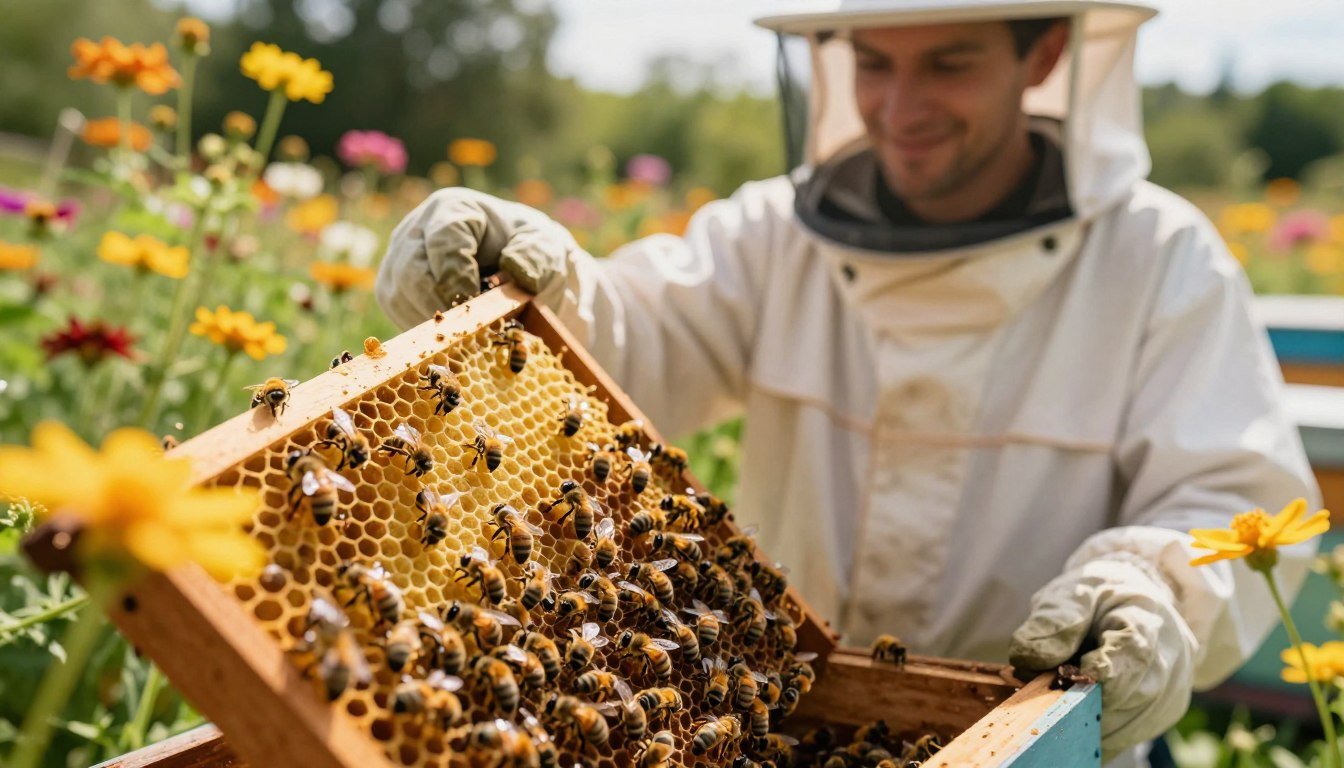
Healthy colonies start with steady observation and clear practices. Every beekeeper wants productive bee colonies and fewer pathogens that harm honey production and pollination. Regular checks help spot parasites early and protect the colony’s long-term vitality.
Good nutrition matters. Providing high-quality food and pollen supports brood growth and boosts resistance against pests and harmful agents. Simple seasonal actions prevent stress and sustain honey yields.
Use proven methods and trusted products for routine care. Read practical biosecurity guidance for managing pests and hygiene at biosecurity guidance. For tips on scaling apiaries without harming colony health, see expansion tips.
Key Takeaways
- Monitor honey bee colonies regularly for parasites and pathogens.
- Provide reliable food and pollen to support brood and adult bees.
- Follow established methods and clean tools to protect hive health.
- Use vetted products and replace combs as part of long-term care.
- Record treatments and keep isolation practices when adding new colonies.
Understanding the Importance of Hive Health
Colony resilience grows when beekeepers match management with local floral resources. Strong colonies depend on diverse forage, regular checks, and practical methods that support brood and worker bees.
Nutrition matters. Providing high-quality pollen and reliable food sources keeps honey bees productive and helps the honey remain safe for harvest.
Beekeepers must watch interactions between pathogens and the honey bee. Early spotting of problems gives time for measured action and recorded treatments.
- Professional beekeepers aim for strong colonies across apiaries in the United States.
- Consistent food and varied pollen reduce stress and support immune response.
- Monitoring paired with vetted products and sound methods protects bee colonies.
| Focus | What to Check | Practical Action |
|---|---|---|
| Nutrition | Pollen variety, honey stores | Supplement during shortages |
| Monitoring | Brood pattern, mite signs | Regular inspections and records |
| Management | Tools, comb rotation | Use proven products and clean equipment |
How to Keep Hive from Spreading Disease Through Best Practices
A disciplined approach to inspections and equipment care preserves colony vitality. Regular checks reveal early signs that affect honey and brood. Clear routines limit risks and help maintain strong, productive bee colonies.
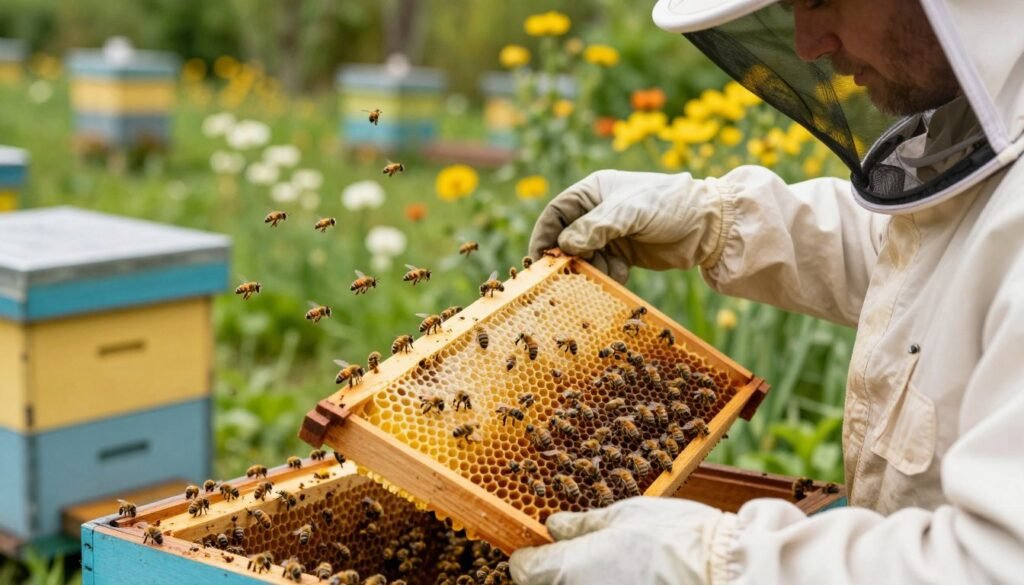
Monitoring Hive Activity
Watch adult bees and brood patterns every few weeks. Note unusual behavior, low foraging, or reduced honey stores.
Record observations and act quickly when counts or activity drop. Monitoring the honey bee population helps spot problems before an entire colony is affected.
Implementing Quarantine Protocols
Separate new or suspect hives until checks confirm good health. Avoid swapping frames between sick and healthy hives; that practice spreads pathogens fast.
Keep tools and equipment clean. Proper equipment maintenance prevents horizontal transmission between bee colonies managed by beekeepers.
“Strict sanitation and measured isolation protect honey, pollen, and long-term colony health.”
- Don’t exchange frames between hives.
- Sanitize equipment and store frames safely.
- Follow tested methods and trusted products for routine care.
Managing Varroa Mite Infestations
Varroa mites pose a constant threat and demand a clear, regular monitoring plan. Varroa destructor is the primary parasitic mite that infests the honey bee and weakens brood and adult bees when left unchecked.
Detection Methods
Detect levels using an alcohol wash or a sugar shake. These methods estimate mite counts per 100 adult bees.
A common threshold is 2–3 mites per 100 adult bees. Exceeding that level usually calls for action and record keeping.
Seasonal Treatment Strategies
Rotate approved chemical products between spring and autumn to reduce resistance in mite populations. Match treatments with brood breaks and winter preparation for best results.
Refer to detailed guidance in the NC State note for biology and approved options: managing varroa mites.
Mite-Tolerant Stock
Long-term control benefits from resistant genetics. Consider Russian or Minnesota hygienic lines to lower mite buildup and support colony health.
Learn about breeding and hygienic traits at predisposition to hygienic behavior.
Identifying and Controlling Tracheal Mites
Tracheal mites are an internal parasite that can damage honey bee colonies and reduce winter survival. Acarapis woodi lives inside the trachea of adult bees and interferes with breathing and flight.
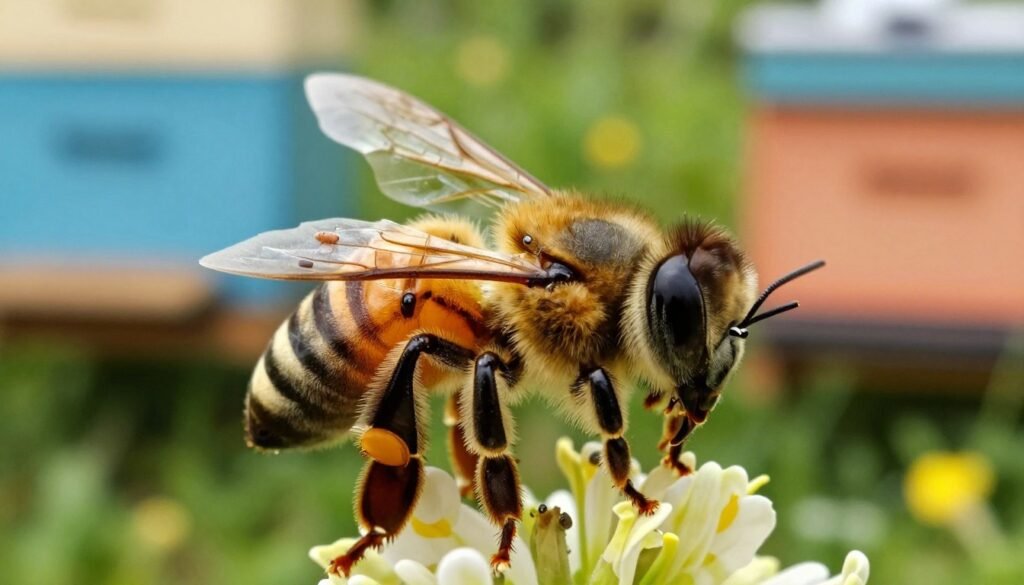
Identification requires microscopic checks of the tracheal tubes in adult bees. Only a lab or an experienced inspector can confirm the parasite with certainty.
- Agent: Acarapis woodi causes tracheal mite infestation and weakens the honey bee.
- Threshold: If 10% or more of sampled adult bees show infestation, active control is warranted.
- Reporting: Contact your regional NCDA&CS Apiary inspector when you suspect infection in bee colonies.
- Prevention: Maintaining strong colonies through nutrition, varied pollen, and minimal stress helps lower pathogen impact.
For treatment, follow approved products and methods designed for tracheal mites and align actions with seasonal planning. Prompt action protects honey, brood, and the long-term health of your colony.
Addressing Nosema Infections in Your Colonies
A focused diagnostic routine gives beekeepers an edge against Nosema infection. Vairimorpha apis is the microsporidian behind these infections and it can weaken honey bee activity in spring and winter.
Diagnostic Procedures
Sample adult bees from the brood nest and dissect the digestive tract for microscopic checks. Count spores with a hemocytometer to estimate infection intensity.
Action thresholds guide responses. If counts exceed 1,000,000 spores per bee, registered control with Fumadil-B is an accepted option for treatment.
- Agent: Vairimorpha apis causes Nosema and raises stress in honey bees.
- Monitoring: Regular sampling of adult bees helps spot rising levels early.
- Control: Use approved products and match treatments with seasonal needs.
- Prevention: Strong nutrition, varied pollen and minimal stress bolster colony health before winter.
| Sample Method | Bees per Sample | Spore Threshold | Recommended Action |
|---|---|---|---|
| Digestive tract dissection | 30–50 adult bees | > 1,000,000 spores/bee | Consider Fumadil-B under label directions |
| Microscopic hemocytometer count | 30–50 adult | 500,000–1,000,000 spores/bee | Increase monitoring and improve food and pollen access |
| Field symptom check | N/A | N/A | Record observations and sample when signs appear |
Professional beekeepers should monitor honey bee populations closely. Prompt checks, matched treatments, and strong colony management protect honey, bees, and long-term apiary health against pathogens.
Recognizing American Foulbrood Symptoms
Paenibacillus larvae is the bacterium that causes American foulbrood, a serious infection that can kill brood and weaken colonies. Inspect frames for telltale signs rather than relying on smell alone.
Look for discolored, sunken brood cappings and an uneven brood pattern. Infected larvae often leave a sticky, ropy residue when probed with a matchstick or twig.
The Holst milk test is a diagnostic tool performed at 37 degrees Celsius. Labs use this test to confirm the presence of Paenibacillus larvae in samples from brood comb.
- Confirm signs with lab testing when possible.
- Report confirmed outbreaks immediately to your regional NCDA&CS Apiary inspector.
- Strict control measures include destruction of infected frames and decontamination or disposal of equipment.
| Indicator | What to Inspect | Recommended Action | Urgency |
|---|---|---|---|
| Sunken cappings | Brood frames near center | Sample and send for Holst milk test | High |
| Ropy larval remains | Probe infected cells | Isolate comb and notify inspector | High |
| Discolored brood | Brood pattern and adjacent frames | Destroy frames; sanitize tools | Immediate |
“Prompt diagnosis and strict control protect queens, adult bees, and long-term honey production.”
Strategies for Preventing European Foulbrood
European foulbrood often surfaces when brood rearing falters under seasonal stress. Melissococcus pluton is the bacterium tied to this infection and it mainly affects young, unsealed larvae in the honey bee.
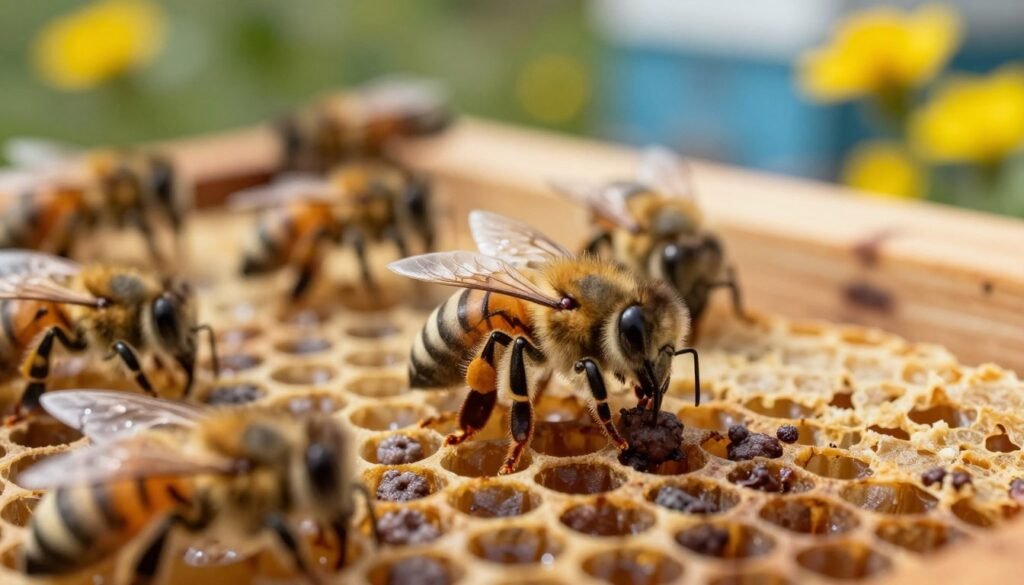
Maintain strong colonies. Healthy bee colonies resist infection better. Provide diverse pollen and reliable food during brood-rearing peaks. Manage queen quality and avoid prolonged food shortages.
Inspect frames regularly for rubbery, granular remains in brood cells. Note patchy brood patterns and abnormal larval texture. Record findings and separate suspect frames at once.
If heavy infection appears, consult a veterinarian. Professional beekeepers may use approved antibiotics such as Terramycin under prescription and label directions. Follow regional reporting and treatment rules.
“Strict quarantine and careful frame handling prevent spread between colonies.”
- Do not move suspect frames between colonies.
- Sanitize tools after inspections and store combs separately.
- Strengthen weak colonies with nurse bees and healthy brood when possible.
| Issue | Sign | Recommended Action |
|---|---|---|
| Early infection | Rubbery, discolored larvae | Isolate frames; increase nutrition and monitor closely |
| Severe infection | Widespread brood loss | Consult vet; consider approved antibiotic treatment |
| Prevention | Strong colony, good pollen | Maintain queen health and avoid stress during brood rearing |
| Containment | Suspect frames or colonies | Quarantine and sanitize; follow local inspector guidance |
For related fungal threats, review practical guidance on prevent chalkbrood as part of a broader prevention plan.
Dealing with Chalkbrood Fungus
Ascosphaera apis is the fungus that causes chalkbrood in the honey bee. Infected larvae become hard, white or black mummies visible in the brood frames.
Early visual checks make a big difference. Look through brood comb for chalky remains during routine inspections. Mummified larvae often cluster near cooler or damp sections of the brood nest.
Stress drives most outbreaks. Weak colonies and poor nutrition raise the risk of infection. Maintaining steady food and a stable brood environment reduces pressure on bees and lowers fungal growth.
“Preventing chalkbrood rests on strong colonies, warm, dry brood nests, and timely management.”
- Ensure the brood nest stays warm and dry for developing larvae.
- Improve nutrition and reduce colony stress with varied pollen and reliable honey stores.
- If infection is severe, consider requeening with resistant stock under professional guidance.
| Issue | Sign | Suggested Action |
|---|---|---|
| Initial infection | Scattered mummified larvae | Improve ventilation and strengthen food access |
| Widespread mummies | Many cells with white/black remains | Requeen and isolate frames; consult expert |
| Prevention | Cool or damp brood areas | Keep nest warm, dry, and well-fed |
For detailed regional guidance on chalkbrood, review the archived material and align measures with local recommendations.
Managing Sacbrood Viral Infections
Sacbrood presents as larvae that die in a curled, canoe-like shape and signals a viral threat in the brood nest.
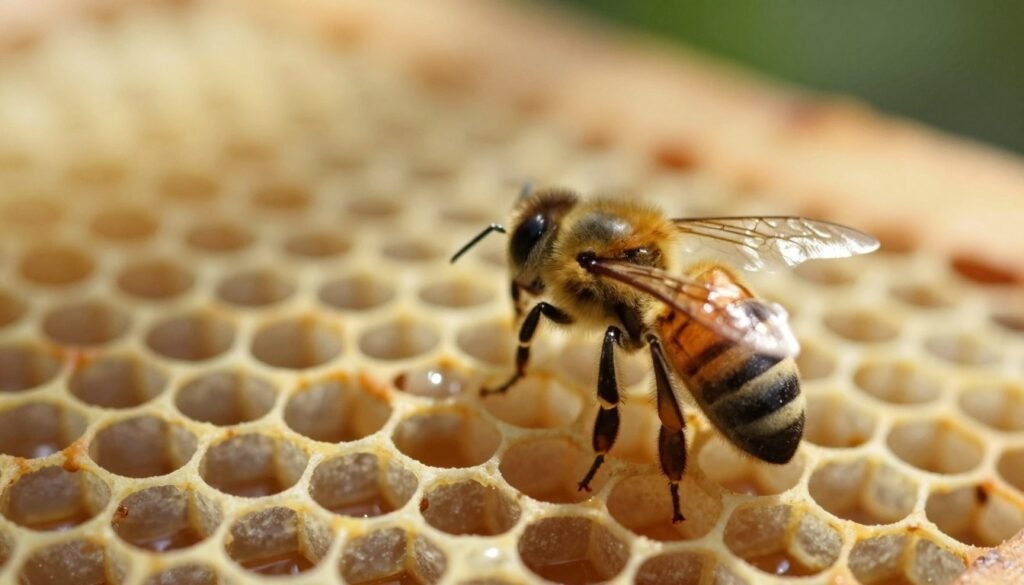
There are no chemical treatments for sacbrood, so maintaining strong colonies is the primary control strategy. Monitor frames during spring and winter for watery, granular larvae and odd brood patterns.
Requeening can restore colony vigor when infection persists. A vigorous queen often brings improved brood care and better adult worker performance, which lowers viral impact.
- Watch brood closely: look for canoe-shaped larvae and record any unusual counts or levels.
- Reduce stress: provide steady nutrition, varied pollen, and good hive ventilation.
- Consider requeening: replace queens in chronically affected bee colonies to boost resilience.
“Strong colony management is the best defense against sacbrood infection.”
Protecting Combs from Wax Moths
Stored combs face a silent threat from hungry moth larvae that bore through wax and ruin frames. These pests target unattended combs, weak colonies, and spare equipment in storage.
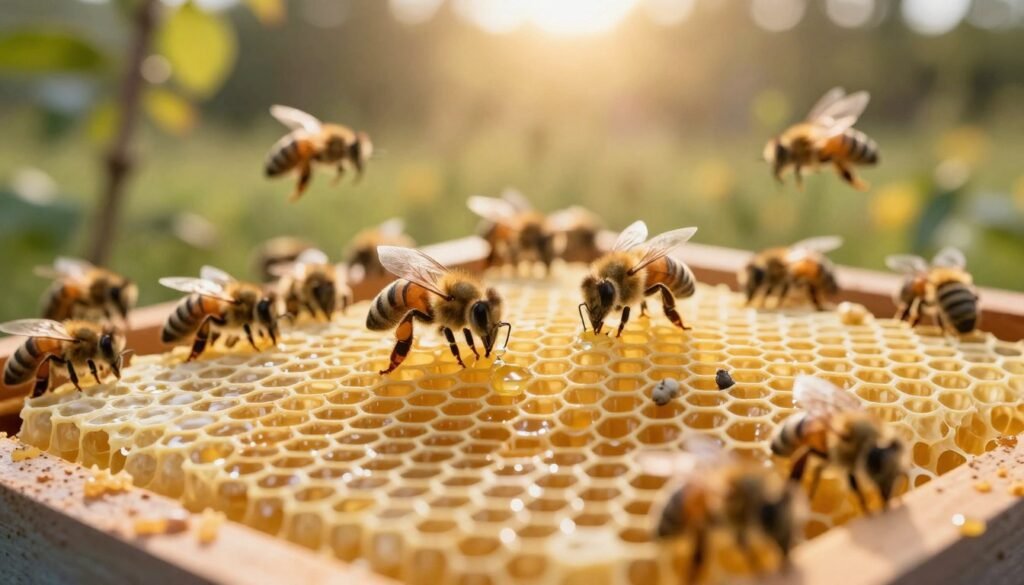
Storage Techniques
Galleria mellonella larvae can reach about 1.5 inches and tunnel through wax combs, causing heavy loss of comb structure and brood areas.
Freeze suspect combs for 1–2 days before long-term storage. Freezing kills eggs and larvae and preserves honey and wax integrity.
- Inspect bee colonies often; strong bees will eject moth larvae and protect brood.
- Consider using Certan (B402) for stored frames when allowed by label directions.
- Store combs off the ground and in sealed containers when practical.
Regular checks and simple storage routines reduce the chance of costly comb damage. Maintaining vigorous colonies is the most reliable defense against wax moth infection.
“Good storage protects combs, saves equipment, and helps healthy colonies keep productive.”
Controlling Small Hive Beetle Populations
Small hive beetle adults and larvae can turn healthy brood and honey into a slimy mess within days. Aethina tumida, first detected in the United States in 2002, has since been a persistent pest for commercial and hobby apiaries.
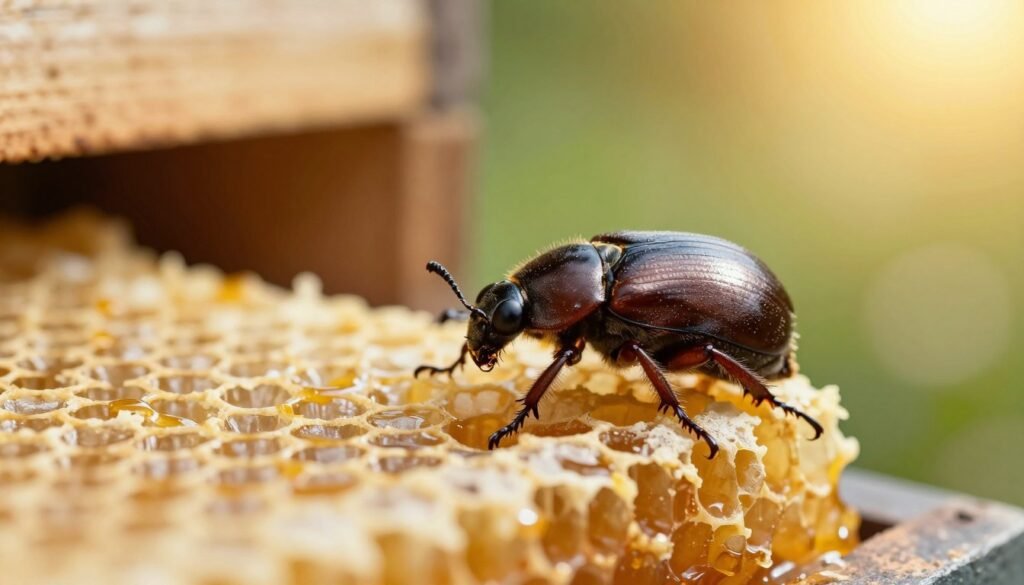
Early monitoring matters. Inspect colonies for adult beetles, scavenging activity, and slimy, fermenting comb that signals larval presence.
Practical control relies on traps placed inside and around colonies and on maintaining vigorous colonies that resist beetle buildup. Traps reduce beetle numbers while strong bees limit larval survival.
- Replace infected combs at once when larvae have caused sliming or fermentation.
- Use specialized in-hive traps and perimeter baiting where permitted.
- Apply soil drenches like GuardStar around stand perimeters for heavy infestations under professional guidance.
“Managing small hive beetle populations is a critical part of modern beekeeping to protect brood, comb, and honey.”
For detailed pest biology and regional recommendations, review an Aethina tumida overview and align tactics with local regulations and best management practices.
The Role of Nutrition in Immune Defense
A varied floral diet strengthens worker resilience and lowers viral loads across colonies. Nutrition is a practical, preventive tool that supports brood, adult bees, and the queen.
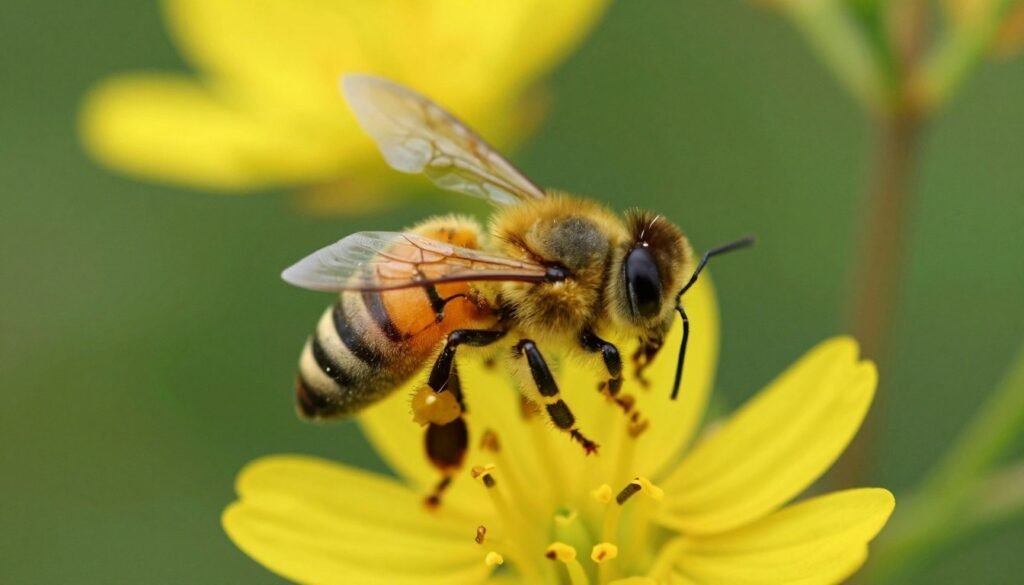
Diverse Pollen Sources
Diverse pollen supplies essential amino acids and micronutrients the honey bee needs for immune function.
Different forage types build a balanced diet that helps reduce infections and supports long-term colony health.
Professional beekeepers should map local blooms and place colonies where varied pollen is available through the season.
Supplemental Feeding
High-quality supplemental food fills gaps during dearths and lowers colony viral levels when natural forage is scarce.
Use vetted feed mixes and feed sparingly; overfeeding syrup or poor-quality substitutes can harm adult bees and weaken the colony.
Tip: Match supplements with seasonal needs and monitor response in brood pattern and worker activity.
- Diverse pollen strengthens immune response in the honey bee.
- Quality supplemental food helps lower viral pressure in bee colonies.
- Ensure the queen and adult bees have steady access to varied nutrition year-round.
Minimizing Stress to Boost Colony Resilience
Reducing daily stressors makes colonies stronger and more resistant during winter. Lower disturbance helps the queen and workers conserve energy. That conservation lowers infection risk and improves survival.
Limit inspections to essential checks and use calm movements at the hive entrance. Quick, focused visits disturb bees less and maintain steady stores of honey and pollen.
Manage environmental factors such as ventilation, insulation, and placement. Adequate shelter and balanced airflow reduce cold drafts and humidity that raise infection levels.
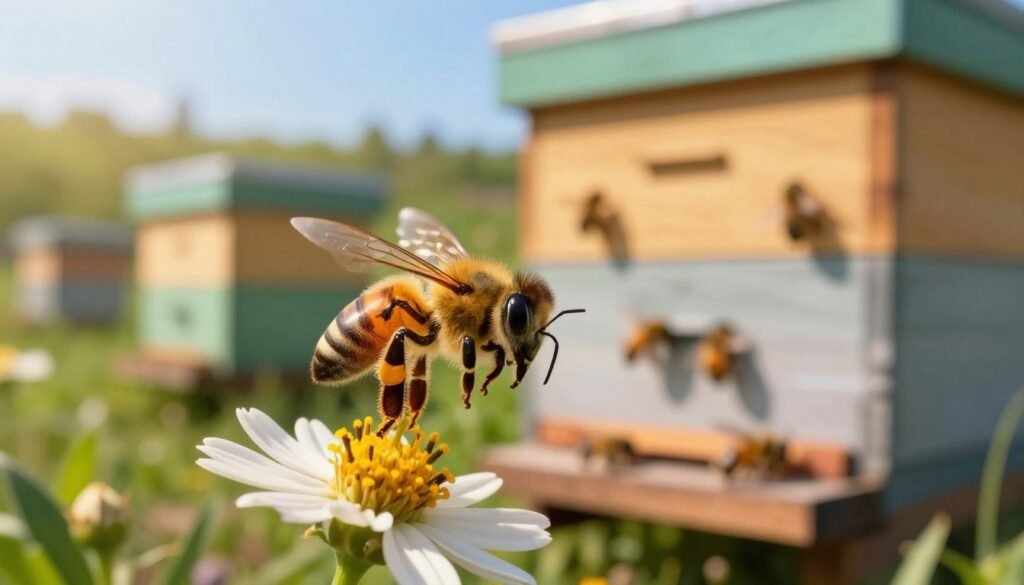
“Small, consistent steps in management build long-term resilience across bee colonies.”
- Schedule inspections around warm daylight hours and avoid needless frame swaps.
- Maintain steady nutrition so colonies face fewer stresses in late season.
- Record observations and intervene only when thresholds show rising infections.
Ethical stewardship supports healthy colonies and sustainable apiaries. For guidance on responsible management and beekeeper conduct, review recommended practices at beekeeping ethics.
Proper Equipment Sanitation and Maintenance
Sanitizing tools and frames after each use greatly reduces cross-contamination risks across an apiary.
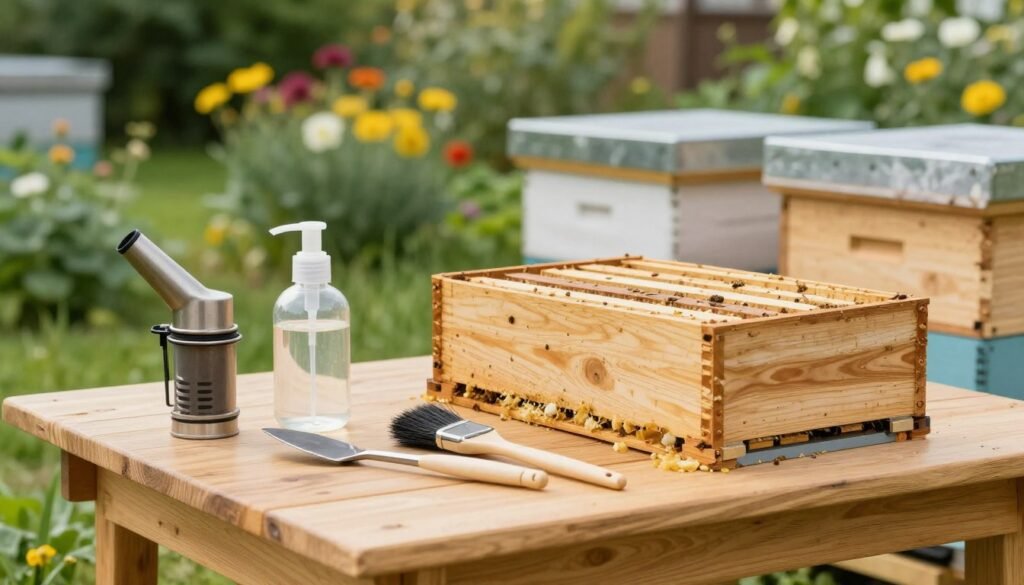
Regular maintenance of boxes, frames, and other equipment creates a clean environment for the queen and her workers. Replace cracked frames and repair warped bodies before spring inspections.
Sanitation matters: clean tools between colonies, label used gear, and store items separately when suspect. Professional beekeeping protocols lower chances of pathogen transfer and preserve long-term hive health.
- Sanitize reusable tools and treat storage areas for pests and contaminants.
- Implement strict control measures when moving equipment between yards.
- Store treatments in sealed containers away from comb and wax.
“Good equipment care prevents problems and saves frames, time, and harvest.”
For step-by-step guidance on cleaning methods and approved processes, review the extension note on cleaning and sterilizing beekeeping equipment. Keeping gear in sound condition is fundamental for healthy bee colonies and effective control of pests.
Conclusion
Practical routines and timely actions form the backbone of professional apiary management. Small, regular inspections and clear methods reduce risk and support steady production. Use records and simple checklists to guide seasonal work.
Stay informed by consulting reliable information and extension guidance. For detailed best management practices on colony stress and virus transmission, see best management practices.
Consistent management of pests and careful methods mark successful beekeepers. Protecting colonies today ensures productivity and resilience for years ahead.
FAQ
What are the first signs of a sick colony?
Look for reduced foraging, spotty brood patterns, dead or disoriented adult bees, and an unusually low number of emerging workers. Inspect frames for sunken, perforated, or discolored brood and check for pests like Varroa mites and small hive beetles.
Which monitoring methods quickly reveal Varroa mite levels?
Use alcohol or sugar shake tests and sticky boards for accurate counts. Conduct checks during peak brood periods and after major nectar flows. Regular monitoring helps time treatments and track trends in mite pressure.
What seasonal treatments control mite populations effectively?
Rotate chemical and nonchemical options. Formic acid, oxalic acid, and thymol-based products like MAQS, Api-Life VAR, and oxalic dribble or vapor work in different seasons. Match treatment choice to brood presence and label directions.
How can I introduce mite-tolerant stock into apiaries?
Source queens from breeders that select for hygienic behavior and low mite reproduction, such as VSH lines. Requeen weak hives and use controlled mating or instrumental insemination when possible to retain desirable traits.
How are tracheal mite infestations identified?
Affected bees breathe rapidly, appear shaky, and show reduced lifespan. Dissecting the thorax or using microscopic examination reveals mites in the tracheae. Treatment with menthol or recommended miticides helps suppress populations.
What are reliable diagnostics for Nosema infections?
Microscopic spore counts from crushed bee abdomens confirm Nosema apis or Nosema ceranae. Field signs include dysentery, reduced colony strength, and poor winter survival. Fumagillin is commonly used under label guidance.
Which symptoms point to American Foulbrood (AFB)?
AFB shows sunken, greasy brood cappings, a foul odor, and ropy larval remains that stretch between tools. Positive diagnosis requires lab confirmation; infected hives often need legal disposal or professional destruction to stop spread.
How can European Foulbrood (EFB) be prevented in apiaries?
Maintain strong, well-fed colonies, avoid prolonged broodlessness, and replace poorly performing queens. Good nutrition, timely requeening, and avoiding stressors reduce susceptibility to EFB bacteria.
What are the management steps for chalkbrood fungus?
Improve ventilation, reduce humidity, requeen with hygienic stock, and remove affected comb. Strong colonies resist chalkbrood better; replacing old comb and ensuring diverse forage also helps lower incidence.
How do I respond to sacbrood virus outbreaks?
Requeen with young, vigorous queens, reduce stressors, and maintain strong nutrition. Sacbrood often declines as colonies build strength; sanitation and comb replacement can limit viral persistence.
What protects stored frames from wax moth damage?
Freeze combs for 24–48 hours, wrap boxes tightly, or store frames in ventilated, sealed containers with paradichlorobenzene crystals (follow label guidance). Maintain low humidity and inspect storage regularly.
Which tactics reduce small hive beetle problems?
Use ground traps, maintain strong colonies, reduce exposed honey, and apply approved in-hive traps like Beetle Blaster or Sentinel. Sanitation and removing beetle-attracting debris cut reproductive habitat.
How does diverse forage improve colony immune defense?
Access to varied pollen and nectar supplies boosts nutrition, supports brood development, and enhances disease resistance. Planting clover, wildflowers, and native species strengthens colony health over the season.
When should supplemental feeding be used?
Provide supplemental protein patties or sugar syrup during dearths, after heavy spring draws, or when colonies show poor brood rearing. Use tested products like Bee-Pro or MegaBee and avoid prolonged dependence on supplements.
What management steps minimize colony stress?
Limit unnecessary inspections, avoid sudden hive moves during brood cycles, provide shade and water, and prevent overcrowding by adding supers. Stable, calm handling and timely disease interventions reduce stress-induced losses.
How often should equipment be sanitized and replaced?
Clean tools after diseased inspections, disinfect hive boxes with hot soapy water or mild bleach solutions, and replace comb every 3–5 years. Burn or legally destroy heavily contaminated frames to protect nearby apiaries.