Welcome. This short introduction outlines key choices when offering supplemental nutrition for an emerging hive. Many beekeepers face a simple trade-off: save time with artificial pollen or rely on natural forage.
Artificial pollen and pollen substitutes can jump-start growth when flowers are scarce. Members of a local beekeeping club often debate benefits and risks. One main concern is disease spread if supplements are handled poorly.
Proper placement and measured feeding preserve hive health. Thoughtful techniques help bees access needed nutrients without upsetting brood development. Use this guide as a practical starting point for safe, effective management of new colonies.
Key Takeaways
- Supplemental patties can support brood rearing when natural forage is limited.
- Balance convenience of artificial pollen with vigilance for disease risks.
- Local beekeeping club advice can help tailor feeding pollen plans.
- Correct placement in the hive reduces waste and improves uptake by bees.
- Pollen substitutes offer time savings but require careful hygiene and monitoring.
Understanding the Role of Protein in Bee Health
A steady supply of protein drives brood production and strengthens long-term hive performance.
Importance for Brood Rearing
Protein is essential for raising healthy larvae. Nurse bees consume protein-rich sources and convert them into nutritious jelly for brood.
Natural pollen supplies a broad mix of amino acids, fats, vitamins, and minerals. Scientific Beekeeping notes that this balance supports vigorous brood production and overall bee health.
Royal Jelly Production
Nurse bees synthesize royal jelly from dietary protein. That secretion is the primary food for developing larvae and the queen.
Carbohydrates from nectar and honey fuel flight and wax building, but they cannot replace protein during intense brood rearing.
- Core point: consistent protein intake links directly to brood numbers and colony vitality.
- Natural pollen remains the gold standard for nutritional completeness.
- When natural sources are limited, consider vetted pollen substitutes and consult practical resources such as this feeding bees guide.
How to Feed Pollen Patties to a New Bee Colony
Place a well-mixed patty inside the brood area so nurse bees can access it quickly. The patty is a simple mixture of pollen substitute and sugar that forms a dough-like ball. This consistency helps the colony consume the supplement during dearths.
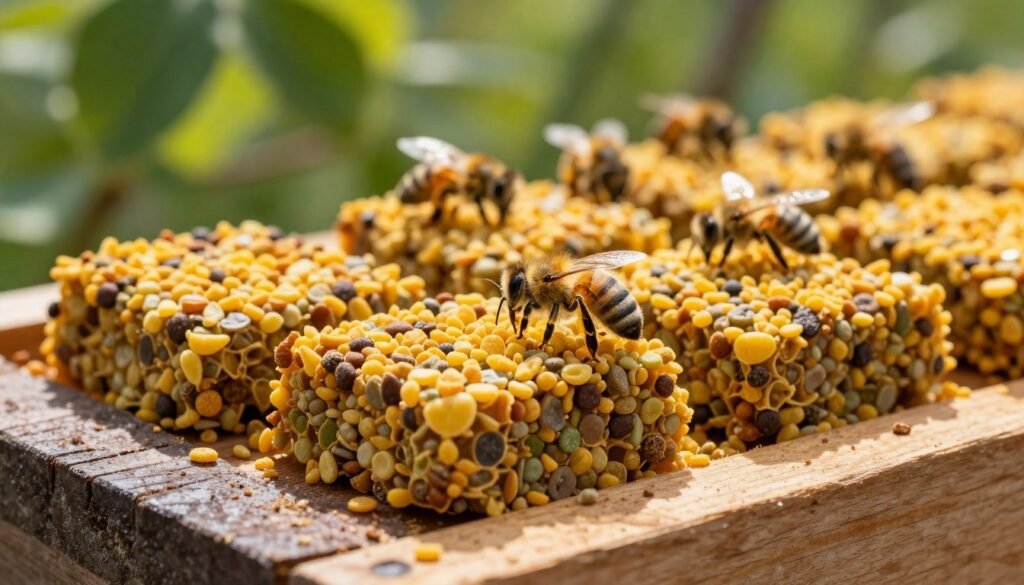
Set the patty directly in the brood nest, between frames where nurse workers tend larvae. A standard 1-lb patty is common practice when natural pollen is scarce and rapid brood production is the goal.
Mix sugar syrup thoroughly into the substitute so the texture stays moist. Monitor the amount provided and remove any leftovers before small hive beetles locate it. Proper timing and balance preserve hive hygiene and support protein needs without inviting pests.
- Placement: inside brood area for quick uptake.
- Mixture: dough-like with syrup and sugar for correct consistency.
- Monitor: track consumption and beetle risk; adjust the amount.
For detailed schedules and measures, consult guidance on when and how much to provide and methods that stimulate brood production safely.
Natural Pollen Versus Artificial Substitutes
Natural pollen remains the benchmark for colony nutrition. It supplies a complex mix of amino acids, lipids, vitamins, and micronutrients that manufactured mixes rarely match.
Nutritional Gaps in Commercial Products
Most commercial products lack the full nutrient profile found in fresh, natural pollen sources. Many contain zero actual pollen grains, while the most effective blends include roughly 15–20% real pollen.
During a severe pollen dearth, substitutes are a practical option. Use them as a bridge when spring or fall forage is unavailable, not as a permanent replacement.
- Natural sources: superior nutrient density for brood and worker health.
- Substitutes: useful during dearths but vary widely in ingredients.
- Expectation: even high-grade patties cannot fully replicate fresh forage.
When selecting a product, read labels and favor mixes with verified pollen content. For product comparisons and guidance, see this feeding bees guide and a review of best natural supplements.
Assessing Your Hive for Nutritional Deficiencies
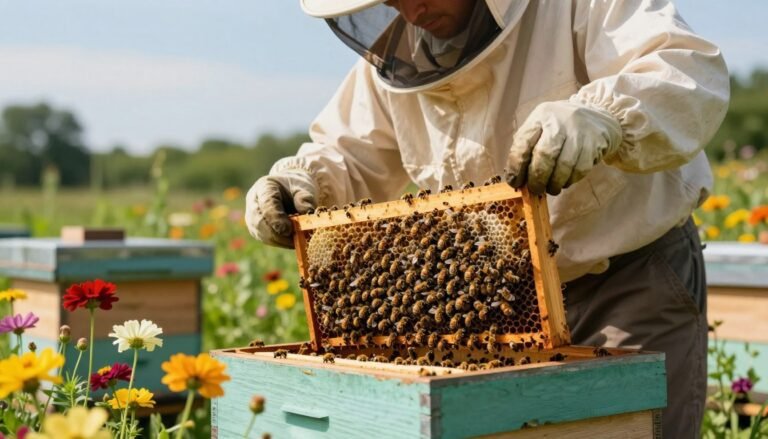
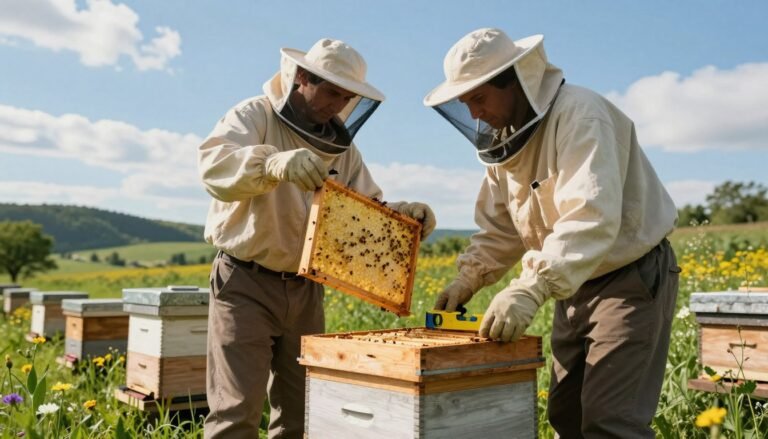
A quick brood inspection reveals much about a colony’s nutritional status. Open the brood nest and look closely at frames with young larvae. Short, targeted checks give a clear snapshot without long disturbance.
Identifying Dry Brood
Dry brood appears when nurse workers reduce jelly feeding because of protein stress. Randy Oliver of Scientific Beekeeping defines this condition as nurses rationing jelly rather than fully covering larvae.
“Dry brood is a clear indicator that nurses cut back on jelly due to nutritional stress.”
Monitoring Larval Survival
Healthy larval survival shows as even-aged, solid brood that reaches capping. Patchy or missing larvae suggests the hive is reclaiming resources by cannibalizing eggs and tiny brood.
One preventative measure is a drench of 1/2 cup 1:1 sugar syrup with recommended additives for disease control, but this does not replace the need for protein or natural pollen.
- Inspect brood frames regularly and note jelly coverage.
- Record larval patterns and capping rates over weeks.
- Use pollen substitutes briefly when forage is scarce, while restoring natural sources.
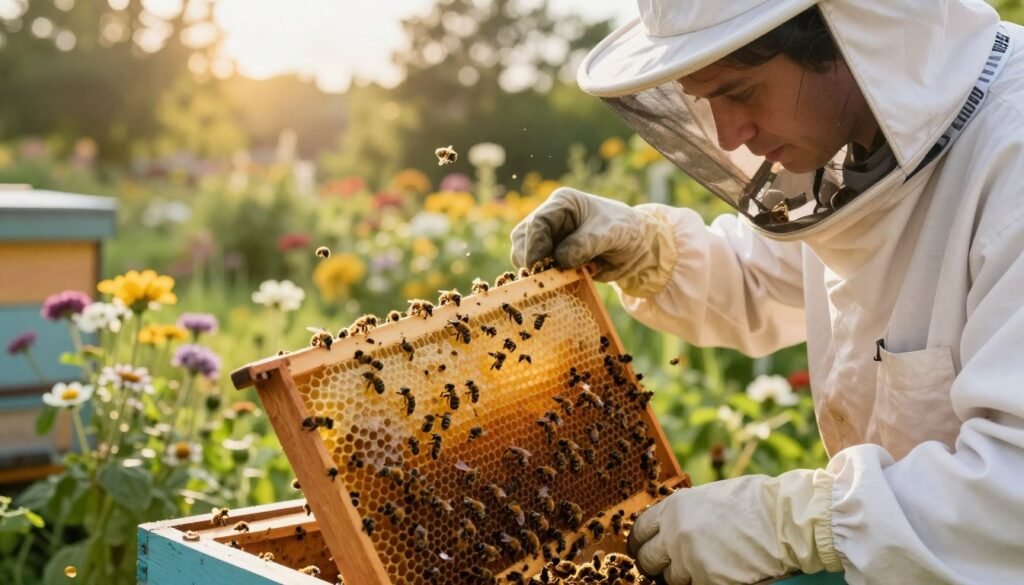
Choosing Between Pollen Patties and Dry Powder
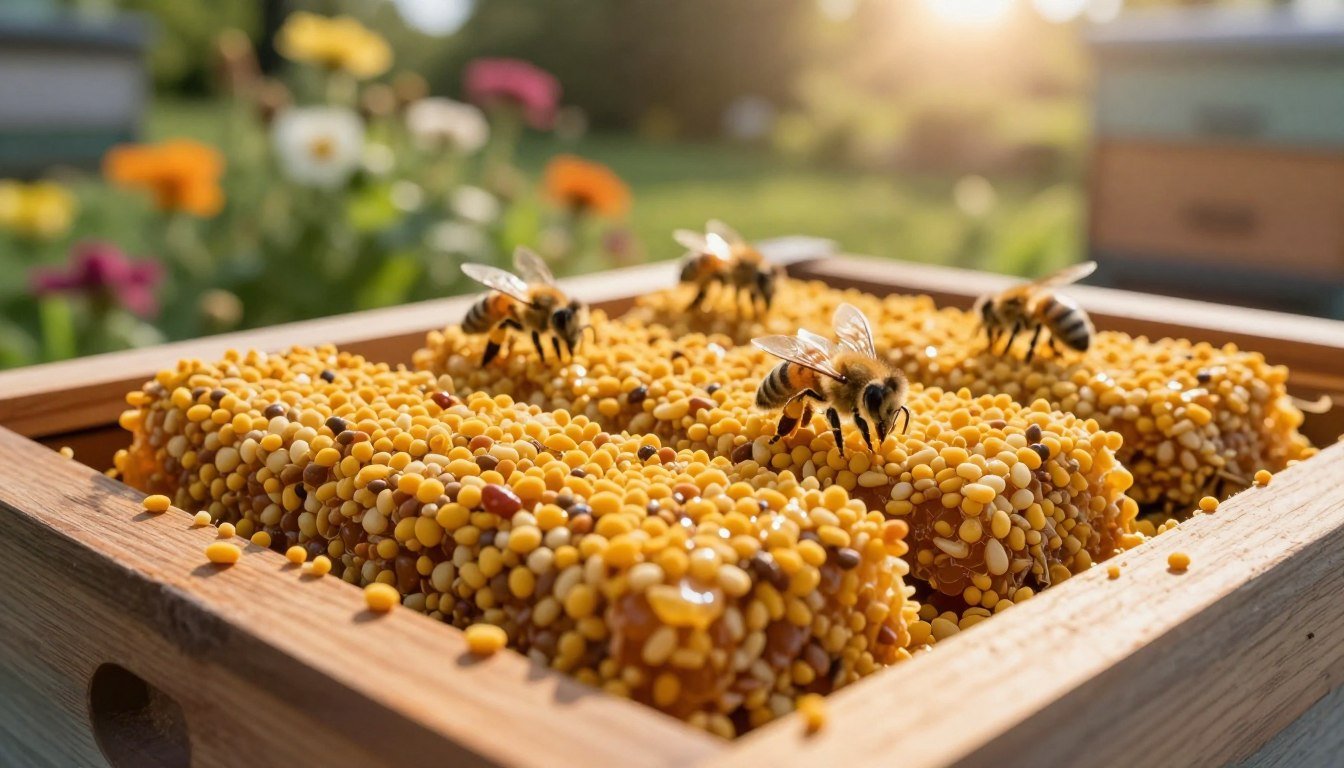
Dry powder is a concentrated, grain-like protein source that mimics natural offerings. It stays lightweight and is simple to scatter or place in a sheltered feeder.
Formed patties are a mixture of substitute and sugar that creates a dough bees can eat directly in the brood area. This ensures quick protein uptake during short forage gaps.
Scientific Beekeeping reports that workers often prefer real forage. When flowers are abundant, the colony may ignore formed supplements and remove the protein portion.
| Format | Strength | Risk | Best use |
|---|---|---|---|
| Dry powder | Low spoilage, easy storage | Waste if wet or missed by workers | Supplement when bees can forage |
| Formed patties | Direct consumption, steady protein | Attracts pests if left long | Bridge during dearths |
| Pollen substitute | Balanced nutrition when high quality | Variable ingredients between brands | Short-term boost for brood |
- Place dry powder in a sunny, sheltered spot so it stays dry.
- Use a patty when immediate protein in the brood nest is needed.
- Review regional sources and timing; see recommended best pollen sources.
Best Practices for Placement Inside the Hive
Positioning the supplement in the heart of the nest encourages rapid consumption by nurse bees.
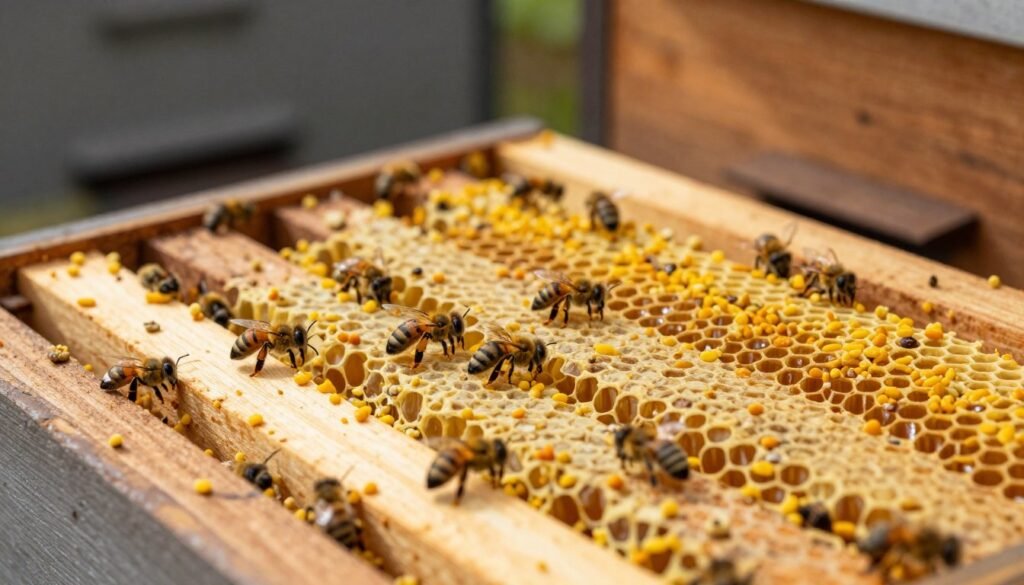
Place patties directly in the brood nest. Locate them between frames where nurse workers attend larvae. This makes the protein easy for bees to reach and reduces waste.
Mix sugar and syrup thoroughly. The blend should form a soft paste that holds shape but does not dry fast. Proper consistency keeps the supplement usable and clean inside the hive.
Ensuring Proper Consistency
Aim for a texture neither too hard nor too runny. If the patty is stiff, workers struggle to remove bits. If it melts, the box gets sticky and pests may arrive.
As an alternative, use dry pollen powder in an external feeder during busy spring work. This reduces crowding in the brood area and keeps accessible bees moving freely.
- Remove or adjust wax pick-up sheets so bees can access the supplement easily.
- Check patties often and replace or reshuffle if they crust over or turn soggy.
- Keep records of consumption rates to match supply with colony needs.
| Action | Goal | Common Issue | Recommendation |
|---|---|---|---|
| Place in brood nest | Quick uptake by nurse bees | Ignored if too far | Between brood frames |
| Mix sugar and syrup | Stable, soft paste | Crusts or melts | Adjust syrup ratio for consistency |
| Use dry pollen powder | Reduce hive congestion | Blown or wet powder | External feeder in spring |
Managing Pests and Environmental Risks
“Small hive beetles often exploit soft supplements left inside a hive, so careful timing matters.”
Small hive beetles are the main pest risk when offering supplemental protein. If a soft mixture sits in the brood area for long, beetles locate it quickly and can damage frames.
Overfeeding increases attraction. Many beekeepers find that excess patties or sugary mixes invite scavengers and waste time and resources.
Watch the hive box weekly and remove any leftover supplement if beetle numbers rise. If you see many beetles, pull the remaining patty and reassess your schedule.
Source replacements from reputable suppliers to reduce disease risk. Contaminated product can spread pathogens between hives and harm the colony.
Use practical resources on risk controls and timing, such as a guide on risk management strategies and seasonal checklists at seasonal beekeeping tasks.
Regular checks let you balance support for brood with maintaining clean, safe hives year-round.
Seasonal Considerations for Supplemental Feeding
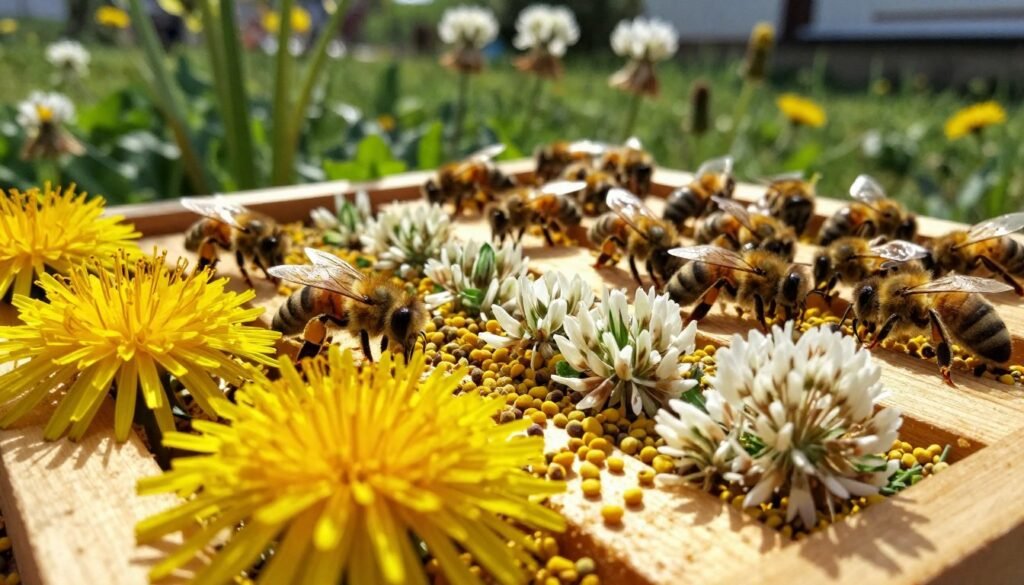
Early spring offers the best window for adding protein so colonies can expand quickly before major nectar flows. In many southern regions, like Alabama, natural pollen sources are abundant most of the year and extra supplements may be unnecessary.
Monitor stores in fall and winter. Check honey and reserves before cold months arrive. Low stores mean the hive may need energy support, not protein, through winter.
Use pollen substitutes only as a backup during clear dearths. Match any supplement with short, targeted runs rather than year-round application. For practical research and observations on substitute performance, read observations on pollen subs.
| Season | Primary concern | Recommended action | Notes |
|---|---|---|---|
| Spring | Rapid brood growth | Short protein boost | Supports early buildup before major nectar |
| Summer | Nectar availability | Monitor natural forage | Avoid extra sugar unless stores low |
| Fall/Winter | Energy stores | Check honey; supplement sugar/syrup if needed | Limit protein offers; focus on survival |
Research Insights on Colony Performance
Field and lab studies consistently favor diverse, natural forage for long-term hive resilience.
University of Florida trials and work by Randy Oliver show that many commercial pollen substitutes lack key sterols. One important compound, 24-methylenecholesterol (24mCh), appears in natural pollen and supports bee health.
Colonies fed real forage often show stronger brood production and better overall vitality than those relying solely on manufactured mixes. Supplements can boost numbers during short gaps, but they rarely match natural quality.
Practical takeaway: use 1:1 sugar syrup as a stimulant for brood rearing when needed, yet remember syrup does not supply protein essential for growth.
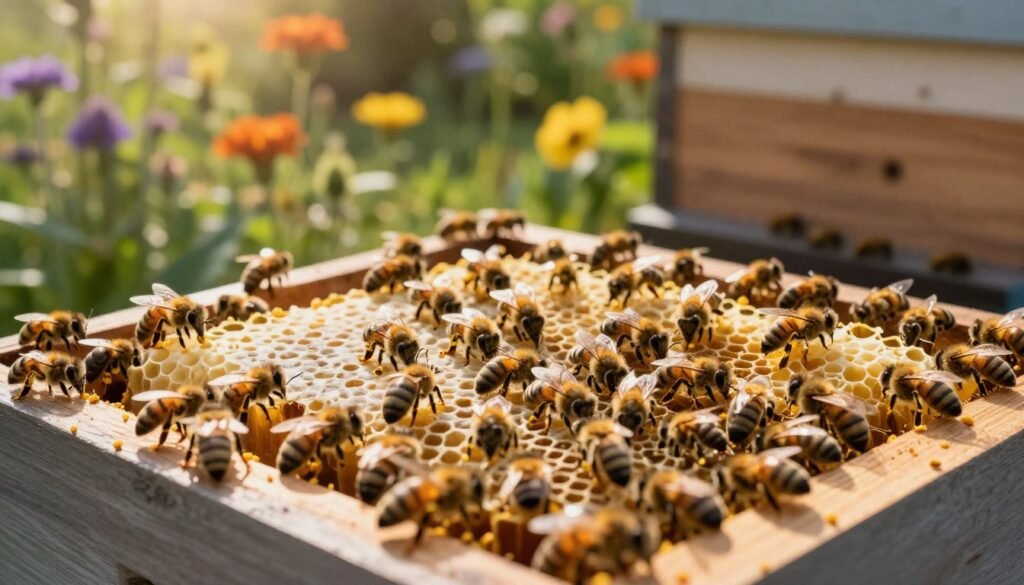
“Natural pollen delivers sterols and micronutrients that many products miss.”
| Study source | Key finding | Practical impact |
|---|---|---|
| University of Florida | Natural forage improves brood and worker health | Prioritize diverse floral sources |
| Randy Oliver / Scientific Beekeeping | Many substitutes lack 24mCh and full nutrient profile | Use supplements as short-term bridges |
| Mixed trials | Syrup stimulates activity but not protein needs | Combine syrup with access to natural pollen |
- Favor natural pollen when possible.
- Use supplements sparingly during a pollen dearth and monitor hive response.
- See a detailed feeding bees guide for product specifics and selection criteria.
Conclusion
Monitoring comb patterns lets beekeepers match supplements to real needs. Watch brood frames, note jelly coverage, and record changes over weeks. These simple checks guide decisions about when support is truly required.
Use supplemental protein as a short-term tool, not a permanent fix. Prioritize natural pollen sources whenever possible because they supply vital sterols and micronutrients that sustain long-term hive health.
Practice restraint to avoid attracting pests and wasting resources. Informed observation, regional awareness, and clean placement make the difference between wasted effort and stronger, lasting growth in your hives.