Accurate records matter. Professional beekeepers and commercial operators rely on clear notes about bees, frames, and colony condition to meet pollination commitments. A well-kept assessment prevents disputes and protects the value of pollination contracts.
The need for standards is not new. In 1960, the Oregon Department of Agriculture set specific colony rules so growers got the pollination they paid for. Today, inspectors use tools like PollenOps that let one person assess 50 hives per hour.
Good notes capture frames of brood, capped brood counts, queen presence, and the number of covered bees. These details help beekeepers and growers meet minimum benchmarks, such as an eight frames standard langstroth colony for many pollination contracts.
Timing matters. Contracts signed by November often bring stronger pricing leverage. Teams that prioritize regular inspection and record-keeping see measurable gains — about a 25% better crop set in some operations. For practical guidance, visit apiary productivity.
Key Takeaways
- Clear records reduce disputes in commercial pollination.
- Historical rules guide modern colony evaluation standards.
- Digital tools speed inspections to roughly 50 hives per hour.
- Track frames, brood, and queen status for reliable assessments.
- Early contracts, signed by November, can improve pricing.
- Data-driven checks link to better crop set and colony growth.
The Importance of Hive Strength Documentation
Precise records of each colony’s status are essential when money and crops depend on bees.
Clear, dated notes resolve most payment disputes in commercial pollination. A reliable record of frames, capped brood, queen presence, and covered bees creates a verifiable baseline when a contract calls for specific numbers.
Industry practice favors a 50% payment on delivery and the remaining 50% on removal. Stating that split in writing protects both parties and speeds resolution if an issue arises.
“Detailed logs let beekeepers prove colony quality and meet modern crop demands.”
- Require 24–48 hours’ notice for any pesticide application within the foraging range.
- Keep dated comb and honey notes to support claims about colony condition.
- Use short checklists at delivery and removal for consistent records.
| Item | Recommended Entry | Why it matters |
|---|---|---|
| Frames & Brood | Number of occupied frames | Shows colony capacity for pollination |
| Queen Status | Present/Absent | Impacts long-term performance |
| Pesticide Notice | 24–48 hours | Protects colonies while in the field |
Understanding How to Document Hive Strength for Growers
Clear, repeatable checks let beekeepers show which colonies meet contract benchmarks. A standard approach keeps entries concise and comparable across yards.
Standardizing Observations
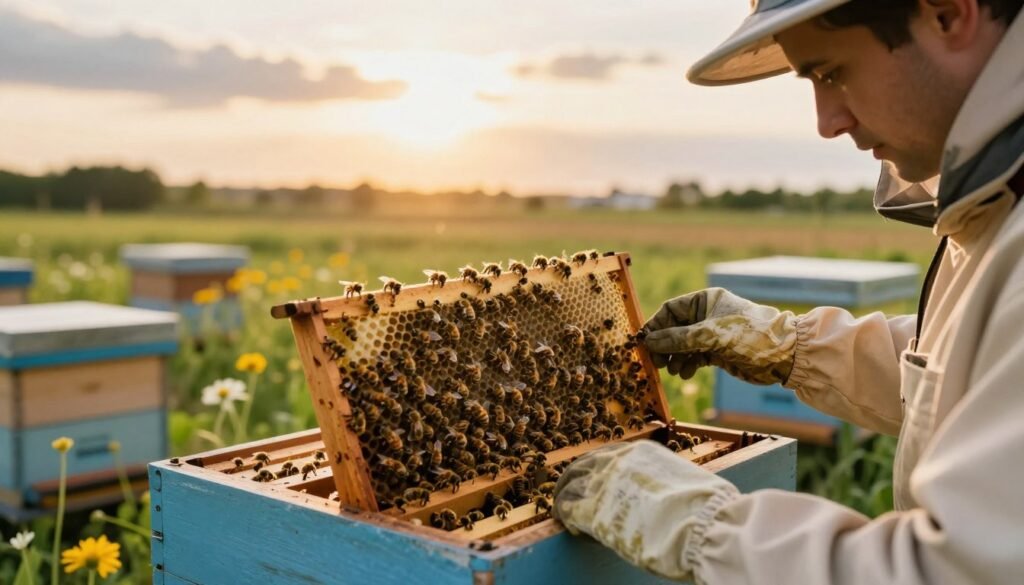
Use a single method each visit. Record a decimal estimate of adult bee coverage on every frame. Count frames of bees and frames of brood so colony growth trends are visible over weeks.
Creating Compliant Reports
Include date, yard location, individual strength scores, and assessor name. Note queen status, capped brood counts, and number of covered bees. Exportable PDFs from systems like PollenOps serve as credible proof for growers and crop buyers.
“Consistent records reduce disputes and support pollination contracts.”
| Field | Example Entry | Purpose |
|---|---|---|
| Date | 2026-03-15 | Verifies inspection time |
| Frames (bees/brood) | 7.5 / 5 | Shows capacity and growth |
| Assessor | J. Martinez | Accountability |
Defining Colony Strength for Pollination Success
A single large colony can outperform several smaller ones when measured by pollination output. Research shows a colony of 60,000 bees produces about 1.5 times as much honey as four colonies of 15,000 each. That same scale advantage increases for pollination coverage in the field.
Defining a unit’s value starts with the number of adult bees. Count frames occupied by bees and note frames brood. Those counts predict foraging activity and short-term colony growth.
A productive queen matters most. Her egg-laying rate sets population gains over weeks and drives a healthy colony toward the minimum numbers many pollination contracts require.
“A large, well-brooded colony gives better crop coverage and insurance against spot losses.”
Practical checks: confirm adult bee coverage, capped brood presence, and consistent comb pattern. Beekeepers and growers who use these metrics reduce risk and improve outcomes for commercial pollination.
| Metric | Why it matters | Target |
|---|---|---|
| Frames bees | Shows adult forager pool | 6–8+ frames |
| Frames brood | Projects colony growth | 4+ frames |
| Queen status | Ensures ongoing population | Present and laying |
Essential Tools for Accurate Field Assessments
Modern inspectors pair a smoker and tablet to keep notes quick and reliable.
Practical kits combine steady hands, clear checklists, and fast data capture. This mix helps beekeepers and crews meet pollination contracts with consistent entries.
Digital Tracking Systems
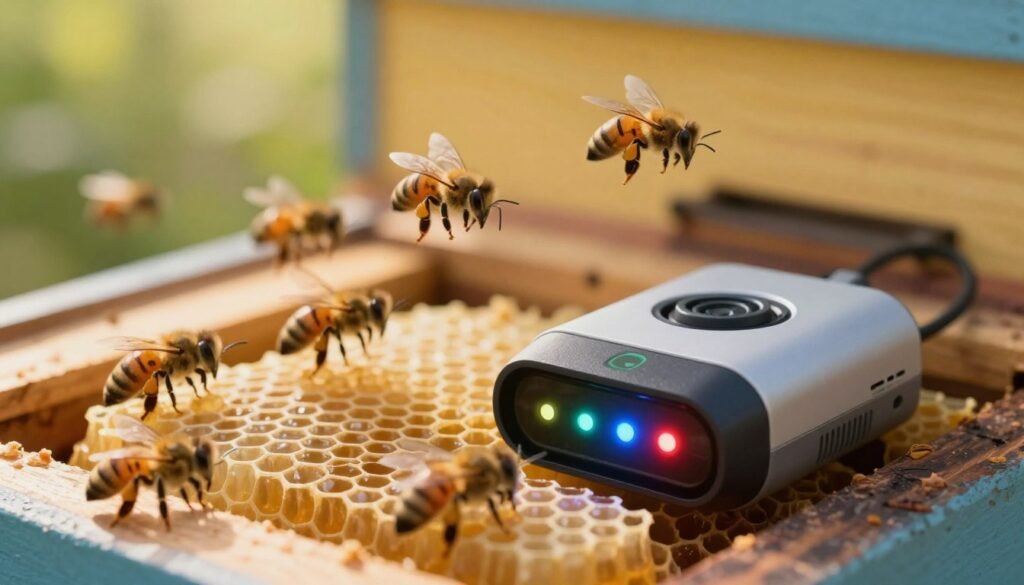
Tablet-based platforms like PollenOps guide an inspector through a checklist and record observations in real time.
Throughput improves: trained staff can assess about 50 hives per hour, removing bulky paper logs and saving time.
Recorded entries store frames counts, brood notes, queen status, and the number targets required by many pollination contracts.
Field Tools and Best Practices
Use a smoker to keep bees calm while counting frames and checking frames brood. Work steadily and note comb condition and foraging signs.
Digital records make it easier to track colony growth over weeks and decide when units should move for pollination.
“A tablet checklist and steady technique reduce disputes and speed commercial pollination workflows.”
Learn more about digital field logs for tighter audits and clearer contract evidence.
Distinguishing Between Frames of Bees and Brood
Counting frames reveals two different stories: frames of bees show the current workforce, while frames of brood predict near-term population growth. Inspectors who note both can judge immediate pollination output and the colony’s likely trend.
The Role of Adult Foragers
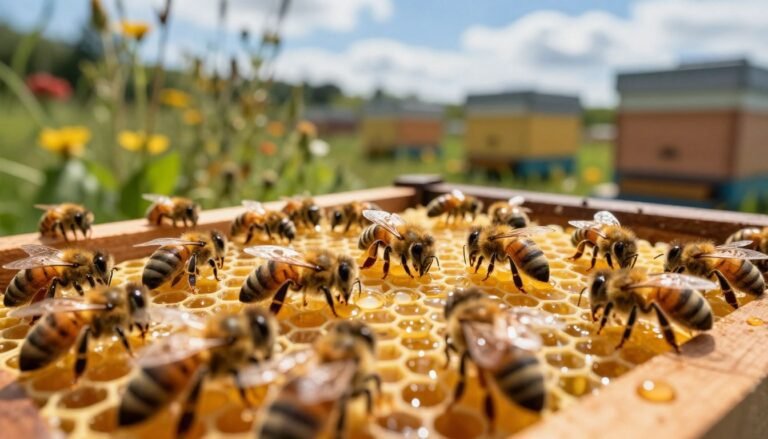
Adult foragers are the bees that actually move pollen in the field. Their number depends on covered frames and recent brood rearing. One standard comb fully covered holds roughly 2,400 adult bees during an active season.
Use the frames bees count to estimate foraging force and short-term pollination capacity. A colony with many covered frames but little brood may be delivering now but losing future supply.
The Significance of Brood Patterns
Frames brood show what the queen has produced and what will become next week’s workforce. A solid, compact brood pattern signals a healthy, laying queen.
A unit with seven frames of bees but only one frame brood is likely declining. Conversely, a colony with five frames brood is actively building and will increase its foraging pool soon.
“Check brood pattern closely; a spotty pattern often signals queen or disease issues that cut pollination performance.”
Practical note: pair numerical counts with brood pattern checks. Use heat-mapping and focused brood assessment methods like those discussed in brood pattern assessment and evaluate unit value using resources such as relative value for almond pollination.
Establishing a Consistent Assessment Methodology
A repeatable inspection routine turns solo observations into trusted records across an entire apiary.

Open each unit and inspect every frame face. Note the percentage covered by adult bees and mark the frames brood count. Count frames bees and record the number of solid brood frames with a compact pattern.
Follow the standards set by Oregon and Washington. Those historic rules helped define Grade A colonies and still guide many contracts. Using the same steps keeps evaluations comparable across time and yards.
Apply a simple checklist: percent coverage per frame, frames brood, queen presence, and comb quality. A uniform approach makes entries usable for pollination decisions and crop planning.
“Consistent checks reduce disputes and give growers clear proof of unit quality.”
| Step | What to Record | Why it Matters |
|---|---|---|
| Frame-face coverage | Percent covered by adult bees | Shows current foraging pool |
| Frames brood | Number and pattern quality | Predicts near-term colony growth |
| Queen check | Present / laying | Ensures future population |
| Comb condition | Clean, capped, or damaged | Indicates health and honey stores |
Standardizing this routine saves time and gives beekeepers and growers a clear, defensible set of numbers for pollination contracts. For a practical assessment workflow, see assessment templates and examples.
Preparing for Pre-Move Hive Inspections
Pre-move checks begin with weather choices that keep colonies calm and assessments accurate.
Choose mild weather. Honey bees rarely fly below 55°F, and they become defensive in cool or wet conditions. Schedule inspections when the temperature is above 60°F so the colony is active and frames bees are visible without excessive disturbance.
Prioritize safety. Provide veils and gloves for any grower who joins an inspection. Clear personal protective gear reduces risk and helps teams work steadily while they judge frames, brood, comb, and food stores.
Practical steps before moving units
- Pick a warm, calm day and confirm forecasted temperatures remain steady.
- Check food reserves; a starving hive will not meet pollination expectations.
- Verify each colony meets the contracted frame and brood requirements before loading.
“A well-timed pre-move check prevents last-minute disputes and protects both crop delivery and payment terms.”
| Check | Target | Reason |
|---|---|---|
| Temperature | >60°F at inspection | Bees active and less defensive |
| Food reserves | Sufficient honey or feed | Supports foraging during crop pollination |
| Contract items | Frames bees / frames brood meet listed numbers | Avoids performance disputes after placement |
For sites with limited space or special access rules, consult compact apiary guides such as small-space beekeeping strategies for logistics tips when prepping units for field moves.
Recording Data in Real Time
Live logging during inspections turns fleeting observations into verifiable records.
Use a mobile checklist that guides each observation category and saves entries as you work. This removes later transcription errors and keeps notes audit-ready for any contract review.
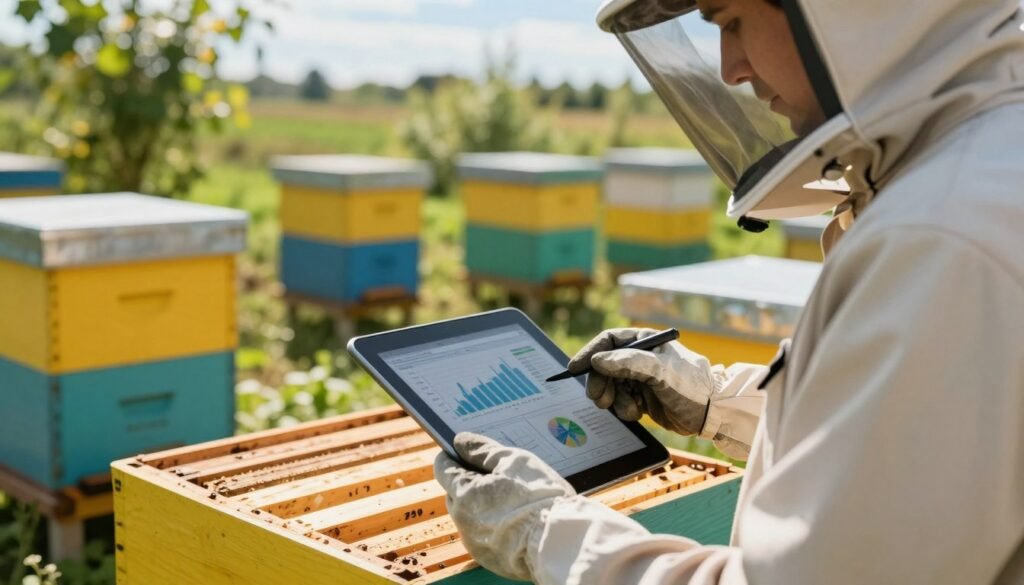
Logging results on a tablet lets an inspector mark frames, note brood presence, and flag a colony that needs follow-up. Teams can see at once which hives meet minimums and which require attention before deployment.
“Real-time entries build a clear trail that growers and buyers can trust.”
- Immediate records improve accuracy and speed decisions about pollination moves.
- Digital logs make it easy to share proof of colony quality with a grower.
- Track frames bees, comb notes, and honey reserves for each unit across the season.
| Metric | Logged Field | Benefit |
|---|---|---|
| Frames | Number of covered frames | Shows current foraging pool |
| Brood | Frames brood present | Predicts short-term population |
| Comb & honey | Comb condition and stores | Aids move decisions and crop support |
| Notes | Assessor + date + location | Provides audit trail for any contract |
Keeping a digital history helps secure better contracts over time. For a practical reference, consult the beekeeping records guide.
Interpreting Colony Growth Trajectories
Comparing adult bee coverage with brood numbers gives a clear picture of future pollination output. Inspectors should weigh current frames bees against frames brood during each check.
A colony with 7 frames of bees and 5 frames of capped brood is building. That unit will likely be stronger by the end of the contract and deliver reliable pollination for the crop.
Conversely, a colony showing 7 frames of bees but only 1 frame of brood is a warning sign. Decline in brood means fewer foraging bees soon and a potential shortfall in pollination performance.
“Track both adult coverage and brood to predict service-period outcomes and protect contract commitments.”
- Compare current adult counts with brood levels at each inspection.
- Flag units that are building and those trending down.
- Use trends to combine weak colonies or add supplemental feed early.
| Scenario | Interpretation | Action |
|---|---|---|
| 7 frames bees / 5 frames brood | Growing colony | Deploy for pollination; monitor growth |
| 7 frames bees / 1 frame brood | Likely decline | Combine units or provide feed |
| Low brood, high comb wear | Queen or health issue | Inspect queen; treat disease if present |
Practical note: Regular trend checks let beekeepers keep colonies at required levels across a service period. Proactive management reduces disputes with a grower and secures better outcomes at contract end.
Managing Understrength Colonies Before Delivery
Understrength units found near delivery require fast, practical choices. Assess early so teams can combine units, adjust fleet counts, or open a frank conversation about contracted numbers. Clear action preserves pollination value and payment terms.
Combining Weak Units
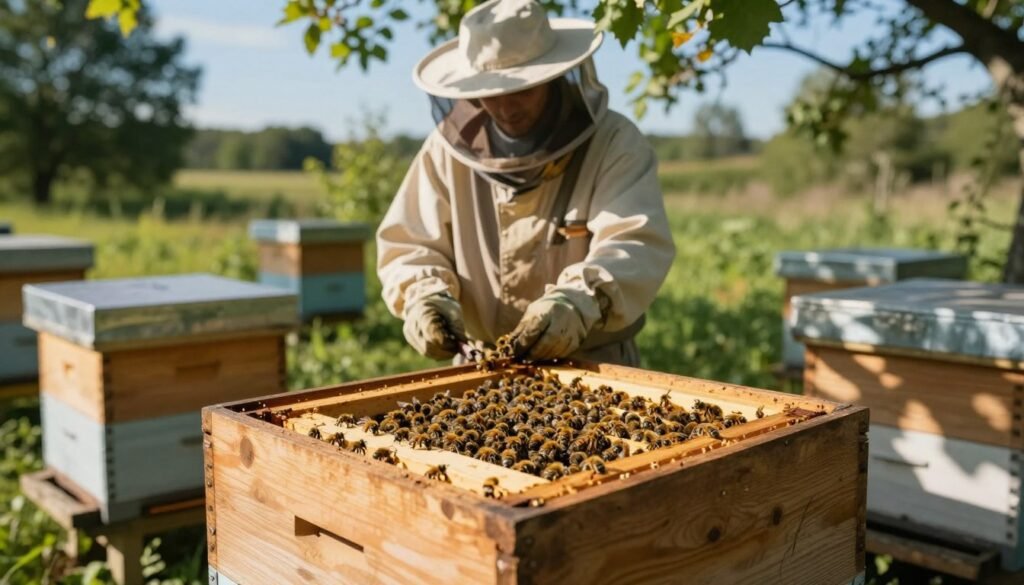
When a colony runs at five frames, combining it with another five-frame unit yields a single, fuller 10-frame colony. This move restores adult bee coverage and consolidates brood and comb, improving short-term pollination output.
Renegotiating Contract Quantities
If many hives fall below minimums, renegotiation may be the best course. Delivering substandard colonies risks disputes and delayed payment. Be proactive: assess the fleet well before loading and discuss realistic contract adjustments with the grower.
- Assess early: schedule checks with enough lead time for combining or feeding.
- Be honest: maintain open dialogue to resolve issues before they escalate.
- Protect value: adjust units so the crop receives agreed pollination and the contract holds.
“Proactive management of understrength units prevents performance disputes and ensures the grower receives expected pollination value.”
Addressing Pesticide Liability in Contracts
Defining notification windows for sprays prevents many accidental losses in the field. A clear clause that requires 24–48 hours’ notice before any chemical application within the foraging range is essential.
Include steps for immediate action if exposure is suspected. State who must be notified and what records are required, such as timestamped photos and sample collection.
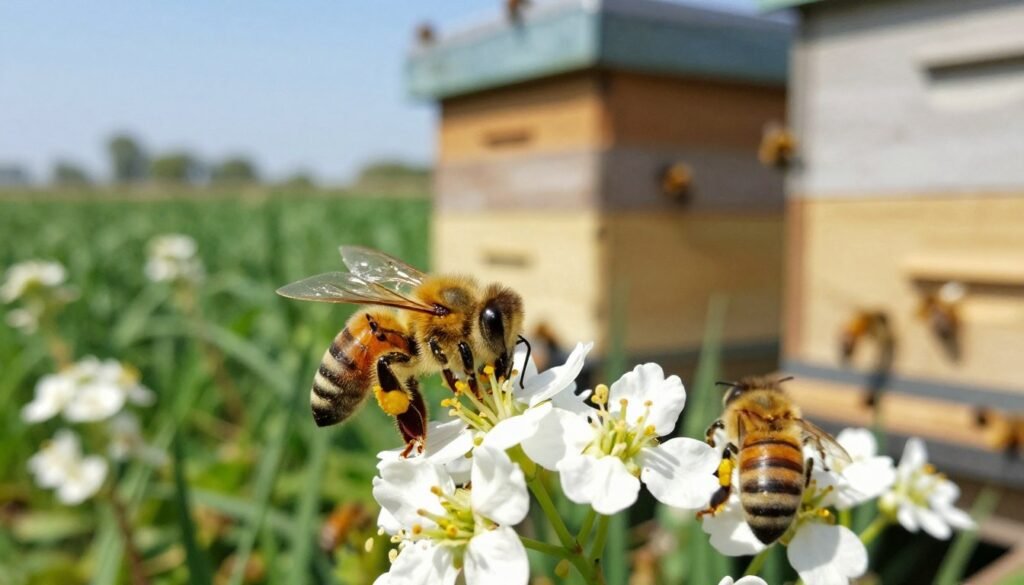
Contracts should require proof of causation if a pesticide kill occurs. That often means lab testing of affected bees and comb, plus dated images of dead or distressed colonies. These items make claims defensible and speed resolution.
“Clear pesticide terms protect the colony and preserve pollination value for both parties.”
- Notification: 24–48 hours before any application within range.
- Evidence: timestamped photos, lab results, and assessor notes.
- Risk awareness: list chemicals with known sublethal effects that can weaken brood, reduce foraging, or harm honey stores.
| Provision | Required Action | Why it matters |
|---|---|---|
| Pre-application notice | 24–48 hour written alert | Allows protective measures for hives and timing adjustments |
| Evidence collection | Timestamped photos, samples, lab tests | Proves causation and supports compensation claims |
| Sublethal risk clause | List of fungicides/herbicides and monitoring steps | Prevents long-term colony decline that reduces pollination output |
Draft pesticide liability language carefully and place it within the main contract. Make responsibilities explicit so both parties work together to protect colonies, frames, brood, comb, hives, and the pollination service.
For model clauses and loss procedures, consult the sample terms at hive loss documentation and contract clauses.
Leveraging Documentation for Payment Security
Well-organized records turn inspection notes into enforceable evidence under a contract.
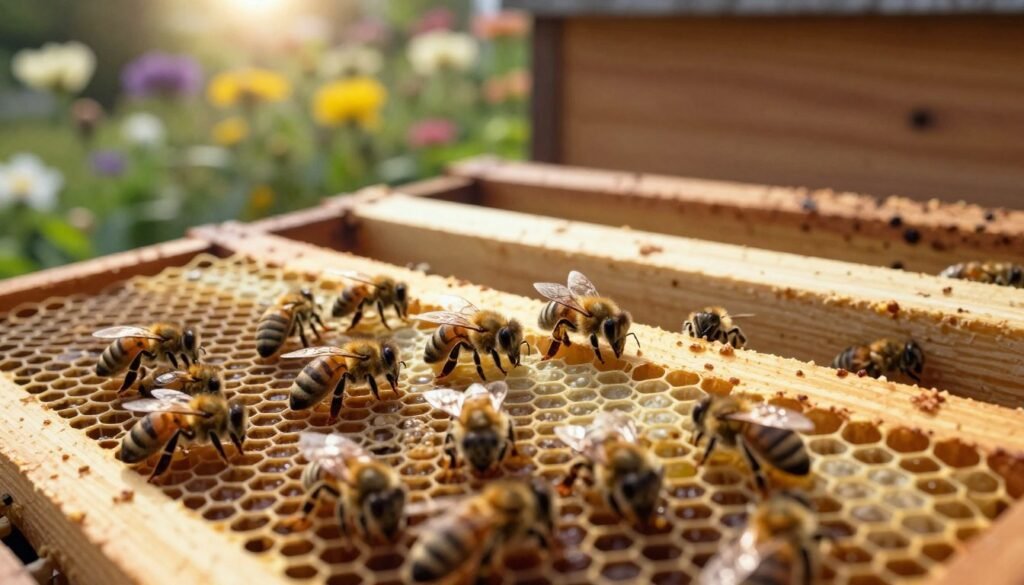
Clear, dated entries are the primary proof when funds are held. A single-page summary showing average frames, frames bees, and brood per unit helps a beekeeper prove delivery of contracted colonies.
Industry practice often uses a 50% payment on delivery and 50% on removal. That split gives cash flow and incentives to maintain units while they are in the field.
“A concise summary report makes payment negotiations factual and fast.”
Transparency builds trust. Share a short report with location, assessor name, and date so the grower sees averages and variance across hives. That openness increases the chance of contract renewal.
- Provide one summary sheet per yard that lists mean frames, brood frames, comb notes, and honey stores.
- Keep raw logs for dispute resolution; include timestamps and assessor initials.
| Item | Included in Report | Benefit |
|---|---|---|
| Average frames | Mean covered frames per colony | Shows overall fleet readiness |
| Summary brood | Average frames brood | Predicts short-term workforce |
| Audit trail | Date, yard, assessor | Speeds clean resolution of disputes |
Building Long-Term Relationships with Growers
A reliable track record and timely summaries make repeat business far more likely. Clear communication and consistent delivery create trust between apiary teams and crop managers.
Providing Season-End Performance Summaries
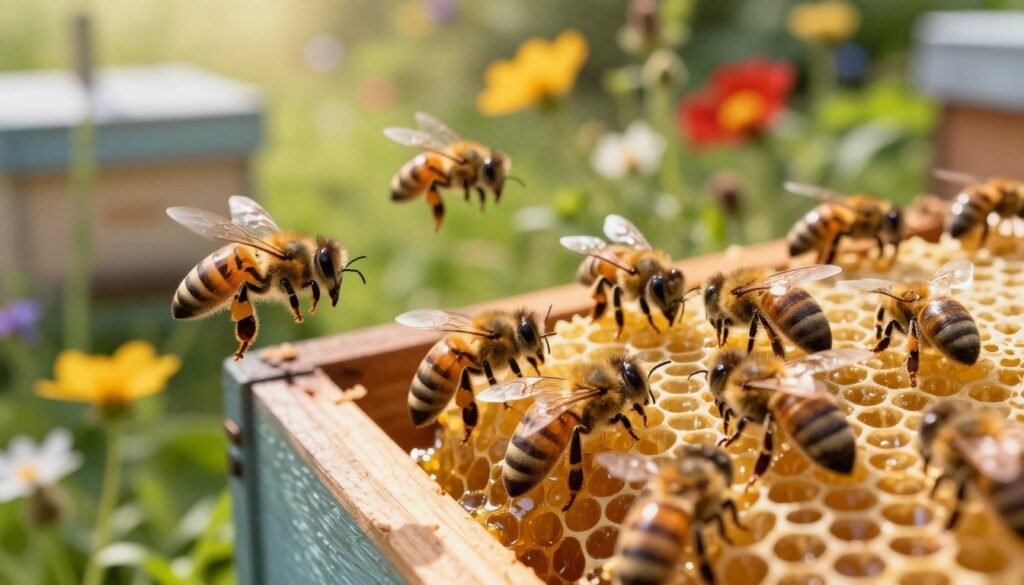
Wrap each season with a short report that shows performance and value. Include average frames per colony, brood notes, comb condition, honey stores, and any unusual events that affected hives.
Start renewal talks early. Teams that begin discussions in July usually secure better pricing and avoid last-minute contract stress. Contracts signed by November often gain stronger leverage than later agreements.
- Share a concise yard summary that lists mean frames and brood figures.
- Highlight actions taken for weak units, comb repairs, and supplemental feed.
- Offer a clear plan for next-season improvements and expected unit counts.
“Consistent performance and professional records make the beekeeper a preferred partner in a competitive market.”
| Item | Included Data | Benefit |
|---|---|---|
| Average frames | Mean covered frames per unit | Shows fleet readiness for pollination |
| Brood & comb | Frames brood and comb condition notes | Predicts near-term workforce and health |
| Outcomes | Honey yield and crop feedback | Demonstrates economic value delivered |
Treat the grower as a partner. A short, factual season-end packet opens renewal conversations and builds long-term value. For practice-focused guidance on maintaining those relationships, see beekeeper–grower relationship management.
Navigating Regulatory Standards for Colony Quality
Regulatory benchmarks translate biological limits into contract-ready measures of colony quality. State rules often set a clear brood minimum for orchard and field services.
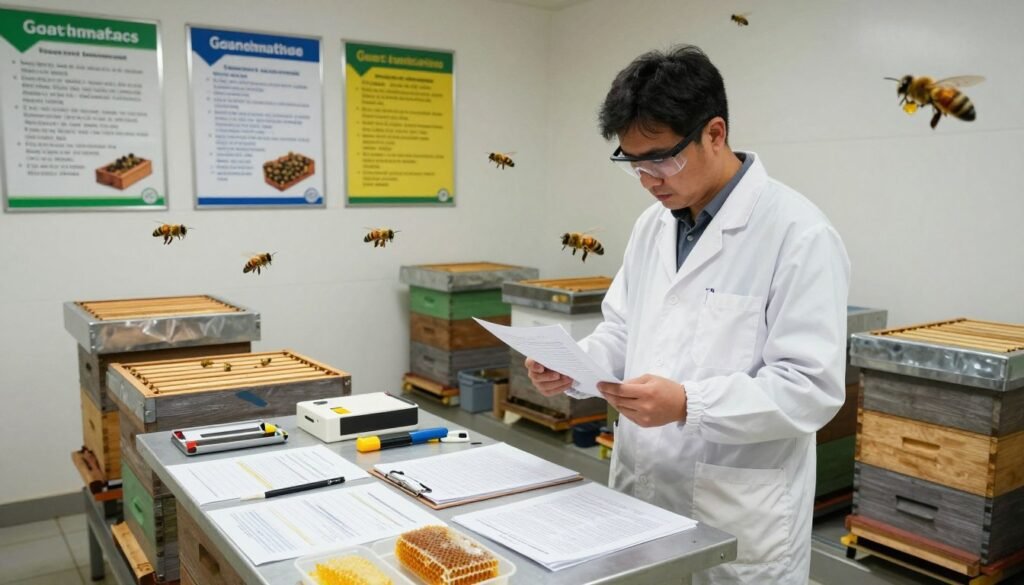
Grade A orchard colonies typically require 600 square inches of brood. Grade A field colonies may need 1,000 square inches.
Practical metric: a standard Langstroth deep with 10 frames contains about 2,700 square inches of comb. That figure helps translate brood area into real, inspectable units.
These standards act as benchmarks even where enforcement is light. Meeting them shows that bees and colony populations have the brood and comb space needed for reliable pollination.
“Adherence to state metrics gives beekeepers a clear basis for contract claims and performance trust.”
- Know square-inch targets for orchard versus field contracts.
- Use Langstroth comb area to estimate compliance during inspections.
- Keep records that show brood area and frames counted when proving quality.
| Standard | Requirement | Field metric |
|---|---|---|
| Grade A orchard | 600 sq in brood | ~0.22 of a 10-frame deep comb area |
| Grade A field | 1,000 sq in brood | ~0.37 of a 10-frame deep comb area |
| Langstroth 10-frame deep | 2,700 sq in comb | Reference comb capacity for checks |
Optimizing Your Fleet for Future Pollination Seasons
Early splits and planned queen rearing turn a few vigorous colonies into many serviceable units. Splitting overly strong colonies in spring increases total numbers and helps meet early demand.
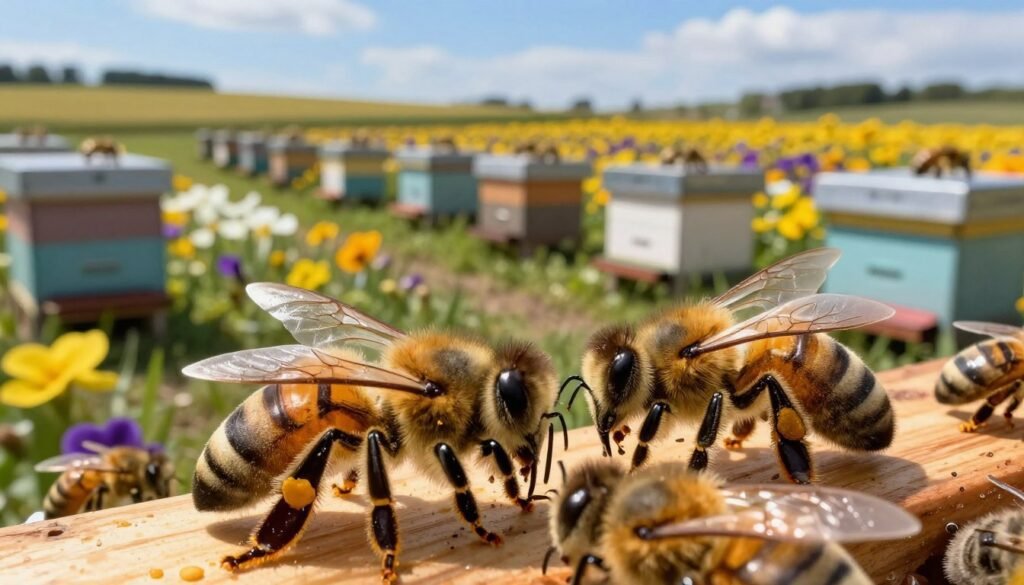
Evaluate colony performance through the season and keep notes on genetics that suit target crops. Invest in healthy queens and give supplemental feed when nectar is limited; these steps speed recovery and growth.
Count frames and track brood area during checks. Solid brood and clean comb predict reliable ramp-up, while good honey reserves ease transitions during splits.
- Split early to raise unit count before bloom.
- Prioritize queens from productive lines.
- Use varied yard locations to spread risk across environments.
“A planned program of splitting, queen investment, and location diversity builds a resilient, efficient fleet.”
| Action | Benefit | Timing |
|---|---|---|
| Spring splits | More units available | Early season |
| Queen investment | Faster buildup | After selection |
| Yard diversity | Risk mitigation | Year-round |
Conclusion
Small, repeatable steps in the field add up to reliable, auditable evidence of service. Keep clear, dated notes and use a standard checklist so each unit has comparable entries. Good habits protect payments and support season planning.
Health matters most. Watch adult bees and brood closely, check comb and honey stores, and record any queen issues. Digital logs speed sharing and make audits simple.
Build trust with concise reports and open communication. For compact yard layouts and practical kits, see minimalist setups. Consistent records help secure better terms, reduce disputes, and strengthen your fleet over time.