Collecting viable specimens is vital when you suspect an outbreak in honey colonies. Proper field handling preserves evidence and gives labs the best chance at a clear diagnosis.
The Bee Research Laboratory at 10300 Baltimore Avenue, Beltsville, MD 20705 offers diagnostic services for beekeepers. They emphasize accurate checks for Nosema and tracheal mites, and note that viral and pesticide issues can present similar signs.
For suspected pesticide mass deaths, contact Katie Buckley at the Washington Department of Agriculture. Remember: the Beltsville lab does not analyze for viruses or pesticide residues, so plan samples and follow shipping rules carefully.
Field protocols matter. Use appropriate containment, record your contact information, and supply enough workers so the lab receives representative material. For stepwise guidance on an alcohol wash and mite counts, see this practical guide at alcohol wash procedure, and consult submission details at WSU diagnostics.
Key Takeaways
- Follow strict field protocols to preserve specimen quality for reliable lab diagnosis.
- Send sufficient numbers of bees and include your name and contact information.
- Beltsville lab checks Nosema and tracheal mites but not viruses or pesticides.
- Report mass die-offs from suspected pesticides to Katie Buckley promptly.
- Use an alcohol wash for consistent mite counts and keep records for follow-up.
Essential Preparation for Bee Disease Sampling
Preparing carefully reduces risk and keeps specimens usable for analysis. Wear full protective clothing, including a veil, gloves, and a suit, before opening any hive. This limits stings and helps keep guard bees calm.
Safety and Protective Gear
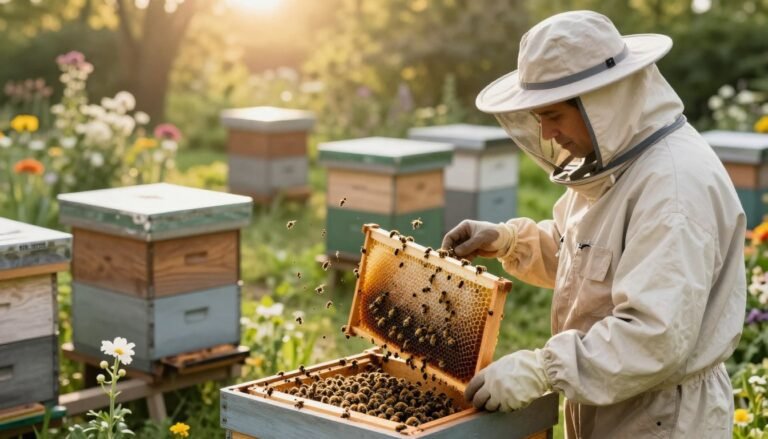
Always approach hives with a smoker and a clear escape route. Put on gear before lifting frames. If workers react, step back and wait until activity subsides.
Selecting the Right Hive Samples
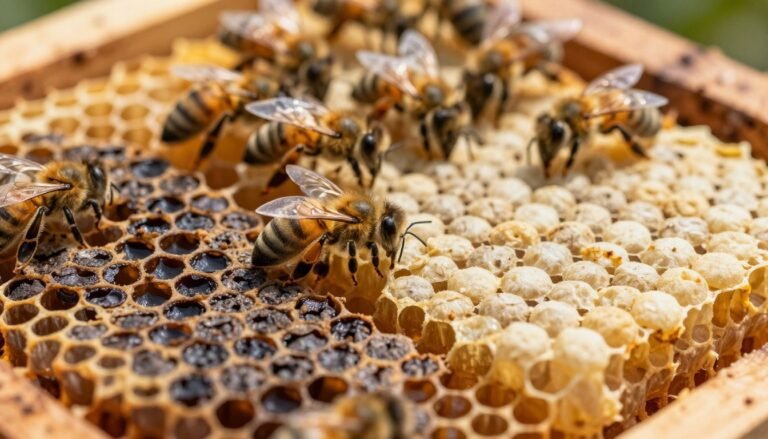
Choose workers from the brood area so the laboratory can identify issues such as Nosema or foulbrood. For adult bees, use a clean, lidded plastic container and avoid including honey or pollen.
- Preserve bees in 70% ethyl, methyl, or isopropyl alcohol; soak fully to retain diagnostic features for mites and pathogens.
- Label the container clearly with your name, address, and email.
- Comb pieces must be at least 2 x 2 inches and free of honey or pollen to prevent mold in transit.
- Record the hive number, date of collection, and the approximate number of affected bees.
- If many same-age bees die at the hive entrance, consider pesticide exposure and note this in your paperwork.
For guidance on foulbrood signs and submission details, see this American foulbrood guidance. For field clues and scent-based detection, consult sniffing out bee disease. If sourcing colonies, review tips to inspect purchased nucs.
How to Collect a Bee Disease Sample for Testing
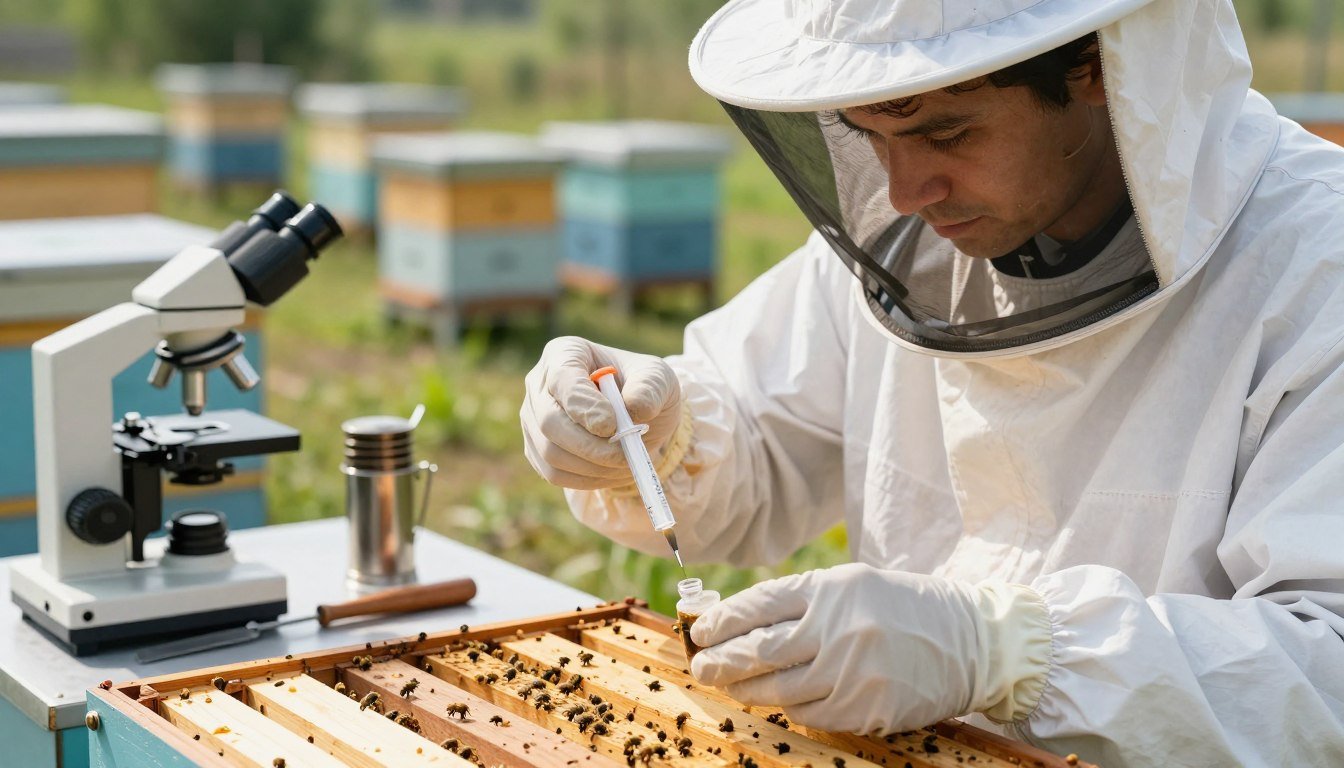
Good field technique preserves diagnostic features and reduces cross-contamination among colonies. Plan each visit, gather supplies, and keep notes of hive number, date, name, address, phone number, and email.
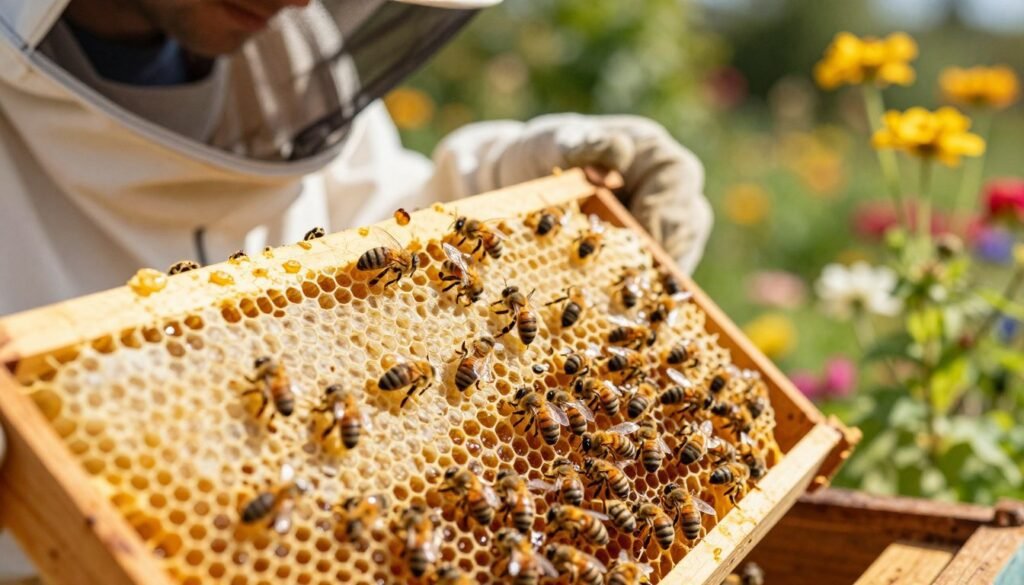
Collecting Adult Bee Samples
For Nosema checks, gather 30 foragers at the hive entrance or 30 sick bees found on the ground near the hive.
The OSU Honey Bee Lab recommends at least 120 live workers scooped from a brood frame into a clean plastic container when broader pathogen panels are required.
Harvesting Brood Comb Samples
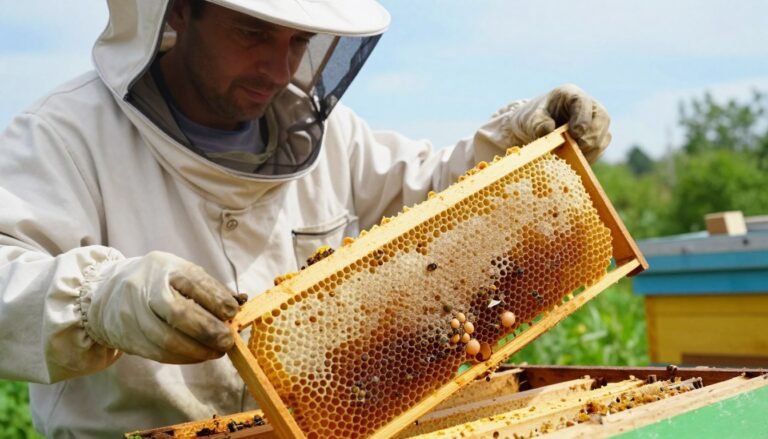
Cut a 5 x 10 cm comb piece free of honey and pollen. Wrap it in absorbent paper and avoid plastic or airtight bags.
Place wrapped comb in a sturdy cardboard box to prevent crushing and label the box clearly with hive number and date.
Preparing Larval Smears
Use a clean glass slide and a match to pulp the suspect larval cell. Create a thin smear and air dry away from direct sunlight.
Keep tools clean between hives; thoroughly sanitize your knife after each cut to avoid spreading pathogens, including American foulbrood.
- Labeling: permanent marker with hive number and date.
- Packing: card box for comb, plastic container for live workers, paper wrap for absorption.
- Contact: include phone and email so the laboratory can reach you with results.
| Type | Quantity | Packing | Notes |
|---|---|---|---|
| Foragers (Nosema) | 30 | Plastic container | Collect at entrance or ground near hive |
| Live workers (pathogen panel) | 120 | Plastic container | Scoop from brood frame; keep alive if possible |
| Brood comb | 5 x 10 cm | Absorbent paper + cardboard box | No honey or pollen; wrap well |
For submission details and recommended forms, see the lab guidance on sample submission. For cleaning plastic foundation after colony loss, consult this procedural guide: plastic foundation cleaning.
Packaging and Shipping Protocols for Laboratory Analysis
Proper packaging and timely shipping preserve diagnostic features that labs need for accurate results. Prepare labels with your name, address, phone number, and email. Include a brief written description of colony condition and any observed pesticide signs.
Maintaining Sample Integrity During Transit
Pour off excess alcohol before sending material because FedEx and UPS will not accept liquid alcohol in shipments. USPS and other carriers follow similar rules. If using isopropyl alcohol or ethyl, leave just enough to keep tissue moist and then drain.
Use a sturdy cardboard box and wrap comb in plain paper to prevent crushing. Do not seal containers airtight when using dry ice; allow pressure release during transit. Do not exceed 5 lbs. of dry ice per package.
- Ship overnight on Monday, Tuesday, or Wednesday so samples reach the laboratory before the weekend.
- Label containers with hive number and include paper notes about brood condition and mites.
- Call Gribbles Veterinary Pathology at 1300 307 190 for fee details if relevant.
| Item | Requirement | Note |
|---|---|---|
| Alcohol | Drain excess | Carriers reject liquid alcohol |
| Dry ice | Max 5 lbs | Vent container; not airtight |
| Comb | Wrap in paper | Place in cardboard box to avoid crushing |
Following these shipping protocols helps ensure high-quality samples arrive for accurate diagnosis of issues such as American foulbrood and Nosema. For regional lab options and submission guidance, see diagnostic labs and services and read about genetic lines that affect colony hygiene at predisposition to hygienic behavior.
Conclusion
A clean container, proper packing, and your contact details make laboratory work far more effective.
Proper collection and shipping of bee samples are vital for beekeepers seeking an accurate diagnosis. Include your name, email, and phone so the lab can report findings quickly and recommend next steps.
Whether the concern is Nosema, mites, or brood trouble, sample quality affects results. Follow carrier rules, keep comb dry and wrapped, and drain excess alcohol before shipping when required.
For official submission directions and lab contacts, consult the ARS guide at Bee Research Laboratory submission guide. For inspection routines and colony monitoring tips, see this practical expansion and inspection resource: Beekeepers Realm inspection guide.
Beekeepers who prioritize safety, clear records, and timely lab work give their hives the best chance at recovery and long-term health.
FAQ
What protective gear is essential before inspecting hives?
Wear a well-fitted bee suit or jacket, veil, gloves, and closed-toe boots. Carry a smoker and keep first-aid supplies for stings nearby. Proper gear protects you and reduces hive stress during sampling.
Which hive areas are best for taking diagnostic material?
Focus on outer frames showing unusual brood patterns, damaged comb, or dead bees. Collect from both broodnest and honey/pollen stores when symptoms span the colony. Record hive ID and observations for the lab.
How many adult workers should be included in a laboratory sample?
Gather about 30 to 300 live or recently dead workers depending on the test. Use a clean plastic vial or glass jar with 70%–95% ethanol if required by the lab. Label samples with date, apiary, and contact info.
What is the correct way to sample brood comb for diseases like American foulbrood?
Cut a 2–4 inch section of affected comb with sterilized tools and place it in a rigid container or resealable bag. Avoid crushing the comb. Keep it cool and send it quickly with proper paperwork.
How should larval smears be prepared for microscopy or culture?
Gently remove a small amount of suspicious larval tissue with a sterile loop, spread it thinly on a glass slide or swab into a tube, and fix or preserve per lab instructions. Dry slides and airtight tubes prevent contamination.
Are there preferred containers for submitting samples to a lab?
Use leak-proof plastic tubes, glass vials, or rigid cardboard boxes lined with absorbent material. Avoid thin plastic bags for liquids. Clearly label each container with colony ID, location, and your contact information.
What preservative should be used for nosema or molecular tests?
Many labs accept 70%–95% ethanol for molecular work or nosema spore counts. Some prefer RNA preservative for viral testing. Always confirm the lab’s preferred media before collecting.
How do I maintain sample integrity during transit?
Keep samples cool with ice packs, use insulated packaging, and ship early in the week to avoid weekend delays. Include paperwork, minimize movement inside the box, and use tracked, expedited shipping when possible.
What paperwork must accompany sent samples?
Include a completed submission form with beekeeper name, address, phone or cell number, email, hive ID, symptoms, treatments used, and date of collection. Accurate details speed diagnosis and recommendations.
Can pesticide exposure be diagnosed from hive samples?
Yes. Labs can test bees, pollen, wax, and honey for pesticide residues. Provide detailed treatment history and recent pesticide exposure information to help interpret results.
How soon will the laboratory provide results and recommendations?
Turnaround varies by test—microscopy or culture can take days to weeks; molecular assays vary by lab capacity. Ask the lab for expected timelines and follow-up consultation options.
What should I include when reporting multiple colony samples?
Label each sample uniquely, list colony health status, recent treatments, mite counts, and any abnormal observations. This context helps labs compare results across hives and identify colony-level issues.
Are there special steps for suspected American foulbrood submissions?
Yes. Isolate affected frames, disinfect tools, and follow state regulations for transport. Notify local apiary inspection services as required, and ship samples to a certified lab for confirmatory testing.
How can I reduce contamination risk during collection?
Sterilize tools between hives, use clean gloves, avoid cross-contact with different samples, and place each sample in a separate, sealed container. Work quickly and keep samples cool.
Where can I find a reputable diagnostic laboratory?
Contact your state apiary inspector, university extension service, or organizations such as the Apiary Inspectors of America for accredited labs. Confirm test panels, shipping rules, and contact details before sending samples.