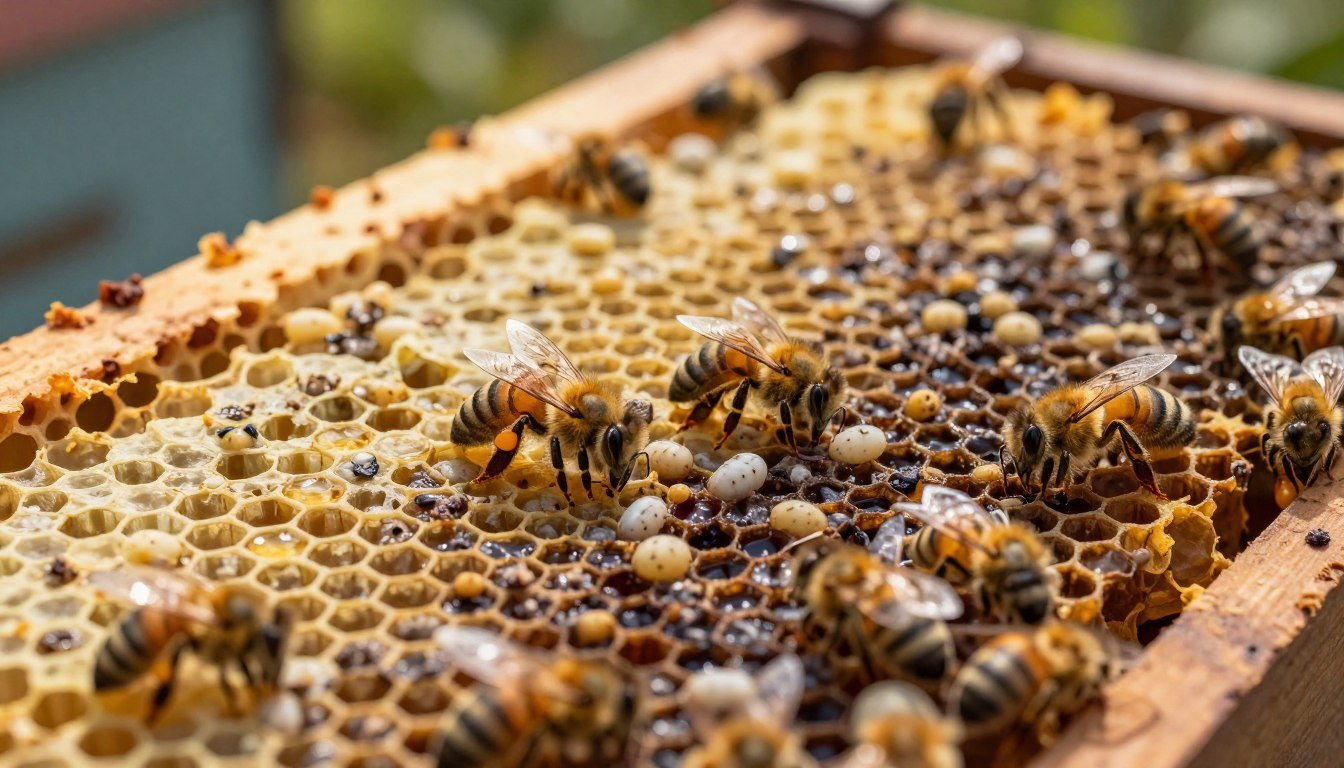
European foulbrood threatens honey bee brood across many yards in the United States. This bacterial disease attacks young larvae inside the cell and can kill the brood within days when left unchecked.
Early detection of symptoms matters. Unlike American foulbrood, which leaves hardy spores behind for decades, this bacteria does not form long‑lived spores. That difference affects how equipment and hives get handled after infection.
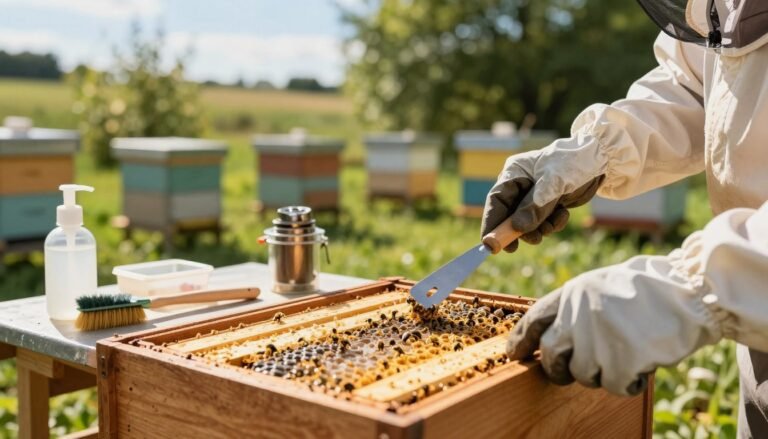
Beekeepers who notice dead larva or discolored brood must act fast. Proper sanitation of tools and equipment limits spread between colonies. Brief heat or careful chemical disinfection are common steps; learn safe flame methods in this guide on how to sterilize hive tools with flame: sterilize hive tools with flame.
Key Takeaways
- European foulbrood attacks young larvae and can kill brood quickly.
- This bacteria does not produce long‑lasting spores like American foulbrood.
- Spotting symptoms early protects colonies and preserves honey production.
- Sanitize tools and equipment to prevent cross‑colony spread.
- Act within days of finding dead larvae to reduce losses.
Understanding European Foulbrood in Your Apiary
Stress and nutrition shape how brood resists bacterial threats in the apiary.
Melissococcus plutonius is the bacterium that infects larvae inside the cell. Early signs appear in young brood and affect larval development.
During spring, worker bees shift to foraging. That reduces the number of nurse bees caring for larvae. Low nurse-to-larvae ratios leave brood vulnerable.
Poor nectar flows or limited food increase stress and raise the reason this disease spreads. Healthy honey bee colonies need steady food to support growing brood.
The Role of Stress and Nutrition
Strong nutrition keeps larvae resilient. When food is scarce, larvae weaken and bacteria overwhelm them. Rebalancing food and colony strength helps recovery.
How the Bacteria Spreads
The bacteria moves through contaminated food and contacts from infected nurse bees. Equipment that touches brood or honey can transfer bacteria between hives.
| Factor | Impact on Colonies | Management Tip |
|---|---|---|
| Melissococcus plutonius | Infects larvae in cell, causes brood loss | Inspect brood and test when symptoms appear |
| Nurse-to-larvae ratio | Low ratio increases disease risk | Adjust frames or reduce brood pressure in spring |
| Nutrition & food flow | Scarcity stresses colony, weakens larvae | Provide supplemental feed during nectar gaps |
| Equipment & contact | Contaminated tools spread bacteria between hives | Sanitize tools and isolate affected colonies |
Can You Save a Hive with European Foulbrood
When nurse bees falter, fast action helps restore brood care and limit losses.
Early identification matters. Larvae infected by melissococcus plutonius usually die at four to five days old. That narrow window makes prompt support vital for the honey bee colony.
Because this bacteria does not form long‑lived spores, an infected hive has better odds than one struck by American foulbrood. Supportive steps often restore healthy brood development.
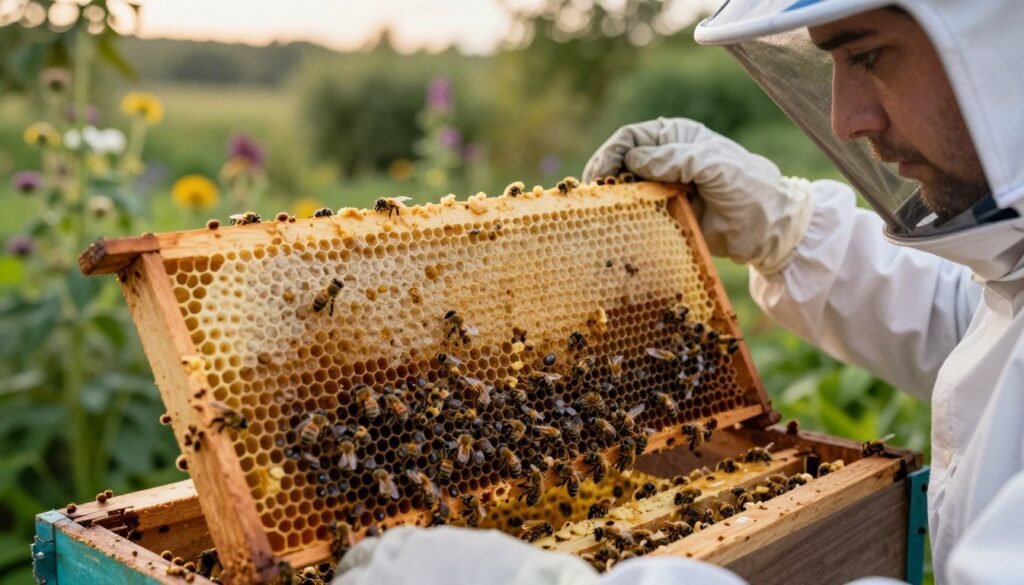
Key actions focus on nutrition, nurse strength, and sanitation. Offer supplemental food to boost nurse bees. Isolate the affected hive and clean equipment to reduce spread.
| Action | Why it helps | Expected outcome |
|---|---|---|
| Supplemental feeding | Restores nurse energy and improves larval care | Higher brood survival |
| Tool sanitation | Prevents transfer of bacteria between hives | Limits new infections in nearby colonies |
| Targeted treatment | Antibiotics as last resort under guidance | Temporary reduction in symptoms; monitor for resistance |
| Resource balancing | Reduce brood pressure and add nurse bees if needed | Faster recovery of brood rearing |
Bottom line: Timely management often rescues an infected colony. Proper care, reduced stress, and smart treatment choices decide whether colonies recover or decline.
Distinguishing EFB from American Foulbrood
Correct identification matters before taking drastic steps. Inspect larvae and brood pattern closely to tell these two diseases apart.
Key Differences in Larval Symptoms
Timing of death: Larvae affected by the bacteria typical of EFB die before the cell is capped. In contrast, AFB larvae usually die after capping.
Rope test: Use a clean toothpick, not hive tools, to avoid spreading spores. EFB often forms a short thread about 1.5 cm. AFB threads pull out longer—roughly 3–5 cm.
Where to look: AFB signs often show on cappings. EFB signs appear in uncapped cells and produce a spotty brood pattern that might also result from other stresses in the colony.
- Correct ID prevents unnecessary destruction of equipment; review an AFB vs EFB comparison.
- Sanitize tools and consider approved cleaners such as a bleach solution for equipment when handling infected hives.
Diagnostic Methods for Infected Colonies
Field tests and lab analysis together give the clearest picture when symptoms appear.
Document symptoms and note any spotty brood pattern. Photograph brood and record which frames show abnormal larva or brood.
Use the rope test as an initial check of suspect cells. Remember this test does not replace lab confirmation.
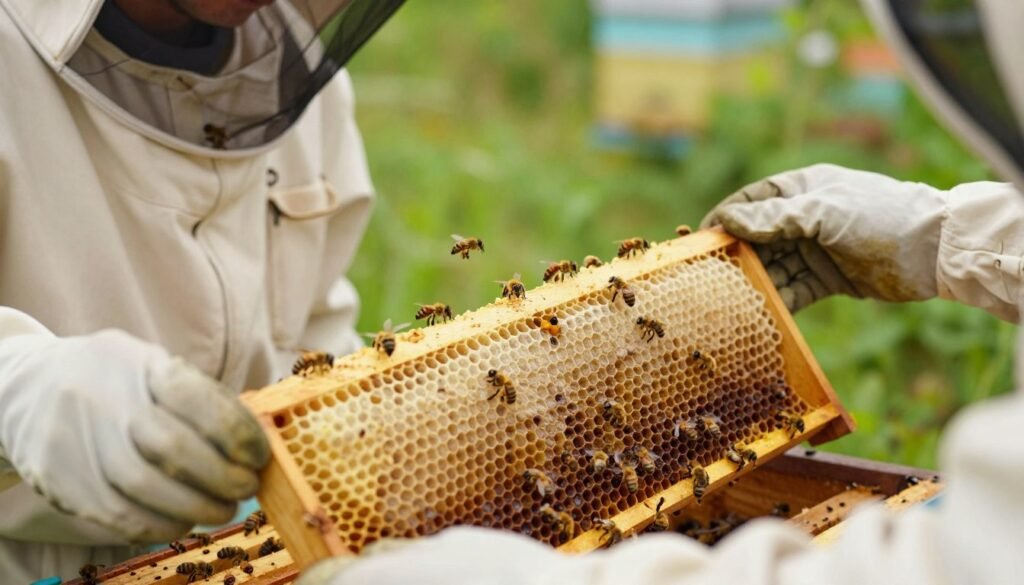
For definitive results, submit samples to the USDA Bee Research Lab in Beltsville, MD; they process foulbrood samples free of charge. For urgent field inspections, contact the Texas Apiary Inspection Service at 979-845-9713.
| Method | What it detects | When to use | Next step |
|---|---|---|---|
| Rope test | Signs of rotten larva | First field check | Document results and isolate frames |
| Diagnostic kit | Presence of bacteria | On-site confirmation | Follow kit instructions; save samples |
| Lab analysis | Definitive ID, spore check | When symptoms persist | Consult state inspector for treatment options |
Keep tools and equipment clean after inspections. Review treatment options such as nutritional support or antibiotics only under veterinary or inspector guidance. For guidance on comb decisions, see this resource on when to discard comb after disease and consult treatment methods at treatment options.
Effective Treatment and Management Strategies
A layered approach—feeding, requeening, and selective treatment—helps colonies recover faster.
Feeding and Nutritional Support
Supplemental feed during nectar gaps keeps nurse bees strong and supports developing larvae.
Simple sugar syrup restores energy quickly. Strengthened workers improve brood care and reduce spotty brood pattern from stress.
Requeening for Hygienic Behavior
Introducing a hygienic queen boosts colony removal of infected larva from the cell. This genetic upgrade reduces bacterial load over time.
Pair requeening with brood balance and, when needed, a shook swarm to move bees onto clean comb and limit spores on old frames.
Antibiotic Use and Regulations
Since January 1, 2017, the FDA requires a prescription for antibiotics used in bee treatment. Work with a veterinarian before starting medication.
Antibiotics suppress bacteria but do not clean equipment. Use drugs only as a last resort and combine them with sanitation and nutritional steps.
| Action | Benefit | When to use |
|---|---|---|
| Shook swarm | Reduces bacterial load | When comb is suspect |
| Requeening | Improves hygiene | On weak or spotty brood pattern |
| Supplemental feeding | Supports nurse bees | Nectar dearth or stressed colony |
For detailed treatment guidance, review treatment options.
Preventing Future Outbreaks in Your Hives
A proactive maintenance plan cuts the chance that bacteria will build up on old comb. Rotate out comb every few years to reduce lingering colonies of microbes. Fresh comb lowers long-term disease load and supports healthy brood.
Barrier management between apiary units limits equipment transfer. Keep dedicated tools per apiary block and sanitize between inspections. If a hive infected shows spotty brood pattern, isolate it quickly to stop spores from spreading to other hives.
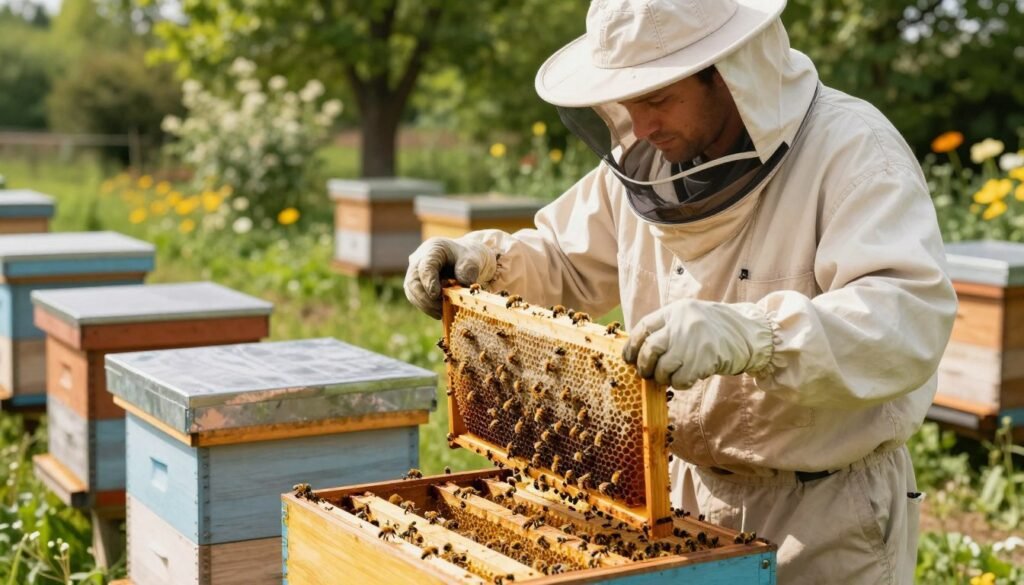
During spring, ensure bees have enough nectar to prevent robbing of weaker colonies. Replace underperforming queens to boost hygienic behavior and steady brood care. Clean or retire old frames and comb to remove hidden bacteria before they rise to problem levels.
- Rotate comb regularly to cut bacterial buildup in the cell and on comb.
- Use barrier systems and keep tools assigned to specific apiary units.
- Sanitize equipment after working a hive infected and before moving between colonies.
- Monitor brood pattern often; isolation and prompt action reduce spread and protect honey bee colonies.
For guidance on genetic approaches and hygienic lines, review research on hygienic behavior in bee lines. For official disease background and prevention recommendations, consult the FAO resource on bacterial disease of honeybee brood.
Final Thoughts on Colony Health
Routine inspections and solid nutrition form the backbone of colony resilience. strong,
Early detection and fast supportive action limit losses. Prioritize hygienic queens and clean equipment to stop bacterial spread.
Reduce stress by keeping food stores stable during nectar gaps. Balanced brood pressure and timely requeening improve long‑term strength.
Remember that european foulbrood is manageable when symptoms are found early and steps follow best practice. For broader apiary planning, see this expansion guide for practical inspection and seasonal tips.