Trembling Bees Disease: Spotting Chronic Bee Paralysis
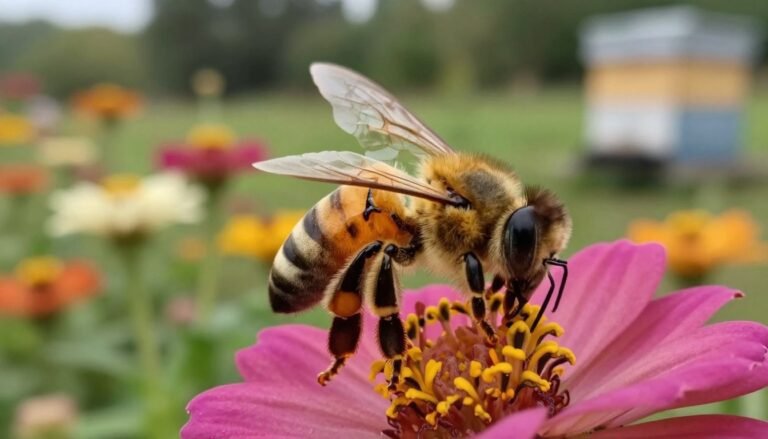
Trembling, black, hairless bees usually mean chronic bee paralysis virus. Learn the signs, how to rule out pesticides and nosema, and what helps the colony.


Trembling, black, hairless bees usually mean chronic bee paralysis virus. Learn the signs, how to rule out pesticides and nosema, and what helps the colony.
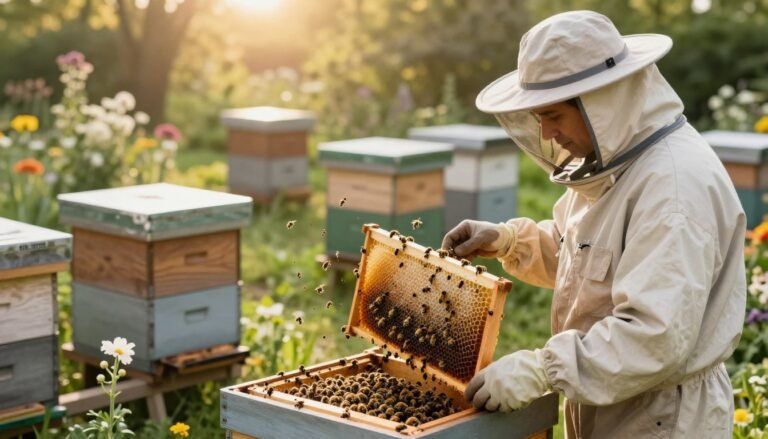
Learn how to monitor weak colonies for disease with our expert tips and strategies for beekeepers. Discover the best practices to keep your bees healthy.
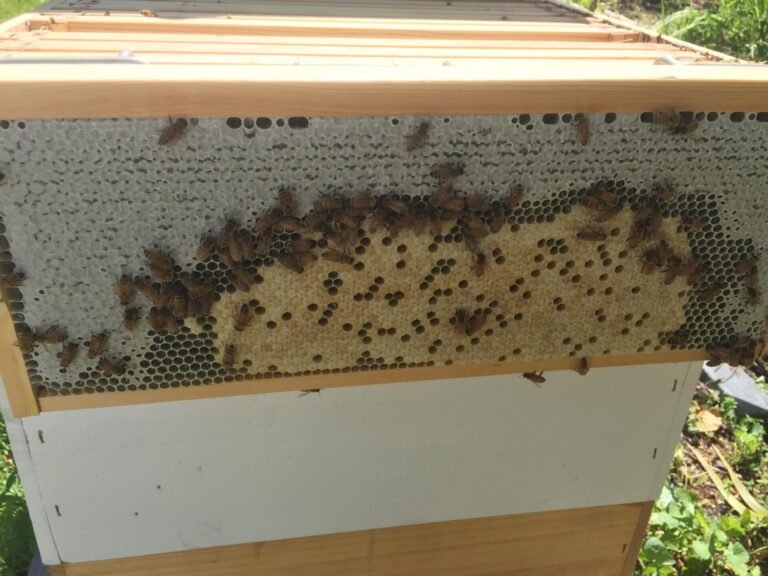
Brood vanishing in a nectar dearth? Workers eat eggs and young larvae to ration food. How to tell it from a failing queen or disease, and the 7-day recheck.
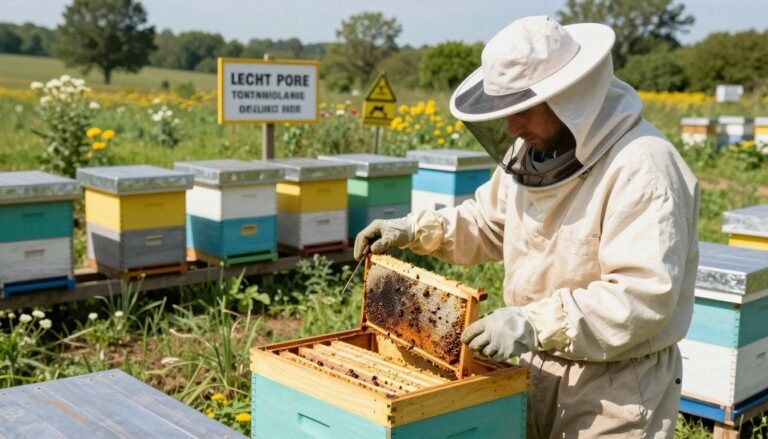
Discover the essential steps on how to quarantine a suspect diseased hive and safeguard your apiary against disease outbreaks.
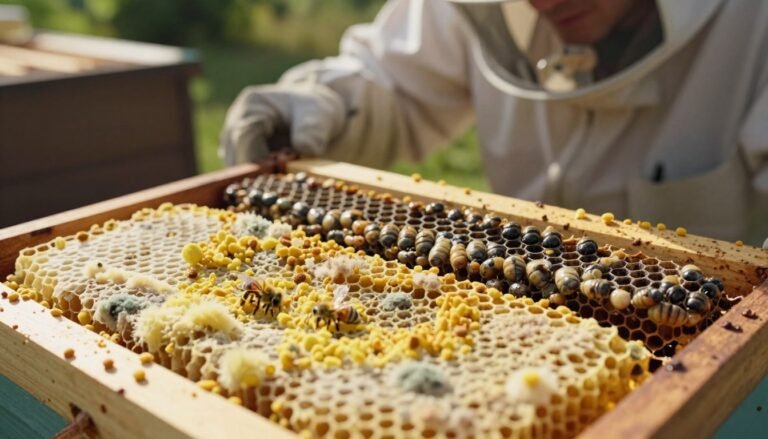
Confused about moldy pollen vs diseased brood? Our guide provides clear insights and practical advice for beekeepers.
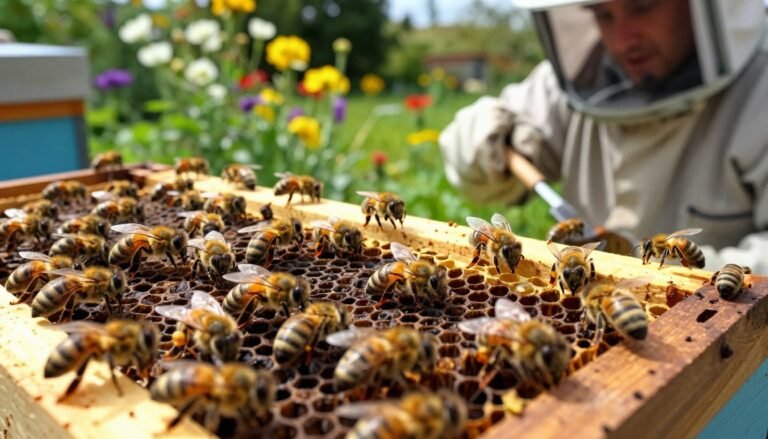
Identify disease signs after installing package bees and take prompt action. Our how-to guide provides essential tips for beekeepers to ensure colony health.
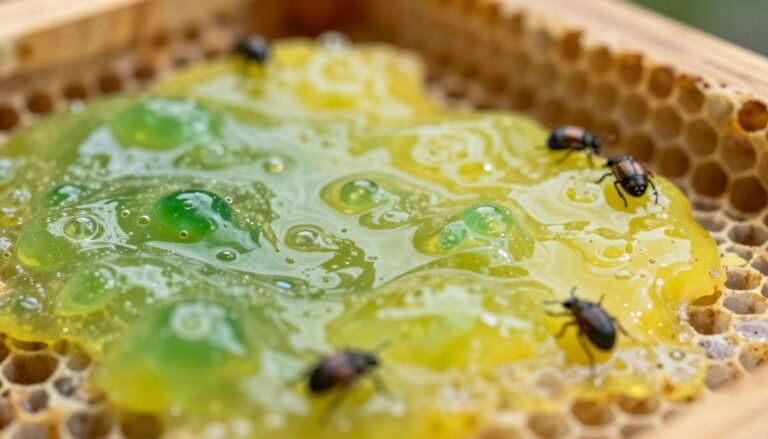
Small hive beetle slime is wet, frothy, weeping honey that smells like rotting oranges. Learn to confirm it, what to salvage, and how to prevent a slime-out.
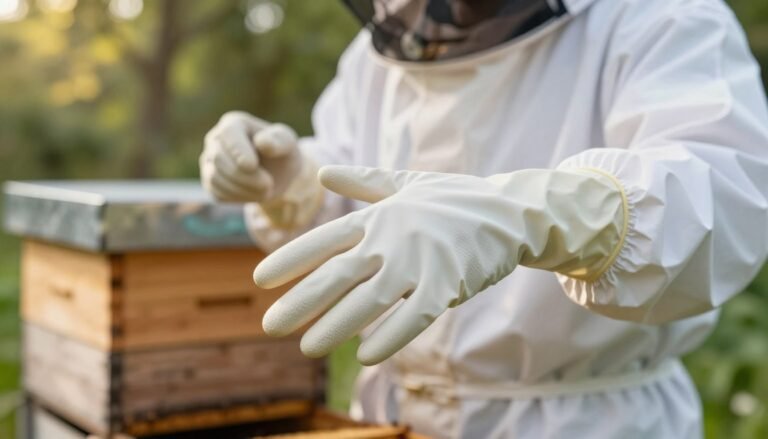
Learn how to sanitize gloves between hive inspections effectively with our step-by-step guide. Keep your beehives safe and healthy.
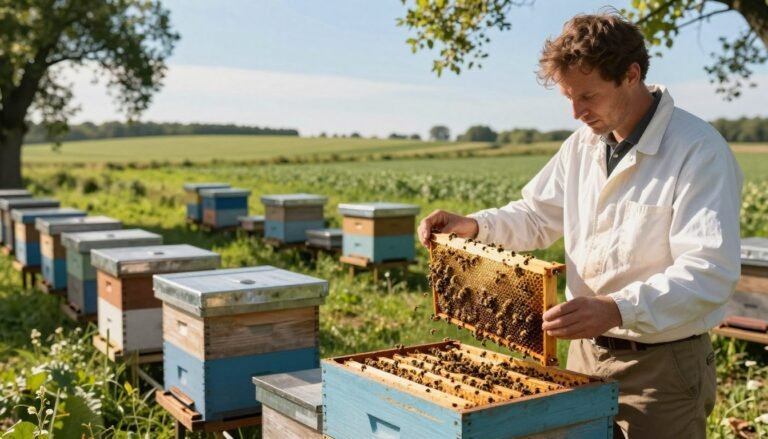
Learn when to call an apiary inspector for beekeeping issues. Discover the signs that indicate you need professional help with your beehives.