European Foulbrood Early Signs: What to Look for First
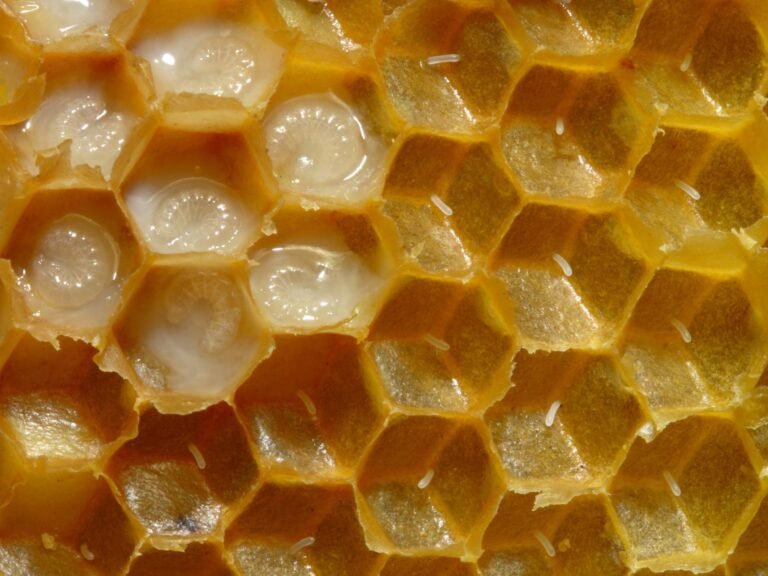
The first signs of European foulbrood hide in open brood: twisted, dull or yellowing young larvae. Learn how to scan for them, count cells, and confirm it.


The first signs of European foulbrood hide in open brood: twisted, dull or yellowing young larvae. Learn how to scan for them, count cells, and confirm it.
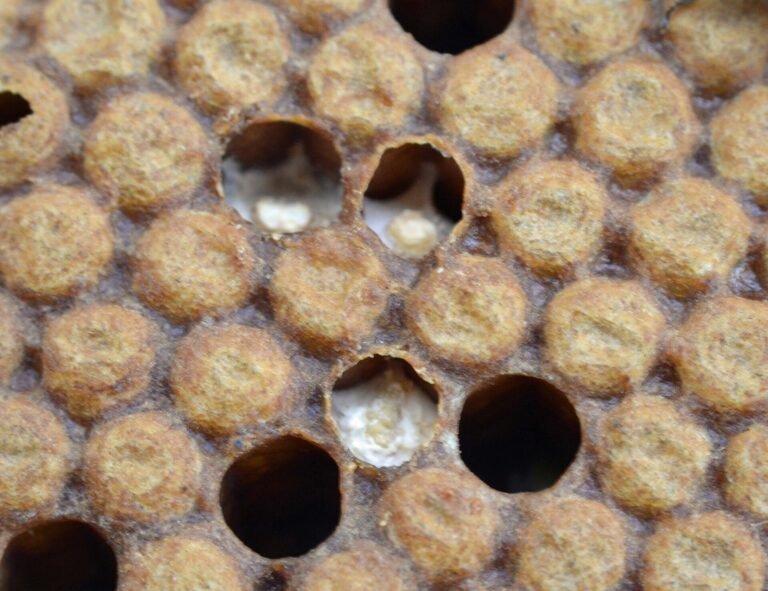
No chemical is registered to treat chalkbrood. Match your response to severity: tighten space, fix ventilation, replace old comb, requeen with hygienic stock.
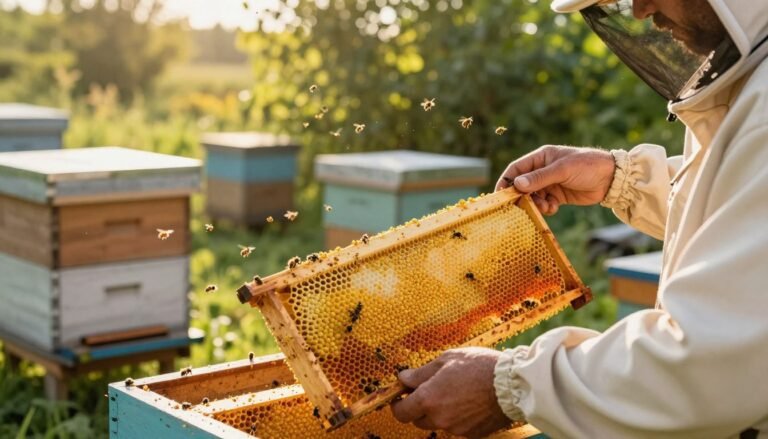
Find out when not to reuse pollen frames and how to properly maintain your beehives. Expert guidance on beekeeping for a healthy colony.
A multi-yard disease log template: the fields, condition codes and movement records that let you trace bee disease between yards, plus a worked example.
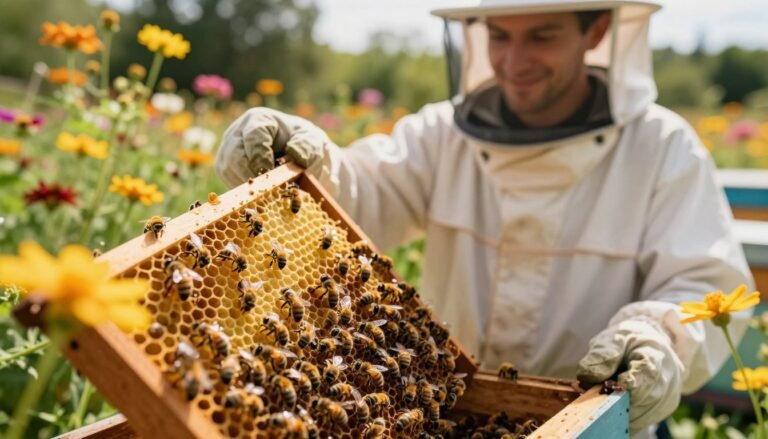
A practical guide to recognizing common honey bee diseases and pests, from Varroa and Nosema to foulbrood, chalkbrood and small hive beetle, and keeping colonies healthy.

Find out can shared feeders spread disease and how to mitigate these risks. Essential reading for those who enjoy backyard birdwatching and want to stay safe.
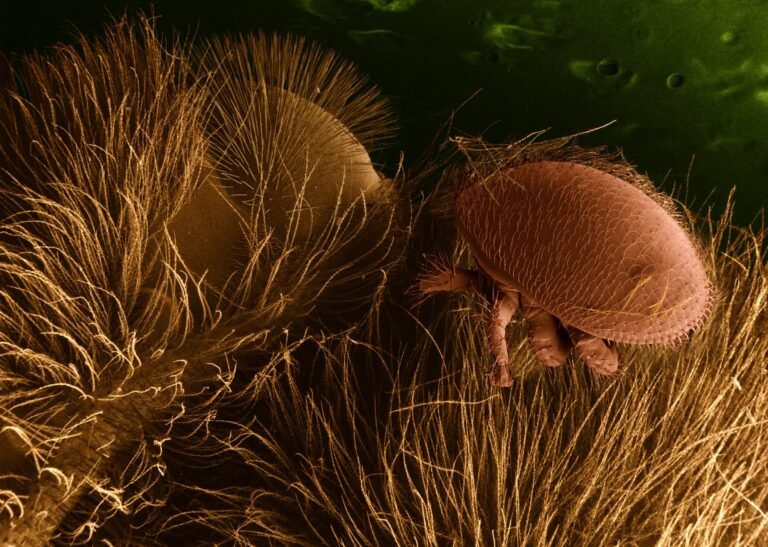
Why drifting bees spread Varroa mites between hives, what the research says about robbing as an even bigger transmission route, and how to reduce both.

Learn the best practices for sanitizing queen cages before reuse to ensure a healthy beekeeping environment. Follow our step-by-step guide for effective queen cage sanitation.

Learn the steps on how to disinfect a bee brush effectively to maintain beehive health and hygiene. Follow our guide for best practices.