
Managing Hives in Wet Climates: A Season-by-Season Plan
Rain rarely kills bees; lost flight days, damp brood and failed queen mating do. A season-by-season plan for siting, feeding and disease control in wet climates.

Rain rarely kills bees; lost flight days, damp brood and failed queen mating do. A season-by-season plan for siting, feeding and disease control in wet climates.

Protect existing habitat, fix mowing and spraying, then add native bloom for spring, summer and fall plus bare ground for nesting bees. A zone-by-zone NRCS plan.
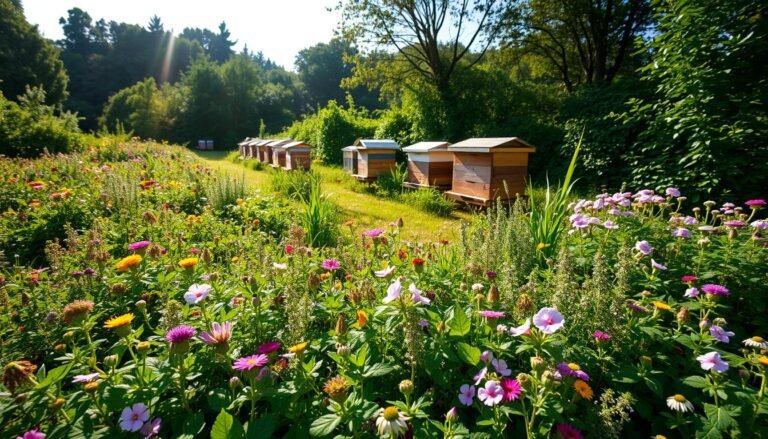
Discover the best ground cover plants for apiaries to support your bees. Top picks for healthy bee habitats and thriving ecosystems.

Learn effective strategies for preventing wax moths in stored equipment with our expert guide. Discover best practices to safeguard your equipment.
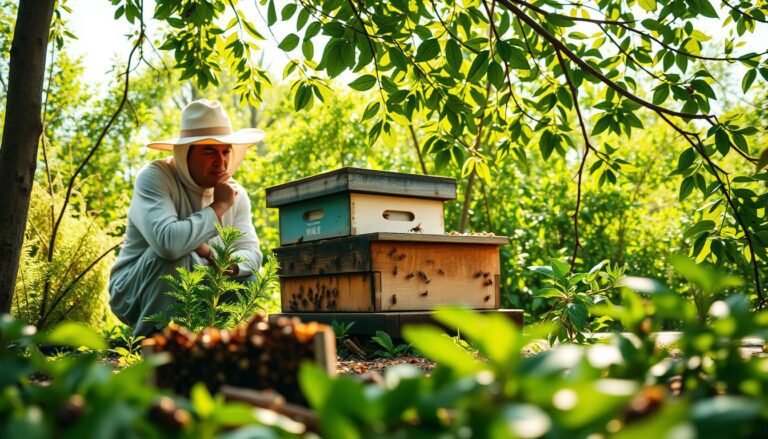
Brush out the nest, fix the leak or weak colony that drew ants in, then block stand legs with oil moats or grease. No insecticides, plus when ants are harmless.
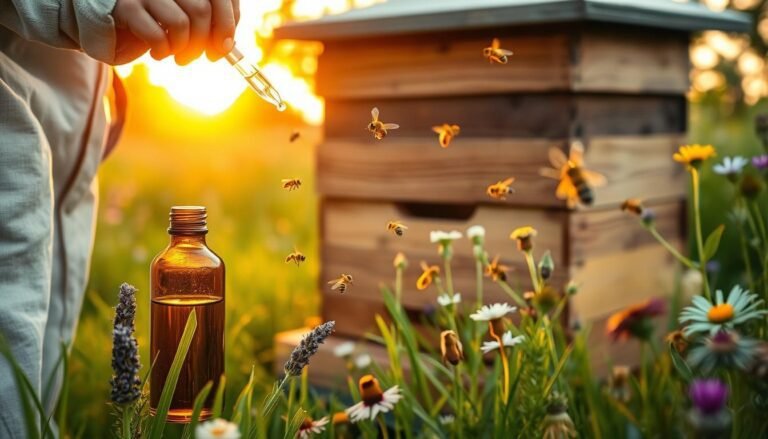
Discover the benefits of using essential oils in beekeeping. Learn how to use essential oils in beekeeping safely and effectively with our beginner's guide.
Get expert advice on how to identify nectar flow stoppage. Understand the signs, causes, and fixes to restore your nectar flow efficiently.
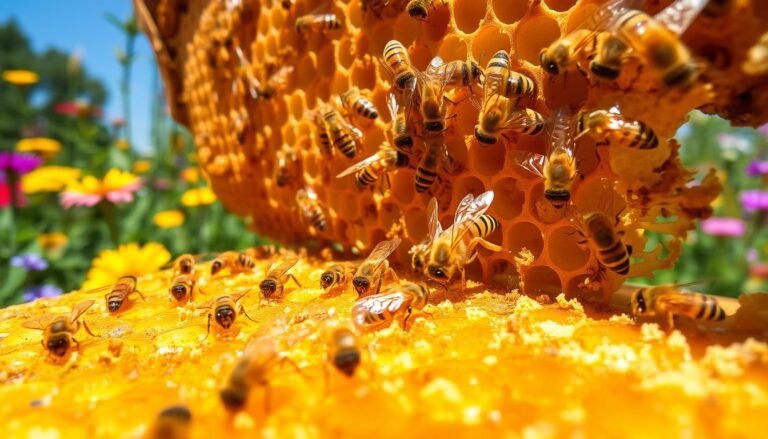
Get expert advice on how to encourage bees to clean old comb. Follow our step-by-step guide to improve your beekeeping skills and keep your hive healthy.

Rule out foulbrood, then fix loose corner joints, shallow rot, broken frame rests and holes with glue, screws and epoxy. Plus when to retire a box instead.
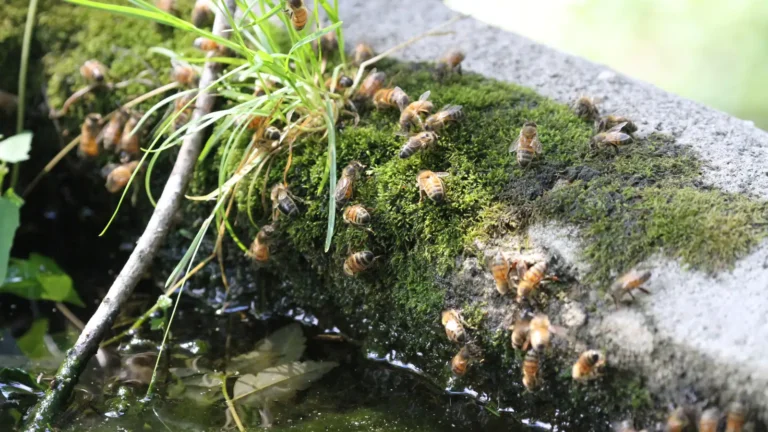
A bee waterer is a shallow dish of stones with water kept just below the stone tops, so bees can stand and drink. Sizes, costs, a self-filling version and upkeep.
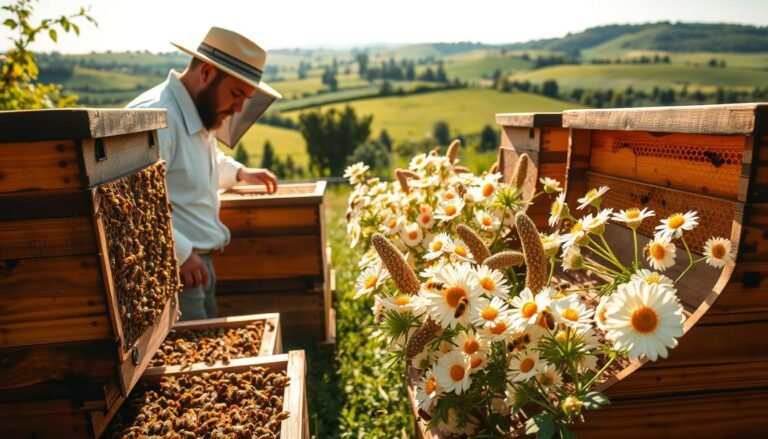
Honey yield is set before the flow: capped brood, bee numbers and mite load predict the crop. A backward calendar for queens, varroa, swarms, supers and siting.
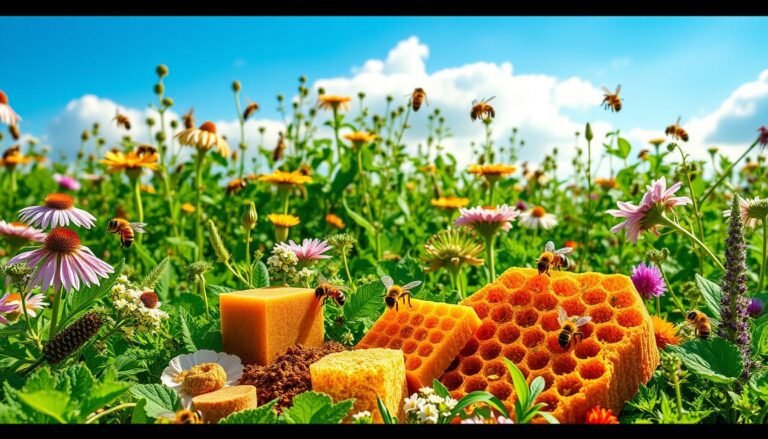
Find the best natural supplements for bee health with our in-depth buyer's guide. Expert recommendations for a healthy bee population

How to grow an apiary without losing colonies: how fast to expand, splits vs nucs vs swarms, hours and equipment per colony, hive spacing research and state registration triggers.

Learn how to store frames to prevent pests and maintain their quality. Expert tips on frame storage and preservation.

Understand what propolis buildup means and how it affects your health. Get expert insights on causes, implications, and solutions.
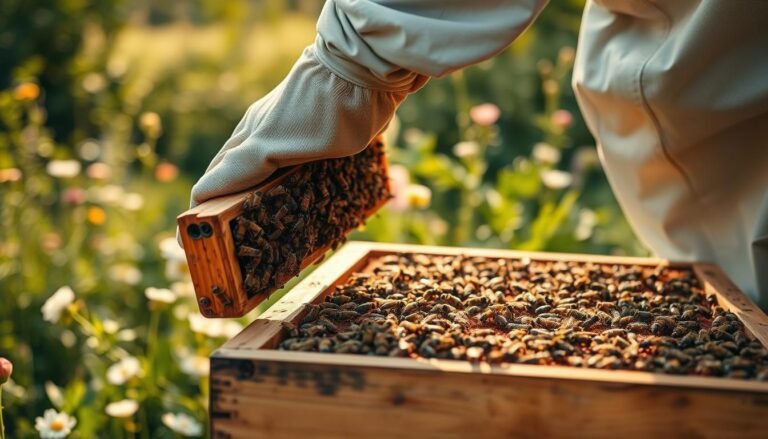
Get expert tips on how to avoid crushing bees during inspections. Our comprehensive guide covers safe inspection methods for beekeepers.

Discover the risks of over-harvesting honey and its impact on bee colonies and ecosystems. Learn how unsustainable beekeeping practices affect the environment.
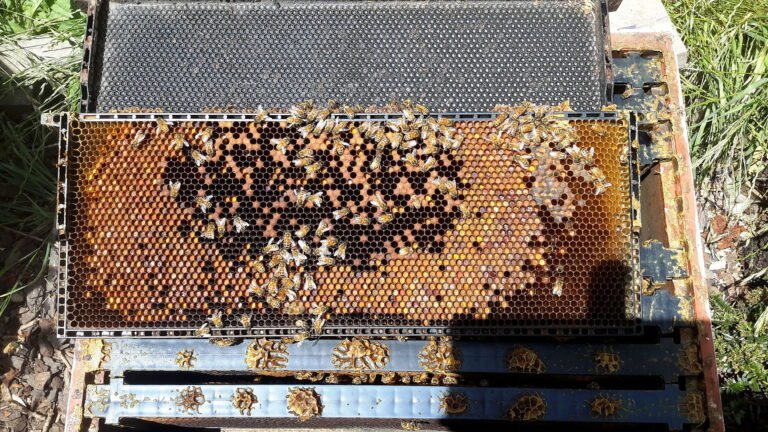
Learn the signs of an overcrowded hive before swarm cells appear: seam counts, nectar in the brood nest, bearding look-alikes, and what to do at each stage.

Learn how to prevent mold inside a beehive with our expert tips and best practices for a healthy hive. Discover the steps to keep your beehive mold-free.
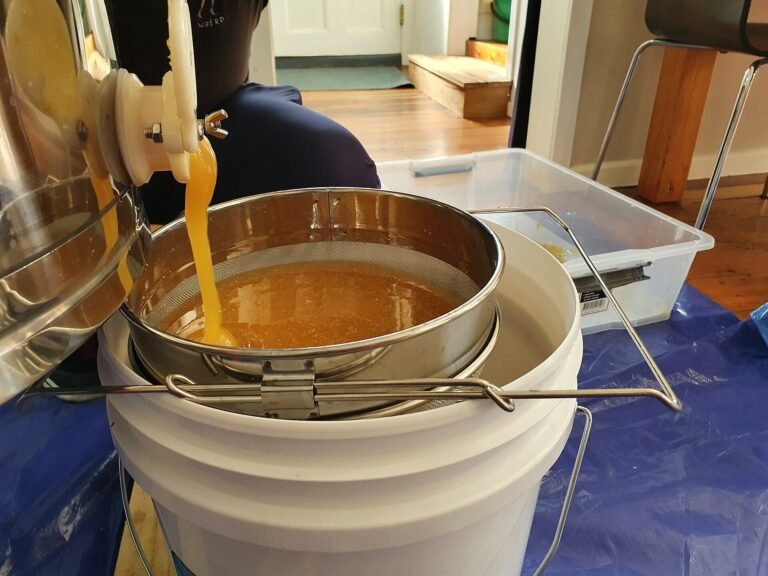
Honey contamination starts in the hive: mite treatments, syrup, wet honey and galvanized metal. The five risk points and a hive-to-jar checklist for beekeepers.

Discover the best ways on how to keep bees calm without smoke. Expert tips for a stress-free beekeeping experience
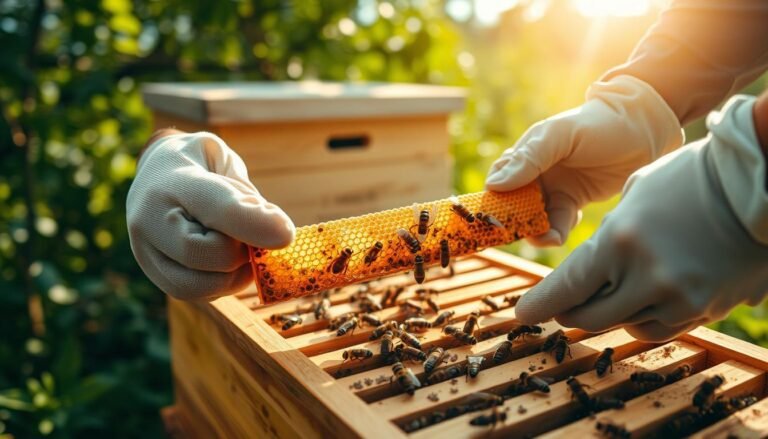
Master the technique of how to remove burr comb properly. Our step-by-step guide makes beehive maintenance a breeze.
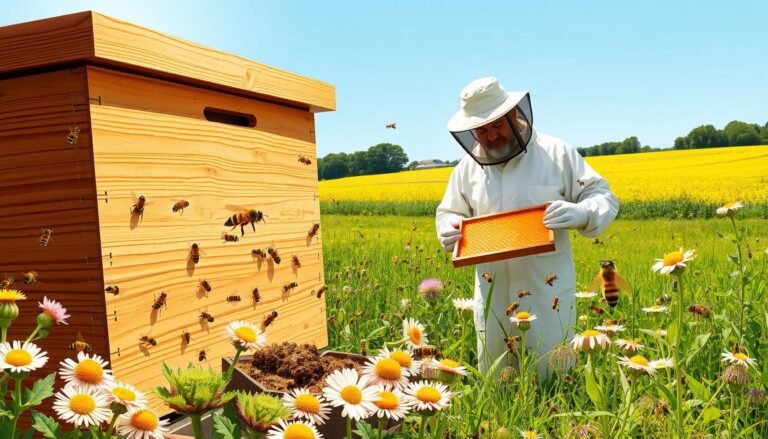
Discover the key honey flow indicators beekeepers should know to optimize honey production. Learn how to identify and utilize these indicators effectively.
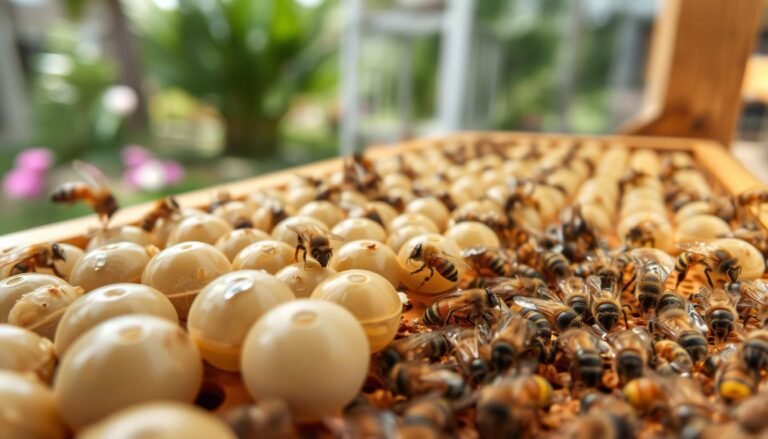
Learn how to diagnose issues with your beehive by identifying chilled brood. Discover the signs and symptoms to look out for in this comprehensive guide.
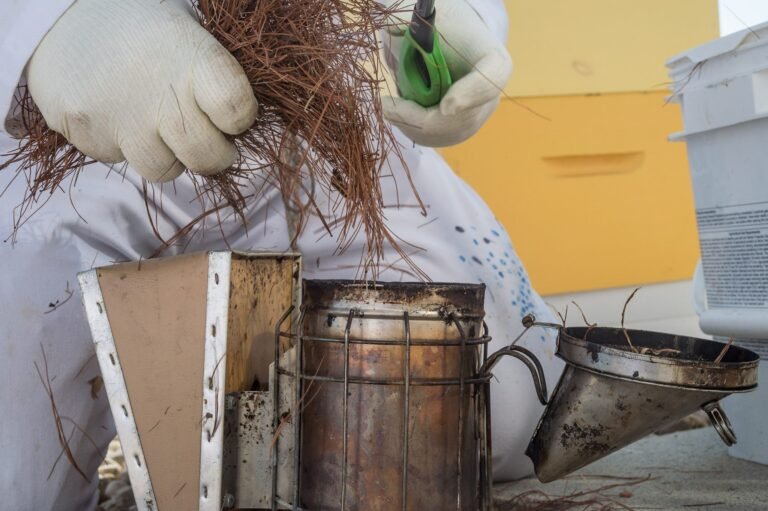
Best smoker fuel for beekeeping: pine needles, burlap, cotton and pellets compared on cost, smoke and burn time in a controlled test, plus what never to burn.