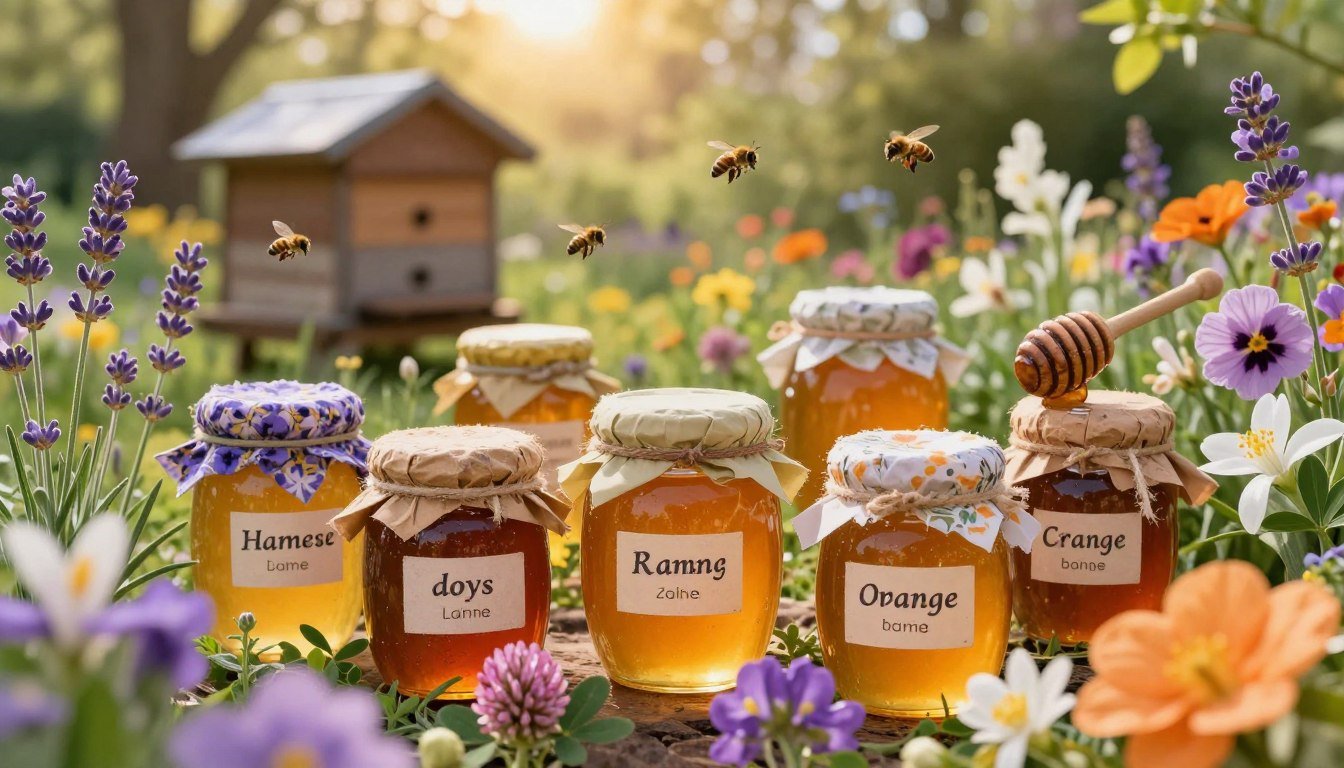
Ames Farm invites curious tasters to explore how the land shapes a jar. Bees gather nectar from local plants, and that origin creates a clear shift in flavor and scent.
Raw honey carries the unique signature of each field, grove, or meadow. When you open a jar from different regions, you notice the product is not the same.
Understanding this variation helps shoppers choose quality jars that match their palate. Producers who document floral origin let you trace taste back to a place and season.
The aroma and flavor profile reflect more than plant type. Soil, climate, and timing all influence the final taste, so a single spoonful can tell a local story.
Key Takeaways
- Local nectar defines distinct aroma and flavor in each jar.
- Ames Farm showcases regional variations in raw honey.
- Product origin influences taste, season, and scent.
- Comparing jars reveals how different regions affect profile.
- Choosing labeled honey helps you explore true floral sources.
The Biological Foundation of Honey
A jar’s character starts in the field when bees gather sweet nectar from local plants. This initial step sets the stage for a chain of biological actions that define taste and quality.
The Role of Nectar
Nectar is a sugary fluid produced by flowers to attract pollinators. It carries natural sugars and bioactive compounds that later show up in different honeys.
Regional plant diversity shapes which compounds enter the hive. That diversity affects color, sweetness, and subtle flavor notes.
Enzymatic Transformation
As bees collect nectar, they add enzymes that begin converting plant sugars into stable sugars. Evaporation and repeated regurgitation in the hive concentrate the liquid.
Beekeeping practices and the timing of harvest influence final quality. Studying these processes explains why this food reflects a clear origin and regional nature.
For a concise scientific overview of honey and deeper notes on nectar chemistry see a technical guide to nectar pH and composition.
How Floral Source Changes Honey Aroma
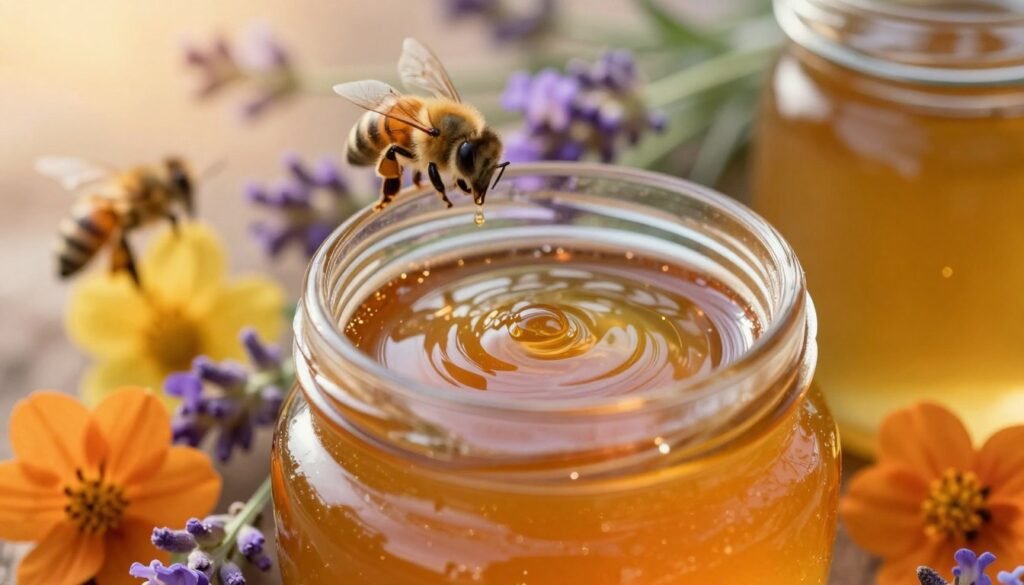
Nectar from specific plants sets the signature for each jar, shaping scent and taste before bees even return to the hive.
The specific nectar acts as a blueprint. It supplies sugars and volatile compounds that later define flavor and aroma in different honey varieties.
For example, orange blossom offers a light, citrusy note, while buckwheat yields a deep, malty, and earthy profile. Trace propolis can add resinous hints that shift the final product subtly.
Identifying floral origin helps consumers know why one type tastes different than another. Wildflower honey shows a blended profile that reflects a region’s plant mix.
- The nectar source dictates key volatile organic compounds.
- Different plants create distinct scent and taste patterns.
- Propolis traces can modify complexity and mouthfeel.
| Variety | Typical Notes | Common Use |
|---|---|---|
| Orange blossom | Citrus, light floral | Tea, desserts |
| Buckwheat | Earthy, malty | Marinades, baking |
| Wildflower | Complex, mixed fruits | Everyday table spread |
To explore pollen effects and labeling that tie a jar back to its origin, read this piece on pollen effects on flavor. For grading context that affects product quality, see the grading standards.
The Role of Climate and Weather in Nectar Production
Regional weather patterns shape the nectar inside each bloom before bees ever collect a single drop. Sunlight, rainfall, temperature, and altitude all affect how plants make and concentrate sugars and volatile compounds.
Environmental Variables
Sun and heat increase sugar concentration in nectar. In dry, warm zones, flowers often produce thicker nectar that can yield deeper flavor in finished jars.
Rain and cool spells dilute nectar and shift compound balance. Cooler or high-altitude areas tend to produce lighter profiles.
- Climate and weather determine how much nectar a plant produces before bees collect nectar.
- Rainfall and temperature alter the chemical compounds in nectar and the resulting flavor.
- Beekeeping needs local climate knowledge to predict harvest quality and timing.
- Because bees collect from local flowers, the regional environment guides the final sensory profile.
For practical guidance on matching apiary plans to local patterns, consult the regional climate profiles. Understanding these conditions helps preserve quality and informs better beekeeping decisions.
Soil Composition and Its Impact on Flavor
Minerals beneath the fields shape plant growth and leave a measurable mark in the nectar bees collect.
Soil composition sets a baseline for mineral and nutrient content in plants. Those elements influence the chemical compounds in nectar. Bees carry those compounds into the hive, so the final jar reflects the land beneath the blooms.
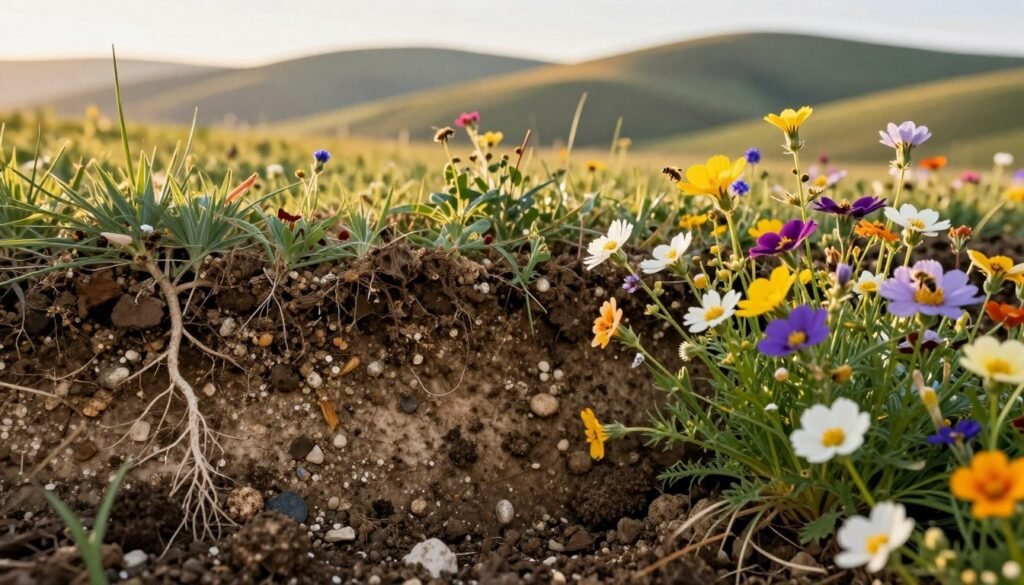
Rich farmland often produces nectar with higher mineral content and more complex compounds. Mountain or rocky soils yield lighter nectar with a different profile. These differences affect the taste and perceived quality of the product.
“Analyzing soil provides clear clues to why nearby jars vary in flavor and texture.”
| Soil Type | Key Minerals | Likely Effect on Product |
|---|---|---|
| Loam (rich farmland) | Calcium, potassium | Fuller flavor, layered compounds |
| Sandy | Low nutrients | Lighter taste, subtle notes |
| Limestone/alkaline | Magnesium, calcium | Distinct mineral edge, firmer finish |
Understanding soil health and local environmental conditions helps beekeepers predict batch quality and regional variation. For examples of regional jars, see this guide to U.S. honey varieties.
Seasonal Blooms and Their Influence on Harvests
Seasonal bloom cycles steer the calendar for harvests and shape the character of each batch. Beekeepers watch plant calendars and weather to decide when to take frames. That timing preserves distinct profiles tied to each bloom.
Spring Harvest Characteristics
Spring flowers like clover yield light, mild jars with a gentle texture and pale color. The nectar at this time tends to carry simpler compounds, so these honeys are delicate in flavor and ideal for spreading or tea.
Late Season Profiles
Late-season blooms produce darker, more robust profiles. As plants mature, nectar chemistry changes and higher-complexity compounds appear. The result is richer color, stronger flavor, and firmer texture in finished jars.
- Seasonal blooms dictate harvest timing and distinct profiles.
- Compounds in nectar shift over time, affecting aroma and texture.
- Multiple harvests preserve the unique identity of each bloom.
For producers tracking each floral origin, a detailed seasonal flavor guide helps label and market these varied honeys.
“By separating harvests by bloom and time, producers offer a true taste of the season.”
Why Bees Are Essential to Regional Terroir
Bees shape a region’s edible fingerprint by gathering nectar within a tight foraging radius. This limited range means each hive reflects the immediate landscape and plant mix.
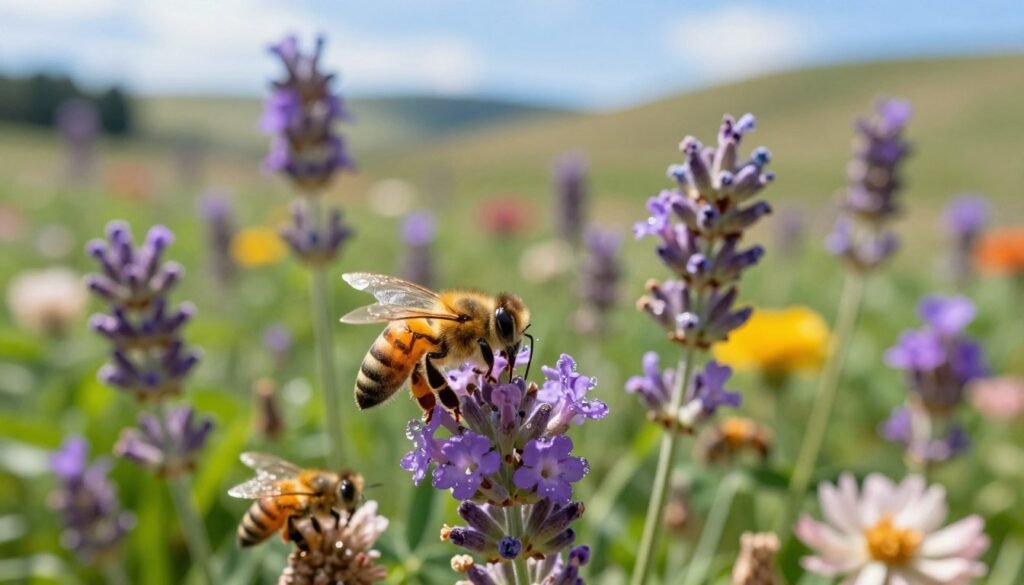
Local foraging ensures jars are a direct record of nearby fields, gardens, and groves. When bees collect nectar close to the hive, the resulting honey carries the traits of that place.
The role of bees in beekeeping goes beyond pollination. They act as natural surveyors that concentrate local diversity into a single food product.
- Bees collect nectar from a limited radius, so each batch reflects its environment.
- This behavior captures regional plant diversity and creates distinct taste and aroma profiles.
- Consistency between farms depends on which plants bees visit around each hive.
“Tasting different jars is like reading a map of nearby blooms and soils.”
For deeper reading on regional impacts and plant choices that influence quality, see regional terroir research and guides to best forage plants.
The Science of Color and Texture Variations
A simple ratio in plant sugars decides whether a jar stays fluid or turns grainy with time.
The fructose-to-glucose balance in nectar governs texture and crystallization rate. Higher fructose keeps the liquid smooth for months, while higher glucose encourages fast crystallization and a grainy feel.
The Fructose to Glucose Ratio
Fructose and glucose are the main sugars bees collect from each flower. Their relative amounts arrive in the hive and shape the final product.
Examples matter: tupelo, with elevated fructose, remains pourable longer. Clover, richer in glucose, turns firm and spreadable quickly.
- The sugar ratio predicts crystallization time and texture profiles.
- Compounds and mineral content in nectar also drive color shifts from pale to dark amber.
- Analyzing nectar lets producers forecast final color honey and mouthfeel before harvest.
“Texture and color are natural markers of floral origin and the surrounding environment.”
Understanding these profiles helps shoppers choose the right variety for cooking, baking, or table use. For an in-depth guide to color, texture and taste, see color, texture and taste.
Distinguishing Between Raw and Commercial Honey
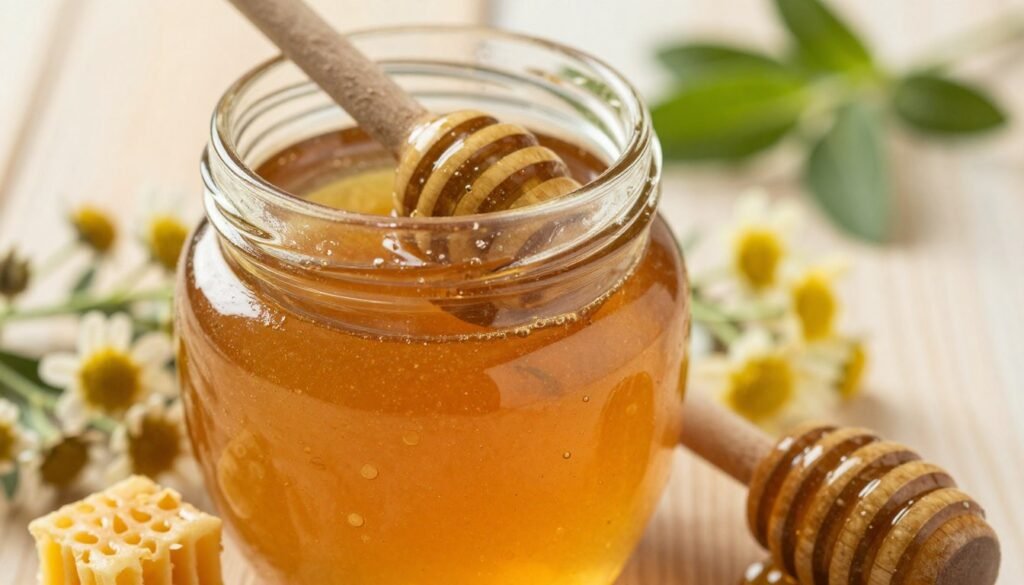
Minimal processing preserves the unique chemical fingerprint found in single-origin jars. Raw honey undergoes only filtering for debris and light straining. It keeps pollen, enzymes, and many volatile compounds that shape taste and aroma.
Commercial blends follow a different path. Producers often heat and fine-filter to create a uniform product. That step improves shelf life and appearance but can strip delicate compounds tied to place and season.
- Raw honey retains pollen and trace compounds that make flavor more complex.
- Blended commercial honeys favor consistency over regional character.
- Understanding the processing helps buyers assess true quality and origin.
Choosing small-batch, minimally processed jars supports beekeepers who respect terroir and preserve the food’s natural profile.
“Taste and chemical complexity often follow the care taken in harvest and handling.”
| Type | Typical Process | Effect on Compounds |
|---|---|---|
| Raw, single-origin | Light strain, no heat | High pollen, enzymes, richer flavor |
| Commercial blend | Heating, fine filtration, blending | Uniform look, reduced volatile compounds |
| Filtered local | Moderate strain, low heat | Cleaner jar, most regional notes retained |
To compare labeled varieties, see this guide to honey types.
Comparing Honey Varieties from Different Regions
A single species of bees can produce jars with very different profiles when placed in separate landscapes. Local plant mixes and weather shape the nectar that bees collect and carry back to the hive.
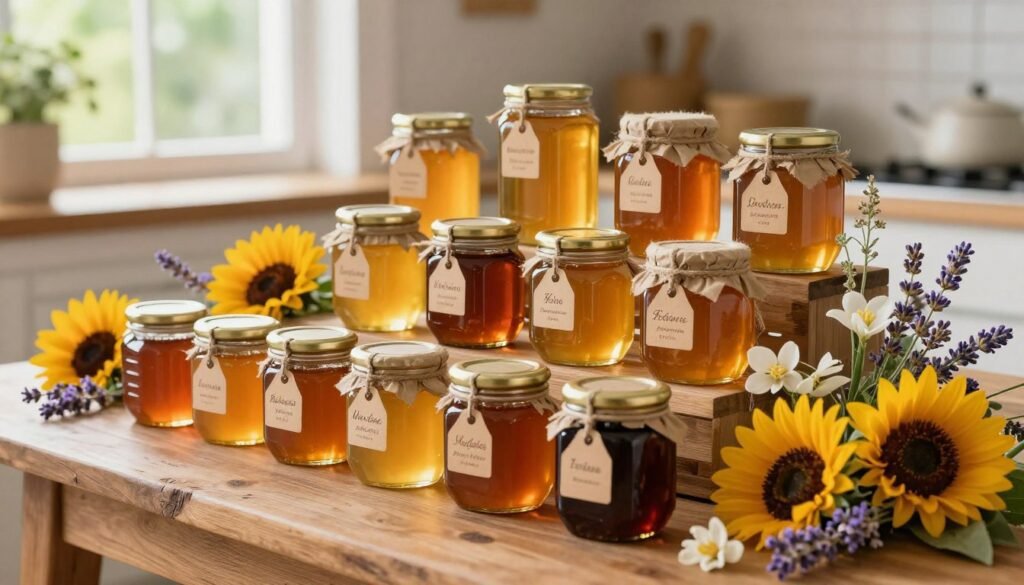
Many small producers offer jars from different locations so you can taste regional contrast. For example, orange blossom gives a light citrus note, while wildflower honey captures a layered, mixed-fruit profile.
Comparing these honeys side-by-side teaches you to spot subtle markers of origin and quality. Tasting trains your palate to identify clover or other plant traces in a spoonful.
- Same bee species, different plant communities = distinct final product.
- Beekeeping operations that move or source from varied areas let consumers explore types and local character.
- Each variety acts as a food that records its environmental conditions and nectar composition.
“Sampling regional jars is the simplest way to learn what the land contributes to flavor.”
Conclusion
Each jar carries a short story of its meadow, climate, and harvest moment.,
The journey from nectar to jar links simple acts in nature with the food we enjoy. When you learn which flower bees visit and the nectar content they collect, you see why jars differ in taste and aroma.
Whether you reach for clover or a jar labeled raw honey, every choice reflects a clear origin and care in harvest. Tasting different varieties deepens your connection to place and to the producers who record that origin.
In short: pay attention to labels, sample widely, and value the land behind each jar. This perspective makes buying and tasting more rewarding.
FAQ
What determines the scent and taste of honey?
The primary factors are the types of flowers bees visit, the sugar and compound makeup of those nectars, and enzymes bees add during processing. Plant volatile compounds and amino acids in nectar give distinct notes—citrus from orange blossom, herbaceous from thyme, or mild sweetness from clover. Processing and storage also shift flavor over time.
What role does nectar play in creating distinct honey profiles?
Nectar supplies the sugars and aromatic molecules that become the core of any jarred product. Different plants produce unique blends of sugars, acids, and volatiles. When bees collect that liquid, they concentrate and mix it with enzymes that develop characteristic flavors and mouthfeel.
How do enzymes change the liquid bees collect into the final product?
Bees add invertase and glucose oxidase, which break down complex sugars into simpler ones and generate mild acidity and hydrogen peroxide. These transformations alter sweetness, stability, and scent, producing the range of textures and notes appreciated by consumers and chefs.
Can weather and climate alter nectar production and taste?
Yes. Temperature, rainfall, and sunlight affect nectar volume and chemical balance. Drought can concentrate sugars and intensify flavors, while heavy rain dilutes nectar and produces flatter profiles. Microclimates create regional signatures that beekeepers watch closely.
Does soil influence the final flavor profile?
Soil impacts plant health and nutrient uptake, which in turn shifts nectar chemistry. Mineral-rich soils can support plants that yield robust scent compounds. Vineyards and orchards often show this effect, producing more pronounced and complex profiles in nearby apiaries.
How do seasonal blooms change harvest characteristics?
Early-season harvests tend to be lighter and floral, reflecting spring blossoms like clover and fruit trees. Late-season harvests capture woody or resinous notes from asters and goldenrod, often yielding darker, more intense jars that crystallize differently.
Why are bees crucial to regional flavor differences?
Foragers choose plants available in their landscape, so local flora defines the palette they carry back. Hive health, colony size, and foraging range all shape which plants dominate the blend, making each region’s product a reflection of its ecosystem.
How does the ratio of fructose to glucose affect texture and color?
Higher fructose content keeps the product liquid longer and often yields a lighter tone. Greater glucose promotes faster crystallization and a grainier feel, sometimes linked with deeper color. That balance also influences perceived sweetness and viscosity.
What differences exist between minimally processed and mass-market offerings?
Minimally handled jars of raw product retain pollen, enzymes, and delicate volatiles, preserving nuanced aromas and healthful compounds. Commercially processed varieties may be filtered and pasteurized for consistency and shelf stability, which can reduce aroma complexity and some bioactive elements.
How do products from different regions compare?
Regional differences come from plant types, climate, and beekeeping practices. Mediterranean offerings like thyme or orange blossom taste different from New Zealand’s manuka or U.S. clover and wildflower blends. Each carries identifiable notes, color, and texture linked to its origin.