Published March 31, 2026
The B Farm helps beekeepers plan when to offer nucs so colonies arrive ready for spring growth.
Winter preorder windows let you secure healthy bees and prepare hives before the busy season. Aligning promotions with biological cycles increases uptake and reduces stress on the colony.
Start marketing in late winter and early spring for the highest visibility. Offer clear booking links and pick-up options, and remind buyers about hive setup and colony care.
If you see a page blocked or an extension blocked notice, try disabling extensions so you can access full guides and regional data. That step often restores access to ordering and educational pages.
For hands-on promotion tips and scheduling tools, check a guide on local marketing and booking flows at promoting your beekeeping business. For buying guidance, see regional buying notes at buying packaged bees and nucs.
Key Takeaways
- Plan preorder windows in winter so nucs are ready by early spring.
- Align promotions with colony biology for better survival and growth.
- Use clear booking links and scheduling tools to boost conversions.
- If a page is blocked, try disabling extensions to regain access.
- Late spring demand spikes—stock accordingly and communicate pickup details.
Why Timing Matters for Your Hive
Good timing steers colony growth more than luck when you start a new hive. Spring is the natural season when bees ramp up foraging and brood production.
The Role of Nectar Flow
The nectar flow delivers the sugar and pollen a colony needs to build stores and feed larvae. Early-spring blooms are crucial for a new colony to establish steady growth.
By watching local nectar sources, a beekeeper can predict when the hive will need extra frames for brood and food.
Seasonal Hive Development
The queen increases egg-laying as temperatures rise. That means brood frames fill quickly and the population can double in weeks.
When you add frames at the right moment, you avoid crowding and swarming. If you miss cues, the colony may stall.
- Check frames often during early spring and late spring expansion.
- Support the queen with clean comb and space for brood.
- If a page blocked extension prevents access, try disabling extensions to view regional charts.
| Season | Key Hive Needs | Action |
|---|---|---|
| Winter | Stock planning, queen quality | Preorder nucs and inspect equipment; see when to buy nucs |
| Early spring | Nectar flow starts, brood increase | Add frames for brood and monitor stores |
| Late spring | Peak nectar, swarming risk | Split or expand hives; refer to splitting hives guidance |
The Best Time to Advertise Local Nuc Sales
Plan outreach around early spring cues so interested beekeepers find listings before demand climbs.
Highlight that a standard five-frame nuc has a frame of stores, a laying queen, and three to four frames of brood. This detail reassures buyers about colony health and growth potential.

Emphasize that nucs queens are ready for the summer honey flow and note how managing nectar flow helps nuc survival. Mention pickup windows clearly and include details for southern nuc pickup when relevant.
If a visitor sees a page blocked extension or an extension blocked notice, advise them to try disabling extensions so they can view ordering instructions and regional pickup guides.
- Promote listings in early spring to reach buyers before peak demand.
- Describe frames and queen status so a new hive starts strong.
- Link to regional programs like the Michigan local nuc program and to a guide on how to inspect purchased nucs.
- For outreach budgeting, see a quick note on how much TV ads cost.
Regional Considerations for Beekeeping Success
Regional climates shape when colonies thrive, so plan your hive moves by local bloom and frost patterns.
Warmer areas often let bees ramp up earlier in spring. That means frames and queen development progress faster than in cold zones.
In colder regions, delays in flowering push hive growth into late spring. Check frost dates and local bloom calendars before you purchase nucs or schedule a nuc pickup.
Adapting to Local Climate Zones
Consider how seasonal nectar affects brood and colony expansion. When you purchase nucs, plan around local flowering so the queen and brood get food right away.
If a visitor sees a page blocked extension or an extension blocked notice, try disabling extensions to access regional guides on southern nuc pickup and nucs queens availability.
- Warm zones: earlier colony growth—schedule nuc pickup sooner and inspect frames quickly.
- Cold zones: delay purchase nucs until blooms stabilize and frost risk fades.
- General: use local calendars and our time year buy guide and placement tips from hive placement guidance.
Logistics of Transporting and Installing Your Colony
A smooth move starts with cool temperatures and tightly fastened frames. Transport in the cool of early morning or late evening to reduce heat stress. Keep ventilation steady and limit stops so the bees stay calm.
Safe Transport Practices
Make sure frames are secured to prevent shifting. Movement can injure brood or dislodge the queen.
Strap boxes together, close entrance reducers, and use screened vents. If a page blocked extension prevents access to handling notes, try disabling extensions to view our safety protocols for seasonal checklist and how to install a nuc.
Opening the Hive Entrance
Let the colony settle for a few hours after arrival. Open the entrance slowly and watch for calm activity. Make sure any aggressive behavior is minimal before proceeding.
Transferring to a Full Hive
Transfer frames of brood and the queen directly into prepared frames in the new hive. Match comb orientation and keep frames level.
Manage nectar flow and summer heat by offering shade and sugar syrup if stores look low. If you see a page blocked or blocked extension notice, try disabling extensions to access our full guide on safe southern nuc pickup and nuc transport practices.
Final Thoughts on Building a Thriving Apiary
Consistent checks and quick action on brood and frames let a new hive mature into a strong colony.
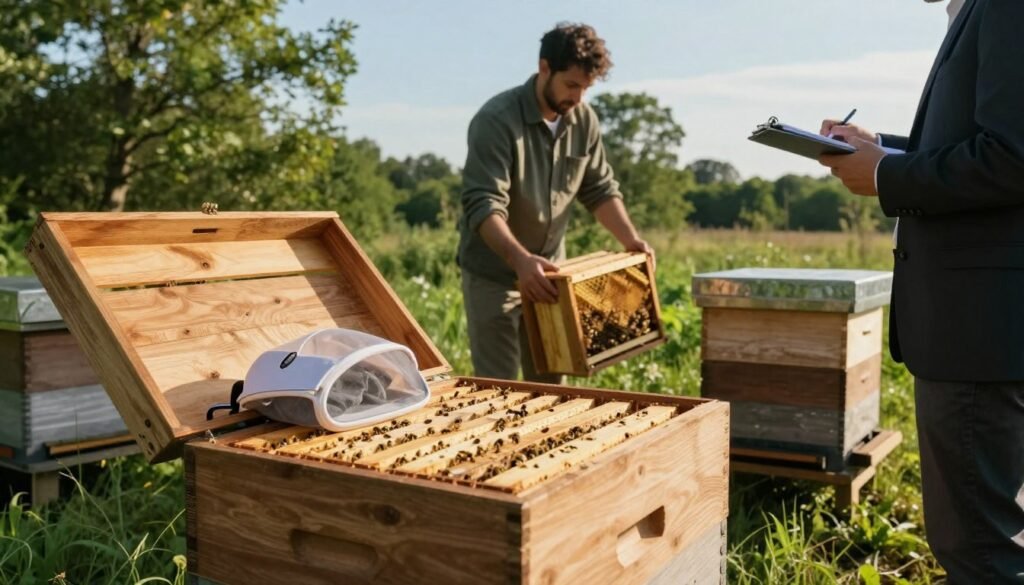
Building a thriving apiary needs a dedicated beekeeper who watches seasonal cues and protects the queen. Inspect your hive every seven days to monitor brood, frames, and colony growth.
If a page blocked extension or a blocked extension notice prevents access, try disabling extensions so you can view final tips on maintaining a nucleus colony at home. For practical split and nuc guidance, see instructions on how to make healthy nucleus colonies here.
We hope this guide helps you start your beekeeping journey and keep your bees productive year-round. Observe often, pick a good location for your hive, and enjoy learning as your apiary grows.
FAQ
When is the ideal period in spring to promote nucleus colony availability?
Aim for early to mid spring, when brood rearing resumes and queens are active. Listing offers just before nectar flow helps buyers plan hive setup and increases visibility. For southern pickup locations, schedule slightly earlier than northern areas so colonies aren’t delayed by late cold snaps.
How does nectar flow affect buyer interest in new colonies?
Nectar flow signals abundant forage and stronger colony growth, which attracts buyers who want rapid buildup. Promote colonies ahead of peak flow so new keepers can install nucs and take advantage of abundant resources for honey production and brood development.
What seasonal development should sellers highlight in listings?
Emphasize queen quality, amount of brood, number of frames with bees, and stores. Mention whether colonies are overwintered or newly made, and note disease checks and mite treatments. Clear details help buyers assess readiness for spring and summer expansion.
How should regional climate influence marketing timing?
Adapt your schedule to USDA hardiness zones or local forage calendars. Warm regions can move nucs earlier; colder zones should wait until consistent daytime temperatures rise. Mention pickup windows that match local bloom and weather patterns to reduce buyer risk.
What are safe practices for transporting a nucleus colony?
Use secure ventilation, tie frames to prevent shifting, and keep nucs shaded and cool during transit. Plan short trips during mild temperatures and avoid long delays. Inform buyers to bring proper transport and handling equipment for pickup.
When and how should the hive entrance be opened after installation?
Open the entrance gradually over the first few days to help orientation flights and reduce robber bee pressure. Keep the hive close to the ground and monitor activity; fully open once foraging is steady and the queen is laying well.
What’s the recommended method for transferring a nucleus into a full hive?
Place frames with the queen and brood into the target hive, spacing them with compatible foundation or frames. Use sugar syrup to calm bees if needed and maintain brood adjacency. Check for queen acceptance and avoid excessive frame shaking to reduce stress.
How far in advance should sellers list colonies for pickup or delivery?
List listings several weeks before expected pickup windows to allow buyers to prepare hives and equipment. Promote during early spring and late winter for overwintered nucs, and in late spring for splits and requeened colonies aligned with local nectar flows.
What information should a listing always include to reduce buyer questions?
Include queen age and source, number of frames with brood and bees, feeding status, disease tests, pickup location, and any installation instructions. Clear photos of frames and a brief calendar for availability improve trust and conversion.
How can sellers handle page or ad platform issues like blocked browser extensions?
Advise buyers to disable interfering extensions or try another browser. Provide alternative contact methods—phone, email, or social media—and a direct listing PDF or image so interested parties can view details if a page is blocked.
Should listings mention seasonal risks like summer dearths or winter survival?
Yes. Be transparent about local forage patterns, potential dearth periods, and how the colony was managed for winter. This helps buyers plan feeding, split timing, and expectations for colony growth or honey production.
How can sellers make their colonies more attractive without overstating claims?
Offer factual verifications: mite treatments, lab-tested queens, frame counts, and recent inspections. Provide setup advice, brief care guides, and optional add-ons like extra frames or a mated queen to increase appeal while staying honest.