Published March 31, 2026 · Last Updated August 26, 2026
Strong preparation sets the stage for a profitable season. Beekeepers and growers who plan ahead will get better results when bees move into crop fields. Aim for a single, robust colony of about 30,000 bees rather than two smaller hives. That number improves coverage and honey set for many crops.
Use at least a two-story, 8- or 10-frame hive so the brood can expand in spring. Check the queen and the colony for disease now. A healthy queen keeps production steady and supports strong brood growth.
Communication matters. Agree on delivery, loading, and unloading details early. Most beekeepers move hives at night for safety. Offer supplemental feed, sugar syrup, or pollen patties if the food supply is scarce.
Key Takeaways
- One large colony (~30,000 bees) outperforms two small ones for crop work.
- Use 8–10 frame, two-story hives to support rapid brood expansion.
- Verify the queen and colony are disease-free before placement.
- Schedule night delivery and clear roles for loading and unloading.
- Provide supplemental feed or sugar syrup during dearth to protect production.
Understanding the Importance of Colony Strength
A robust hive population sets the foundation for reliable honey production and crop service.
A healthy colony should contain roughly 20,000 to 30,000 bees, about 6–9 lbs. That size lets the cluster cover frames and regulate brood temperature.
Hives with 4 to 8 full frames of brood in all stages show active queen laying and steady larvae development. Monitor cells that contain larvae to confirm the queen is performing well in spring.
Nutrition matters. Proper pollen and nectar stores are the only way to keep food levels high through fall and winter and protect production the rest of the time year.
Track amounts of wax and honey to assess health. Use routine inspections and simple counts to gauge workforce numbers and box needs.
- Target 20k–30k bees for dependable output.
- Aim for 4–8 frames of brood to qualify as strong.
- Watch larvae counts to confirm queen vigor in spring.
| Metric | Healthy Range | Why It Matters |
|---|---|---|
| Bee count | 20,000–30,000 (6–9 lbs) | Ensures frame coverage and stable brood temperature |
| Brood frames | 4–8 full frames | Indicates active queen and growth potential |
| Food stores | Adequate pollen & nectar | Supports winter survival and spring buildup |
For detailed evaluation methods, consult colony assessment guidance. For tips on boosting population naturally, see practical population strategies.
Essential Criteria for Pollination Ready Hives
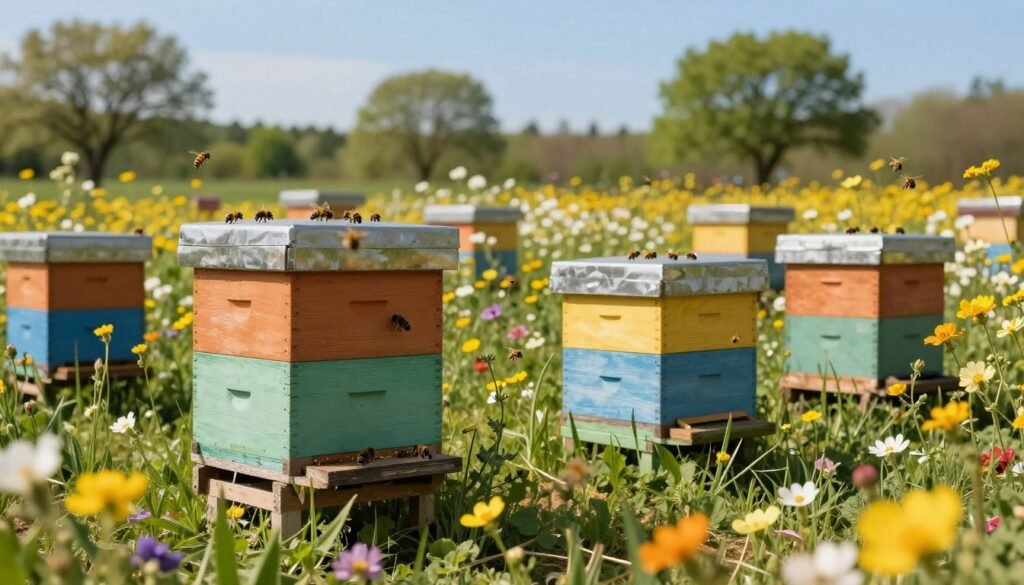
Set up full-sized hives in sunny, well-drained sites so the colony can build up through spring and fall. Good siting reduces moisture stress and helps keep bees healthy.
Colony Population Requirements
Population matters. Each unit must contain 4–8 full frames of brood to deliver steady bee numbers for crop service.
No nucleus hives are acceptable. Five-frame nucs lack the workforce and stores needed for reliable performance.
The queen must be active and laying in clean cells to sustain larvae and seasonal production.
Hive Equipment Standards
Use at least a two-story, 8- or 10-frame configuration. That size supports brood expansion and gives room for honey and nectar stores.
Keep boxes and frames clean and disease-free. Replace or repair damaged wood and wax to lower pathogen risk.
| Requirement | Minimum Standard | Benefit |
|---|---|---|
| Frames of brood | 4–8 full frames | Ensures enough bees for crop work and stable brood rearing |
| Hive size | Two-story, 8–10 frames | Provides space for brood, honey, and transport resilience |
| Siting | Full sun, good drainage | Reduces damp, improves foraging and hive health |
For seasonal tasks and timing, see seasonal beekeeping tasks to align hive readiness with field windows.
Strategic Feeding Colonies Before Pollination Contracts
Match your hive nutrition to forecasted weather to keep brood rearing on schedule and avoid last-minute shortages.
Start syrup programs in late winter when warm spells allow the queen to ramp up laying. A steady sugar syrup supply helps bees build comb and raise larvae.
When cold spring weather persists, keep units clustered and monitored. Low temperatures reduce foraging and increase the amount of stored food a colony needs.
- Provide consistent syrup or nectar substitutes so the queen keeps laying.
- Track frames of brood and adjust feed if larvae counts fall.
- Plan for weather delays; add one extra strong hive when bloom is cool and wet.
| Feed Type | Best Time | Primary Benefit |
|---|---|---|
| Sugar syrup | Late winter–spring | Energy for comb building and brood |
| Pollen patties | Early spring | Supports nurse bees and larvae nutrition |
| Stored honey | All year | Long-term survival and surplus production |
For research on nutrition impacts, read the long-term study on pollen feed. New beekeepers should also review common pitfalls at beginner mistakes.
Selecting the Right Feed for Seasonal Needs
Seasonal needs dictate the best mix of sugar and protein for a thriving hive. Choose feed that matches fall, spring, or winter goals to protect brood and boost honey production.
Sugar Syrup Applications
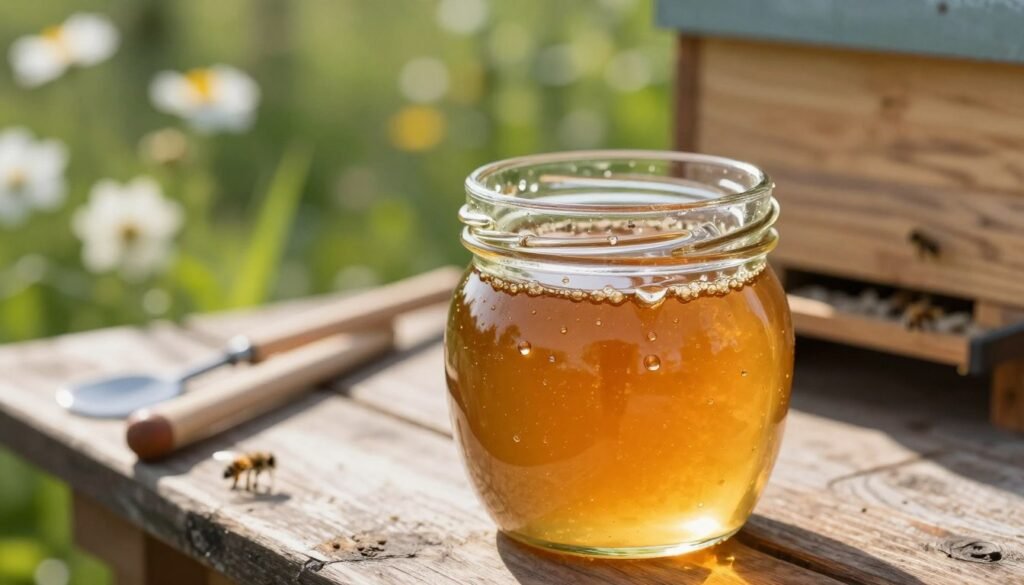
Use syrup to build stores or to stimulate activity. In the fall, a 2:1 sugar syrup helps the colony create winter reserves. In spring, switch to 1:1 syrup to stimulate the queen and raise brood.
Pollen Patties and Substitutes
Pollen patties supply protein when natural pollen is scarce. Flatten patties and place small pieces directly over the brood nest for best uptake.
“Place protein close to the larvae so nurse bees can feed cells without long trips.”
Winter Feeding Essentials
Fondant or sugar cakes work well in cold months. Put them in the deeper side of a deep rim inner cover so bees can access food without leaving the cluster.
- Choose feeders that limit robbing and pests.
- Keep boxes tidy and check frames for enough stores.
- Plan feed timing to match weather and nectar flows.
For more on preparing stock and timing, see preparing bees for unpredictable seasons.
Best Practices for Internal Hive Feeding
Keeping syrup and patties inside the hive prevents scouts from drawing a crowd and spreading disease. Internal placement reduces robbing and keeps the honey and sugar available to the hive workforce.
Do not feed in open trays or buckets at the entrance. Open-source feed attracts pests and can create a frenzy that stresses the brood and the queen.
- Install feeders within the top box or between frames so the bee population uses the food directly.
- During a nectar dearth, inside-hive feed preserves brood rearing and supports steady honey production.
- Keep all boxes and feeders clean; debris can invite small hive beetles and other pests.
| Action | Benefit | When |
|---|---|---|
| In-hive syrup feeder | Limits robbing; targets hive members | Late winter–spring |
| Pollen patty on brood frames | Supports nurse bees and cells | Early spring or dearth |
| Sanitize feeders | Reduces pest and disease risk | At each refill |
Simple routine checks ensure the hive stays healthy and productive through fall, winter, and spring transitions.
Managing Colony Nutrition During a Dearth
When nectar sources dry up, plan nutrition to keep brood rearing on track. A short, clear strategy reduces stress and helps the queen hold steady egg production. Focus on dry pollen options and timely syrup complements so the hive remains stable through fall or spring gaps.
Managing Dry Pollen Feeders
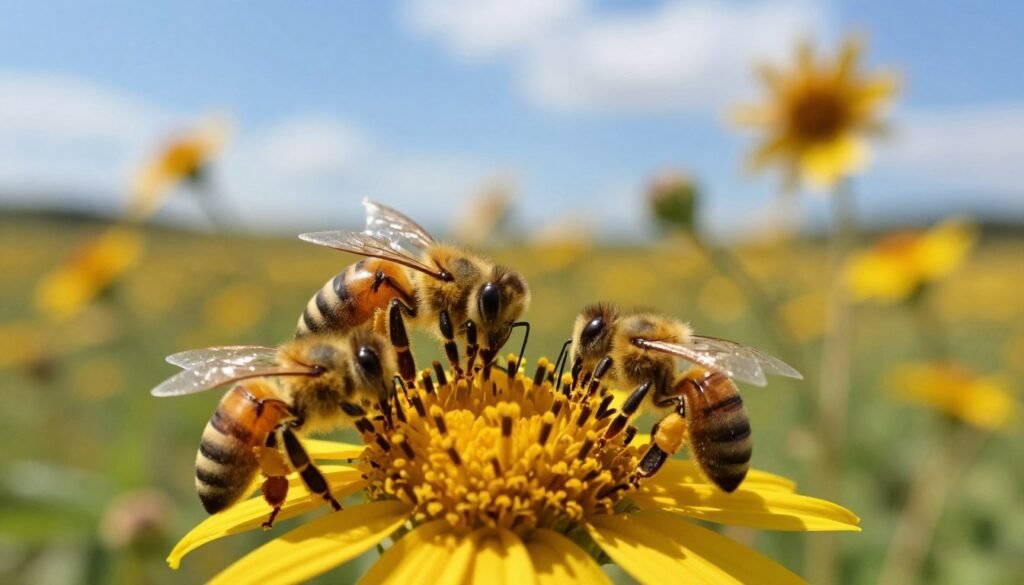
Use dry pollen feeders as a targeted tool. Place the feeder at least 50 feet from the hive so returning foragers can advertise the location with the waggle dance. This reduces traffic at the entrance and spreads the resource without drawing robbers.
Keep space inside the feeder so bees can pack pollen into their corbiculae. If the material is compacted, workers cannot load properly and may waste trips.
- Keep the feeder dry: Moisture invites spoilage and pests, which threaten hive health.
- Combine with patties or syrup: Pollen patties and light sugar syrup help nurse bees feed larvae when nectar is scarce.
- Fall consistency matters: Regular supplementing in fall gives the colony energy reserves for winter.
“Place dry pollen where foragers can find it, but far enough to let the hive communicate the source efficiently.”
For research on pollen substitutes and best practices, see pollen substitutes. Use controlled, dry feeders to support brood and protect the hive through short dearth periods.
Timing Your Feeding Schedule for Maximum Impact
Schedule syrup applications to nudge the queen into steady laying as temperatures warm. Overwintered colonies that entered spring well-stocked may not need extra sugar syrup. Still, many beekeepers use light syrup to stimulate brood when spring warms.
Feed in the late afternoon or evening to cut robbing risk. Scouts from other hives are less active then, so the hive can accept feed without heavy traffic.
Monitor the weather closely. Cold snaps can trap the cluster and stop them from reaching in-hive syrup or patties. Delay feed runs if nights dip near freezing.
Keep a steady supply of nectar or syrup so the colony has energy to build comb, expand brood, and store honey. Time these boosts so peak bee numbers line up with bloom.
- Use light sugar syrup in warm spells to stimulate the queen and brood.
- Perform feeding late in the day to reduce robbing and stress.
- Adjust timing for weather so bees can access feed without chilling the cluster.
For practical timing and duration tips, see how long to feed a new and methods to stimulate brood production.
Avoiding Common Pitfalls During the Feeding Process
Keep actions simple and clean to protect hive performance. Small slips with sugar or syrup can invite robbers and pests. Quick, careful steps reduce stress on the queen and brood and help the colony hold steady through spring and winter.
Preventing Robbing Behavior
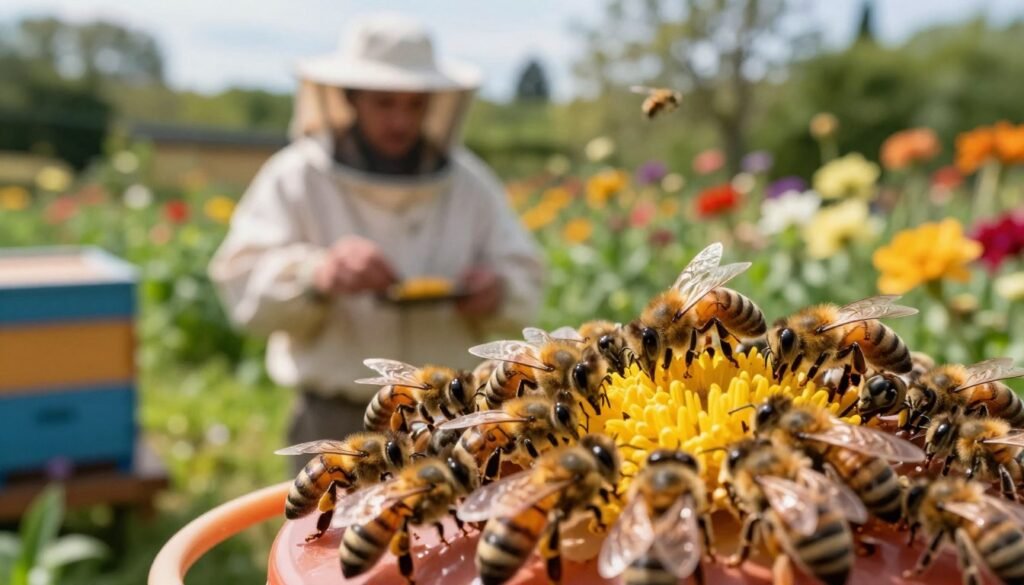
Avoid syrup spills. Spills on the ground or near entrances attract scouts from other bees and trigger robbing in a short time. Refill feeders with care and wipe drips immediately.
Use internal feeders when possible so the hive accesses stores without drawing attention. Do not add essential oils to sugar syrup if robbing is a problem; scents can make the situation worse.
Maintaining Clean Equipment
Keep the yard tidy. Empty packaging, old fondant, and loose feeders will invite small hive beetles and other pests.
Sanitize feeders and check frames and cells for debris each time you work the hive. A clean setup protects brood, preserves honey quality, and supports queen health.
- Avoid spills: prevents scouts and robbing events.
- Feed inside hive: targets the colony and reduces theft.
- Clean gear: removes pests and preserves honey stores and frames.
“Wipe spills and store empty bags; a tidy yard keeps bees focused on nectar, not fights.”
Coordinating Delivery and Placement with Growers
Place hives in clustered groups on pallets and space those groups about 500 feet apart to give bees wide field coverage.
Mark exact pallet spots in the field so the beekeeper and farm crew know where to set each unit at night. Orientation matters: point the hive entrance south to catch early sun and speed spring foraging.
Ask the grower to assist at delivery. Moving hives often happens in low light. A farm crew can guide trucks, position pallets, and secure livestock gates for a quick, safe unload.
- Confirm GPS or visual markers for each pallet site.
- Keep paths clear so trucks and equipment can work in darkness.
- Check that nectar and pollen sources are reachable from each placement.
| Placement Factor | Recommendation | Benefit |
|---|---|---|
| Spacing | ~500 feet between groups | Broader bloom coverage by bees |
| Orientation | Face south | Early sun warms brood and speeds activity |
| Delivery | Grower assists at night | Safe, efficient placement with less stress |
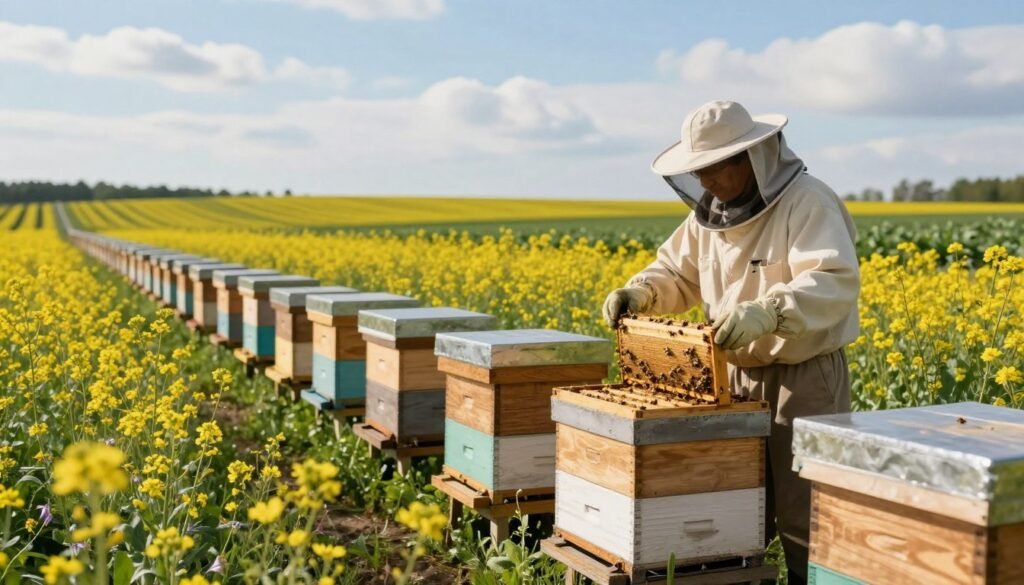
Final check: verify the queen is laying well and frames show healthy cells on arrival so the colony can begin foraging and honey production without delay.
Protecting Your Bees from Pesticide Exposure
Clear, documented communication with growers is the first line of defense for hives.
Agree on spray windows and map treated areas so the beekeeper and grower share expectations. Ask that applications occur in the evening or at night whenever possible to lower bee activity and exposure.
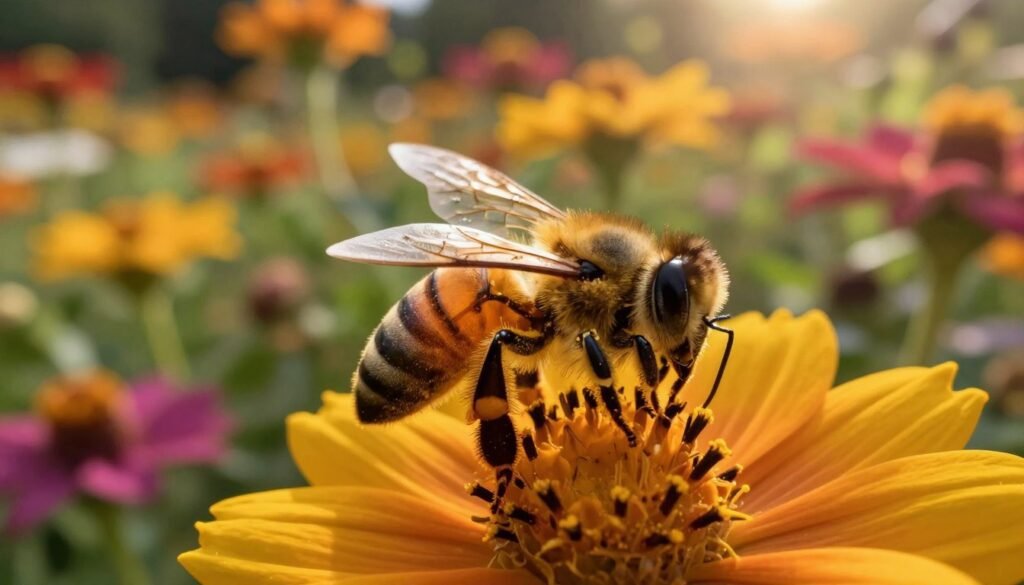
Use tools and habitat to reduce risk. Encourage growers to consult the Bee Precaution Pesticide Ratings when selecting products. Create a pollinator habitat block on the farm so bees can forage for nectar and pollen away from sprayed rows.
- Set buffer zones and clear application schedules with farm managers.
- Document agreed steps in the service paperwork and the pollination agreement.
- If an incident kills a colony, notify the State Bee Inspector at the NH Department of Agriculture, Markets & Food immediately.
“Evening applications and marked no-spray zones cut exposure and protect brood and honey production.”
Follow-up matters: after any event, inspect frames and cells, log losses, and work with the grower to prevent repeat exposure. These precautions keep colonies healthy through spring, summer, and winter and protect honey and hive value.
Monitoring Brood Development and Queen Health
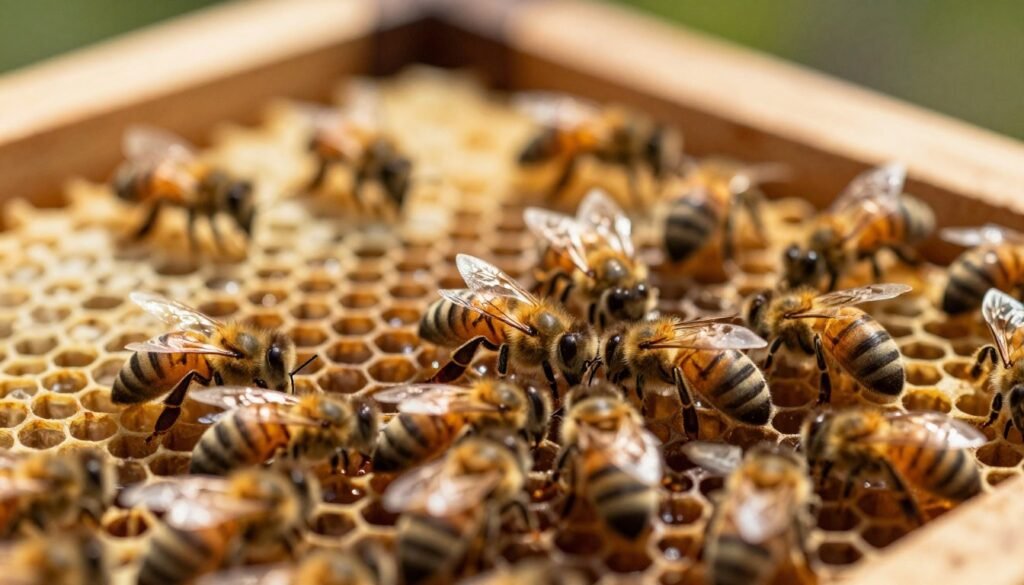
Inspect small sections of comb regularly so royal jelly presence and larval health are easy to track.
Royal jelly should be visible as a shiny white substance in brood cells. Healthy larvae often appear to be “swimming in” it. That sign tells a beekeeper the queen is feeding young properly.
Watch brood pattern and larval posture. Even spacing of eggs, full brood frames, and clean cells mean the queen is strong. Track honey and pollen stores during winter to ensure the cluster can survive until spring.
“Royal jelly abundance in cells is one of the clearest signals a hive will expand well into the season.”
If a colony came out of winter well stocked, stimulant sugar syrup may not be required in spring. Still, check frames and nurse activity so you catch problems early and protect honey production.
| Sign | What to Check | Recommended Action |
|---|---|---|
| Abundant royal jelly | Shiny white in brood cells | Continue routine inspections |
| Poor brood pattern | Spotty cells, few larvae | Assess queen, consider requeening |
| Low stores in winter | Little honey or pollen | Provide internal feed or relocate frames |
- Scan brood frames weekly for royal jelly and larvae vigor.
- Record queen performance and stores to time any sugar or pollen support.
- Act quickly on signs of decline to protect the colony and honey yield.
Handling Swarming Risks in the Apiary
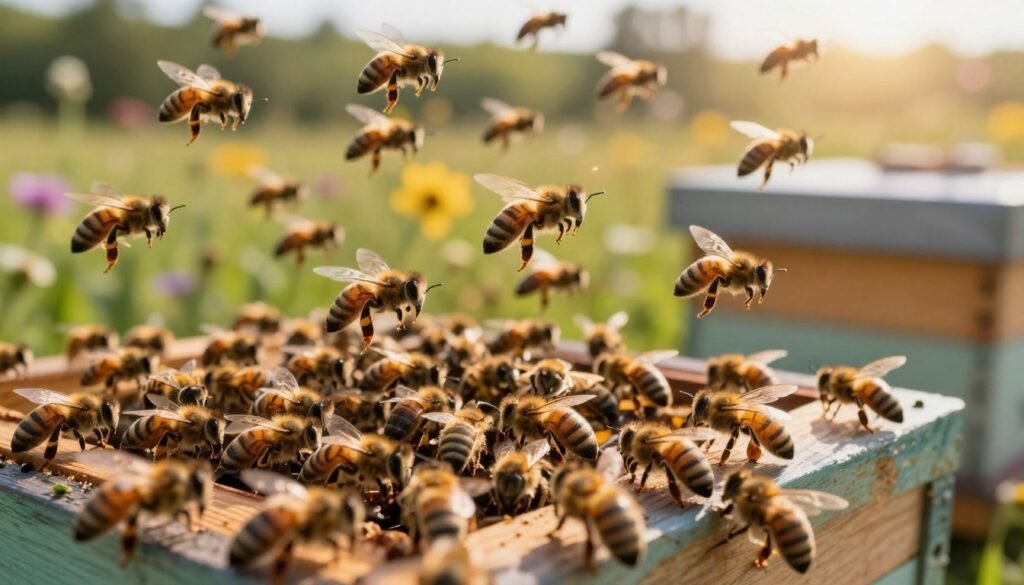
When bees cluster outside the hive, act quickly and calmly. A visible swarm is often temporary and may move several times. The grower should not try to catch a swarm; contact the beekeeper at once for safe retrieval.
Rapid beekeeper response improves chances of successful re-hiving. Swarms roam while scouts search for a permanent home. The beekeeper can track and secure the group before they settle in an unsafe spot.
Reduce swarming risk by managing interior hive space. Keep ample room for brood and stores. Regular inspections for queen cells let you spot reproductive preparation early.
- Do not attempt capture—call the beekeeper immediately.
- Watch for multiple relocations; a swift response helps recovery.
- Control space inside the hive to lower natural impulses to split.
- Inspect frames often for queen cells as an early warning sign.
Proactive apiary care preserves bee numbers and service value. For growers and managers who move units seasonally, see this migratory beekeeping guide for logistics that reduce stress and loss.
Conclusion
Plan early, and document steps for health checks, nutrition, and equipment to protect hive value and service quality.
Combine careful hive care with clear grower communication to lower risk and improve returns. Keep records of queen status, stores, and agreed delivery details so both parties know expectations.
Protect bees from pesticide exposure and manage swarming risks with routine inspections and space management. Timely actions prevent loss and preserve productivity.
With steady attention to health, nutrition, logistics, and lines of communication, beekeepers can maximize hive performance and help local farms succeed in pollination windows.
FAQ
What does "Prepare Pollination Contracts: Feeding Colonies Key" mean for beekeepers?
It means ensuring hives reach the agreed strength and health levels required by growers. Beekeepers supply adequate nutrition, check queen status, and confirm equipment standards so colonies can forage and pollinate effectively when placed in orchards or fields.
Why is colony strength important for pollination success?
Strong colonies deliver more foraging bees, which increases effective flower visits and crop set. Population size, brood pattern, and overall hive health determine a colony’s ability to work long hours and withstand stress from transport and new environments.
What population size qualifies a hive as pollination-ready?
Pollination-ready hives typically have a solid population across at least 8–10 frames of bees for many crops. Requirements vary by crop and contract, so confirm frame counts or adult bee estimates with the grower before placement.
What hive equipment standards should I meet for contracts?
Use clean, structurally sound boxes and frames with fresh or well-maintained foundation. Provide entrance reducers, secure lids, and adequate ventilation. Label hives and include transport-worthy covers to reduce loss during relocation.
When should I start supplementing colonies in preparation for pollination?
Begin supplementation several weeks before scheduled placement. Timing depends on current stores and brood rearing; start earlier in cold regions or during a dearth to allow bees to build brood and restore food reserves without stress.
How do I choose the right feed for seasonal needs?
Match feed to the colony’s immediate requirements: sugar syrup for short-term carbohydrate, pollen patties for protein to support brood, and fondant or dry sugar for long winter stores. Consider local nectar flows, weather, and the crop’s bloom schedule.
How and when is sugar syrup best applied?
Use 1:1 syrup in spring to stimulate brood rearing and 2:1 in fall to build winter stores. Provide syrup in internal feeders, top feeders, or frame feeders depending on hive configuration and weather. Avoid syrup in freezing conditions unless using heated or insulated feeders.
What are pollen patties and when should I use substitutes?
Pollen patties are protein supplements that boost brood development during protein dearths. Use them when natural pollen is scarce or to stimulate queens. Alternatives include natural pollen supplements or high-quality patty brands like Mann Lake or Betterbee, applied per label instructions.
What are essential winter feed considerations?
For winter, prioritize long-lasting, compact stores: fondant, dry sugar, or thick 2:1 syrup before cold sets in. Ensure adequate ventilation and minimal disturbance. Insulate or wrap hives if temperatures and wind pose risks to cluster stability.
What are best practices for feeding inside the hive?
Place feeders where bees can access them without crowding brood. Use frame feeders, division board feeders, or patties on top of frames. Keep feeders clean, check levels frequently, and avoid introducing pests or molding by replacing spoiled feed promptly.
How do I manage nutrition during a dearth?
During a dearth, increase protein patties and provide consistent carbohydrate sources like syrup or fondant. Monitor colony weight and brood levels, split strong colonies prudently, and consider relocating hives to better forage if practical.
How do dry pollen feeders work and when should I use them?
Dry pollen feeders supply granulated pollen or substitute in accessible trays or top feeders. Use them when fresh pollen is unavailable but temperatures allow for active foraging. They are less messy and reduce robbing compared with syrup-based options.
How should I time feeding to maximize pollination performance?
Feed early enough to boost brood and worker numbers before bloom. Allow several weeks between supplementation and placement so bees can convert feed into foragers. Avoid heavy syrup feeding during peak bloom to prevent robbing and nectar dilution.
How can I prevent robbing behavior during feeding?
Reduce robbing by feeding small, frequent portions, using internal feeders, and maintaining strong entrance control. Work hives calmly, close weak hive entrances, and remove exposed syrup. Position apiaries away from other colonies when possible.
What steps keep feeding equipment sanitary?
Clean feeders after each use with hot water and dilute bleach if needed, then rinse thoroughly. Replace or repair cracked feeders, store feed in sealed containers, and avoid reusing moldy or fermented patties to prevent disease spread.
How should I coordinate delivery and hive placement with growers?
Communicate timing, hive counts, required strength, and placement specifics well in advance. Confirm access routes, water availability, and pesticide application schedules. Provide clear contact info and a placement map to avoid last-minute delays or exposure risks.
How can beekeepers protect hives from pesticide exposure?
Ask growers for pesticide application schedules and request sprays be done outside foraging hours or using bee-safe products. Move hives temporarily if necessary, and place colonies where drift is minimal. Record incidents and report suspected poisonings promptly.
What key points should I communicate to growers about hive safety?
Share bloom timing, ideal spray windows, and the need for notification before applications. Provide best practices for minimizing drift—such as avoiding aerial spraying during bloom—and request buffer zones or alternate products when possible.
How do I monitor brood development and queen health pre-pollination?
Inspect frames for consistent brood pattern, presence of eggs and young larvae, and an active laying queen or marked queen. Spot irregularities like spotty brood or excessive drone comb early and requeen or combine as needed to meet contract standards.
What actions reduce swarming risk before placement?
Manage space by adding boxes or supers, perform regular checks for swarm cells, and split overly populous hives. Ensure ample nectar and pollen to reduce congestion, and consider requeening with gentle, productive strains to lower swarming tendencies.