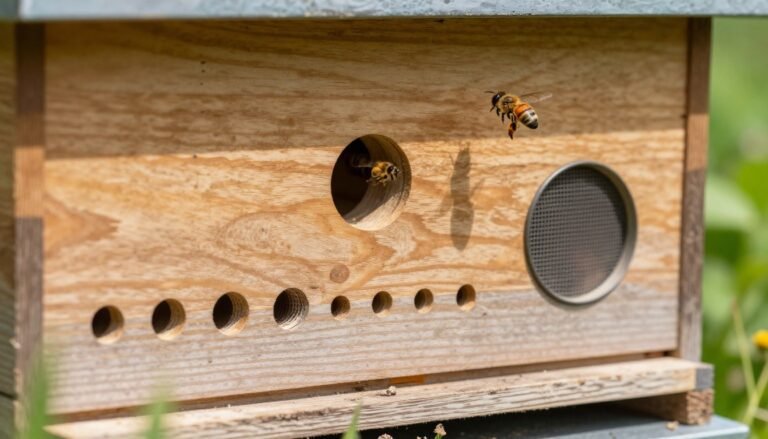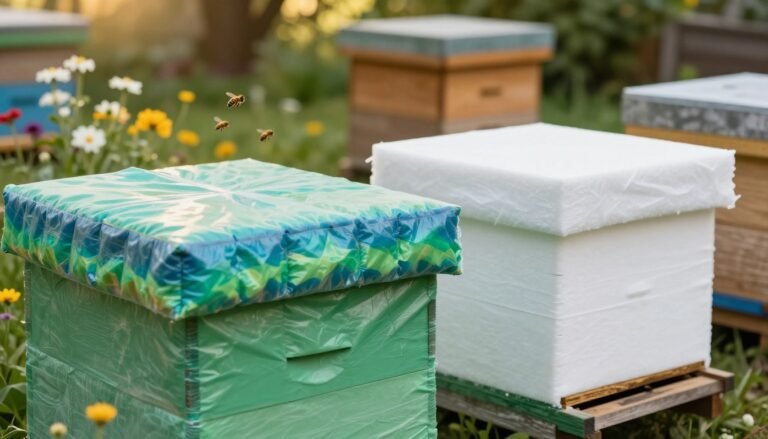
Choosing the right bottom board affects hive health, moisture control, pest management, and the effort bees use to regulate temperature. This short guide helps beekeepers weigh options by hive type and climate so you can pick what fits your apiary.
Langstroth hives let you swap a bottom board while bees remain inside, offering flexibility through the seasons. Warre designs commonly include a screen to manage condensation, and top bar hives need a permanent choice before installing colonies.
Bee Thinking recommends a solid option for the Pacific Northwest, where extra warmth can help brood production in spring. In contrast, a screen choice helps in hot, humid climates by improving ventilation and reducing hive stuffiness.
Key Takeaways
- Hive type matters: Langstroth is flexible; top bar requires a permanent choice.
- Climate guides the decision: cooler Pacific Northwest trends favor solid; hot regions favor screened boards.
- Ventilation vs. insulation: airflow aids cooling but can cost warmth in winter.
- Debris and pests: enclosed bottoms catch debris, screens let mites fall through.
- Learn more: compare features and trade-offs at PerfectBee’s guide.
Understanding the Solid Bottom Board vs Screened Bottom Board Debate
Deciding between a closed panel or mesh at the hive base shapes ventilation and debris control.
Why it matters: The choice affects hive warmth, airflow, pest monitoring, and how clean the stand stays. Closed panels are usually cheaper and easier to build. They help keep comb wax and pollen from falling onto the stand. That can reduce pest attraction around the hive.
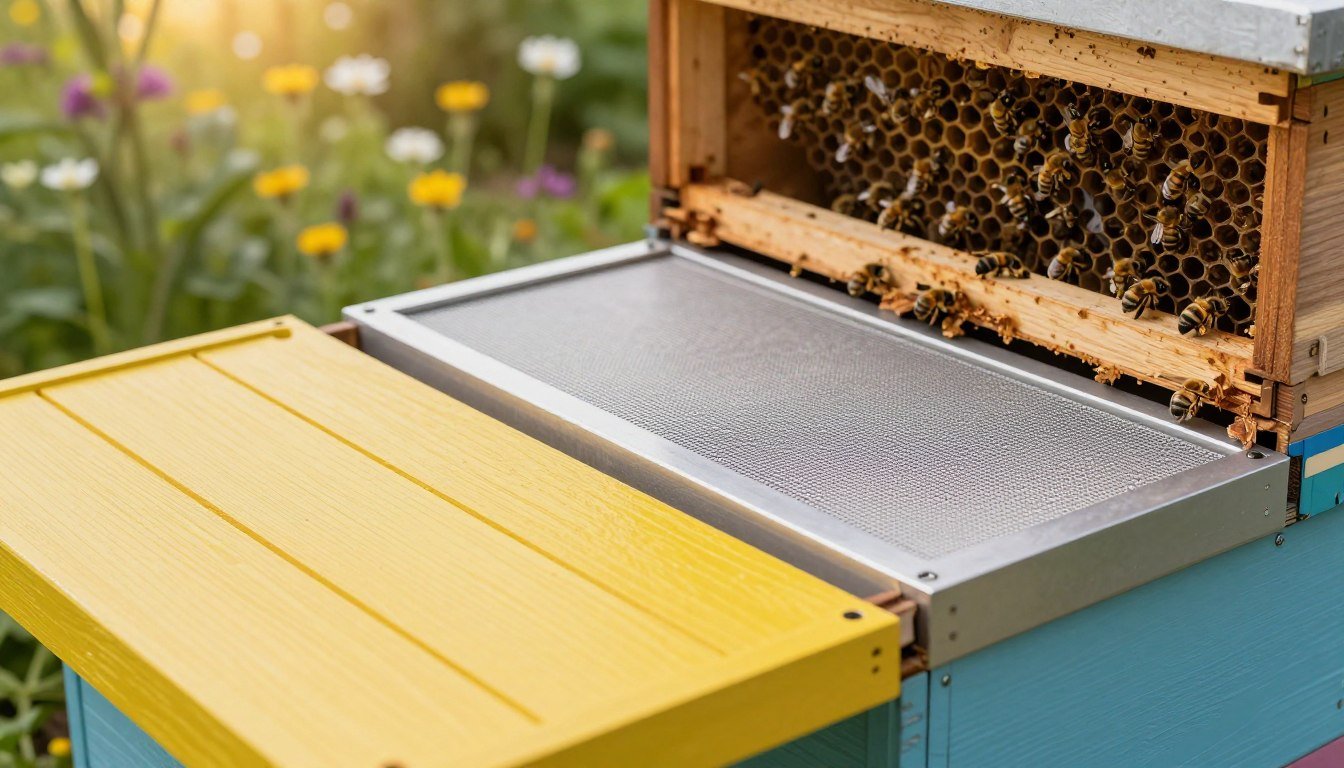
Mesh bases let mites and debris fall through. Many beekeepers place a sticky card under the screen to count fallen mites after a treatment. This gives a quick measure of pest pressure over time.
- Closed panel: lower cost, better insulation, blocks debris.
- Mesh base: improved ventilation, mite monitoring, needs careful pest checks.
- Mixed use: some keepers alternate types by hive or season to match local climate.
| Feature | Closed panel | Mesh base |
|---|---|---|
| Cost/Build | Lower; DIY friendly | Higher; requires mesh fitting |
| Ventilation | Limited | High |
| Pest monitoring | Limited | Easy (sticky card) |
| Debris control | Prevents drops | Allows fall-through |
For practical guidance on using a screened base with Langstroth hives, see using a screened base on a. To review common base types, check types of hive bases.
Evaluating the Benefits of Solid Bottom Boards
A fully enclosed base helps colonies hold pheromones and warmth, influencing brood timing in spring.
Propolis and immune response
Bees coat interior surfaces with propolis, a plant resin that boosts their immune defenses. On a solid bottom board, that resin stays in place and supports colony hygiene. European Honeybees show stronger immune responses in hives where propolis accumulates naturally.
Thermal regulation and brood development
Enclosed floors reduce heat loss during cold spells. When hive temperatures remain steady, the queen often begins brood rearing earlier. Less energy spent on heating means more honey stores remain for growth.
- Warmth retention: helps colonies survive harsh winters and protects stores.
- Pheromone retention: improves communication inside hive and coordination.
- Energy savings: bees expend less effort shivering, conserving honey for brood.
For a seasonal comparison and alternatives, see a detailed screened bottom boards comparison and tips for winter hive care.
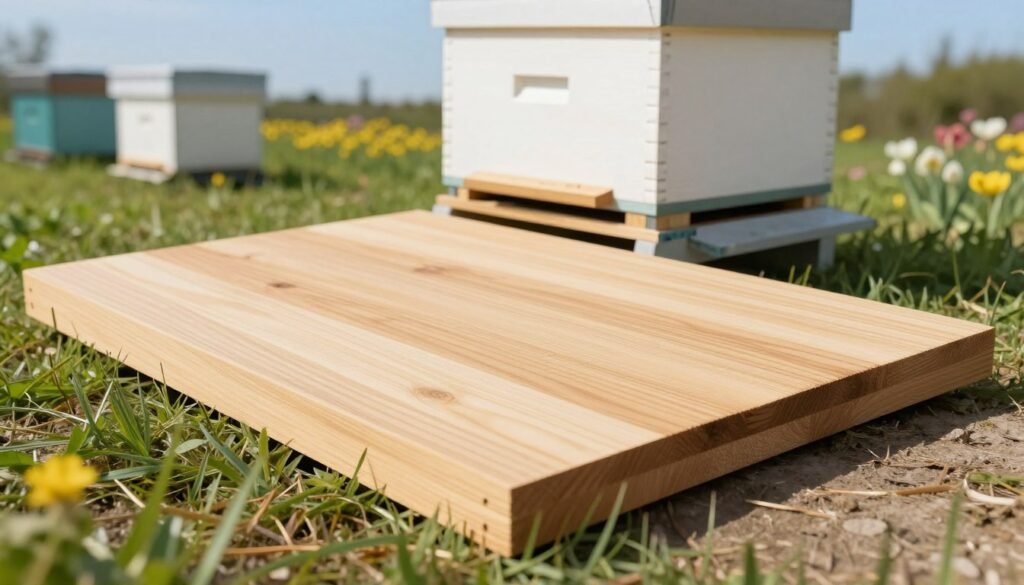
Analyzing the Advantages of Screened Bottom Boards for Hive Health
Adding a screened floor alters airflow and gives beekeepers a passive way to reduce mite loads.
Pest management: A screened bottom board can lower Varroa counts by about 20% in some setups. The mesh lets fallen mites drop through and away from the cluster. Beekeepers often place a sticky board under the screen to monitor mite fall and track treatment effectiveness.
Ventilation and moisture control: Improved airflow helps keep condensation down during warm months and makes the hive environment healthier for brood. The added ventilation reduces the need for bees to fan constantly, saving energy.
- Helps mites fall and lets keepers count debris on a sticky card.
- Supports summer cooling and prevents moisture problems inside hive.
- Can cause pheromone loss or allow comb to grow through the mesh if unmanaged.
- May let cold air in during harsh winter months, so plan seasonal swaps.
For more on medicated fumigation and screened advantages, see advantages during fumigation. For practical airflow tips, consult this hive ventilation guide.
Conclusion: Choosing the Right Bottom Board for Your Apiary
Conclusion: Choosing the Right Bottom Board for Your Apiary
Your choice of hive base should match local weather patterns and your beekeeping priorities.
In warm, humid areas a screened bottom board often improves ventilation and helps control moisture and mites. In cold regions, a solid bottom board preserves heat and supports winter survival.
If you keep just one or two hives, try both types over time. Observe hive activity, local climate shifts, and mite counts. These observations will guide a lasting choice that keeps your bees healthy.
Monitor regularly, adapt by season, and let colony health lead your decision—consistent care ensures strong hives year-round.
FAQ
What are the main differences between a solid bottom and a screened bottom in a hive?
The two types differ in airflow and debris handling. One type seals the hive floor, retaining warmth and pheromones, while the other uses mesh to boost ventilation and let debris fall through. The sealed option helps during cold months and keeps brood area warmer; the mesh option improves summer cooling and reduces varroa build-up beneath frames.
Will a screened option reduce mite problems?
Yes. Mesh under the brood area helps dislodge varroa from bees, letting mites fall away and making monitoring easier. It’s not a standalone control method but complements integrated pest management like drone comb trapping, oxalic or formic treatments, and regular inspections.
Does a sealed design help colonies survive winter better?
It often does. A closed floor conserves heat and helps bees maintain cluster temperature and protect stores. Retaining hive odors and pheromones also supports winter cohesion. Beekeepers in colder climates commonly prefer this for overwintering.
How does ventilation differ between the two types?
Mesh floors promote continuous airflow, reducing inside humidity and lowering condensation risks. Sealed floors limit passive ventilation, so you should rely on entrance management and top ventilation to control moisture and fresh air exchange.
Will one design affect honey production or brood health?
Indirectly. Better ventilation can reduce stress and disease pressure, supporting brood rearing and foraging activity. Conversely, a warmer, sealed interior can benefit brood development in early spring or cold climates. Colony strength, forage, and management choices have larger direct effects on yield.
Are there pests or debris concerns with mesh floors?
Mesh lowers debris inside the brood nest by allowing wax flakes, dead mites, and other waste to fall through. However, small rodents and hive beetles can still be an issue at the entrance or below the hive, so provide guards or traps as needed.
Can I switch floor types during the season?
Yes. Many beekeepers use a screened unit in warm months for ventilation and swap in a sealed panel for winter. Modular designs and removable inserts make seasonal changes simple without disturbing the cluster or combs.
Will one type change how I perform hive inspections or treatments?
The main differences are monitoring and treatment placement. With mesh, monitoring boards collect fallen mites for counting, and some treatments work better with improved airflow. With a sealed floor, ensure you manage moisture and may need different application points for vapor or trickle treatments.
How do climate and location influence the choice?
Climate matters a lot. Cooler, wetter regions often benefit from a sealed floor to retain warmth and limit moisture. Hot, humid areas gain from mesh for cooling and reducing fungal or mite pressure. Local forage, hive density, and winter length also help determine the best option.
Are there hybrid or adjustable options that combine benefits?
Yes. Many manufacturers offer removable inserts, slide-out boards, or hinged panels that allow you to switch between open mesh and closed surfaces. These let you optimize ventilation, winter warmth, and mite monitoring without replacing the entire hive floor.