Proper glove use was critical in past industrial safety efforts led by experienced professionals like Trevor J. Henderson. Clear practices kept every hand protected during vital inspection work across facilities.
Standardized training helped workers finish tasks in mere seconds while keeping safety standards high. Simple steps—inspection, test, and correct application—cut risk and saved time on the floor.
Removing contaminants from the surface and checking each glove for defects supported long-term hygiene and material care. Using the right soap and water preserved durability and reduced failures during use.
Key Takeaways
- Standard practices protect every hand during critical checks.
- Brief training shortened task time while maintaining safety.
- Inspect each glove before application to spot defects early.
- Proper soap and water care extend protective material life.
- Simple tests and removal steps cut the chance of failure.
Understanding the Importance of Glove Integrity
Material breakdown often starts small, but it quickly undermines protection during critical tasks. Regular checks guard against unseen wear that can let contamination reach the skin.
Identifying Material Degradation
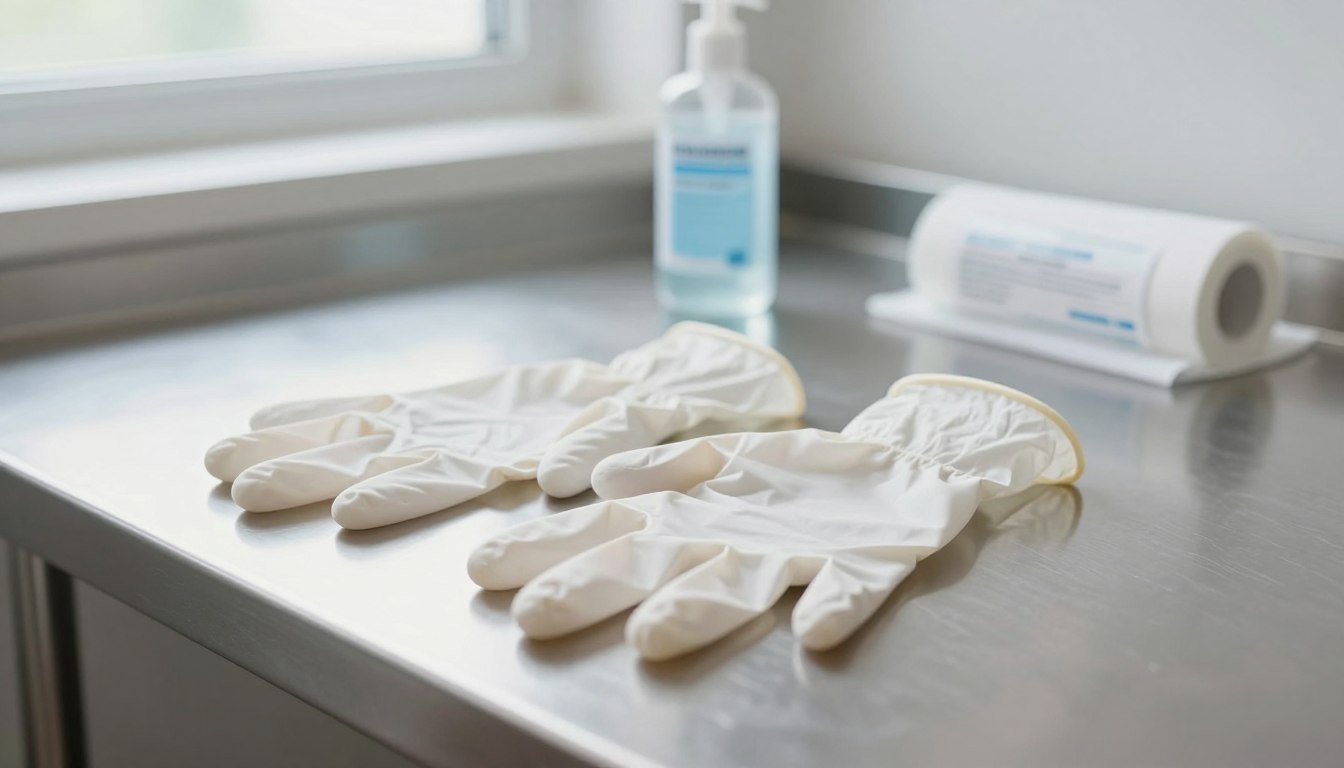
Visual inspection should be routine. Look for tiny cracks, thinning, or discoloration on the surface. Even minor abrasion can shelter bacteria in microscopic crevices.
Hartalega Holdings produces vast quantities of nitrile and latex, and their data show nitrile often resists chemicals better than other disposable types. Choose the right material by task and exposure risk.
The Role of PPE in Safety
PPE is only effective when intact. A puncture or compromised seam defeats protection in seconds and demands immediate replacement.
- Select the proper type for the task to reduce contamination risk.
- Perform a simple test routine before application to confirm fit and integrity.
- Record failures and cases of material wear to guide procurement and hand care policies.
| Attribute | Nitrile | Latex |
|---|---|---|
| Chemical resistance | High | Moderate |
| Durability | High | Variable |
| Allergy risk | Low | Higher (natural proteins) |
For practical guidance on setting up safe handling zones and small lab workflows, see this micro-lab setup that covers material choices and contamination control.
How to Sanitize Gloves Without Slowing Inspections
A fast, approved routine lets staff refresh a glove in seconds while keeping the line moving. MCR Safety’s data showed a facility that switched from single-use items to reusable nitrile saved about 70% in costs and kept hygiene standards high.
Use a specialized cleaning solution with warm water for brief rinses between tasks. This method removes surface contamination and lowers bacteria transfer risk in sensitive areas.
Training matters. Teach every worker the exact steps and timing, so each application and contact remains safe. Proper care and repeated practice make the process reliable across the facility.
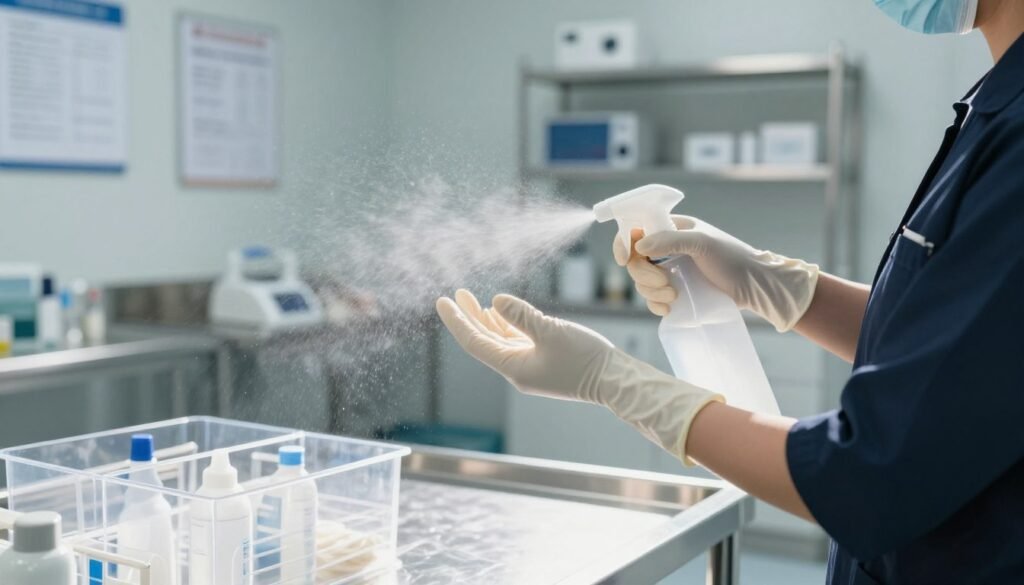
- Quick solution rinse + warm water clears contaminants in seconds.
- Reusable nitrile works well if cleaned with approved methods.
- Routine training reduces cross-contamination during each task.
For guidance on disposable options and correct use, see this brief reference on proper handling: disposable glove usage.
Best Practices for Pre-Inspection Glove Checks
A quick pre-inspection check can catch small defects before they become a safety risk.
Start with a visual scan. Look for tears, thinning, or discoloration in the material. Replace any item that shows wear.
Inflation test: gently inflate the glove and listen or feel for leaks. Non-sterile items often carry an AQL of 1.5–2.5, so this brief test saves time and reduces exposure.
Follow the manufacturer’s quality guidance for fit and permitted uses. Proper care during pre-use preserves effectiveness across the shift.
Testing for Pinholes and Leaks
- Inflate each glove and inspect for air loss or wet spots on a light surface.
- Discard disposable gloves immediately if any damage is found; they are not repairable.
- Check before every task to keep contamination from reaching your hands and maintain hygiene.
For broader procurement and inspection planning, consult this essential safety gear guide for guidance on quality standards and nitrile options.
Effective Cleaning Methods for Reusable Materials
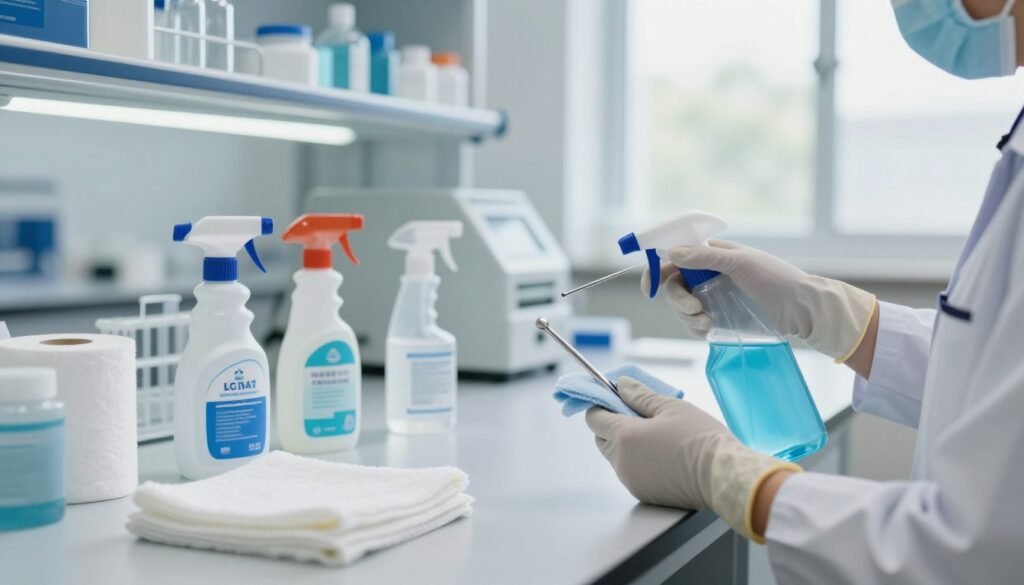
Well-defined cleaning methods protect staff and maintain material performance across the day. Follow the manufacturer’s guidance for each material before any treatment.
Hand Washing Procedures
Use soap and warm water for items that cannot enter a laundry cycle. Gently scrub the surface and seams for at least 20 seconds.
Rinse thoroughly and air dry on a clean surface. This method lowers bacteria transfer and preserves fit for repeated use.
Hydrogen Peroxide Rinsing
A 3%–6% hydrogen peroxide soak is effective for sensitive items. Soak for 2–3 hours, then rinse with water and inspect the material.
Note: Some chemicals can damage nitrile or other synthetics; always confirm compatibility with the manufacturer.
Machine Washing Guidelines
When the material allows, machine wash at 140°F for 15 minutes and tumble dry at 131°F for 15 minutes for optimal results.
| Method | Settings | Best For |
|---|---|---|
| Hand wash | Soap + warm water, 20 sec scrub | Delicate materials, quick refresh |
| Hydrogen peroxide soak | 3%–6%, 2–3 hours | Deep bacteria removal |
| Machine wash | 140°F, 15 min wash; 131°F tumble 15 min | Durable reusable items |
Follow each procedure precisely to ensure effectiveness. Proper care keeps hands protected and extends the usable life of reusable items throughout the day.
Minimizing Cross-Contamination During Tasks
Simple on-task rules reduce the risk that a single contact will contaminate an entire environment. Keep work zones clear and limit what you touch while wearing protective layers.
Avoid touching your face or personal items during an application. Phones, pens, and door handles can carry bacteria across surfaces and hands.
Training matters. Teach each worker proper removal steps so contamination does not reach skin or nearby areas. Practice builds speed and confidence; tasks finish in seconds without added risk.
“Remember: a glove is a barrier, not a substitute for hand hygiene.”
- Never handle personal devices while the glove has contact with hazardous material.
- Clean work areas regularly to limit bacteria buildup in shared spaces.
- Reinforce that full protection includes hand washing after removal.
| Action | Why it matters | Quick tip |
|---|---|---|
| Avoid face contact | Prevents transfer from surface to skin | Designate a phone-free work area |
| Removal training | Stops contamination during glove exit | Practice the two-stage peel method |
| Area cleaning | Reduces environmental bacteria load | Wipe high-touch surfaces between tasks |
For broader workplace guidance on preventing cross-contamination, see this cross-contamination overview. For unconventional tips on calm handling and focused practice during tasks, this note on field techniques is useful: calm handling methods.
Proper Removal Techniques for Maximum Safety
Proper removal traps contamination inside the material and protects the skin during exit.
An ordered routine reduces contact with the outer surface. Start by removing rings, watches, and bracelets as NR32 requires. This step prevents tears and lowers the chance of a puncture during removal.
Turn the glove inside out while peeling. This keeps contaminants sealed away from your hands and makes disposal safer.
After removal, wash your hands with soap and water for at least 20 seconds. This removes residual bacteria and any chemical traces that may have reached the skin.
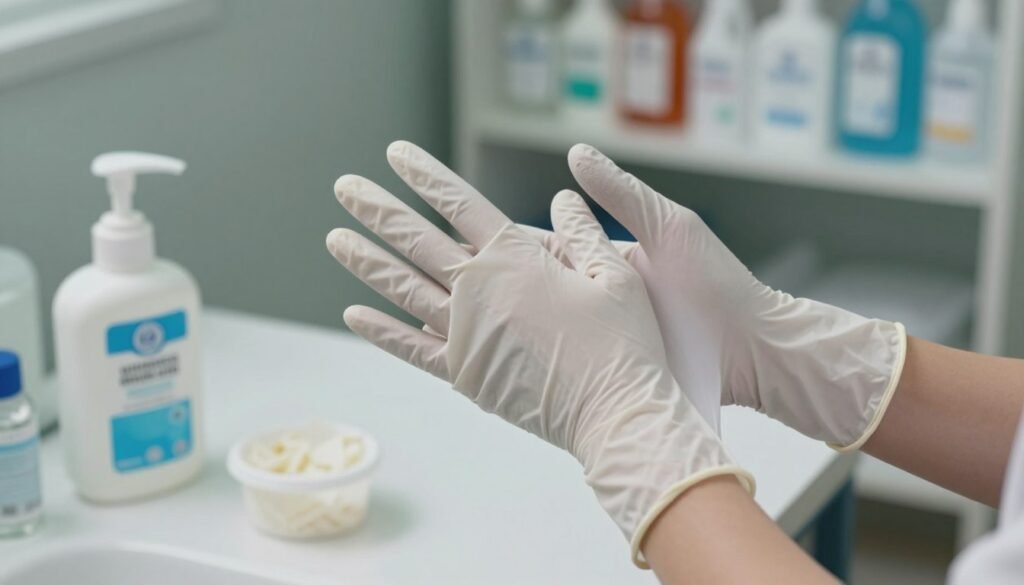
Disposable gloves must be discarded immediately; they are not made for reuse in any industrial case. Treat each removal as a critical procedure to maintain PPE effectiveness.
- Remove jewelry before exit to prevent tearing.
- Peel inside out to avoid surface contact with skin.
- Discard single-use items and wash hands promptly.
| Step | Risk Reduced | Average Time |
|---|---|---|
| Remove jewelry | Prevents tears and snags | 5–10 seconds |
| Peel inside out | Contains contamination | 10–15 seconds |
| Discard & wash hands | Removes bacteria and chemicals | 20–30 seconds |
For step-by-step training and best practices on donning and doffing, consult this cleanroom donning and doffing guide.
“Every removal is a final safety check; treat it with care.”
Storage Solutions to Extend Glove Lifespan
Store protective layers where cool air circulates and direct light cannot reach the material.
Proper storage extends usable time and keeps hands ready for the next application. Follow the manufacturer’s guidance for each type and label storage areas by material.
Environmental Factors for Storage
Heat, UV, and humidity speed material breakdown and raise bacteria risk. Keep boxes off floors and away from vents.
After cleaning with warm water and a mild solution, ensure items are fully dry before placing them in storage. Moisture traps bacteria and shortens lifespan.
- Designate cool, dry compartments for nitrile and synthetic items.
- Store cotton or fabric liners in breathable containers to avoid mildew.
- Rotate stock by expiration or manufacture date to use older items first.
| Storage Factor | Best Practice | Why it matters |
|---|---|---|
| Temperature | Cool (50–72°F) | Prevents material softening and loss of elasticity |
| Light | Dark storage or opaque boxes | UV degrades polymers and colors |
| Moisture | Dry shelving, airflow | Stops bacteria growth and mold |
| Separation | Store by type and manufacturer | Avoids chemical migration and mix-ups |
Train staff on storage routines and include checks in daily workflows. Proper training keeps hygiene standards and ensures that every hand is protected when needed.
For common pitfalls and setup tips, consult this glove storage mistakes guide.
Conclusion
Consistent attention to protective layers turns daily routines into reliable shields against contamination. Follow clear methods and steady practices to keep staff safe and maintain operational quality.
Prioritize hygiene, brief inspection steps, and correct removal for each use. These actions protect the hand and reduce bacteria transfer while preserving material life and overall protection.
Regular care and training improve effectiveness across the facility. Choose the right glove, store items properly, and record any failures. Small, repeated steps deliver big gains in safety and health.
FAQ
What quick checks can I perform before inspections to confirm glove integrity?
Visually inspect for tears, discoloration, swelling and surface defects. Run a brief leak test by inflating disposable nitrile or latex gloves with air or submerging in water to spot pinholes. Check seams and fingertips for thinning. These fast steps add seconds but prevent cross-contamination and failed inspections.
Which glove materials are safest for repeated cleaning and reuse?
Reusable gloves made of neoprene, butyl, and thicker nitrile tolerate repeated cleaning better than thin latex. Consult manufacturer care instructions and chemical compatibility charts for detergents, hydrogen peroxide and alcohol-based disinfectants. Replace gloves once elasticity or surface texture degrades.
Can alcohol or hydrogen peroxide be used between inspection points without harming gloves?
Short contact with 70% isopropyl alcohol or diluted hydrogen peroxide is generally safe for many nitrile and neoprene gloves, but repeated use can dry and embrittle some materials. Test a small area or refer to the glove supplier — Kimberly-Clark and Ansell publish compatibility guides — before regular application.
What rapid cleaning method balances speed and microbial reduction?
Wiping with EPA-registered disinfectant wipes designed for PPE provides fast decontamination while keeping inspectors on schedule. A one-step disinfectant wipe followed by visual inspection takes less than a minute. Avoid harsh solvents that compromise glove polymer integrity.
Is it better to change disposable gloves between each inspection or disinfect and reuse?
For high-risk contamination or tactile precision tasks, single-use disposable gloves minimize cross-contamination. For lower-risk, sequential inspections, disinfecting with approved wipes or brief rinses can be acceptable if the glove material is compatible and integrity checks pass.
What are efficient hand-washing procedures when using reusable gloves?
Wash hands with warm water and mild soap for 20 seconds before donning and after doffing reusable gloves. When gloves are removed for cleaning, follow the same hand hygiene. Proper hand care reduces contamination and extends glove life by preventing transfer of oils and chemicals.
How do I test gloves for pinholes quickly and reliably?
Fill the glove with air or water, close the cuff, and look for escaping bubbles or wet spots. For bulk checks, submerge the cuffed glove in a water tank and squeeze; bubbles indicate leaks. This method is fast and effective for both disposable and reusable types.
What machine washing guidelines apply to reusable glove materials?
Use manufacturer-recommended temperatures and mild detergent cycles. Avoid bleach and high heat that degrade polymers. Air-dry or use low-temperature dryer settings. Record cleaning cycles to track material fatigue and schedule replacements.
How should gloves be removed to minimize contamination risk?
Use a glove-in-glove removal: pinch the outside of one cuff and pull off turning it inside out, hold removed glove in the remaining gloved hand, slide fingers under cuff of second glove and peel off over the first. Dispose or place for cleaning immediately and perform hand hygiene.
What storage conditions extend glove lifespan and maintain safety?
Store gloves in a cool, dry place away from direct sunlight and ozone sources (like motors). Keep them in original packaging or sealed containers at controlled temperatures (ideally 50–77°F). Avoid contact with solvents and oils that can degrade materials.
How do I train staff to maintain inspection speed while following glove-care protocols?
Implement short, hands-on training modules covering quick integrity checks, approved disinfectant use, removal techniques and storage rules. Use timed drills and checklists so practices become fast and repeatable. Provide manufacturer data sheets and schedule refresher sessions.
Are there environmental or safety concerns when using chemical disinfectants on gloves repeatedly?
Yes. Repeated exposure to oxidizers, strong alkalis or solvents can weaken glove polymers and release residues. Choose EPA-registered products compatible with glove materials, ensure adequate ventilation and follow MSDS guidance to protect worker health and material performance.
What indicators suggest a glove must be retired even if it looks okay?
Loss of elasticity, persistent stickiness, surface cracking, thinning at fingertips or cuff stiffening indicate polymer breakdown. Increased tactile dullness or failure during a routine leak test also require immediate replacement to maintain inspection quality and safety.
Which documentation or quality data should a facility track for glove use and care?
Record lot numbers, supplier compatibility guides, cleaning cycles, inspection failures, and replacement dates. Track chemical exposure incidents and training completion. These records support traceability, supplier claims and continuous improvement in glove management.