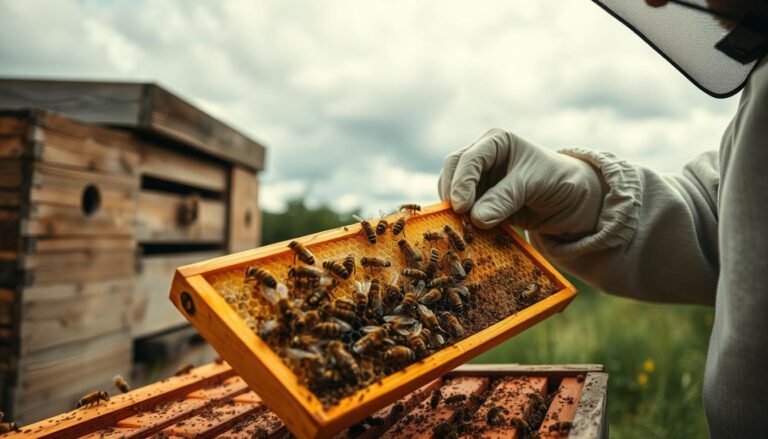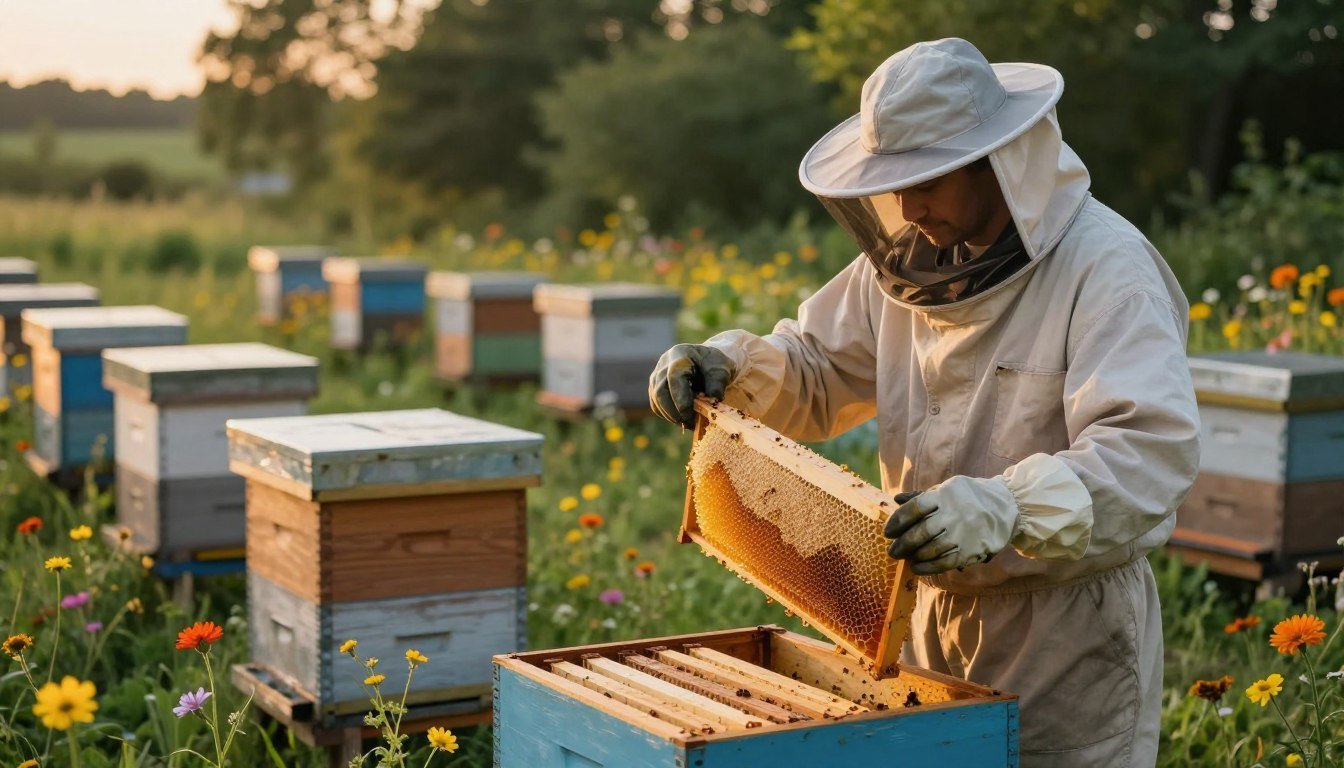
Healthy colonies need careful attention to frames and foundation. Regular checks protect bees and preserve honey stores. Old wax can hold residues and pathogens that harm brood and reduce hive strength.
Inspect boxes each spring and fall. Clear the bottom board and entrance, and review supers for weak frames. Replacing 20–30% of old comb each year gives new bees a cleaner start and cuts chemical buildup in wax.
American foulbrood is a serious risk in neglected combs. If you spot signs, act quickly and consult best practices. For guidance on repairing boxes and keeping equipment sound, see repairing damaged hive boxes.
Key Takeaways
- Keep frames and foundation fresh; rotate about 20–30% yearly.
- Inspect hives in spring and fall; check entrances and bottom boards.
- Old wax may harbor pathogens like American foulbrood; replace suspect combs.
- Well-maintained equipment supports brood, honey, and pollen storage.
- Use active management during winter and spring to protect colony health.
The Role of Comb in Hive Health
Healthy honeycomb underpins every thriving hive, serving both brood and pantry roles. Bees build cells that raise brood and hold honey and pollen. Good comb gives the colony a clean place for growth and storage.
Functions of Honeycomb
The architecture of frames and drawn comb shapes colony life. Cells are nursery chambers for brood and sealed jars for honey.
Bees craft this structure inside your boxes and supers, and proper equipment maintenance keeps those spaces usable. Proper frame care supports brood comb renewal and steady honey yields.
Impact of Residue
Wax is porous. Over time it can absorb pesticides, hive treatments, and environmental residues. That buildup affects brood health and overall hive resilience.
Even with plastic foundation, drawn comb remains porous and needs review at regular intervals. For practical advice on replacing old material and recycling healthy wax, read this comb care guide.
- Frames and boxes are the hardware; drawn combs are the software of the hive.
- Monitor cells for darkening and debris that may signal wear.
- Store spare frames correctly to prevent pests and preserve wax quality — see frame storage tips.
Why You Must Know When to Discard Comb After Disease
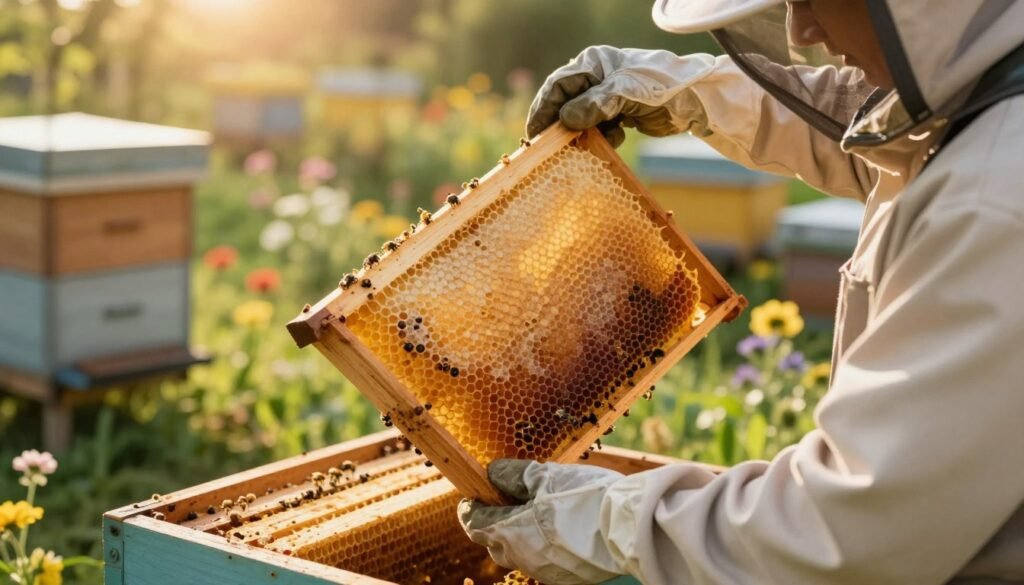
Knowing when to remove tainted frames can stop pathogens from spreading through your apiary. American foulbrood spores can survive in frames and boxes for decades, so one infected frame puts an entire hive at risk.
If a colony dies and the cause is unclear, remove old comb and clean the box right away. In fall and winter, check the brood nest carefully so contaminated cells do not infect new bees in spring.
Proper disposal of infected honey and pollen stores is essential. Reusing exposed frames raises the chance that mites and other pathogens will move into healthy hives.
Each year, evaluate wax and cells and rotate old material out. For practical discussion on handling contaminated comb, see handling contaminated comb.
- Remove suspect frames promptly.
- Sanitize boxes and store clean frames properly.
- Keep records of years and sources for every frame.
Recognizing Signs of Aging and Contamination
A close look at cell color tells the story of years spent rearing brood. Light, clean cells mean recent use, while darker cells show many cycles of bees emerging and cocoons left behind.
Visual indicators of age include heavy darkening, packed debris in cells, and frames that look nearly black. This is a natural result of repeated use as bees walk and rear brood in the same places.
Visual Indicators of Age
Brood cells darken over time because cocoons accumulate after each cycle. Old comb often turns deep brown or black.
Inspect frames and boxes for buildup, broken cells, or sticky residue. These signs reflect the condition and the time the colony has spent using specific cells.
Chemical Absorption
Wax soaks up treatments and environmental chemicals. Even when honey looks clean, residues can hide in wax and increase through winter and the active season.
- Wax absorbs mite treatments and other chemicals.
- Regularly rotating frames reduces residue buildup and exposure for bees.
- Inspect for contamination and act early to protect brood and hives.
| Sign | What it Means | Action |
|---|---|---|
| Darkened cells | Many brood cycles; heavy use | Consider replacing older frames |
| Sticky residue | Possible chemical buildup | Rotate frames and test wax if needed |
| Debris in cells | Wear and contamination risk | Clean boxes and store spares properly |
| Uneven brood pattern | Colony stress or mites | Inspect brood comb and monitor mites |
For guidance on managing contaminated equipment and best practices for control, consult disease management and guidelines for honey.
Managing Frames from Deadout Colonies
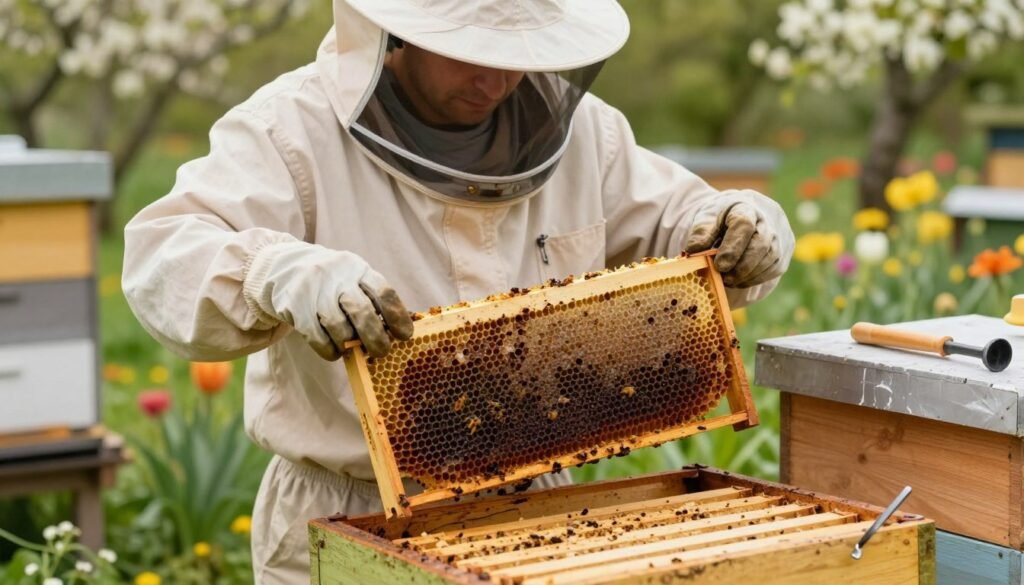
A careful review of frames from a dead colony starts with tracing the likely cause of loss.
Begin by checking the brood nest, entrance, and bottom board for signs that reveal why the bees failed. Look for odd brood patterns, mite frass, or rotted stores.
Assessing Cause of Death
If American foulbrood is suspected, do not reuse brood comb. Remove those frames and sanitize the box and supers thoroughly.
If winter starvation is evident, honey and pollen stores are often safe to move into healthy hives. Freeze old comb for at least 24 hours before reuse to kill wax moths and mites.
- Scrape the bottom board and seal boxes for storage.
- Inspect frames and cells carefully for wax moth damage.
- Handle suspect frames conservatively; err on the side of safety.
| Situation | Clues | Recommended Action |
|---|---|---|
| Infection (e.g., AFB) | Spotty brood, sunken caps, odd odor | Remove brood frames; sanitize boxes; do not reuse |
| Starvation | Empty cells, clustered bees, minimal debris | Harvest safe honey; freeze frames 24 hrs before reuse |
| Wax moth invasion | Webbing, frass, tunneled wax | Freeze or destroy affected frames; store sealed boxes |
For practical handling tips and storage advice, consult the extension FAQ and a guide on handling cross-comb. Proper fall and spring equipment care limits risk across all colonies.
Best Practices for Comb Rotation
Plan a yearly rotation schedule so no frame stays in active use beyond a few seasons.
A common practice is to replace 20–30% of the comb each year. This helps limit wax residue and keeps cells ready for new bees.
Keep brood frames together in the center of the brood nest. This keeps temperature steady and supports healthy brood development.
- Move older frames toward the outside of the box so bees move honey and pollen off them.
- Place new frames or plastic foundation on the edge of the brood nest to encourage building.
- Check supers and boxes in spring and fall so the colony has room for growth and stores.
Rotate frames regularly. This lowers debris buildup in cells and reduces long-term risks for the hive. If a frame is too old or damaged, replace it with new frames to keep productivity high.
| Action | Reason | When |
|---|---|---|
| Replace 20–30% frames | Reduce wax buildup and residues | Annually |
| Keep brood frames centered | Maintain temperature for larvae | All season |
| Add new frames at edge | Encourage bees to draw fresh cells | Spring and fall checks |
For tips on how to encourage bees to clean old comb, see encourage bees to clean old comb. This method supports steady renewal across your apiary and helps protect honey and brood health.
Strategies for Safe Disposal of Infected Material
A fire-safe burn of infected frames is often the clearest way to stop spores from spreading across apiaries. Removing tainted material quickly protects other bees and limits risk to nearby hives.
Never reuse equipment from a colony that suffered a severe infection. Frames, box parts, and foundation that held brood or honey can harbor spores for years.
Handle honey and pollen stores as hazardous if infection is confirmed. Destroy those stores so scavenging bees cannot carry contamination into healthy colonies.
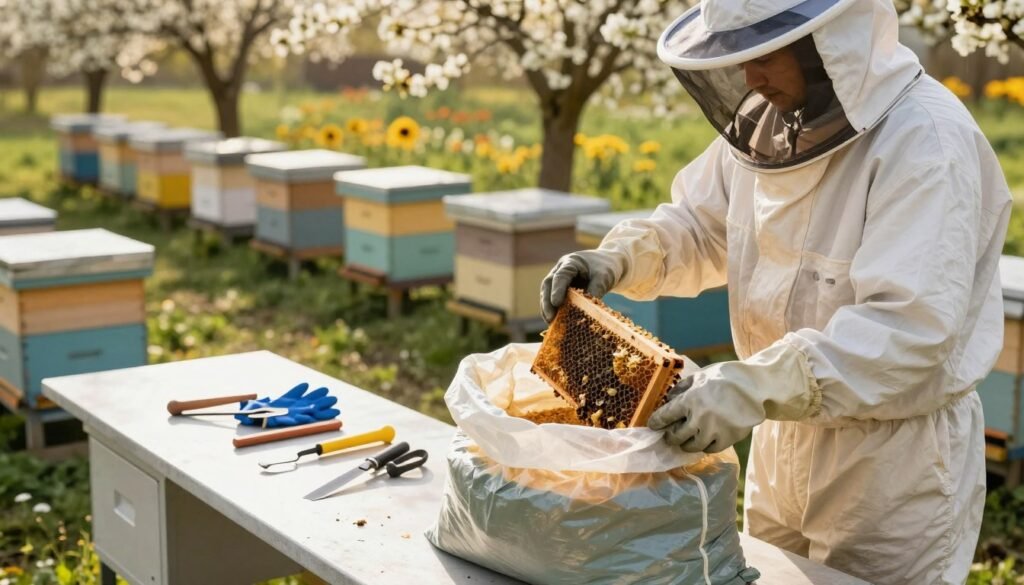
- Burn infected frames and old comb in a safe, legal location.
- Wear protective gear while moving boxes and frames to avoid spreading spores.
- Keep the disposal site distant from active hives and winter storage areas.
- Dispose of wax and foundation that test positive; do not recycle suspect material.
Record actions for each hive and keep follow-up inspections scheduled. These steps preserve colony health and protect your beekeeping operation long term.
Techniques for Recycling Healthy Wax
Extracting pure wax from serviceable combs keeps materials in circulation and strengthens hive care.
Rendering beeswax can be done with a solar wax melter or a double boiler. Place clean frames in the melter and strain the liquid through cheesecloth. This removes debris and leftover honey while preserving useful wax.
Creating New Foundation
Use filtered beeswax to coat foundation sheets. Fresh wax helps frames accept new draw and speeds building. Many beekeepers prefer this over plastic foundation for natural brood and storage cells.
Crafting Products
Clean wax makes candles, salves, and polish. Processing your own wax cuts costs and reduces waste in the box or shed. Store rendered beeswax in a cool, dry place to avoid spoilage and moths.
- Practical tip: Verify that any old material is free from infection and moths before melting.
- Tools: Solar melter, double boiler, fine strain cloth, clean pans.
- Benefit: Recycled wax supports foundation renewal and keeps honey-safe storage within your hive system.
| Step | Purpose | Outcome |
|---|---|---|
| Render wax | Remove impurities and honey | Clean beeswax for use |
| Coat foundation | Encourage bees to draw cells | Faster comb build in frames |
| Make products | Value-added use of wax | Candles, salves, polishes |
For handling tricky build patterns, see advice on fix cross-comb in a hive.
Seasonal Considerations for Hive Maintenance
Small seasonal steps protect brood, preserve honey, and extend the life of wax and frames.
In spring, clean the bottom board and check the entrance so bees have a clear path. Inspect frames near the brood nest and confirm the colony has space for growth.
During the active season, monitor honey and pollen stores. Spot shortages early and move supers or feed as needed to support brood rearing.
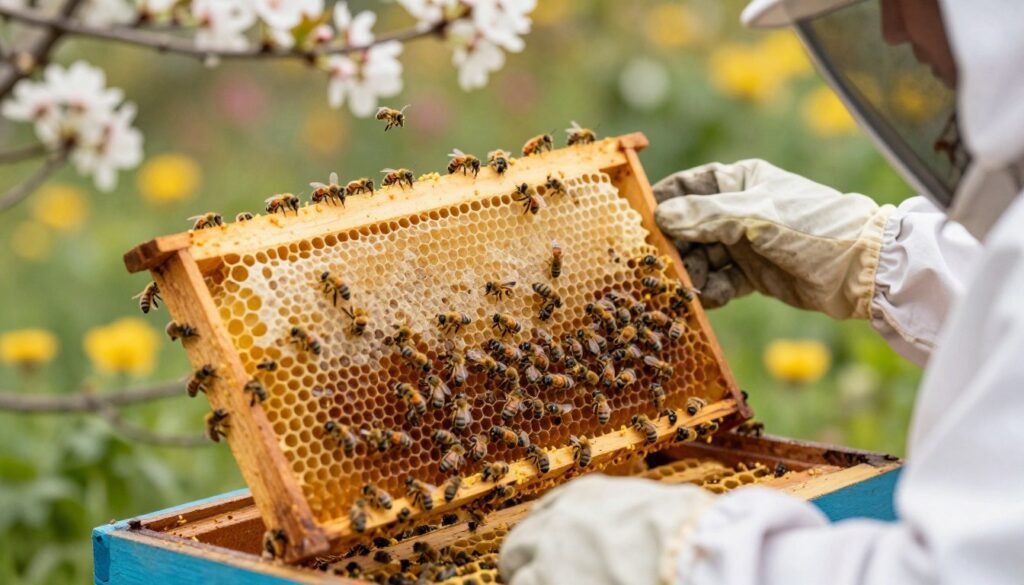
Fall is the best time to evaluate frames and decide which need replacement before winter. Seal boxes and supers well as you prepare for colder months.
“A steady seasonal routine keeps surprises low and helps colonies bounce back faster.”
Every year, adjust your plan for local weather and floral flow. Simple, regular checks of the entrance, bottom, and a sample frame will keep problems small and manageable.
For a practical checklist and extended advice, consult this hive maintenance guide.
Preventing Future Pathogen Buildup
Simple, regular maintenance is the most effective barrier against long‑term contamination in hives. Keep a calendar for inspections and note the age of each frame so you can rotate older material out on schedule.
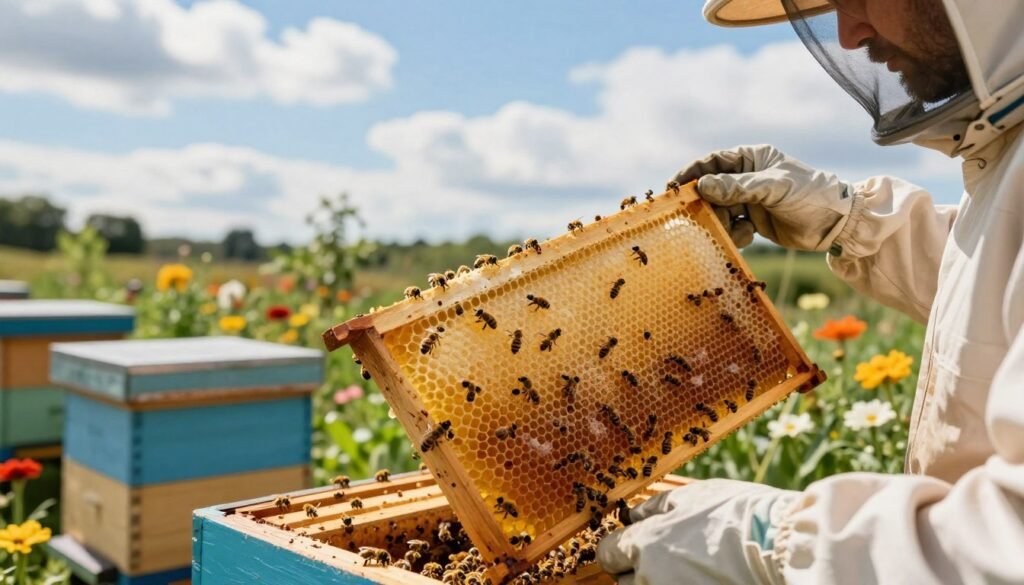
Replace old comb every few years to cut chemical and mite accumulation. Clean equipment after a sick colony and avoid sharing frames between boxes, especially if american foulbrood is in your area.
During winter, scrape and sanitize boxes so they are ready for new bees in spring. Monitor honey and pollen stores; early spotting of odd patterns or sticky residue lets you act before the colony weakens.
- Keep records: date each frame, note treatments and inspections.
- Use quality foundation: good wax and solid frames speed rebuilding.
- Limit transfers: moving frames spreads mites and chemicals if not checked.
For deeper reading on colony-level trends and practical prevention, see a detailed study on colony buildup and decline and tips on preventing fungal issues like chalkbrood at preventing chalkbrood.
Conclusion
A clear plan for frame rotation keeps hives productive and lowers long‑term risk. Replace a portion of old frames each year and record their age so your bees have steady support.
Prioritize clean foundation and good brood space. Healthy frames help bees build strong brood patterns and store clean honey for the season ahead.
Recover usable wax through careful rendering and reuse. Proper handling of combs preserves wax value and supplies high‑quality material for new foundation and craft work.
Stay vigilant for odd signs in combs and act quickly when problems appear. With consistent care of equipment and attention to your bees, you will protect colonies and enjoy reliable honey yields year after year.
FAQ
How long should brood frames stay in service before replacement?
Replace brood frames every three to five years as a general rule. Older comb darkens from cocoons, pollen and propolis. Dark comb holds more residues and has smaller cell diameter, which can increase Nosema and Varroa pressure. Inspect frames each spring and replace a portion yearly to keep brood comb fresh without stressing colonies.
What signs show a frame is contaminated or unsafe?
Look for sunken or perforated cappings, foul odors, sticky residues, or visible mould in cells. Heavily spotted wax, a greasy feel, or unusual staining can indicate chemical absorption or disease remnants. Also note wax moth galleries and framing damage; those frames should be quarantined and treated or destroyed.
Can I salvage wax from a deadout colony?
Yes. Salvage only clean, light-colored comb not linked to brood disease. Cut away dark brood foundation and melt light honeycomb; use high heat rendering to kill pathogens and wax moth larvae. Filter and bleach-free refine the wax for new foundation or craft uses, keeping disease control protocols in mind.
How should frames from an American Foulbrood (AFB) apiary be handled?
Frames from AFB must be incinerated or professionally sterilized. Follow state regulations—many require burning or gamma irradiation. Do not reuse comb, and thoroughly disinfect equipment and hive boxes. Notify local apiary inspectors for guidance to prevent spread.
Is heating wax enough to eliminate spores and pests?
Standard rendering temperatures reduce wax moths and many pests, but Paenibacillus larvae spores (AFB) resist common heat levels. High-temperature sterilization, chemical treatments approved by regulators, or complete destruction are needed for confirmed AFB. For general pests, rendering at 140–150°F with filtration helps, but follow lab-validated protocols for serious pathogens.
What rotation schedule limits residue buildup and disease risk?
Rotate frames on a staggered annual plan: replace one-fifth to one-quarter of brood frames each spring. Move older comb from the brood nest to supers before removing them entirely. This keeps cell sizes suitable for brood and reduces pesticide and pathogen accumulation over time.
How do I assess whether a dead colony’s frames are usable?
Determine the cause of the deadout first—inspect for mites, starvation, AFB, EFB, or pesticide kill. If mites or starvation caused loss, frames may be reusable after rendering or replacement. If disease or chemical contamination is suspected, err on the side of disposal and decontaminate boxes and hardware.
What are safe disposal methods for infected comb and hive parts?
Follow local apiary rules. Common methods include incineration, deep burial where permitted, or professional off-site disposal. Do not move infected material between apiaries. Clean and sterilize hive tools, smokers, and surfaces with heat or approved disinfectants after disposal.
How can I recycle clean wax into new foundation safely?
Render clean wax at controlled temperatures, strain to remove debris, and use foundation presses or commercial services to produce sheets. For brood foundation, prefer wax from healthy colonies and consider new foundation or plastic foundation in high-risk areas. Label and date foundation to track source material.
Are plastic foundations safer than wax for disease control?
Plastic foundation resists absorption of residues and is easier to sanitize. It can be a good choice where disease or pesticide risk is high. Some bees prefer natural brood cell sizes found in wax, so monitor acceptance. Use sanitized plastic frames and rotate them per manufacturer guidelines.
When should supers be stripped versus replaced?
Supers with light honeycomb can be stripped and wax rendered for reuse. If comb shows dark staining, greasy feel, or pests, replace or process separately. Keep honey supers free from old brood comb to limit contaminants entering honey stores.
What seasonal timing helps minimize colony stress when changing frames?
Perform most frame rotations and replacements in early spring after first inspections, or in late summer when colonies are strong. Avoid major comb changes in midwinter or during dearths. Moving frames gradually helps maintain brood continuity and reduces queen rejection risk.
How does pollen and propolis affect comb longevity?
Pollen and propolis build-up darken and stiffen comb, trapping residues and reducing cell volume. While these substances help colony health, excessive accumulation over years can harbor residues and parasites. Routine comb rotation reduces long-term buildup and preserves healthy cell structure.
What practices reduce future pathogen buildup in my apiary?
Use integrated pest management: monitor Varroa regularly, practice timed comb rotation, avoid reusing comb from suspicious deadouts, and maintain good nutrition and hive placement. Sanitize tools, limit chemical treatments, and coordinate with nearby beekeepers to control regional disease pressure.