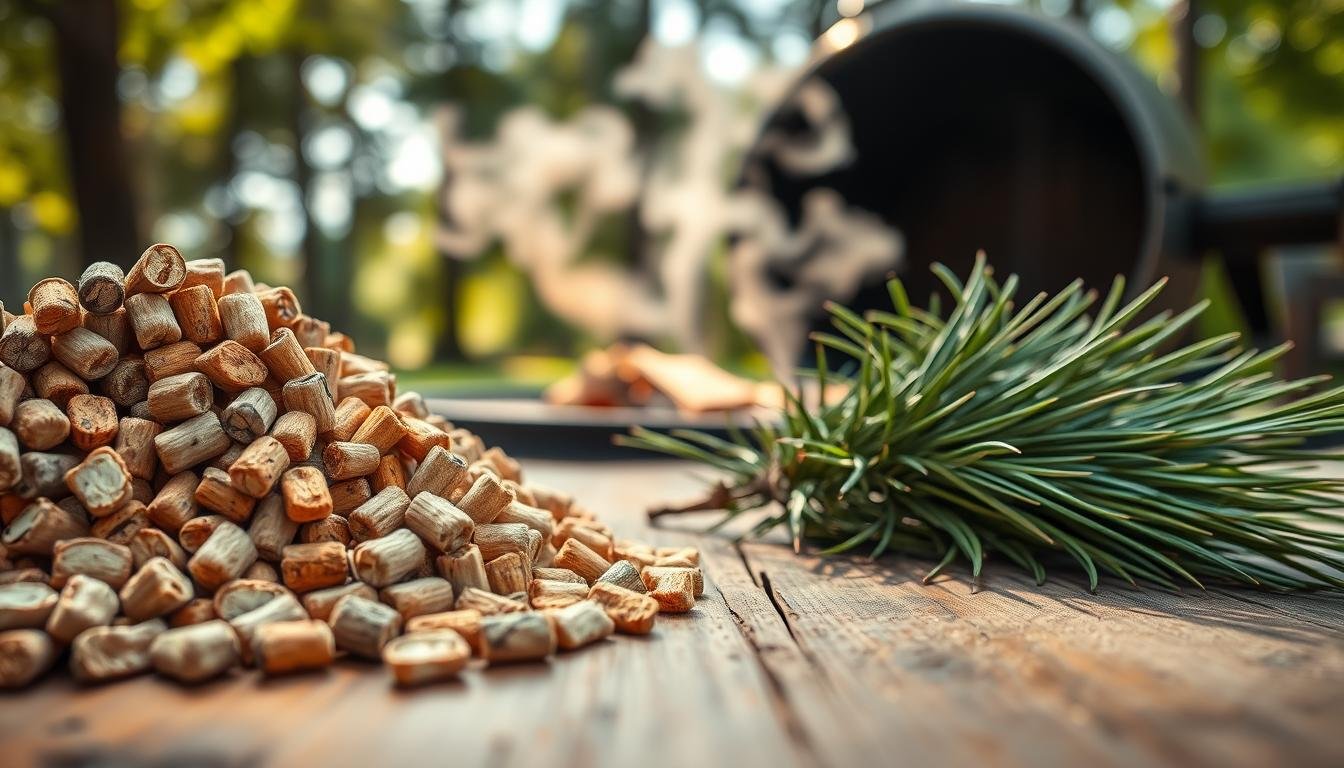
Choosing the right fuel shapes the taste of your barbecue. Around 80% of American homeowners own a grill or smoker, so fuel decisions matter for many people. Over the last 30 years, the way we pursue a smoky flavor has changed a lot.
Professional-grade wood pellets and DIY wood alternatives produce very different heat and smoke patterns. A high-quality bag sold by the pound gives steady temperature control that charcoal or gas can’t match. That steady heat helps deliver consistent results when grilling pork, beef, or other meats.
Experimenting with apple, cherry, oak, or hickory affects taste and aroma. The right blend influences the final result more than many people realize. For practical tips on safe, reliable fuels and small-batch techniques, see this guide on calm beekeeping fuels for inspiration: fuel options for steady smoke.
Key Takeaways
- A steady bag of wood pellets delivers consistent temperature and predictable results.
- Different wood types — apple, cherry, oak, hickory — shape the smoky flavor.
- Many homeowners now prefer modern grilling tech for ease and control.
- DIY organic fuels may smolder differently and affect heat and smoke time.
- Choose fuel based on the meat, flavor goal, and control needs.
The Evolution of Grilling Fuel
Outdoor cooking fuel has moved from simple charcoal pits to refined, engineered wood options that promise steadier heat.
In the United States, ownership of a backyard grill pushed manufacturers to innovate. The Hearth, Patio & Barbecue Association notes wide adoption, which created demand for cleaner, more consistent products.
Early cooks relied on lump charcoal and open-fire techniques. Those methods gave uneven heat and unpredictable smoke patterns.
Today, many grillers choose convenience and control. Processed wood sources burn cleaner and help maintain steady temperatures during long cooks. This shift favors flavor consistency and ease of use over the risk and variability of raw forest debris.
Practical note: For practical reading on traditional and modern approaches to wood grilling and smoking, see wood grilling and smoking.
| Era | Common Fuel | Key Benefit |
|---|---|---|
| Early backyard | Lump charcoal | Simple, high heat |
| Transitional | Raw wood | Robust smoke, variable heat |
| Modern | Engineered wood products | Consistent burn, cleaner smoke |
Understanding the Best Smoker Pellets vs Pine Needles
Consistency in fuel composition is what separates clean burns from bitter smoke. Professional BBQ bags are engineered so each pound behaves predictably in temperature and aroma. That matters when you run a long cook on a pellet grill.
Composition of BBQ Pellets
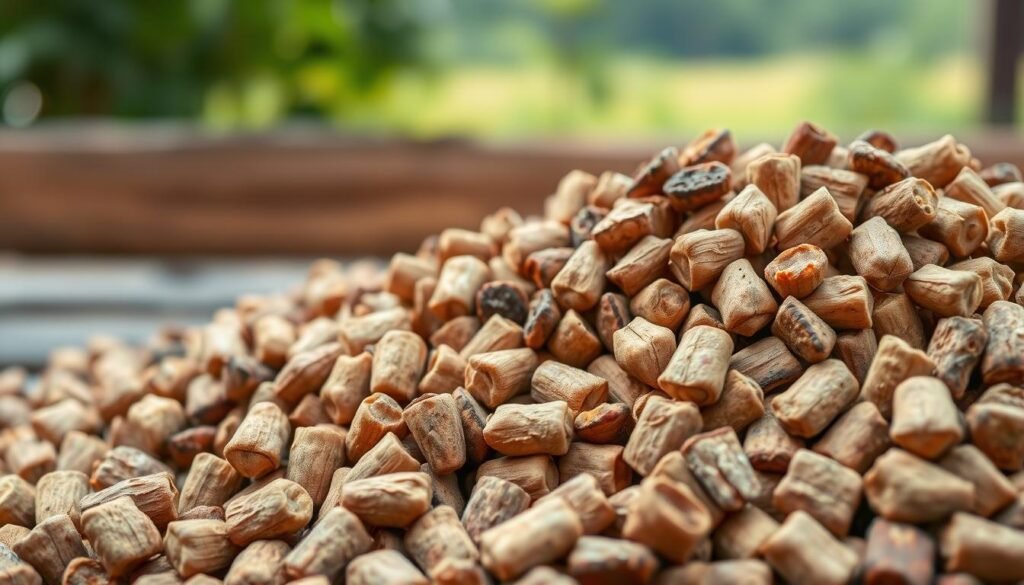
Professional BBQ pellets are made from 100 percent compressed hardwood sawdust or woodchips. This composition creates a stable burn and a clean, focused flavor for pork or other meat. Over the years, manufacturers have standardized production so a bag maintains a set temperature and smoke profile.
Heating pellets intended for home heat often mix softwood residues. That blend can change how pellets burn and how they influence flavor.
The Reality of Using Pine Needles
Using forest debris such as pine needles in a pellet smoker is risky. Needles contain resins that can give a bitter taste and unpredictable heat. They also may clog the feed system and cause inconsistent pellets burn behavior.
“Avoid heating pellets or raw wood scraps for food cooks—impurities change flavor and safety.”
- Commercial wood pellets deliver steady heat and fewer impurities.
- Forest materials can smolder, burn fast, and alter smoke quality.
- For more on common misconceptions, see this note on wood pellet misconceptions.
For practical exploration of steady smoke options and equipment choices, check guidance on choosing reliable fuels and gear.
Flavor Profiles and Cooking Performance
Consistent heat output and steady smoke are the foundation of reliable barbecue flavor. BBQ pellets typically convert about 90 percent of their energy into usable heat, which helps a pellet grill hold a steady temperature during long cooks.
When you use 100 percent hardwood wood pellets, the smoky flavor is clean and layered. That steady burn brings out subtle taste notes in pork, beef, and other meats without the harsh, uneven smoke found with charcoal or gas flare-ups.
Many pitmasters prefer an oak or hickory blend for extended sessions. These woods add a deep aroma while keeping temperature swings to a minimum, so meat cooks evenly and absorbs complex flavor.
Technology improvements over the years mean modern pellet grills manage feed and temperature with precision. Choosing a reliable fuel and matching the blend to the meat gives consistent results and efficient cooks every time.
“A steady smoke and controlled temperature unlock the full flavor potential of your food.”
Safety Concerns and Chemical Risks
Not all fuels made for heat are safe for cooking; some can release harmful compounds.
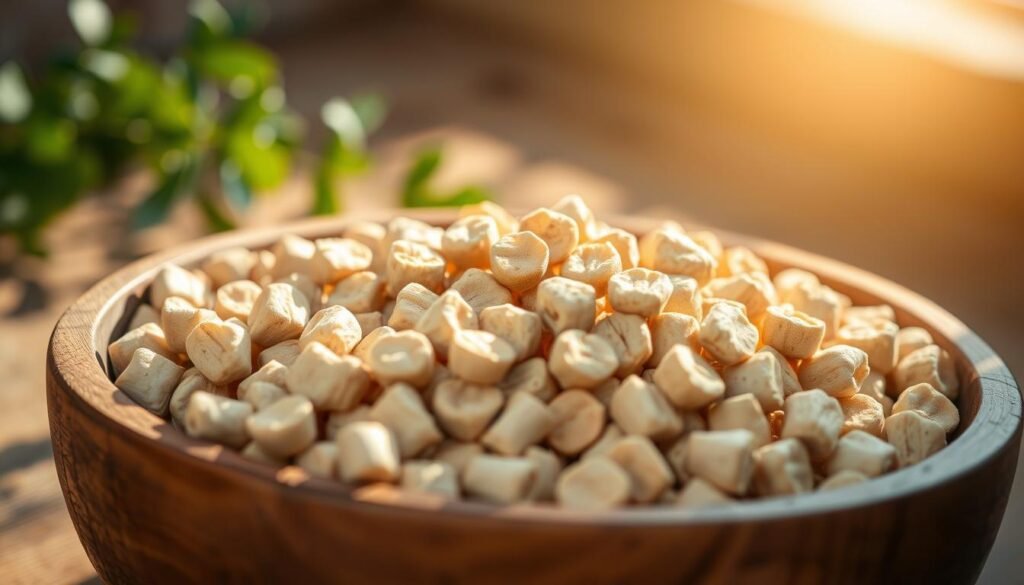
Safety matters more than price or convenience. Heating-grade pellets often include binders and additives that can emit off-flavors or toxic residues when used for food. Avoid using heat-only fuel in a grill or smoker.
Avoiding Contaminants in Your Food
Use only food-grade hardwood products to reduce chemical risk. Natural hardwood burns cleanly and helps preserve the intended flavor of meat.
- Heating pellets and treated wood can introduce harmful compounds into food.
- Gas grills may leave petroleum residues; hardwood avoids petrochemical fumes.
- Avoid treated lumber and forest debris to prevent contamination.
“Safety is paramount when grilling—choose fuels made for cooking.”
| Fuel Type | Common Contaminants | Risk to Food |
|---|---|---|
| Heating-grade fuel | Binders, glues, additives | Unpleasant taste, possible toxins |
| Treated wood/forestry debris | Preservatives, resins | Bitter smoke, health risk |
| 100% hardwood | Natural wood compounds | Clean smoke, consistent flavor |
Tip: Stick to reputable brands and read labels. For common misunderstandings about fuel safety, review this note on wood pellet misconceptions.
Convenience and Ease of Use
A modern wood-fed grill frees you from constant tending, letting a set temperature do the work while you focus on flavor. A pellet grill lets you dial in a precise temperature, so you stop adjusting gas or adding charcoal every few minutes.
Because wood pellets burn cleanly, you spend less time scraping ash and more time serving food. A single bag can provide hours of steady heat, which means fewer interruptions and less fuss during long cooks.
The automated feed on a pellet smoker keeps temps steady so meat cooks evenly. This reduces guesswork and saves time compared with tending open flame or charcoal.
- Stable temperature: Set it and forget it—consistent heat improves final flavor and doneness.
- Cleaner burn: Less residue means easier cleanup and fewer maintenance pauses.
- Long run time: One bag lasts for hours, offering reliable heat without constant refills.
“Automation and a predictable burn make pellet grills a practical choice for cooks who value performance and ease.”
For practical guidance on steady smoke options and handling fuels safely, see this calm beekeeping fuel guide and tips on how to keep bees calm without.
Cost Efficiency and Long-Term Value
How long your fuel lasts at target temperature can be the difference between a rushed meal and a perfect low-and-slow.
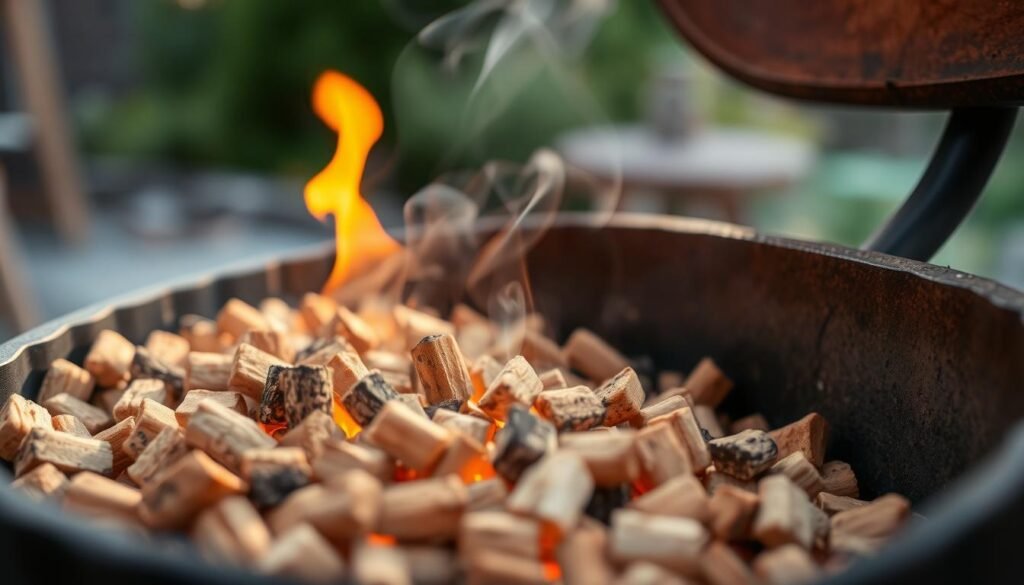
Fuel that stretches farther reduces the time and money you spend tending the fire. A 20-pound bag of wood pellets will run roughly 40 hours at 250° F. By contrast, a 20-pound propane tank often gives about 20 hours.
Burn Rates and Energy Output
Hardwood fuel delivers more heat per pound. That means you get steadier temperature and better flavor for long cooks.
In practice, higher energy output cuts the total weight of fuel used over a season. That matters for people who grill and smoke regularly.
Bulk Purchasing Benefits
Buying in bulk lowers the price per pound and keeps a steady supply for a pellet grill or other wood-fed grills.
- Value: A 20-lb bag lasts twice as long as a comparable propane tank at standard temps.
- Convenience: Bulk stock reduces trips to the store and keeps cooks consistent.
- Market impact: Competition over the years has driven down the price of high-quality wood pellets, improving access for many people.
“By investing in efficient fuel, you reduce the total cost of your cooking sessions while keeping high standards for pork and other meats.”
For notes on safe fuel types and practical buying tips, see types of fuel suitable for use.
| Fuel Type | Approx. Run Time (20 lb) | Typical Use |
|---|---|---|
| Wood pellets | ~40 hours at 250° F | Long cooks, steady heat |
| Propane | ~20 hours | Quick heat, higher refill rate |
| Lump charcoal | Varies — frequent refills | High heat bursts, shorter runs |
Expert Tips for Optimal Smoke Production
Small adjustments in fuel choice and airflow yield large differences in smoke clarity and flavor.
Choose a hardwood blend that matches the meat. Oak, hickory, apple, or cherry add layered taste to pork and other meats.
Keep the grill and feed system clean. Remove ash and debris so pellets feed evenly and smoke stays consistent.
Keep the lid closed during long cooks. Trapping smoke around the food helps wood burn efficiently and deepens flavor.
- Monitor internal temperature closely when smoking pork or delicate cuts to allow smoke time to penetrate.
- Avoid damp forest materials; they often make bitter smoke and can clog systems.
“Control airflow and use a stable fuel blend for predictable smoke and consistent results.”
Final note: Small, repeatable steps—clean gear, steady temperature, and the right wood blend—deliver reliable smoke and great taste every time.
Final Verdict on Your Grilling Fuel Choice
A reliable fuel choice delivers consistent heat, predictable smoke, and fewer surprises at the grill.
Choose food-grade hardwood when you want clean flavor and steady temperature for long cooks. It reduces off-tastes and helps meat develop a balanced smoke profile.
Avoid uncertified forest debris that can produce bitter smoke and clog feed systems. That saves time and keeps your equipment working as intended.
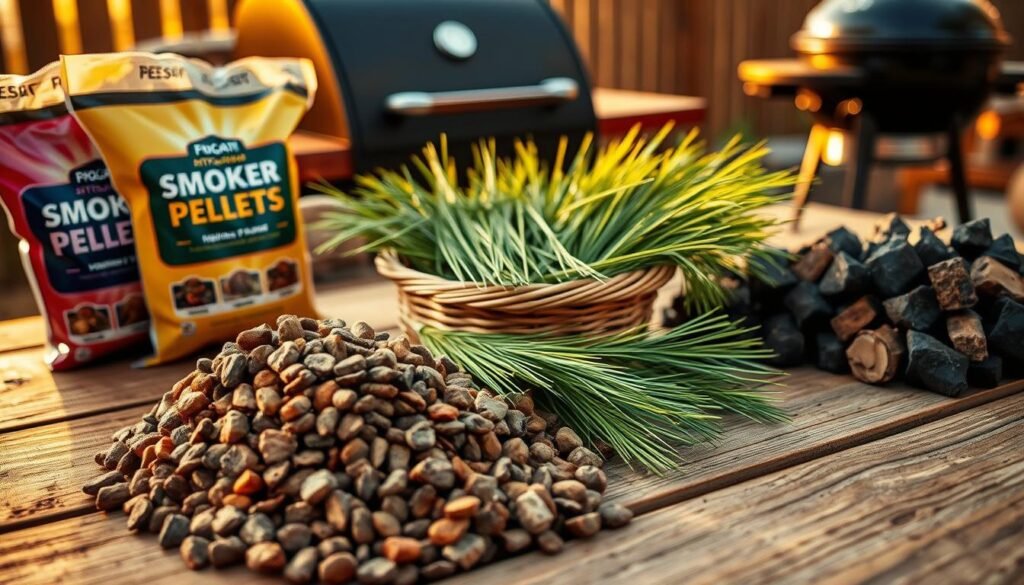
For practical reuse ideas and background on reclaimed wood uses, see this note on repurposed wood uses.
| Priority | Food-Grade Hardwood | Forest Debris / Untreated Scrap |
|---|---|---|
| Control | High — steady heat and predictable feed | Low — uneven burn and temperature swings |
| Flavor | Clean, layered smoke | Risk of bitter or resinous notes |
| Safety | Low contaminant risk | Possible resins and impurities |
(No H2s in outline)
Choosing the right cooking fuel affects consistency, safety, and final taste more than most backyard cooks expect.
After testing performance, safety, and cost, professional-grade wood by the pound delivers the most reliable result. The competition over the years shows that quality pellets give steady heat, cleaner smoke, and saved time compared with raw forest scraps.
Whether you use a pellet grill or a gas grill, fuel quality drives final flavor and cook success. For sourcing, contact Energex at 1-717-436-2400 for high-quality fuel options by the pound.
In short: pick certified cooking-grade wood fuel and you’ll get safer, tastier barbecue with predictable results every time.
FAQ
Can I use pine needles or yard debris as fuel on my pellet grill?
No. Pine needles and general yard waste contain resins, sap, and sometimes pesticides that create harsh, acrid smoke. Use commercially produced hardwood pellets made for pellet grills or wood-fired smokers to get consistent heat and safe flavors.
What are commercial hardwood pellets made from?
Commercial bags usually contain compressed sawdust from species like oak, hickory, maple, apple, cherry, and mesquite. Reputable brands use kiln-dried, food-grade wood with no fillers, binders, or glues, ensuring predictable burn rates and clean smoke.
Will using pine or softwoods ruin the taste of my barbecue?
Yes. Softwoods such as pine and fir produce resinous smoke that can taste bitter and coat food with unpleasant soot. For pork, beef, poultry, and fish, stick to hardwoods that complement the meat’s flavor rather than overpower it.
Are there health risks from burning pine needles or treated wood?
Burning treated, painted, or pesticide-contaminated wood and yard debris releases harmful chemicals that can deposit on food and enter the air. Certified hardwood fuel minimizes the risk of toxic compounds and ensures safer cooking.
How do wood blends affect flavor and temperature control?
Blends like hickory-oak or apple-cherry balance smoke intensity and add nuanced sweetness. Different woods also influence burn temperature and charcoal-like behavior. Choose a single species or a blend based on the meat and the flavor profile you want.
Do premium wood fuels cost more but save money long term?
Often yes. Higher-quality hardwood bags burn cleaner and longer, with steadier heat output. That efficiency can reduce fuel use and improve results over time compared with inconsistent yard waste or cheap, mixed fuels.
How should I store wood fuel to keep it ready for grilling?
Keep bags sealed and dry in a cool, ventilated area off concrete. Moisture causes pellets and lump wood to crumble or smoke poorly. Proper storage preserves flavor and prevents mold or degradation.
What about lump charcoal and gas compared with wood fuel?
Lump charcoal gives a hotter, more immediate sear and a mild smoky note. Gas offers convenience but lacks complex smoke character. Hardwood fuel and wood pellets deliver the broadest range of flavor for low-and-slow barbecue and competition-level smoking.
How do I choose the right wood for specific meats like pork or brisket?
Lighter woods such as apple and cherry pair well with pork and poultry for a sweet, fruity smoke. Harsher woods like hickory and oak suit beef and pork for stronger, classic barbecue flavors. Match wood intensity to the meat’s fat content and cooking time.
Are there brands or certifications I should look for when buying wood fuel?
Look for established brands that list wood species and promise no fillers or bark. Certifications or third-party testing for low moisture content and food-grade sourcing add confidence. Read reviews and choose fuels designed for your pellet grill or smoker model.