Keeping clear, organized data is essential to modern apiary work in 2024. A reliable digital tool helps a beekeeper track hive health, honey yields, and treatment history with ease.
Good records save time during busy seasonal checks. They let you spot trends in colony health and plan inspections more effectively.
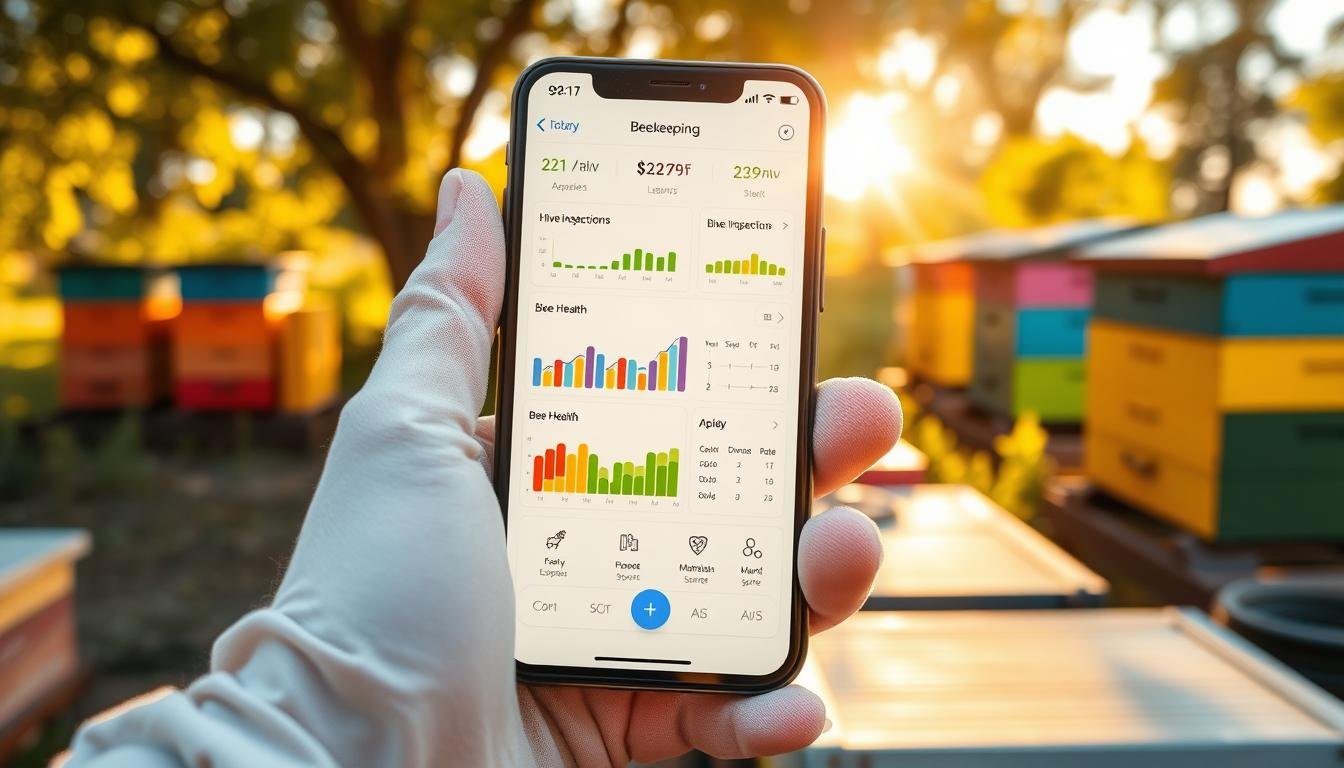
Using a professional platform streamlines tasks like logging inspections and monitoring brood, pests, and feed. Many experienced beekeepers now use mobile tools to view past notes and make data-driven choices while on site. Explore an example tool on the Play Store: ApiNote hive manager, or read a practical guide to digital record keeping at Beekeepers Realm.
Key Takeaways
- Digital logs make it easier to track hive inspections and colony trends over the year.
- Well-kept data improves decisions on treatments, feeding, and harvest timing.
- Mobile platforms reduce time spent on paperwork during seasonal work.
- Choose tools that support cloud backup and multi-user access for team management.
- Consistent notes help protect bee health and boost honey production.
The Evolution of Apiary Management
Across centuries, people who tend bees refined methods that now blend tradition with technology.
Ancient Egyptians prized honey like gold, a sign that keeping hives mattered across the world and through time.
Learning beekeeping 101 and mastering beekeeping basics gives new caretakers a solid start toward running a productive home beehive.
Recent Beekeeping News and beekeping tips 2024 show how digital tools and apps have changed hive management. These Beekeeping Tools help track colony health, treatments, and honey flow over the year.
Use reliable guides such as the Apiary Book on the App Store and a practical digital field logs guide to adopt smart practices.
| Era | Primary Method | Benefit | Tool Example |
|---|---|---|---|
| Ancient | Clay hives, smoke | Honey harvest, cultural value | Traditional hives |
| Modern | Structured hive frames | Improved colony care | Frame-based hives |
| Digital | Data tracking, mobile logs | Faster decisions, trend insights | Mobile apps and cloud tools |
“The history of the bee is long, but today we have clearer ways to manage hives than ever.”
Why You Need the Best Record-Keeping App for Beekeepers
Good data capture during field checks lets you spot subtle shifts in colony condition before they become problems. Accurate entries make inspections faster and reduce guesswork when planning treatments and feed.
Precision and Consistency
Consistent notes let a beekeeper track brood development and hive health across seasons. Short, dated entries from each visit build a clear history of treatments, pest pressure, and yields.
That history supports honest analysis. With uniform entries, you compare seasons and spot trends in colony survival and productivity.
Instant Insights
Digital tools give immediate access to key metrics during an inspection. Real-time data helps you decide if a hive needs treatment or extra feed right away.
Many apiary managers link hive scales or sensors to dashboards to watch nectar flow and weight. Read more about practical benefits in this guide to wireless scales: nectar flow tracking.
| Benefit | What it tracks | Practical outcome |
|---|---|---|
| Consistency | Inspections, notes, treatments | Reliable trend analysis |
| Precision | Brood, pests, weight | Timely interventions |
| Access | Field data, history | Faster decisions on site |
“Accurate field logs turn routine checks into a strategic view of hive health.”
For a deeper look at why professionals adopt digital tools, see this analysis on workflow gains: apiary management app benefits.
Essential Features for Modern Hive Monitoring
Effective monitoring gives a clear snapshot of colony needs and helps you act before minor issues grow. A focused set of tools and habits reduces guesswork and saves time during inspections.
Tracking Health and Treatments
Varroa mite counts must be part of every check. These mites drive many hive health problems and threaten brood and adult bee survival.
Log short, dated notes after each inspection. Record treatments, symptoms, and local weather that could affect nectar flow and queen laying patterns.
- Count varroa mite levels and record trends.
- Note brood pattern, bee activity, and any treatments used.
- Capture weather and weight data that impact feeding and disease risk.
| Feature | What to Track | Outcome |
|---|---|---|
| Inspection Log | Dates, notes, brood status | Clear history of colony condition |
| Mite Counts | Varroa mite numbers per sample | Timely treatment decisions |
| Weather & Weight | Local weather, hive weight trends | Better timing for feed and harvest |
| Treatment Records | Type, dose, date | Safer, traceable interventions |
“Consistent, simple data entries turn routine checks into a strategic guide to hive health.”
Top Digital Solutions for Apiary Success
Smart tools bring inspection notes, QR tags, and voice entries together to simplify hive tracking. These platforms help turn field observations into clear data that supports timely decisions on treatments, feeding, and harvest.
Apiary Book — a global community
Apiary Book has been downloaded over 260,000 times and helps users around the world manage hives and improve honey production. The interface suits a hobbyist keeping a beehive at home and a small-scale bee honey business.
Short dated notes and photo entries build a history you can use year to year. That history supports trend analysis and better hive health decisions.
APiLOG — AI-driven insights
APiLOG offers voice transcription and QR code ID to cut manual entry time. Its ‘Bee-ginner’ plan manages 2 hives while larger plans scale to commercial operations.
John Davis in Oregon uses APiLOG to run 200+ hives and save time on operations and inspections. Voice notes and quick QR scans speed data capture during busy checks.
Specialized tools for niche needs
Tools that focus on sensors, hive weight, or varroa mite analysis fill niche roles. Lewis Goddall in the UK blends traditional technique with digital tools across 4–5 seasons of experience.
Whether building a Langstroth at home or expanding production, these solutions provide access to consistent notes, tracking, and insights that improve hive management.
| Tool | Core Strength | Scale |
|---|---|---|
| Apiary Book | Community, simple logs, photo notes | Hobby to small commercial |
| APiLOG | Voice transcription, QR ID, AI insights | 2 hives (Bee-ginner) to large apiaries |
| Specialized Sensors | Weight, weather, mite analysis | Targeted production monitoring |
“Modern tools make it possible to capture reliable field data quickly and turn it into actions that protect hive health and boost honey production.”
Integrating Technology into Traditional Beekeeping Practices
Blending tried-and-true hive craft with modern sensors and mobile tools gives practical gains in daily apiary work.
Technology helps keep a clear history of brood development and treatments without replacing hands-on inspection. Short digital notes make it simpler to compare seasons and spot early issues in a colony.
Using a single app or a set of synced tools gives remote access to key data while you work. That access saves time and keeps operations consistent across multiple hives and apiaries.
Modern tools speed inspections and tracking of treatments. They also let a beekeeper share notes with a team and coordinate work across larger operations.
- Keep concise dated entries after each check.
- Link sensor feeds to inspection notes for weight and weather insights.
- Use photo and voice features to document brood and bee behavior on site.
“Technology provides the data; experience provides the judgement.”
For practical guides on merging digital and traditional routines, see a concise guide to hive management tools and a broader beekeeping best practices resource.
Data Security and Accessibility Across Devices
When data travels safely to the cloud, you can check hive activity from the field or the truck.
Secure cloud syncing ensures hive notes and inspection history stay current across devices. That means your treatment dates, weight logs, and weather observations are available whether you are at home or visiting an apiary.
Cloud Syncing and Offline Capabilities
Cloud syncing protects your data and lets team members access shared history. Encrypted storage and password controls add a layer of safety when tracking sensitive operations.
Offline modes let you record observations about brood, weather, and pest counts without signal. Entries sync automatically when a device reconnects, so no time is lost during inspections.
Centralized data improves analysis of hive management. With timely access to notes and tracking, you make faster decisions that save time and protect honey production.
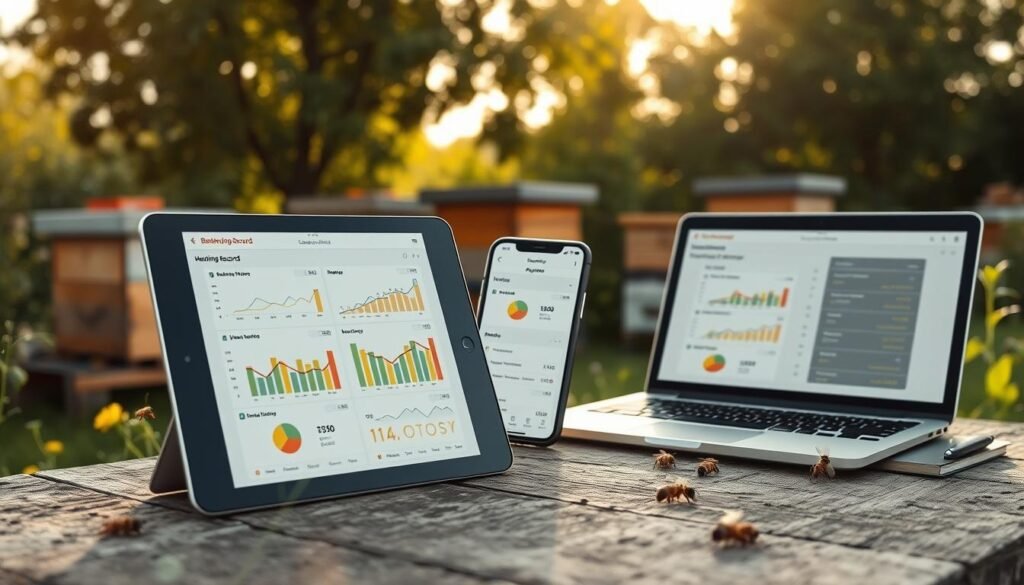
| Capability | What it stores | Practical benefit |
|---|---|---|
| Cloud Sync | Inspection notes, treatments, weight | Immediate access across devices |
| Offline Mode | Field observations, photos, brood notes | Work uninterrupted in remote apiaries |
| Security | Encrypted backups, user roles | Protected sensitive operational data |
“Secure, synced data turns scattered notes into reliable history that supports fast, informed decisions.”
Learn more about how sensors and remote monitoring tie into secure access by exploring modern hive monitoring technology.
Conclusion
A simple digital log turns scattered notes into clear, actionable insights at every inspection.
Adopting modern tools helps a beekeeper track brood, treatments, and hive health across seasons. Consistent entries save time and make honey decisions objective rather than guesswork.
For practical choices and comparisons, see a concise guide to top solutions at beekeeping diary reviews and field-note strategies at Beekeepers Realm.
Start small with short dated notes and sync across devices. Over a season, the data will show trends that protect your bees, improve hive performance, and strengthen apiaries around the world.
FAQ
What information should I log during hive inspections?
Record colony strength, queen status, brood pattern, honey stores, signs of disease or pests (including varroa mite levels), recent treatments, and weather or forage conditions. Include dates, location or hive ID, and short notes on behavior. Keeping consistent fields helps with seasonal comparisons and analysis.
How can digital tracking improve hive health management?
Digital logs create a searchable history of treatments, losses, and production. That history reveals trends in brood development, pest pressure, and honey yields. Timely alerts from cloud-synced tools support quick decisions and reduce missed treatments, improving colony survival and productivity.
Do I need internet access to use modern apiary tools?
Many platforms offer offline modes for field use and sync when you regain connectivity. Choose a system with local storage and cloud syncing to avoid data loss during remote inspections and to keep team members updated across devices.
Which features help track treatments for varroa mite and other pests?
Useful features include treatment history with dates and products, dosage and application notes, mite count entries, automated reminders for follow-up, and tagging of affected hives. Exportable reports assist with compliance and planning integrated pest management.
Can I monitor multiple apiaries and teams with one tool?
Yes. Look for multi-apiary support, role-based access, and customizable hive groups. Those capabilities let managers assign inspections, view team activity, and compare performance across sites without mixing records.
How do I use historical data to improve honey production?
Analyze past yields against inspection notes, forage conditions, and weather patterns. Identify management practices that correlate with higher production—timing of splits, supplemental feeding, or treatment schedules—and apply successful methods to other hives.
What privacy and security should I expect from a hive management platform?
Expect encrypted data transmission, secure cloud storage, and clear sharing controls. Platforms should offer account-level permissions and regular backups. Verify the provider’s policies on data ownership and export options for full access to your records.
Are there tools that integrate sensor data like temperature or hive weight?
Yes. Some solutions accept inputs from hive scales, temperature and humidity sensors, and event-based loggers. Integrated dashboards combine sensor feeds with inspection notes to give a fuller picture of colony status and environment.
How much time does digital record keeping add to an inspection?
With templates and mobile-friendly interfaces, logging typically takes only a few extra minutes per hive. Predefined checklists and voice-to-text features speed the process and reduce transcription time compared with paper notes.
Can I export my records for analysis or regulatory reporting?
Most systems allow CSV, PDF, or Excel exports for analysis, lab submissions, or subsidy and certification paperwork. Confirm export formats and whether the tool supports scheduled report generation for routine needs.
How do I maintain consistent records across different people inspecting hives?
Use standardized templates, required fields, and training on terminology. Role-based accounts and audit trails help track who entered data and when. Encouraging brief, uniform notes improves long-term usability of records.
What role does weather tracking play in hive management?
Weather data helps explain foraging activity, brood development, and disease risk. Linking inspection dates to rainfall, temperature, and wind conditions clarifies causes of poor performance and informs feeding or treatment timing.
Are there options tailored to small-scale or hobby operations versus commercial apiaries?
Yes. Some platforms focus on simple, low-cost interfaces with basic tracking for hobbyists, while others offer advanced analytics, team management, and large-hive inventory features for commercial operations. Choose based on scale and reporting needs.
How can I track queen performance and lifecycle in records?
Log queen markings, age, source, supersedure events, brood pattern quality, and any queen-related treatments or replacements. Tagging queen-related entries makes it easier to compare performance across seasons and guide requeening decisions.
What analytics should I look for to spot early signs of colony decline?
Look for declining brood area, reduced foraging notes, repeated mite spikes, and shrinking honey stores. Dashboards that highlight deviations from historical baselines or send alerts for negative trends help you intervene earlier.