Last Updated August 26, 2026
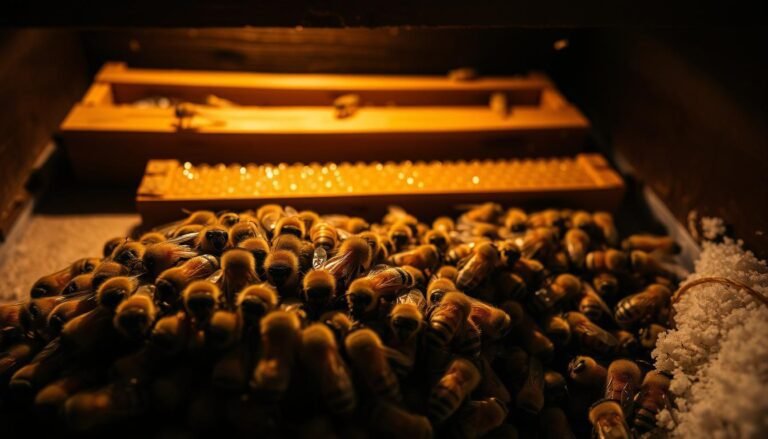
Propolis is the resinous mix bees collect from trees and shape into a protective seal for the hive. It’s often called the hive’s immune system because it blends resins, waxes, oils, pollen, and minerals into a potent natural mix.
This short guide gives clear, practical information for makers and small beekeepers. You will see two main method paths: a gentle oil infusion and an ethanol tincture. Each path includes simple equipment, safe ratios, and key steps like temperature control, filtration, and amber storage.
Expect hands-on process notes that cover sourcing with ethical traps, how honey and pollen pair with formulations, and how to match a method to your product goals. The focus is on benefits and real applications—topicals, throat-soothing blends, and market-ready items—while avoiding medical claims.
Key Takeaways
- Learn what propolis is and why it matters to beekeeping and the hive.
- Follow two reliable methods: oil infusion (low heat) and ethanol tincture (10% by weight typical).
- Use simple gear: jars, double boiler, thermometer, cheesecloth, and amber droppers.
- Control temperature, filter properly, and store in the dark to protect value.
- Combine with honey or pollen for broader product applications within U.S. labeling rules.
Why Value-Added Propolis Goods Matter for Today’s Hive-to-Home Makers
For hive-to-home makers, propolis expands the range of hive products beyond honey and pollen. Small operations can offer oil infusions, tinctures, and blended honey that appeal to customers seeking artisanal, functional items.
Ethanol-based extracts are especially flexible. Properly made tinctures can be blended into foods, cosmetics, and topical preparations. Be careful with claims: label clearly and avoid suggesting medical cures to stay compliant in the U.S.
Using resinous extracts helps differentiate local offerings. Sellers can market honey in multiple formats—infused jars, paired honey and pollen mixes, or propolis-enhanced spreads—to meet varied buyer tastes and throat comfort seekers.
- Revenue stability: Small investments in jars, filters, and amber bottles can raise per-hive returns.
- Product variety: Oil infusions, alcohol extracts, and combined items let makers build a progressive line.
- Trust and quality: Use traps/screens for cleaner sourcing and document batches to prove consistency.
Clear labeling and consistent production records protect brand reputation and make scaling realistic. Thoughtful messaging and transparent sourcing turn simple hive output into premium, market-ready offerings.
Understanding Propolis: Composition, Sources, and Benefits
Propolis is a complex bee product made from tree resins, waxes, essential oils, and small amounts of pollen. By weight it typically contains about 45–55% tree resins, 25–35% waxes and fatty acids, roughly 10% essential oils, about 5% pollen, and the rest as minor organics and minerals.
How bees use it inside the hive
Bees collect sticky sap and mix it with wax to seal gaps, smooth rough surfaces, and maintain a clean system. Workers even encase small intruders in resinous layers, showing the material’s disinfectant role.
Sources, variation, and practical notes
Different floral sources create a variety of aromas, colors, and properties. Water dissolves few constituents, so liquid extraction methods—oil or ethanol—are preferred for consistent extraction and easier production handling.
- Ingredients matter: composition affects filtration and heating choices.
- Evidence: traditional use and regional studies exist, but stronger documentation is needed for broad health benefits claims.
Ethical Sourcing and Preparing Raw Propolis from the Hive
Ethical collection protects the colony and improves product quality. Place plastic nets or screens on the hive late in the honey flow season to collect cleaner resin. This method gathers material suitable for human-facing products and reduces contaminants.
Using traps versus scraping frames
Traps/screens capture mostly resin and avoid wood and bee remains. Scraping combs and boxes mixes in wood shavings, wax, and dead bees, which complicates later filtration and lowers batch consistency.
Cleaning workflow
Freeze the collected material for several hours, then crumble it while cold. Cold crumbling reduces stickiness and lets you pick out wood and excess wax.
- Harvest late in the honey flow for best yield and timing in production planning.
- Store cleaned, labeled containers to preserve traceability and batch records.
Workspace and safety tips
Use sturdy surfaces and dedicated tools; dried crumbs adhere tenaciously and require scraping. Wear gloves to protect skin from sticky resin and sharp debris.
| Method | Pros | Cons |
|---|---|---|
| Propolis screens | Cleaner material, bee-friendly, lower contamination | Requires seasonal timing, initial cost of screens |
| Frame scraping | Easy to collect large amounts quickly | High impurities (wood, wax, bees), more cleaning work |
| Cleaning process | Freezing + crumbling yields purer starting material | Manual sorting is labor intensive but improves final products |
Good sourcing reduces waste and rework. Cleaner input improves filtration, final texture, and customer trust. Thoughtful beekeeping balances collection with colony health to keep production steady day to day.
Choosing Your Solvent: Oil, Ethanol, and Water-Based Options
Match your solvent to the intended application so extraction efficiency and user experience align with product goals.
Oil infusions are ideal when skin feel, anhydrous bases, and gentle topical performance matter. Oils extract lipophilic components slowly and benefit from mild heat or longer soak times. They create smooth, spreadable products that pair well with beeswax for balms and lotions.
Ethanol (drinking alcohol) is the most versatile solvent for tinctures. It extracts a wide range of compounds quickly and produces extracts that integrate easily into foods, cosmetics, and formulations. Store alcohol extracts in airtight, light-protective containers to preserve potency.
Water pulls only a subset of soluble constituents. It yields low-extract concentration and requires special handling to avoid spoilage. Use water for short-term, targeted preparations or when following specific recipes that later combine with honey or pollen.
- Practical selection: Choose by application, regulation, and customer expectations.
- Handling & storage: Keep alcohols and oils in amber bottles with airtight seals.
- Process notes: Ethanol needs less contact time; oil needs patience or gentle heat; water often requires preservatives or rapid use.
Run small pilot batches with different regional varieties to test extraction yield, filtration effort, and shelf stability before scaling production.

Equipment, Ingredients, and Temperature Control
Good equipment choices cut filtration time and preserve desirable components during extraction. Set up a clean, stable workspace before you touch any raw material. Small steps here save hours when you scale batches.
Essential tools and prep
Use canning jars with tight lids for both heated and unheated infusions. A sturdy double boiler and an accurate candy thermometer keep the oil at or below 122°F.
Other must-haves: grinders for particle reduction, funnels, cheesecloth and coffee filters, and amber bottles for final storage.
Temperature, filtering, and workflow
Temperature control matters: keeping the oil under 122°F protects delicate compounds during the oil method. Set the double boiler on low and monitor with the thermometer.
Filter strategy: cheesecloth moves fast but may need re-filtering. Coffee filters give a clearer finish but slow the flow, especially when wax or pollen fragments are present.
- Freeze and crumble cleaned propolis before weighing the mixture.
- Label jars with date, ratio, and temperature to capture batch information.
- Store all extracts in amber bottles; shake ethanol infusions daily during contact time.
Use dedicated utensils to avoid sticky cross-contamination. A stable double boiler reduces hot spots and makes a reproducible process that scales into professional products.
Creating value-added propolis goods
Build a clear product strategy that ties extraction method to end use. Choose a small set of offerings that reflect your capacity and customer needs. Focus on tinctures, oil infusions, and blended formats to cover diverse applications.
Planning your product line: tinctures, oils, and infusions
Start with formats that scale easily. Tinctures (10% by weight with drinking alcohol) mix directly into foods, cosmetics, and supplements. Oil infusions at a 1:9 propolis-to-oil ratio suit balms and topical products and filter well with cheesecloth or coffee filters.
Balancing potency, solvents, and intended applications
Match potency to use. Alcohol extracts streamline formulation when you need a liquid that blends into recipes. Oil extracts improve skin feel and pair nicely with beeswax and honey in creams and salves.
- Small-batch production: plan batch sizes and timing around hive flows and cleaning cycles.
- Packaging: amber dropper bottles protect light-sensitive extracts; choose dispensers to fit the product use.
- Quality control: set clear ratios, document every batch, and pilot test for aroma, texture, and stability.
How to Make Propolis Infused Oil: Heated Method
Heat and gentle patience turn raw resin into a usable infused oil for small-batch makers. Follow a weight ratio of 1 part propolis to 9 parts oil (olive or another healthy vegetable oil). Use a double boiler so the water bath warms the mixture evenly without direct heat.
Set up: add weighed propolis and oil to a clean jar, place the jar in the simmering double boiler, and monitor with a thermometer.
Ratios and temperature
Keep the temperature at or below 122°F to protect active ingredients. Stir occasionally. Ten minutes is a baseline; extend heating with care while keeping the temperature steady.
Filtration and reuse
Full dissolution is uncommon; visible solids are normal. Strain through cheesecloth for faster flow or through a paper coffee filter for a clearer finish. Freeze the strained solids and run a second short extraction to recover more oil-soluble material.
| Step | Purpose | Practical tip |
|---|---|---|
| 1:9 mix | Balanced extraction yield | Weigh ingredients for repeatable batches |
| Double boiler | Even, low heat | Keep water simmering, not boiling |
| Filter choice | Clarify oil | Cheesecloth = speed; coffee filter = clarity |
| Storage & labeling | Protect stability | Amber bottles; note ratio, temperature, day |
- Document each batch—ratio, temperature, and method—to compare clarity and aroma across runs.
- Store the finished oil in amber bottles or a dark cabinet to shield it from light and extend shelf life.
- Use clean raw propolis to speed filtration and reduce wax residue. Enjoy blends warm for throat comfort without health claims.
How to Make Propolis Infused Oil: Unheated Two-Week Method
Letting resin and oil sit together lets delicate compounds transfer slowly and gently. This no-heat approach preserves heat-sensitive fractions and suits topical formulations that benefit from a gentle oil base.
Jar setup and daily care: Use a clean canning jar. Add a 1:9 propolis-to-oil mixture, seal the lid, and store the jar in a consistently dark place. Shake the jar 2 to 3 times a day to keep solids suspended and promote even extraction.
Timeline and storage: Leave the jar undisturbed for two weeks. Room temperature affects how quickly the oil takes on color and aroma, so label each jar with the start date and oil type to track day-by-day changes.

Straining and reusing solids
After two weeks, strain through cheesecloth for speed or a coffee filter for clarity. Freeze the spent solids and run a second oil infusion to recover remaining oil-soluble material.
- Start with well-cleaned raw propolis to reduce wax and pollen residue and speed filtration.
- Note that oil extraction pulls different compounds than water; oil favors topical uses and richer skin-feel.
- Try small pilot jars to test oil types and particle sizes before larger batches.
How to Make a Propolis Tincture with Ethanol
Start with a weight-based ratio and safe alcohol to make a stable, shelf-ready tincture. This approach improves consistency and helps the solvent dissolve resinous material predictably.
Reliable 10% ratios
Use a 1:9 weight ratio—one part pure propolis by weight to nine parts drinking alcohol. Measuring by weight gives repeatable strength and better dissolving performance than volume measures.
Choose the right alcohol
Use 75-proof or higher vodka, or Everclear. These ethanol sources extract broadly and are safe for formulations. Never use isopropyl alcohol; it is toxic and unsuitable for consumable or topical products.
Infusion timeline and filtration
Store the jar at room temperature and shake it 2–3 times each day for 1–2 weeks, then let solids settle before decanting. Longer extraction (several weeks to months) can increase dissolution, especially with finely milled material.
- Allow settling to drop wax and large particles.
- Decant clear liquid and finish through coffee filters for clarity.
- Filter strategy depends on composition; expect variation.
Concentration, storage, and comparisons
To raise potency, carefully evaporate some alcohol under low airflow—do this safely and legally. Store finished tincture in amber bottles and label with ratio, ethanol source, and start/finish dates.
Remember, water extracts few components and oil extracts different fractions, so ethanol tinctures often offer the most versatile extract for blending into formulations while avoiding medical claims.
From Extract to Product: Formulations and Practical Uses
Turn finished extracts into shelf-ready items by matching solvent compatibility to the intended use. Small bench trials show how aroma, mouthfeel, and stability shift when you mix an ethanol extract into food or a cosmetic base.
Mixing ethanol extracts with foods, cosmetics, and supplements
Alcohol-based tinctures blend readily into syrups, honey, and some food recipes. Start with measured drops and taste-test in warm drinks for traditional throat comfort.
Tip: balance any alcohol note with honey or a fat like oil when adding to confections or spreads.
Topical applications: creams, shampoos, and skin support
Oil infusions and tinctures suit creams, balms, and shampoos. Work in small batches to bench-test texture, absorption, and scent without making claims about health benefits.
Pairing with honey and beeswax
Combine extracts with honey or melt in beeswax to make spreads, salves, or scented bars. Infused honey with dried herbs is made by steeping and straining after 1–6 weeks.
- Formats: drops, spreads, balms, and rinse-off shampoos reach different buyers.
- Packaging: use amber containers and airtight seals to protect aroma and potency.
- Recordkeeping: note which extract, filtration, and shelf-life tests apply to each product.
Optional pollen-forward labels or subtle scents help tell the hive story and increase perceived value while keeping presentation clear and non-medical.
Quality, Storage, Labeling, and Responsible Claims
Shelf stability depends on storage, recordkeeping, and honest product language. Protect both oil and alcohol extracts from light and heat to keep aroma and color stable.
Amber bottles, airtight seals, and light protection
Store tinctures and infused oils in amber bottles with tight caps. Keep containers cool and dark to slow degradation.
Child-resistant closures are recommended for items with notable alcohol content and for household safety.
Batch records: ratios, temperature, and dates
Record ratios, temperature, start and finish dates, filtration steps, and source notes (for example, trap or screen). Link raw-source labels to finished product lots to show traceability.
U.S. compliance basics: ingredient lists and avoiding drug claims
List all ingredients clearly and avoid medical or disease treatment claims. Describe traditional uses—like throat comfort or skin support—without implying cures.
- QC checks: Inspect appearance, aroma, and particulate load; re-filter if needed before bottling.
- Solvent notes: Ethanol selection and final alcohol level affect how extracts may be used in foods and the labeling required.
- Consistency: Use standard procedures and records to protect product value and reduce returns.
- Stay current: Follow beekeeping and regulatory updates that affect packaging, claims, and distribution.
Troubleshooting and Pro Tips for Consistent Results
Small adjustments in time, particle size, and solvent choice often fix the toughest extraction issues.
When dissolution stalls: reduce particle size by cold crumbling or a quick grind, and extend contact time by several more days. Switch to an alcohol solvent when a stronger extract is needed; alcohol dissolves resin far better than oil or water.
When propolis won’t dissolve: adjusting time and particle size
If a batch seems weak, increase contact time and agitate daily. Finer particles expose more surface area and speed dissolution.
Remember: very strong mixes above practical limits can resist full dissolution. Instead of pushing concentration, make a normal tincture and gently concentrate it later if needed.
Dealing with wax residue and slow filtration
Let the mixture settle so wax rises or drops out before pouring. Decant clear liquid and start with cheesecloth for speed, then finish through a coffee filter for clarity.
For slow oil filtration, warm the jar slightly under safe temperatures or split the batch to filter in parallel.
Maintaining value and properties across batches
Document every change: filter type, grind size, method, and day counts. Consistent particle size and a standard agitation schedule preserve batch properties and perceived product quality.
“Track small changes: they reveal which step improves clarity and stability.”
- Reuse solids for a second short extraction but track diminishing returns.
- Avoid rinsing with water early; it often complicates the solvent balance.
- Keep a clean workspace and transfer final tincture and extracts to amber, airtight bottles quickly to prevent contamination.
Conclusion
Finish strong by turning technique into repeatable, market-ready extracts that respect the hive.
Start with ethical sourcing—use traps or screens, then freeze and crumble for cleaner raw material. This step makes later filtration and labeling easier and protects colony health.
Choose an oil infusion for topical use and a measured ethanol tincture for broad formulation flexibility. Keep temperature control, filtration strategy, and amber storage consistent to protect color and aroma.
Pair extracts with honey, beeswax, or pollen to widen applications and consumer appeal. Test culinary blends and throat-friendly recipes in small batches, and avoid medical claims.
Document each lot—ratios, temps, and dates—to keep quality steady as you scale. Explore regional variety to learn how flavor, aroma, and performance change in food and cosmetic formats.
With clear process control and good records, beekeeping makers can deliver consistent, trusted products that highlight the many benefits of resin-based extracts.
FAQ
What is propolis made of?
Propolis is a complex mix of plant resins, beeswax, essential oils, and pollen. Bees collect tree resins and mix them with wax and enzymes to form a sticky, antimicrobial material that seals and protects the hive. Its active ingredients include flavonoids and phenolic compounds that contribute to antioxidant and antimicrobial effects.
Why is propolis called the “immune system of the hive”?
Propolis acts as a barrier and disinfectant in the hive. Bees use it to seal cracks, smooth internal walls, and reduce microbial load. This protective role helps limit disease spread and supports colony health, which is why beekeepers often refer to it as the hive’s immune defense.
How should I collect raw propolis from the hive ethically?
Use propolis traps or screens to harvest without damaging frames. If scraping is necessary, work gently and selectively. Collect during warm weather when propolis is more pliable, and avoid taking excessive amounts that might compromise the colony’s defenses.
What’s the best way to clean and process frozen propolis?
Freeze harvested propolis to make it brittle, then crumble and shake to separate wood, wax, and debris. Use a sieve or mesh to remove large impurities, and follow with a fine filtration step during extraction. Work in a clean, ventilated area to keep contaminants out.
When should I choose an oil versus an ethanol solvent?
Use oil infusions (olive, jojoba, sweet almond) for topical products and when you want a gentle carrier that preserves lipophilic compounds. Choose ethanol for tinctures or extracts when maximum extraction of polyphenols and flavonoids is desired. Water works only for limited, specialized extracts and usually yields lower potency.
What ratios are recommended for making propolis-infused oil?
A common effective ratio is 1 part propolis to 9 parts oil (weight to volume). This balances potency with solvent capacity. Adjust slightly for texture or intended use, but keep records of each batch for consistency and labeling.
How do I make propolis-infused oil using gentle heat?
Use a double boiler and maintain low temperatures around 122°F (50°C) to protect active compounds. Combine the ground propolis with oil, apply gentle heat while stirring for several hours, then cool and filter through cheesecloth or a coffee filter to remove solids.
What is the unheated two-week oil method?
Place propolis and oil in a clean jar at the chosen ratio, seal, store in a dark spot, and shake daily for two weeks. After infusion, strain and filter. This method preserves heat-sensitive constituents and is simple for small-batch production.
How do I make a propolis tincture with ethanol?
Use food-grade ethanol (vodka or Everclear) at an appropriate proof. A typical weight-based approach is to aim for a 10% finished solution relative to product goals; many makers start with a 1:5 to 1:10 propolis-to-ethanol ratio by weight or volume. Shake daily for several weeks, then let solids settle and filter. Never use isopropyl alcohol for tinctures meant for ingestion or topical use.
Can I concentrate a tincture to increase potency?
Yes. After primary extraction and filtration, you can gently evaporate some solvent under low heat or reduced pressure to concentrate active compounds. Take care to avoid overheating, and follow local regulations if you sell concentrated extracts.
What filtration options work best for propolis extracts?
Start with coarse filters or strainers to remove large debris, then progress to cheesecloth and finally a fine coffee filter or lab-grade filter paper for clarity. Wax residues may clog filters, so allow settling time or perform multiple filtration steps.
How can I use ethanol propolis extract in products?
Ethanol extracts mix well into tinctures, functional foods, and some cosmetic preparations. They are suitable for throat sprays, lozenges, and preservative-enhanced formulations. Dilute appropriately before adding to water-based products and verify compatibility with other ingredients.
How do I store propolis extracts and infused oils to preserve quality?
Use amber bottles with airtight seals and store in a cool, dark place to protect from light and heat. Keep records of batch dates, ratios, and temperatures. Proper storage slows degradation and maintains potency over months to years depending on formulation.
What labeling and compliance basics should I follow in the U.S.?
List all ingredients, net contents, and contact information. Avoid making medical claims or implying cure or prevention of disease. Follow FDA and state regulations for dietary supplements, cosmetics, or food products, and maintain batch records for traceability.
How do I handle wax residue and slow filtration?
Chill the extract to let wax solidify and rise, then skim and refilter. Use pre-filters to reduce load on fine filters, and consider centrifugation for larger operations. Smaller particle size during initial grinding can improve dissolution but may increase filtration needs.
What safety tips apply when working with sticky materials and solvents?
Work in a well-ventilated area, wear gloves and eye protection, and keep flammable solvents away from open flames. Use non-reactive containers like glass or stainless steel, and follow ethanol handling and storage guidelines for fire safety.
How can I maintain consistent potency across batches?
Standardize starting materials by documenting source, harvest date, and appearance. Use consistent ratios, extraction times, and temperatures. Keep detailed batch records and test a small sample for strength before full-scale production.
Can I combine propolis extracts with other hive products?
Yes. Propolis pairs well with honey, beeswax, and pollen in topical balms, lozenges, and cosmetic formulations. Balance flavors, textures, and solvent compatibility when formulating combined hive-product items.
Are there common troubleshooting steps if propolis won’t dissolve?
Increase surface area by grinding finer, extend extraction time, or switch to a stronger solvent like higher-proof ethanol. For oils, raise temperature slightly within safe limits. Filter and repeat extraction if material still contains active compounds.
What equipment should a small-scale maker invest in first?
Start with a good grinder, quality glass jars, a double boiler or slow cooker for gentle heating, thermometers, fine filters or cheesecloth, and amber bottles for storage. These items support consistent, professional results.
Which additional keywords relate to making and marketing propolis products?
Useful terms include honey, bees, nectar, hive products, tincture, extract, ethanol, oil infusion, wax, filtration, active ingredients, supplement, topical application, cosmetics, food-safe, beekeeping, batch records, storage, labeling, and solvent.