Open a jar of spring honey and you’ll taste light, floral sweetness. Fall jars are darker and offer robust, earthy notes. These shifts come from local blooms and what bees collect on any given day.
Raw honey preserves those seasonal markers rather than blending them away. Bees usually forage within a one- to three-mile radius and move with timed bloom windows. That snapshot of nectar shapes flavor, color, and the small shifts in mineral and antioxidant content.
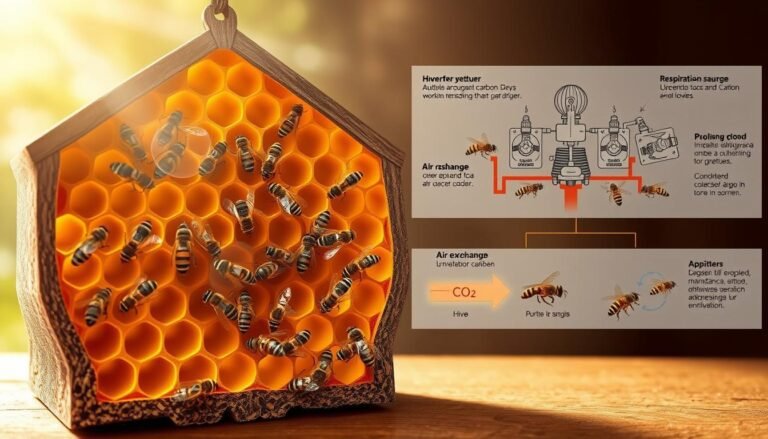
Inside the hive, enzymes start breaking down sugars while worker bees fan to drop moisture from about 70% to under 18% for stable storage. Weather and plant variety matter: optimal nectar flows often happen near 60–90°F with moderate humidity.
This guide will explain how spring, summer, and fall types differ and why that matters for culinary uses, storage, and the benefits people notice when choosing quality, raw jars.
Key Takeaways
- Spring, summer, and fall jars each reflect local blooms and yield distinct flavor profiles.
- Raw honey keeps authentic markers that processed blends lose.
- Enzymes and moisture control affect shelf stability and some health-linked compounds.
- Temperature and bloom timing drive nectar flows and final quality.
- Seasonal variety signals integrity and helps match honey to recipes and uses.
Seasonal honey at a glance: what changes across spring, summer, and fall
Across a year, jars shift from pale, floral spring runs to golden summer and then to deep, robust fall bottles. Spring honey is often the palest and most delicate in taste, driven by early blossoms. Summer jars show classic golden hues with a balanced flavor profile. Fall bottles trend darker and bolder, reflecting late blooms and richer nectar sources.
The primary driver is what plants and flowers are available at any given time. Bloom windows vary—some trees like apple bloom for only a week or two while clover can feed bees for several weeks. Bees forage roughly one to three miles from the hive and concentrate where nectar is abundant to boost production and efficiency.
Weather matters too. Nectar flow favors 60–90°F with moderate humidity; heat, rain, or drought shifts yield and texture. Even within the same region, different types of flora will create distinct jars over time.
These seasonal shifts are natural, not defects. They signal unblended, true-to-harvest lots and help shoppers match a jar to cooking needs or health goals. For a deeper look at how bees follow nectar sources, see foraging for nectar.
Why seasons change honey’s nutrition: nectar, bees, weather, and the hive
What plants are blooming nearby shapes the minerals, sugars, and aromas bees bring back to the hive. Short bloom windows—apple for 7–10 days, clover for weeks—produce distinct nectar chemistry. That chemistry alters trace minerals, aromatic compounds, and sugar ratios that affect flavor and crystallization.
Bee foraging follows efficient routes within a typical 1–3 mile radius. As flowers peak and fade, the nectar flow shifts and colonies track those changes. A diverse plant mix near the apiary gives access to multiple nectar profiles and richer micronutrient signals.
Weather and temperatures also steer production. Nectar secretion is best around 60–90°F with moderate humidity. Heat, rain, or drought change bee activity and water content in gathered nectar, which alters how enzymes work and how the final jar behaves.
Inside the hive, workers add enzymes and repeatedly process nectar. Fanning lowers moisture until water content drops under 18%, making the product shelf stable. These system steps combine with seasonal nectar to influence sugar balance, crystallization speed, and subtle flavor markers.
For more on quality markers and grading, see honey grading standards.
Spring honey profile: lighter color, floral phenolics, and delicate enzymes
Early-season jars often show the palest hues and a bright, floral aroma that marks spring foragers. Spring honey (March–May) tends to draw from fruit blossoms, black locust, tupelo, and early wildflowers.
Color and taste tilt toward pale gold and delicate perfume. Tree blossoms like apple and cherry shape a soft, fruity flavor while meadow flowers add subtle herbal notes.
Key nutrients include higher levels of certain phenolic compounds and flavonoids from tree nectar. Minerals sit at moderate levels, and pollen patterns help give a floral-forward character prized by collectors.
Enzymes in spring raw honey remain relatively gentle, supporting a smooth to medium texture and moderate crystallization over time. To preserve aroma and active compounds, use minimal heat and add as a finish.
Where it shines: drizzle over fresh cheeses, berries, yogurt, light teas, or panna cotta. These simple recipes let the spring flavor and floral notes stay front and center.
Summer honey profile: balanced enzymes, golden hues, and diverse nectar sources
Midyear jars often carry a warm amber tone and a steady sweetness that fits everyday use. Summer honey harvested June–August shows medium intensity and a broad, adaptable taste.
Enzyme and sugar balance govern texture and crystallization. Clover-heavy runs have higher glucose and can crystallize faster. Other wildflower blends feel thicker or stay pourable longer due to varied sugar ratios.
Enzyme and sugar balance: how clover and wildflowers shape texture
Balanced enzymes from summer foraging help create a smooth mouthfeel. When glucose is higher, crystallization speeds up; when fructose dominates, jars remain liquid longer.
“Summer honey is versatile—its steady profile makes it a kitchen workhorse.”
Common floral sources in the U.S.
Key plants include white, red, and sweet clover, basswood (linden), mixed wildflowers, and berry blossoms like raspberry and blackberry. Bees follow heavy nectar flows, producing consistent types across many regions.
| Floral Source | Typical Color | Noted Flavor | Crystallization |
|---|---|---|---|
| Clover (white/red/sweet) | Light to golden | Mild, classic sweet | Faster (higher glucose) |
| Basswood / Linden | Golden amber | Fresh, slightly minty | Moderate |
| Wildflower & Berry Blossoms | Golden to deep amber | Complex, fruity or herbal | Variable |
Uses: mix this honey into iced teas and lemonades, build marinades and barbecue sauces, or sweeten oatmeal and rustic baking. Choose raw honey to retain balanced enzymes and aromatics that define summer’s approachable character.
For tips on how flavor shifts through the year, see a guide to seasonal honey flavor.
Fall honey profile: darker color, higher minerals, and stronger antioxidant potential
Late-season jars often turn very dark, carrying bold, earthy notes from asters and buckwheat.
Color and flavor skew toward deep amber or brown between September and November. Buckwheat and goldenrod yield intense, toasty aroma and a concentrated taste that stands up to strong ingredients.
Mineral density and antioxidant levels
Research shows darker lots usually contain higher levels of potassium, calcium, and iron. These minerals pair with robust antioxidants, especially in buckwheat-derived jars.
Glucose levels and crystallization
Higher glucose can make jars thicken faster. To keep spreadability, warm gently and avoid adding water during reheating.
Bold culinary uses
Try this style as a sweetener for hot cider, a glaze on roasted meats, or a depth booster in whole-grain baking.
| Characteristic | Typical Fall Value | Practical Tip |
|---|---|---|
| Color | Deep amber to brown | Use with bold dishes and aged cheeses |
| Minerals | Higher potassium, calcium, iron | Choose for richer mouthfeel and added trace elements |
| Antioxidants | Elevated (buckwheat notable) | Good for robust teas and warm drinks |
| Crystallization | Faster (more glucose) | Store sealed; rewarm gently to liquefy |
- Handle jars carefully as cooler weather arrives: close lids and avoid moisture ingress.
- Remember that harvest plant mix and nectar at collection drive these content shifts, not processing.
Nutritional differences in seasonal honey
What blooms feed the bees shapes not just taste but measurable nutrient levels across harvests.
Vitamins and minerals across seasons
Fall jars often show higher potassium, calcium, and iron than spring runs. Darker nectars concentrate more trace elements, which affects mouthfeel and lab numbers.
A regional study from southern Karnataka noted some monofloral samples had higher mineral levels than mixed types, showing that geography and floral source matter.
Antioxidants and phenolics
Spring honey frequently highlights floral phenolics and lighter aromatics. Fall collections tend to carry stronger antioxidant compounds and deeper flavor notes.
Moisture, enzymes, and sugar ratios
Ripe jars usually have moisture below ~18%, which helps shelf life. Active enzymes remain in raw honey and support quality regardless of season.
Glucose vs. fructose ratios shape crystallization speed, but texture shifts do not signal spoilage.
| Season | Typical markers | Practical note |
|---|---|---|
| Spring | Higher floral phenolics, lighter color | Best for delicate pairings and bright aromas |
| Summer | Balanced enzymes, moderate sugars | Versatile for cooking and everyday use |
| Fall | Higher minerals, elevated antioxidants | Use with bold dishes; expect faster crystallization |
- Honey contains varying trace elements tied to local nectar and bees’ routes.
- Choose by desired nutrients and flavor; always prioritize raw honey quality markers.
- For more on seasonal harvests and buying tips, see seasonal honey guide.
How to shop and store for quality: identifying raw, seasonal honey and preserving it
Labels that list harvest dates and floral origin help separate raw, honest lots from mass-produced blends. Look for clear notes on the jar about the harvest month and the type of bloom. These markers show the product’s link to local nectar and the hive that produced it.
Spotting authentic seasonal jars
Ask questions of sellers about origin, floral source, and expected color for that season. True-to-season color and aroma usually match local bloom patterns.
- Check for a harvest date and stated floral source to confirm provenance.
- Expect natural variation across jars; uniform color often means blending.
- Minor pollen or trace particles support traceability, not adulteration.
Storage best practices
Store jars tightly sealed at room temperature away from direct light. Avoid refrigeration; cold speeds sugar crystallization and changes texture.
When crystals form, gently warm the jar in a water bath around 110°F until smooth. Do not microwave: heat-sensitive enzymes and delicate content degrade with rapid heating.
- Use up delicate spring jars within 1–2 years for peak flavor levels.
- Label jars with harvest month to pair season jars with recipes throughout the year.
Bees, biodiversity, and climate: ecosystem factors behind seasonal nutrition
When different species bloom one after another, bees find steady nectar and pollen to build strong stores. That staged flow helps a hive resist short gaps and supports consistent production across the year.
Supporting diverse blooms
Why sequential flowering boosts hive health and quality
Layered plant communities give foragers a chain of food from early buds through late blooms. This mix of plants and flowers supplies varied pollen and nectar that sustain brood rearing and stores.
More floral variety means colonies access different sugars, minerals, and aromas. Over time, that diversity often shows up as richer flavor and measurable trace elements in jars of raw honey.
Climate signals and beekeeper adaptations
Shifts in bloom timing and rising temperatures can advance or compress nectar flows by days or weeks. Beekeepers respond by changing harvest timing or moving hives to follow blooms. These adjustments protect supply and maintain jar quality.
Support local habitats — plant corridors, preserve native meadows, and reduce pesticide use to help bees and preserve the seasonal character of honey. For practical guidance on managing hives across varying climates, see beekeeping in different climates.
Using seasonal honey year-round: pairings, recipes, and smart sweetener swaps
A single jar can shift a dish from ordinary to memorable by adding a season’s floral or toasty character. Use season-specific jars to match intensity, texture, and aroma to the menu.
Seasonal pairing ideas
Spring suits fresh cheeses, berries, delicate teas, and light desserts. These pairings highlight floral notes and gentle aroma.
Summer is versatile for beverages, marinades, preserves, and everyday sweetening. Try vinaigrettes, iced drinks, and barbecue glazes.
Fall works with robust cheeses, hot beverages, spiced baking, and roasted meats. Deeper jars add body and warm contrast.
Recipes, swaps, and practical tips
Swap refined sugar for honey as a smart sweetener to reduce processed sugar while keeping texture and taste. Use a 3:4 honey-to-sugar ratio in many recipes and lower oven temp slightly when baking.
- Let crystallized jars warm gently in a water bath to restore pourability.
- Remember that honey contains aromatic notes from nectar that elevate simple food.
- Explore raw honey types by season to taste unique benefits; antioxidants and trace nutrients can complement a balanced diet.
“Choose spring for delicacy, summer for versatility, and fall for intensity when planning menus.”
Conclusion
Choosing a jar by its harvest time helps you match flavor and function at the table. Spring, summer, and fall each offer clear character shifts that affect aroma, minerals, and antioxidant levels.
Raw honey preserves those markers, so select different types based on desired intensity and culinary use. Expect natural variation and focus on provenance when evaluating products.
Handle jars gently and store them sealed at room temperature to keep quality and the noted benefits for longer. Try several jars over time, compare notes, and ask questions about harvest dates and producers.
Tip: Align purchases with the season to enjoy true flavor and support local ecosystems and resilient pollinator habitats.
FAQ
What causes seasonal variation in honey’s composition?
Seasonal change in floral sources, bee foraging behavior, local weather, and hive processing all alter honey. Different plants produce distinct nectar chemistry, which shifts sugars, phenolics, and minerals across spring, summer, and fall. Temperature and humidity also affect moisture levels and enzyme activity during honey ripening.
How does spring honey differ from summer and fall honey?
Spring honey tends to be lighter in color with delicate floral aromas and moderate mineral content. Summer honey usually shows balanced sugars and enzymes from mixed wildflowers and clover. Fall honey often becomes darker, richer in minerals like potassium and calcium, and may have higher antioxidant potential.
Are there measurable health benefits tied to seasonal honey?
Yes. Raw, unprocessed honey offers antioxidants, trace minerals, and enzymes that vary by season. Spring honey often delivers floral phenolics; fall varieties can provide greater mineral density and stronger antioxidant activity. Still, honey is an added sugar and should be used in moderation.
Does moisture content change with the season, and why does that matter?
Moisture can vary because late-season nectar and cooler harvest conditions can yield lower or higher moisture depending on weather. Lower moisture improves shelf life and reduces fermentation risk, while higher moisture accelerates spoilage and affects crystallization.
Why does fall honey crystallize faster than spring honey?
Crystallization depends on the ratio of glucose to fructose and the presence of pollen and minerals. Many late-season nectars contain higher glucose proportions and more particulates, which act as nuclei for crystals, leading to quicker thickening.
How can I identify authentic seasonal honey when shopping?
Look for labels that list the harvest date, floral source or region, and “raw” or “unfiltered” if you want minimal processing. Local beekeepers and farmer’s markets often provide the most accurate seasonal profiles. Be wary of blends and generic supermarket jars with vague sourcing.
What storage practices preserve seasonal honey quality?
Store honey at room temperature in a sealed glass jar away from direct sunlight. Avoid frequent refrigeration, which speeds crystallization. If honey crystallizes, place the jar in warm water and stir gently until smooth, avoiding overheating to protect enzymes.
Can seasonal honey be used differently in cooking?
Yes. Lighter spring honey pairs well with fresh cheeses, fruit, and delicate teas. Versatile summer honey suits dressings, marinades, and baking. Robust fall honey complements roasted meats, whole-grain breads, and strong teas. Choose honey by flavor intensity and aroma for best results.
Does raw honey contain antibiotics or harmful residues?
Raw honey can contain trace environmental residues depending on local agriculture, but it does not contain antibiotics unless treated by beekeepers. Reputable local producers and certified organic brands minimize chemical exposure. Avoid giving honey to infants under one year due to botulism risk.
How does biodiversity affect the quality of seasonal honey?
Greater plant diversity across the foraging range creates more complex nectar profiles, boosting nutrient variety and flavor complexity. Sequential flowering supports hive health and steady nectar flows, which benefits both honey quantity and quality.
Will climate change alter seasonal honey characteristics?
Yes. Shifts in bloom times, altered rainfall patterns, and extreme temperatures change nectar availability and composition. Beekeepers adapt by moving hives or adjusting management, but long-term shifts can change regional honey profiles and harvest timings.
Is there a difference between raw, unfiltered, and pasteurized honey?
Raw honey is minimally processed and retains pollen, enzymes, and many volatile compounds. Unfiltered honey may still have fine particulates removed but keeps more character than heavily filtered products. Pasteurization heats honey to extend shelf life and delay crystallization but reduces enzyme activity and some bioactive compounds.
How can I use seasonal honey as a healthier sweetener choice?
Use honey to replace some refined sugar in dressings, marinades, and beverages to gain flavor and trace nutrients. Keep portion sizes small — honey is still high in sugars. Pair honey with whole foods like yogurt, oats, or nuts to moderate glycemic impact and add micronutrients.