A phone weather app tells you what the sky is doing over the nearest airport or population center, which can be five, ten, or thirty miles from an apiary — a dedicated weather station sited at the actual hives measures rainfall, temperature, humidity, and pressure exactly where the bees are foraging, and that difference matters more for beekeeping decisions than it sounds. Nectar secretion, swarm timing, and safe inspection windows all respond to hyperlocal conditions that a regional forecast simply can’t resolve.
Key Takeaways
- A general weather app reports conditions for the nearest official station, which can be meaningfully different from conditions at a specific apiary, especially in hilly, coastal, or mixed urban-rural terrain.
- Rainfall and soil moisture — not just temperature — drive nectar secretion, which is why on-site rain-gauge data is one of the more useful things a dedicated station adds.
- BeeGuard’s connected weather station (detailed further down) is a real, currently-sold product built specifically for apiary use, measuring rainfall, temperature, humidity, and atmospheric pressure hourly.
- A general-purpose consumer weather station (Davis Instruments and similar brands) works nearly as well for beekeeping purposes as a bee-branded one, provided it logs data over time rather than just displaying current conditions.
- The main value is decision timing — when to expect a flow, when frost risk has passed for spring buildup, and when humidity makes an inspection miserable rather than just uncomfortable — not any single dramatic insight.
Table of Contents
- Why On-Site Data Beats a Regional Forecast
- What an Apiary Weather Station Actually Measures
- General Forecast App vs. On-Site Station
- Real Products Worth Knowing About
- Practical Uses Through the Season
- What It Won’t Tell You
- Frequently Asked Questions
Why On-Site Data Beats a Regional Forecast
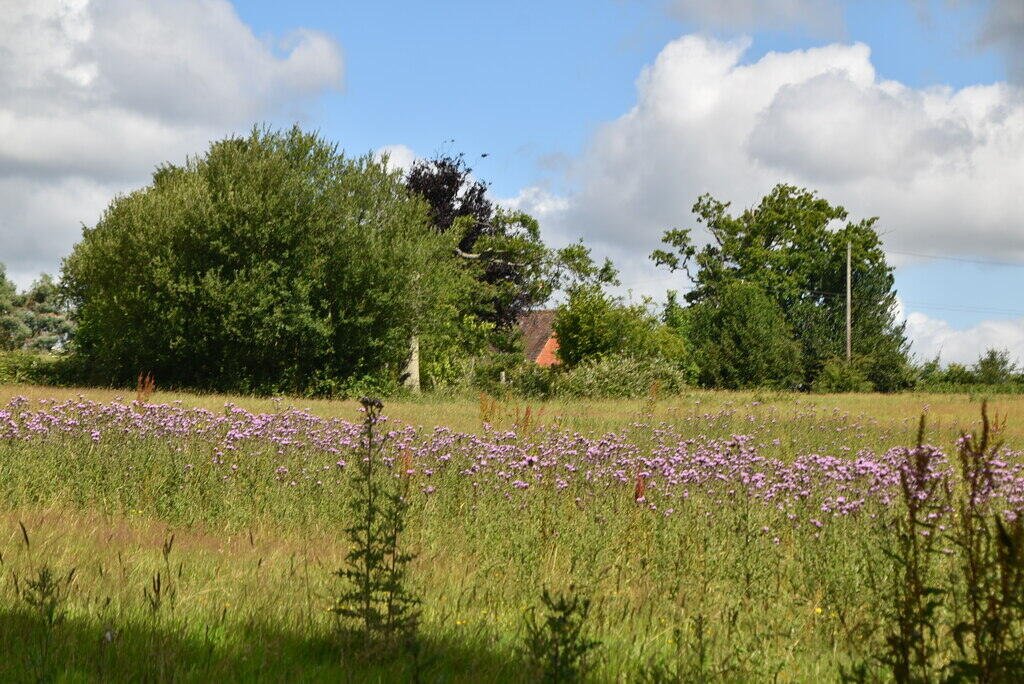
Nectar secretion in most bee forage plants responds to a combination of soil moisture, temperature, and humidity at the plant itself — not to the conditions reported for the nearest airport weather station, which might sit in a different microclimate entirely. This site’s own breakdown of how weather and climate affect honey production covers the plant-physiology side of that link in more depth. An apiary in a valley, near a coastline, or surrounded by a different land cover than the official reporting station can run several degrees warmer or cooler, and receive meaningfully more or less rainfall, than what a phone forecast shows. Beekeepers who manage yards spread across several miles — a common setup for anyone running more than a couple of apiaries — often find that conditions genuinely differ enough between sites to change decisions about feeding, super timing, or inspection scheduling.
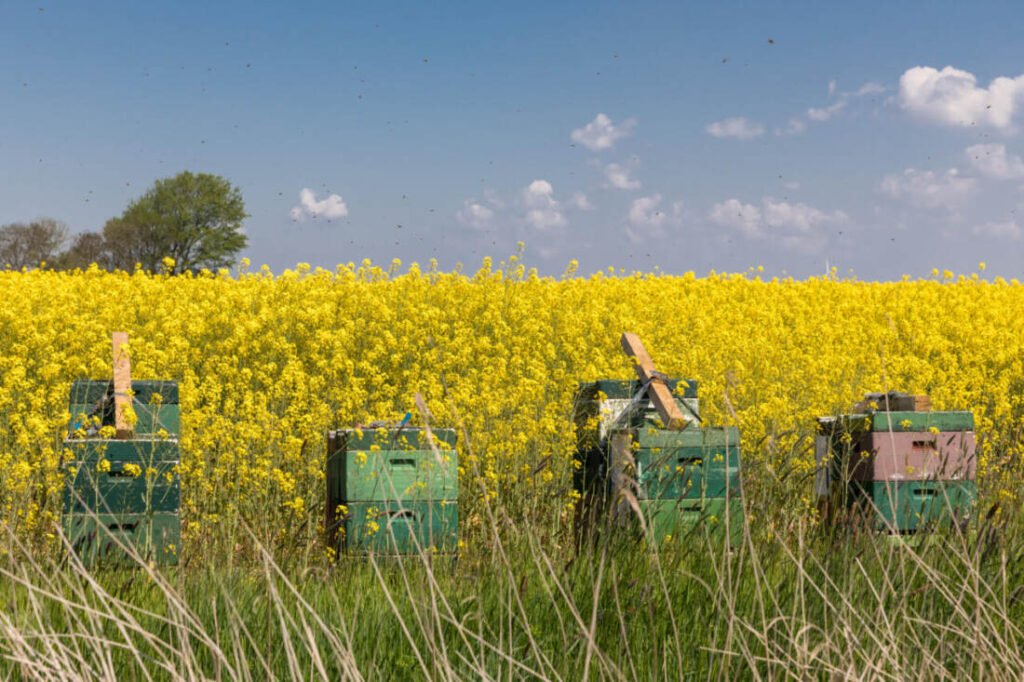
This is the same logic that drives precision agriculture generally: a farmer irrigating a field doesn’t rely on the regional forecast to decide when the soil is actually dry, and a beekeeper deciding whether a dearth is genuinely starting benefits from the same kind of site-specific data.
What an Apiary Weather Station Actually Measures
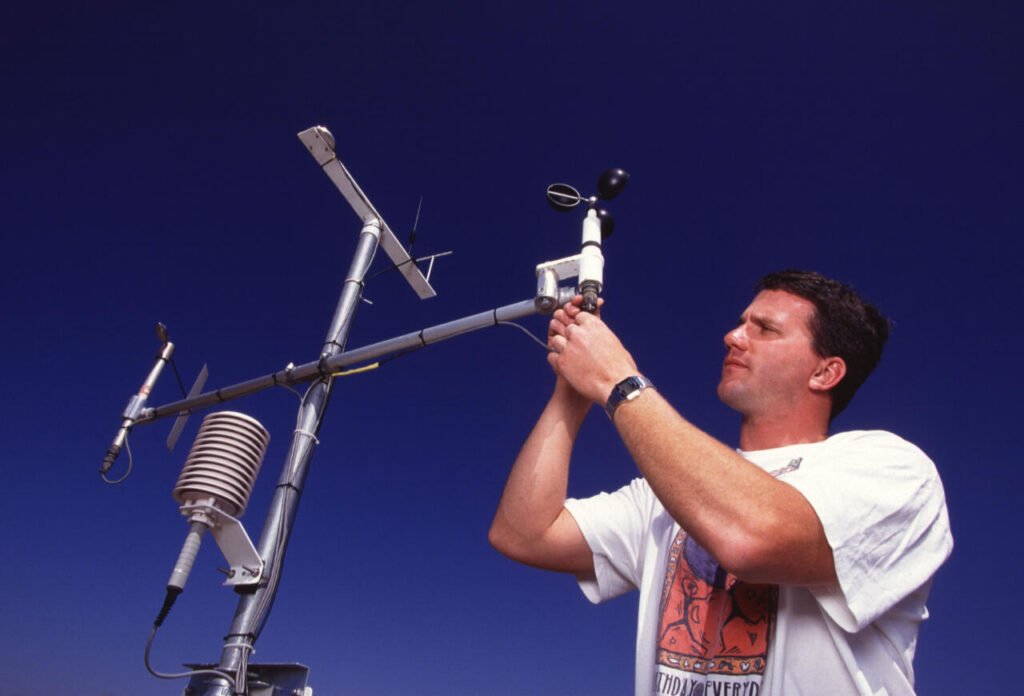
A basic weather station used in agricultural and apiary settings typically logs, on an hourly or more frequent schedule: air temperature, relative humidity, rainfall accumulation, and barometric pressure. More capable units add wind speed and direction, and some connected systems can serve as a local gateway that also relays data from other hive sensors — weight scales, in-hive temperature probes, or GPS trackers — back to a single app or dashboard, reducing the number of separate radios and subscriptions a multi-sensor apiary needs to manage. This site’s overview of what hive sensors actually tell you covers the in-hive side of that same sensor stack.
General Forecast App vs. On-Site Station
| Dimension | Phone weather app | On-site apiary weather station |
|---|---|---|
| Location specificity | Nearest official reporting station, often miles away | Exactly at the apiary |
| Rainfall accuracy | Regional estimate, can miss localized showers entirely | Actual accumulation at the site |
| Historical local logging | Limited or none for a specific site | Full history for trend comparison year over year |
| Integration with hive sensors | None | Some models act as a gateway for scales, GPS, and temperature probes |
| Upfront cost | Free | Real hardware cost, from a basic consumer unit to a purpose-built connected system |
Real Products Worth Knowing About
BeeGuard, a French precision-beekeeping company whose GPS anti-theft trackers and connected hive scales are covered elsewhere on this site, also sells a dedicated connected weather station built for apiary use. It measures rainfall, temperature, humidity, and atmospheric pressure on an hourly basis, is rated for more than two years of autonomy on its own battery, and can serve as a local transmitter for the company’s other hive sensors, so a beekeeper already running a BeeGuard scale or tracker can add weather data to the same dashboard rather than a separate app. It’s a genuine, currently-sold product as of this writing (available directly through beeguard.net, sold individually or bundled with the company’s scale and anti-theft packages), not a speculative concept — though as with any specific vendor, pricing and exact feature sets are worth confirming directly on the company’s site before buying, since these details change. This site’s own total-cost buildout guide for smart hive monitoring and its breakdown of hidden subscription costs are worth reading before committing to any connected system, weather-focused or not.
BeeGuard isn’t the only bee-specific option. BroodMinder sells a BroodMinder-WS weather station designed to sit in the apiary and feed ambient temperature and humidity readings into the same app already used for its hive scales and internal sensors, specifically so the software can compute more accurate nectar-flow and brood estimates by separating ambient conditions from in-hive conditions. A third option, the ApiWeather-RF6, is a solar-powered wireless weather station sold through specialty beekeeping retailers and built to pair with compatible hive-scale systems. All three are genuine, currently-listed products as of this writing, not speculative concepts — though as with any specific vendor, pricing and exact feature sets are worth confirming directly on each company’s own site before buying.
A dedicated bee-branded station isn’t strictly necessary, though. General-purpose consumer and prosumer weather stations — the Davis Instruments Vantage Pro2 line is one long-established example widely used in both hobby and research settings — measure the same core variables and, when paired with a data logger, serve the same function for a beekeeper willing to check a separate app. The main trade-off is integration: a general station won’t natively combine its data with a hive scale’s readings the way a purpose-built apiary system can.
Practical Uses Through the Season
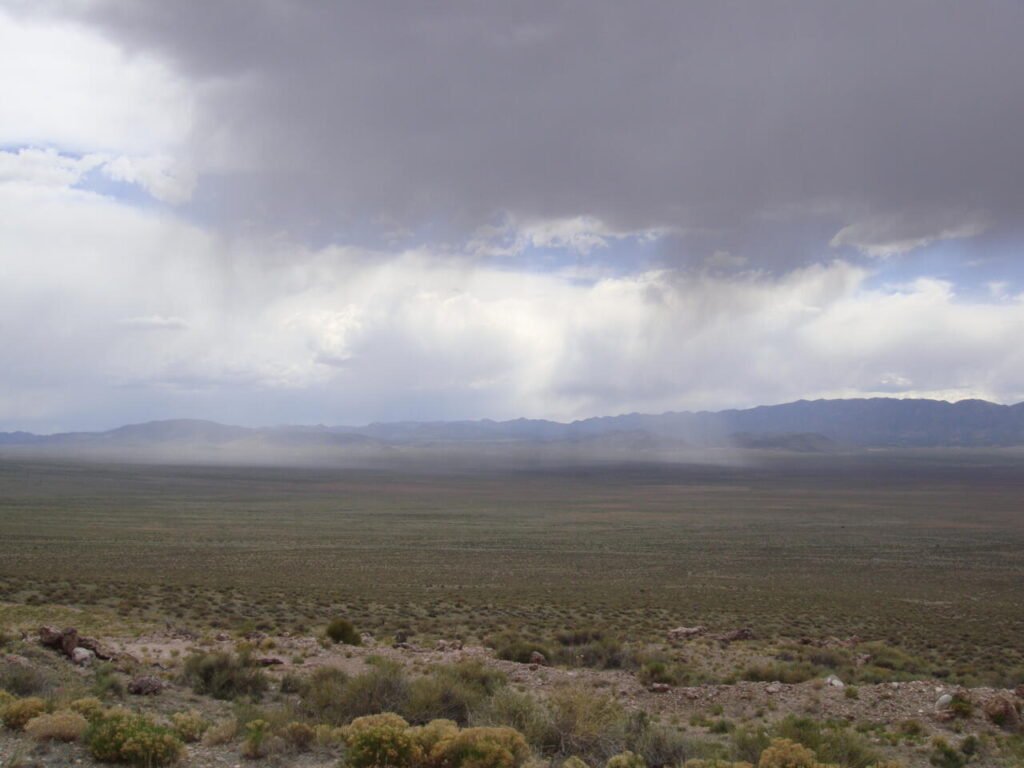
In early spring, a station’s temperature log helps judge whether a late cold snap genuinely threatens early brood rearing or is a normal fluctuation the cluster can handle — see this site’s guide to how hives actually regulate internal temperature for the biology behind that judgment call. Through the main flow, rainfall totals — not just “did it rain” but how much — correlate with how strong the following days’ nectar flow tends to be, since many forage plants need adequate soil moisture to secrete well.
In summer dearth, humidity and temperature logs help explain why bees are bearding heavily on the front of the hive on some evenings and not others, which is a normal thermoregulation response rather than a sign of trouble. And going into winter, a temperature log at the apiary itself, rather than the regional low, gives a more honest picture of how cold the cluster is actually experiencing.
What It Won’t Tell You
A weather station measures the environment around the hive, not the hive itself — it won’t substitute for an in-hive temperature or humidity sensor, a weight scale, or a physical inspection, and it can’t tell you anything about colony health, mite load, or queen status. Its value is entirely about giving better context for interpreting those other signals and for planning apiary work around real, local conditions rather than a regional guess.
Precision beekeeping systems carry real strengths and genuine opportunities for the sector, but also real weaknesses — chiefly high purchasing costs and limited operator familiarity with the technology — and a risk of forming an unrealistic picture of overall apiary status if the equipment is only deployed on a handful of hives.
— paraphrased from Danieli et al., “Precision Beekeeping Systems: State of the Art, Pros and Cons, and Their Application as Tools for Advancing the Beekeeping Sector,” Animals (2023), via PMC
Frequently Asked Questions
Do I need a bee-specific weather station, or will any weather station work?
Any weather station that logs temperature, humidity, and rainfall over time will work for beekeeping purposes; bee-specific products like BeeGuard’s, BroodMinder’s WS, or the ApiWeather-RF6 mainly add the convenience of feeding that data into the same app as other hive sensors.
How far away can an official weather station be before it stops being useful for apiary decisions?
There’s no fixed distance — it depends more on terrain and land cover than mileage; an apiary in a very different microclimate (a valley, a coastline, a forest edge) just a mile or two from the reporting station can show real, decision-relevant differences, while flat, uniform terrain can stay accurate for many miles.
Is rainfall data really more useful than temperature for beekeeping?
Both matter, but rainfall and the resulting soil moisture are what many beekeepers find least well captured by a generic forecast, since a regional rain probability percentage says little about how much actually fell at a specific apiary.
How much does a dedicated apiary weather station actually cost?
Bee-specific connected stations from companies like BeeGuard and BroodMinder generally cost more than a bare consumer rain gauge but less than a full research-grade setup; exact pricing changes often enough that it’s worth checking each vendor’s own site directly, and this site’s total-cost buildout guide for smart hive monitoring covers how weather hardware fits into a full sensor budget.
Does a connected weather station need Wi-Fi or cell service to work?
It depends on the model — some bee-specific connected stations use their own cellular (LTE-M) or radio link back to a gateway so they work without home Wi-Fi at a remote apiary, while general-purpose consumer stations typically need a nearby console or Wi-Fi bridge to log data remotely.