Real meaderies with actual public tasting rooms exist across the US and beyond — this is a travel and visiting guide to specific, verified, currently operating meaderies, not a how-to-make-mead guide, which this site already covers separately. Here’s a shortlist of confirmed, real tasting rooms worth planning a stop around, plus how to tell a legitimate current one from an outdated listing.
Key Takeaways
- Schramm’s Mead in Ferndale, Michigan, opened its tasting room in 2013 and remains one of the most highly rated meaderies in the US, pouring both core and experimental releases.
- Superstition Meadery, founded in 2012, operates two real Arizona tasting locations — Superstition Downtown in Phoenix and its original tasting room in Prescott.
- Honeytree Meadery in Nashville, Tennessee, keeps its own on-site apiary of more than 30 colonies alongside its tasting room and patio.
- This is a visiting guide, not a how-to-make-mead guide — for actually brewing mead at home, see this site’s dedicated home-mead-making guide instead.
- Meadery tasting rooms function like small craft breweries: expect flights, food pairings sometimes available on-site, and the ability to buy bottles directly to take home.
Table of Contents
- Verified, Currently Operating Meaderies With Tasting Rooms
- What to Actually Expect at a Meadery Tasting Room
- How to Find a Legitimate Meadery Near You
- Frequently Asked Questions
Verified, Currently Operating Meaderies With Tasting Rooms
Rather than a generic, unverifiable list, these three were specifically confirmed as real, currently operating meaderies with actual public tasting rooms:
- Schramm’s Mead — Ferndale, Michigan. One of the most highly regarded meaderies in the US, with a tasting room that opened in 2013 pouring both its core lineup and rotating experimental batches.
- Superstition Meadery — Prescott and Phoenix, Arizona. Founded in 2012 and widely recognized as one of the more innovative mead producers working today. Visitors can choose between the original Superstition Tasting Room in Prescott or the newer Superstition Downtown location in Phoenix, both pouring alongside food.
- Honeytree Meadery — Nashville, Tennessee. Nashville’s first dedicated meadery, opened in 2019, notable for keeping its own working apiary of more than 30 bee colonies on-site alongside a tasting room and outdoor patio — a genuinely direct hive-to-glass setup rather than sourcing honey from elsewhere.
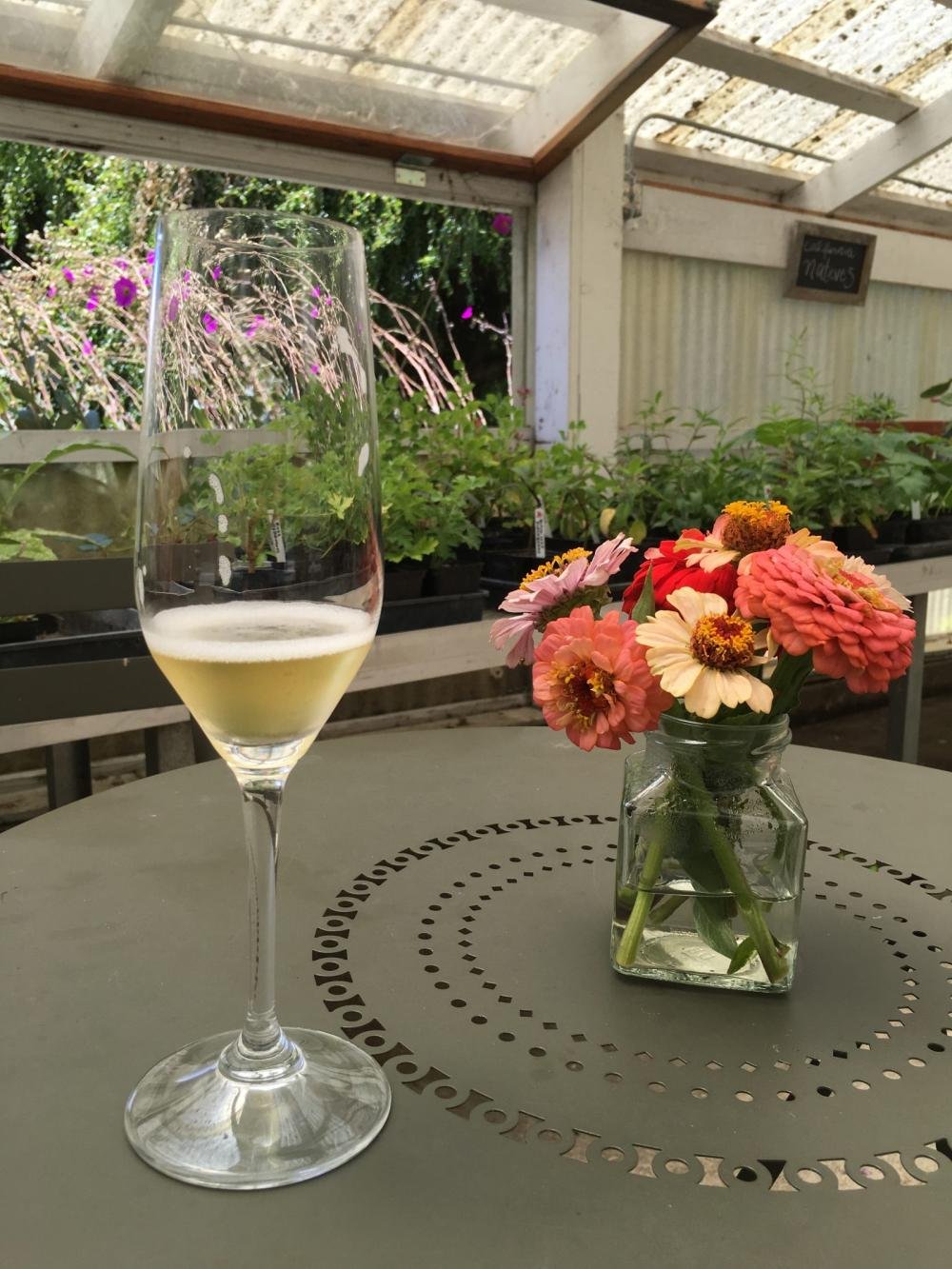
- Heidrun Meadery — Point Reyes Station, California. Sits on a 16-acre property with its own bee-forage farmscape and produces naturally sparkling varietal mead using the traditional Méthode Champenoise. The greenhouse tasting room is open daily, offers walk-in tastings, and runs weekend tours where visitors can walk footpaths through the property and watch honeybees actively foraging.
Beyond these three, meaderies exist in nearly every US state and across parts of Europe, and the craft mead scene has grown substantially in the past decade — the point of naming only a small, verified set here rather than a padded “top 20” list is that meadery operating hours, ownership, and even whether a tasting room is still open at all change more often in this smaller craft-beverage category than for an established brewery or winery.
What to Actually Expect at a Meadery Tasting Room
Meadery tasting rooms are run much like small craft breweries or wineries, and the format is fairly consistent across the category:
- Flights of 4-6 small pours covering the meadery’s core lineup, letting you compare dry, semi-sweet, and sweet styles or different honey-varietal bases side by side.
- Style variety beyond plain mead — most tasting rooms also pour melomels (fruit-infused mead) and metheglins (spiced or herb-infused mead), so it’s worth asking what’s on tap that day rather than assuming a single house style.
- Bottles and cans to take home, since most meaderies sell packaged product directly at the tasting room, often including small-batch releases not distributed elsewhere.
- Food, at some locations — Superstition Meadery’s tasting rooms specifically pour alongside food service, though this varies meadery to meadery and is worth checking before you go if a meal is part of your plan.
- An educational component at some meaderies — an apiary-adjacent meadery like Honeytree, which keeps its own hives on-site, may offer more direct insight into the honey side of production than a meadery that sources honey commercially.
How to Find a Legitimate Meadery Near You
Because the craft mead industry is smaller and younger than craft beer or wine, listings go stale faster. Before planning a visit to any meadery not covered above:
- Check the meadery’s own website or social media for a recent post confirming current tasting-room hours, not just a listing on a third-party directory site.
- Look at recent customer reviews (within the last several months) rather than a listing’s overall rating, since a meadery can close or change hours without every directory updating.
- Search your state or region’s meadery/craft-beverage trail guide if one exists — several US states now maintain an official mead or craft-beverage trail listing that’s more actively maintained than a generic review aggregator.
Frequently Asked Questions
Is a meadery tasting room the same as a brewery taproom?
The format is very similar — flights, bottles to go, sometimes food — but the product is mead (fermented honey) rather than beer. Many meaderies operate in spaces and with a service style directly modeled on craft breweries.
Do meaderies make their own honey on-site?
Some do and some don’t. Honeytree Meadery in Nashville is a real example of a meadery keeping its own apiary on-site, but most meaderies source honey from commercial beekeeping operations rather than keeping bees themselves — it’s worth asking directly if this matters to you.
Can I learn to make mead at a meadery visit?
Most tasting-room visits are focused on sampling and buying finished product rather than hands-on brewing instruction. If you want to actually learn to make mead yourself, this site’s separate guide to making mead at home covers the real process step by step.
Are meaderies family-friendly?
Mead is an alcoholic beverage, so tasting rooms are generally adults-focused the way a winery or brewery taproom is, though policies on bringing children vary by location — check directly with the specific meadery if traveling with kids.
How is mead different from wine or beer?
Mead is fermented from honey and water rather than grapes (wine) or grain (beer), which gives it a genuinely distinct flavor profile and production process — this site’s dedicated comparison of mead versus wine, beer, and cider covers the differences in full.
Readers interested in the underlying source can consult American Homebrewers Association.