Real honey festivals — not vague “there’s probably one somewhere” events — are held every year on multiple continents, from a century-old honey show at a UK racecourse to a Vienna street festival held right in the city center, and each one was independently verified here as a real, currently held event rather than assumed from a stale list. Here’s what’s actually out there, and how to confirm any festival is still happening before you build a trip around it.
Key Takeaways
- The National Honey Show in the UK has run since 1923 and is now held every October at Sandown Park Racecourse in Esher, Surrey — one of the longest-running honey events in the world.
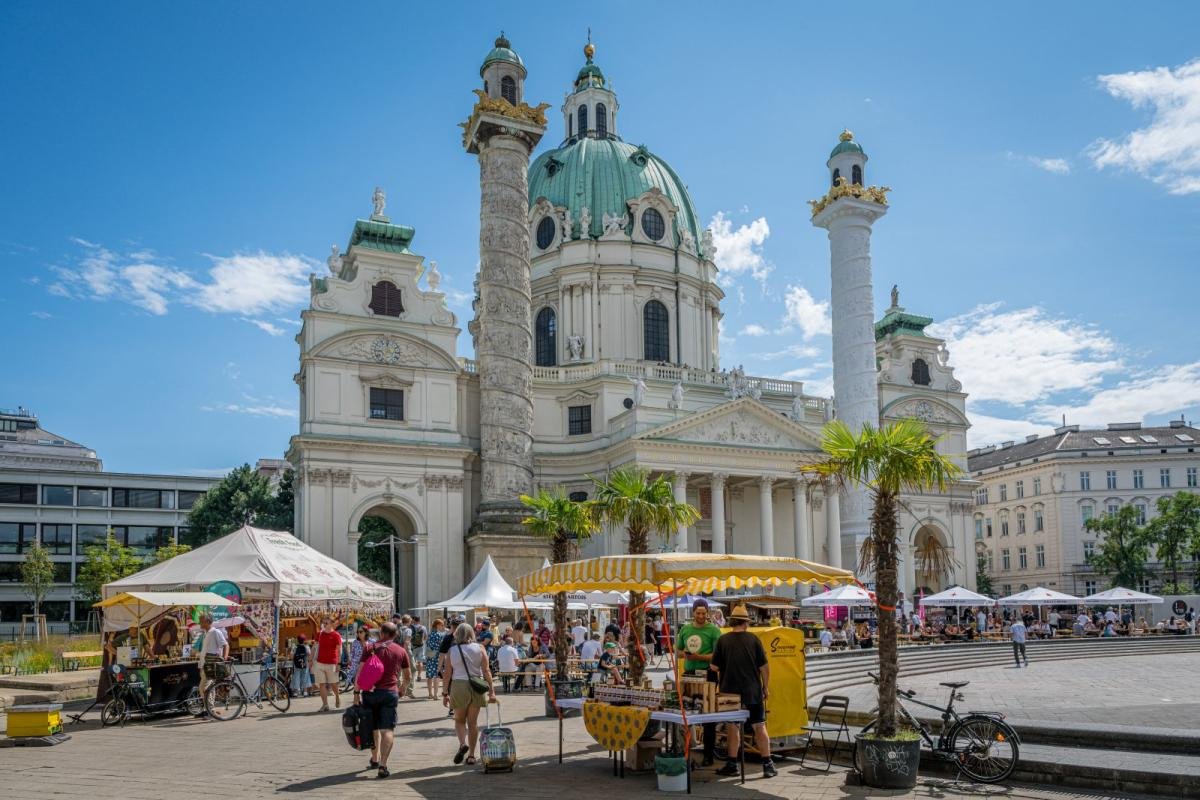
- Vienna, Austria, holds a real Honey Festival at Karlsplatz in the city center, with local beekeepers and honey vendors setting up stalls.
- In the US, the Asheville Honey Fest (North Carolina) and the California Honey Festival (Yolo County) are both real, currently held annual events with their own competitions and vendor markets.
- Festival dates move year to year and small events sometimes lapse — always verify current-year dates on the event’s own site or local news coverage before booking travel.
- Most honey festivals combine the same core elements: honey tastings, beekeeper demonstrations, mead sampling, honey-based food, and kids’ activities — knowing this in advance helps you judge whether a smaller, less-publicized local festival is worth the trip.
Table of Contents
- Verified, Currently Held Honey Festivals
- What to Actually Expect at a Honey Festival
- Why You Must Verify Dates Every Single Year
- Finding a Genuine Honey Festival Near You
- Frequently Asked Questions
Verified, Currently Held Honey Festivals
Rather than repeat a generic, unverifiable “top 10 honey festivals” list, here are specific events confirmed as real and currently active:
- The National Honey Show — Esher, Surrey, UK. First held in 1923 at London’s original Crystal Palace, this is one of the world’s longest-running honey shows. After moves following the Crystal Palace fire and later venues including the RAF Museum in Hendon, it has been hosted at Sandown Park Racecourse since 2016 and is held every October, drawing international entries, lectures, and workshops alongside its honey and beeswax competitions.
- Honey Festival at Karlsplatz — Vienna, Austria. A real, city-center festival where local beekeepers and honey producers set up stalls selling honey and related products directly to the public.
- Asheville Honey Fest — North Carolina, USA. Held annually in early June at Highland Brewing, bringing together local beekeepers, artisans, and educators alongside live music and food vendors — its signature event is the live finals of the International Black Jar Honey Competition, judged purely on blind taste.
- California Honey Festival — Yolo County, USA. An annual spring event at the Yolo County Fairgrounds celebrating bees, beekeepers, and pollinators with vendors, tastings, and educational programming.
- Honey Harvest Festival — Hunter’s Honey Farm, Martinsville, Indiana, USA. A working-farm festival held each September where families can watch fresh honey actually being extracted and bottled on-site, rather than a market-only event.
What to Actually Expect at a Honey Festival
Nearly every honey festival, large or small, revolves around the same core set of activities, so it’s worth knowing what’s typical before you plan around one:
- Honey tastings from multiple local or regional producers side by side, which is often the single best reason to attend — you genuinely cannot replicate a multi-producer tasting flight at a grocery store.
- Live beekeeper demonstrations and talks, sometimes including an actual observation hive or bee-beard demonstration.
- Mead tastings or a mead competition, since mead production and honey festivals overlap heavily in practice.
- Honey-based food and baking — honey ice cream, honey-glazed items, and local bakeoffs are common.
- Kids’ activities, typically bee-themed crafts or a simplified hive-inspection demo.
- A competitive honey show component at the larger, longer-running events specifically — the National Honey Show’s international judged classes are a good example of this being taken seriously as a real competitive category, not just a novelty.
Why You Must Verify Dates Every Single Year
Honey festival dates are not fixed the way a national holiday is — they shift year to year based on venue availability, harvest timing, and organizer capacity, and smaller community festivals sometimes lapse for a year or end permanently without much notice. Before booking any travel around a specific festival:
- Check the event’s own website or official social media for the current year’s confirmed date, not a cached search result or a travel-blog post that may be reposting an old date.
- Look for recent local news coverage or community calendar listings confirming the event actually took place as scheduled in the last year or two.
- For a festival tied to a specific working farm (like the Honey Harvest Festival at Hunter’s Honey Farm), confirm directly with the farm, since a working farm’s own harvest schedule can shift the festival date from year to year.
Finding a Genuine Honey Festival Near You
If none of the events above are near you, your best options for finding a real, current local honey festival are your state or national beekeepers’ association’s events calendar, your county fairgrounds’ annual events listing, and searching for your region’s name alongside “honey festival” plus the current year specifically, then checking that any result you find has a working, current-year booking or admission page rather than an outdated cached listing.
Frequently Asked Questions
Is the National Honey Show open to the general public, or just beekeepers?
It’s open to the general public alongside its competitive beekeeping classes — visitors can attend the show, lectures, and trade stands without being a competitor or a beekeeper themselves.
Do honey festivals usually cost money to attend?
It varies by event — some, like community farm festivals, are free or low-cost with pay-as-you-go vendor purchases, while larger juried shows like the National Honey Show typically charge standard event admission. Always check the specific event’s current pricing.
Are honey festivals family-friendly?
Generally yes — most of the events described here explicitly include kids’ activities, food vendors, and family-oriented programming alongside the more specialist beekeeping content.
What’s the difference between a honey festival and a honey show?
A “honey show” specifically implies a judged competitive component (honey, beeswax, and related products entered and scored by judges), while a “honey festival” is a broader term that can include a market, food, music, and activities with or without formal competition. The National Honey Show does both.
Can I buy honey directly from beekeepers at these festivals?
Yes — buying directly from a vendor at a honey festival is one of the most reliable ways to get real, traceable local honey, since you can usually ask the beekeeper themselves about their apiary and production methods on the spot.
This is covered in more depth by The National Honey Show.