

World Bee Day is an official United Nations observance held every May 20, created by a 2017 UN General Assembly resolution to raise awareness of pollinators’ role in food security and biodiversity — not a beekeeping trade holiday, but a genuine UN-level environmental observance with real annual themes, international events, and concrete ways for anyone to take part. Here’s what it actually is, what it’s trying to fix, and how it’s being marked in 2026.
Key Takeaways
- World Bee Day was established by UN General Assembly resolution A/RES/72/211 on December 20, 2017, after Slovenia proposed it through the FAO’s Regional Conference for Europe with support from Apimondia, the international beekeeping federation.
- May 20 was chosen because it’s the birthday of Anton Janša, an 18th-century pioneer of modern beekeeping — the day was first observed in 2018.
- The real problem behind the day: about 75% of the world’s food crop types benefit at least partly from animal pollination, but pollinator-dependent crops account for only around a third of total global food production by volume — a distinction most casual “save the bees” content glosses over.
- The 2026 theme, set by the FAO, is “Bee Together for People and the Planet — A partnership that sustains us all,” marked by real events including the Third International Forum for Action on Sustainable Beekeeping and Pollination in Maribor, Slovenia (May 20-21) and an official observance at the Palais des Nations in Geneva (May 27).
- World Bee Day is an awareness observance, not a regulation — it doesn’t itself restrict pesticides or protect habitat; its actual impact comes from the actions, funding, and policy attention it prompts governments, organizations, and individuals to take.
Table of Contents
- What World Bee Day Actually Is
- Why May 20, Specifically
- What World Bee Day Is Actually Trying to Fix
- How World Bee Day 2026 Is Being Marked
- Concrete Ways to Actually Participate
- What This Day Isn’t
- Frequently Asked Questions
What World Bee Day Actually Is
World Bee Day is an official United Nations international observance, not an informal or beekeeping-industry-only event. The UN General Assembly unanimously adopted resolution A/RES/72/211 on December 20, 2017, formally proclaiming May 20 as World Bee Day. The proposal originated with the Republic of Slovenia, submitted through the Food and Agriculture Organization’s (FAO) Regional Conference for Europe, with the backing of Apimondia, the international federation of beekeeping associations. The FAO Committee on Agriculture and the full FAO Conference endorsed the proposal before the FAO Director-General formally requested the General Assembly take it up. The first World Bee Day was observed in 2018.
Why May 20, Specifically
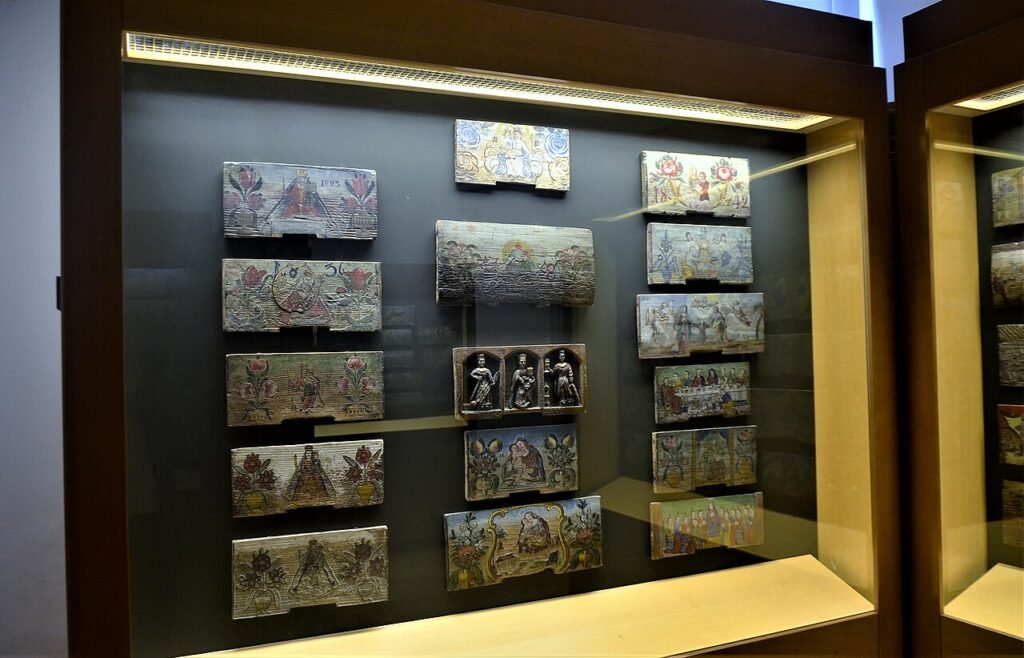
May 20 was chosen because it’s the birthday of Anton Janša (1734-1773), a Slovenian beekeeper widely credited as a pioneer of modern apiculture techniques and the author of some of the first systematic beekeeping instructional texts in Europe. Slovenia’s own beekeeping tradition and Janša’s specific historical contributions are a genuinely deep topic on their own — this site covers Anton Janša’s full life and legacy in a dedicated piece rather than repeating that biography here.
What World Bee Day Is Actually Trying to Fix
The commonly repeated “bees pollinate a third of everything we eat” framing is a real but often oversimplified statistic. According to FAO and IPBES (the Intergovernmental Science-Policy Platform on Biodiversity and Ecosystem Services), roughly 75% of the world’s food crop types benefit at least partly from animal pollination — but because the world’s largest-volume staple crops (wheat, rice, corn) are wind-pollinated or self-pollinating, pollinator-dependent crops make up only around a third of total global food production by volume. Both figures are real and both matter: the 75% figure explains why crop diversity and nutrition (fruits, vegetables, nuts, and many high-value crops lean heavily on pollinators) are genuinely at stake, while the roughly one-third figure keeps the framing honest about staple calorie security specifically. World Bee Day exists because pollinator decline is a real, documented trend, and raising this distinction accurately is more useful than a single flattened statistic.
How World Bee Day 2026 Is Being Marked
Each year’s observance has an official FAO-set theme. For 2026, it’s “Bee Together for People and the Planet — A partnership that sustains us all,” emphasizing the long relationship between people and bees across food systems, livelihoods, and culture. Real events tied to the 2026 observance include:
- The Third International Forum for Action on Sustainable Beekeeping and Pollination, held in Maribor, Slovenia, May 20-21, 2026.
- An official World Bee Day observance at the Palais des Nations in Geneva, Switzerland, on May 27, 2026.
- Smaller cultural tie-ins such as an “Apilogo” art installation for wild bees held in Rome, Italy, in the days leading up to the observance.
Beyond these headline events, FAO’s own materials note that “hundreds of activities and events” are organized worldwide each year by governments, NGOs, schools, and beekeeping associations — the scale varies enormously by country and community, from national government ceremonies down to a single local beekeeping club’s open hive day.
Concrete Ways to Actually Participate
You don’t need to be a beekeeper or attend an international forum to genuinely participate:
- Plant something pollinators can actually use. A real, well-chosen pollinator garden does more than a symbolic gesture — see this site’s guide to building a genuinely pollinator-friendly garden for what actually works versus what just looks nice.
- Buy honey from a real, identifiable local beekeeper rather than an anonymous bulk brand — this site’s guide to finding and vetting real local honey covers exactly how to do this properly.
- Skip or reduce pesticide use on your own lawn or garden, particularly during active bloom periods when pollinators are foraging.
- Support policy and habitat work directly — a beekeeper’s own hive management choices can meaningfully support wild, native bee populations too, not just honeybees; see how beekeeper practices can support native bee conservation.
- Share information accurately, not just trivia. The distinction between the 75%-of-crop-types and one-third-of-production statistics above is exactly the kind of accurate nuance worth actually sharing on the day, rather than a flattened, easily-misremembered version.
What This Day Isn’t
World Bee Day is an awareness observance, not a binding regulation — the UN resolution itself doesn’t restrict pesticide use, fund habitat restoration, or protect any specific species. Its actual effect comes indirectly, through the policy attention, funding conversations, media coverage, and grassroots action it prompts each year, which vary considerably by country. It’s also worth noting the day is explicitly about pollinators broadly, including the thousands of native bee species and other pollinating insects, not only managed honeybee colonies — a distinction the “save the bees” shorthand sometimes blurs, since honeybee colony numbers in managed apiaries are not in the same decline trajectory as many wild pollinator species.
Frequently Asked Questions
Is World Bee Day an official UN holiday?
It’s an official UN international observance, established by General Assembly resolution A/RES/72/211 in December 2017 — not a public holiday with days off, but a formally recognized annual date for awareness activities, events, and official ceremonies.
Why is World Bee Day on May 20?
May 20 is the birthday of Anton Janša, an 18th-century Slovenian beekeeper considered a pioneer of modern apiculture. Slovenia proposed the observance and championed the date in his honor.
What is the 2026 World Bee Day theme?
The FAO’s official 2026 theme is “Bee Together for People and the Planet — A partnership that sustains us all,” marked by events including the Third International Forum for Action on Sustainable Beekeeping and Pollination in Maribor, Slovenia, and an official observance in Geneva.
Do bees really pollinate a third of our food?
It’s more nuanced than that common shorthand suggests: about 75% of food crop types benefit at least partly from pollinators, but because staple crops like wheat, rice, and corn don’t rely on pollinators, pollinator-dependent crops make up roughly a third of total global food production by volume — both figures are real, but they measure different things.
Is World Bee Day only about honeybees?
No — it’s about pollinators broadly, including the thousands of native and wild bee species along with other pollinating insects. This matters because managed honeybee colony numbers aren’t in the same decline trajectory as many wild pollinator species, so the observance’s real focus is broader than just honeybees.
How can I actually participate in World Bee Day if I’m not a beekeeper?
Plant a genuinely pollinator-friendly garden, reduce pesticide use during bloom periods, buy honey from a real identifiable local beekeeper rather than an anonymous bulk brand, and share accurate information rather than oversimplified statistics.
This is covered in more depth by the National Honey Board.
Related Reading
Image credits: Photo: Ivar Leidus, licensed CC BY-SA 4.0, via Wikimedia Commons.

