The COVID-19 pandemic genuinely did trigger a surge of new hobbyist beekeepers in 2020 — Montana’s non-commercial beekeeper count jumped from 271 before the pandemic to 414 that same year — but almost nobody covering that “beekeeping boom” story mentioned the other half of it: the same pandemic simultaneously wrecked the international package-bee supply chain that new beekeepers needed to actually get started. It’s a genuinely more complicated, more interesting story than the simple feel-good “everyone took up a new hobby” framing most press coverage settled on.
Key Takeaways
- Real, named, quantified data backs the surge: Montana’s non-commercial (hobbyist and landowner) beekeeper count rose from 271 before COVID-19 to 414 in 2020, according to state figures reported alongside the University of Montana’s beekeeping program.
- At the same time interest spiked, the actual supply of package bees collapsed: with cargo flights grounded, Canadian beekeepers received only about a third of their placed package-bee orders in spring 2020, and 2021 was worse still, at roughly a fifth of 2019 import volumes.
- New beekeepers faced a second, less-discussed obstacle: beekeeping has traditionally been a mentorship-heavy hobby, and lockdown restrictions made in-person mentoring and beginner classes difficult or impossible to access right when demand for exactly that kind of help was rising.
- The shortage wasn’t just a Canadian problem — international bee and queen shipments generally depend on passenger and cargo flight capacity that dropped sharply worldwide in 2020 and 2021, squeezing supply everywhere at once.
- The result was a genuine mismatch: more people wanting to start keeping bees than in years prior, arriving at exactly the moment it became harder than usual to actually obtain bees and get proper guidance.
Table of Contents
- The Surge Was Real
- The Part Most Coverage Left Out: The Supply Collapse
- The Mentorship Problem
- What Actually Stuck
- Frequently Asked Questions
The Surge Was Real
The “pandemic beekeeping boom” wasn’t just a media narrative — real state-level data backs it up. Montana saw its sharpest year-over-year increase in non-commercial beekeepers between 2019 and 2020, rising from 271 hobbyist and landowner beekeepers before COVID-19 to 414 once the pandemic hit, according to figures reported alongside the University of Montana’s beekeeping program. Beekeeping fit a broader pattern of pandemic-era hobbies: people spending more time at home, looking for a degree of food self-sufficiency during a period of visible supply-chain anxiety, and simply having more unstructured time on their hands than a normal work year would allow. A PayPal Newsroom trend piece from the period specifically flagged beekeeping as one of the “buzzy” new hobbies gaining traction, alongside the broader home-gardening and backyard-agriculture surge of the same year.
The Part Most Coverage Left Out: The Supply Collapse
Here’s the detail that turns this from a simple feel-good story into a genuinely more complicated one: the same global disruption driving people toward new hobbies also gutted the international supply chain those new hobbyists needed to actually start. Package bees and queens are frequently shipped across borders — this site’s own guide to how package bees and queens actually travel covers the domestic logistics involved even in ordinary years — and that system depends heavily on passenger and cargo flight capacity that collapsed worldwide in 2020. With flights grounded, Canadian beekeepers received only about a third of the package-bee orders they’d placed in spring 2020. It got worse before it got better: 2021 import volumes came in at roughly a fifth of 2019 levels, as exporting operations struggled with their own travel restrictions and labor shortages on top of the flight capacity problem. So the actual lived experience for a lot of would-be new beekeepers in 2020 and 2021 wasn’t “I decided to try beekeeping and easily got started” — it was wanting to start at the exact moment getting bees became meaningfully harder than in a normal year.
The Mentorship Problem
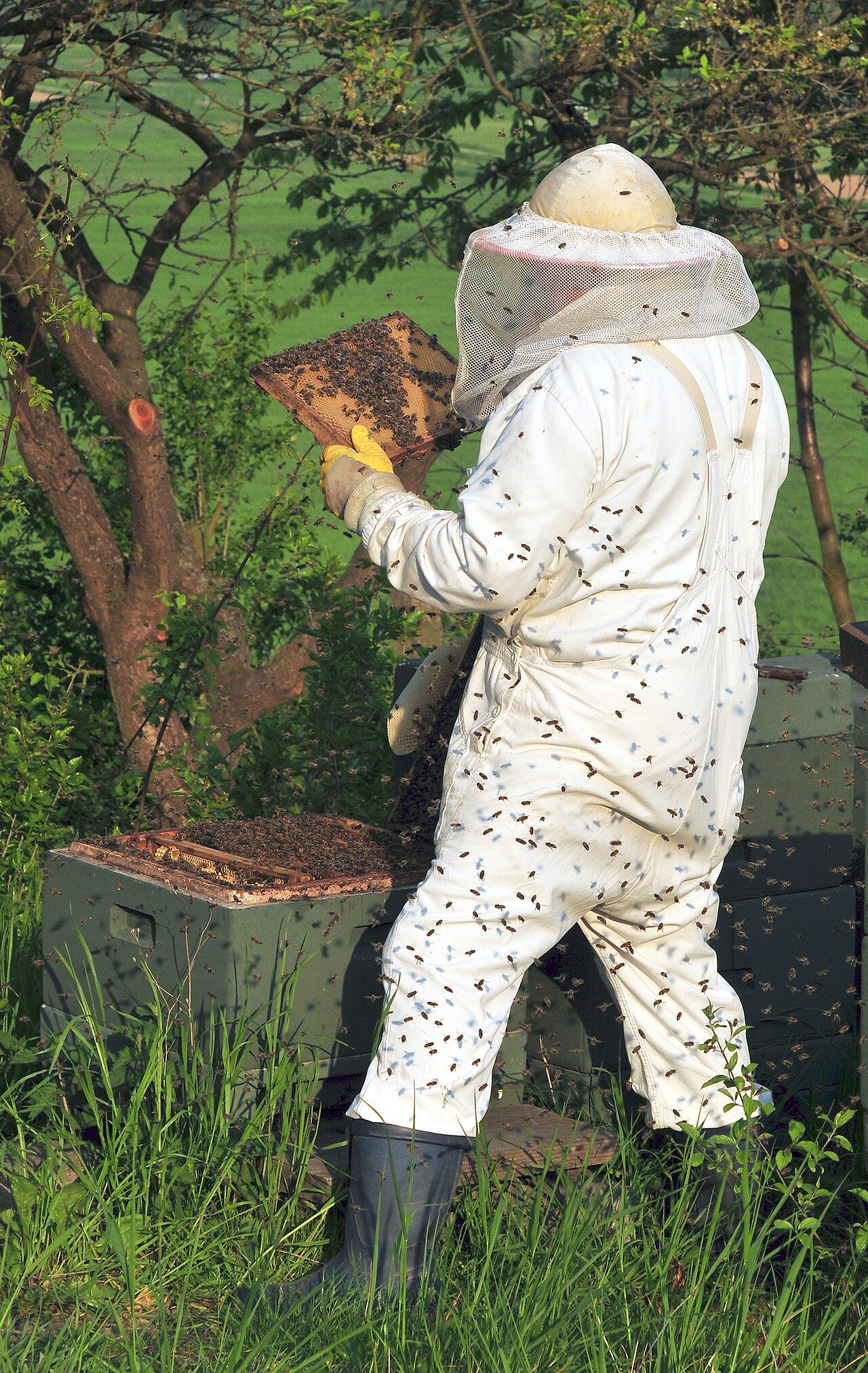
Supply wasn’t the only obstacle. Beekeeping has traditionally leaned heavily on in-person mentorship and hands-on beginner classes — this site’s own guide to beekeeping training and certification reflects how much of the field’s beginner education has historically happened through local clubs, workshops, and one-on-one mentoring at an experienced keeper’s own hives. Lockdown restrictions made exactly that kind of access difficult or impossible right as a wave of brand-new beekeepers most needed it, forcing a real, rapid shift toward online classes, video tutorials, and remote troubleshooting that the hobby hadn’t previously depended on nearly as much. Some of the difficulty was straightforwardly logistical: it’s hard to have someone stand at your shoulder pointing at a frame of brood through a screen. Some new beekeepers adapted well without hands-on mentoring; others likely lost colonies or gave up in year one for exactly the reasons a mentor would normally have caught early.
What Actually Stuck
Not every pandemic-era beekeeper stayed with it once life returned to something closer to normal — that’s true of plenty of 2020 hobbies, not something unique to bees. But real registration and membership data from the period suggests the surge wasn’t purely a short-lived blip either; state and municipal beekeeping registrations in multiple areas remained elevated well past the initial lockdown period rather than snapping straight back to pre-pandemic baselines. This site’s own guide to how to start beekeeping reflects lessons the hobby’s rapid, supply-constrained 2020-2021 growth period reinforced for a lot of newer keepers the hard way: verify your bee source and timeline well in advance, and don’t assume mentorship will simply be available exactly when and how you expect it.
Frequently Asked Questions
Did backyard beekeeping actually increase during COVID-19?
Yes, in at least some well-documented cases. Montana’s non-commercial beekeeper count rose from 271 before the pandemic to 414 in 2020, and beekeeping was flagged in contemporaneous trend coverage as one of several pandemic-era hobbies gaining new participants.
Why was it harder to actually get bees during this period?
Because package bees and queens are often shipped across borders, and the flight capacity that shipping depends on collapsed during the pandemic. Canadian beekeepers received only about a third of their spring 2020 package orders, and 2021 volumes were roughly a fifth of 2019 levels.
What was the mentorship problem specifically?
Beekeeping has traditionally relied on in-person clubs, classes, and one-on-one mentoring, and lockdown restrictions made that kind of access difficult right when a wave of new beekeepers needed it most, pushing much more of beginner education online than before.
Did the surge in new beekeepers last?
At least partially. Registration and membership data in several areas stayed elevated well past the initial lockdown period rather than immediately reverting to pre-pandemic levels, though not every pandemic-era hobbyist stuck with it long-term.
For additional context, see a peer-reviewed review in PMC.