Published August 31, 2026
Table of Contents
- What Buckfast Bees Are
- Brother Adam and the Buckfast Breeding Program
- The Breeding Method Behind the Bee
- Key Traits: Gentleness, Productivity, and Disease Resistance
- Buckfast vs. Other Popular Stock
- Where to Buy Buckfast Queens
- The Hybrid Vigor Trade-Off
- Managing a Buckfast Colony
- Who Should Consider Buckfast Stock
- Buckfast Bees in North American Climates
- Common Misconceptions About the Breed
- Combining Buckfast Traits With Dedicated Mite-Resistant Lines
- How to Evaluate a Buckfast Queen Breeder’s Claims
- Overwintering Performance
- Cost Compared to Standard Package Bees
- Brother Adam’s Broader Legacy in Bee Breeding
- Drone Source Matters as Much as the Queen
- Common Mistakes
What Buckfast Bees Are
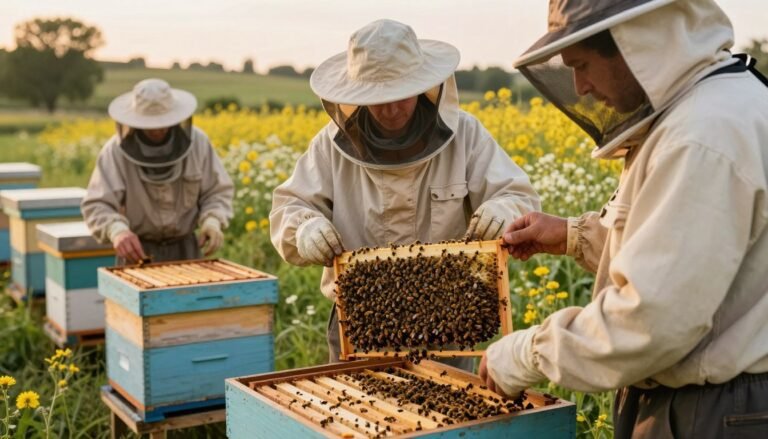
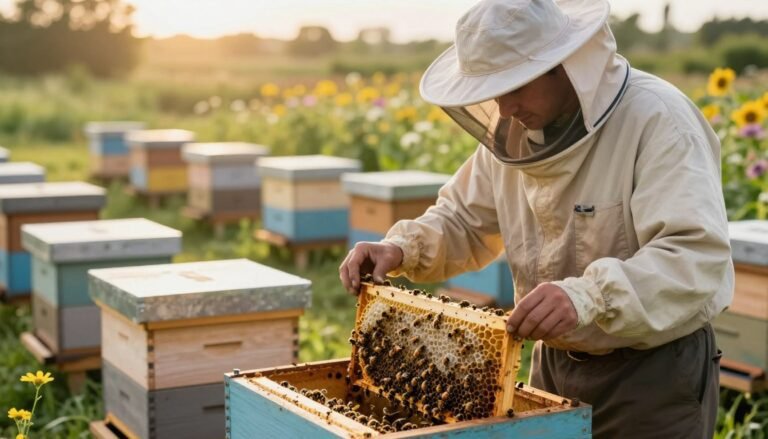
Buckfast bees are a honey bee hybrid developed over decades by Brother Adam at Buckfast Abbey in England, bred specifically for gentleness, strong honey production, low swarming tendency, and improved disease resistance by deliberately combining traits from multiple European and Near Eastern honey bee subspecies rather than relying on a single regional race. They remain one of the most recognized named breeding lines in modern beekeeping, and understanding what actually makes them distinct from a generic “gentle hybrid” is useful before deciding whether to seek them out.
Brother Adam and the Buckfast Breeding Program
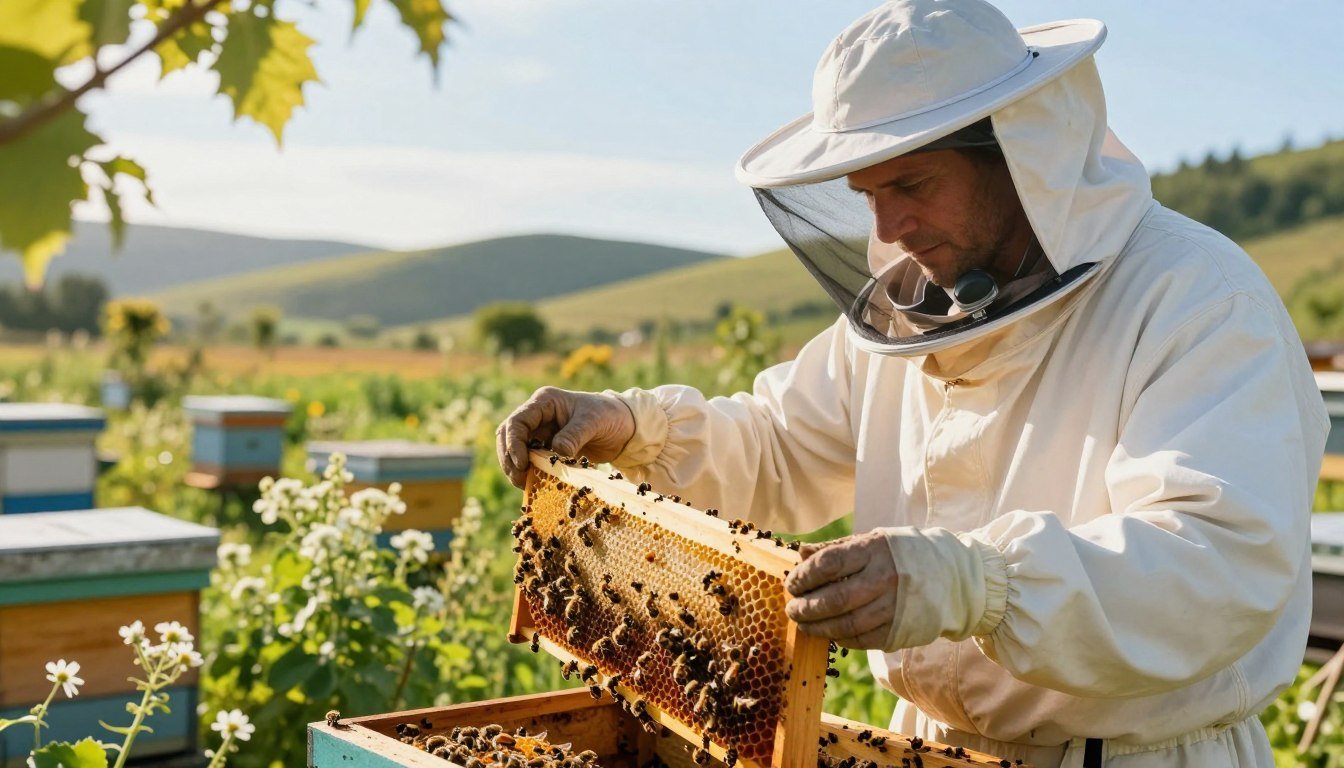
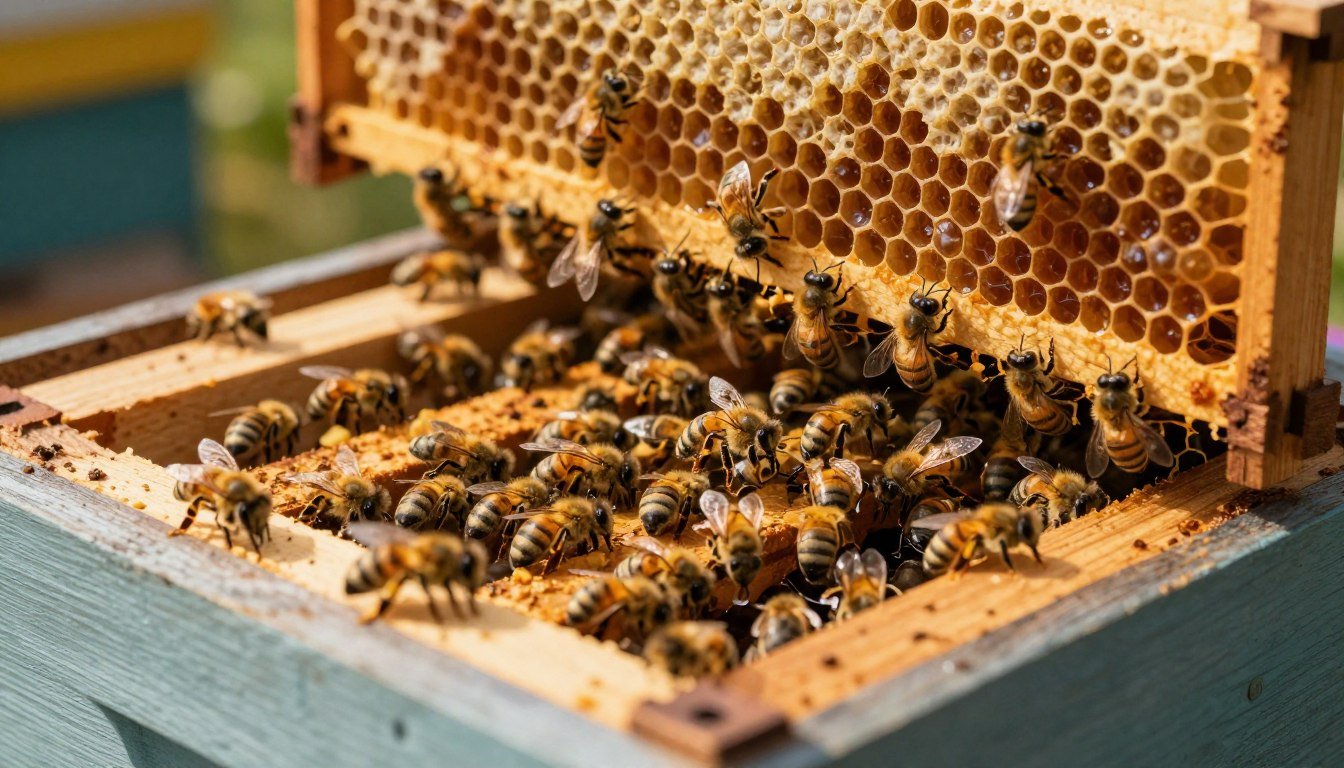
Brother Adam (born Karl Kehrle) took charge of beekeeping at Buckfast Abbey in 1919, at a time when tracheal mites (then called “Isle of Wight disease”) were devastating Britain’s native dark bee population. In 1925 he established a formal breeding station and, starting in 1950, undertook extensive collecting trips across Europe, the Near East, and North Africa to evaluate and cross regional bee subspecies directly in the field rather than working from secondhand reports. This decades-long, hands-on evaluation process is a genuinely different foundation than most modern named lines, which are typically developed over a much shorter timeframe.
The Breeding Method Behind the Bee
Brother Adam moved breeding colonies to Dartmoor, an area isolated enough that no wild bee populations could interfere with mating, allowing his selected virgin queens to mate almost exclusively with his chosen drone stock. He went further by inbreeding the drone lines themselves, using sister-queen-headed drone colonies to produce drones that were genetically near-identical, and treated every cross with a new subspecies as a decade-long project before considering the desired traits genetically fixed. This level of controlled, sustained selection is a big part of why the resulting hybrid is considered a genuinely distinct breeding achievement rather than just a one-off cross.
Key Traits: Gentleness, Productivity, and Disease Resistance
Brother Adam’s stated selection priorities were low swarming tendency, calmness and lack of aggression, disease resistance, strong fecundity, and genuine foraging drive — traits chosen specifically because they produce colonies that are both highly productive and pleasant to actually work with, not selected for a single headline trait at the expense of practical beekeeping. Beekeepers who have kept Buckfast stock consistently report calmer behavior on the comb and reduced swarming pressure compared to many unselected mixed-genetic colonies, though individual colony temperament always varies with local conditions and management.
Buckfast vs. Other Popular Stock
| Factor | Buckfast | Italian | Carniolan |
|---|---|---|---|
| Temperament | Very calm, low aggression | Generally calm | Calm, can be more defensive |
| Swarming tendency | Low (a primary breeding goal) | Moderate | Higher, more swarm-prone |
| Genetic basis | Deliberate multi-subspecies hybrid | Single subspecies (Apis mellifera ligustica) | Single subspecies (Apis mellifera carnica) |
| Consistency across generations | Requires maintained breeding program to stay true | More genetically stable | More genetically stable |
The genetic-basis row is the real practical distinction: a single-subspecies line like Italian or Carniolan stock breeds relatively true on its own, while Buckfast’s hybrid vigor genuinely depends on maintained, deliberate crossing to keep expressing consistently, which shapes how you should think about requeening over time (more on this below).
Where to Buy Buckfast Queens
Buckfast queens are available in the U.S. and UK through breeders affiliated with organizations like the European Federation of Buckfast Beekeepers’ Associations, as well as independent queen breeders who maintain their own Buckfast-derived lines, though availability and true-to-line consistency vary meaningfully between sources. Because the breed’s defining traits depend on active, ongoing selective breeding rather than a fixed genetic package, buying from a breeder with a transparent, sustained breeding program matters more here than it does for a straightforward single-subspecies purchase.
The Hybrid Vigor Trade-Off
Buckfast bees benefit from hybrid vigor — the improved performance that often comes from crossing genetically distinct lines — but this same mechanism means the F1 generation typically expresses the desired traits most strongly, with quality tending to drift in uncontrolled subsequent generations if a colony is allowed to requeen itself naturally from open mating with unrelated local drones. Beekeepers who want to keep genuinely Buckfast-quality colonies over multiple years generally need to requeen periodically from a maintained breeding source rather than assuming the line stays true indefinitely on its own.
Managing a Buckfast Colony
Buckfast colonies are generally managed using standard modern beekeeping practices, with no unusual equipment or technique requirements beyond what any calm, productive stock needs — though their historically strong foraging drive and lower swarm tendency mean some beekeepers find they need slightly less aggressive swarm-prevention management (like checkerboarding or the Demaree method) than more swarm-prone stock, while still benefiting from proactive space management during a strong nectar flow.
Who Should Consider Buckfast Stock
Beekeepers prioritizing calm, easy-to-work colonies and strong honey yields, especially those in regions with reliable access to a maintained Buckfast breeding source for periodic requeening, are the best fit for this stock. A beekeeper without reliable access to true-line breeders, or one unwilling to requeen periodically to maintain trait consistency, may find a stable single-subspecies line like Italian or Carniolan stock a more practical long-term fit.
Buckfast Bees in North American Climates
Buckfast stock has been kept successfully across a wide range of North American climates, from northern regions with long winters to warmer southern apiaries, though as with any imported genetic line, regional adaptation matters as much as the breed name itself. A Buckfast queen bred and evaluated in a mild UK climate doesn’t automatically transfer every trait unchanged to a harsh continental winter, which is why sourcing from a breeder who evaluates their own stock under conditions similar to yours is worth more than the breed label alone.
Common Misconceptions About the Breed
A persistent misconception is that “Buckfast” refers to a fixed, single genetic recipe that never changes, when in reality it describes an ongoing breeding philosophy and selection standard that different breeders continue applying and refining independently, which is part of why quality and consistency genuinely varies between sources. Another common confusion is treating any calm, productive hybrid bee as automatically “Buckfast” — the name specifically traces back to Brother Adam’s documented breeding lineage and the breeders who maintain it, not just any gentle mixed-genetic colony a supplier chooses to market that way.
Combining Buckfast Traits With Dedicated Mite-Resistant Lines
Because Brother Adam’s original selection priorities were temperament, productivity, and general disease resistance rather than varroa-specific hygienic behavior, some modern breeders have crossed Buckfast stock with dedicated mite-resistant lines to combine the calm, productive temperament with more targeted mite tolerance. A beekeeper specifically prioritizing varroa resistance above all else may get more direct results from a purpose-bred line, but a Buckfast-derived cross remains a reasonable middle-ground option for anyone wanting both easy handling and improved (if not maximized) mite tolerance in the same colony.
How to Evaluate a Buckfast Queen Breeder’s Claims
Since the breed’s defining traits depend on active, ongoing selection rather than a fixed genetic package you can simply purchase once, look for breeders who can describe their own selection criteria and evaluation process specifically, not just a supplier who applies the “Buckfast” label to generally calm, productive stock. Asking directly how many generations a breeder’s own line traces back, what their current selection priorities are, and whether they belong to a recognized Buckfast breeding association gives a much clearer signal than the name alone.
Overwintering Performance
Colonies descended from Buckfast stock are generally reported to overwinter reasonably well, a byproduct of the fecundity and general vigor Brother Adam selected for, though overwintering success in any bee line depends heavily on regional management practices, mite control, and adequate late-season feeding rather than genetics alone. Beekeepers relying on Buckfast genetics as their primary overwintering strategy without also maintaining standard varroa monitoring and fall feeding practices are setting the stock up to underperform its real potential.
Cost Compared to Standard Package Bees
Buckfast queens from a maintained breeding program typically cost more than a generic requeening package, reflecting the ongoing selection work and controlled mating a genuine breeder invests in maintaining line quality, rather than just the cost of any mated queen. For a beekeeper managing a handful of colonies primarily for enjoyment, this premium may be easy to justify for the calmer, easier-to-work experience; a larger commercial operation weighing per-colony costs across dozens or hundreds of hives may reasonably decide the premium doesn’t scale as well and opt for a different sourcing strategy for at least part of the operation.
Brother Adam’s Broader Legacy in Bee Breeding
Beyond the Buckfast line itself, Brother Adam’s methodical approach to documenting selection criteria, evaluating stock under real field conditions across many regions, and maintaining controlled mating through geographic isolation directly influenced how many modern bee-breeding programs, including several dedicated mite-resistant lines developed decades later, structure their own selection work. Understanding this broader legacy helps explain why “Buckfast” remains a reference point in beekeeping breeding discussions even among breeders working on entirely different trait priorities like varroa resistance rather than temperament.
Drone Source Matters as Much as the Queen
Because a queen mates with 10-20 drones during her mating flights, the genetic quality of the resulting colony depends heavily on what drone stock is actually available in your area, not just the queen’s own pedigree — a genuine Buckfast queen mating in an area saturated with unrelated local drones will produce a colony with diluted trait expression regardless of how well-bred the queen herself was. Beekeepers serious about maintaining line quality over time sometimes coordinate with nearby apiaries to maintain compatible drone stock in the area, a level of coordination worth knowing about even if you don’t pursue it yourself.
Common Mistakes
Assuming any bee marketed as “Buckfast-cross” or “Buckfast-type” carries the same trait consistency as stock from an established, maintained breeding program overestimates how much a single cross alone can deliver — the traits genuinely depend on sustained, deliberate selection, not just the original genetic recipe. Letting a Buckfast colony requeen itself repeatedly through open mating with unrelated local drones and expecting the line to stay true ignores the hybrid-vigor trade-off explained above. Treating “Buckfast” as a guarantee of calm temperament in every single colony overlooks the real individual-colony variation that exists even within a well-maintained line.
Sources
Historical and breeding-methodology details reflect published information from Buckfast Abbey and the Honey Bee Research Centre’s documented history of Brother Adam’s breeding program.
FAQ
Are Buckfast bees a true species?
No — Buckfast is a deliberately developed hybrid combining traits from multiple honey bee subspecies, not a naturally occurring species or a single-subspecies breed like Italian or Carniolan bees.
Are Buckfast bees more resistant to mites?
Brother Adam’s original breeding program targeted general disease resistance, including tracheal mite tolerance relevant in his era; modern Buckfast lines are not inherently bred specifically for varroa resistance the way Saskatraz or VSH lines are, so beekeepers wanting dedicated mite resistance should still maintain a standard monitoring and treatment program.
Do Buckfast bees need to be requeened more often?
Not necessarily more often than any colony, but maintaining genuinely Buckfast-quality traits over multiple generations generally requires periodic requeening from a maintained breeding source, since open mating with unrelated local drones can dilute the hybrid’s defining characteristics over time.
Where did the name “Buckfast” come from?
From Buckfast Abbey in Devon, England, where Brother Adam developed the line starting in the 1920s and continued refining it through decades of collecting and crossbreeding trips across Europe, the Near East, and North Africa.
Can I raise my own queens from Buckfast stock?
Yes, but daughter queens raised through open mating with unrelated local drones will not reliably reproduce the original hybrid’s full trait consistency, since Buckfast’s defining characteristics depend on the specific controlled crosses maintained by dedicated breeders, not the genetics of a single purchased queen alone.