Published August 28, 2026
Table of Contents
- What BeeCozy Is
- Material and Design
- BeeCozy vs. Foam Board and Tar Paper
- Installing a BeeCozy Wrap
- Ventilation: The Detail That Matters Most
- When to Wrap and When to Remove
- Which Climates Actually Benefit
- Durability and Multi-Season Reuse
- Who Should Use It
- Cost Analysis Across Multiple Seasons
- Wrapping an Apiary at Scale
- Wind Protection vs. Pure Insulation
- Combining a Wrap With Other Winter Prep
- Color and Sun Exposure Considerations
- Pest Considerations With a Fitted Wrap
- Checking a Wrapped Hive Mid-Winter
- Wrapping New Colonies vs. Established Ones
- Checking Warranty and Return Policy Before First Use
- Common Mistakes
What BeeCozy Is
BeeCozy is a commercial fitted hive wrap product made from an insulating fabric material designed to slip over a full hive stack for winter, offering an alternative to DIY tar paper wrapping or rigid foam board insulation panels. Our broader guides on insulated hive wraps vs. foam board wraps and best hive wraps for cold climates cover wrap material categories broadly; this guide looks specifically at this named commercial product and its practical differences from the DIY alternatives.
Material and Design
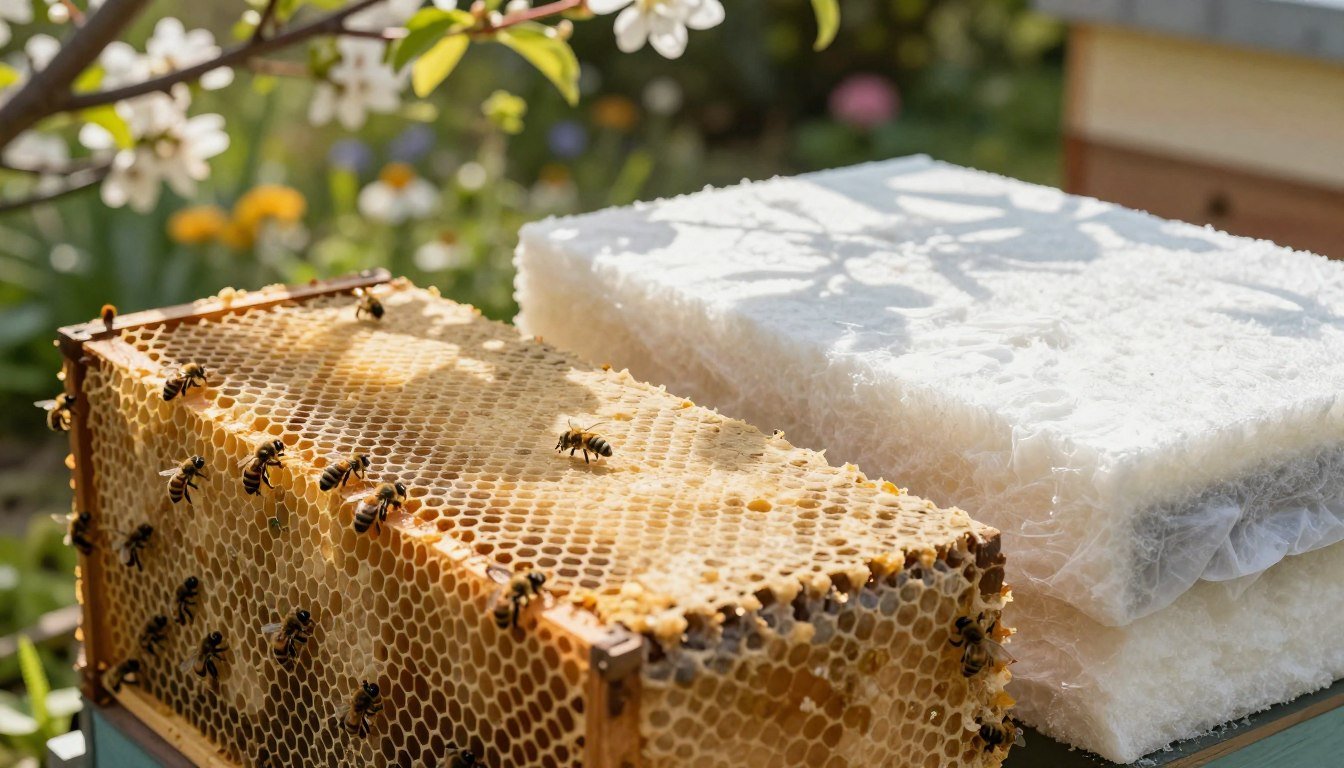
BeeCozy uses a fitted fabric design rather than rigid panels, meaning it conforms to the hive’s shape directly rather than requiring separate flat panels cut and fitted around each side — a genuine convenience advantage over DIY foam board, which requires more assembly and custom-fitting work for each hive. The fabric approach also tends to be lighter and easier to store compactly between seasons than rigid foam panels, which take up more storage space when not in use.
BeeCozy vs. Foam Board and Tar Paper
| Factor | BeeCozy (Fitted Fabric) | Foam Board | Tar Paper |
|---|---|---|---|
| Installation effort | Low — slips on directly | Moderate — cut and fit panels | Moderate — wrap and secure |
| Insulation value | Moderate | Higher (denser material) | Lower (primarily windbreak) |
| Storage between seasons | Compact | Bulky | Compact |
| Cost | Higher per hive | Moderate | Lowest |
The practical tradeoff is fairly clear: BeeCozy trades some raw insulation value (foam board’s denser material generally provides better thermal performance) for meaningfully easier, faster installation and better between-season storage — a reasonable trade for a beekeeper managing several hives who values setup time over squeezing out the last increment of insulation performance.
Installing a BeeCozy Wrap
Installation is straightforward by design: slip the fitted wrap over the assembled hive stack, securing it according to the product’s specific fastening system, generally without needing separate cutting, measuring, or panel assembly the way foam board requires. This simplicity is the product’s core selling point — a beekeeper managing many hives can wrap an entire apiary considerably faster with a fitted product than with DIY panel-based insulation, a genuine time-savings advantage worth weighing against the higher per-unit cost.
Ventilation: The Detail That Matters Most
Regardless of wrap material, adequate ventilation remains the single most important detail to get right — trapped moisture from the colony’s own respiration is a more serious winter threat than cold itself in most climates, and a well-insulated but poorly ventilated hive can suffer more from condensation and mold than an unwrapped hive would. Confirm your specific BeeCozy installation maintains adequate upper ventilation (via your existing moisture board, upper entrance, or quilt box setup) rather than assuming the wrap product’s design automatically handles this — check the manufacturer’s specific guidance on compatible ventilation setups.
When to Wrap and When to Remove
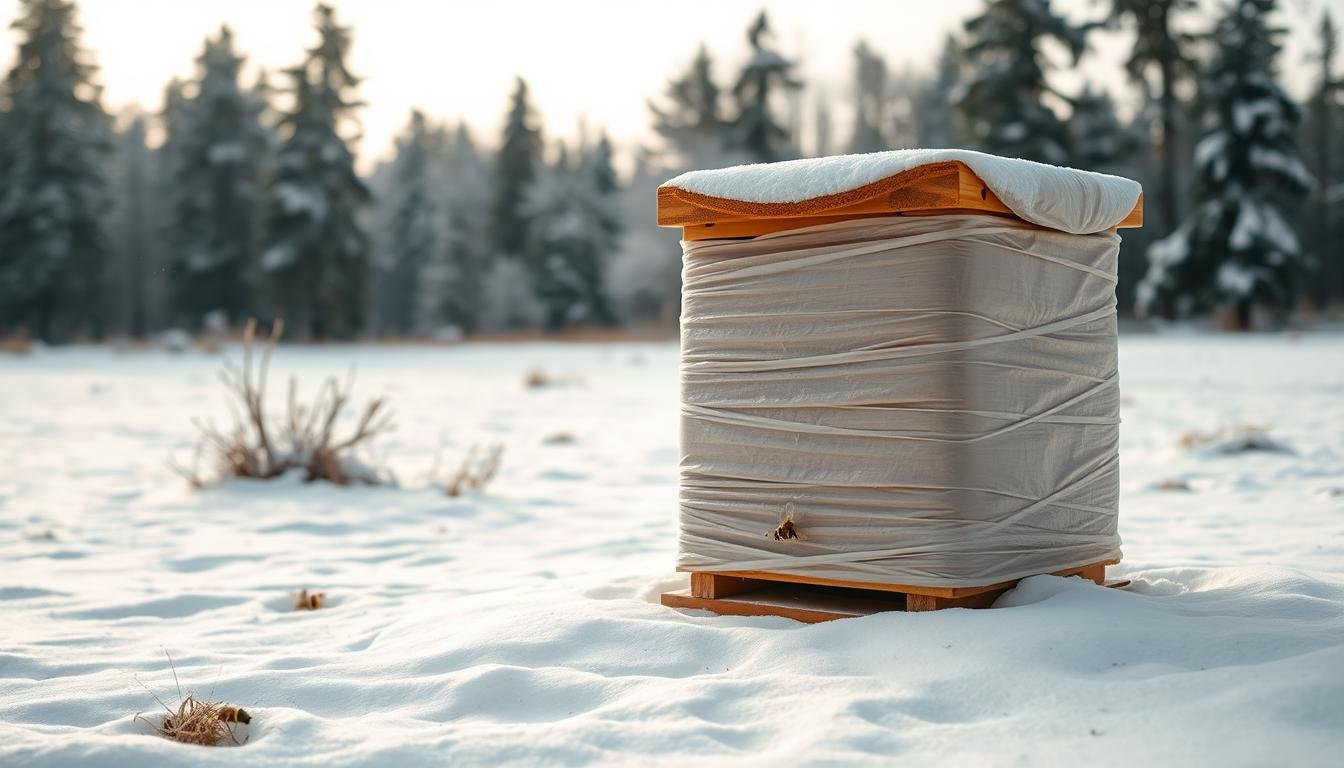
Wrap after your final fall inspection and mite treatment are complete, generally once temperatures are reliably dropping into a range where the colony has clustered for winter, rather than wrapping too early while the colony is still actively flying and foraging. Remove wraps in spring once daytime temperatures are consistently warm enough that the added insulation risks overheating the hive during active brood-rearing and warmer days — leaving a wrap on too long into spring is a documented, avoidable mistake covered in more detail in our general winterizing guide.
Which Climates Actually Benefit
Fitted fabric wraps like BeeCozy provide the most real value in genuinely cold winter climates with sustained freezing temperatures, where reducing a colony’s energy expenditure on thermoregulation meaningfully affects winter survival and spring buildup strength. In milder climates without sustained hard freezes, the practical benefit is more marginal, and the cost may not be justified compared to simpler, cheaper measures like a basic windbreak or reduced entrance.
Durability and Multi-Season Reuse
Check the specific product’s durability claims and warranty terms, since fabric wrap materials vary in how well they hold up to repeated seasonal use, UV exposure, and general wear compared to rigid foam board’s generally straightforward multi-season durability. A wrap that degrades faster than expected erodes the cost advantage of its higher upfront price relative to cheaper, more disposable materials like tar paper.
Who Should Use It
Beekeepers managing multiple hives who value fast, simple installation and compact storage, and who beekeep in genuinely cold climates where wrapping provides real winter-survival benefit, are the clearest fits for a fitted commercial wrap product like BeeCozy. A single-hive hobbyist in a milder climate, or anyone comfortable with the extra assembly time DIY foam board requires in exchange for potentially better insulation value at lower cost, may find the DIY alternatives a better fit for their specific situation.
Cost Analysis Across Multiple Seasons
While BeeCozy carries a higher per-hive upfront cost than tar paper (which is often close to free using salvaged materials) or basic foam board, its multi-season reusability and faster installation change the total cost picture over time — for an apiary of many hives, the time saved on installation each fall can be worth real money if you value your own labor, even before factoring in the wrap’s durability across multiple winters. Run the comparison against your own hive count and how much you value installation speed versus material cost, since the right answer genuinely varies by operation size and priorities.
Wrapping an Apiary at Scale
For an operation managing many colonies, standardizing on one wrap product across the whole apiary simplifies both the fall wrapping process and spring removal, compared to managing a mix of different materials and installation methods across different hives. Order wraps sized correctly for your specific hive configuration (single deep, double deep, or with supers still on) well ahead of your region’s typical wrapping timing, since ordering delays right before winter can leave you scrambling if the product isn’t immediately available.
Wind Protection vs. Pure Insulation
Beyond raw thermal insulation, a fitted wrap also provides windbreak protection, reducing the wind-chill effect on the hive’s exterior surfaces — this matters independently of the wrap material’s insulation R-value, since a hive exposed to sustained wind loses heat faster than a wind-protected hive even at the same ambient temperature. In genuinely windy locations, this windbreak function alone can justify wrapping even in climates where sustained deep-freeze temperatures aren’t the primary concern.
Combining a Wrap With Other Winter Prep
A hive wrap works best as one part of a complete winter preparation plan, not a standalone solution — adequate stored honey reserves, a low mite load going into winter, a strong and properly sized cluster, and appropriate ventilation all matter alongside any insulation choice. A well-wrapped hive with inadequate stores or a high mite burden going into winter is still at serious risk regardless of how good the insulation is, so treat wrapping as the final layer added to already-solid fall preparation, not a substitute for it.
Color and Sun Exposure Considerations
A darker-colored wrap absorbs more solar heat on sunny winter days, which can provide a modest additional warming benefit in climates with reliable winter sun, though this same trait risks overheating on unseasonably warm days if the wrap is left on too long into a mild spell. Check whether your specific product offers color options and consider your local climate’s typical winter sun exposure when choosing, though this is a secondary consideration compared to the wrap’s core insulation and ventilation performance.
Pest Considerations With a Fitted Wrap
Check that your specific wrap installation doesn’t inadvertently create hiding spots or entry points for mice or other pests seeking winter shelter near the warm hive — a snugly fitted wrap generally reduces this risk compared to loose material, but confirm your entrance reducer or mouse guard setup remains fully functional and unobstructed once the wrap is in place, since a wrap that partially blocks or conceals the entrance can complicate both pest exclusion and your own ability to monitor entrance activity through winter.
Checking a Wrapped Hive Mid-Winter
A fitted wrap makes visual mid-winter checks slightly less convenient than an unwrapped hive, since you can’t simply glance at the hive body itself for external moisture or condition signs the way you could otherwise — rely more on entrance activity observation (on warmer days when bees may take brief cleansing flights) and periodic weight-hefting to gauge stores, rather than assuming you need to remove the wrap for a mid-winter check. Removing and reinstalling a wrap mid-season for a non-essential check adds unnecessary cold exposure and effort that generally isn’t worth it unless you have a specific, serious concern.
Wrapping New Colonies vs. Established Ones
A newly installed package or nuc heading into its first winter is generally more vulnerable to cold stress than an established, previously overwintered colony with a full, mature population, since a first-year colony often enters winter with a smaller cluster size — this makes wrapping arguably more valuable, not less, for a first-winter colony in a cold climate, even though it might seem like extra effort better spent on a “proven” established hive. Weigh colony strength and population size at the point of wrapping, not just colony age, when deciding which hives in your apiary most need the added insulation.
Checking Warranty and Return Policy Before First Use
Since a wrap product represents a real upfront investment, check the manufacturer’s warranty terms and return policy before your first purchase, particularly regarding material durability claims across multiple seasons — a product backed by a genuine multi-season durability guarantee is a meaningfully different value proposition than one with no such assurance, and this detail is easy to overlook in the excitement of trying a new product ahead of winter.
Common Mistakes
Wrapping without confirming adequate upper ventilation is the most serious and common mistake, since trapped moisture causes more winter colony loss than cold alone in most climates. Wrapping too early, while the colony is still actively foraging, or leaving the wrap on too long into spring, both create avoidable stress on the colony outside the actual cold-weather window when insulation genuinely helps. Assuming any wrap product substitutes for other essential fall prep — adequate stores, a treated mite load, and a strong queen — treats insulation as a fix for problems it doesn’t actually address.
Sources
Product design details reflect publicly available manufacturer information for named commercial hive wrap products, alongside general USDA/university extension guidance on winter hive preparation, insulation, and ventilation.
FAQ
Is BeeCozy better insulation than foam board?
Generally foam board’s denser material provides somewhat better raw insulation value, but BeeCozy’s fitted design offers meaningfully easier installation and more compact storage — a real tradeoff rather than a clear winner either way.
Does a hive wrap replace the need for ventilation?
No — adequate upper ventilation remains essential regardless of wrap material, since trapped moisture from colony respiration is a more serious winter threat than cold itself in most climates.
When should I remove a winter hive wrap?
Once daytime temperatures are consistently warm enough that the added insulation risks overheating the hive during active spring brood-rearing — leaving it on too long is a common, avoidable mistake.
Do I need a hive wrap in a mild winter climate?
Not necessarily — fitted wraps provide the most real benefit in genuinely cold climates with sustained freezing temperatures; in milder climates, simpler and cheaper measures like a windbreak may be sufficient.
Can I check my hive during winter without removing the wrap?
Yes — rely on entrance activity observation and periodic weight-hefting to gauge stores rather than removing the wrap for a routine check, since unnecessary removal adds cold exposure and effort that generally isn’t worth it without a specific concern.
Should I wrap a first-winter colony differently than an established one?
Consider colony strength and population size at wrapping time rather than colony age alone — a first-year colony with a smaller cluster often benefits more from wrapping, not less, despite seeming like the “less proven” hive.