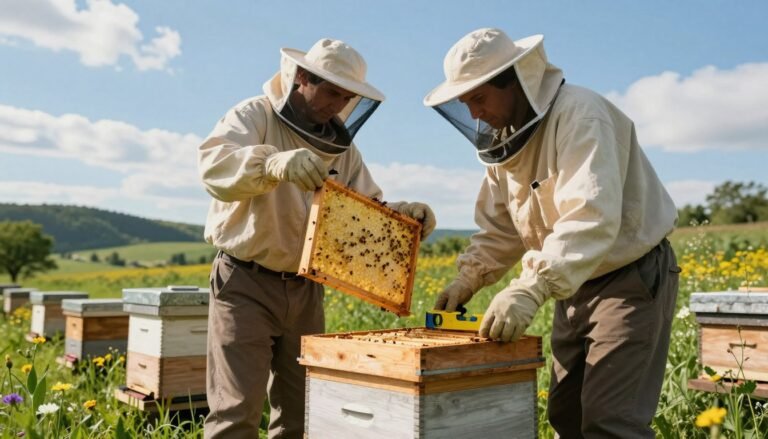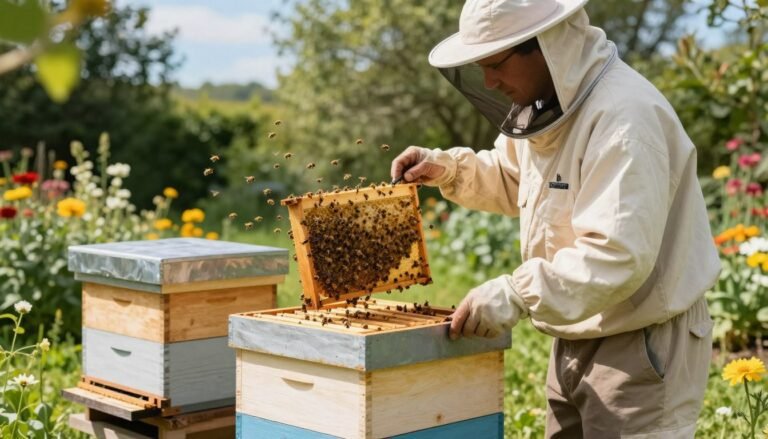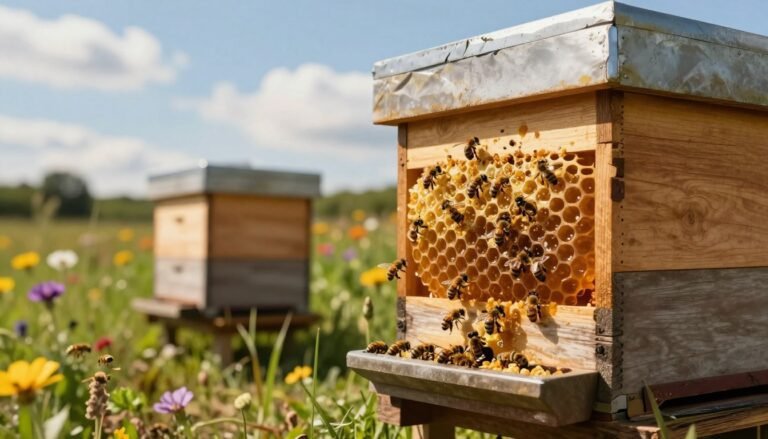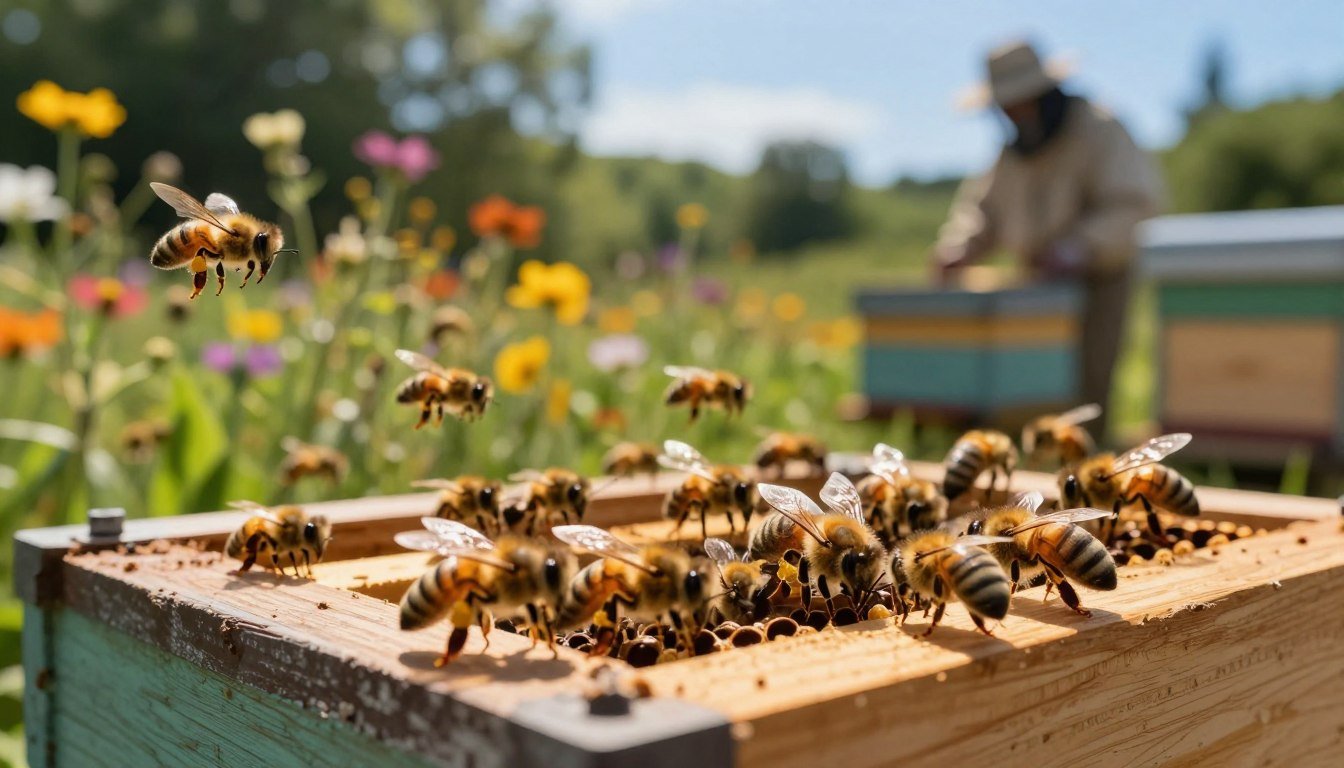
Understanding why package bees abscond helps any beekeeper protect a new hive. This section explains the difference between swarming and absconding, and highlights practical signs to watch for. Thomas Seeley’s research in The Lives of Bees shows natural swarms have about an 80% survival rate when the colony manages itself well.
Absconding is a full colony departure, not a reproductive swarm. Lack of food, poor box conditions, or many dead bees can force a colony to leave its home. New beekeepers often miss early clues in comb, brood, and stores.
Practical steps like supplying sugar syrup, checking the queen, and assessing the apiary area reduce the risk. This guide will cover the biology and the hands-on ways to keep your honey bee colonies healthy through spring and summer.
Key Takeaways
- Absconding is the whole colony leaving, different from swarms.
- Watch for low stores, many dead bees, and poor hive box conditions.
- Simple care—sugar, queen checks, and good comb—can prevent losses.
- Seeley’s work shows managed swarms often survive at high rates.
- Early signs and timely action protect your apiary investment.
Understanding the Phenomenon of Absconding
When an entire colony moves out, the underlying causes differ from the familiar reproductive swarm. Swarming typically sends the queen and about 75% of adult workers away to form a new nest, as noted by Thomas Seeley.
Defining Absconding vs Swarming
Absconding is a migration event where the whole hive abandons the site. No new queen cells are produced before departure. In contrast, a swarm prepares a new queen and leaves part of the brood behind.
The Biological Process
During absconding, the queen reduces egg laying over a period of weeks and flying workers depart with her. The hive often contains very little honey, minimal brood, and scant comb when emptying occurs.
- Swarm: reproductive, new queen rearing.
- Absconding: survival-driven, entire colony relocates.
- Observation over time helps you distinguish the two behaviors.
For signs that a hive is preparing to swarm rather than migrate, see this guide on how to tell if your hive is preparing to.
Why Package Bees Abscond
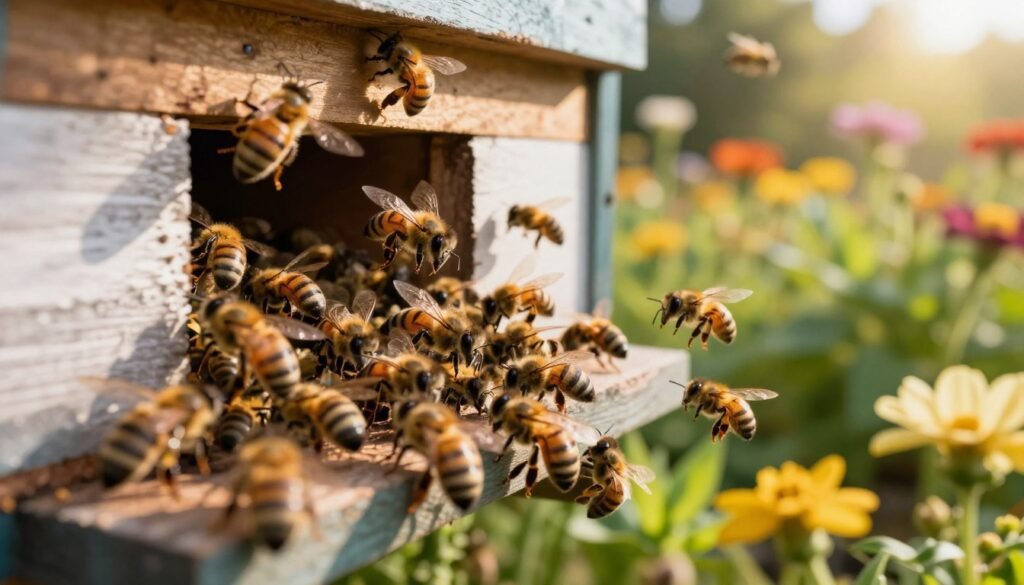
Newly hived colonies will sometimes leave soon after installation if their surroundings feel risky or lacking.
Environmental fit matters. Honey bees assess nest safety, food, and shelter. If the hive site has poor forage or repeated disturbance, the queen and workers may depart together.
The response is not exclusive to tropical populations. Managed colonies in the UK have shown similar behavior when stressed by weather, forage dearth, or predators.
Look for minimal comb, few stores, and reduced brood as signs that the group left for survival reasons rather than a reproductive swarm. These indicators mean the colony carried out a full relocation and left little behind.
Active monitoring during the first weeks of establishment reduces losses. Provide stable shelter, steady sugar or pollen substitutes if needed, and limit hive traffic so the colony feels secure.
| Trigger | Common Signs | Practical Step |
|---|---|---|
| Resource scarcity | Low honey, thin comb, small brood | Feed sugar syrup; add pollen substitute |
| Persistent disturbance | Erratic flight, nervous guards | Reduce inspections; relocate noise sources |
| Unsuitable site | Little anchoring comb; weak clustering | Improve shelter and ventilation; secure frames |
The Role of Environmental Stressors
Extended dry spells and sudden heat spikes create conditions that can push a colony to abandon a site.
Severe drought or a summer nectar dearth forces a hive to use stores faster than it can replace them. That consumption leaves the colony fragile and more likely to leave in search of food.
Drought and Forage Dearth
Resource loss reduces honey and pollen available to the queen and workers. The queen often cuts back egg laying when food runs low, signaling the colony is under stress.
Overheating also triggers relocation. Without proper ventilation, hives get hot in summer and the colony may cluster low in comb or desert the hive entirely.
- Monitor stores regularly and record weight or visible honey levels.
- Offer sugar syrup and clean water during prolonged dearths.
- Improve shade and ventilation to reduce heat stress in summer.
| Stress | Signs in the hive | Practical actions |
|---|---|---|
| Drought / nectar dearth | Low honey, thin comb, reduced brood | Feed sugar syrup; provide pollen substitute; monitor stores |
| Heat / poor ventilation | Agitated flight, clustering at entrance | Add screened vents; shade hive; ensure airflow |
| Late-season food shortage | Rapid consumption of winter stores | Supplement food immediately; inspect queen laying |
Track your hives over time and note changes in stores and brood. For more detailed recommendations on monitoring and intervention, consult this Beekeeping insights.
Impact of Hive Temperature and Ventilation
Poor airflow turns a safe hive into an oven that stresses the queen and workers.
Small colonies in a mini-nuc box struggle to keep comb and brood at the right temperature. They lack the adult numbers needed for stable thermoregulation and can abandon the site if heat becomes extreme.
Proper ventilation eases that burden. Use screened bottom boards and notched inner covers so air moves through the hive without chilling the cluster.
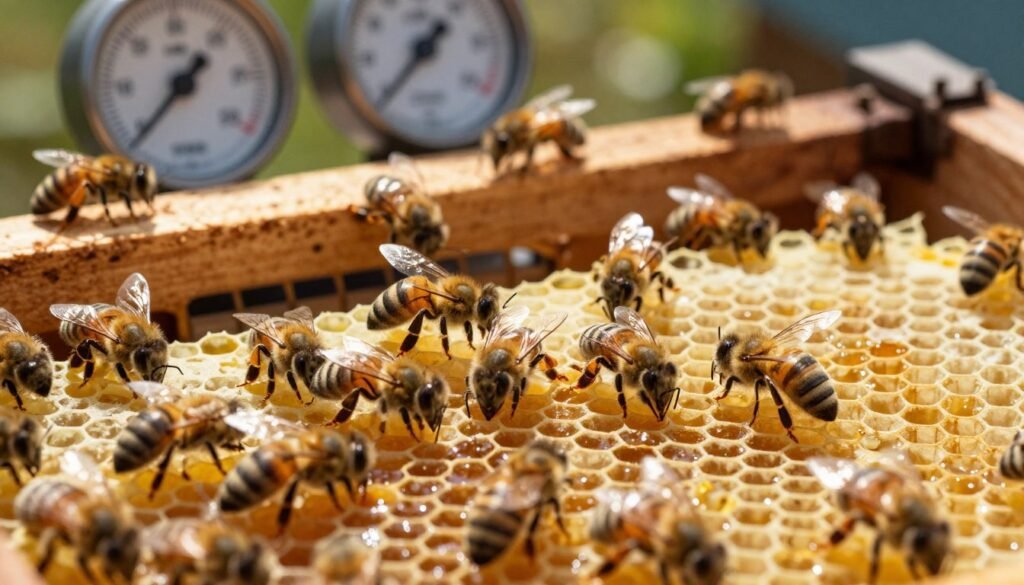
Site placement matters. Give hives morning sun and afternoon shade to cut heat on hot summer afternoons. Put a clean water source nearby so workers can evaporate moisture and cool the internal space.
- Keep small colonies shaded during peak heat to prevent rapid temperature rise.
- Install screened vents or notches to allow controlled airflow while protecting the interior.
- Provide water close to the entrance so workers can cool the comb and the queen efficiently.
| Condition | Summer need | Winter need |
|---|---|---|
| Small colony (mini-nuc box) | Shade, ventilation, nearby water | Insulation, reduced vents, stable stores |
| Full colony | Good airflow, entrance shade, water | Tight seals, adequate honey, cluster space |
| Signs of stress | Heavy panting at entrance, hot comb | Reduced brood, tighter clustering |
Managing Resource Availability
A steady food plan helps the queen sustain brood and keeps the colony focused on growth. Early support sets a hive on a secure path and reduces stress that can lead to absconding.
Feed sugar syrup during a summer nectar dearth to speed comb building and provide needed nutrition when natural forage is scarce.
In the fall, a colony with a lack of winter stores often cannot survive the cold. Prompt supplementation prevents losses and supports the queen’s laying cycle.
“Regular checks of frames and stores give early warning of dwindling food and comb progress.”
- Inspect frames weekly at first to confirm comb and honey development.
- Offer clean water near the entrance so workers can cool and hydrate the hive.
- Provide sugar or pollen substitute when natural food is short.
- Record stores and act early to avoid late-season migration.
| Trigger | Signs | Action |
|---|---|---|
| Summer nectar dearth | Slow comb build, low honey | Feed 1:1 sugar syrup; monitor brood |
| Fall store shortage | Reduced brood, light hive weight | Supplement immediately; secure insulation |
| Lack of water | Workers carrying moisture, edge clustering | Provide clean water near hive entrance |
Identifying Pest and Parasite Infestations
Pests and parasites can erode colony health quickly, turning a thriving hive into a vulnerable target. Watch for increasing mite counts, odd brood patterns, or piles of dead bees at the entrance.
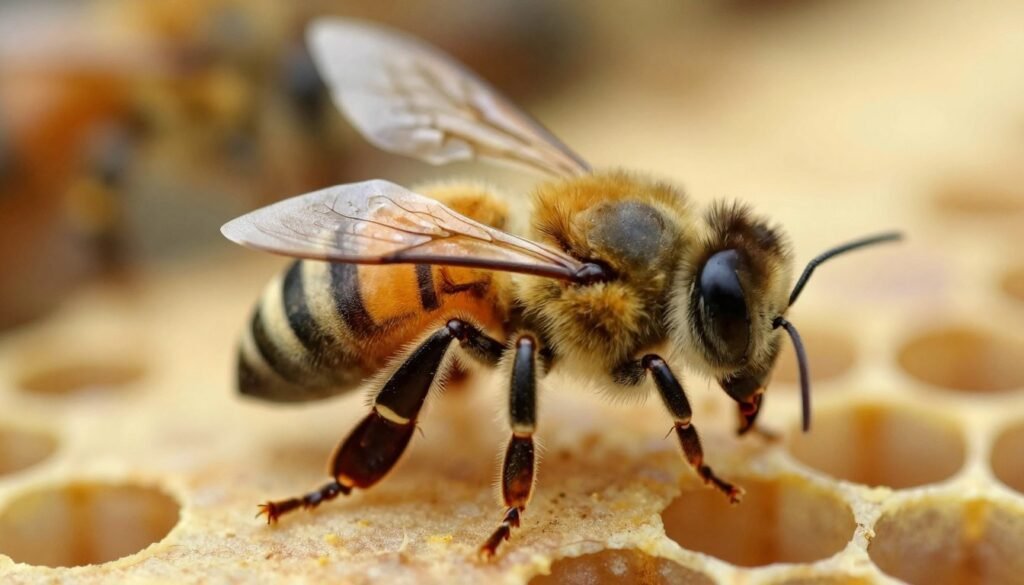
Varroa Mite Management
Varroa and other mites are the single greatest biological threat to honey bees in managed hives.
Test regularly with sugar shakes or alcohol washes and record results. Treat at thresholds appropriate for your region and season.
For a seasonal protocol and specific treatment options, consult this late-summer varroa plan to time interventions effectively.
Controlling Small Hive Beetles and Wax Moths
Small hive beetles and wax moths can overwhelm weak colonies and force relocation. Keep bottom boards clean and remove comb debris so pests have nowhere to hide.
After extraction, freeze extracted comb for at least 24 hours to kill eggs and larvae of beetles and wax moths. This simple step protects the hive and preserves wax quality.
- Act immediately if you find pests or many dead bees in a box.
- A healthy queen and solid brood pattern reduce pest impact.
- Maintaining strong colonies provides the best defense against mites and other parasites.
“Regular monitoring and prompt treatment preserve colony strength and reduce the risk of colony loss.”
For detailed diagnostic charts on honey bee parasites, see the university resource on honey bee parasites.
The Influence of Frequent Hive Disturbances
Frequent disruption at the hive entrance trains workers to view the site as unsafe and can trigger a full colony move.
Daily inspections during the first weeks often harm progress. Openings disturb the queen and scatter foragers, slowing comb and brood development.
Nearby lawn mowing, weed whacking, or heavy foot traffic sends vibration and noise that stresses the colony. The result is nervous flight, reduced honey storage, and weak brood rearing.
Predators amplify the problem. Skunks and raccoons can harry the entrance at night. A bear that damages the box will almost always force the colony to leave.
- Limit inspections to the necessary checks in the first few weeks.
- Position hives away from lawn equipment paths and noisy work areas.
- Secure hives and use simple barriers to deter raccoons and skunks.
| Disturbance | Signs | Action |
|---|---|---|
| Frequent handling | Agitated flight; slow comb build | Reduce visits; monitor from a distance |
| Vibration / mowing | Scattered foragers; less honey | Schedule work away from hives; add visual screening |
| Predators | Night activity; many dead bees at entrance | Install guards; secure lids; call local wildlife control |
“A calm site gives the queen time to lay and the colony time to focus on growth.”
Evaluating Hive Box Suitability
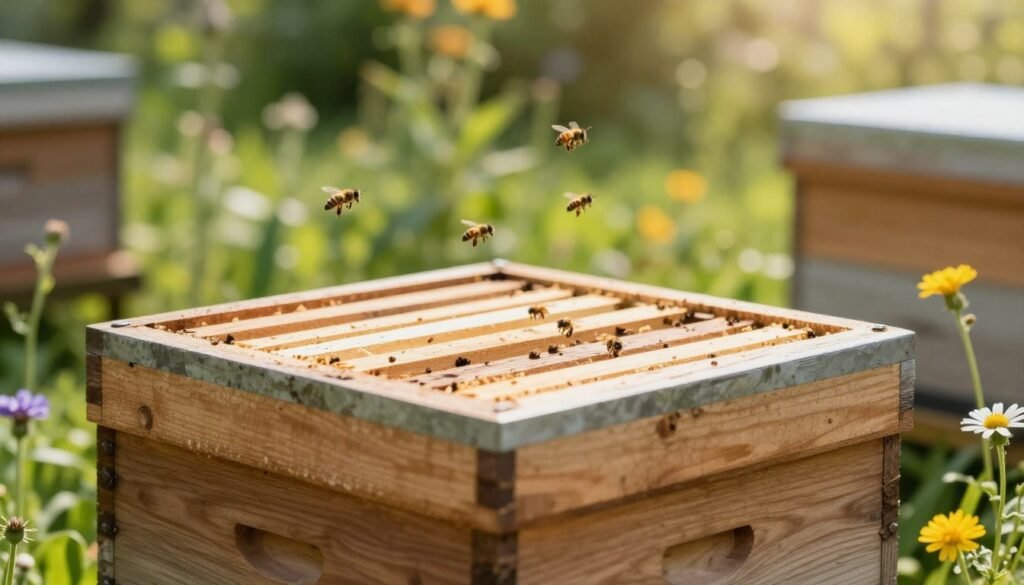
A properly chosen hive box sets the tone for colony acceptance and long-term stability.
New paint on a box can off-gas for days or weeks. Allow sufficient time so chemical scents dissipate before introducing bees.
Used, disease-free boxes often attract returning workers because residual wax and propolis carry familiar odors. This scent helps the queen and workers feel at home and speeds comb construction.
- Match box size to colony strength; too much empty space makes defense harder.
- Confirm dimensions and construction are accurate; poor fit can deter occupancy.
- Keep the box dry and ventilated to protect brood and to ease thermoregulation for the queen.
- Prepare frames with some foundation or drawn comb where possible to jump-start honey storage and comb building.
“A well-prepared box reduces stress and helps a new colony settle quickly.”
Evaluate boxes ahead of time and address smell, structure, and airflow. For tips on encouraging comb drawing, see reasons bees won’t draw comb.
Recognizing Flight Path Obstructions
Clear flight lanes let foragers move between forage and home with less confusion. A blocked approach adds stress and wastes time for returning bees.
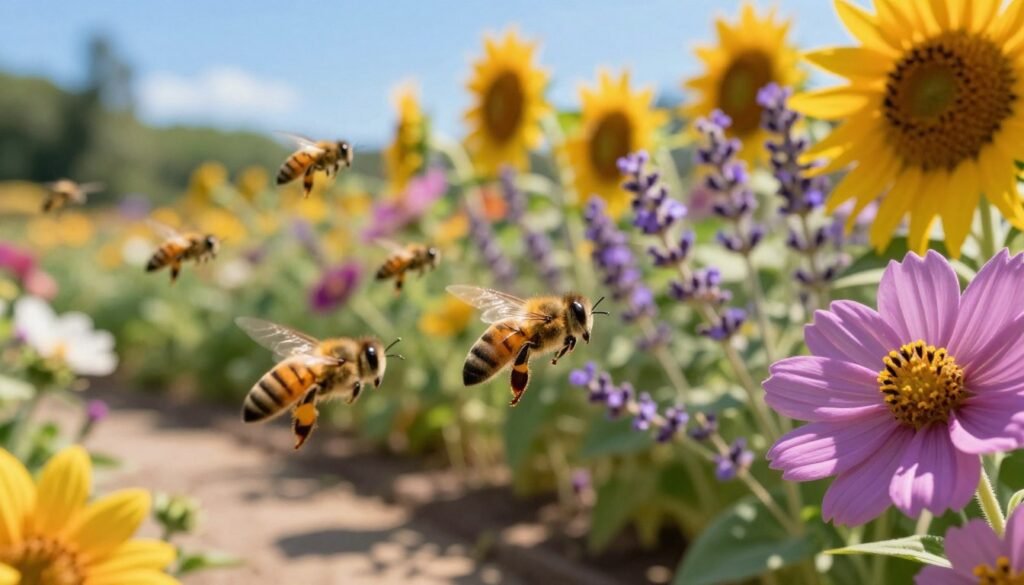
Fences, dense shrubs, or garden furniture placed close to the hive entrance can cause circling, missed landings, and lost foragers. Over days, this frustrates the queen and weakens brood rearing.
- Keep the area in front of the hive clear so workers have an open route for takeoff and landing.
- Rotate the hive to face away from heavy foot traffic or machinery if possible.
- Trim vegetation and remove low fences that force bees into narrow corridors.
Observe flight patterns at different times of day to spot trouble. If many foragers struggle to return with pollen or honey, repositioning the hive often solves the problem and helps the colony settle.
Genetic Factors in Colony Behavior
Genetic makeup strongly shapes how a colony reacts to stress, with some lineages more likely to relocate.
Research from Mark L. Winston in 1979 documented that Africanized honey stocks showed a much higher tendency to leave an apiary than European lines under similar pressure.
Breed origin matters. The queen’s genetics usually set temperament and migration tendency for the entire hive. Even when aggressive traits are reduced, the inherited urge to move can persist.
Beekeepers should note the source of their stock. Knowing the origin helps predict risk and plan management.
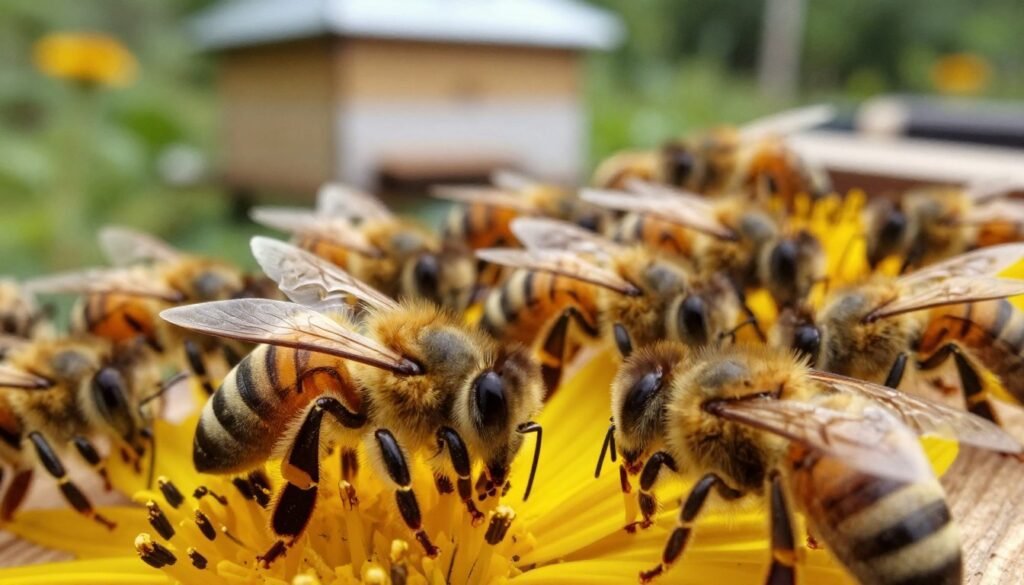
- Partial Africanized genetics may require extra vigilance and stronger anchoring of comb and stores.
- Selecting queens with calm, non-migratory traits reduces long-term loss of honey and brood.
| Genetic Trait | Behavioral Effect | Recommended Action |
|---|---|---|
| High migratory tendency | Frequent relocation attempts | Choose stable queen lines; secure comb and food |
| Defensive temperament | Increased agitation at entrance | Use protective gear; consider requeening |
| Calm, non-migratory | Steady brood rearing and honey storage | Prioritize for breeding and stock replacement |
For more on stock origin and colony history, consult this note on origin of your stock.
Preparing New Hives for Success
A careful start gives a newly placed colony clear reasons to remain and thrive.
The Importance of Established Comb
Established comb speeds acceptance. Transfer a full frame of comb with honey or brood from a healthy hive to provide scent, food, and structure. A frame with eggs gives workers a direct purpose and encourages brood care.
Delay releasing the queen from her cage for a few days after installation. This pause helps the group settle and reduces immediate flight risk. In spring installations, these steps are especially valuable.
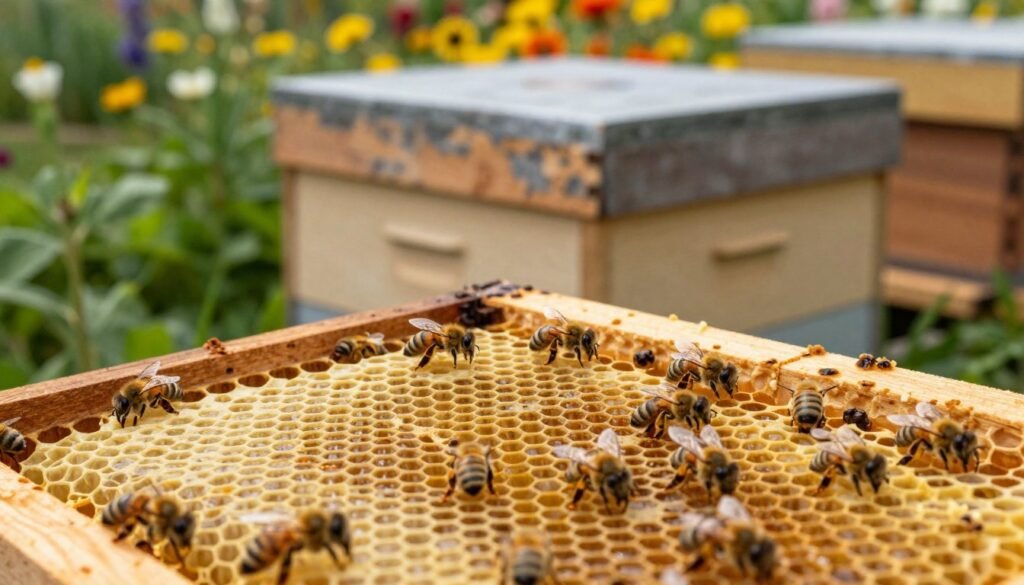
- Move a drawn frame of honey or brood to anchor the colony and speed comb building.
- Keep the new queen caged for several days so workers orient to the hive before mating flights.
- Check the box for dead bees; that sign may mean adaptation trouble and needs fast attention.
Practical payoff: a well-prepared hive reduces early losses and supports steady honey and brood growth over the first weeks. For an installer’s checklist, see this note on installing a package of bees.
Techniques for Retaining Hived Swarms
Immediate, gentle control of the queen’s movement and added brood scent give a swarm reasons to settle fast.
Place a queen excluder under the brood box for several days to keep the queen inside while workers orient to the hive. That short confinement reduces the chance the whole colony leaves during early confusion.
Add a frame of open brood or a sheet of drawn wax comb. The brood supplies pheromones and a visible task: caring for eggs and larvae makes the colony focus on the hive as home.
If a swarm hangs in a tree, act quickly. Use a small sugar syrup spray to keep workers clustered while you move them into the box. A gentle spray also calms flighty workers during transfer.
- Keep the queen secure for a few days to allow orientation.
- Provide open brood or wax comb to anchor scents and work.
- Spray light sugar syrup during transfer to maintain cluster cohesion.
Monitor the queen and check the box if bees attempt to leave; trapped queens or poor box fit are common causes of repeat flight. For background on full-colony departures and recovery steps, see this note on colony departures.
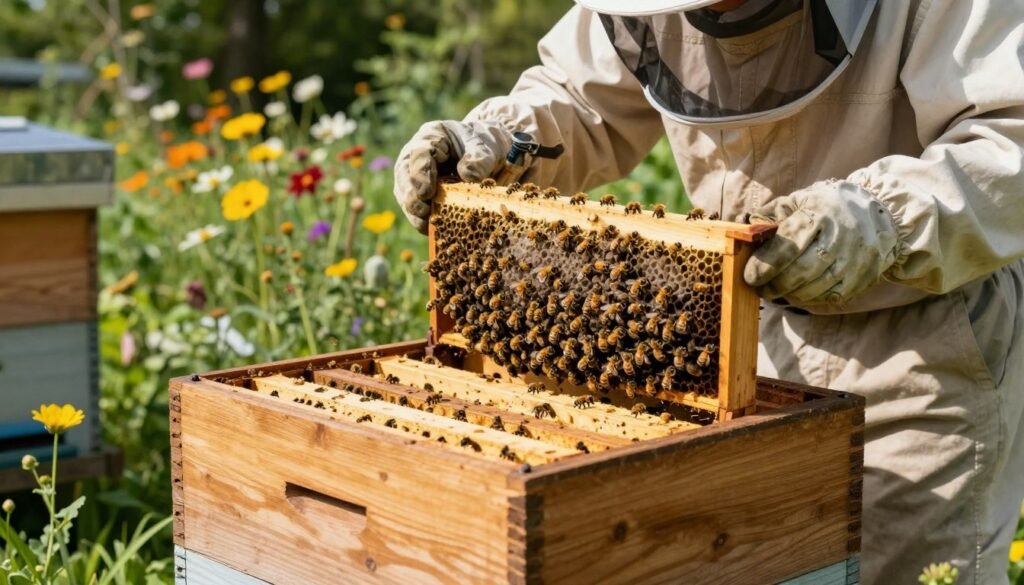
Monitoring Scout Bee Activity
Scout activity gives the earliest clear sign that a hive may be preparing to move. Watch flights and clustering for several days; scouts survey possible sites and report back before any large movement.
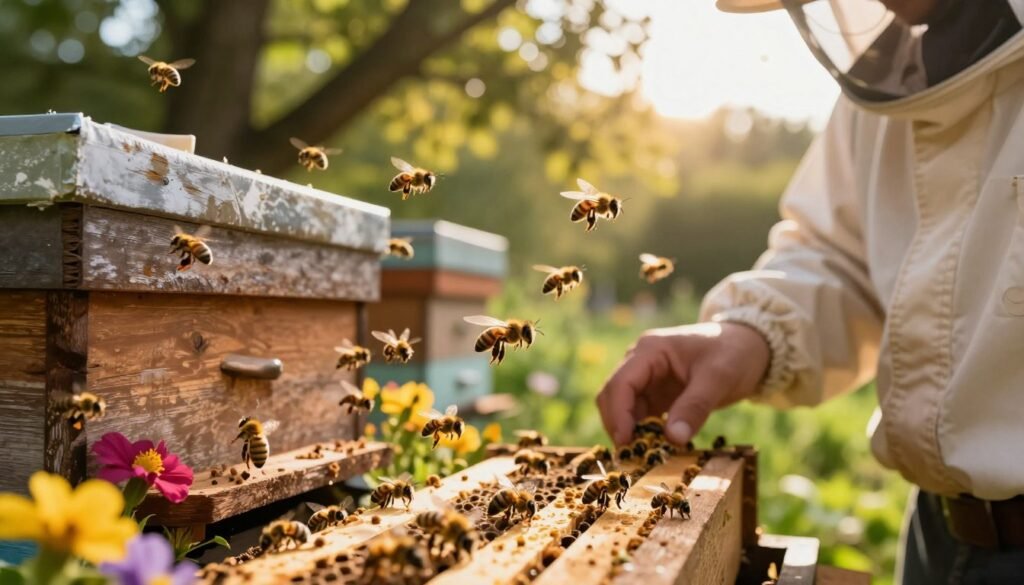
Research by Schneider and McNally (1994) showed scout workers use waggle dances to relay distances up to 20 km. Those dances guide the colony toward a new home and shape the final decision.
If you notice a tight cluster on a tree or a post, the group is likely waiting for scouts to finish the site selection process. The choice can take days, giving beekeepers a limited window to act.
Practical steps: place a bait hive in your apiary, reduce disturbance near the current box, and, if needed, move a captured swarm more than 8 km to lower the chance of return.
“Monitoring scout flights and attracting them to a prepared site is one of the most effective ways to keep a colony at home.”
- Observe scout loops and waggle dances at the entrance and nearby perches.
- Offer a bait hive to give scouts a ready new home in your apiary.
- Record activity for several days to spot trends and intervene early.
Implementing Bait Hives for Colony Security
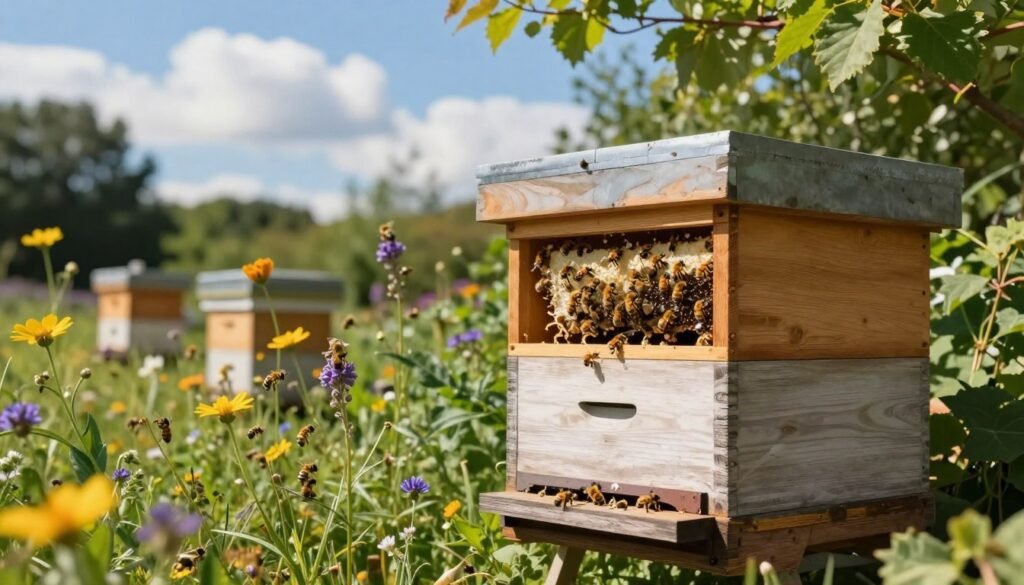
Bait hives are a simple, proven way to attract swarms and secure new colonies in your apiary. Place an attractive box with old comb and a little wax scent to catch the attention of scout workers.
Position bait hives in the area around your apiary, 8–12 feet high, near a post or tree. Give scouts a clear flight path and nearby water so they can evaluate the site quickly.
When a colony moves into a bait hive voluntarily, it usually stays put. These groups tend to accept the new home and begin building comb and storing honey without the stress of forced transfer.
- Use a well-sealed box with one small entrance and some drawn comb.
- Place bait hives in spring and summer when swarms are active.
- If a swarm hangs in a tree, offer the bait hive as a ready new home to reduce handling and stress.
| Goal | Setup | Benefit |
|---|---|---|
| Attract scout interest | Old comb, wax, small entrance | Higher chance of voluntary move |
| Secure new colony | Place near post or tree, provide water | Reduced absences and lower relocation risk |
| Increase apiary stock | Multiple hives in quiet area | More stable hives that build honey and brood |
“A prepared bait hive often converts passing swarms into long-term residents.”
When to Seek Professional Assistance
If a cluster sits high on a post or in a tree, professional help shortens the risk window and improves outcomes.
Call a mentor when you are unsure how to handle a swarm or a restless colony. A local beekeeper can show hands-on techniques to safely capture and re-hive the group before it moves to a less accessible spot.
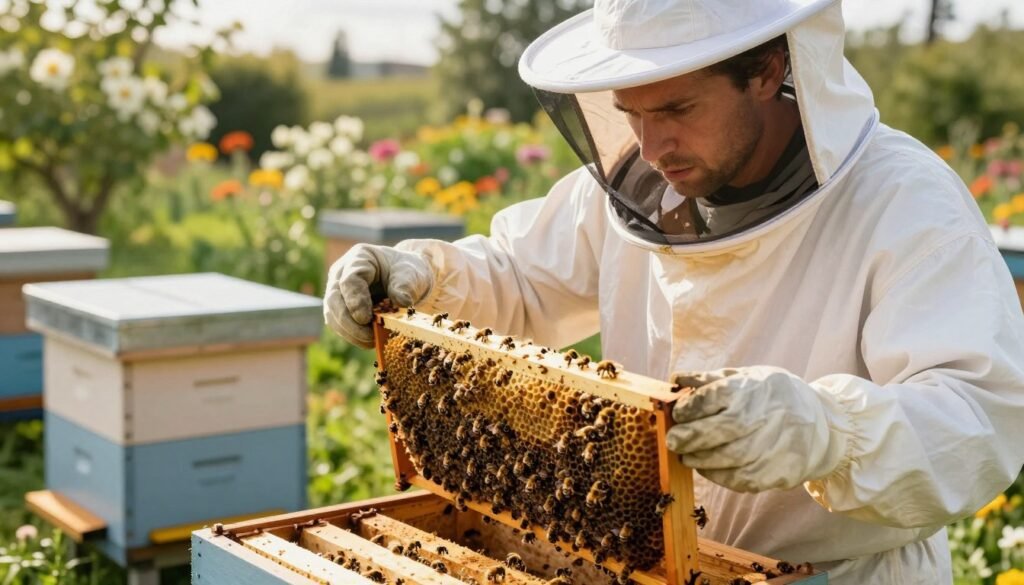
Delaying action can let the cluster shift higher in the tree or settle on a difficult post. Attempts alone often fail and can lead to losing the queen and valuable honey stores.
- Contact a mentor or your local association fast to limit the chance of relocation.
- Professional beekeepers identify the root cause of disturbance and apply the right fix for your hive and comb.
- Work with an expert to learn secure re-hiving steps and brood protection methods.
- Even seasoned beekeepers sometimes ask for a second opinion on complex behavior.
“Getting help early often saves days of frustration and preserves the colony.”
Conclusion
Strong site management and quick intervention are the last line of defense against colony loss. Keep routine checks and act at the first sign of stress to protect your colony and its future.
Maintain good ventilation, steady food, and secure frames so comb draws properly. Proper pest control and water nearby help a colony focus on growth.
Limit disturbance and place hives where flight paths are clear. A single overlooked issue can lead to a patch of brood being abandoned, even in an established colony.
If you need details on recorded absconding cases, see this note on absconding cases.
Get help early. Work with local mentors to keep your colony healthy and enjoy a successful season of beekeeping.