This article examines the critical debate over sugar roll vs alcohol wash for varroa testing and helps beekeepers choose a workable approach. Clear, practical guidance is crucial when monitoring mite pressure and keeping colonies healthy.
Selecting the right method matters. Each technique provides different levels of accuracy and can affect the quality of the data you collect.
We compare common methods, outline how each test performs, and highlight what those results mean for management choices. The goal is to give concise, evidence-based points so you can act with confidence.
Key Takeaways
- Accurate monitoring is essential to protect hive productivity.
- Choose a method that fits your apiary size and handling preferences.
- Quality data leads to timely, effective management decisions.
- Understand trade-offs between ease, safety, and precision.
- This article will clarify strengths and limits of each option.
Understanding the Importance of Varroa Mite Monitoring
Regular checks of hive health are the single best defense against silent infestations. Effective monitoring helps beekeepers spot rising mite counts before damage becomes severe.
A healthy summer colony can hold between 30,000 and 60,000 bees. That size makes early detection vital.
The queen may lay more than 1,500 eggs daily. Even a small mite population can expand quickly and threaten honey production.
Good mite monitoring lets you time treatment to protect brood and adult bees. Regular checks reduce the risk of collapse during peak months.
- Monitoring preserves the strength of your colony and supports year-round honey yields.
- Consistent checks prevent a minor infestation from overwhelming hives.
- Data-driven action gives beekeepers confidence when choosing a response.
Prioritize simple, repeatable checks. They are the foundation of healthy apiary management and long-term colony survival.
The Core Differences Between Sugar Roll vs Alcohol Wash for Varroa Testing
The way mites are dislodged from bees is the main factor that separates these two common approaches.
Defining the Testing Standards
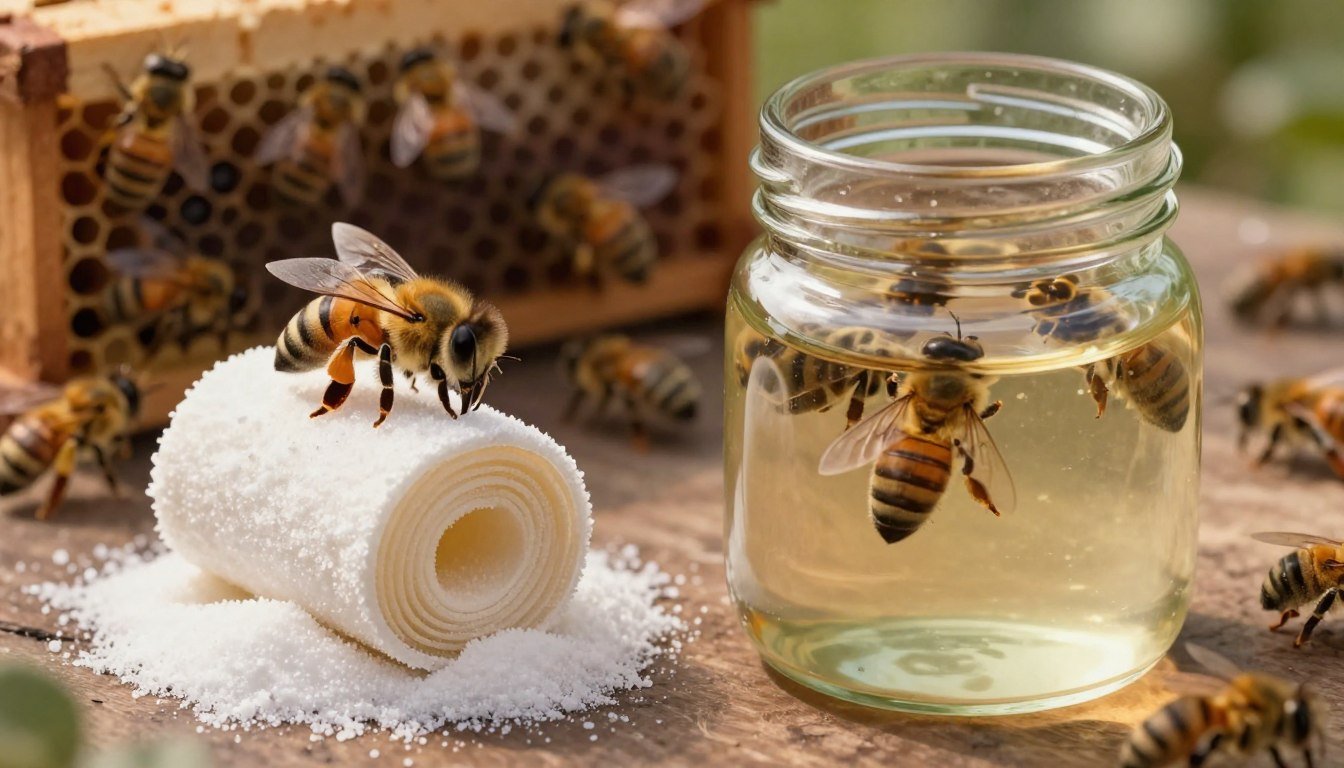
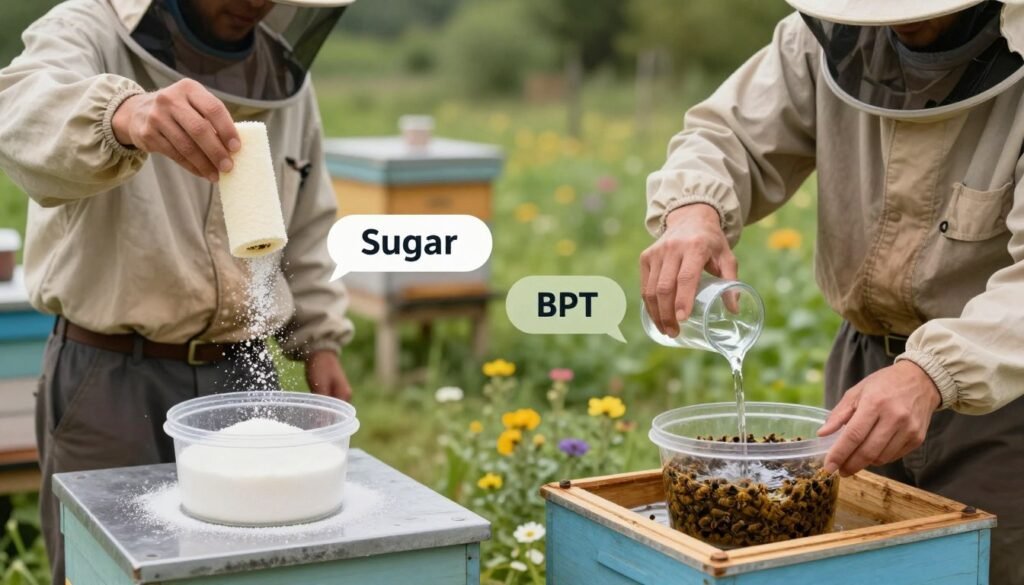
One technique uses a dry particulate to loosen mites without killing adults. The other relies on a liquid that kills mites and bees to maximize extraction.
“Accuracy often favors the liquid-based protocol, while many beekeepers prefer the dry option to spare live bees.”
Comparing Operational Efficiency
Both require simple gear: a jar, a mesh lid, and a measured sample of bees. You must shake the jar vigorously so the medium removes mites from the bee bodies.
| Feature | Dry Technique | Liquid Technique |
|---|---|---|
| Bee mortality | Low | High |
| Extraction accuracy | Moderate | High |
| Time per test | Short to moderate | Moderate |
| Best use | Frequent monitoring, live-release | Precise mite count and research |
Understanding this difference helps beekeepers pick the right tool to gather reliable data and act on mite numbers across hives.
How the Alcohol Wash Method Functions
Counting mites accurately starts with a reliable, repeatable sample of adult workers. The alcohol wash method uses a fixed count of 300 bees to make results comparable across colonies.
Standardizing the Bee Sample
Collect roughly 300 bees from the brood area into a jar. Add rubbing alcohol to submerge the group. This kills the bees instantly and releases phoretic mites.
Shake the sealed jar vigorously for about one minute. The agitation forces mites off the bodies so the liquid carries them free of debris.
Pour the alcohol and mites through a mesh screen. Inspect the liquid residue and count mites to determine infestation level. This approach gives high accuracy and lets beekeepers compare hives and plan treatment.
| Step | Action | Outcome |
|---|---|---|
| Sample size | 300 bees | Standardized comparison |
| Submersion | Rubbing alcohol | Mites detach, bees killed |
| Agitation | Shake ~1 minute | Dislodged phoretic mites |
| Separation | Pour through mesh | Countable mite residue |
The Mechanics of the Powdered Sugar Roll Technique
Using a dry powder to coat a 300-bee sample creates a non-lethal way to extract mites for counting. The powdered sugar approach relies on gentle agitation to prompt grooming and release.
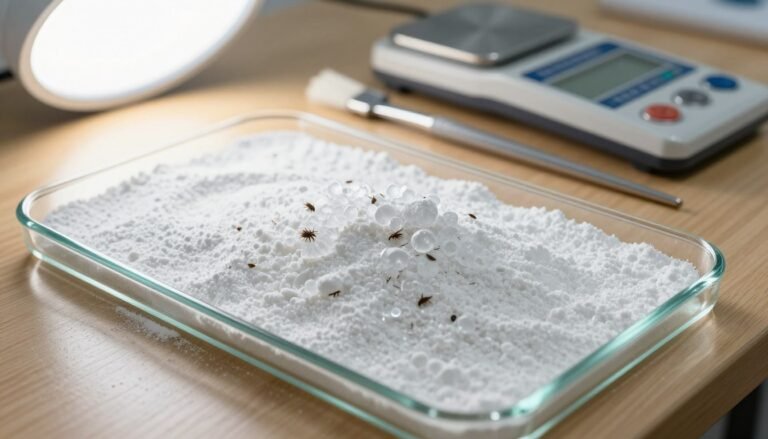
How it works: Place about 300 bees in a jar, add a measured dusting of powdered sugar, seal the lid, and gently shake and roll the jar for one to two minutes. The fine particles loosen many phoretic mites, which fall away and can be counted.
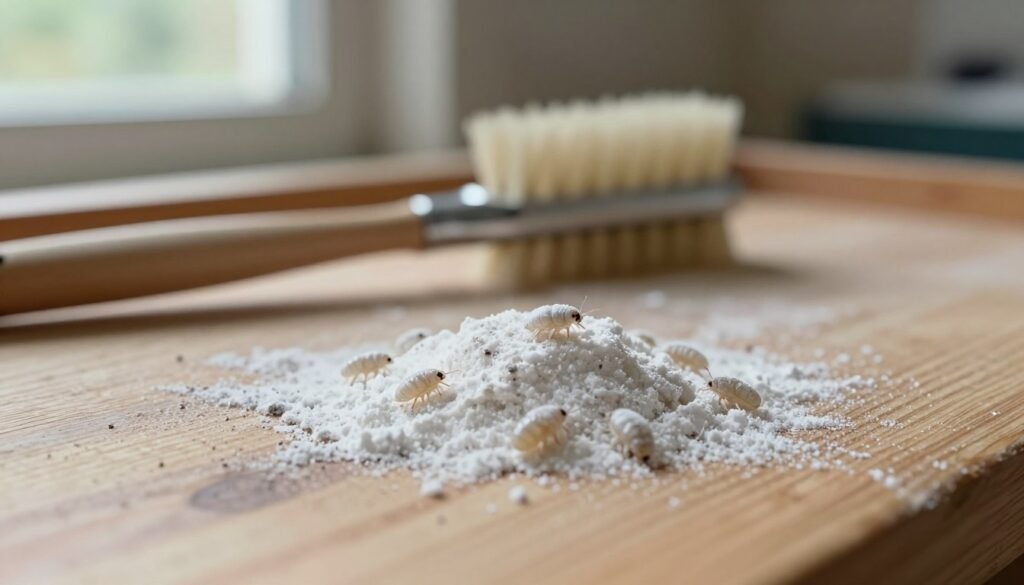
The technique typically captures about 60–80% of phoretic mites. That rate is lower than liquid extraction, but it preserves adult bees so small colonies keep their numbers and honey production.
Be mindful of humidity. Moist air can cause the powder to clump and reduce extraction efficiency. Use dry conditions and a clean jar, and return the live bee sample promptly to the hive.
“A practical, low‑mortality option for frequent monitoring that balances care with useful data.”
Analyzing Accuracy and Reliability in Mite Detection
The real test of any protocol is whether the data it produces change your treatment choices. Accurate counts must be repeatable and resistant to field conditions that skew results.
Factors Affecting Powdered Sugar Technique Performance
The powdered sugar approach is non-lethal and easy to use, but several limits affect its reliability.
Humidity can make the powder clump and reduce dislodgement. Mites have sticky pads and may re-attach during handling, lowering the apparent mite count.
Because of these variables, the powdered technique often underestimates infestation. That can delay a needed treatment decision.
Why the Alcohol Method Remains the Gold Standard
The liquid method consistently captures an estimated 95 to 100% of phoretic mites in a standard sample. That high recovery gives dependable numbers for critical thresholds.
“Using the alcohol wash provides the most reliable data, ensuring you do not miss a dangerous infestation.”
- High accuracy — trusted for research and decisive management.
- Less affected by humidity or reattachment during agitation.
- Gives beekeepers confidence when planning timely treatment.
For frequent, low-impact monitoring, the powdered option has merit. When accuracy matters most, the liquid protocol remains the preferred choice. Learn complementary approaches, including natural interventions, at natural remedies for varroa mites.
The Lethality Trade-off in Bee Colony Management
Beekeepers must weigh immediate bee survival against long-term hive health when choosing a monitoring approach.
A single alcohol wash requires sacrificing a 300 bees sample to get a precise mite count. That loss is small compared to a healthy summer colony of 30,000–60,000 bees.
Queens can lay more than 1,500 eggs a day, so colonies recover. Many beekeepers accept this trade-off because accurate data prevent larger losses from unchecked infestation.
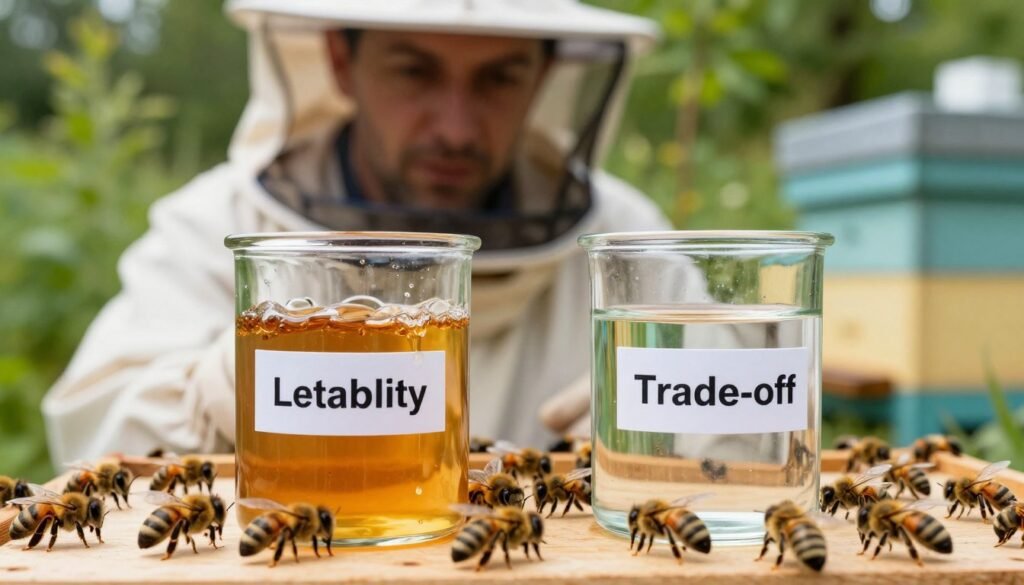
Still, some favor a non-lethal sugar roll technique to spare adults and protect honey flows. That approach reduces immediate mortality but can undercount mites. Underestimates may delay treatment and risk whole-hive collapse.
“Choosing between a few sacrificed workers and reliable numbers often decides a colony’s fate.”
- Primary trade-off: precision versus bee survival.
- Short-term cost: loss of 300 bees per test vs. the risk to thousands if infestation spreads.
- Practical decision: use lethal sampling when accuracy changes treatment timing; use the non-lethal option for frequent, low-impact checks.
| Consideration | Non-lethal technique | Lethal technique |
|---|---|---|
| Bee mortality | Low | High (300 bees) |
| Accuracy | Moderate | High |
| Impact on honey production | Minimal short-term | Minimal long-term if it prevents collapse |
| When to use | Frequent monitoring, small hives | Decisive counts, suspected heavy infestation |
Why Inaccurate Data Poses a Risk to Hive Survival
Hidden inaccuracies in common hive checks can quietly push a strong apiary toward collapse.
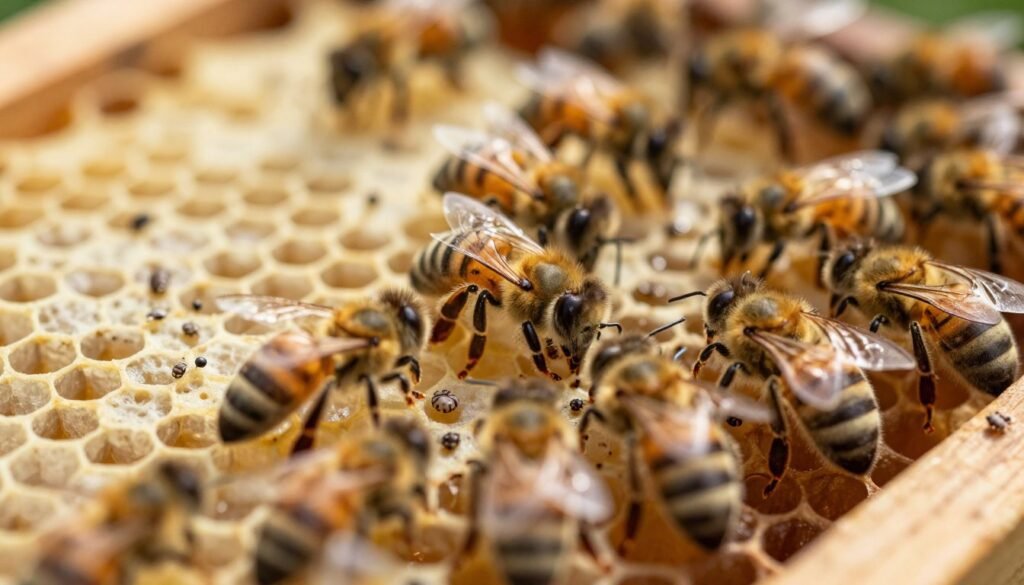
When a monitoring technique undercounts mites, beekeepers get a false sense of security.
The Danger of False Negatives
False negatives let an infestation grow unseen. A low reported mite count may delay a needed treatment.
Delayed action increases brood damage and reduces honey yields. Small errors in a single test can cascade into colony failure.
“An inaccurate test is often more dangerous than no test at all because it masks the true threat.”
Operational impact:
- Missed high mite numbers lead to late treatments and higher mortality.
- Commercial beekeepers face direct financial loss if multiple hives decline.
- Inconsistent methods make trend detection unreliable and planning impossible.
The liquid-based approach gives the most reliable data and reduces the chance of false negatives. Use rigorous counts when treatment timing matters and consult recent research on sampling accuracy via recent research.
Bottom line: choose a method that delivers trustworthy numbers. Accurate data protects colonies, saves honey production, and supports sound beekeeping decisions.
Utilizing Sticky Boards for Supplemental Monitoring
A bottom board trap reveals the natural drop of mites without opening frames. It gives a low‑stress snapshot of what is happening inside the hive.
Place a sticky board under the hive’s bottom board to catch mites that fall from the bees. Leave the board in place for 24, 48, or 72 hours before you inspect it.
How to use the board:
- Set the board flat under the hive to collect natural mite drop.
- Record the number of mites after the chosen interval to estimate daily drop.
- Use the board to confirm treatment effectiveness rather than as a precise infestation percent.
- This method is helpful in cold weather when handling bees is risky.
Integrate sticky boards into routine monitoring to build a trend line. Over weeks, the count and pattern help you judge whether other methods or a targeted treatment are needed to protect colony health.
Best Practices for Consistent Data Recording
Good record-keeping turns scattered counts into a clear action plan for colony health.
Note the method used with every entry. Mixing methods makes trend lines misleading. Always record which protocol you applied when you logged the mite count.
Sample each colony about every 30 days during the active season. Regular sampling gives a reliable view of how numbers change over time.
- Record the specific date and the exact number found.
- Track hive ID, sample size, and method used.
- Use a tool like VarroaVault or similar to centralize records across apiaries.
“Accurate logs let you spot rising mite trends and act before colony health declines.”
| Field | What to Record | Why It Matters |
|---|---|---|
| Date | MM/DD/YYYY | Ties counts to seasonal changes |
| Hive ID | Location and box number | Tracks colony-level trends |
| Method | Protocol used | Ensures comparable data |
| Count | Number of mites | Guides treatment decisions |
Keep concise logs and review them monthly. Clear data supports smarter beekeeping and protects your bees from unchecked infestation.
Choosing the Right Method for Your Apiary Goals
Match the method to your management goals and the scale of your apiary to get actionable numbers.
Hobbyists with a few hives may prefer the non‑lethal powdered sugar approach to avoid killing workers. It lets you monitor frequently and limit short‑term loss. Remember that this technique can undercount mites and delay treatment if you rely on it alone.
Commercial operations and research need the most accurate counts. The alcohol wash is the standard when accuracy affects treatment timing, compliance, or comparative records. That precision helps prevent colony collapse by guiding prompt action.
Use sticky boards as a supplemental tool to track natural drop. They help build trend data but should not replace direct sampling when numbers will determine a treatment.
- Choose alcohol wash for reliable, comparable data and compliance.
- Choose sugar roll (powdered sugar roll) when low mortality and frequent checks matter.
- Combine methods and clear records to create a long‑term mite management plan.
“Good monitoring blends accuracy and practicality to protect bee colonies.”
For an experimental comparison that informs this choice, see the initial assessment of powdered sugar and alcohol.
Conclusion
Regular, focused checks give beekeepers the data they need to protect colonies before problems grow.
Routine monitoring is a cost‑effective habit that preserves hive productivity. The powdered sugar and sugar roll options spare adults but can undercount mites. The alcohol wash delivers the highest accuracy when decisive numbers matter.
Weigh the trade‑offs: use non‑lethal checks for frequent snapshots and alcohol wash sampling when treatment hinges on precise results. Keep clear logs and recheck suspect hives.
Make data your guide. For more on potential harms from sugar‑based sampling see sugar-shake tests harm bees. Use consistent methods to protect your apiary and make informed beekeeping choices.