Commercial beekeepers face a key choice each year: build colonies to sell or prepare strong hives to rent for crop services. The decision affects cash flow, labor needs, and colony health.
In the United States, honey bee pollination is valued at about $15 billion. That figure shows why growers demand robust colonies that meet strict standards.
The seasonal build-up window determines how many colonies are ready for market and how many can be committed to rental work. Good planning links biology and logistics to business goals.
This article compares the operational differences of selling nucleus units and renting hives across agricultural sectors. It highlights what managers must measure to balance both income paths while keeping colonies healthy and reliable.
Key Takeaways
- Deciding between selling colonies and renting hives shapes revenue and labor plans.
- The $15 billion valuation underscores the economic weight of reliable pollination services.
- Timing of the seasonal build-up is critical to meet market and service demands.
- Colony strength standards drive logistics and seasonal commitments.
- Successful operations blend biological knowledge with careful financial planning.
Understanding the Business Models
Commercial choices define how an apiary operates and earns. Business paths split between making compact units for the market and keeping full-strength colonies to serve growers. Each option alters scale, labor, and financial timing.
Defining Nucleus Colonies
A nucleus colony is a small, established unit. It typically holds 4–5 frames of bees in a half-sized Langstroth deep box. These units include a laying queen, brood, and some honey.
Managing nucs requires careful frame selection and attention to brood patterns. The process suits beekeepers who need steady turnover and retail supply.
Defining Pollination Services
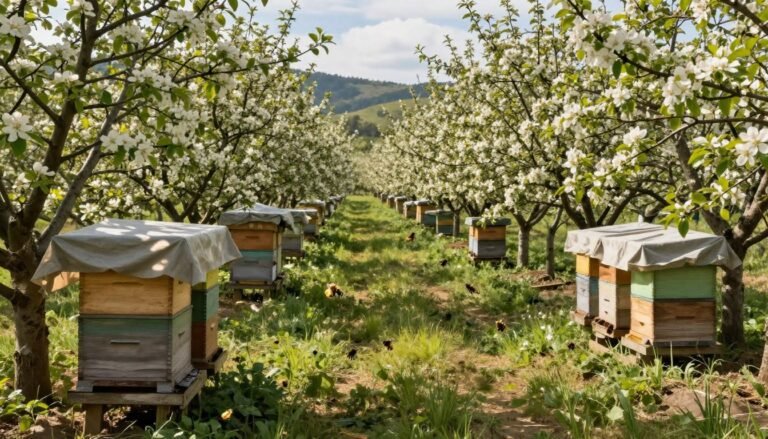
Pollination services use large, mature colonies rented to growers. These hives must meet strength standards and travel long distances in some cases. A typical package alternative contains about 3 pounds of bees and a queen shipped from thousands of miles away.
- Risk of losses can reach 30% in some regions.
- Scaling an apiary means balancing supply of queens, boxes, and bees against seasonal demand.
Nuc Production for Spring Sales vs Pollination Contracts
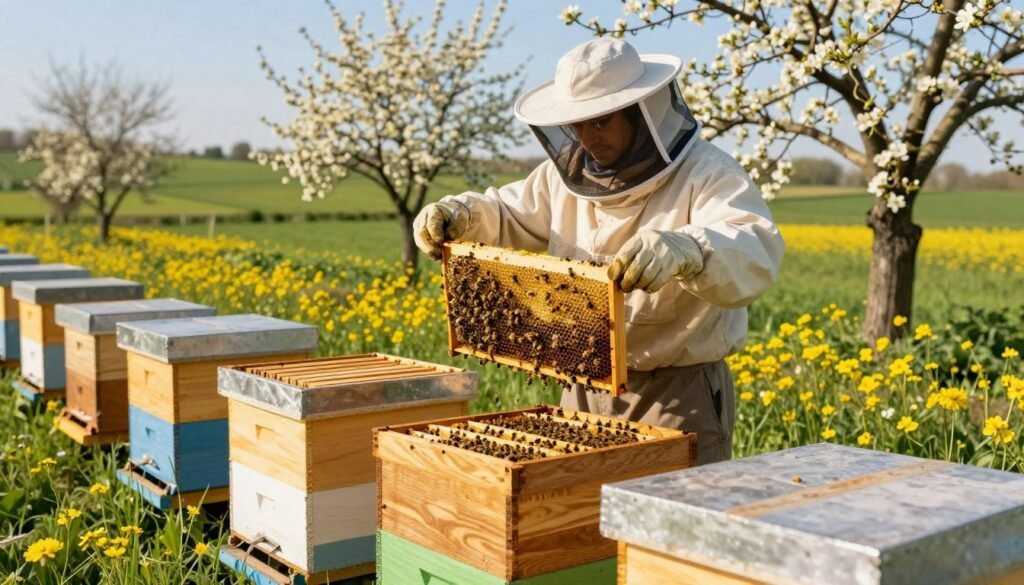
Deciding how to use early-season resources shapes an apiary’s year. Commercial operations often weigh making starter units against keeping heavy colonies to rent to growers. The choice affects labor, cash flow, and hive readiness.
Historical studies underline local potential. In 1985 biologist Mark Winston estimated British Columbia could produce over 75,000 spring packages annually. A 1989 review later argued that better wintering and queen programs would boost regional self-sufficiency.
Beekeepers compare cost and labor of raising starter units to the revenue of renting mature hives during summer. Importing packages from thousands of miles away remains common, but local supply is growing as a sustainable option.
| Metric | Starter Units | Mature Hives | Logistics |
|---|---|---|---|
| Labor | High early-season | Maintenance through season | Local handling vs long hauls |
| Revenue Timing | Early cash from sales | Income mid-season from rentals | Needs careful scheduling |
| Risk | Queen and winter losses | Transport and forage stress | Depends on miles moved |
Practical takeaway: Align queen rearing, wintering, and honey harvest plans with market demand. Operators that balance early unit availability and rentable colonies protect margins and colony health.
Learn more about sourcing packaged bees and nucs in the U.S. with this guide: buying packaged bees and nucs.
Operational Requirements for Nuc Production
Effective frame care sets the baseline for reliable early-season colony starts. A standard Langstroth deep with 10 frames gives about 2,700 square inches of comb to manage. Good planning at this level saves time later.
Frame Management and Brood Development
Move well-drawn frames of brood, pollen, and stored honey into compact boxes so each unit has food and work-ready comb. A healthy unit needs a laying queen and enough nurse bees to rear brood through early spring.
- Monitor brood patterns weekly to judge queen health and productivity.
- Keep frames balanced: avoid leaving donor colonies short of nurse bees or pollen.
- During summer, add boxes to full colonies to prevent swarming and allow honey storage.
Providing drawn comb cuts establishment time and boosts survival. Watch weight and flight activity as quick indicators of strength.
For tips on checking purchased units before introduction, see this guide to inspect purchased units.
Managing Colonies for Pollination Services
High-demand crops need colonies that sustain large forager populations during bloom. A single large unit often outperforms several small ones in honey production. Research shows a colony of 60,000 bees yields about 1.5 times the honey of four smaller colonies with the same total bee count.
Beekeepers must ensure hive strength meets grower standards. That means a healthy queen, good brood pattern, and ample nurse bees. The source of the queen affects long-term success across years.
Provide space early. Add extra boxes so bees keep foraging and have room to store honey. Lack of storage forces nectar to be discarded and reduces hive efficiency.
- Watch brood and pollen stores during summer to keep populations high.
- Maintain a high proportion of foragers by supporting steady brood rearing.
- Monitor frames and add boxes before storage bottlenecks appear.
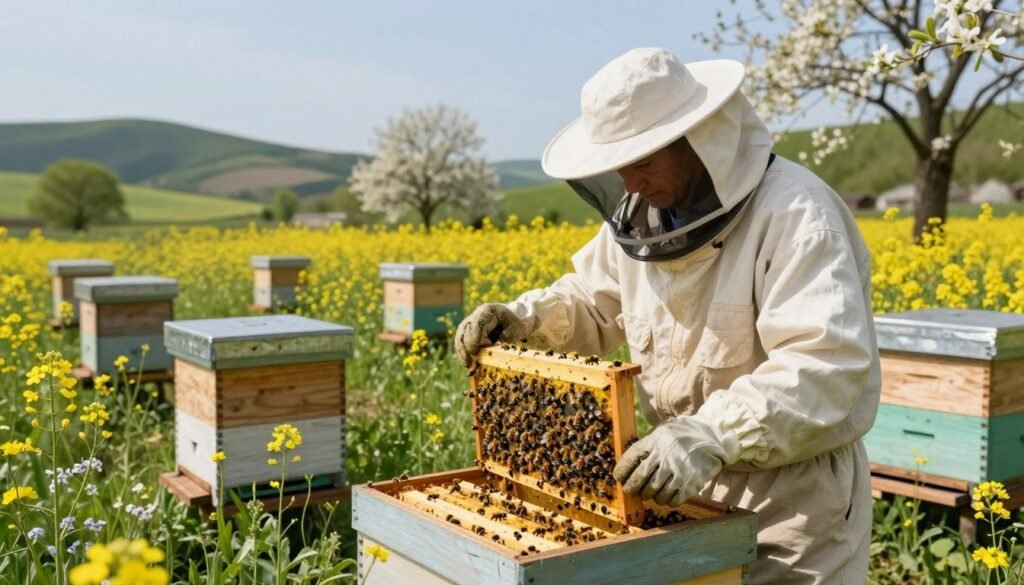
For operational guidance on making reliable starter units and moving colonies, review this practical episode about building nucleus units: making nucleus colonies.
Seasonal Timing and Hive Development
Scheduling brood rearing and feed now sets up colonies to meet early-season demand and summer goals. Timing is the practical backbone of a reliable apiary.
Spring Build-up Techniques
Stimulate growth early: offer supplemental syrup and add drawn frames to spur egg laying and brood rearing. Watch flight activity—bees rarely forage below 55°F and increase work as temps approach 70°F.
Rotate frames so each unit has brood, pollen, and stores. Add boxes before space runs out to reduce swarming and keep the colony focused on foraging.
Wintering Strategies for Early Season Readiness
Protect stores and reduce stress: ensure adequate honey or fondant. Insulate entrances and manage moisture to keep colonies healthy through cold months.
Replace or requeen on a multi-year plan to keep egg-laying steady across years. That helps supply strong hives for both pollination and honey yield.
“Good timing and consistent frame care turn winter survival into a productive season.”
- Monitor weather and local bloom dates.
- Adjust feeding and frames by colony strength.
- Record changes each month to refine management.
Economic Considerations and Revenue Streams
Balancing short-term sales and seasonal rentals helps reduce revenue swings for an apiary.
Diversifying income by combining nucs and rental work can improve cash flow and resilience across the year. Early unit turnover generates money before the main honey season. Renting strong colonies brings higher fees during bloom but raises upkeep cost and travel time.
Beekeepers should track annual income over several years to compare net returns. Include labor, queen replacement, feed, and transport when estimating true cost. Small changes in survival rates or yield alter which model wins.

| Revenue Stream | Typical Timing | Key Costs |
|---|---|---|
| Early unit sales | Late spring | Labor, queens, frames |
| Colony rentals | Bloom period | Transport, maintenance, insurance |
| Honey harvest | Mid–late season | Extraction, storage, marketing |
Scale thoughtfully. Growing hive numbers raises potential revenue but also increases labor and regulatory demands. Review long-term trends and external pressures such as climate shifts via this analysis of climate change effects on U.S.
Risk Factors in Commercial Beekeeping
Commercial apiaries face persistent threats that can undo a season of careful work. Managers must balance daily tasks with long-term health plans to reduce unexpected losses.
Pest and disease control sits at the top of the list. American foulbrood is the most serious infection in North America and is intolerable in a commercial operation.
Pest and Disease Management
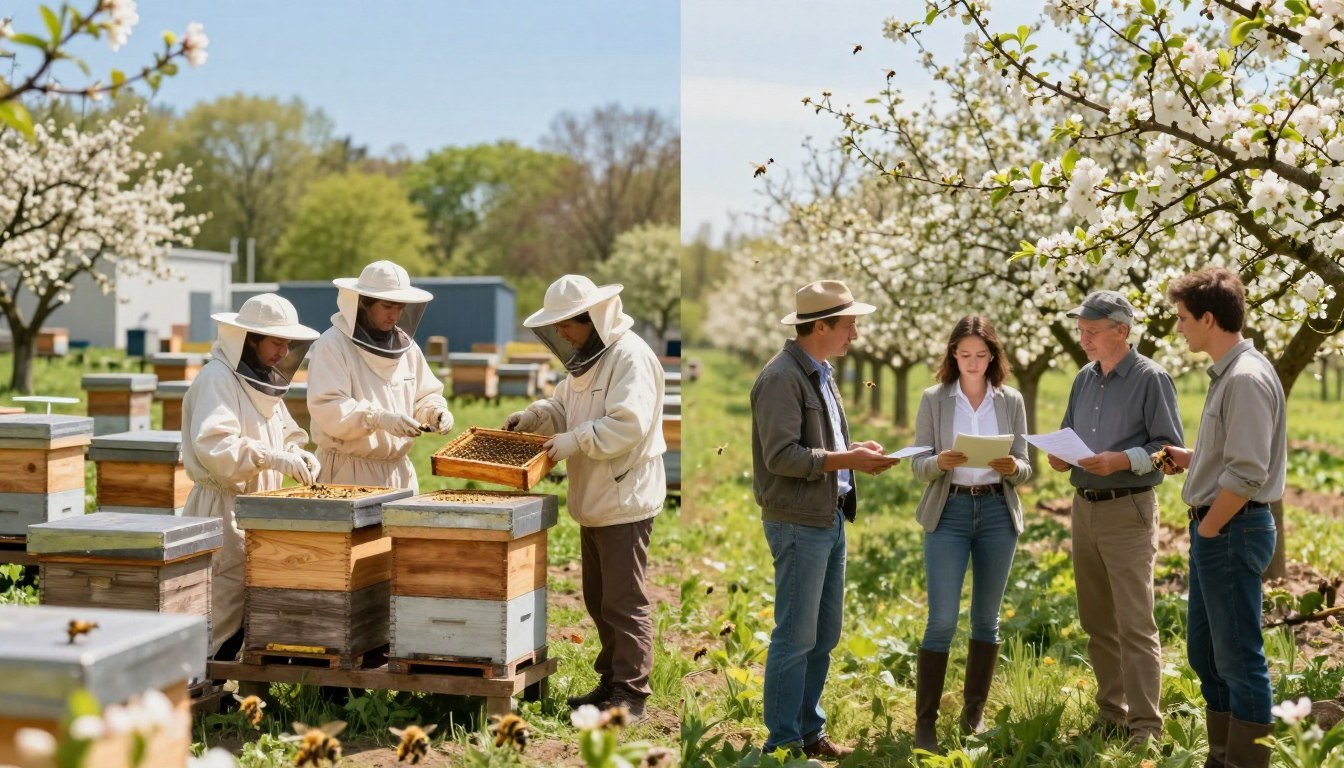
Regular inspections catch problems early. Beekeepers should open hives on a set schedule to check brood pattern and look for signs of disease.
Control options range from sanitary removal to certified treatments. A consistent program reduces spread and protects nearby colonies.
- Winter losses demand rigorous winterization and feed plans to preserve colony numbers.
- Imported packages carry higher risk of queen failure and absconding than established local units.
- Maintain a steady source of healthy queens to replace failures quickly and limit contagion.
Scaling operations raises complexity. Larger apiaries need written protocols, rapid response plans, and staff trained to spot early symptoms.
“Preventing a single outbreak protects dozens of hives and preserves business continuity.”
| Risk | Primary Impact | Mitigation | Monitoring |
|---|---|---|---|
| American foulbrood | Colony loss, regulatory action | Immediate removal, lab diagnosis | Weekly brood checks |
| Winter losses | Reduced pollination capacity | Insulation, adequate stores | Pre- and post-winter inspections |
| Queen failure / imported packages | Weak hives, absconding | Local queen sourcing, rapid requeening | Flight activity and brood pattern |
| Pests (Varroa, small hive beetle) | Lower productivity, disease spread | Integrated pest management | Regular mite counts, trap checks |
For deeper analysis on regional risks and long-term trends, review this detailed thesis on colony dynamics: colony risk analysis.
Impact of Colony Strength on Business Goals
Strong colonies drive predictable income and service quality. A single large unit often collects more nectar and returns higher surplus than several smaller ones. Research shows one colony of 45,000 bees yields about 1.5 times the honey of three colonies of 15,000 each.
That math matters when planning fees and forecasts. High bee numbers improve foraging efficiency and shorten the time to peak output. Growers value reliable pollination and beekeepers benefit from steadier honey production during the summer.
Keep brood levels high to sustain populations. Regular checks of brood pattern and recent frames help managers spot falling strength early. Requeening and timely feeding preserve productive colonies across years.
Set business targets around the number of strong colony units you can maintain. This makes budgeting, scheduling of pollination services, and marketing more realistic. Consistent management and good habitat increase the odds of meeting those goals.
| Metric | Large Colony (45,000) | Three Small Colonies (15,000 each) |
|---|---|---|
| Relative honey yield | 1.5x baseline | 1.0x baseline |
| Foraging efficiency | High | Moderate |
| Management focus | Brood & health maintenance | More frequent interventions |
“A clear focus on colony strength simplifies planning and secures better returns.”
Infrastructure and Equipment Needs
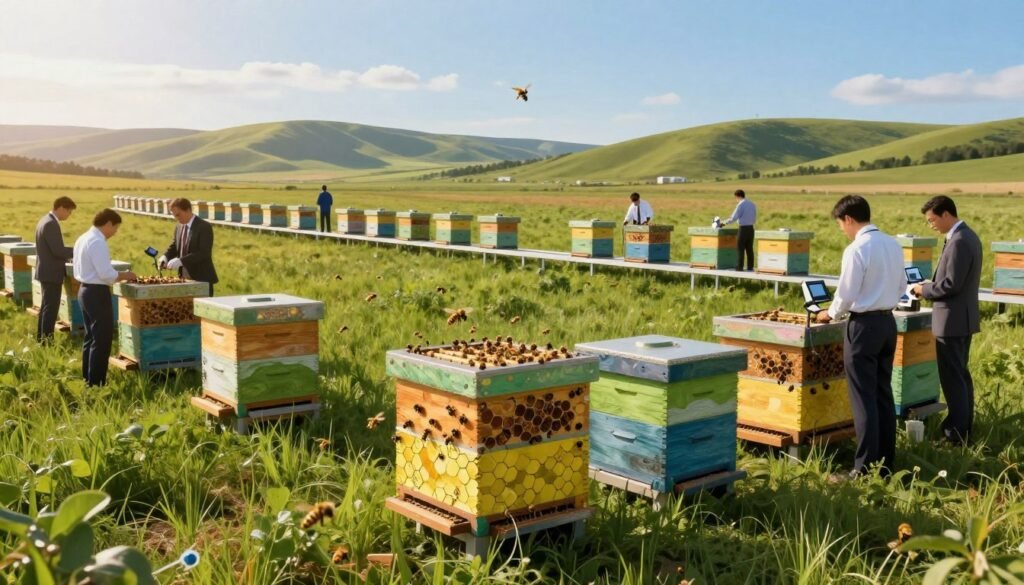
Meeting state comb-size rules starts with the right hive bodies and frames. Oregon requires about 3,000 square inches of comb to qualify a colony for pollination, which two standard deep Langstroth boxes usually achieve.
Invest in quality deep boxes and well-drawn frames. Reliable boxes reduce the time spent rebuilding comb and cut long-term cost. Keep spare frames and a steady equipment source so colonies grow without delay.
Beekeepers should budget for regular frame replacement and new boxes as colonies expand. Adequate space supports brood rearing and honey storage and helps sustain strong forager numbers during peak season.
- Stock extra deep boxes to avoid storage bottlenecks when colonies need room.
- Rotate and replace worn frames to limit disease and maximize honey yield.
- Plan purchases early in the year to secure the right size and quantity.
| Item | Typical Need | Reason |
|---|---|---|
| Deep hive bodies | 2 per pollination colony | Provides ~3,000 sq in comb to meet standards |
| Frames | 4–8 spares per hive | Allows quick swaps and reduces rebuild time |
| Additional boxes | 1–3 per active apiary | Gives room for brood and honey during peak season |
The Role of Queen Quality in Production
Queen genetics and condition set the rhythm of colony growth and harvest potential. A young, vigorous queen lays steadily and supports a large worker force that drives honey production.
Consistent laying maintains brood patterns that predict future strength. Watch brood rows and recent capped cells as quick measures of queen health.
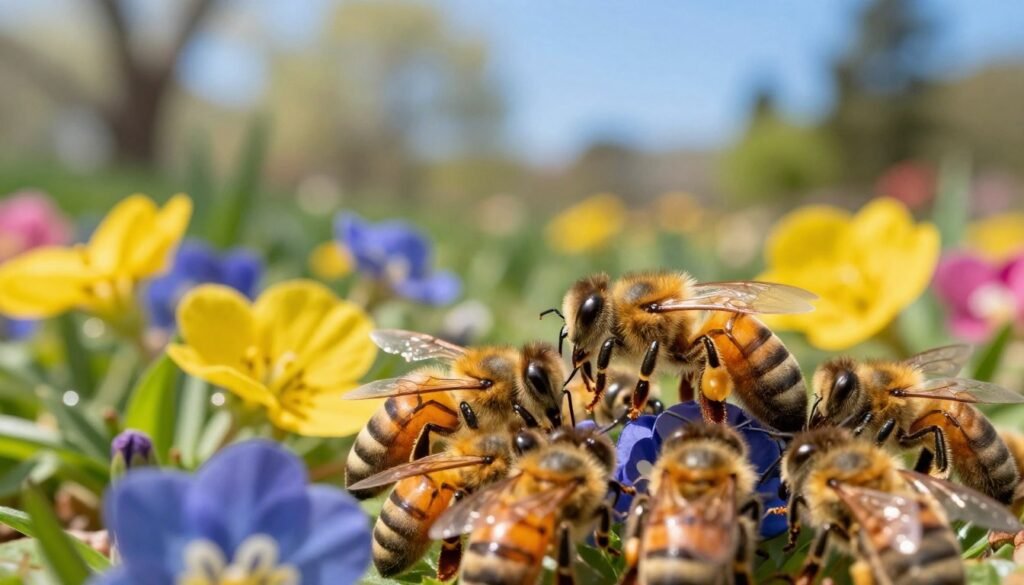
Replace queens older than two years to keep colonies vigorous. Older queens often slow their laying rate and reduce forager numbers over time.
- Requeen on a schedule: plan requeening at least every two years to protect yields and colony health.
- Monitor brood: look for a compact pattern and uniform capped cells as signs of a strong queen.
- Use quality stock: purchase reliable queens and record their performance across years.
Managing queens across years preserves labor efficiency and reduces losses. Providing each colony with a superior queen is a core practice for any beekeeper aiming to maximize production and business success.
For practical steps to boost worker numbers and colony strength, see this guide on boost colony population naturally.
Navigating Regulatory Standards
Regulatory checklists shape how beekeepers prepare colonies to meet grower expectations.
Oregon and Washington set colony-strength rules so growers receive reliable hives during bloom months. Beekeepers must show counts of adult bees and measures of brood when inspectors arrive.
Prepare simple records that document winter health, queen source, and months of brood development. These notes speed inspections and reduce disputes over quality.
Maintain a steady source of healthy queens and follow approved disease protocols. That practice helps keep colonies strong through winter and ready at pollination time.
Use written agreements that reference state standards and list expected metrics. A clear contract protects both the grower and the beekeeper by defining inspection steps, remedies, and timing.

| Requirement | Typical Measure | Why it matters | Action |
|---|---|---|---|
| Adult bee count | Bees visible on frames & flight activity | Shows foraging capacity | Record weekly checks |
| Brood amount | Frames of brood per hive | Predicts population growth | Document brood pattern |
| Winter readiness | Stores, insulation, queen quality | Ensures survival to season | Log winter checks and source of queens |
Environmental and Forage Considerations
A steady sequence of bloom windows is the backbone of reliable colony growth and honey storage.
Diverse forage matters. Landscapes with varied flowering plants give bees consistent nectar and pollen. That steady food helps colonies build worker numbers and reserves across the season.
Monitor weather closely. Cold or prolonged rain halts flights and pushes colonies to draw on stores. Never let a colony’s reserves drop below 10 pounds of food; that threshold helps prevent starvation during winter and early spring.
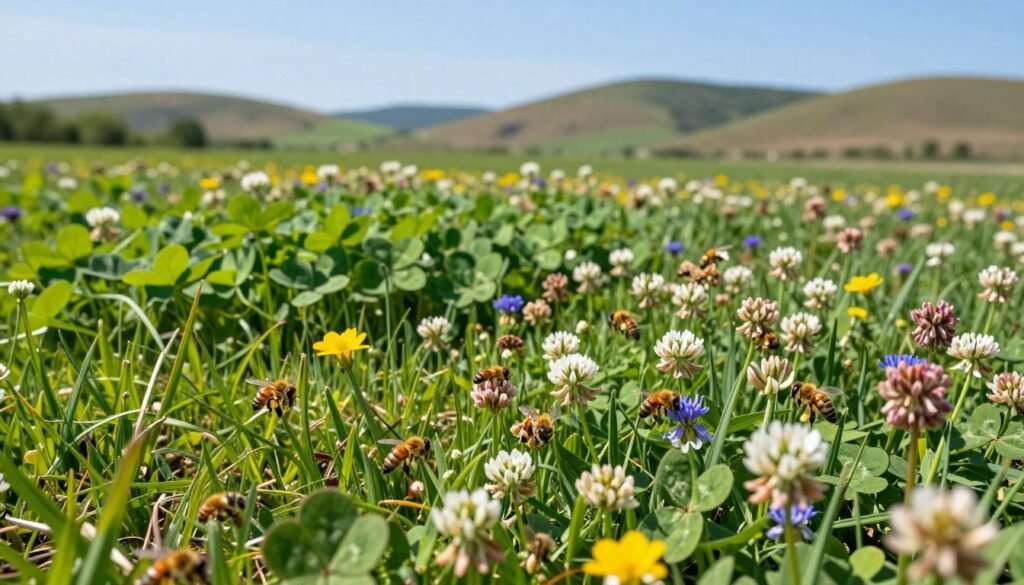
The summer months offer the best chance for bees to replenish stores. Take advantage of peak bloom to strengthen hives and create surplus for the coming months.
- Track local bloom dates and map plant sources to time management actions.
- Provide supplemental feed when weather or forage gaps threaten stores.
- Protect habitat that supports varied plant species to boost colony vitality.
“Understanding the local forage cycle lets beekeepers time operations and keep colonies in peak condition.”
For deeper reading on colony timing and decline, review this analysis of colony buildup and decline.
Scaling Your Apiary Operations
Growing an apiary demands a staged plan that ties colony counts to logistics and cash flow. Start with realistic targets for how many colonies you can manage each year and what gear you must buy to reach them.
Plan equipment early. Extra boxes and spare frames shorten rebuild time and let units expand without delay. Factor the cost of materials and the labor needed to handle more hives.
Develop reliable supply lines for queens and packages so the apiary can meet demand. A steady supply reduces last-minute shortages and keeps colony numbers on track.
Moving colonies many miles needs tight logistics and paperwork. Map routes, confirm regional rules, and schedule hauling to minimize stress on bees while meeting grower timelines.
- Scale in phases: add a set number of colonies each year and evaluate staff needs.
- Track cost closely: include equipment, time, and transport in your budget.
- Balance outputs: keep some nucs available while committing mature hives to paid services to steady income.
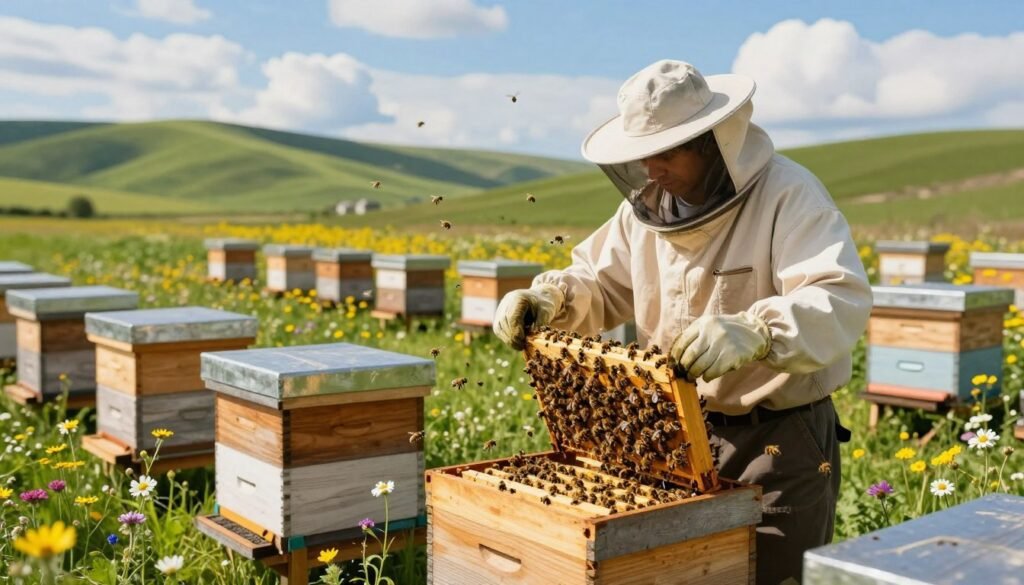
Balancing Multiple Revenue Streams
Successful apiary owners treat income streams like crop rotations, scheduling work so each option gets the resources it needs.
Diversifying income mixes honey production with service work and retail offerings. This mix reduces seasonal risk and smooths cash flow across the year.
Track real costs and hours per task. Record labor, materials, and transport so you know which lines make money and which drain resources.
Use simple profit checks. Compare fees earned by rentals and retail margins from jar sales. Small changes in survival or yield change the bottom line quickly.
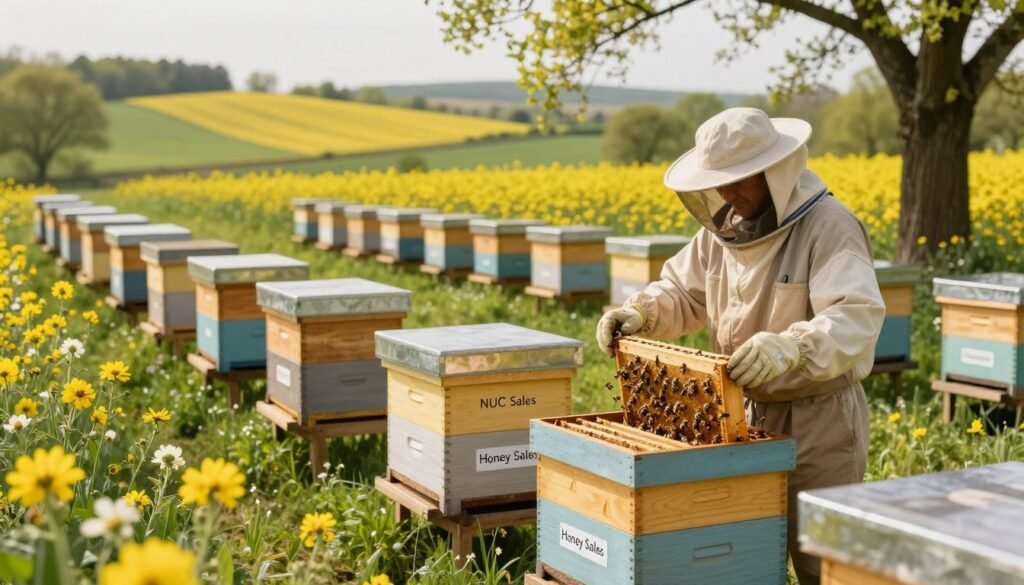
- Allocate staff to peak windows to avoid bottlenecks.
- Keep a reserve of boxes and frames to reduce rebuild time.
- Reassess pricing and service terms each year to protect margins.
“Diversification creates a buffer against poor weather and low yields.”
Good management ties records to decisions. When you measure cost and output, you can scale what works and trim what does not. That approach preserves colony health and lifts overall production.
Long-Term Sustainability in Beekeeping
Sustaining an apiary over many years requires methods that cut annual losses and build resilient bee populations. Start with clear goals for survival rates and record outcomes each season.
Minimizing losses begins with breeding choices and disease protocols. Select stock with hygienic behavior and track performance across queens and yards.
Winter care matters. Insulate appropriately, secure adequate stores, and reduce moisture to help colonies emerge strong. A focused winter program lowers the risk of colony decline.
Invest in local survivor lines to reduce dependence on imported bees. Locally adapted stock tolerates regional pests and weather better, improving resilience over the years.
- Breed for hygiene and temperament.
- Prioritize winter readiness and stable food reserves.
- Document outcomes to guide genetic and management choices.
Strong community ties support sustainability. Build relationships with growers and neighbors to secure forage, cooperative fields, and trust. These bonds can lead to steadier, more profitable agreements.
“Long-term health of the bees protects both livelihoods and the landscape those bees serve.”
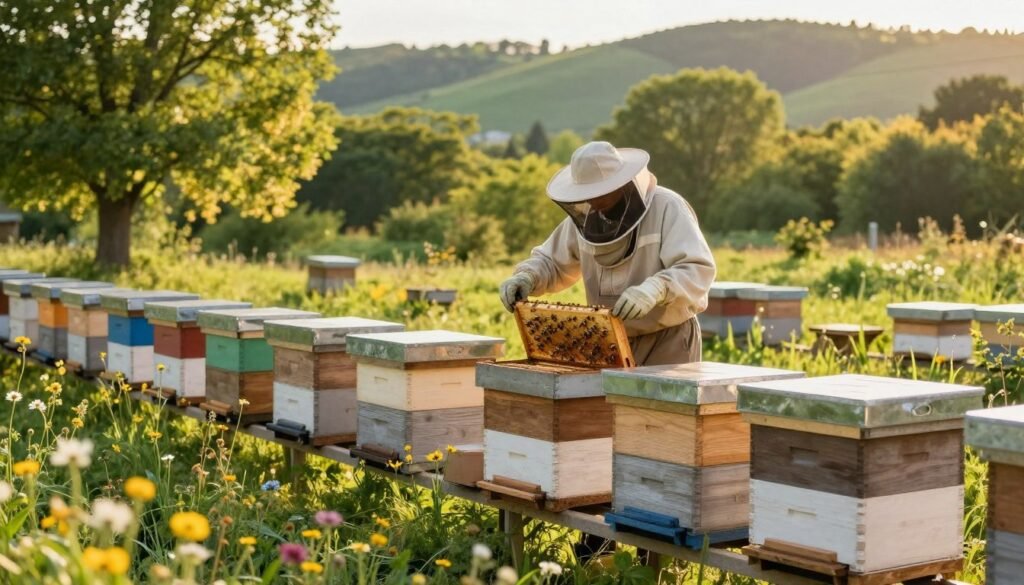
For practical planning templates and regional strategies, review this sustainable apiary plan and this guide on creating a sustainable apiary plan.
Conclusion
,
A clear business aim helps you match colony care to realistic revenue targets.
Choosing between unit sales and paid crop services is a major decision. It depends on your goals, available gear, staffing, and the local market. Keep colony health as the core metric that guides each step.
Beginners often find that starting with small unit work builds skills and immediate income. Experienced operators who can meet strict standards may prefer service agreements that pay reliably during bloom.
Keep learning, track costs, and protect bee health. To explore earnings and starter estimates, read this guide on making money in beekeeping.