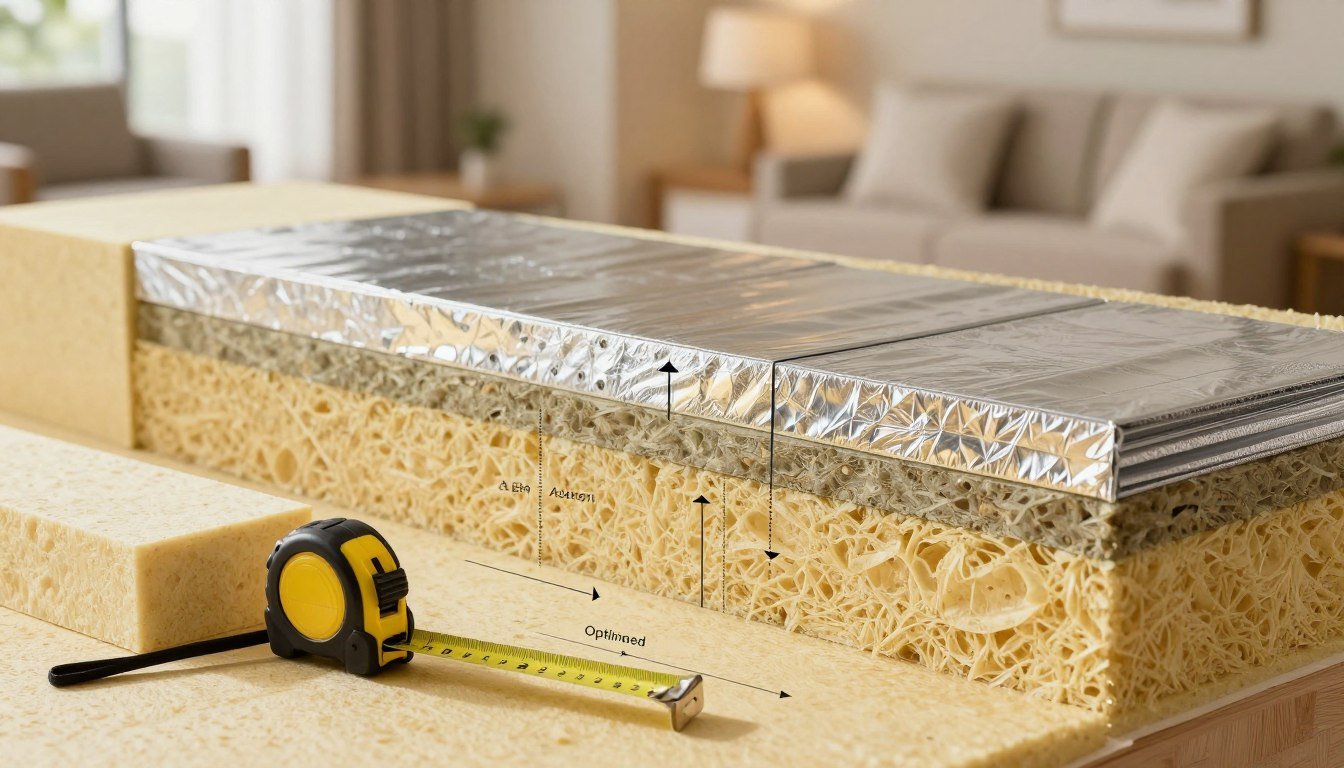
Proper insulation thickness is critical for energy efficiency in modern building systems. Choosing the right material and size helps reduce heat loss and keeps operating costs down.
When planning any thermal protection system, consider the system’s operating temperature and the space where it sits. Material resistance, area size, and piping layout all affect final performance.
A well-designed system protects pipes from weather and prevents water damage. For example, correct pipe insulation keeps steam and hot water within safe temperatures and lowers long-term maintenance costs.
In this section, you will learn how to measure length and diameter, compare common materials, and confirm that your insulation thickness meets requirements and delivers real value.
Key Takeaways
- Right material selection is the first step to better energy efficiency.
- Correct thickness limits heat loss and protects piping from weather.
- Account for operating temperatures and specific site requirements.
- Measure length and diameter accurately for a reliable system fit.
- Good design reduces water damage risk and long-term costs.
The Importance of Proper Insulation Thickness
Matching material and size to a system’s operating conditions prevents energy waste and protects pipes from damage. Proper insulation reduces unwanted heat transfer and helps systems stay efficient year-round.
Preventing heat loss is a core goal for facility managers. In cold weather, the right selection keeps water and steam at safe temperatures and stops pipes from freezing.
- Lower energy costs: Less heat loss means heating systems run less and save on energy bills.
- System protection: Correct sizing reduces condensation, mold risk, and corrosion in hidden spaces.
- Performance factors: Operating temperatures and piping layout determine the specific thickness needed.
Follow recognized energy efficiency recommendations when choosing materials. This ensures your building systems deliver long-term value and meet requirements for safe, reliable operation.
Understanding Your Inner Cover Insulation Thickness Guide
A practical selection process begins by matching project goals to realistic performance needs. This section explains how to pick materials and the correct thickness for specific applications.
Start small: identify the space, expected temperatures, and whether the area is exposed to weather or moisture. Short checks like these simplify choices and reduce errors.
We break down common terms so you can compare options. Learn which products meet local codes and how performance ratings affect energy use.
Proper thickness insulation improves comfort and cuts operating costs. Choosing right helps prevent cold spots and lowers long-term repair needs.
Follow these steps:
- Assess conditions and performance targets.
- Match materials to code and environment.
- Measure areas and plan for installation access.
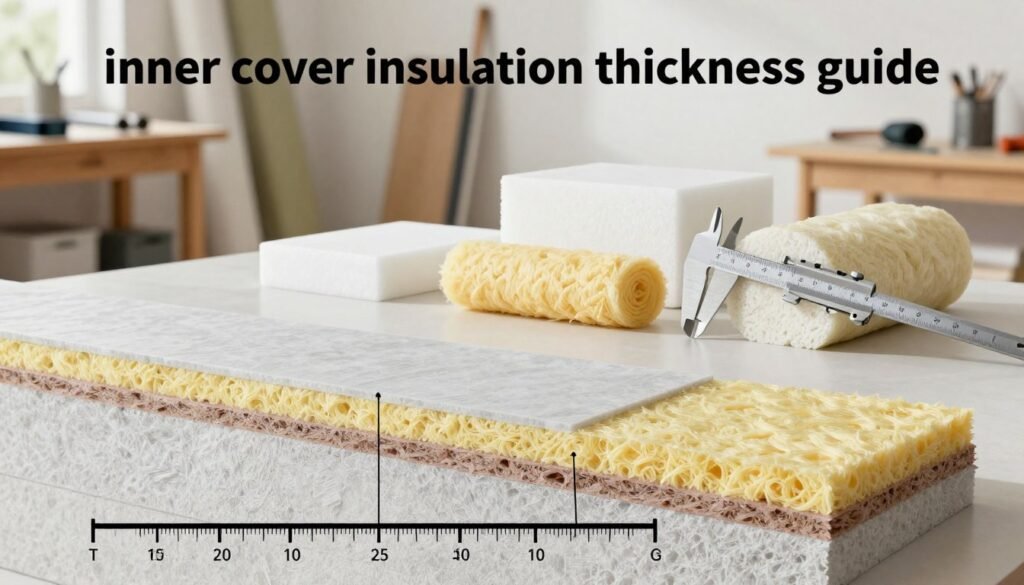
For more on material types and selection, see types of insulation and practical winter recommendations at thermal insulation materials for winterizing.
Key Factors Influencing Thermal Resistance
Thermal resistance sets how well a material slows heat flow and shapes real-world performance.
The two core metrics to check are the lambda value and the Rd value. Lambda shows a material’s thermal conductivity. Rd measures installed resistance for a given application.
The Role of Lambda and Rd Values
Lambda helps compare raw material performance. Lower lambda means lower heat transfer for the same size and space.
Rd value accounts for the full system, including material size and piping layout. Thicker insulation usually raises Rd, which reduces heat loss and meets energy requirements.
| Material | Lambda (W/m·K) | Typical Rd (m²K/W) | Best Applications |
|---|---|---|---|
| Closed-cell foam | 0.020–0.035 | 0.70–1.20 | Pipe runs, wet areas, high value thermal control |
| Fiberglass | 0.035–0.045 | 0.40–0.90 | Dry cavities, large area coverage |
| Rubber-based | 0.034–0.040 | 0.60–1.00 | Flexible piping, HVAC systems |
- Closed-cell foam resists water and gives higher R-value than fiberglass.
- Operating temperatures and site conditions change long-term performance.
- Match material with piping size, system requirements, and applications to get the best value.
Common Materials Used for Insulation
Selecting the right material means weighing moisture control, temperature range, cost, and longevity for each system or space.
Fiberglass properties:
Fiberglass Properties
Fiberglass is made from fine glass fibers and is common for controlling heat gain and loss. It works well in dry cavities and large areas.
Handle with care: fibers can irritate skin and lungs, so installers should follow manufacturer safety rules.

Foam Insulation Benefits
Closed-cell foam gives strong thermal performance and superior moisture resistance.
This makes foam a good fit for complex pipe insulation runs and wet spaces where water can reduce value over time.
Rubber and Foil Options
Rubber-based products resist a wide range of temperatures, roughly -40°C to 150°C, so they suit steam and hot water pipes.
Reflective foil works by bouncing radiant energy away and can be useful in specific situations where radiant heat is dominant.
- Each material has distinct properties; follow manufacturer guidelines to ensure the system performs as intended.
- Proper installation matters: gaps or crevices reduce overall efficiency.
| Type | Key Strength | Best Use | Notes |
|---|---|---|---|
| Fiberglass | Cost-effective thermal control | Dry cavities, large-area coverage | Requires protective handling |
| Closed-cell Foam | Moisture resistance, high R-value | Complex pipe runs, wet spaces | Excellent for long-term value |
| Rubber | Wide temperature resistance | Steam, hot water pipes | Flexible and durable |
| Reflective Foil | Blocks radiant heat | Radiant-dominant spaces | Best paired with other types |
For a deeper look at approved materials, see insulation materials and consult local codes when planning work.
How to Measure Your Space Accurately
Measure each run of piping in millimeters to match product sizing and avoid gaps. Use a caliper or pipe measuring tool to record the outer diameter and the run length for every pipe.
Accurate readings ensure the insulation fits cleanly and the system performs as intended. Inaccurate measurements reduce energy performance and raise the risk of condensation and water problems.
- Clean the pipe and measure diameter with a caliper; note the value in millimeters.
- Measure the total length of each run and include bends or tees that change effective size.
- Record zones and any access constraints so installers can plan fittings and seams.
Convert imperial sizes to millimeters if needed; most manufacturers list product sizes in mm. Precise measurement prevents gaps that let heat escape and maximizes the value of your system.
| Measurement | Tool | Why it matters |
|---|---|---|
| Diameter | Caliper | Matches pipe insulation size for a snug fit |
| Length | Tape measure | Determines number of sections and seams |
| Bends / curves | Flexible tape | Affects required material and cutting pattern |
Calculating the Ideal Thickness for Your Project
Begin with a clear performance target: decide the pipe temperature you must maintain and the allowable heat loss over the run.
Calculate required resistance (Rd) from that target and the operating temperature. Use published lambda values for the chosen material and convert them into an installed Rd. For example, 10 cm PIR boards give an Rd around 4.5 m²K/W, which works well where space is limited.
Account for pipe size: larger diameter pipes need more material to limit heat loss and keep system temperature stable. Also include the pipe’s thermal mass and any nearby water zones that affect cooling.
- Set temperature and allowed heat loss.
- Pick material and note its lambda / Rd performance.
- Adjust thickness for pipe diameter and thermal mass.
“Accurate calculation saves material, prevents energy waste, and adds long-term value.”
Follow building requirements and test the final design against energy targets. Proper calculation optimizes performance and cost for your systems and pipes.
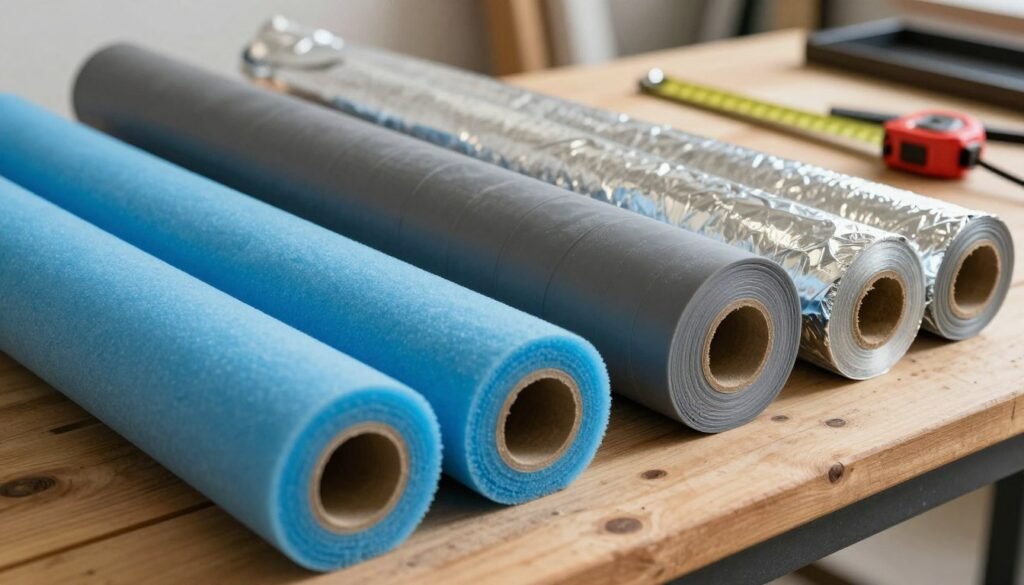
Recommended Thickness by Application
Different areas of a building need specific material depth to meet performance goals and local codes. Follow these recommendations to reduce energy loss and protect systems over time.
Floor and Wall Requirements
Floor areas usually need between 6 and 12 cm depending on available space and floor assembly. Thicker insulation helps reduce heat transfer and keeps indoor areas stable.
For external walls, aim for 10–16 cm to limit heat loss and meet modern requirements. This range balances cost, space, and long-term value.
Roof Insulation Standards
Pitched roofs often require 12–24 cm, while flat roofs commonly need 14–20 cm to reach current energy targets. Choose the higher end when the roof forms a thermal boundary for conditioned space.
Each application has unique needs: select the right pipe insulation and follow manufacturer instructions for installation and maintenance.
“Following rated requirements and proper installation pays off in lower bills and longer system life.”
https://www.youtube.com/watch?v=djYi5TeKtIc
| Area | Typical Range (cm) | Why it matters |
|---|---|---|
| Floors | 6–12 | Reduces heat loss, improves comfort |
| External walls | 10–16 | Meets codes, minimizes energy loss |
| Pitched roofs | 12–24 | Protects thermal envelope, prevents cold spots |
| Flat roofs | 14–20 | Supports drainage and thermal performance |
For detailed product selection and regional rules, see our insulation recommendations.
Avoiding Common Installation Mistakes
Even well‑specified materials fail when installers leave gaps or ignore surface prep. Small errors during fitment let heat escape and raise energy costs.
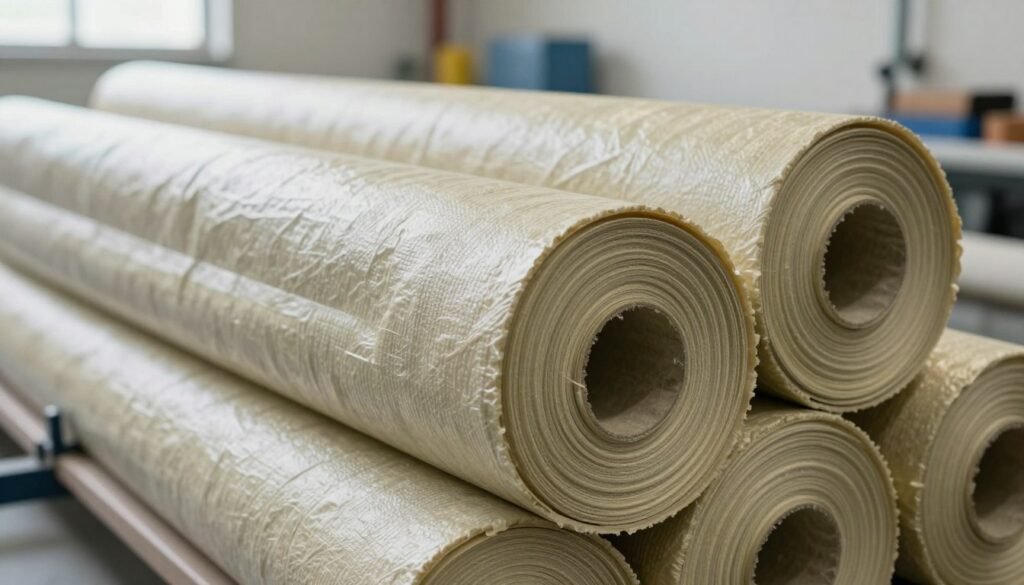
Prep and measure carefully. Clean pipes before work; dirt and debris stop a proper seal and create cold spots.
- Measure length and size for each run. Cutting pieces too short leaves gaps that cause heat loss.
- Match product requirements to operating temperatures, especially for steam or hot water systems.
- Follow the manufacturer instructions to avoid voiding warranties and ensure long service life.
- Use a utility knife to notch bends so the material fits snugly in tight zones.
“Diligent installation protects your investment and keeps systems efficient.”
For a checklist of common installation errors and fixes, review this short piece on common installation mistakes. Proper work preserves value and reduces long‑term costs.
Regulatory Standards and Energy Efficiency
Code compliance ensures systems operate safely while delivering expected energy savings. This section explains the core requirements that affect design and installation in modern buildings.
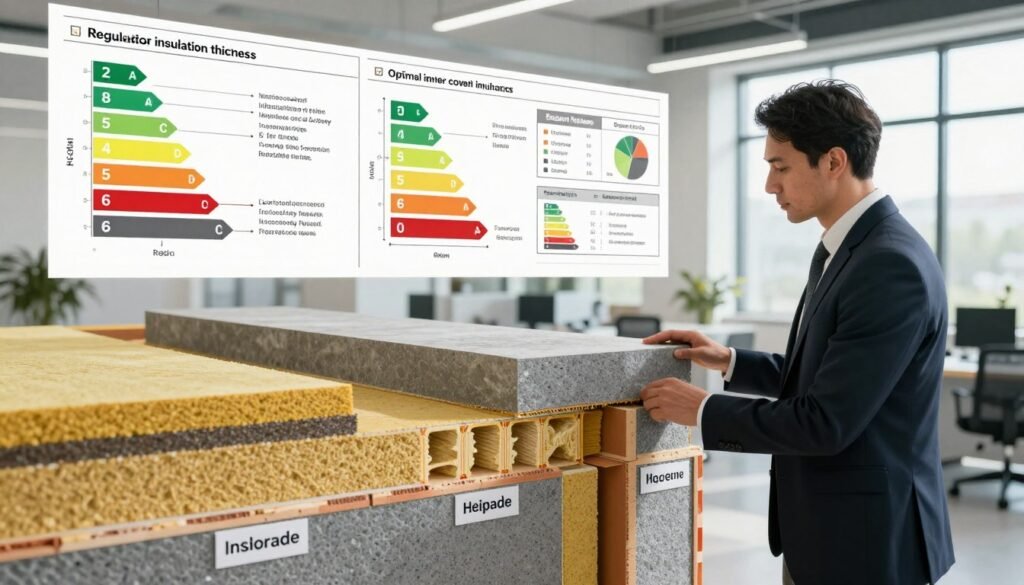
Duct work must meet a minimum R-6.0 level for space conditioning systems. That requirement preserves temperature control and reduces energy loss.
All fan systems that exchange air between conditioned space and outside must include backdraft or automatic dampers. These devices control airflow and protect system performance.
- Approved materials are required to maintain system integrity and meet building codes.
- Requirements vary by zone, so review local code for specific application rules.
- Regulatory bodies set measurable performance levels to cut energy use across buildings.
“Follow local standards to ensure legal compliance and long‑term value.”
| Item | Requirement | Why it matters |
|---|---|---|
| Duct R-value | Minimum R-6.0 | Limits heat loss and keeps temperature stable |
| Fan systems | Backdraft or automatic dampers | Prevents unwanted airflow and energy waste |
| Materials | Code‑approved products | Ensures durability and acceptable performance |
Staying informed about these rules helps you design efficient systems that pass inspection and deliver real value in service life and energy savings.
Conclusion
strong, A clear final check ensures your project meets performance goals and avoids costly rework.
Choosing right now cuts heat loss and improves long‑term energy value. Verify measurements, review material types, and confirm manufacturer specs before purchase.
Each system and pipe run needs a tailored approach. Follow code requirements and test installed resistance so the building delivers on comfort and costs promised.
Final step: consult a professional for complex applications. Proper decisions today protect pipes, reduce energy use, and add lasting value to your systems.