Reviewed by Michael R. · How we review
Honey mustard is honey whisked into mustard, usually Dijon, yellow or both, then loosened with mayonnaise, yogurt or oil and vinegar to make a dip, dressing or spread. In ten popular recipes honey is 14% to 31% of the volume, and the USDA FoodKeeper gives a homemade dressing about 2 weeks in the fridge.
Below: the ratios side by side, which honey to use, mustard and base choices, how long it keeps, and a safety rule most recipe pages leave out.
Key Takeaways
- Honey is 14% to 31% of the volume in ten popular recipes (median 24%). The National Honey Board’s own recipe is half honey, half mustard.
- Our untested starting ratio: 1 part honey, 1 part Dijon, 2 parts mayonnaise, plus a splash of vinegar.
- Any liquid honey works; the National Honey Board says lighter honey is milder and darker honey stronger. None of the ten pages names a variety.
- Recipe pages claim 4 days to 3 weeks in the fridge and none cites the USDA. FoodKeeper lists homemade dressing at 2 weeks. Fresh garlic in oil: 7 days at most.
- Honey is unsafe for babies under 1 year old, and not one of the ten pages says so.
Table of Contents
- Honey Mustard Ratios From Ten Popular Recipes
- Which Honey to Use in Honey Mustard
- Mustard and Base: Dijon, Yellow, Mayo, Yogurt or Oil
- How Long Homemade Honey Mustard Keeps
- Babies and Honey Mustard
- Frequently Asked Questions
- Next Step
Honey Mustard Ratios From Ten Popular Recipes
Most pages say “mix and taste,” yet their quantities differ. We converted ten recipe pages, read on 2026-11-01, to tablespoons and worked out honey’s share of the total volume. The National Honey Board recipe is 2 cups of honey to 2 cups of Dijon or brown mustard and nothing else: 50% honey.
| Recipe | Base | Honey : mustard : base (tbsp) | Honey share |
|---|---|---|---|
| Pinch of Yum | Mayonnaise | 4 : 4 : 4 | 31% |
| Kristine’s Kitchen Blog | Greek yogurt | 3 : 4 : 3 | 30% |
| The Novice Chef | Mayonnaise | 4 : 5⅓ : 4 | 28% |
| Happy Family Blog | Mayonnaise | 1 : 1 : 2 | 25% |
| RecipeTin Eats | Oil and vinegar | 4 : 4 : 4 oil | 25% |
| Budget Bytes | Mayonnaise | 3 : 2 : 8 | 23% |
| Three Olives Branch | Mayonnaise | 3 : 3 : 12 | 17% |
| Allrecipes | Mayonnaise | 2 : 3 : 8 | 15% |
| Love and Lemons | Oil and vinegar | 1 : 2 : 2 oil | 14% |
| Southern Bite | Mayonnaise | 2 : 4 : 8 | 14% |
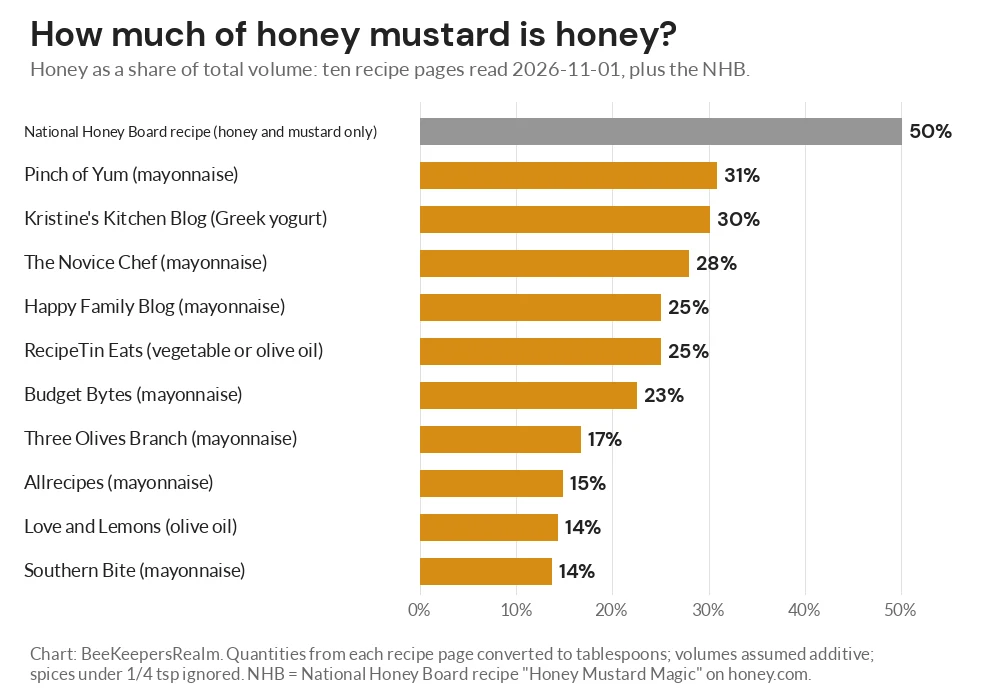
Vinegar and lemon juice are counted in the total, and spices under 1/4 teaspoon are ignored. Volumes are assumed to add, so shares are approximate.
Our starting ratio is 1 part honey, 1 part Dijon and 2 parts mayonnaise, which lands at 24% honey, the median. For about 3/4 cup: 3 tbsp honey, 3 tbsp Dijon, 6 tbsp mayonnaise and 1 tsp vinegar or lemon juice. For a pourable dressing, use equal parts honey, Dijon, vinegar and oil, as RecipeTin Eats does. We have not test-made either one, so adjust a tablespoon at a time. Allrecipes chills its sauce overnight and The Novice Chef for a few hours.
Which Honey to Use in Honey Mustard
Southern Bite says “any kind of honey you like” works, and the other nine pages are silent. The National Honey Board’s honey varietals page gives one rule of thumb:
“As a general rule, the flavor of light-colored honey is milder, and the flavor of darker-colored honey is stronger.”
It also calls wildflower honey delicious in fruit and vegetable salad dressings, and orange blossom great in salad dressings and marinades. Our take, which is judgment and not a test: clover or wildflower is the safe default, and a dark honey such as buckwheat will compete with the mustard. See our guide to 16 popular U.S. honey varieties.
Form matters more for texture. Liquid honey whisks in fastest. Creamed (whipped) honey is crystallized on purpose and thick, so expect a stiffer sauce; we have not tested it. If your jar has crystallized, warm it gently and let it cool first, as in our guide to reliquefying honey. Nothing is heated in this sauce, so raw honey stays raw, but flavor and thickness matter more than the label.
Mustard and Base: Dijon, Yellow, Mayo, Yogurt or Oil
Five of the ten pages use only Dijon, two only yellow mustard and three use both. Pinch of Yum says it would not recommend yellow mustard and that whole-grain mustard “would change the texture,” while Southern Bite insists on both. Seven pages use mayonnaise, one uses Greek yogurt (mayonnaise optional) and two use oil and vinegar. Mayonnaise and yogurt versions suit dips and spreads; oil-and-vinegar versions are the dressings.
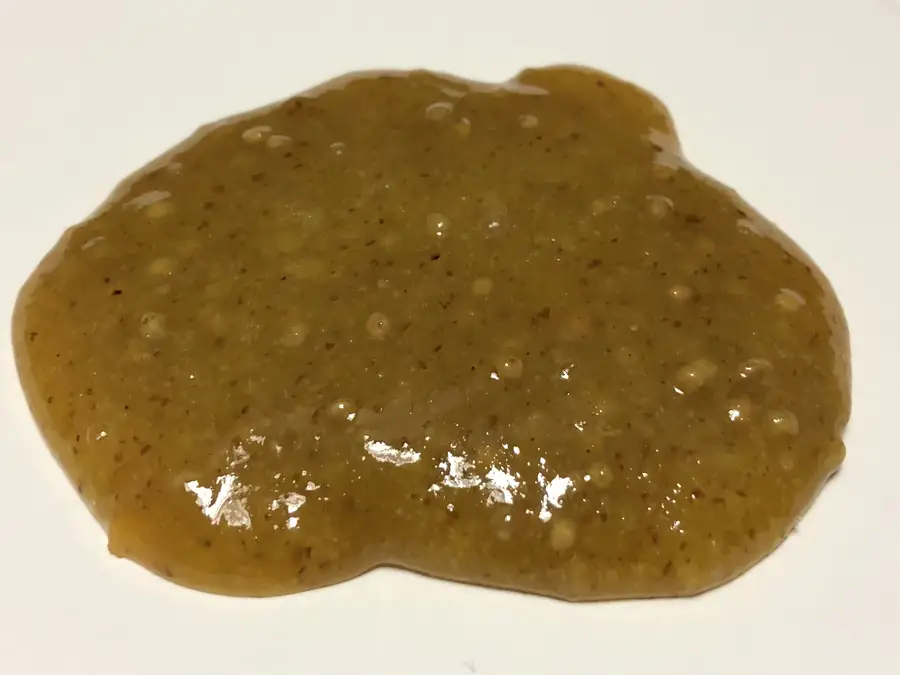
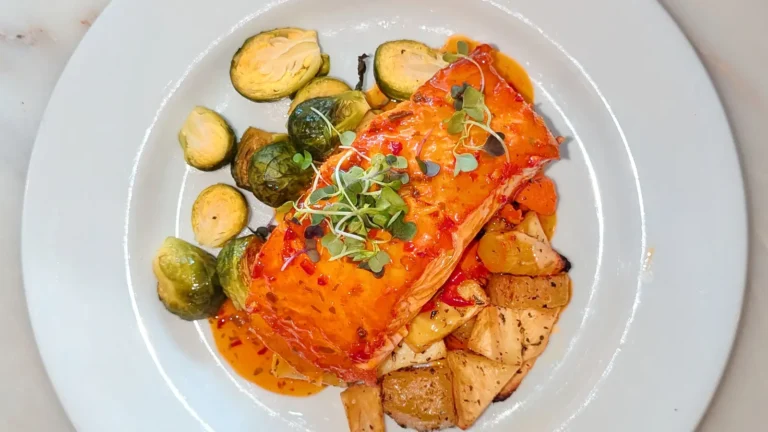
Beyond a dip, the pages suggest it as a sandwich spread, a salad dressing, a drizzle for roasted vegetables and, in Pinch of Yum’s FAQ, a glaze for salmon or chicken. For heat, two pages add 1/4 teaspoon of cayenne; for chili honey, see how to make hot honey safely.
How Long Homemade Honey Mustard Keeps
Seven of the ten pages give a fridge time, from 4 days to 3 weeks, and none cites a USDA or extension source. Allrecipes, Three Olives Branch and Happy Family give none.
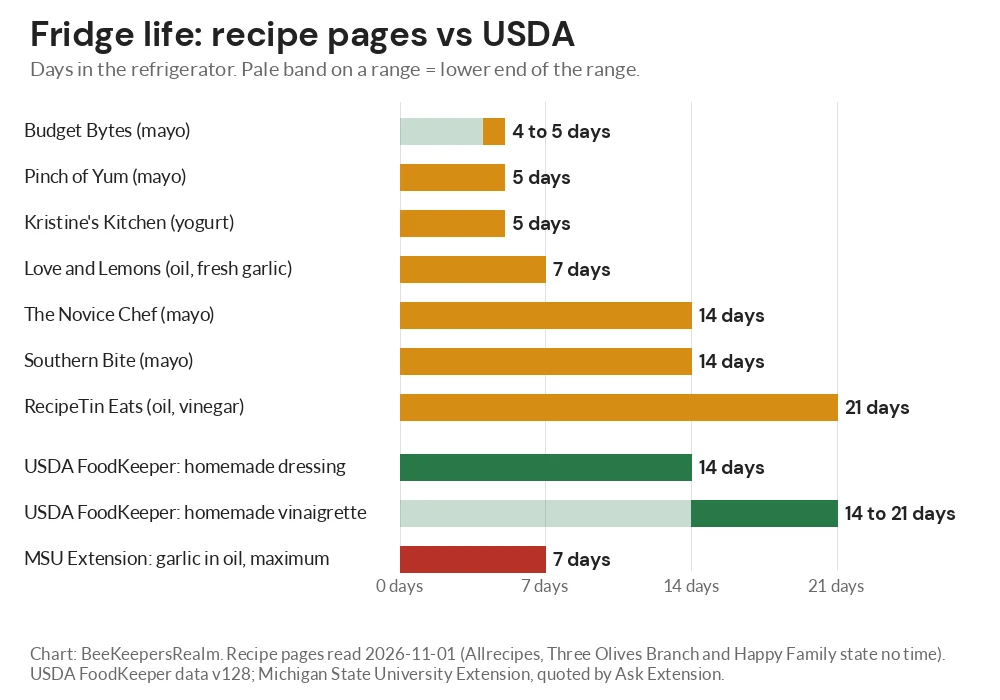
The USDA FoodKeeper has no honey mustard entry. Its closest lines are homemade salad dressing at 2 weeks and homemade vinaigrette at 2 to 3 weeks. A sauce cannot outlast its shortest-lived ingredient (our inference), so check each one:
| Ingredient | Limit | Source |
|---|---|---|
| Plain yogurt | 1 to 2 weeks from purchase | FoodKeeper |
| Mayonnaise, opened commercial jar | 2 months | FoodKeeper |
| Mustard, opened | 1 year | FoodKeeper |
| Honey, pantry | 2 years | FoodKeeper |
| Fresh garlic in oil | 7 days at 40°F or below | MSU Extension |
Kristine’s ties its 5 days to the yogurt’s date, and Love and Lemons’ week suits a recipe with fresh garlic in olive oil. RecipeTin Eats’ 3 weeks has no garlic and matches the top of the vinaigrette range.
“Therefore, garlic in oil should be made fresh and stored in the refrigerator at 40 degrees F or lower for no more than seven days.”
If you add garlic to the honey itself, that is a separate risk; read how to infuse honey at home safely.
Babies and Honey Mustard
The sauce is uncooked, so the honey is not heated at all. The CDC’s botulism prevention page is blunt, and extends the rule to “products made with” honey.
“Do not feed honey to a child who is younger than 1 year old.”
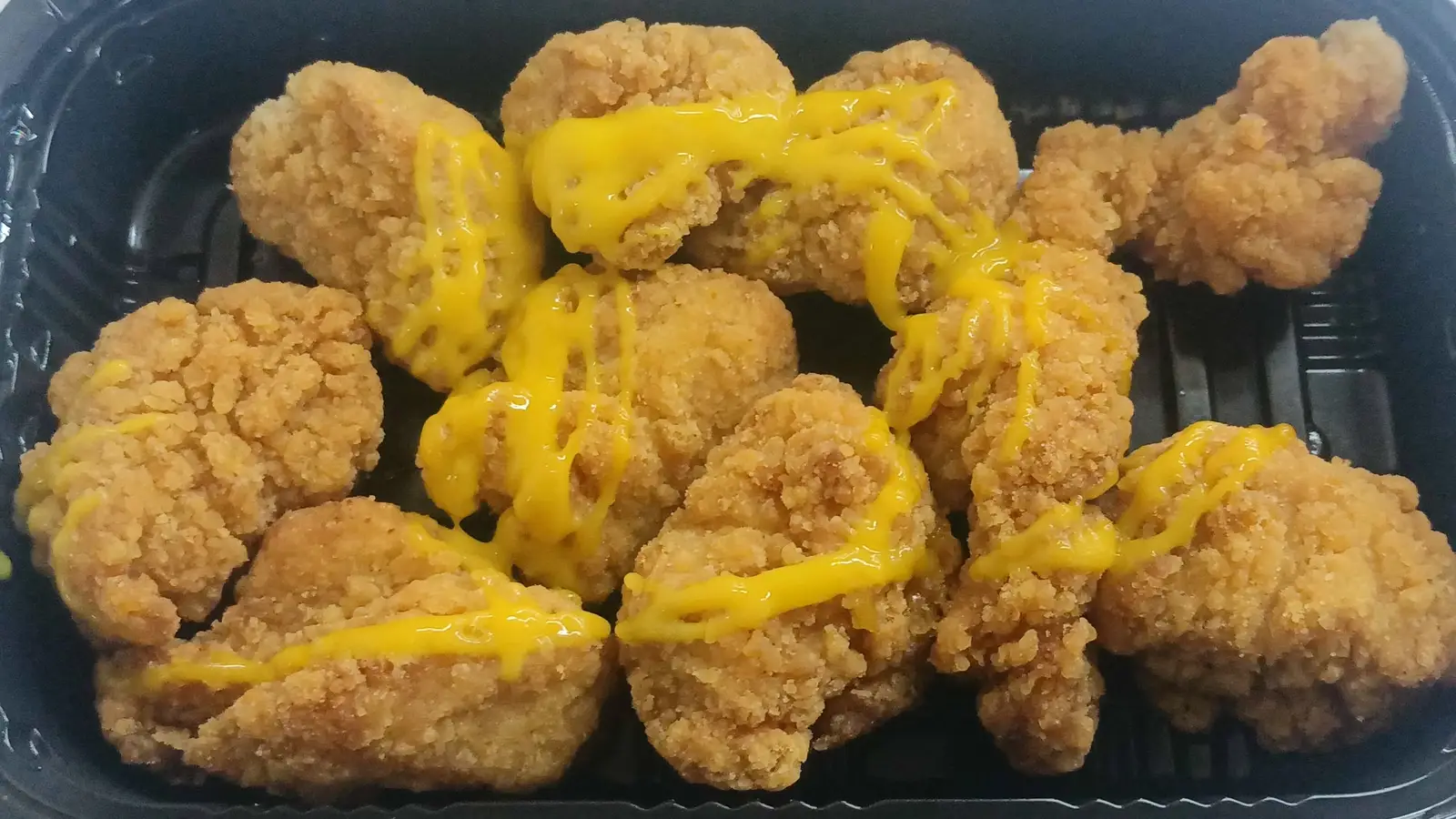
Southern Bite pitches its sauce for chicken fingers, nuggets and fries. See why honey is unsafe for babies. This is educational information from USDA and CDC sources, not medical advice.
Frequently Asked Questions
What is honey mustard made of?
Honey and mustard, plus a base: mayonnaise, yogurt, or oil and vinegar. Seven of ten recipes use mayonnaise.
Is honey mustard just yellow mustard mixed with honey?
It can be: Happy Family Blog uses 1 tbsp each of honey and yellow mustard with 2 tbsp mayonnaise. Others use Dijon, and the National Honey Board mixes honey and Dijon or brown mustard alone.
Can I mix honey and mustard to get honey mustard?
Yes. The National Honey Board’s version is equal parts honey and mustard, chilled until serving.
What makes the best honey mustard?
A balance you like: the ten recipes put honey at 14% to 31% of the volume. Start near 24% and adjust.
Is there a difference between honey mustard dressing and honey mustard?
Mostly texture and base. Oil-and-vinegar versions pour like a dressing and mayonnaise versions are thick dips, but several “dressing” pages, such as Southern Bite’s, use mayonnaise too. We found no official distinction.
How do you know if honey mustard has gone bad?
Go by time first. Past 2 weeks for a mayonnaise sauce, or 7 days with fresh garlic in oil, discard it. Also discard anything moldy or off-smelling.
Is honey mustard good or bad for you?
It depends on the base and the serving, and we do not give dietary advice. Honey is a sugar, and its share here runs 14% to 31% of volume. Babies under 1 should never have it.
Next Step
Pick a base, mix 1 : 1 : 2, taste, and write the date on the jar. For a spicy variation, start with our hot honey guide.