
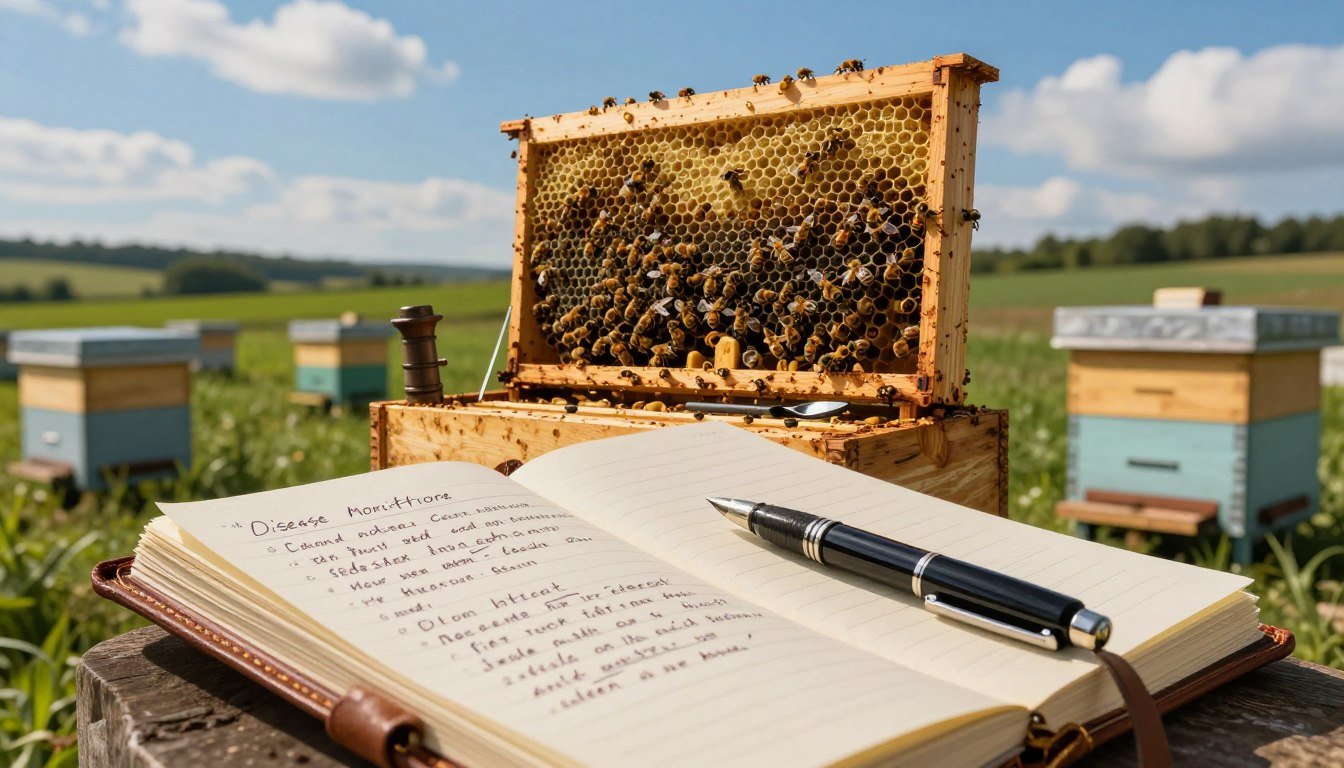
Keeping clear, consistent notes helps you manage each hive as your operation grows.
As locations multiply, relying on memory wastes time and risks the health of your bees. Accurate record keeping turns brief inspections into a usable history that shows trends in queen status, colony growth, and food stores.
Use simple tools—an on-site notebook, spreadsheets, or apps—to capture date, queen checks, brood notes, and interventions. This habit lets you anticipate needs rather than just react. The Foxhound Bee Company outlines how structured notes support national surveys and long-term analysis; see their inspection checklist.
Whether you manage a small hive or many hives, brief, regular entries protect vital information. If you encounter a page blocked extension or blocked extension blocked issue while researching, this guide gives practical steps without needing to bypass a page blocked or blocked extension. See practical tips in field note strategies.
Key Takeaways
- Consistent notes help monitor queen and colony trends over time.
- Simple tools—notebook or app—prevent loss of critical information.
- Structured records let you anticipate needs and save time during inspections.
- Well-kept data can contribute to national survey efforts and research.
- Short, regular entries protect small hive and large operations alike.
The Importance of Regular Apiary Inspections
Frequent hive visits reveal subtle signs that keep minor issues from becoming major setbacks.
Routine checks help you detect mites, Varroa, or a small hive beetle before they spread. Early action saves time and protects colonies. New beekeepers should inspect weekly in spring and summer to learn brood pattern and queen behavior.
Opening a hive does cost energy: breaking the propolis or wax seal forces bees to repair it. That is why experienced keepers balance inspection benefits with the need to conserve hive strength.
Early Detection of Problems
An ounce of prevention is worth a pound of cure.
- Record keeping tied to inspections lets you spot trends in brood and queen activity.
- Frequent checks reveal odd odors or queen cells before serious problems appear.
- Detecting small hive beetles early protects comb and stored honey.
Building Confidence and Experience
Every inspection builds hands-on skill. Repetition trains you to recognize normal patterns and to act quickly when something is off.
“Inspecting with a clear purpose turns each visit into a data point that improves hive care.”
| Check | What to look for | Action |
|---|---|---|
| Brood | Pattern, capped cells, unusual gaps | Mark notes; watch queen in next visit |
| Pests | Mites, small hive beetles, odd comb damage | Treat or remove comb; increase monitoring |
| Seal/Wax | Broken propolis or wax repair needs | Limit future openings; repair timing |
If you encounter a page blocked extension or blocked extension blocked issue while researching, this content remains accessible without needing to bypass those errors.
Establishing Goals for Your Hive Checks
Decide what you need to learn before every check so your visits stay efficient and useful.
Start with a short list: confirm the queen is present, note brood pattern, and verify food stores. Look for fresh eggs or tiny larvae to prove the queen has been laying.
Check honey and pollen stores to see if the colony has enough food for winter. If stores run low, plan feeding or combine hives as needed.
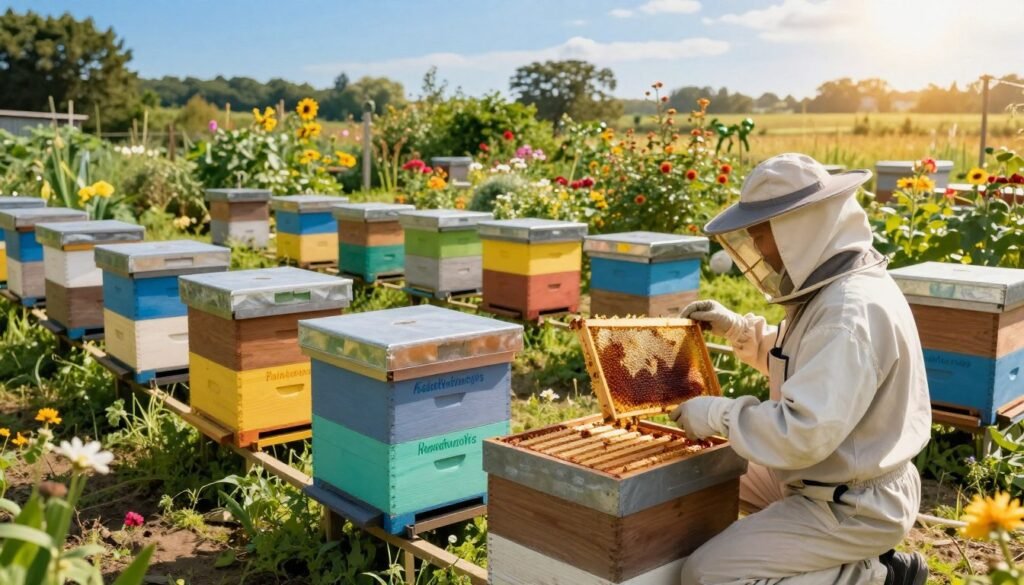
- Confirm queen status by spotting eggs or young larvae.
- Assess brood pattern to spot irregular gaps that indicate problems.
- Record honey and pollen levels to plan winter feeding.
- Check space for expansion to reduce swarming risk.
| Goal | What to check | Quick action |
|---|---|---|
| Queen status | Eggs, larvae, or marked queen sighting | Note date; schedule follow-up if no eggs |
| Food stores | Honey frames, pollen reserves | Feed syrup or pollen patties if low |
| Brood pattern | Solid pattern vs. spotty gaps | Inspect queen or consider replacement |
Good record keeping makes each visit count and saves time. If you hit a page blocked extension or blocked extension blocked while researching, this guidance remains usable without needing to bypass a page blocked or blocked extension.
For a practical checklist and workflow tips, see the inspection checklist and advice on managing labor efficiency.
Selecting a Disease Log Template for Multi-Yard Apiaries
Standardizing your forms cuts inspection time and improves accuracy.
Choose a single format that keeps each yard’s records separate. This helps you compare trends across hives and locations quickly.
A solid sheet should include date, weather, hive condition, brood frames, pests seen, and actions taken. Make sure the form prompts you to confirm queen presence and food stores.
- Paper or digital: print premade sheets or use a binder to protect notes.
- Consistency: the same fields each visit prevent missed checks.
- Customize: adapt fields to fit a small hive or a large commercial setup.
| Field | Why it matters | Quick action |
|---|---|---|
| Date / Time | Tracks seasonality and treatments | Log and compare across yards |
| Weather | Explains bee activity and inspection limits | Delay checks in poor conditions |
| Brood / Queen | Shows colony strength and laying pattern | Plan queen checks or requeues |
| Pests / Notes | Records signs that need follow-up | Treat or increase monitoring |
If you hit a page blocked extension while researching, this guide gives the core information without needing to bypass a page blocked or blocked extension.
For a practical reference and printable options, see beekeeping records.
Low-Tech Record Keeping Methods
A simple notebook and a few marking tools can save you hours when checking a hive.
Paper-first systems work well when you need durability and speed.
Paper Notebooks and Binders
Use a waterproof book like the Rite In The Rain to keep entries readable in wet weather. Write observations immediately after an inspection to avoid relying on memory.
A separate notebook or binder for each yard keeps paper records organized. Tape photos of frames into the book to supplement written notes and show comb condition.
On-Hive Notes
Mark lids with a Posca paint pen to record queen checks or feeding dates. Color codes, pushpins, or a brick let you flag a hive condition at a glance and save time during later visits.
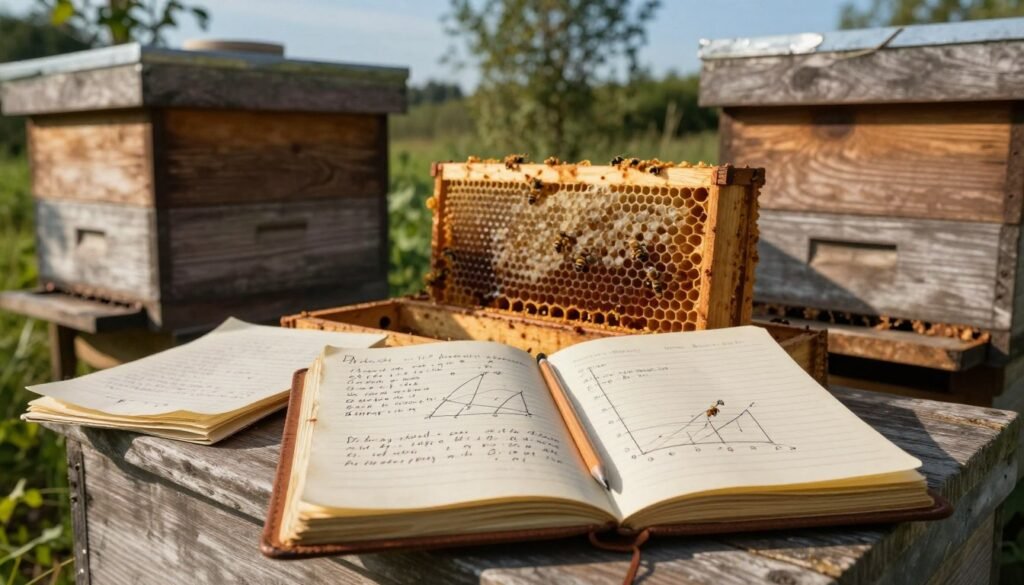
- Simple tools — waterproof notebook, paint pen, and a durable binder.
- Quick cues — color codes and on-hive marks speed inspections.
- Photos — tape images into your book to track comb and colony changes.
For a practical checklist and tips on moving from paper to digital, see the inspection checklist and advice on creating digital field logs.
“The most important thing is consistency—pick one system and stick with it.”
Utilizing the Queen Rite Dial for Immediate Cues
One compact tool keeps immediate cues on the hive so you spend inspection time acting, not guessing.
The Queen Rite Dial, developed by Brian Koper and Jason Crook, is weatherproof and attaches directly to the hive. Rotate the disc to show queen status—labels like mated or virgin—and next steps such as treat or feed.
This simple device is ideal for new keepers who might lose track of which colony needs attention. It stores vital information on-site and removes the need to carry a pen or notebook during quick checks.
- Quick cues: see at a glance which hive has eggs, needs feeding, or requires treatment.
- Daily priority: the dial helps you build a short list of things to do that day.
- Simplified record keeping: keep the most recent note on the hive itself to avoid mixed up entries.
“A rotating marker turns fleeting observations into reliable reminders.”
If you encounter a page blocked extension or other blocked extension issue while researching, this guide still gives the essential steps without needing to bypass a page blocked notice. For a printable workflow that complements on-hive markers, see the inspection checklist.
Medium-Tech Approaches to Data Management
When you want reliable trends without complex gadgets, spreadsheets and organized photos deliver fast answers.
Spreadsheets and Forms
Use simple digital sheets to turn each inspection into searchable data.
Excel or Google Sheets track hive ID, mite counts, food stores, and queen status across years. A printed inspection form gives a consistent, fill-in-the-blanks layout you can hole-punch into a binder.
Move sheets between binders as you make splits or reorganize. Well-structured entries let you spot falling honey or low eggs at a glance.
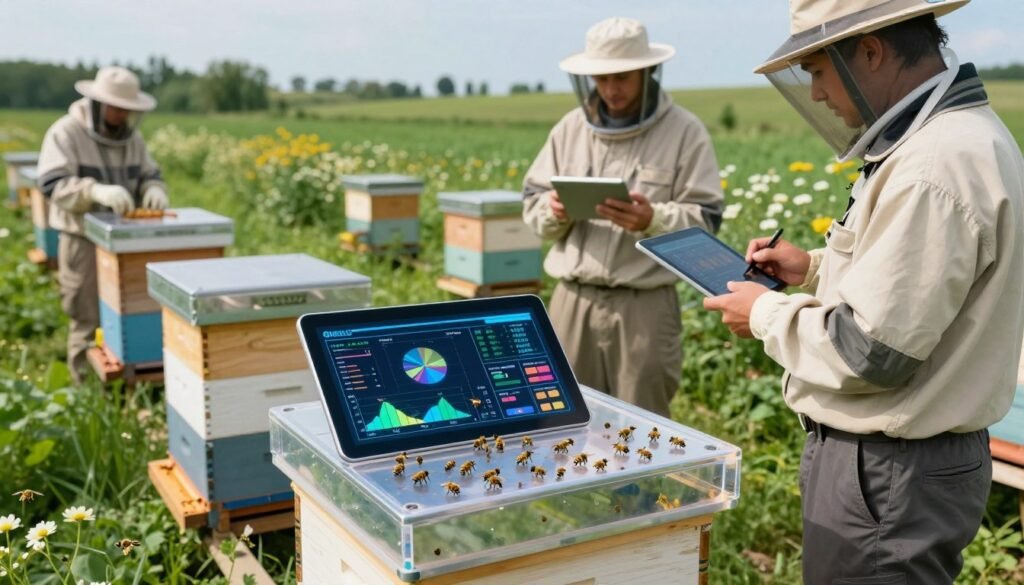
Photo and Voice Logs
Phone cameras capture brood frames and small hive beetles while voice memos record quick observations when your hands are full.
Organize photos into dated folders to follow colony development and to share images with mentors. Voice notes save time and reduce errors in later record keeping.
- Practical tip: combine digital sheets with printed forms to get the best of both systems.
- Keep backups: export spreadsheets regularly and store photos by year.
- If you hit a page blocked extension or blocked extension issue, this guide still covers the essentials without needing to bypass a page blocked notice.
inspection checklist and a practical guide to documenting your beekeeping journey help bridge paper notes and digital tracking.
High-Tech Tools for Modern Apiary Monitoring
Modern monitoring turns subtle hive signals into clear graphs you can act on.
Remote Sensors and BroodMinder
The BroodMinder TH-series sits atop the brood nest and logs temperature and humidity. That data helps you spot queen issues or moisture problems before they affect the colony.
The W-series scales live under the hive to record weight shifts. Watch nectar flows, track honey buildup, or catch a swarm the hour it leaves by following live weight changes.
Attach a Wi‑Fi or CELL hub to upload readings to the cloud. Use apps like HiveTracks, BeePlus, or Apiary Book to create profiles, attach photos, and keep a single record of each hive over years.
- Less disturbance: sensors let you check brood and queen status without lifting heavy frames.
- Actionable information: temperature and weight trends reveal problems early.
- Remote access: cloud graphs put a list of priorities on your phone.
- If an app fails to load data, try disabling extensions in your browser to rule out display issues.
High-tech record keeping complements field notes and helps you spot pests like small hive beetle sooner. For more on monitoring threats, see bee health resources.
Essential Data Points for Your Inspection Logs
Capture the essentials on each visit so small changes in frames or brood don’t get missed.
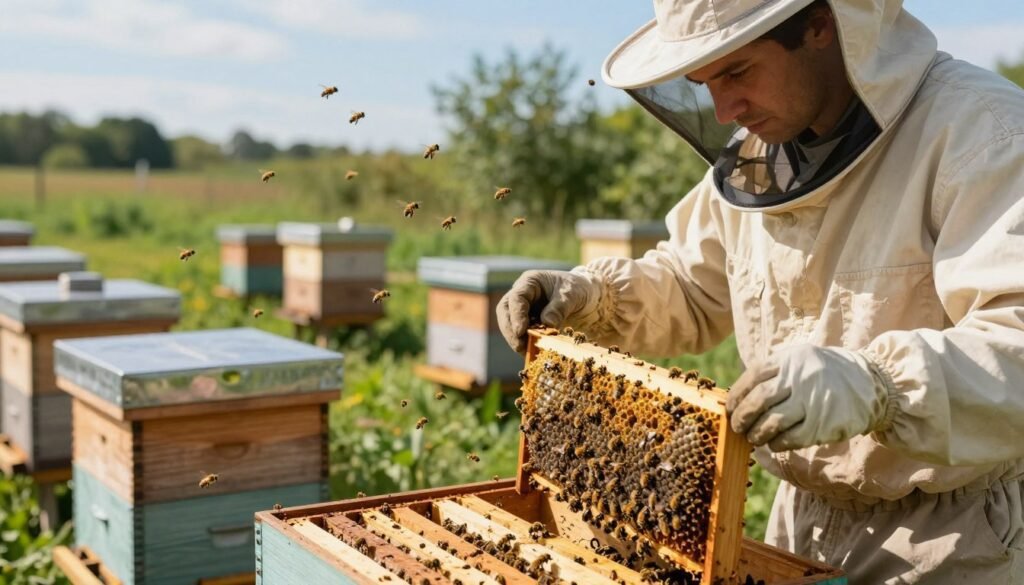
Queen Status and Brood Patterns
Confirm the queen by spotting eggs, young larvae, or a marked queen. Note queen cells; they warn of swarming or supersedure and should be recorded immediately.
Brood pattern reveals laying quality. Spotty frames suggest a problem and need follow-up at the next check.
Food Stores and Population
Count frames with honey and pollen so you know if the colony needs feeding before winter. A shrinking population may need combining or supplemental food.
Record stores and the number of productive frames to track trends across years.
Pests and Disease Indicators
Look for mites, small hive beetles, or abnormal comb damage. An unpleasant odor can signal serious problems and must be noted.
- Note robbing or fighting at the entrance.
- Take photos of suspicious cells or frames to share with a mentor.
- If monitoring apps fail to show data, try disabling extensions in your browser.
“Clear, repeatable notes make it easier to act quickly and protect each hive.”
Contributing to National Bee Health Initiatives
Submitting regular inspection data turns local observations into national trends that shape policy.
Your detailed record of each hive visit fuels surveys like the Apiary Inspectors of America effort, which has tracked colony losses since about 2007.
Accurate notes from a single yard add up. When many keepers share information, researchers can spot patterns and test strategies to limit threats such as the small hive beetle.
- Give back: sharing results helps shape programs and policy that support beekeepers nationwide.
- Data quality: clear, consistent entries make your contribution useful to scientists and regulators.
- Troubleshooting: if monitoring sites or apps misrender, try disabling extensions to view all submitted information.
“Every record you keep helps researchers and your neighbors respond faster to threats.”
Want to start? Use a simple inspection checklist or consult a sustainable plan to align your notes with national needs. See a practical inspection checklist and guidance on creating a sustainable apiary plan.
Conclusion
Consistent entries build a timeline that shows how your queen and hive change over years.
Whether you use a simple notebook or a modern tool, the best system is the one you use every visit. Keep a clear record of queen status, honey stores, and population so small changes become easy to spot.
If an app or dashboard misbehaves, try disabling extensions to ensure your monitoring data displays correctly. For guidance on tracking progress, see tracking hive progress and keeping records.
Keep track of the important things, stay organized, and enjoy the steady learning that comes with caring for your hives.


