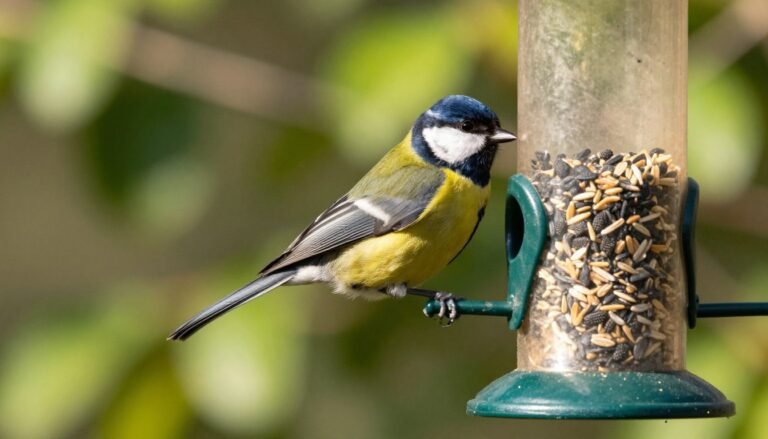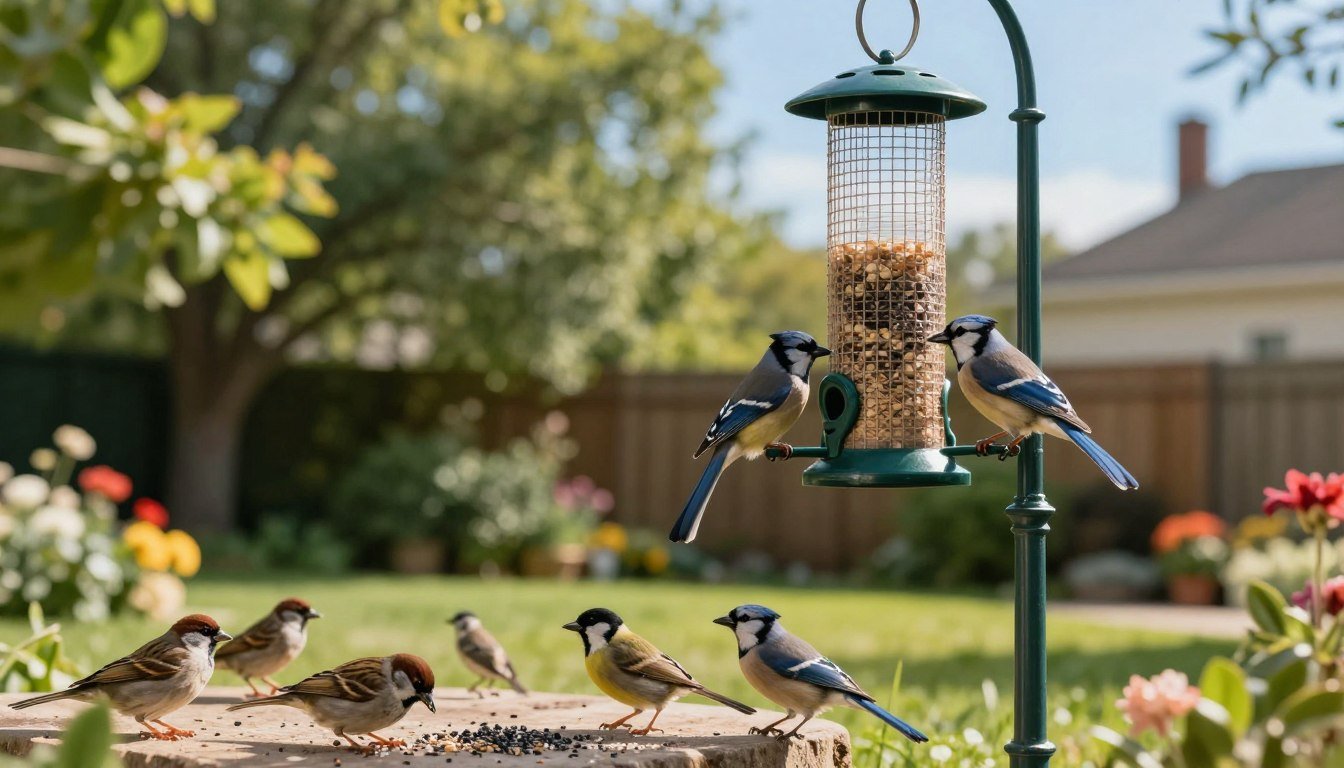
Many people enjoy watching birds in their backyard during the winter. That simple pleasure brings responsibility. The Oregon Department of Fish and Wildlife urges residents to keep a feeder clean to prevent bacterial infections in local wildlife.
Congregating birds at one spot raises the risk of illness among visiting birds. Cold weather makes feeding crucial, but it also increases contact and contamination at feeding sites.
When you begin feeding, monitor your setup closely. Experts advise routine cleaning and quick action if sick birds appear. For practical guidance on cleaning and prevention, see how to disease-proof wild bird feeders and tips on managing avian flu at bird flu and feeders.
Key Takeaways
- Keep feeders clean to protect local birds in the backyard.
- Watch for signs of illness and remove food if birds look unwell.
- Winter feeding raises energy needs and contact at feeding sites.
- Follow ODFW and expert cleaning schedules to lower risk.
- Monitor large gatherings of birds and act quickly if needed.
Understanding How Shared Feeders Spread Disease
A crowded feeding site creates unnatural contact among local bird populations. That close contact raises the risk of infection and faster transmission among species.
The mechanics of congregation
Research shows that bringing many wildlife species to a single feeder alters normal behavior. Birds spend more time at a feeder and interact more with others. This increases the chance that pathogens move from one bird to another.
Environmental contamination risks
Food left on the ground, saliva on perches, and droppings build up over time. In Corvallis, Oregon, a salmonella outbreak proved that feeders can become hotspots when not managed.
Practical conservation note: Limiting the number of feeding sites in an area reduces crowding. Fewer birds per spot lowers environmental contamination and slows transmission among wildlife species.
- Keep feeders spaced: reduce density and contact.
- Monitor time and use: watch for unusual bird mortality.
- Learn more: follow guidelines like those in conservation best practices.
Common Pathogens and Their Impact on Local Wildlife
Pathogens lingering around food and perches pose real hazards for backyard wildlife. Chronic infections such as Chronic Wasting Disease (CWD) have long incubation periods of 18 to 24 months. During that time, infected animals may look healthy while shedding infectious agents into the area.
Historical events show long-term risks. In Michigan, the 1994 detection of bovine tuberculosis in free-ranging deer highlighted how baiting and aggregation lead to persistent transmission. For more on wildlife outbreaks and policy responses, see state wildlife guidance.
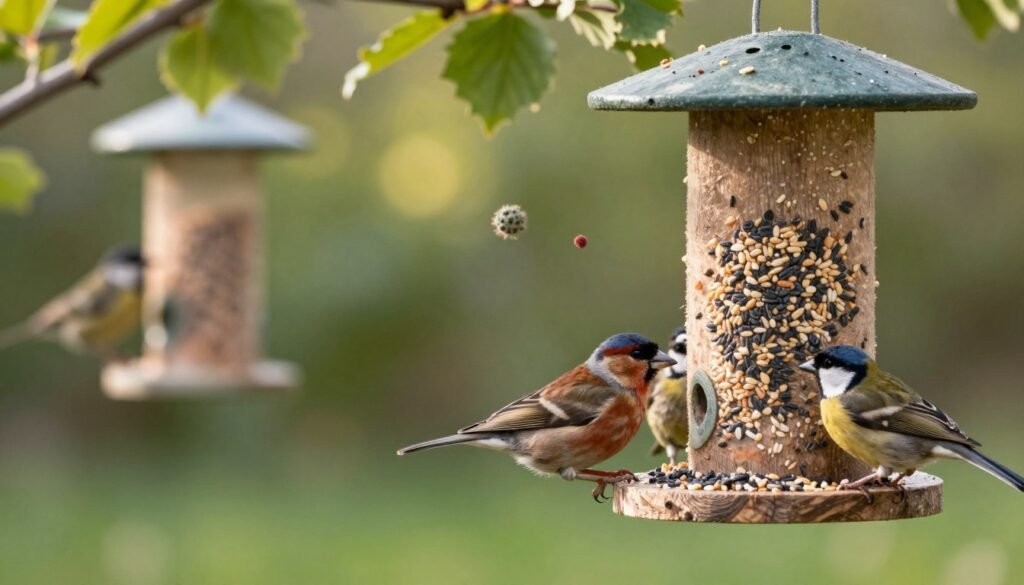
Local impacts are severe:
- CWD: long incubation, passed via saliva and feces at feeding sites.
- Bovine tuberculosis: established in free-ranging herds after congregating at bait.
- Psoroptic mange: winter feeding in Wyoming caused 20–30 adult bull deaths annually.
- Mycoplasmal conjunctivitis: rapid outbreaks in finch populations from close contact.
Pathogens may persist in the environment and infect new visitors over time. Protecting your backyard habitat means recognizing species differences in susceptibility and reducing contact at feeding points. Learn more about wildlife health issues and prevention strategies at disease resources.
Essential Maintenance Practices for a Healthy Backyard Habitat
Simple upkeep makes a big difference to the health of birds and other backyard wildlife. Regular care lowers the risk of harmful transmission and keeps your habitat safe through winter.
Selecting Appropriate Materials
Choose non-porous materials like metal or hard plastic for your feeder. These surfaces resist bacteria better than wood and are easier to sanitize.
Cleaning and Disinfection Protocols
Clean weekly using 1/3 cup of chlorine bleach per gallon of water, as recommended by the state wildlife agency. A 10% bleach solution is also advised to sanitize surfaces before reuse.
If you see sick birds, contact ODFW at 866-968-2600 or email Wildlife.Health@state.or.us and stop feeding for two weeks.
Managing Seed Waste and Spillage
Rake or sweep under feeding areas to remove old food and wet seed that can invite mold and bacteria. Spread your feeding across multiple spots to avoid overcrowding and reduce contact among species.
- Weekly cleaning: use the bleach mix above.
- Material choice: favor metal or plastic over wood.
- Area care: remove waste and move stations occasionally.
For more on preventative steps and best practices, see this guide on preventing feeder illnesses and tips for supporting local populations from conservation experts.
Conclusion: Prioritizing Bird Health in Your Feeding Routine
Small changes in how you offer food lead to big gains for local bird health. Commit to regular cleaning and choose non-porous materials. Limit the number of feeders to reduce contact and lower the overall risk in your area.
If you notice sick birds, remove feeders for at least two weeks to break transmission among species. Learn more from feeding and transmission research at feeding and transmission research.
Conservation starts with responsible choices. Prioritize the health of birds and your habitat over convenience. Consistent maintenance and vigilance are the most effective tools to protect local wildlife from harmful diseases.