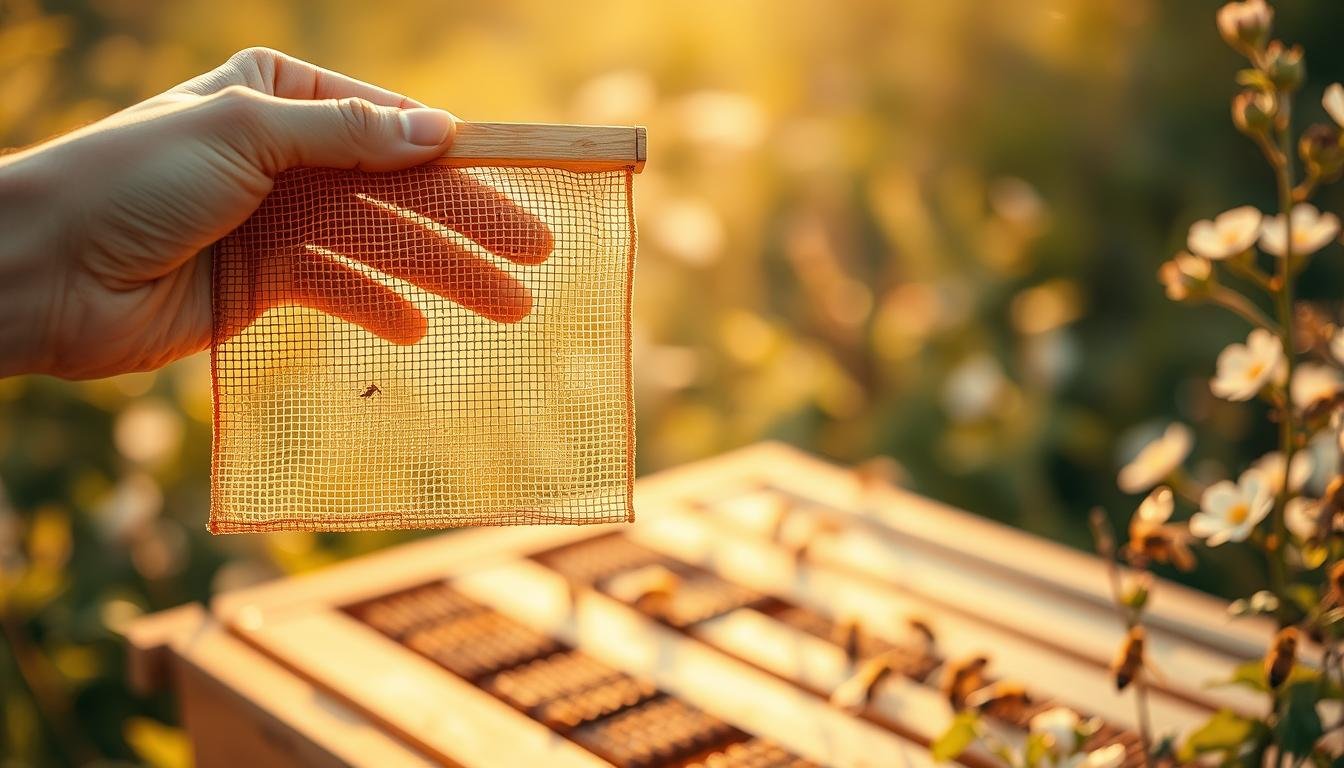
Protecting a vulnerable hive starts with understanding how a simple barrier can change the outcome of a nectar flow. Dr. Harry Laidlaw’s original robbing device and later field work by Randy Oliver show that a well-placed entrance barrier helps resident bees enter while confusing intruders.
Guard behavior matters: Butler and Free (1952) found that bees spot thieves by flight patterns, not just scent. That insight guides modern design choices like adjustable doors, top or front placement, and compatibility with common hive bodies.
Many beekeepers use these fixtures to manage brood and queen health, maintain honey production, and reduce stress during dearths or heavy nectar flows. Practical installation, the right board size, and routine checks help hives survive winter and other challenging seasons.
Explore detailed product options and design tips at this robbing screen guide to match gear to your apiary needs.
Key Takeaways
- A well-designed entrance barrier protects resident bees while deterring thieves.
- Placement, size, and board type influence performance and hive airflow.
- Historical research (Laidlaw; Butler & Free) informs modern designs.
- Adjustable doors and dual entrances ease inspections and management.
- Proper screens support brood, queen health, and honey production through the season.
Understanding the Threat of Robbing in Weak Colonies
When nectar runs low, competition at the hive entrance can turn deadly for fragile colonies. During a nectar dearth, foragers shift from foraging to theft and pressure rises fast. This change puts brood and the queen at real risk.
The Impact of Nectar Dearth
When a nectar flow ends, nearby bees search for sugar elsewhere. They target honey stores in other hives and may overwhelm smaller groups in a short time.
Identifying Robber Behavior
“The robber bee moves with a jerky, swaying flight while scouting the entrance.”
Butler and Free (1952) noted this distinctive motion. Spotting that flight is the first defense. Managing the entrance limits how many bees enter at once and gives guards a better chance to repel thieves.
- A guarded entrance reduces loss of honey and protects the queen and brood.
- Screens can block intruders while letting resident bees work safely.
- Winter and drought months increase risk; early action saves colonies.
| Threat | Sign | Action |
|---|---|---|
| Robbing during dearth | Swaying flight at entrance | Restrict entry, use a screen |
| Rapid colony decline | Loss of honey and brood stress | Isolate hive, add guard measures |
| Winter vulnerability | Cluster disturbance | Limit traffic, protect cluster |
Learn practical steps to manage robbing at robber prevention and advanced tactics at preventing robbing behavior.
Why You Need the Best Screen for Weak Colonies
When a hive struggles, small changes at the entrance often deliver outsized benefits to colony survival. A well-made screen gives guard bees a clear advantage. It slows intruders and keeps brood and queen protected.
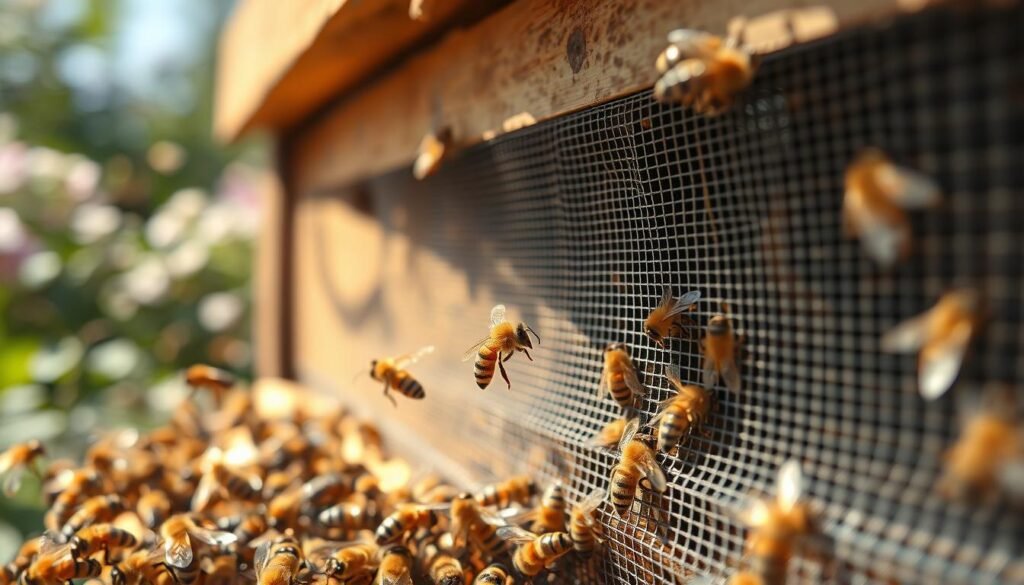
ToughTimbers 10-frame options are stapled and glued to resist heavy use, which helps beekeepers who manage many hives. Durable construction means the board can serve your apiary for years when maintained.
For nucleus colonies that run on 3–5 deep frames, a compact screen keeps bees on their frames while they build strength. It also helps when administering syrup or supplemental food by reducing robber attraction to scent.
- Control entry: Screens let resident bees enter while limiting outsiders.
- Protect stores: They defend honey and reduce brood stress.
- Improve management: Screens create a checkpoint that aids guard behavior and overall hive production.
Read more about the role of robbing screens in protecting your colony to match equipment to your beekeeping goals.
The Science Behind Effective Robbing Screens
Air currents and scent trails play a surprising role in whether intruder bees find a hive. Less dense, warm exhaust rises and carries the smell of honey and nectar upward. That movement can lead robbers to upper openings unless the entrance is arranged to disrupt the plume.
Physics of Airflow and Scent
Randy Oliver’s smoke tests showed scent plumes often head toward top gaps. Placing the entrance low uses rising air to move odors away from the main entry.
Practical effect: guard bees spot the jerky, swaying flight of intruders more easily when activity concentrates at the front. A lower entrance combined with a short screen creates a natural checkpoint.
- The screen misdirects scent and confuses investigating bees.
- Good design preserves ventilation so brood and queen stay cool and healthy.
- Weather and wind can alter plumes; monitoring over several days helps the hive adapt.
| Factor | Effect | Action |
|---|---|---|
| Airflow | Moves scent upward | Use low entrance to redirect plume |
| Scent strength | Attracts robbers during nectar flow | Mask odor with a short screen and limit open space |
| Guard behavior | Responds to visual cues | Concentrate activity at front to aid defense |
“The robber bee moves with a jerky, swaying flight while scouting the entrance.”
Evaluating Different Screen Designs and Materials
Not all entrance barriers behave the same; material and fit shape their performance.
Cypress wood blends with the hive box and frames. Bees accept it quickly and it resists moderate rot. That natural fit often helps colony acceptance during syrup feeding or other management tasks.
Plastic options, like molded technopolymer from Bee Smart Designs, last many years and do not rot. They stand up to weather and cut maintenance time for busy beekeepers.
- Match size to your frame layout (8-frame or 10-frame) so the entrance fits the bottom board.
- Choose a unit that is easy to attach and check after winter.
- Consider adjustable metal shunts to open or close the entrance as the colony grows.
| Material | Durability | Colony Acceptance |
|---|---|---|
| Cypress wood | High | High |
| Technopolymer plastic | Very high (non-rotting) | Moderate to high |
| Metal mesh inserts | High | Varies |
Practical note: a well-made screen will protect brood and queen while allowing ventilation. Regular checks after winter preserve honey stores and boost long-term production.
Key Features to Look for in a Protective Screen
Restricting the hive opening gives resident bees a clear advantage against opportunistic intruders. A good device should let you change the entrance width quickly so guard bees can screen arrivals.

Adjustable Entryways
Adjustable entryways let beekeepers limit the opening during high-risk times. Smaller access points concentrate traffic so guards identify unfamiliar flight patterns.
Choose an adjustable unit that fits the top or bottom of your box and is simple to open during inspections. Quick changes save time during peak beekeeping periods.
Durability and Material Quality
Durability matters. Look for treated wood, stainless components, or long-lasting polymer that resist rot and weather over years.
The mesh should keep out small pests yet allow ventilation to protect brood and queen health through summer and winter. Secure fit to the board prevents gaps that allow robbers in.
- Adjustable entryways improve guard effectiveness and reduce stress on the colony.
- Quality materials extend service life and cut maintenance time.
- Easy install/removal helps during inspections and feeding.
| Feature | Why it matters | Quick check |
|---|---|---|
| Adjustable entry | Controls traffic for guards | Operates smoothly |
| Durable material | Lasts years, resists rot | No warping or rust |
| Mesh size | Blocks pests, allows airflow | Fine but breathable |
For compact apiaries and travel setups, consider a portable solution—see our guide to travel-friendly portable hives to match size and function to your hives.
How Scent and Airflow Influence Robber Behavior
Small shifts in airflow can hide or highlight the scent of honey, changing robber bee behavior fast.
The scent of nectar is a primary lure. A well-placed screen masks odors and breaks the scent trail that guides intruders to the entrance.
Controlling airflow directs plumes away from the front of the hive. That confusion makes it harder for outside bees to find their way in.
Guard bees rely on visual and olfactory cues. Butler and Free’s research shows the swaying flight of robbers triggers defensive action. A barrier concentrates traffic so guards spot odd flights faster.
- The screen reduces odor concentration at the entrance and masks syrup or sugar smells.
- Redirected air lowers attraction during the day and gives resident bees an advantage.
- Over several days, residents adapt to the new entry and activity stabilizes.
| Factor | Effect | Practical action |
|---|---|---|
| Scent plume | Attracts robbers | Mask with a short screen, limit exposed honey |
| Airflow | Directs odor | Place entrance low and offset to redirect plume |
| Guard cues | Spot swaying flight | Concentrate traffic at the front to aid recognition |
Protecting brood and the queen depends on managing the entrance over time. For practical guidance on seasonal use and installation, see this robbing screen benefit guide.
The Role of Guard Bees in Hive Defense
Guard bees form a living checkpoint that decides which visitors enter a hive. Their vigilance keeps the brood and queen safe while protecting honey and other food stores.
The presence of a well-designed screen narrows the entrance. That helps guards focus on fewer arrivals and spot odd flight behavior fast.
During a nectar flow, guards relax a bit. When the flow ends, they become more alert and tight lines of defenders appear at the entrance.
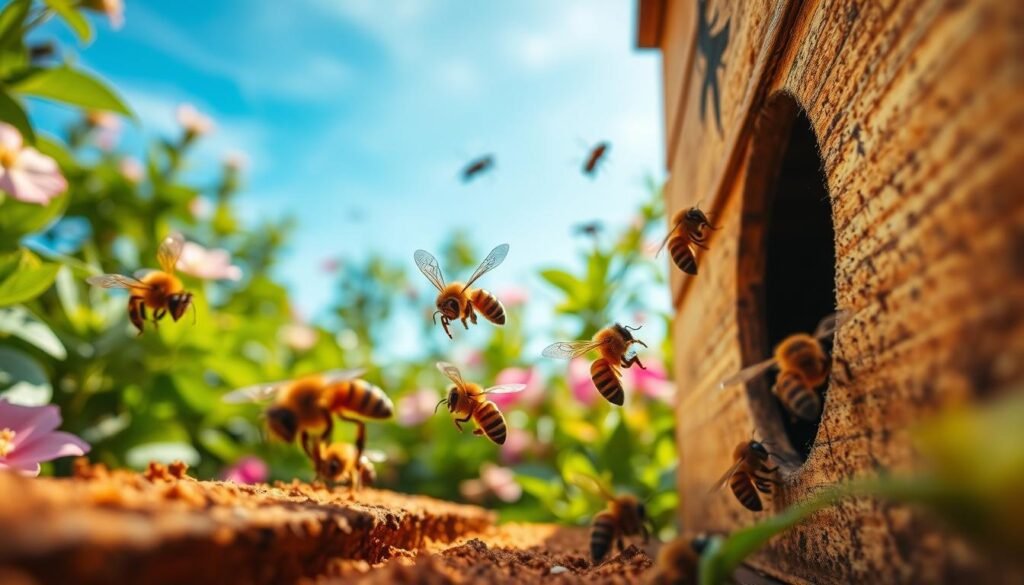
A strong colony with a large cluster supplies more guards, which makes hives harder to rob. In winter, fewer bees mean guards must work smarter to protect the colony.
Good screens work with guard instincts. They give a clear view, limit access points, and let defenders screen visitors without overcrowding the entrance.
| Defense Element | How it Helps | Practical Tip |
|---|---|---|
| Guard bees | Spot and repel intruders | Encourage healthy colony growth to raise guard numbers |
| Entrance screen | Concentrates traffic for easier recognition | Use adjustable openings to match activity levels |
| Seasonal timing | Vigilance shifts after a nectar flow | Install a short barrier when flows end or in winter |
For alternative entrance devices and ideas that support guard behavior, see entrance reducer alternatives.
Setting Up a Security Checkpoint at the Entrance
Turn the hive entrance into a controlled checkpoint to make defense routine, not luck. A compact barrier forces all bees to pass a single point. That concentrated traffic helps guard bees inspect arrivals quickly.
Many beekeepers attach the barrier to the bottom board at the front of the box. Secure fit is essential; gaps let intruders slip in and defeat the whole purpose.
During high-pressure season, this method protects brood and queen and reduces loss of honey. The barrier can be adjusted to match box and frame size so it works across your hives year after year.
- Concentrate traffic: a narrow passage lets guards screen each visitor.
- Secure fit: attach to the bottom board with no side gaps.
- Adjustable: change opening size as the colony grows.
Over the years, experience shows this approach greatly cuts robbing risk. For deeper guidance on building a robust entrance strategy, see robust entrance strategy.
Managing Congestion to Deter Potential Thieves
Creating a managed choke point at the entrance turns normal traffic into a defensive advantage. A lightly crowded entry forces unfamiliar bees to slow and reveal their purpose before they can slip inside the hive.
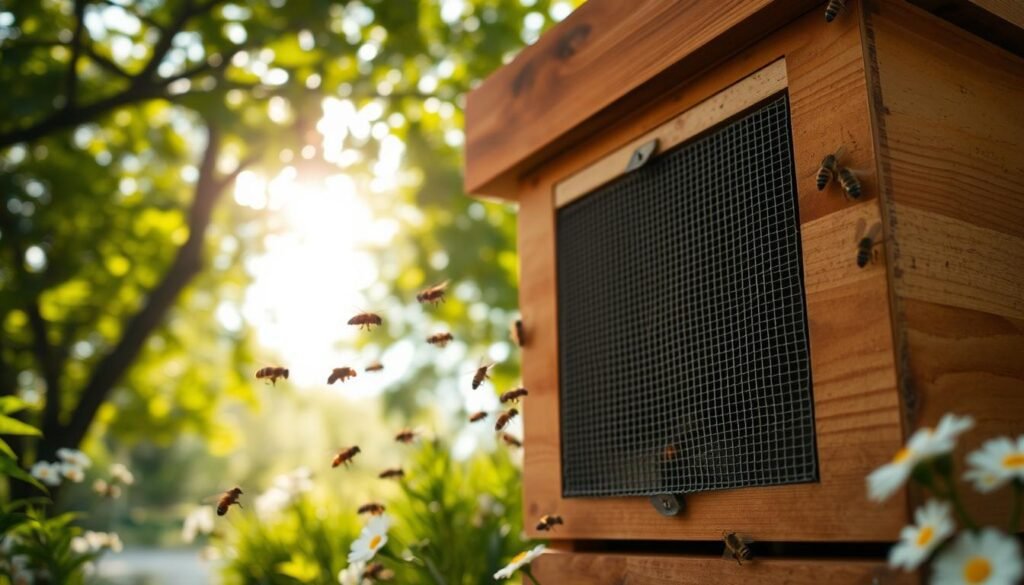
Guard bees perform better when arrivals are funneled. The limited space makes it easier to spot jerky flight or odd behavior, which protects the brood and the queen.
A quality screen helps create this controlled congestion while keeping ventilation adequate. During a nectar flow the hive is busy naturally; when the flow stops, the barrier keeps activity high enough to discourage robbers.
Weather and winter shrink clusters and change traffic patterns. A steady level of bustle, supported by the barrier, gives the colony a chance to defend its honey and food stores over time.
- Concentrate traffic so guards inspect arrivals quickly.
- Allow proper airflow even when the entrance is narrow.
- Let bees adapt to the setup; the colony will normalize movement and maintain access to syrup or stored food.
Installation Tips for Maximum Effectiveness
Careful placement and a tight fit make the difference between a defended hive and a damaged one. Install the unit so it sits flush against the entrance board. Gaps let robber bees slip in and defeat your effort.
Beekeepers use screws or nails to secure the barrier. Fasten it firmly so wind or activity does not loosen the fit over days and years.
Position the device to cover the full front opening and keep the entrance level. This lets resident bees reach frames and reduces confusion during inspections.
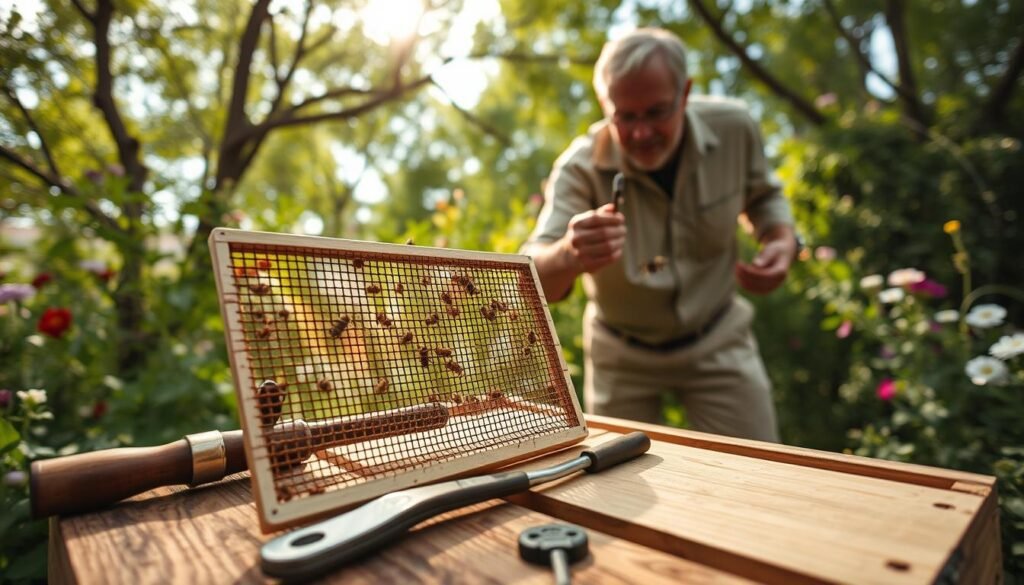
- Check the fit after a few days and watch how bees adapt.
- Use an adjustable unit when the colony grows so you can widen the opening later.
- Observe brood and queen access to ensure the setup does not hinder care.
| Goal | Action | Timing |
|---|---|---|
| Prevent gaps | Install flush; secure with screws | At setup and after 48–72 days |
| Maintain access | Level entrance; cover full front | During inspections and feeding |
| Adapt to growth | Use adjustable opening | As colony expands through the season |
For design guidance and deeper installation notes see robust robbing-screen design. Proper installation is a core part of good beekeeping and helps protect honey, brood, and the queen through winter and the active year.
Seasonal Considerations for Screen Usage
Late summer and early autumn demand a different approach at the hive entrance than any other time of year.
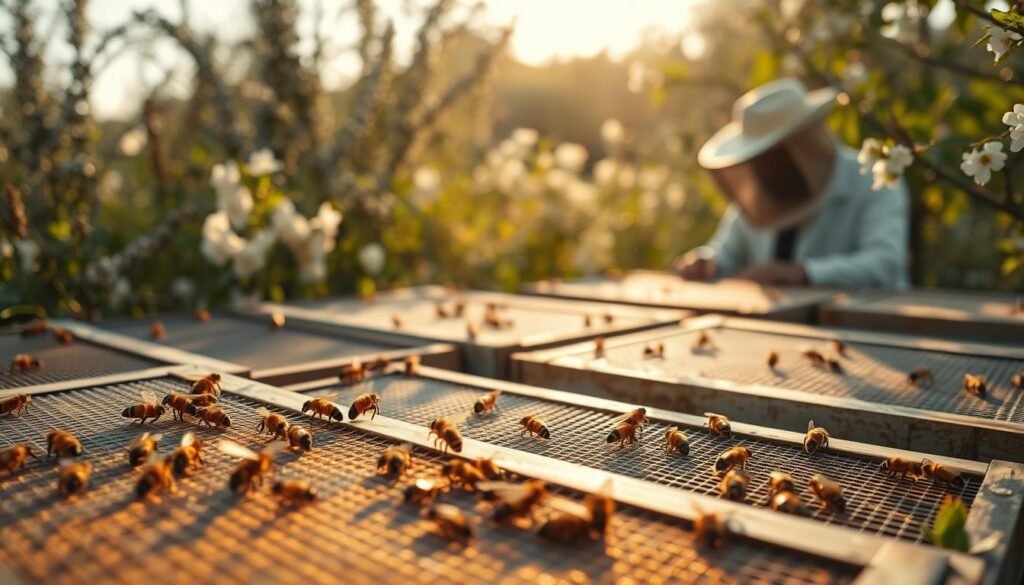
At that time, nectar runs low and robbing pressure rises. A short screen helps protect honey and brood by funneling traffic and letting guard bees inspect visitors.
In winter, adjust the device to balance ventilation and pest exclusion. Proper airflow keeps the cluster healthy while blocking mice and other pests.
Beekeepers should watch activity daily when weather changes or syrup is used. Move the opening as the colony grows so the queen and workers access food without chaos.
- Late summer: tighten entrance to deter robbers and protect stores.
- Winter: widen slightly for ventilation but keep pest guards in place.
- Spring: remove or expand as nectar returns and the colony strengthens.
| Season | Action | Benefit |
|---|---|---|
| Late summer | Smaller entrance, short screen | Protects honey and brood |
| Winter | Adjust for ventilation, block pests | Maintain cluster health |
| Spring | Widen as needed | Ease traffic, support expansion |
Plan ahead each season. A well-kept screen lasts years and helps your bees thrive and produce honey across the year.
Preventing Drifting and Parasite Spread
When bees enter the wrong box, problems move as fast as the incoming worker.
A properly fitted screen at the bottom entrance acts as a physical checkpoint. It stops drifting bees from walking into the wrong hive and cuts a major route for Varroa mites.
Keeping outsiders out protects the brood and the queen. That preservation of brood vitality keeps the colony productive and reduces disease pressure over time.
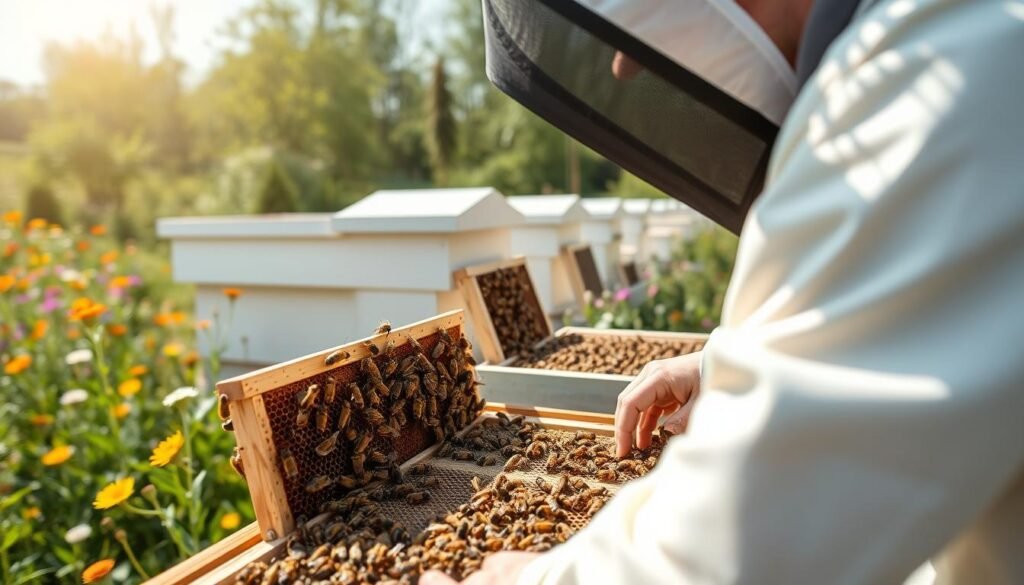
Good apiary management uses screens as part of routine biosecurity. Place units flush to the board so returning foragers find their own entrance easily and intruders face a barrier.
- Prevent drifting to limit parasite transfer between hives.
- Block a common path for Varroa to spread through nearby colonies.
- Keep brood and queen safe by restricting unrecognized visitors.
Install at the bottom of the hive and check the fit after a few days. A snug board reduces error and is easy for resident bees to navigate while keeping threats out.
Over the year, beekeepers who use screens report healthier hives and fewer cross-infestations. For winterizing tips and longer-term placement guidance, see winterize beehives in northern states.
Troubleshooting Common Issues with Screen Placement
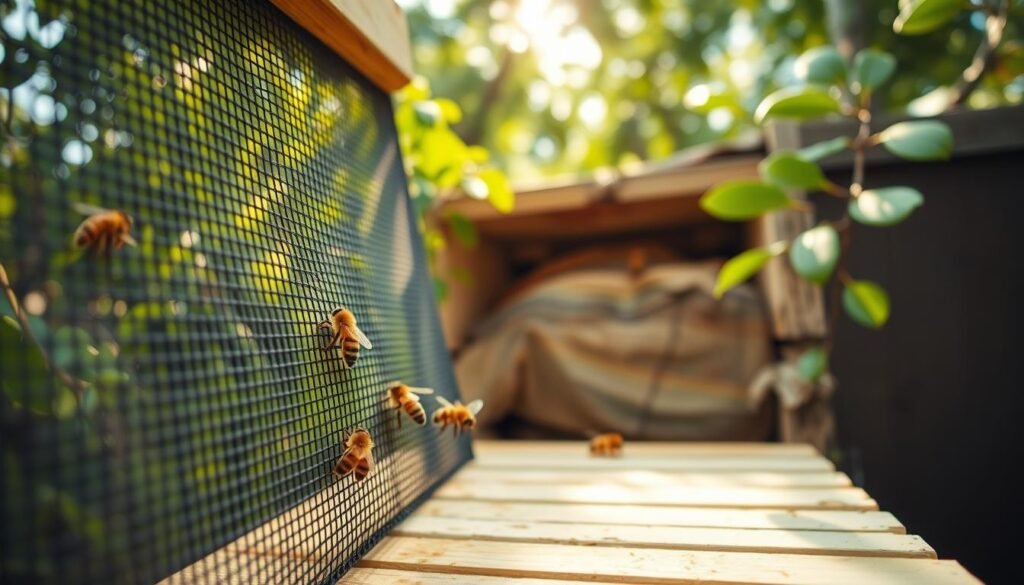
Confusion at the doorway usually points to a simple placement or obstruction issue. Check the opening first to confirm nothing blocks the entrance path.
Give the bees a few days to learn a new route. Research shows many colonies adapt within several days, so avoid quick, repeated changes that add stress.
Inspect the front for debris, propolis buildup, or spilled syrup. In winter, snow or ice can seal ventilation and stop airflow to the cluster.
- Ensure the unit does not cover frames or the main access point to brood and queen.
- Clear knots, sticks, and wax that might confuse returning foragers.
- Watch activity over three to five days before adjusting the placement again.
If problems persist, consult local beekeepers or published research. A well-placed device protects honey and brood while letting resident bees work with normal traffic and minimal disruption.
Integrating Screens into Your Brood Management Plan
A deliberate entrance policy helps beekeepers guard developing brood and preserve queen productivity.
Make the device part of routine checks. Use it during critical growth periods and after a nectar flow. This keeps the hive focused on rearing young and storing honey without constant harassment.
Combine the barrier with regular inspections, proper feeding with syrup, and size adjustments to your box and frame layout. A snug fit to the board prevents drifting and reduces disease transfer between nearby colonies.
Over the years, beekeepers using this integrated approach report higher production and steadier colony growth. During a flow, the unit helps bees concentrate on gathering food rather than fighting intruders.
| Goal | Action | Benefit |
|---|---|---|
| Protect queen and brood | Use compact screens during high risk | Stable brood rearing, lower loss |
| Support honey production | Keep entrance narrow in post-flow periods | Less theft, more stored food |
| Manage growth | Adjust opening to match frame and box size | Easy inspections, better worker allocation |
Future Innovations in Hive Protection Technology
Researchers are combining environmental sensors with physical defenses to monitor hive health continuously.
Smart materials will make entrances tougher and lighter. These parts adapt to changes in temperature and moisture. That helps protect brood and the queen while keeping ventilation stable.
Ongoing research targets simple sensor arrays that attach to existing devices. Those sensors track traffic, humidity, and sudden influxes that signal robbing. Data will guide quick adjustments to openings and alert beekeepers remotely.
Expect gains in honey production as tools cut theft and stress. Better defenses also reduce disease spread between nearby colonies and make management easier for small and large yards.
| Innovation | Benefit | Field use |
|---|---|---|
| Adaptive materials | Durable, weather resistant | Fits existing boxes |
| Sensor-integrated units | Real-time alerts | Remote monitoring via app |
| Modular designs | Easy maintenance | Swap parts without tools |
Stay current with beekeeping technology to adopt tools that protect your hive and support long-term apiary success.
Conclusion
A deliberate entrance strategy ties together behavior, airflow, and simple mechanics. Choosing the right screens and placing them correctly gives returning workers an easy path while slowing intruders. This reduces stress on your colonies and helps guards do their job.
Pay attention to installation, routine checks, and seasonal adjustments. Protecting the queen and brood means less loss and steadier growth in your apiary. Continue learning and invest in quality gear to support long-term success in beekeeping.
For practical guidance on expanding your setup and care routines, see our tips on expanding your apiary. With sound practice and the right tools you can safeguard your hives and enjoy healthier, more productive colonies.
FAQ
What should I consider when selecting a protective entrance screen for a struggling bee colony?
Choose a screen that balances airflow and defense. Look for adjustable entryways, durable materials like galvanized hardware cloth or stainless steel mesh, and easy installation. Match size and opening position to your hive type and local nectar flow. Ensure the screen allows guard bees to monitor traffic while slowing robbers without trapping the colony during hot weather or syrup feeding.
How does nectar dearth increase the risk of robbing in vulnerable hives?
When forage is scarce, strong colonies search aggressively for stores and target weaker hives. Low nectar flows mean more external bees visit entrances, raising scent cues and agitation. A good entrance barrier reduces direct access and buys time for guards to repel intruders during these high-risk periods.
What signs indicate robber behavior at my apiary?
Look for clustered bees at entrances, frantic fighting, torn comb edges, missing honey, and bees with pollenless bodies returning from neighboring hives. Robbers often fly in zigzag patterns near openings. Early detection lets you install barriers, reduce entrances, or move honey supers to lower losses.
Why is an entrance barrier useful for understrength hives?
A barrier reduces traffic flow, protects stored honey, and prevents rapid colony collapse. It creates a controlled checkpoint that helps a small guard force manage intruders. This is especially important in late summer and fall when robber pressure peaks and colonies are conserving resources for winter.
How do airflow and scent movement affect the performance of a robbing deterrent?
Airflow carries colony scent that either attracts or confuses robbers. Designs that maintain steady ventilation without concentrating pheromones at the opening reduce attraction. Proper mesh size and placement help diffuse odor while preventing buildup of moisture that can harm brood or stores.
What materials and designs work best to stop robbers without stressing the hive?
Solid frames with small, reinforced openings—like 3/8″ to 1/2″ mesh—combined with an adjustable slide or block are effective. Use corrosion-resistant metals or UV-stable plastics so the device lasts through seasons. Avoid overly restrictive screens that cause congestion or limit ventilation during hot weather.
How do adjustable entryways help during different times of year?
Adjustable openings let you reduce access during high-risk periods and widen it during nectar flows or heat waves. This flexibility prevents overheating, eases forager traffic when resources return, and helps during management tasks like feeding with syrup or adding supers.
Does material quality really affect long-term protection?
Yes. Poor materials degrade, warp, or rust, creating gaps that robbers exploit. High-quality mesh and fittings retain shape across temperature swings and resist chewing by wax moths or ants. That protects brood, stores, and reduces maintenance time over years.
How can scent and controlled airflow be used to discourage robbers?
Redirecting airflow or placing entrance blocks with small openings disperses colony odor so it’s less detectable. Some beekeepers temporarily add aromatic covers or move hives slightly to confuse robbers. The goal is to reduce clear scent trails while keeping ventilation adequate for brood and food storage.
What role do guard bees play when an entrance barrier is in place?
Guards inspect incoming traffic and prevent strangers from entering. A well-designed barrier amplifies their effectiveness by channeling entrants into a single, observable point. That makes it easier for a small guard force to identify and eject robbers before they force entry.
How do I set up a security checkpoint at a hive entrance?
Install a removable guard that narrows the approach and positions the opening off-center or slightly above the landing board. Provide a short landing area so bees can be inspected. Ensure the checkpoint allows rapid removal for inspections and feeding while still creating a controlled bottleneck.
How does managing congestion at the entrance reduce theft risk?
Congestion forces interaction and gives guards a chance to identify strangers. Too much congestion, however, causes fighting and heat stress. Use graded reductions—small then smaller openings—or temporary landing boards to let colony traffic adapt without panic.
Any tips to install a protective entrance without disrupting bees?
Install during calm weather and low foraging times, like early morning. Use quick, secure fittings and minimize time the hive is open. Place the device so frames remain undisturbed and avoid blocking ventilation completely. Monitor for the first 24–48 hours to tweak the opening size.
When should I use an entrance barrier seasonally?
Use barriers during late summer and fall when robbing peaks, and again in early spring if stores are limited. Remove or widen barriers during strong nectar flows and high summer heat. Seasonal timing depends on local forage patterns and beekeeper management like syrup feeding or honey harvests.
Can entrance devices help prevent drifting and spread of parasites?
Yes. Properly designed entrances reduce drifting by encouraging bees to orient to their own hive and by limiting cross-traffic. They also lower contact between colonies, which can reduce transmission of pests like small hive beetles and Nosema, though screens are not a substitute for regular parasite control.
What common problems occur with poor placement, and how do I fix them?
Issues include blocked ventilation, trapped bees, and increased fighting. Fix by enlarging openings slightly, adding ventilation holes away from the entrance, or repositioning the device to prevent water pooling. Regular checks after installation prevent small problems from becoming colony-threatening.
How do I incorporate entrance barriers into brood and hive management?
Use barriers temporarily during high-risk periods while you rebuild brood strength through feeding, requeening, or combining weak boxes. Remove barriers before major inspections or when adding supers. Coordinate with brood breaks and treatments to avoid stressing the colony.
Are there new technologies that improve hive protection?
Innovations include modular entrance reducers with integrated one-way valves, durable polymer meshes, and quick-attach systems compatible with popular hive brands like Mann Lake and Dadant. Some beekeepers use smart sensors to monitor entrance traffic, helping time interventions more precisely.