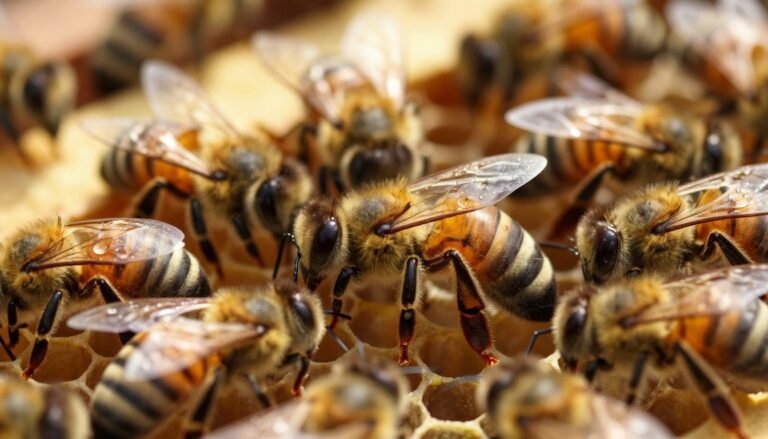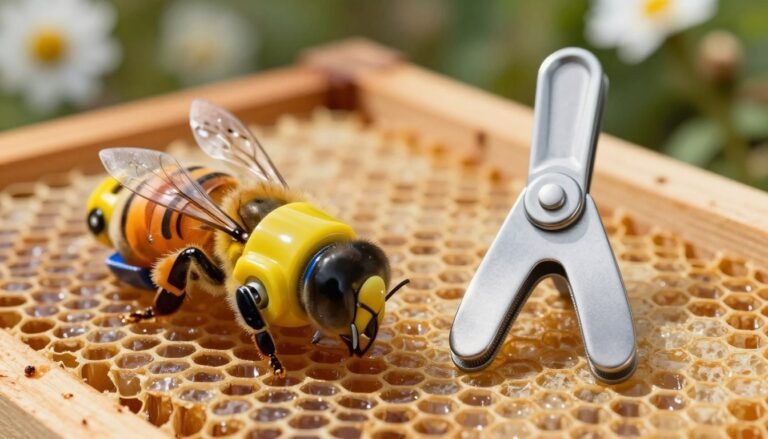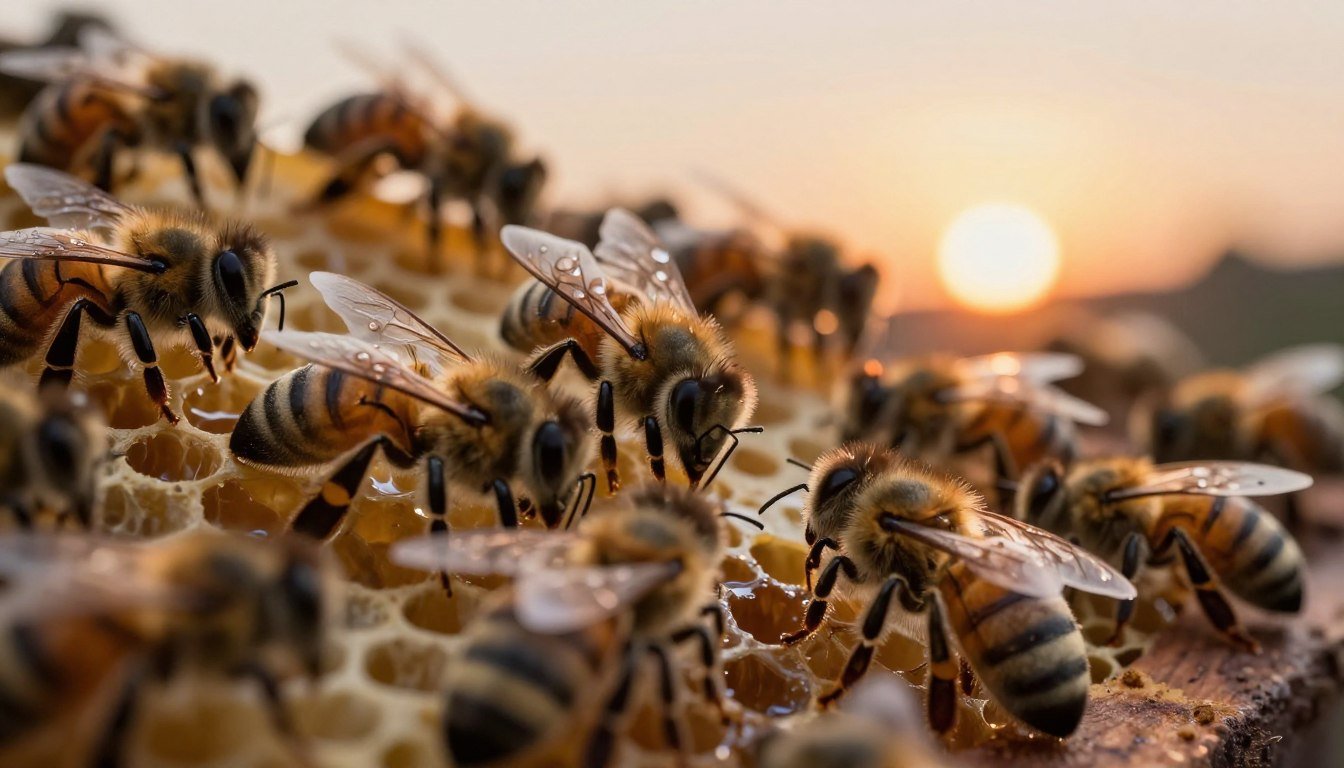
Recognizing a lost queen is the first challenge for many new beekeepers. A healthy, mated, laying queen bee keeps a honey bee colony balanced by producing eggs that sustain the population.
At first glance, a hive may seem normal for a few days after the queen goes missing. That delay can mask early signs, so careful inspection of the brood nest and each frame is vital.
Watch for changes in brood pattern, fewer eggs, and shifts in worker behavior. Over several days and weeks, larvae and cells tell the story of a weakening colony.
Routine checks help the beekeeper spot a queenless colony before laying workers or drone buildup endanger the nest.
For more on related hive changes and timing, see guidance on preparing to swarm, which covers egg patterns and queen cups that affect management decisions.
Key Takeaways
- Identifying a queen problem early saves the colony from population decline.
- Inspect brood, eggs, and frame health on a regular schedule.
- A hive can look normal for days; persistent monitoring is crucial.
- Distinguish reduced laying from normal variation to avoid laying workers.
- Act within weeks to restore a laying queen and protect honey stores.
Understanding the Importance of a Queenright Colony
When the queen is present and healthy, pheromones hold the hive’s social order steady. Those chemical cues stop worker ovaries from developing and keep tasks focused.
A colony knows a queen is gone in about 15 minutes and shifts behavior quickly. This rapid change is a key sign for any beekeeper to watch.
Without a laying queen, the hive cannot renew its population. A lack of worker brood and fewer eggs are early indicators that the colony queen has failed or left.
“A missing queen starts a slow decline in strength unless the beekeeper moves fast.”
- Immediate inspection after suspecting a problem helps identify lack of brood.
- Requeening or introducing eggs may restore order and protect honey stores.
- Experienced beekeepers monitor hives often to catch subtle signs before serious decline.
| Sign | Timeframe | Action |
|---|---|---|
| Worker brood missing | Days | Inspect frames; look for eggs or larvae |
| Reduced pheromone cues | Minutes to hours | Observe behavior; consider requeening |
| Drone buildup in cells | Weeks | Check for laying worker signs; combine or requeen |
Queenless Roar What It Sounds Like
Open a troubled hive and you may hear an urgent, high-pitched buzz that differs from normal activity. This intense whine signals stress inside the frames and often arrives the moment a beekeeper lifts a cover.
The high-pitched whine is sharp, continuous, and more frantic than the steady purring of a healthy colony. It can carry beyond the hive and alarm nearby hives or people. When you hear this, inspect the brood nest for missing eggs, scattered larvae, or unusual patterns in the comb.

The High-Pitched Whine
The intense buzz often accompanies other signs: building of emergency queen cells, agitation on the comb, and increased drone brood in worker cells.
Check frames quickly but calmly. Look for a lack of worker brood and rising numbers of drones. Those clues help the beekeeper decide whether to requeen or combine hives.
Distinguishing Roars from Normal Purring
Healthy hives give a soft, steady purr that means foraging and brood care are on track. The distressed tone is higher, more piercing, and linked to frantic movement on the frames.
- Intense buzz = possible loss of queen and unrest.
- Soft purr = stable colony and normal activity.
- On hearing the alarm, inspect queen cells and brood patterns without delay.
For additional guidance on related hive behavior and management, see this hive topics resource.
Behavioral Changes in a Queenless Hive
Loss of the queen shifts a colony’s daily tempo almost immediately. Movement tightens, guards grow testy, and routine tasks break down. Watch for quick changes at the entrance and on the frames.
Increased Defensive Behavior
Bees may sting without obvious provocation. The absence of the queen’s pheromones removes social brakes. Guards interpret faint threats as greater risks and react more often.
Nurse bees can stop tending brood and begin foraging when larvae and eggs decline. This shift speeds the drop in worker numbers and weakens the hive over time.
- Heightened aggression at the entrance and on comb.
- Jittery movement across frames and frantic searching for brood.
- After about three days, all existing eggs hatch and brood decline begins.
- Population falls as no new workers replace aging bees.
| Behavior | When Noticed | Action |
|---|---|---|
| Increased stinging and flightiness | Hours to days | Inspect brood; use smoke and calm handling |
| Nurse-to-forager role shifts | Days | Check for eggs and larvae; consider requeening |
| Jittery comb activity | Immediate | Limit disturbance; assess for laying workers or queen absence |
Visual Clues During Hive Inspections
Small shifts in comb use and cell contents give clear visual signs of a failing queen. During routine checks, scan each frame for patterns that look off. A quiet, steady brood pattern is healthy. Broken or scattered brood is a warning.
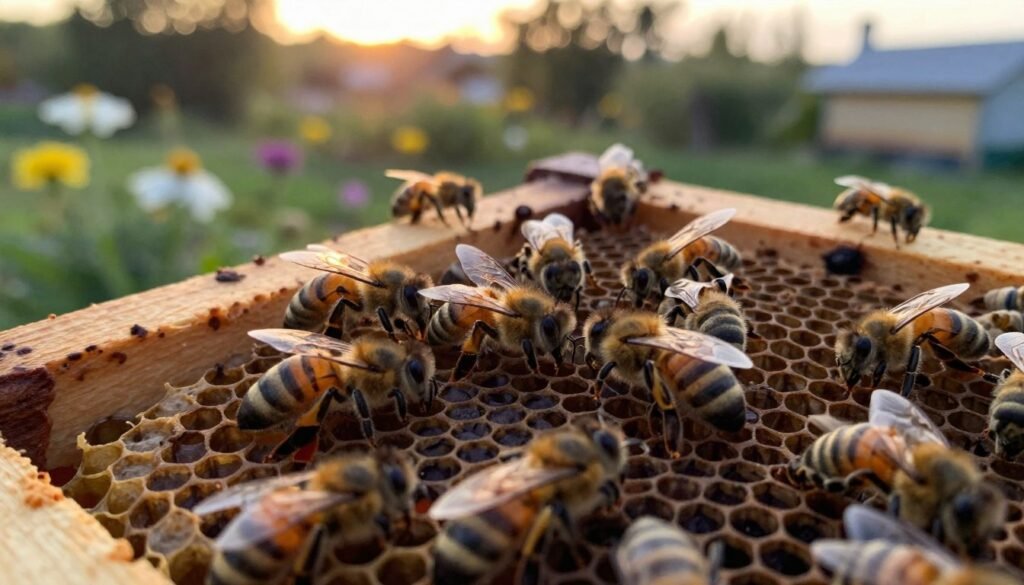
After about six days you will find no more larvae where brood cells were capped. By three weeks the queen’s brood has emerged and the brood nest may sit empty.
Watch for backfilling: nurse bees may pack nectar and pollen into the brood area as workers shift roles. That change is a strong sign the colony is failing to replace brood.
- Inspect frames closely for consistent brood pattern and presence of eggs.
- No eggs or young larvae on a frame often means the queen has been gone for several days.
- Always confirm multiple signs before acting; combine visual clues with behavior and stores.
The Role of Laying Workers
When the queen pheromone and open brood signals fade, some worker ovaries mature and laying workers appear.
Laying workers change a colony’s future fast. They usually lay drone eggs and do not follow the neat pattern a laying queen creates. You may find multiple eggs per cell and eggs on the walls or rims rather than the cell bottom.
Identifying Multiple Eggs
Look across frames for scattered eggs and uneven brood on the comb. If you see two or three eggs in a single worker-sized cell, that is a strong sign of laying workers. Up to 20 percent of workers may attempt to lay once the queen cue is gone.
Drone Brood in Worker Cells
Workers can only produce drones, so finding drone brood in worker-sized cells confirms a problem. Queen cells may also appear as the colony tries to replace the missing queen.
- Per cell: multiple eggs or eggs on rims.
- Brood: scattered, patchy pattern across frames.
- Action: confirm eggs on walls before deciding to requeen or combine.
| Indicator | Observation | Recommended Action |
|---|---|---|
| Multiple eggs per cell | Two or more eggs, often on walls | Inspect several frames; confirm laying workers |
| Drone brood in worker cells | Drone-shaped brood in small cells | Plan requeening or hive combination |
| Scattered brood pattern | Uneven larvae and open cells | Assess queen presence and recent brood history |
For a deeper check of brood pattern over time, use heat mapping techniques shown in this brood assessment guide.
Assessing Brood Nest Health
A quick sweep of the central frames reveals whether the colony is rearing new workers or slipping into decline.
Start by checking for worker brood across center frames. A complete lack of worker brood during the warm season is a major sign to investigate.
If you see single eggs, one per cell and stuck to the bottom, the queen has been active within the last three days. That simple check tells you a lot about recent laying activity.
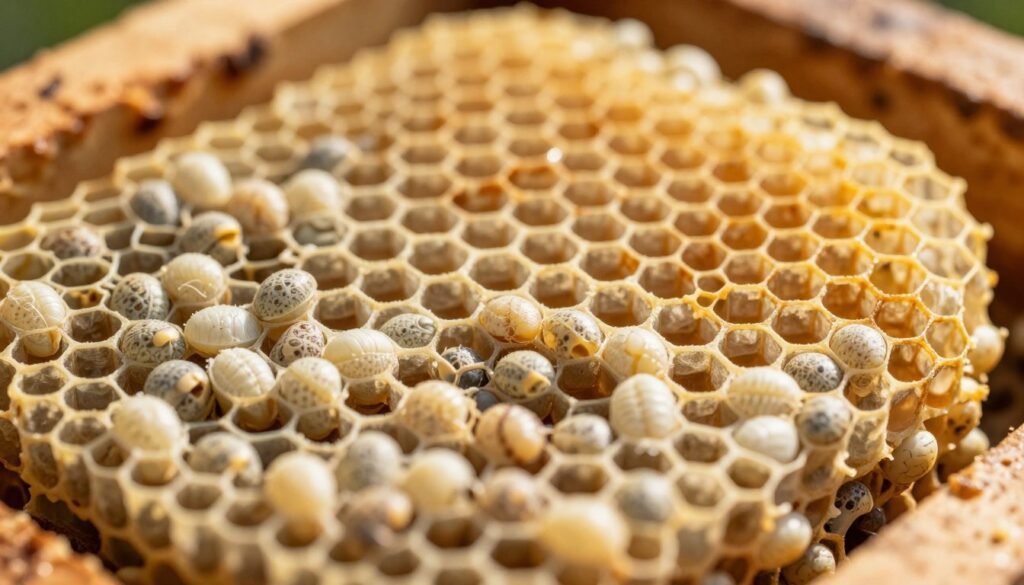
Count drones and scan comb patterns. A high percentage of drones or drone brood in worker-sized cells suggests the queen is failing or the hive has been without a laying queen for some time.
- Honey bound frames—honey stored in the brood nest—often means no brood needs care.
- Look for laying workers by spotting multiple eggs per cell or eggs on cell walls.
- Always check for queen cells to see if the bees are attempting to replace their queen before intervening.
Assessing the brood nest helps decide whether to requeen, combine, or wait. For more on recognizing colony issues, see recognize a problematic hive.
Techniques for Requeening Your Colony
Beekeepers have three practical paths to restore a failing colony: introduce a mated queen, give the bees fresh eggs to rear new queens, or combine the hive with a strong, queenright colony.
Introducing a Mated Queen
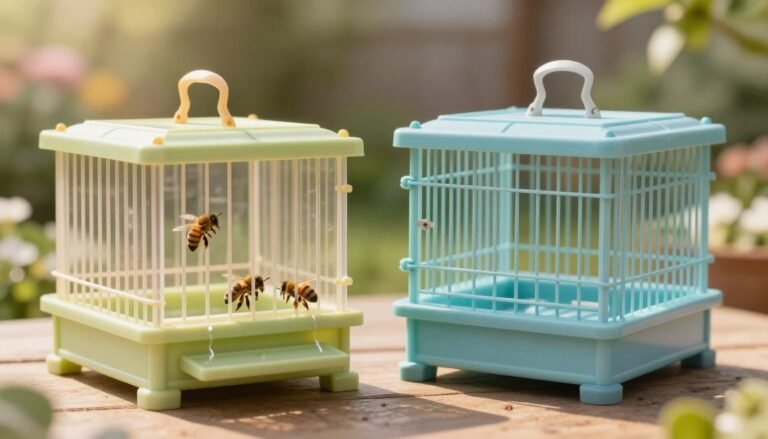
Buying and placing a mated queen is the fastest way to stop decline. Use a queen cage and allow the workers to inspect her for a few days before release. Adding a frame of brood when you introduce the queen helps calm the workers and improves acceptance.
Providing Fresh Eggs
If the colony still has fresh eggs or young larvae, they can make queen cells themselves. Transferring one or two frames of open brood with eggs gives bees the material to rear a replacement queen.
- Do not move the donor queen when supplying frames.
- Only give frames from a strong, healthy hive with good genetics.
Combining Colonies
Combining a queenless hive with a queenright hive often resolves severe problems, including laying workers. Use the newspaper method and monitor acceptance. This is a reliable way to preserve stores and worker labor without rearing a new queen.
For step-by-step queen-rearing basics and timing, see this practical guide: queen rearing basics for U.S.
| Method | When to Use | Benefit |
|---|---|---|
| Introduce mated queen | Queen lost; low brood | Fast restoration of laying |
| Provide fresh eggs | Eggs or young larvae present | Colony makes queen cells naturally |
| Combine colonies | Strong donor available or laying workers | Preserves stores; solves laying worker issue |
Managing Hive Population and Stores
When a colony loses a reliable queen, workers change how they use stores and space.
A queenless hive may burn through winter honey faster because stress raises activity and feeding. Monitor frames for dwindling reserves and check the brood nest for eggs or young brood.
If a strong nectar flow arrives, bees often stash honey in the brood area when no brood needs care. That honey bound condition reduces room for future brood.
Short-term fixes help but do not replace a queen. Feed sugar syrup if stores are low and add a honey super only after confirming the queen is laying in the brood nest. Laying workers and increased drones will skew population balance over weeks.
Act early — even a large colony can fail within a couple of months without a laying queen. The best way to get the hive back on track is to restore a queen before numbers fall to a critical level.
| Trigger | Immediate Action | Notes |
|---|---|---|
| Low stores | Feed syrup; protect frames | Short term only; does not fix queen lack |
| Honey in brood nest | Add super after confirming laying | Do not honey‑bind brood area |
| Rising drones / laying workers | Plan requeening or combine | Corrects population and cell use |
Conclusion
Timely checks let you spot subtle brood changes before a colony slips into long-term trouble.
Recognizing the signs of a queenless hive early is the most effective way for a beekeeper to save a struggling colony. Monitor the brood nest, look for missing eggs or scattered cells, and note changes in worker behavior over days.
If you find fresh eggs, transfer frames or allow the bees to rear a replacement; otherwise introduce a mated queen or combine with a strong, queenright colony. These actions halt decline and preserve stores and workers.
For practical help reading comb patterns and brood history, consult this reading frames guide. With routine inspections you will grow more confident managing hives and protecting your bees through the season.
FAQ
How can I tell if a hive is missing its queen by sound?
Listen at the entrance and over frames. A sudden, high-pitched, continuous whine or increased agitation from workers often signals trouble. Compare with recordings of healthy colonies to note the difference. Use calm inspection methods to avoid disturbing bees and to confirm signs visually.
Why is having a mated queen important for colony health?
A mated queen maintains brood production, pheromone balance, and colony cohesion. Without her, workers may stop caring for larvae properly, brood patterns break down, and the colony becomes prone to drift, robbery, and decline. Strong queenright hives store more honey and resist pests better.
What does the high-pitched whine indicate during inspections?
That sharp, persistent whine typically reflects stress or lack of a queen pheromone signal. It can result from a gap in brood care or the presence of laying workers. Check for scattered brood, missing queen cells, and shifts in forager behavior when you hear this sound.
How do I distinguish stressed noises from normal hive purring?
Normal purring is lower and steady, produced by a relaxed colony. Stressed noises are higher, louder, and more continuous. Observe bee movement and guard intensity alongside sound—heightened defense and erratic flight often accompany distress noises.
What defensive behaviors increase when the queen is absent?
Expect more guards at the entrance, aggressive stinging attempts, and larger numbers of bees investigating disturbances. Workers may also cluster defensively over combs. Wear proper protection and use smoke sparingly to reduce aggression during checks.
What visual clues during inspections suggest the queen is lost?
Look for a scattered brood pattern, many empty cells among capped brood, and the absence of a laying pattern. You might find queen cells, or no eggs at all. Drone brood in worker-sized cells is another sign that workers have started to lay unfertilized eggs.
How do I identify laying workers and multiple eggs per cell?
Laying workers produce many eggs per worker cell and often lay toward cell sides, creating multiple eggs in a single cell. Inspect several frames near the center of the nest; if you see multiple eggs in one cell or eggs positioned off-center, laying workers are likely present.
Why is drone brood showing up in worker cells, and how can I confirm it?
Drone brood in worker cells occurs when unfertilized eggs are laid by workers. Cells may bulge and have a domed cap different from worker cells. Remove suspect combs and evaluate the queen situation—introducing a mated queen or brood with young larvae helps restore normal laying.
How should I assess brood nest health during an inspection?
Check for continuous brood pattern, presence of various brood stages (eggs, larvae, capped), and healthy food stores. Spot signs of disease, mites, or poor nutrition. A solid central brood nest with adequate nurse bees indicates recovery potential after interventions.
What are effective requeening methods for a failing colony?
Options include introducing a mated queen in a queen cage, providing frames with eggs or young larvae to stimulate new queen rearing, or combining the weakened colony with a strong queenright hive using the newspaper method. Choose based on time of season, queen availability, and colony strength.
How do I introduce a mated queen safely?
Use a well-ventilated queen cage placed between brood frames with attendant workers if possible. Leave the cage for several days to allow workers to accept her pheromones, then release or remove the cage following manufacturer guidance. Monitor for acceptance and new egg-laying.
Can providing fresh eggs help a colony raise a new queen?
Yes. Introducing frames with fresh eggs or very young larvae gives a nucleus of material for workers to build queen cells. Ensure there are enough nurse bees and resources; the colony needs sufficient population and nectar flow to rear a high-quality queen.
What is the safest way to combine two colonies?
The newspaper method works well: place one colony atop another with a sheet of newspaper between. The bees will chew through over a few days, allowing gradual mixing and reducing fighting. Always ensure only one queen remains and provide adequate space and resources.
How should I manage population and stores during recovery?
Feed sugar syrup or pollen substitutes if natural forage is scarce. Reduce unnecessary brood space to help nurse bees cover brood, and remove excess laying-worker combs. Regularly inspect for pests and ensure ventilation and space to prevent swarming while the colony rebuilds.
How long until I see signs of recovery after requeening?
A mated queen starts laying within days of acceptance, but visible brood pattern improvement takes one to two brood cycles (3–6 weeks). Honey production and full population recovery may take a season, depending on forage and colony management.