Managing mite pressure during active beekeeping season matters for product safety and colony health. Professional beekeepers must plan treatments carefully when nectar is in flow to keep harvested honey pure.
Randy Oliver published field trial results in January 2021 in the American Bee Journal, highlighting label compliance and legal implications for applying treatment while supers are present. His work stresses that following labels protects both bees and the public.
Protecting the queen and brood through spring and summer supports a strong winter-ready hive. Regular monitoring of mites, timely action, and strategic choices across the season form a balanced approach.
For a deeper look at colony productivity and management practices, consult this guide to apiary productivity: apiary productivity.
Key Takeaways
- Label compliance matters when treating hives during nectar flow.
- Randy Oliver’s January 2021 trials emphasize practical field risks.
- Monitor mite levels regularly through spring, summer, and into fall.
- Balance colony health goals against product safety for the year.
- Early life-cycle understanding of mites helps maintain productive bees.
Understanding Varroa Mite Management During Honey Flows
During heavy nectar flow, managing mite loads becomes one of the top priorities for active apiaries.
The busy honey hive of spring and summer expands rapidly. Population growth often brings higher mite pressure that affects the queen and workers.
Mark Dykes of the Bee Squad presented research on post-harvest mite treatments at the Maryland State Beekeepers Association fall meeting.
“Post-harvest treatments offer a clear window to reduce load before winter.”
Good practice includes a test before any action and a follow-up test after treatments. This confirms results and helps plan the next time hives need attention.
- Monitor during peak flow in spring, summer, and fall.
- Time treatments to avoid impacting honey production or bee health.
- Use data from tests to guide intervention and protect the queen.
| Season | Priority | Recommended Action |
|---|---|---|
| Spring | High | Early monitoring; plan treatment windows after tests |
| Summer | Medium | Maintain checks; avoid disruptive treatments during heavy flow |
| Fall | High | Post-harvest treatments to secure winter survival |
Can You Treat Varroa With Honey Supers On
When nectar storage overlaps pest control, risk assessment becomes essential.
When colonies are building stores, the risk of chemical carryover into frames rises sharply. This is a frequent question among beekeepers managing a productive honey hive.
Risks of contamination
Some miticides contain synthetic compounds. For example, Apivar strips include amitraz and require removal of all honey supers before application.
Beeswax is porous and can absorb residues. That absorption can taint honey and make it unsuitable for human use in parts of the world focused on food safety.
Impact on honey quality
Keeping supers in place during a treatment increases the chance of contamination. Brood frames can change treatment efficacy, so monitor brood levels and test mite counts before action.
“Remove supers when using products that list food-contamination risk on the label.”
- Weigh risks to the queen and colony against product safety.
- Store removed supers in a freezer to protect frames from wax moths.
- Run a post-treatment test to confirm mite reduction before returning frames.
| Action | Why It Matters | Practical Step |
|---|---|---|
| Remove supers | Prevents amitraz and other residues entering stores | Place supers in freezer or sealed storage |
| Monitor brood | Brood affects treatment success and mite hiding places | Inspect frames and note brood pattern before treating |
| Test before/after | Confirms need and effectiveness of treatments | Use sugar shake or alcohol wash; record counts |
The Legal and Safety Implications of Chemical Treatments
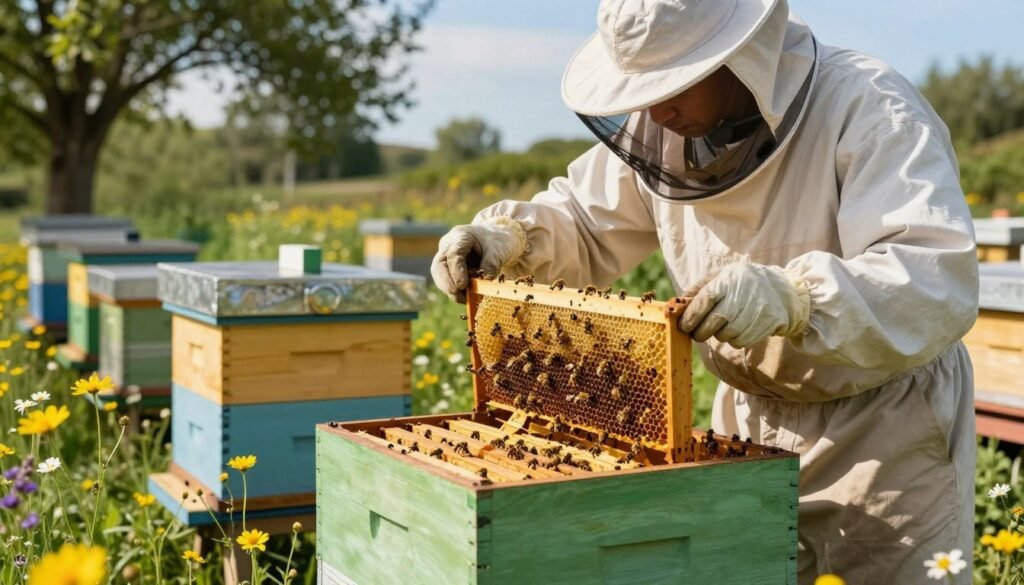
Pesticide labels often read more like liability statements than practical guides for beekeepers. Still, the label is the law. Every user must follow instructions on any chemical mite treatments applied in a hive.
Legal compliance protects product safety and public health. Incorrect timing or misuse risks contamination of honey and loss of market access for the year.
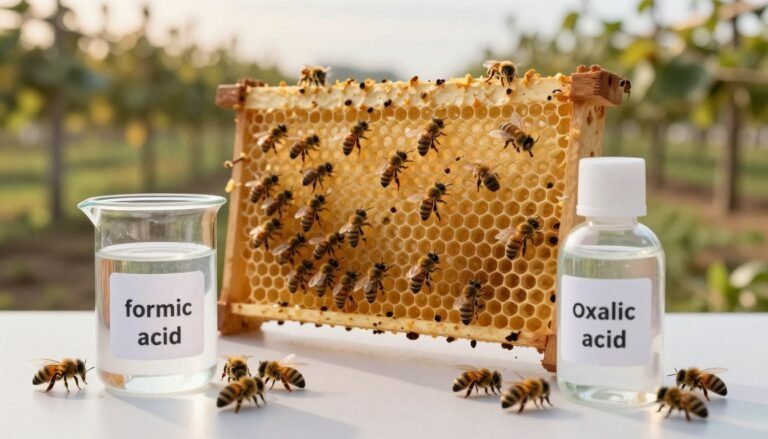
Formic acid is one of the few options approved for use while supers remain in place, but strict temperature rules apply. Read the label and note seasonal windows such as spring and fall before selecting a course of action.
Safety of the handler matters. Wear chemical-resistant gloves and eye protection when working with amitraz or strong acids to protect skin and lungs.
“Consult the manufacturer’s label or a local bee inspector if a specific product raises a question.”
- Follow label directions; they are legally binding.
- Prioritize queen and worker bees by applying treatments at the correct time of year.
- Seek expert advice to reduce contamination risk and preserve hive products.
Evaluating Formic Acid as a Treatment Option
Field experience shows that timing and temperature govern both safety and success when using formic products.
Formic acid is popular because it allows application while some frames remain in place, provided label temperatures are respected. David VanderDussen’s notes clarify why daily temperature swings matter during application.
Strips release a controlled amount of acid vapor. High heat often triggers bearding as bees ventilate. Low humidity reduces vapor concentration, which may improve mite mortality in hot summer days.
Temperature Considerations for Formic Acid
Follow these practical points during a treatment cycle:
- Apply when daytime temperatures fall in the product window and nights are cool.
- Monitor bee behavior and remove strips early if excessive stress appears.
- Some operators temporarily move the queen for very strong reactions; most colonies recover by the end of the cycle.
| Temperature Range | Likely Effect | Practical Note |
|---|---|---|
| 50–64°F | Lower vapor; reduced efficacy | Extend treatment days; monitor mite counts |
| 64–85°F | Optimal vapor; good mite control | Best timing for a full cycle |
| >85°F | High stress; heavy bearding | Avoid peak heat; consider night placement |
“Control the amount released and monitor temperature to balance efficacy and colony welfare.”
Using Oxalic Acid for Mite Control
Regulatory limits and seasonal windows shape how oxalic acid is applied in active beekeeping operations.
Vaporization methods offer a fast, effective mite treatment for low-brood colonies in cooler months. In the United States, vapor use is not approved during summer. Operators must wear respiratory protection and follow label rules to avoid inhaling fumes.
Extended-release techniques such as EROA use sponges soaked in an oxalic acid and glycerin mix. These sponges are experimental and under study for long-term efficacy and safety while frames and boxes remain in place.
Ensure bees contact treated frames to maximize effect. Measure amounts carefully; overdosing risks brood damage and worker loss. Temperature and humidity inside the hive influence release rate and efficacy.
“A lot of research focuses on whether extended-release methods can be used safely when stores are present.”
By the end of a properly applied cycle, many operators report significant mite reduction, helping colonies prepare for winter. Follow current legal guidance each year.
Managing Queen Health During Treatment Cycles
A focused inspection plan helps confirm that the queen remains healthy throughout treatments.
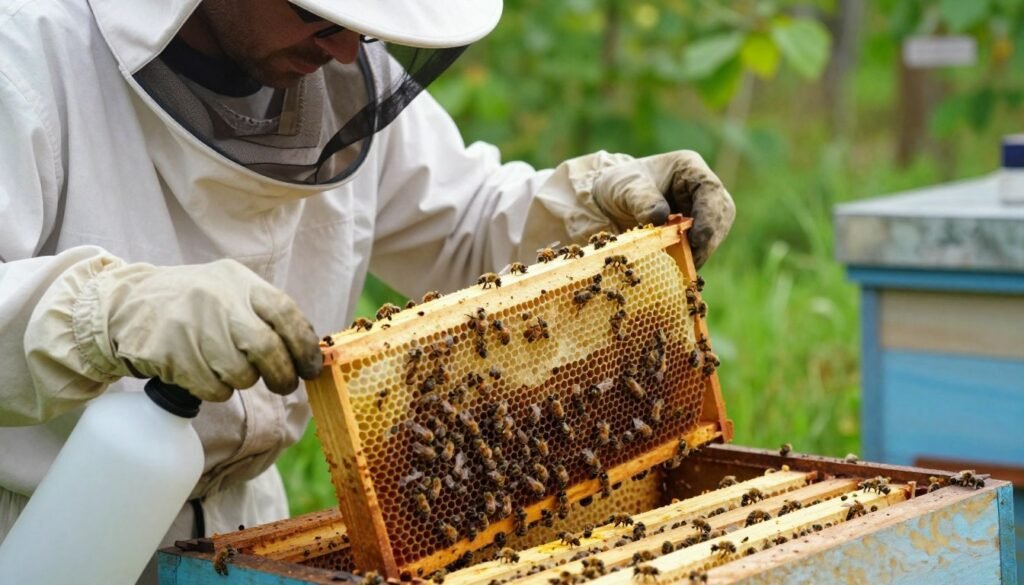
Protecting the queen is the top priority when applying any mite treatment during the active season. Regular checks reduce the risk of unexpected losses and help maintain colony momentum.
Some trials suggest the queen is no more sensitive to formic acid than workers in the same hive. Still, acid-based options need careful timing and dose control to limit stress.
Inspect brood frames through the treatment weeks. Look for a steady, dense laying pattern by the end of the cycle. If brood drops or brood pattern fragments, act quickly.
- Mark frames to track brood locations and simplify follow-up checks.
- Schedule short, regular inspections during spring and summer to spot problems early.
- Balance control and colony welfare so mites are reduced while the queen remains productive.
“A healthy queen with consistent laying at the end of treatment signals recovery and better odds for winter.”
Best Practices for Storing Honey Supers
A simple storage plan protects drawn frames and keeps product quality intact during active management.
Removing supers before a control cycle preserves comb and prevents contamination.
Freezer Storage Solutions
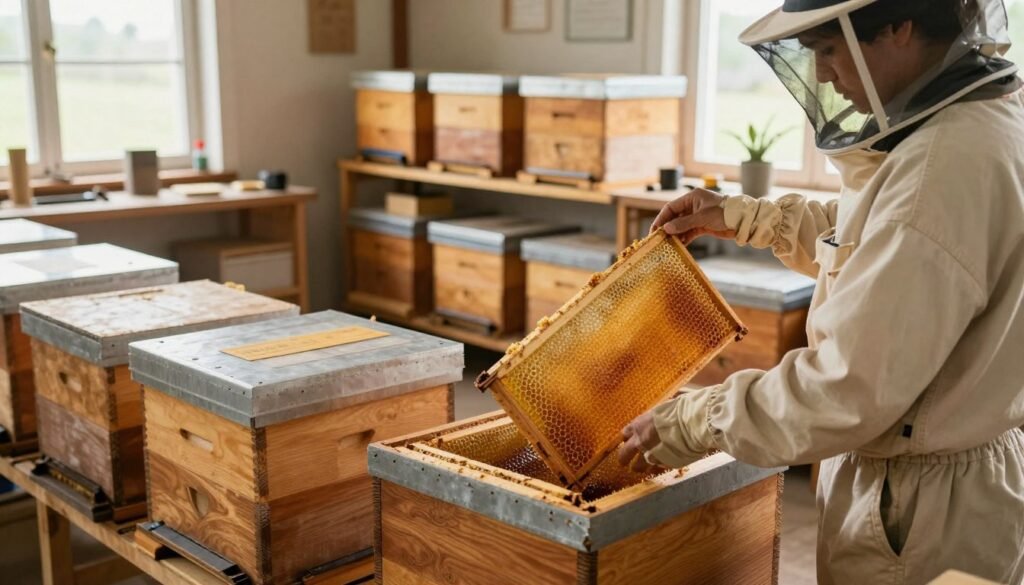
Chest freezers are ideal for drawn comb. They halt wax moth eggs and stop beetle larvae, so frames remain intact while the hive undergoes a treatment.
- Place labeled frames flat to avoid warping and to track which frames were in the hive during a treatment.
- If freezer space is limited, use a cool, dry room sealed against pests until a freezer becomes available.
- Keep supers away from the hive for several weeks to ensure residues from any acid or other products dissipate before frames return.
“A dedicated cold storage plan helps maintain product safety and hive productivity.”
| Storage Method | Protection Level | Best Use | Notes |
|---|---|---|---|
| Chest freezer | High | Long-term drawn frames | Blocks wax moths; large capacity for many frames |
| Cool sealed room | Medium | Short-term holding | Useful if temperatures stay low; must be pest-proof |
| Off-site storage | Varies | Bulk frames during busy season | Choose climate-controlled facility for best results |
For practical storage guidance and alternatives, read this short guide on proper storage techniques: how and where to store empty.
Monitoring Mite Levels Before and After Treatment
A reliable testing routine gives a clear picture of mite pressure before any intervention.
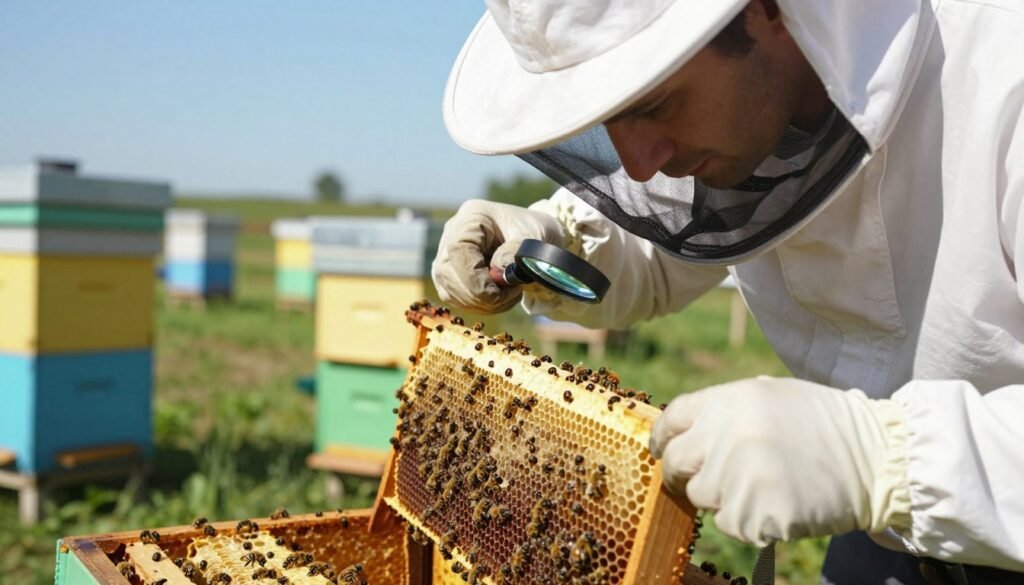
Test first. Perform a baseline alcohol wash to confirm whether the hive needs a treatment. Record the count and note which frames and brood areas were sampled.
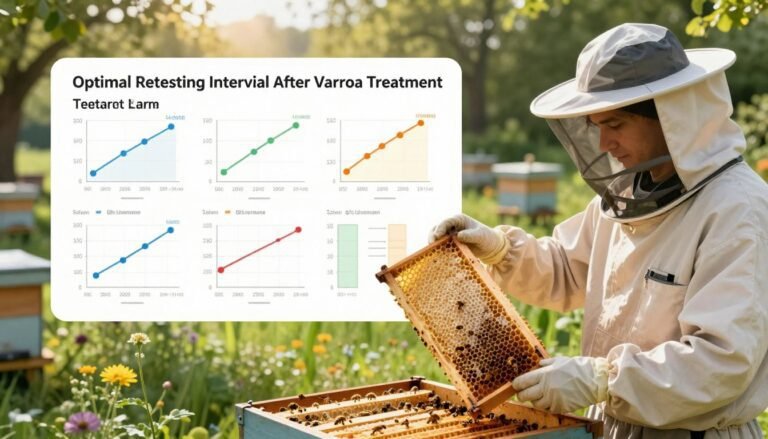
After placement of an acid product, wait the recommended number of weeks. Then run a follow-up test to measure results. Compare counts to your baseline to judge success.
Inspect frames and brood during each check. Look for bees abandoning strips or signs that brood pattern has shifted. These observations help explain why counts rise or fall.
- Run a pre-treatment alcohol wash as a baseline.
- Inspect brood frames while treatments are in place.
- Repeat the wash several weeks after treatment to confirm results.
“Detailed records of counts and dates make future decisions simpler and more effective.”
Keep clear logs for each hive. Tracking spring counts and results over days and weeks helps pinpoint trends and protects honey supers and frames during active seasons.
Strategies for Preventing Mite Resistance
Control plans should focus on long-term efficacy rather than short-term fixes.
Rotate chemical classes and alternate modes of action across the season. Using the same mite treatments repeatedly selects for survivors and weakens future options.
Test hives before and several weeks after any intervention. A low post-treatment count and clear results confirm success. If counts do not drop, resistance may be present.
Treat all affected hives at once to limit mite migration. Staggered actions leave refuge populations that undermine control across an apiary.
- Match timing to brood cycles so treatments hit peak vulnerable stages.
- Combine nonchemical steps—screened bottom boards, drone frame removal, and monitored splits—to reduce pressure.
- Keep records of products used, dates, and test outcomes for each hive.
| Action | Why it helps | When to apply |
|---|---|---|
| Rotate products | Prevents selection for resistant mites | Across seasons and after confirmed counts |
| Simultaneous apiary treatment | Limits reinfestation between hives | When tests show elevated levels |
| Nonchemical measures | Reduces reliance on acids and strips | Year-round, especially during brood breaks |
“A diverse approach protects colony health and preserves treatment options.”
For more on monitoring and methods, see this varroa mites guide.
The Importance of Seasonal Hive Inspections
Seasonal inspections reveal subtle shifts in colony behavior that signal when management steps are needed.
Inspect brood frames each visit to confirm the queen is laying and that brood pattern matches the season. Check frames for space, pests, and signs of stress.
When honey supers are filling, heavy boxes indicate a strong nectar flow and good stores. Note which frames hold capped stores and which need room.
Regular checks every few weeks help detect a rising mite count or the need for an acid-based treatment before problems escalate. Keep notes on each hive and frame inspected.
Record observations in a simple log: dates, brood status, weight of supers, and any treatments applied. These notes make seasonal planning easier and improve survival odds.
For strategies on gentle management and colony temperament that support calmer inspections, read this guide on raise gentle bee colonies.
Alternative Approaches to Treatment Free Beekeeping
Some keepers opt for a genetics-first approach, selecting colonies that show strong mite resistance over several seasons.
This method emphasizes local stock, natural selection, and minimal chemical input.
Many operators avoid foundation and source queens or nucs from nearby treatment-free apiaries to encourage traits that reduce pest impact. Over time, selection for hygienic behavior and brood removal helps build resilient hives.
While formic acid and oxalic acid remain effective tools for many, the treatment-free way relies on natural pressures rather than repeated applications. That choice is demanding and requires close monitoring.
Keep regular records of brood pattern, mite counts, and colony growth. Small, consistent checks help determine which lines thrive and which need replacement.
“A gradual selection strategy may reduce reliance on external products and support long-term colony health.”
For practical resources on this path, read a primer on treatment-free beekeeping and a review of natural remedies for mite control.
Conclusion
Long-term apiary success depends on consistent monitoring and smart product choice. Regular tests and clear records guide every treatment and protect colony productivity. Keep notes on queen condition, brood frames, and test outcomes so decisions are evidence-based.
Prioritize legal guidance and product labels when selecting options such as oxalic or formic applications. Approved methods differ by season and by brood status. Use methods that minimize stress while reducing mite pressure across the yard.
Balanced plans mix chemical and nonchemical steps, timed inspections, and simultaneous actions across hives. This approach preserves future treatment options and supports a robust, sustainable apiary.
FAQ
What should I know about treating varroa during a honey flow?
Treating mites during a nectar flow risks contaminating marketable honey and stressing the colony. Many commercial and hobby beekeepers avoid chemical treatments while supers are on to protect honey quality and consumer safety. Plan treatments for before or after the main flow when frames are out or supers are removed. Monitor mite counts to decide timing, and follow label instructions for any product used.
Are there contamination risks if treatment occurs with supers in place?
Yes. Residues from miticides such as formic or oxalic acid vapors can adsorb to wax and honey. Legal limits and food-safety standards vary by country, so applying treatments with frames containing marketable honey increases the chance of noncompliant residue levels and buyer rejection.
How do treatments affect honey quality?
Chemical treatments can change aroma, flavor, and shelf life if residues enter honey. Organic acids may leave minor sensory traces. Many packers reject honey from treated hives unless treatments are approved and applied according to regulations. Removing supers before application is the safest method to protect honey quality.
What are the legal and safety considerations for using chemical miticides?
Follow federal and state pesticide rules and product labels exactly. Use only registered products, wear personal protective equipment, and avoid treating during honey harvest unless the label allows it. Record treatments and withdrawal periods to demonstrate compliance with buyers and inspectors.
Is formic acid a good option for mite control when supers are present?
Formic acid is effective against phoretic and brood mites and penetrates capped brood. However, it can volatilize into supers. Many labels restrict use with supers in place or mandate removal. Evaluate colony strength, queen tolerance, and local temperature before choosing formic treatments.
How do temperatures influence formic acid effectiveness and safety?
Formic efficacy and volatility depend on ambient temperature. High heat increases vapor release, raising risks to bees and contamination of honey. Cold reduces efficacy. Most manufacturers recommend a specific temperature window—typically between about 50°F and 85°F—so check the product datasheet and local forecasts.
Can oxalic acid be used while supers remain on the hive?
Oxalic acid vaporization and dribble methods can leave residues. Labels commonly advise removing supers unless the method is explicitly approved for use with supers in place. Oxalic vapor works best when brood levels are low, often in broodless windows such as late fall or early winter.
What vaporization methods are approved for oxalic acid?
Approved methods include electrical vaporization units designed for oxalic acid and licensed applicators following label rates. Avoid homemade devices. Vapor dosing must match label instructions for grams per treatment and safe exposure times to avoid harming bees or contaminating honey.
Are there extended-release oxalic acid techniques, and are they safe with supers?
Extended-release devices and pads exist for slow acid release, but many are not labeled for use with supers in place. These devices may reduce treatment frequency, yet they still risk residue buildup in wax and honey. Use only products with clear approval for supers if honey frames remain.
How can treatments affect queen health and brood cycles?
Some treatments stress queens, reduce egg laying, or cause temporary brood interruption. Formic acid can cause queen loss in weak colonies if dosing or timing is wrong. Monitor queen status before and after treatment and choose methods that minimize brood disruption when maintaining production goals.
What are best practices for storing supers before or after treatment periods?
Store extracted supers in a clean, dry place free from chemical exposure and pests. Use tight lids and consider food-grade storage. For frames held long-term, freeze for 24–72 hours to kill wax moths and beetle larvae. Label and rotate stock to prevent off-flavor transfer between lots.
Is freezing an effective solution for storing frames with honey or pollen?
Freezer storage at 0°F for 24–72 hours kills most pests, which helps protect stored frames. Freezing does not remove chemical residues, so it won’t mitigate contamination from recent miticide use. Use freezing primarily for pest control, not residue removal.
How should mite levels be monitored before and after treatments?
Use standardized tests: powdered sugar shakes, alcohol washes, or sticky boards. Perform pre-treatment counts to determine treatment necessity and post-treatment checks (7–14 days after) to measure efficacy. Keep consistent sampling methods and document counts for seasonal management decisions.
What strategies reduce the chance of mite resistance to treatments?
Rotate products with different modes of action, integrate chemical and nonchemical tactics, and avoid under-dosing. Use organic acids, thymol, oxalic acid, and mechanical methods in planned sequences. Maintain records of treatments, outcomes, and resistance concerns in your apiary.
How often should hives be inspected during the season for mite pressure?
Inspect at key times: early spring buildup, pre-flow, mid-summer, and post-harvest. Increase frequency during queen rearing, dearths, or after treatments. Seasonal inspections help catch rising mite loads before colonies collapse.
What alternative, treatment-free approaches exist for mite management?
Integrated pest management (IPM) options include brood interruption, screened bottom boards, drone comb trapping, resistant stock (e.g., VSH, Russian), and small cell strategies. These reduce chemical reliance but require close attention and longer-term commitment to lower mite levels.
When is the safest time of year to apply oxalic acid vapor treatments?
The most effective window is when brood rearing is minimal—typically late fall or early winter in temperate zones. Vapor treatments target phoretic mites on adult bees, so broodless periods maximize impact. Local climate and colony status determine exact timing.
How should beekeepers balance mite control with honey market requirements?
Prioritize product labels and buyer standards. Remove supers before chemical treatments when possible. Communicate treatment dates and methods to packers, and keep treatment records. Opt for nonchemical tactics during flows and reserve chemical options for off-season use to meet food-safety expectations.