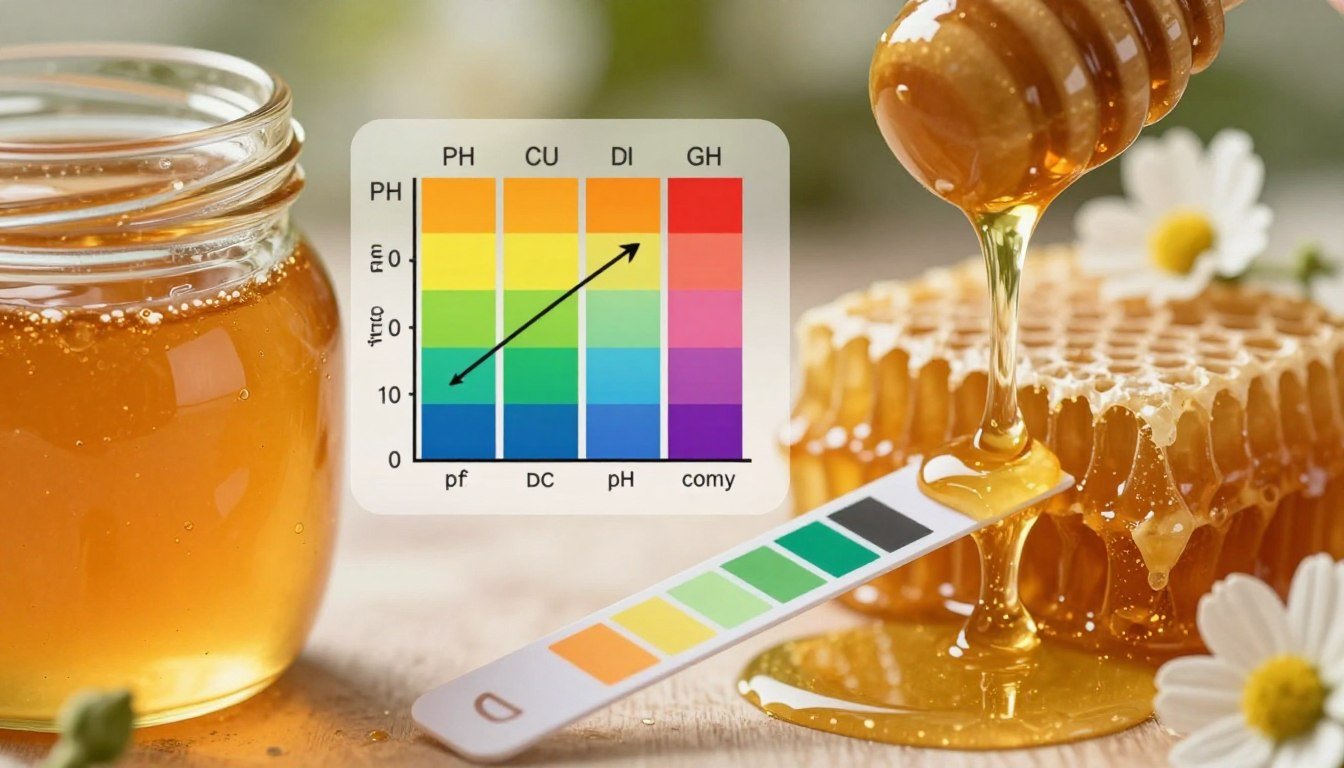
Understanding the chemical profile of honey helps explain why it behaves so differently from table sugar. This natural sweetener typically falls between 3.2 and 4.5 on the scale, which places it clearly on the acidic side.
On March 24, 2025, Scott Derrick noted that knowing this level is key to grasping the product’s unique health benefits. The acidic nature acts as a natural preservative and supports antimicrobial properties, which explains its long-term stability.
Compared with neutral sweeteners, like table sugar at about 7, this profile affects both culinary uses and medicinal applications. This introduction frames why acidity matters for flavor, storage, and therapeutic effects.
Key Takeaways
- Typical range sits between 3.2 and 4.5, placing it on the acidic side of the scale.
- Scott Derrick highlighted the importance of this level for health and use.
- Its acidic nature helps preserve and gives antimicrobial benefits.
- The profile contrasts sharply with neutral sweeteners such as table sugar.
- Understanding these properties guides culinary and medicinal choices.
Understanding Honey pH vs Acidity Explained
Scientific measurements show an average reading near 3.9, which helps limit microbial growth. This level supports the substance’s role in preservation and contributes to its value for health uses.
The acidic character varies by floral source and environment. Values can range from about 3.4 to 6.1, so different types offer distinct benefits. Manuka honey is often singled out for clinical healing due to a strong antibacterial profile.
Recognizing that this sweetener is acidic explains why it appears in traditional remedies. Its low level creates an environment hostile to spoilage, which links directly to many reported healing effects.
| Type | Average Level | Typical Range | Notable Property |
|---|---|---|---|
| Clover | 3.8 | 3.4–4.2 | Mild flavor, broad culinary use |
| Manuka | 3.9 | 3.5–5.0 | Clinical antibacterial and healing |
| Wildflower | 4.1 | 3.6–5.5 | Varied aroma, diverse benefits |
| Buckwheat | 4.5 | 4.0–6.1 | Robust flavor, higher mineral content |
For a deeper read on how this balance affects use and storage, see the is honey acidic or alkaline guide.
The Chemical Composition of Honey
Chemical components from flowers and bee enzymes give this substance distinct functional traits.
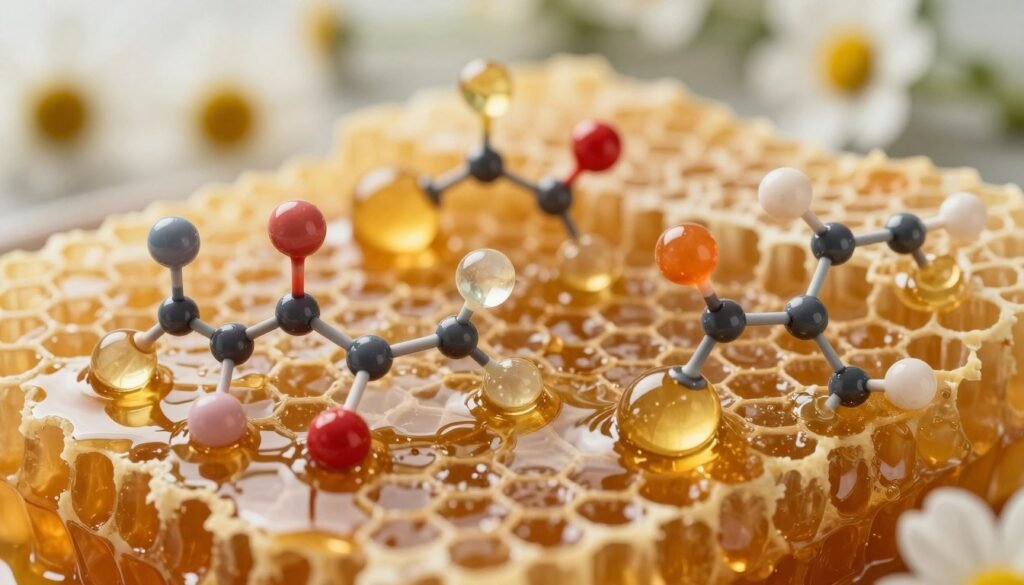
Organic acids shape flavor and preservation. Gluconic acid is the main organic acid, forming about 70–90% of total acid content as the nectar ripens. Other acids such as citric, malic, and oxalic come from nectar or honeydew and from enzymatic changes during storage.
Organic acids
The mix of acids lowers the overall acidity and supports antimicrobial action. These compounds also influence taste and shelf life. For readers curious about floral influence, see studies on how floral source affects flower origin and pH.
Amino acids
Researchers have found over 20 amino acids here, including proline, which serves as a protein building block. The high sugar content—about 38% fructose and 31% glucose—also affects the chemical balance.
- Gluconic acid: 70–90% of organic acid content
- More than 20 amino acids detected, including proline
- Sugars: ~38% fructose and ~31% glucose
- PRAL score: −0.3, indicating low renal acid load in the diet
| Component | Typical Amount | Origin | Impact |
|---|---|---|---|
| Gluconic acid | 70–90% of acids | Enzymatic oxidation of glucose | Drives acidity and preservation |
| Fructose | ~38% | Nectar sugars | Sweetness; influences acid balance |
| Proline (amino acid) | One of the most abundant | Bee metabolism and nectar | Indicator of ripeness and protein building |
| Other organic acids | Minor amounts | Nectar or processing | Flavor nuance and microbial effects |
For a broader context on whether this product leans alkaline or acidic in diets, consult the guide is honey acidic or alkaline.
Factors Influencing Natural Acidity
Nectar source largely determines the mix of organic acids found in a jar. Floral origin is the single biggest driver: buckwheat tends to yield a sharper profile, while clover gives milder results.
Environmental conditions also shape the final level. High temperatures can break down organic acids and reduce acidity over time.
Humidity during production changes sugar balance, which in turn alters acidity and shelf behavior. These shifts affect microbial growth and long‑term stability.
- Floral source sets the acid mix and flavor; manuka honey is a clear example of unique antibacterial traits.
- Heat can degrade acids, lowering natural acidity and impacting preservation.
- High humidity can raise moisture and change sugars, affecting the level and texture.
| Factor | Effect | Example |
|---|---|---|
| Floral source | Alters dominant organic acids | Buckwheat vs clover |
| Temperature | Degrades acids, lowers shelf life | Hot storage |
| Humidity | Changes sugar content and moisture | Wet harvest conditions |
For lab data on acid levels see the free acidity levels study, and for quality benchmarks consult the grading standards.
How to Measure Honey Acidity at Home
Measuring acidity at home turns curiosity into repeatable data you can use for quality comparisons. This short guide lists materials and a step-by-step method so you can test jars from different floral source and compare level and types.
Required Materials
- Digital pH meter (best accuracy) or pH strips if needed.
- Distilled water and a clean glass container.
- Small spoon, lab thermometer (optional), and labels for samples.
- For reference on which acids are present, see which acids are present.

Step by Step Procedure
- Mix one part jar contents with two parts distilled water to make a uniform sample.
- Calibrate the digital meter per the maker’s instructions. Insert the probe and wait for a stable reading.
- If using strips, dip and wait a few seconds for the color change before matching to the chart.
- Repeat the test two or three times to confirm consistent readings.
- Test other types from different floral source to see how level varies.
“A digital meter gives the most reliable home reading; strips are useful but less precise.”
Tip: Record results and the jar’s source so you can answer common questions about quality and health impact over time.
Health Benefits of Acidic Properties
Acidic compounds in this natural sweetener play a direct role in limiting pathogens and supporting health. The low level between 3.2 and 4.5 creates an environment that hinders harmful growth while preserving flavor and nutrients.
Antimicrobial effects come largely from gluconic acid and other organic acids that act together to fight bacteria and fungi.
Antimicrobial Effects
Gluconic acid is a key part of the protective mix. It helps reduce microbial load and supports wound healing in topical use.
The acidic nature also supports gut health by encouraging beneficial microbes and easing mild digestive upset.
- Natural preservative: Low levels prevent many bacteria from thriving.
- Antioxidant action: Organic acids and compounds reduce oxidative stress and inflammation, aiding skin health.
- Better than table sugar: The complex acids and antimicrobial effects deliver added health benefits beyond simple sugar.
“The acidic properties are a key part of the long-standing reputation as a natural remedy.”
For added context on related bee‑derived products, see benefits of fermented pollen.
Clinical Applications in Wound Care
Clinical teams increasingly turn to medical-grade manuka dressings for stubborn skin lesions.
At Liv Hospital, practitioners use manuka dressings to speed healing of chronic wounds. The thick texture keeps the surface moist while low acidity helps curb bacterial growth.
This acidic environment can denature bacterial proteins and reduce infection risk in surface wounds. That makes dressings useful for ulcers, burns, and non-healing sores.
Manuka is prized in clinical settings because its methylglyoxal content boosts antimicrobial properties. Modern studies and clinical practice now back the therapeutic use in wound care.

“Combining traditional remedies with evidence-based protocols has made these dressings a reliable option for many patients.”
| Clinical Setting | Key Benefit | Active Factor | Typical Use |
|---|---|---|---|
| Chronic ulcers | Faster closure | Methylglyoxal, low acidity | Topical dressing change |
| Burns | Moist wound bed | Viscous texture, acids | Infection prevention |
| Post-op surface wounds | Reduced bacterial growth | Antimicrobial properties | Adjunct to standard care |
For clinical protocols and case details, see Liv Hospital’s review of manuka dressings in wound treatment.
Debunking Common Misconceptions
Many popular claims about this sweetener mix science and myth. A quick review of facts helps people make better dietary choices.
Alkaline Diet Myths
Contrary to the alkaline diet narrative, this product sits clearly on the acidic side of the scale with a measured range of 3.2 to 4.5. Still, its PRAL score of -0.3 shows it does not drive acid production in the body when eaten.
That means lab acidity and dietary acid load are not the same thing. Mislabeling it as alkaline ignores its natural antibacterial traits and the role of floral source in shaping those compounds.
Acid Reflux Realities
Many people worry that this sweetener will worsen reflux. In practice, its viscous texture can soothe the throat lining and may ease symptoms for some individuals.
Responses vary by person and condition. Monitor your symptoms and consult a clinician if you have persistent reflux.
“Understanding the science behind foods leads to better, personalized diet choices.”
For a simple home test and quality checks, see this guide to test honey purity at home.
Managing Honey Acidity in Culinary Uses
Cooks and home bakers can tame sharp notes by pairing this sweetener with dairy or creamy bases.

Mixing with milk or yogurt in smoothies and dressings softens the perceived acidity. This simple move keeps sweetness while mellowing bright floral acids.
Diluting with agave or maple syrup is another practical example. You lower the sharp edge but still rely on natural sugar and preserve many nutritional benefits.
Spices such as cinnamon or vanilla balance the profile and add depth. Choosing milder types like acacia or clover also reduces tang compared with darker sources such as buckwheat.
- Blend with dairy to soften the bite.
- Mix with agave or maple to dilute without losing sweetness.
- Add mild spices to harmonize flavors.
- Pick lighter types from different sources for a gentler profile.
“When recipes include many ingredients, other foods often neutralize sharp notes and make it easy to enjoy the benefits.”
Tip: Managing organic acids and sugar balance helps you use this ingredient across diets and keeps its health benefits while making dishes more approachable.
Safety Considerations for Consumption
Daily use requires practical safety checks to avoid unwanted tooth wear and digestive upset. This section highlights simple steps to keep benefits while reducing risks.
Dental health and sensitivity
Regular consumption of sugary, acidic spreads can increase enamel erosion if residues linger on teeth. Brush or rinse after eating to lower that risk.
Allergic reactions are uncommon but possible. People with pollen or organic acid sensitivities may see rashes, swelling, or other symptoms and should stop use and seek advice.
- Limit prolonged contact with teeth; avoid letting sticky portions sit in the mouth.
- Monitor digestive responses if you have acid sensitivity; reduce portion size if you notice discomfort.
- Consult a healthcare professional for persistent symptoms or if you have allergies.
| Risk | Typical Effect | Mitigation | Who Should Be Cautious |
|---|---|---|---|
| Enamel erosion | Tooth sensitivity, wear | Rinse, brush, use straw for drinks | Frequent consumers and children |
| Allergic reaction | Rash, swelling, digestive upset | Avoid product, seek medical help | Those with pollen or acid sensitivities |
| Gastrointestinal discomfort | Heartburn, bloating | Reduce intake, choose milder types | People with acid sensitivity |
“Maintain good oral hygiene and consult your clinician if you have concerns about how the acidic content affects your health.”
Summary of Honey Acidity Insights
This final summary pulls together how low natural levels shape both practical uses and clinical value.
Honey is a naturally acidic substance whose measured level helps limit microbes and supports preservation. The complex composition, with gluconic acid and other organic acids, explains many of its healing and preservative properties.
Manuka honey stands out for clinical wound care where its acidic nature and other factors speed recovery. Contrary to some myths, this product is not alkaline and does not raise the body’s acid load in normal diets.
For practical steps and more on composition and antioxidants, see the study of comparative antioxidant levels in global honey.
Questions about measurement, levels, or safe use are expected; understanding these insights helps you use this natural product for health and culinary benefits.
FAQ
What’s the difference between honey pH and acidity?
pH measures hydrogen ion activity on a 0–14 scale and shows how acidic or alkaline a solution is. Acidity refers to the total amount of organic acids present, measured as titratable acidity. A sample can register a low pH (acidic) yet vary in titratable acidity depending on the types and amounts of acids such as gluconic acid.
Which organic acids occur naturally and which matter most?
The dominant acid in many varieties is gluconic acid, formed when glucose oxidizes. Other organic acids include citric, malic, formic, and succinic. These acids shape taste, antimicrobial action, and stability, with gluconic largely responsible for the characteristic tartness and preservation qualities.
How do floral source and processing affect natural acidity?
Nectar composition varies by plant species, so floral source strongly influences both acid profile and sugar balance. Processing, heating, and storage can change acid concentrations and volatile components, altering measured acidity and sensory qualities.
Can I test acidity at home, and what do I need?
Yes. Basic testing uses pH strips or a digital pH meter for quick pH readings. For titratable acidity you need a standardized sodium hydroxide solution, phenolphthalein indicator, a burette, and a precise scale—this gives a lab-style measure of total acidic content.
What’s a simple step-by-step for a home pH check?
Dissolve a teaspoon in a small amount of distilled water, dip a calibrated pH strip or probe into the solution, wait the specified time, then read the value. Clean equipment before and after to avoid cross-contamination. Remember this gives pH only, not titratable acidity.
Do acidic properties provide health benefits?
Yes. Organic acids contribute to antimicrobial and antioxidant effects. They help inhibit certain bacteria and fungi, which supports food safety and explains some traditional uses in wound care and cough remedies. Benefits depend on concentration and honey type, for example Manuka has distinctive antimicrobial markers.
How are acidic attributes used clinically for wound care?
Medical-grade products use honey’s low water activity, acid content, and hydrogen peroxide production to create a hostile environment for pathogens. Carefully processed sterile dressings made from certified sources can promote healing, reduce infection risk, and manage exudate under professional guidance.
Does consuming acidic varieties worsen acid reflux or GERD?
Individual responses vary. For some people, the sugars and acidity can trigger reflux symptoms; for others, small amounts are tolerated or even soothing. Anyone with significant GERD should test cautiously and consult a clinician before regular use.
Are claims about alkaline diets and neutralizing body acid accurate?
No. The body tightly regulates systemic pH via kidneys and lungs. Dietary choices influence urine pH but have minimal effect on blood pH. Relying on specific foods to “alkalize” the body is a misconception rather than a scientifically supported strategy.
How can I manage acidic taste in recipes?
Balance acidic notes by pairing with fats, dairy, or alkaline-tasting ingredients like baking soda in controlled amounts. Use small amounts in dressings, glazes, or marinades and adjust sweetness or salt to achieve desired flavor without overpowering acidity.
Does acidic content harm teeth or cause sensitivity?
Repeated exposure to acids can soften enamel and increase erosion risk. To minimize harm, consume acidic varieties with meals, rinse or drink water afterward, avoid brushing immediately, and maintain routine dental care. People with existing sensitivity should consult their dentist.
Are some types more acidic than others, for example Manuka?
Yes. Acidity levels differ by floral source and processing. Manuka often shows strong antimicrobial activity due to methylglyoxal and accompanies a characteristic acid profile, but acidity alone doesn’t determine therapeutic value—unique compounds and certification matter.
Can acidic content promote or inhibit microbial growth in food?
Acidic environments generally inhibit many spoilage organisms and pathogens by lowering water activity and creating unfavorable conditions. However, some acid-tolerant microbes survive, so acidity is one of several preservation factors alongside sugar concentration and proper storage.
Is acidic content measured the same across labs and countries?
Methods vary: pH uses standard electrodes, while titratable acidity follows defined titration protocols that may report results in different units. Accredited labs follow national or international standards to ensure consistent, comparable results.
Are there side effects or risks tied to consuming acidic varieties regularly?
Most people tolerate them well in moderation. Risks include dental erosion, digestive discomfort for sensitive individuals, and, for infants under one year, risk of botulism from unpasteurized products. People with diabetes should monitor carbohydrate intake regardless of acid profile.
How do sugar composition and acids interact to affect preservation?
High sugar content reduces available water, limiting microbial growth. Organic acids lower pH and add antimicrobial action. Together, sugars and acids form an environment that preserves quality and extends shelf life, especially when stored properly.
Where can I find reliable information or testing if I need detailed acidity profiles?
Consult accredited food-testing laboratories, university extension services, or regulatory agencies like the U.S. Food and Drug Administration for validated methods and interpretation. For medical use, seek certified medical-grade suppliers and clinical guidance.