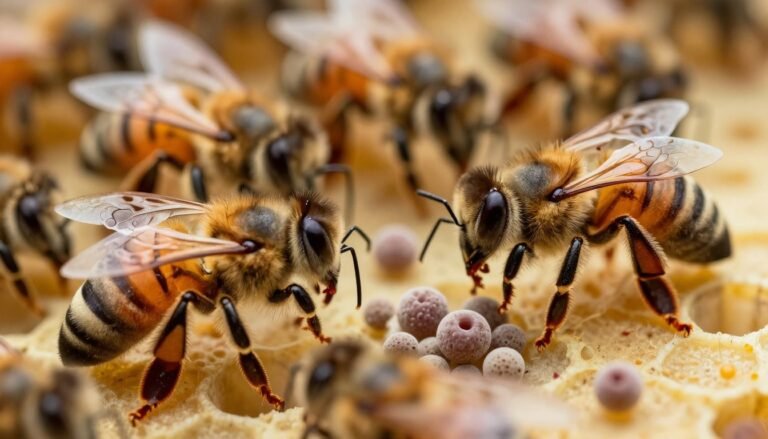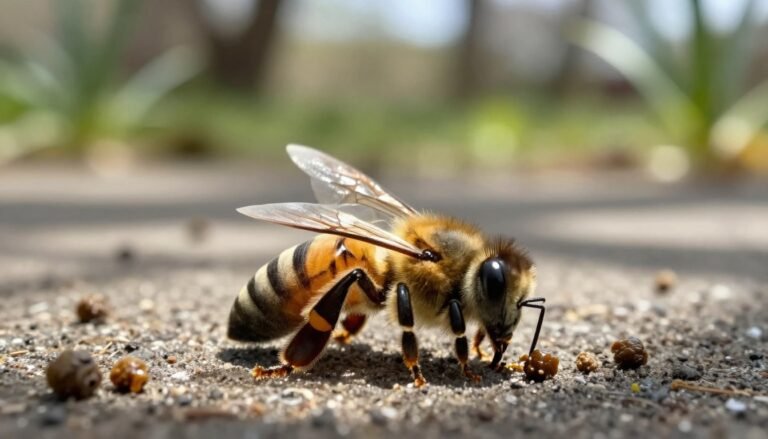
Spotty brood pattern when to worry is a common search for beekeepers who spot gaps in the comb. This intro explains how to tell normal variation from signs of decline. Quick, clear checks help you act fast and keep colonies healthy.
Worker cells remain capped for about 12 days before an adult emerges. A healthy hive shows sealed brood in rings, with the oldest pupae near the frame wall.
Gaps may come from a failing queen or disease like american foulbrood or european foulbrood. Watch larvae and cell development closely. Beekeepers should note the end of season shifts and the honey stores as part of diagnosis.
Key Takeaways
- Count the days: cells are capped ~12 days; early deaths point to problems.
- Inspect sealed brood: uniform rings and pupae placement signal health.
- Rule out causes: queen failure or pathogens such as american foulbrood and european foulbrood.
- Monitor larvae: irregular development and dead larva need prompt action.
- Act seasonally: checks at the end of the season help prevent losses.
Defining a Healthy Brood Pattern
A healthy comb shows compact, regularly filled cells with few gaps. This visual cue helps you judge colony strength at a glance.
Visual Indicators
Look for uniform rings of sealed cells across a frame. Caps should be brown, tan, or cream and sit evenly over developing larvae and pupae.
Absence of dead larva and a high proportion of cells capped indicate a thriving honey bee colony. Healthy brood cells are tightly grouped, which lets the colony maintain brood temperature and care.
The Importance of Uniformity
A solid block of sealed brood signals a fecund queen and steady egg laying. Uniform development means workers emerge together, keeping colony tasks balanced.
- Consistent cell use: Most cells filled and cells capped in the same area.
- No dead larvae: Clean comb with healthy pupae and larvae.
- Winter readiness: Good brood supports population density for honey storage and survival.
For a practical inspection guide, see this inspection resource.
Identifying a Spotty Brood Pattern When to Worry
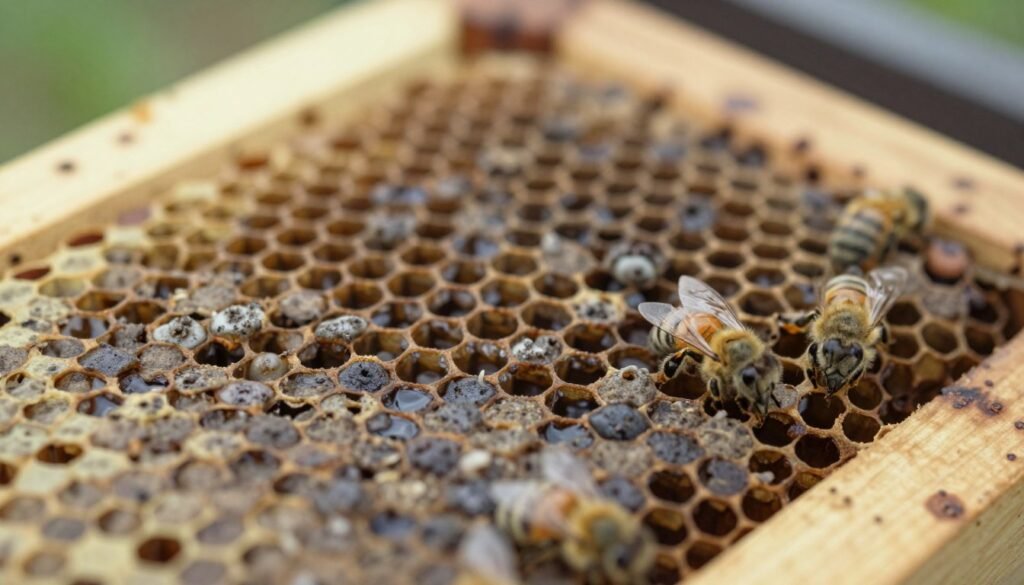
An irregular brood layout shows scattered empty, open, and capped cells across the nest rather than a solid block.
Key visual signs: look for mixed open cells, isolated patches of sealed pupae, and widely spaced larvae instead of a compact brood block.
Common causes include a failing queen, heavy mite loads, or developing disease. If the poor brood pattern persists, note any other symptoms such as sunken cappings or dead larvae.
“A scattered comb often means the colony is struggling to maintain enough adult bees for care and temperature control.”
- Inspect open cells carefully for abnormal larvae or halted development.
- Compare frames across the hive; a single weak frame is different from a widespread poor brood.
- Use resources like good vs bad brood pattern and guides on chilled brood signs for comparison.
Action step: if irregular cells and stalled development remain, investigate american foulbrood or european foulbrood and check queen performance and mite counts.
Assessing Potential Queen Issues
A single frame with scattered eggs or few larvae may be the first clue that the queen needs evaluation. Begin with a calm, systematic check of frames that contain the most sealed brood and eggs.
Evaluating Queen Fecundity
Look at sealed brood across several frames. Consistent, evenly spaced cells indicate steady laying. If eggs and larvae are patchy on more than one frame, the queen may be underperforming.
Research by Lee et al. (2019) found that some queens from poor colonies improved when placed in strong hives. This shows the colony environment can affect the presence and quality of young.
- Check for uniform egg placement and healthy larvae across at least three adjacent frames.
- Measure change over time: move the queen and reassess after 21 days in a new setting.
- Consider laboratory thresholds — fewer than about 3 million sperm in the spermathecae is often linked with poor mating in studies.
“A spotty layout does not always mean the queen is failing; colony stresses often change the outcome.”
If poor brood continues after three weeks in a healthy environment, consider requeening. Also, use the guide on preparing to swarm for related colony signs that affect queen performance.
Recognizing American Foulbrood Symptoms
Inspecting capped cells for discolored, sunken caps is a crucial early check for serious disease. Quick visual checks help beekeepers spot signs before entire colonies decline.
The Ropiness Test
The ropiness test is a simple field check. Insert a toothpick into a suspect cell and withdraw it slowly.
If a tacky strand pulls out and stretches up to 3/4 inch, that reaction strongly suggests american foulbrood infection.
Identifying Sunken Cappings
Infected larvae often die after the cell capped stage. Caps may look sunken, greasy, or perforated.
Open capped cells may show coffee-brown, dried remains. The wall of the cell may hold hard, dark scales that adult bees cannot remove.
Managing Infected Colonies
- Act fast: advanced cases cause scattered brood and failing frames across the hive.
- Contact your state apiary inspector immediately if you observe these symptoms.
- Because spores resist treatment, infected brood combs often must be destroyed to protect nearby hives.
- For guidance, consult this american foulbrood resource.
“Prompt diagnosis and removal of infected combs is the best defense against spread.”
Understanding European Foulbrood and Sacbrood
European foulbrood is caused by Melissococcus plutonius and usually appears in the early spring when colonies face stress.
It attacks very young larvae before the cells are capped and often creates a loose, uneven brood pattern.
Unlike american foulbrood, infected larvae are removed easily by adult bees and do not leave long‑lasting spores.
Use the ropiness check carefully: remains of european foulbrood stretch only about 18mm before snapping. In advanced cases, you may also notice a sour odor from affected brood combs.
Sacbrood is viral. Infected larvae die in a canoe shape with the head raised toward the cell opening.
“Breaking the brood cycle helps colonies recover and limits pathogen spread.”
- Watch young larvae for twisted bodies that die before capping.
- Remove weak frames and improve nutrition during cool spells.
- Consult local guidance and use integrated steps; for fungal issues see resources like prevent chalkbrood.
| Condition | Key sign | Removal by bees | Ropiness |
|---|---|---|---|
| European foulbrood | Young larvae twisted, sour odor | Yes, easily removed | ~18 mm (snaps) |
| Sacbrood | Larvae in canoe shape, head raised | No long‑lasting scale | Not applicable (viral) |
| American foulbrood | Sunken caps, hard scales | No, scales remain | Stretches up to ~20 mm+ |
Fungal Infections and Brood Health
Chalkbrood and stonebrood affect young larvae and the visible cells in a hive. Chalkbrood, caused by Ascosphaera apis, turns infected larvae into hard, white mummies that often appear on the landing board.
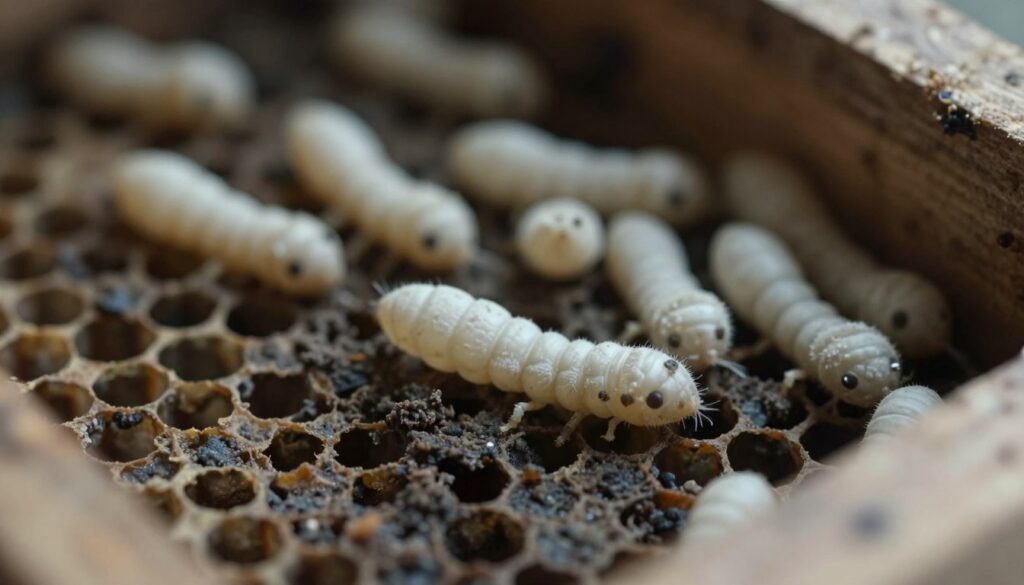
In advanced cases, mummies may also collect on the bottom board or at the entrance as workers try to remove dead larvae from brood cells. The comb and brood combs can look irregular when many cells hold mummies or open remains.
Stonebrood, from Aspergillus species, creates very hard larvae often with a yellow ring near the head. These remains are difficult to crush and the spores can be hazardous to humans. Handle infected material carefully and wear a mask.
Prevention centers on dry, well‑ventilated hives and good management during early spring. Improve airflow, replace damp comb, and remove heavily infected frames.
Quick check: inspect cells and pupae for unusual mummies and remove heavily contaminated comb. Prompt action limits spread and helps colonies recover as the season warms.
Environmental and Management Factors
A heavy nectar flow can push honey into the brood nest and reduce laying space for the queen.
Environmental factors such as sudden forage surges often cause bees to store honey in comb reserved for young. That backfilling limits empty cells and interrupts a good brood pattern.
Proper beekeeping management fixes this quickly. Add a drawn super or an empty frame so the colony has room to store surplus honey instead of using the nursery area.
If you suspect a poor layout is space‑related, add an extra super and check the next few days. Many hives recover within a week once the queen has open cells again.
- Inspect regularly: ensure the queen has enough empty cells to maintain good brood.
- Provide drawn comb: availability of comb supports consistent laying and hive health.
- Monitor environment: proactive checks keep honey stores and rearing balanced all season.
“Giving the colony space is one of the simplest, most effective management steps.”
For steps on strengthening population and spacing, see a practical guide to boost colony population naturally.
Distinguishing Parasitic Mite Syndrome
Parasitic Mite Syndrome (PMS) is a severe condition caused by heavy varroa infestations combined with viral infections. Affected colonies lose adult workers and show irregular development across frames.
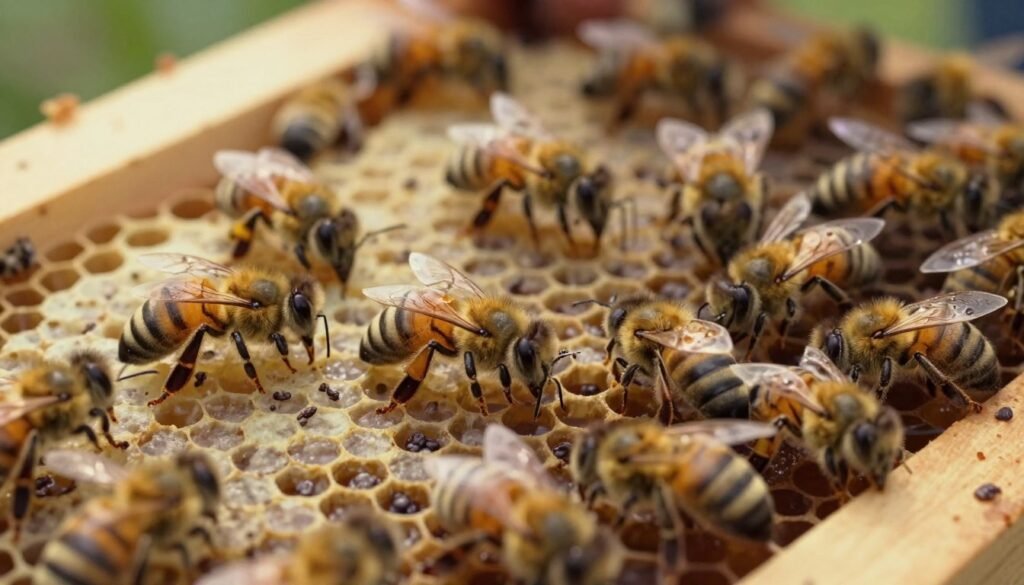
Common signs include a spotty brood pattern with many dead or dying larvae in cells. You may also see varroa on adult bees or mites feeding in open cells. Sealed brood and open capped areas often appear scattered and uneven.
- Complex cause: high mite loads plus viruses cause internal collapse.
- Look for: infected larvae, dead larvae being removed, and mites on bees.
- Diagnosis: PMS symptoms may also mimic european foulbrood or sacbrood; lab checks help confirm.
- Action: break the brood cycle and apply effective mite treatments to reduce viral load.
- Prevention: maintain a strong colony and monitor mite levels regularly.
“Early mite control and brood management are the best defenses against PMS.”
For comparison with other diseases consult a guide on differences between afb, efb and PMS or review a comprehensive hive pests guide.
Conclusion
Important: Pinpointing the root cause of scattered young frames guides effective hive care.
Identifying whether the issue stems from the queen, a disease like American foulbrood, or heavy varroa pressure is essential for timely action. Carry out regular inspections in spring and autumn and use field checks such as the ropiness test to distinguish infections.
Good management and simple environmental fixes often restore productivity. For guidance on queen-related causes see this detailed review on queen performance, and for broader hive expansion and inspection practices consult apiary management tips. Stay observant and act early to keep colonies strong.
FAQ
What defines a healthy brood pattern and why does uniformity matter?
A healthy comb shows mostly sealed cells with live pupae and few empty spots. Uniform coverage means the queen lays consistently and worker bees care for larvae well. Even cell capping and regular development indicate good colony health and strong future workforce.
What visual signs help identify problems in developing larvae or sealed cells?
Look for sunken or perforated cappings, discolored or odorous comb, and dead or sunken pupae. Open cells with dehydrated or discolored larvae, or mummified remains, signal disease or high brood loss. Check multiple frames and times of year for accurate assessment.
How can I tell if brood loss comes from the queen rather than disease?
Consistently scattered empty cells across many frames, variable larval ages, and reduced egg density suggest poor egg laying or an aging queen. If eggs and young larvae are present but many cells are empty at sealing time, evaluate queen fecundity and consider requeening.
What is the ropiness test and when should I use it?
The ropiness test helps detect American foulbrood. Gently probe a suspect dead larva with a sterile stick; if it stretches into a sticky rope, AFB is likely. Only perform this when you see other AFB signs like sunken cappings or foul odor, and follow local regulations for confirmed cases.
Which signs point specifically to American foulbrood (AFB)?
Sunken, darkened cappings, a distinct foul smell, and mummified, glue-like larvae are classic AFB symptoms. Advanced cases show many sealed cells with dead pupae. If AFB is suspected, isolate and report per state rules and avoid moving comb or equipment between apiaries.
How should infected colonies be managed if AFB is confirmed?
Management often requires destroying infected frames and sterilizing or burning equipment, then following state apiarist guidance. Some areas allow sanctioned antibiotic use under strict protocols, but prevention and containment are primary to protect neighboring apiaries.
What differentiates European foulbrood (EFB) and sacbrood from bacterial and fungal issues?
EFB causes twisted or discolored larvae that die before pupation and often emit a sour smell; larvae may lie in curled positions. Sacbrood produces sacs with intact larvae that turn color and dry. Both differ from AFB in odor, larval position, and progression, and require different management steps.
How do fungal infections like chalkbrood or stonebrood appear in brood combs?
Chalkbrood creates dry, chalky mummies that break easily and appear white or gray. Stonebrood forms hard, dark mummies and results from Aspergillus species. These infections often follow stressors like cool, wet weather. Improve ventilation and reduce stressors to limit outbreaks.
What environmental or management factors can cause scattered sealed cells and larval mortality?
Poor nutrition, pesticide exposure, inconsistent feeding, cold snaps during brood rearing, and overcrowding can all reduce brood survival. Inadequate hive ventilation, drifting foragers, and weak wintering preparations also contribute. Regular inspections and good forage access help prevent issues.
How does parasitic mite syndrome affect brood development and comb appearance?
Varroa mites vector viruses that deform and kill pupae, producing spotty sealed areas with dead or malformed bees. Look for punctured cappings, mites on pupae, and high mite counts in alcohol or powdered sugar tests. Treat with approved miticides or integrated pest measures when thresholds are exceeded.
When is requeening the best response to poor brood coverage?
Requeening helps if the queen is old, poorly mated, or failing to lay eggs uniformly. If inspections show consistent low egg density, variable brood ages, or sudden decline without disease signs, introduce a young, vigorous queen to restore egg production and colony vigor.
How often should I inspect frames for early signs of disease or developmental issues?
Inspect during active seasons about every 7–10 days to monitor brood progression and detect problems early. Avoid excessive inspections in cold weather. Keep records of findings to track trends and enable timely interventions like treatment or requeening.
What immediate steps should I take if I find dead or ropy larvae during an inspection?
Isolate the hive, minimize equipment movement, and contact your state apiarist or an experienced beekeeper for confirmation. Follow local reporting and disposal rules for serious diseases. Wear protective gear and sanitize tools to prevent spreading pathogens.
Can poor forage or seasonal changes cause temporary irregularities in sealed cell coverage?
Yes. Early spring or dearth periods often produce scattered sealed cells as colonies adjust brood production. Short-term irregularities that improve with better forage and warmer weather are common. Persistent problems across seasons warrant further diagnosis.
Which additional signs help distinguish minor brood loss from a serious colony disease?
Minor loss shows limited empty cells, normal brood progression elsewhere, and healthy adult bee populations. Serious disease presents widespread sealed-cell issues, foul odors, many mummies, or high mite loads. Use multiple frames and repeat inspections to confirm severity before acting.