Planning a pumpkin crop begins long before bloom. Choosing to bring managed pollinators into your field is a strategic move that can raise fruit set and boost yields.
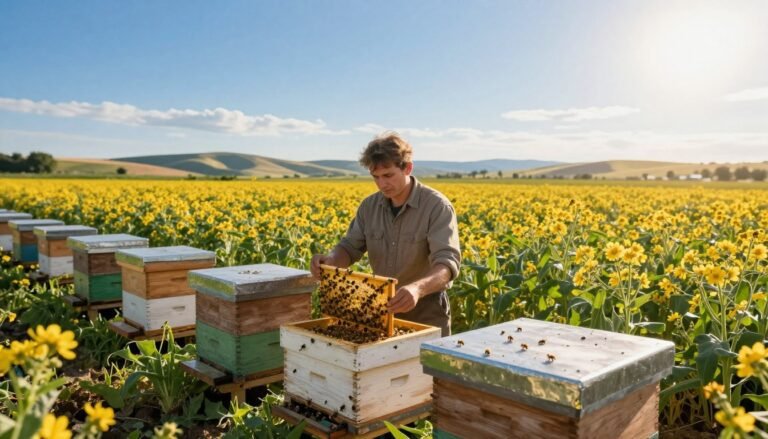
Professional beekeepers supply pollination services and transport colonies to your farm early in the season. They advise on the number of colonies needed per acre and on timing work to match bloom and morning bee activity.
Good rental options include protective practices to limit exposure to pesticides and insecticides during transport and placement. This helps safeguard both the bee colony and your crop.
When growers coordinate with a trusted beekeeper, they get expert guidance on colony numbers, weather timing, and field care. That teamwork helps ensure your pumpkin crop receives steady pollination across the growing season.
Key Takeaways
- Work with pros to match colony numbers to field size and bloom time.
- Early morning activity during spring bloom delivers peak pollination.
- Transport and rental options include protections against pesticides.
- Communication with beekeepers reduces risks and improves fruit set.
- Plan logistics ahead and consult resources like beekeeping rental guides.
The Importance of Pollination for Pumpkin Crops
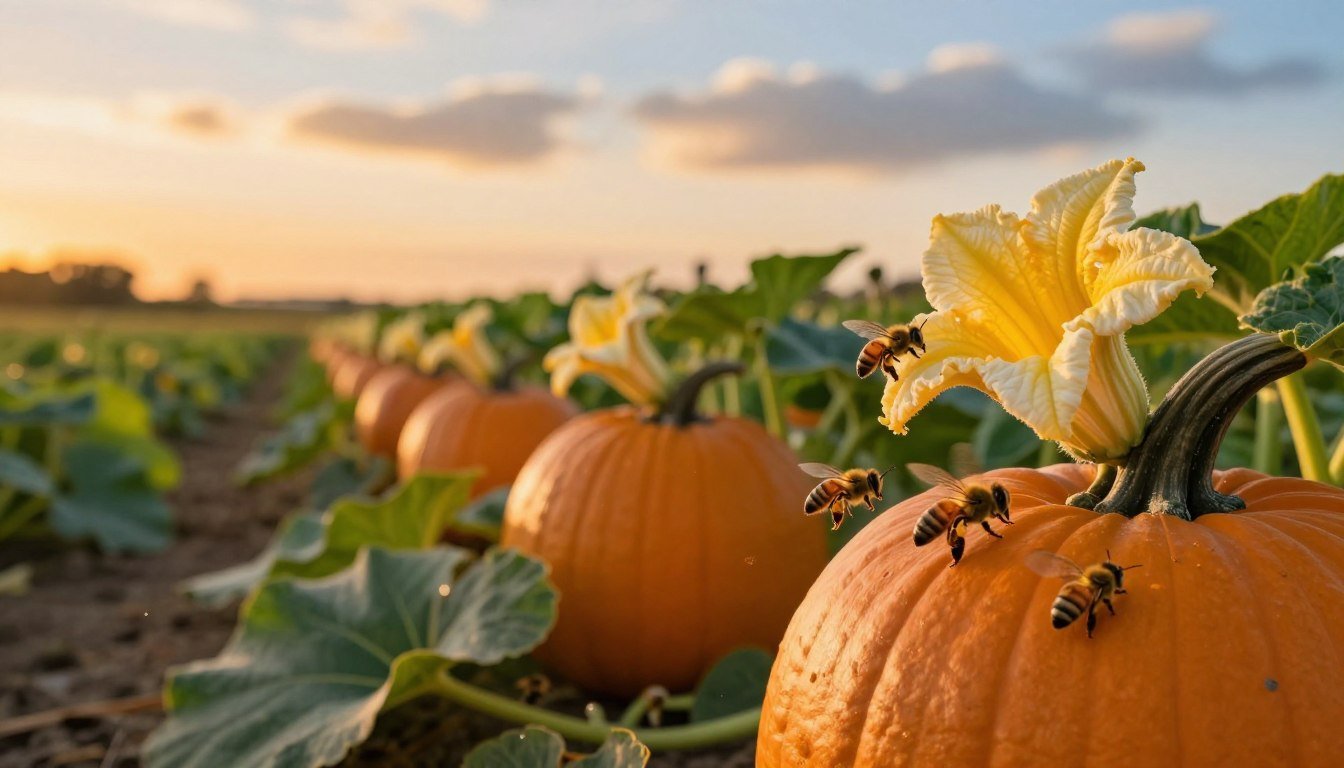
Effective transfer of pollen by bees directly determines the size and quality of your fruit. Researchers Jessica D. Petersen and Brian A. Nault at Cornell showed that both honey bees and bumble bees play key roles in set and fruit development.
As honey bee rental costs have climbed to $75 or more per hive, many growers look to efficient pollinators to protect spring yields. The common eastern bumble bee, Bombus impatiens, performs especially well during bloom and can boost crop uniformity.
Professional beekeepers maintain colony health, manage disease risk, and time placements to match peak activity. Understanding basic bee biology helps farmers gauge visits, manage field edges, and improve fruit quality.
Below is a quick comparison of pollinator traits that affect on-field results.
| Pollinator | Visit Rate | Efficiency on Pumpkin | Practical Notes |
|---|---|---|---|
| Honey bee | High | Good | Widely available; rental costs rising |
| Bombus impatiens | Moderate | Excellent | Strong single-visit pollen transfer |
| Wild solitary bees | Varies | Variable | Benefit diverse landscapes |
| Managed colonies | Predictable | Good to excellent | Requires care by beekeepers |
To plan timing and tasks, review local seasonal beekeeping tasks so you align placements with bloom and peak activity.
Assessing Your Field for Pollination Needs
A quick field survey at first light helps growers estimate how many bees are active and whether extra colonies are needed.
Estimating Bee Density
Count visits during the morning bloom across several patches. Record bees per 60 flowers to spot gaps in service.
Benchmarks: more than 3 bumble bees or 10 honey bees per 60 flowers signals a high density that supports good fruit set in most weather.
Stocking guidance: one QUAD (4 colonies) covers 2 acres, while a single honey hive typically serves 3 acres. Use these targets to calculate the number you may need.
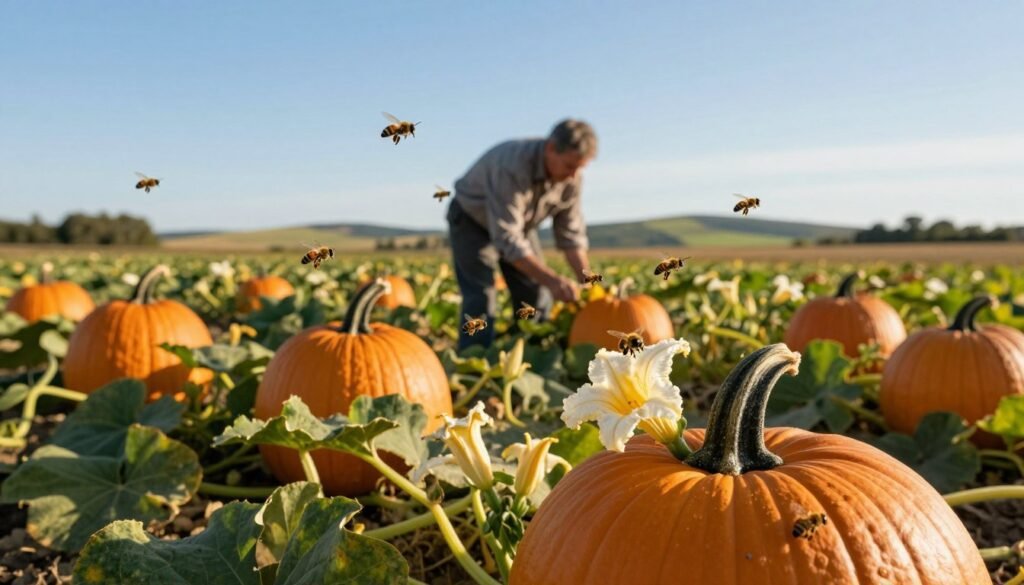
Evaluating Landscape Diversity
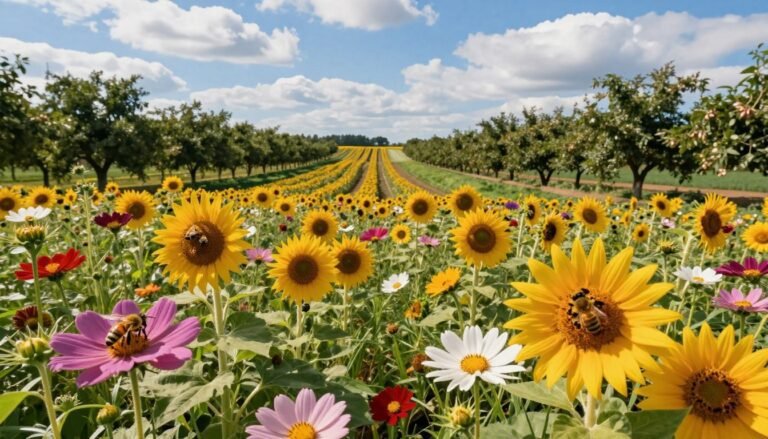
Map nearby grassland, hedgerows, and wildflower patches. Diverse habitat reduces reliance on rented hives per acre each year.
Use regional data such as the USDA report on supporting pollinators to see if native habitat can sustain wild pollinators. Also check best practices for ground cover that benefit apiaries.
Supporting pollinators and ground cover plant guides help tailor field work to boost natural bee populations.
Benefits of Renting Hives for Pumpkin Pollination
Timed placement of healthy colonies delivers reliable coverage across a field during the critical spring bloom.
Access to abundant bees at the right moment boosts fruit set and uniformity. Growers can secure many foragers exactly when flowers need visits, reducing missed pollination windows.
Professional beekeepers monitor colony health and move units to match bloom timing. This lowers risk if bees may face pesticide exposure or weather stress.
Efficiency and labor savings make outsourcing attractive. Managing a hive requires skill and time; hiring specialists frees the grower to focus on field tasks and crop quality.
- Improved yield and fruit quality compared with relying only on wild pollinators.
- Predictable coverage across acres during short spring activity windows.
- Professional handling reduces colony loss and harm from harmful bees or mismanagement.
| Benefit | What it delivers | Grower impact |
|---|---|---|
| Timed placement | Peak bloom coverage | Higher set rate and uniform fruit |
| Colony management | Health checks and transport care | Lower colony stress and loss |
| Operational efficiency | Outsourced labor and expertise | Less time maintaining a hive; better focus on crop |
| Reliability | Consistent bee visits | Improved yield vs. relying on wild pollinators |
Learn more about how managed bee services support production in our beekeeping benefits guide.
How to Find and Hire Professional Beekeepers
Finding a reliable beekeeper starts with clear crop goals and a checklist of services you need this spring.
Begin by listing the number of colonies you want at peak bloom and the dates they must arrive. Contact local providers and brokers to compare options and logistics. Brokers can streamline annual sourcing when growers need many different colonies.
Working with Pollinator Brokers
Benefits: brokers coordinate many operators, simplify contracts, and move units so bees reach the field in time for morning bloom.
- Walk in the Woods Apiary requires a 50-hive minimum for local work and 400 for out-of-state transport. Call (850) 703-2959 for quotes.
- Brokers help secure different colonies and reduce year-to-year shopping for services.
- A professional beekeeper manages transport, placement, and colony health checks on arrival.
“Good timing and clear access instructions cut travel stress and improve arrival readiness.”
| Provider Type | Minimum | Best Use |
|---|---|---|
| Local apiary | 50 colonies | Nearby farms, fast response |
| Out-of-state shipper | 400 colonies | Large regional contracts |
| Pollinator broker | Varies | Mix and match colonies; annual sourcing |
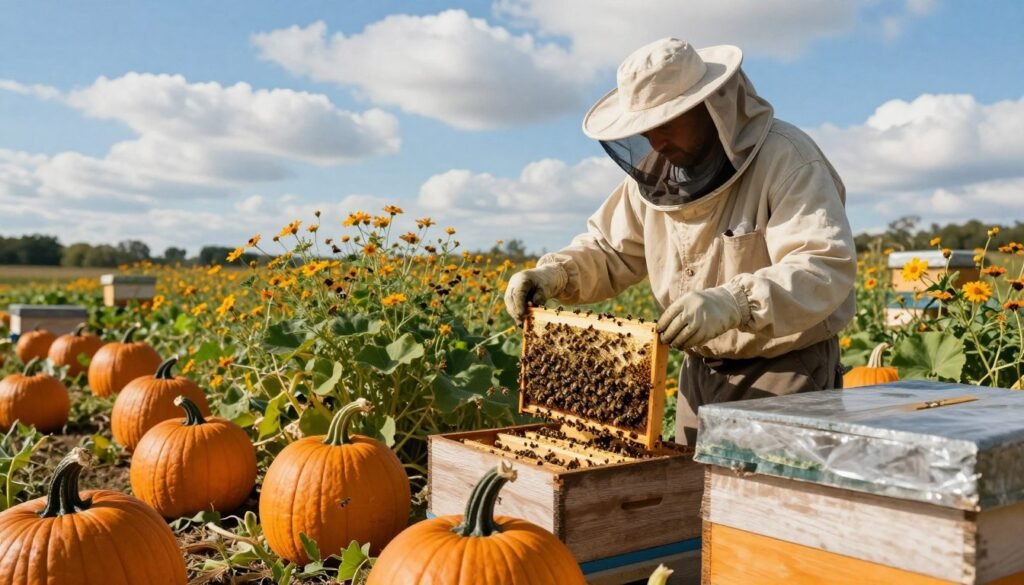
For booking tips and to compare service models, see a guide to pollination services and practical beekeeping expansion tips.
Negotiating a Fair Pollination Services Contract
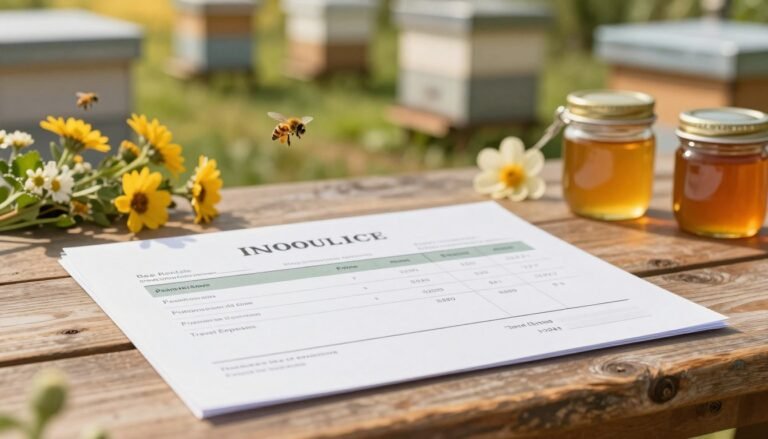
A concise service agreement protects both the grower and the beekeeper when bees start work. Use the contract to spell out fees, chemical limits, and access rights. Clear terms reduce disputes and keep colonies healthy through bloom.
Defining Fee Structures
List the fee range and what is included. Prices can vary widely; typical pollination services cost between $180 and $1,200 per hive depending on distance, crop size, and timing.
State the total number of colonies needed, payment schedule, and any extra charges for late access or replacement. This helps growers plan budget and avoid surprises.
Setting Pesticide Restrictions
Include strict pesticide and insecticide rules. Specify spraying windows, notification requirements, and material safety data use. Protecting bees from chemicals keeps the colony strong and improves fruit set.
Require the beekeeper and the grower to share labels for any applied product. Add emergency steps if an exposure occurs.
Establishing Audit Rights
Grant the beekeeper audit and access rights. Allow routine checks of hive condition and placement during the spring bloom. Audits confirm colonies meet agreed standards and services are delivered.
List who may inspect, acceptable times, and steps to resolve identified problems. Clear audit language supports a successful year for the pumpkin field and crop yield.
- Define fee range and included tasks up front.
- Set pesticide limits and notification rules.
- Grant audit rights and outline inspection procedures.
For a model plan and state guidance, review the state pollinator plan and adapt clauses to local rules.
Best Practices for Hive Placement
Choose locations that give bees a short, direct route to flowers and clear landmarks to return to.
Place hives along sunny edges that face morning sun. This boosts early activity and helps the bee workforce reach the field during the cool part of the day.
Match stocking rates to acres. Aim for the recommended hives per acre to keep bees per flower counts high during good weather. This prevents poor pollination and improves fruit set.
Avoid sites near pesticide storage or spray lanes. Keep a buffer from areas where insecticides are applied to protect colonies and the services they provide.
If you use different colonies from multiple beekeepers, space units across the farm. Even spread gives wider coverage and reduces competition at flowers.
Monitor visits during bloom. Walk the field early in the day and note bee activity. Quick checks let you adjust placement or ask beekeepers to move units before the peak bloom time.
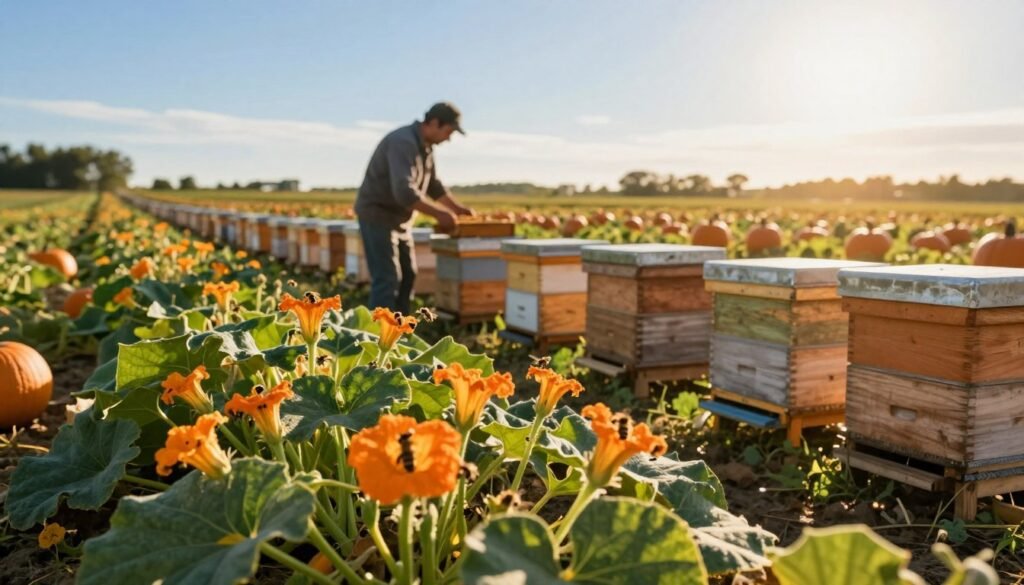
| Placement Tip | Why it Matters | Action |
|---|---|---|
| Sunny field edges | Increases morning foraging | Sit units facing east |
| Buffer from sprays | Reduces chemical exposure | Keep distance from pesticide zones |
| Even spacing | Covers more flowers | Distribute different colonies across acres |
| Routine checks | Detects low activity fast | Monitor bees per flower during bloom |
For placement guidelines and stewardship tips, consult the pollinator stewardship guide and a practical bee rental overview.
Conclusion
A strong finish rests on clear choices about colony density, placement, and contract terms.
Growers who secure professional bee services gain predictable coverage and better fruit set. Select a qualified beekeeper and write a concise contract that spells out arrival dates, fees, and pesticide limits.
Place each hive per acre where morning sun and safe buffers meet the field. Monitor activity early and adjust placement to keep colonies healthy.
Prioritize strict chemical rules to protect bees and honey production. For deeper research see a supplementing study and an off-grid beekeeping guide.
FAQ
How many bee colonies do I need per acre to achieve good pumpkin fruit set?
Aim for about 2 to 4 strong colonies per acre when squash and pumpkins bloom. That range supports good cross-pollination, but adjust up if you have large fields, poor weather during bloom, or low nearby pollinator diversity.
When should colonies be placed in the field relative to bloom?
Position colonies at the field edge one to three days before peak bloom. That timing gives foragers time to orient and begin visiting flowers during the morning bloom window.
What should I include in a pollination services contract fee structure?
Specify payment per colony, move-in and move-out dates, insurance, and penalties for early removal. Include terms for extra colonies if poor weather reduces visits, and clarify honey removal or forage access if relevant.
How do I reduce pesticide risks to pollinators during bloom?
Work with your applicator to avoid spraying insecticides during open bloom and during morning foraging hours. Use bee-safe products when possible, provide a buffer zone, and require notification and audit rights in the contract.
What counts as a “strong” colony for field work?
A strong colony typically has 8 to 10 frames of bees with a healthy brood pattern and adequate food stores. Inspect for signs of disease and queen health before placing colonies in the field.
How do weather and time of day affect bee activity on pumpkin flowers?
Bees forage best in warm, calm conditions and during morning hours when flowers open. Cool, windy, or rainy days sharply reduce visitation and may require a higher colony density to compensate.
Can wild pollinators replace managed colonies in large pumpkin plantings?
Native bees and other insects help, but many large plantings need managed colonies to ensure consistent coverage. Evaluate landscape diversity and nesting habitat to see how much natural service you can rely on.
What are reasonable audit rights to include in an agreement with a beekeeper?
Include the right to inspect colony health, confirm colony counts on move-in, and verify placement. Allow scheduled farm or third-party audits and require rapid correction of issues that threaten pollination service.
How should colonies be sited to maximize pollination and minimize disruption?
Place colonies at multiple edges of a large field or along wind-protected borders. Keep them near flowering rows but out of tractor lanes and high-traffic areas. Rotate placement across seasons to reduce pest pressure.
What happens if pollination is poor despite having colonies on site?
First check weather, colony strength, pesticide exposure, and placement. Consult your beekeeper to add colonies or adjust locations. Poor timing relative to bloom or a late cold snap are common causes.
How do pollinator brokers differ from hiring individual beekeepers?
Brokers coordinate many colonies and handle logistics across farms, which can simplify scheduling for large operations. Individual beekeepers may offer closer management and flexibility; weigh cost, service level, and reputation.
Are there insurance or liability issues to address before colony placement?
Yes. Require that the beekeeper carry commercial liability and transportation insurance. Clarify responsibility for colony losses, damage to equipment, and liability for stings or trespass-related incidents.
Can growers expect any honey production or is that reserved by the beekeeper?
Honey typically belongs to the beekeeper unless otherwise arranged. If honey access is desired, include clear terms in the contract about extraction timing, compensation, and access to equipment.
How can growers support pollinator health beyond bringing in colonies?
Maintain diverse floral resources, reduce pesticide use, provide water sources, and create nesting habitat. These practices boost wild pollinators and improve overall service quality for future seasons.