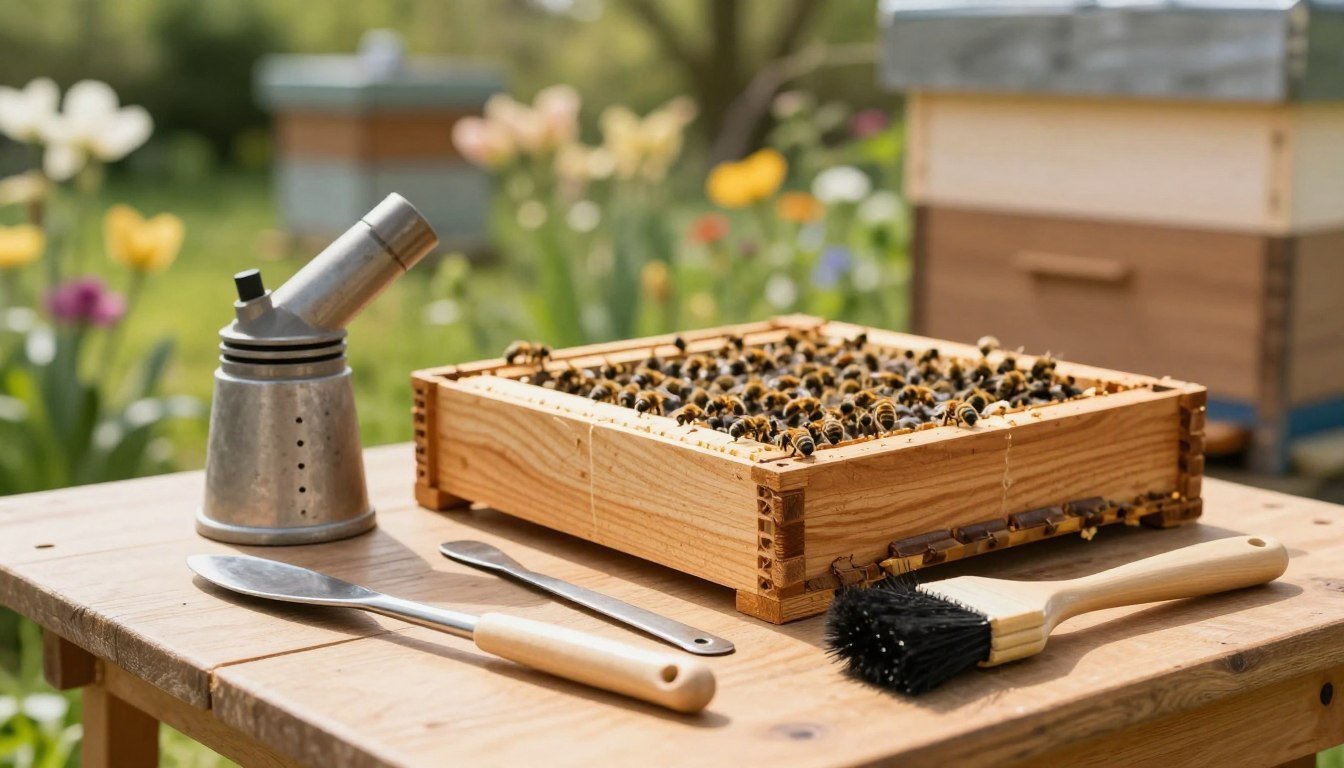
Protecting colony health starts with small, consistent actions in everyday apiary work. Clean tools, mindful frame handling, and clear records make a big difference for bees and honey yield.
Varroa mites and other pests spread fast when equipment is shared or suspect comb is moved carelessly. A healthy hive resists parasites better, so regular inspection and targeted comb rotation are essential.
Use trusted guidance for disease management and strict hygiene steps during inspections. For practical protocols on equipment and quarantine, see disease management guidelines and local hygiene notes at hygiene best practices.
Labeling gear, handling weak colonies last, and limiting comb swaps reduce risk across an apiary. For expanding operations while keeping standards high, consult advice on safe apiary growth at beekeeping expansion tips.
Key Takeaways
- Keep tools clean and use dedicated equipment for suspect colonies.
- Rotate brood combs regularly to lower mite and disease loads.
- Label boxes and track treatments for clear hygiene records.
- Handle weak or infected colonies last and isolate when needed.
- Choose mite-tolerant stock and monitor varroa levels often.
Essential Strategies to Prevent Cross-Contamination Between Hives
Small, repeatable habits at inspections protect colony health and preserve honey quality. These routines reduce disease transfer and make each visit faster and safer for both bees and beekeeper.
Maintain strict hygiene standards by using clear labeling, dedicated boxes for suspect frames, and a checklist for cleaning tasks. This keeps weak colonies from compromising strong ones.
Sanitize tools between inspections and handle supers with care. Proper frame management lowers the risk that pests move from one beehive to another.
Maintaining Strict Hive Hygiene Standards
Keep an organized kit and clean components after each use. A tidy setup shortens inspection time and limits stress on the bee population.
Best Practices for Handling Beekeeping Equipment
Use heat or mild disinfectant on frequently used tools and store clean gear separately from used frames. For practical guidance on tool cleaning, see the importance of cleaning hive tools.
When working with top-bar or suspect comb, follow specialist advice on handling cross-comb from experienced keepers at top-bar guidance. This preserves brood integrity and maintains honey quality.
- Label gear and treat weak colonies last.
- Sanitize tools after each hive visit.
- Rotate frames and inspect supers carefully.
Managing Internal Parasites and Disease
Early detection of internal pests gives keepers the best chance at saving a struggling colony. Regular checks keep small issues from becoming apiary-wide problems.
Monitoring for Varroa Mite Infestations
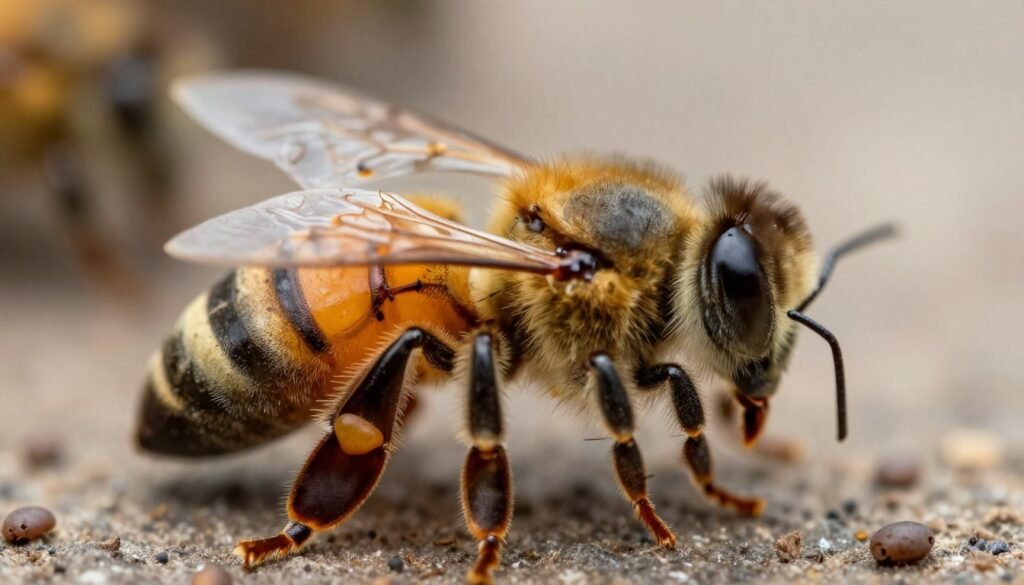
Varroa mites feed on the fat bodies of adult bees and developing brood and spread viruses that can lead to collapse.
Monitoring for varroa mites is essential. Use sticky boards and timed checks to track levels without disturbing brood comb.
HiveIQ slide rails make insertion simple; the boards sit under the hive so inspections stay quick and noninvasive. For practical monitoring guides, see varroa control methods.
Implementing Integrated Pest Management Techniques
Integrated pest management (IPM) blends mechanical, cultural, and chemical tactics for lasting protection.
Removing infested brood, keeping equipment clean, and strengthening bees through nutrition lower pest pressure and disease spread.
Rotating Chemical Treatments to Prevent Resistance
Rotate treatments to stop mites from developing resistance. A varied plan extends miticide effectiveness and keeps colonies healthy through winter.
Learn about improved hive features that aid management at improved hive features.
Protecting Your Apiary from Wildlife and Livestock
A single bear or a night-time raid by small mammals can undo months of hive work.
North American black bears target brood and honey and often return to the same beehive. Skunks and raccoons forage at night and can knock bees from the entrance, leaving the colony exposed.
Install AntCant on the legs of stands as a simple, effective solution that blocks ants from climbing up and reaching combs. In winter, the number of hungry animals and shelter-seeking livestock rises, so secure setups matter more than ever.
| Threat | Behavior | Risk Level | Suggested Action |
|---|---|---|---|
| Black bear | Return raids for brood and honey | High | Electric fencing, elevated beehive stands |
| Ants | Climb legs to access food | Medium | Install AntCant on legs |
| Skunks / Raccoons | Nocturnal entrance raids | Medium | Night guards, close entrances slightly |
Protecting bees from wildlife preserves hive integrity and keeps honey yield stable. For producer-level biosecurity steps, consult this producer guide for practical measures you can apply on site.
Structural Improvements for Hive Security
Simple structural fixes can turn a vulnerable hive into reliable protection for bees.
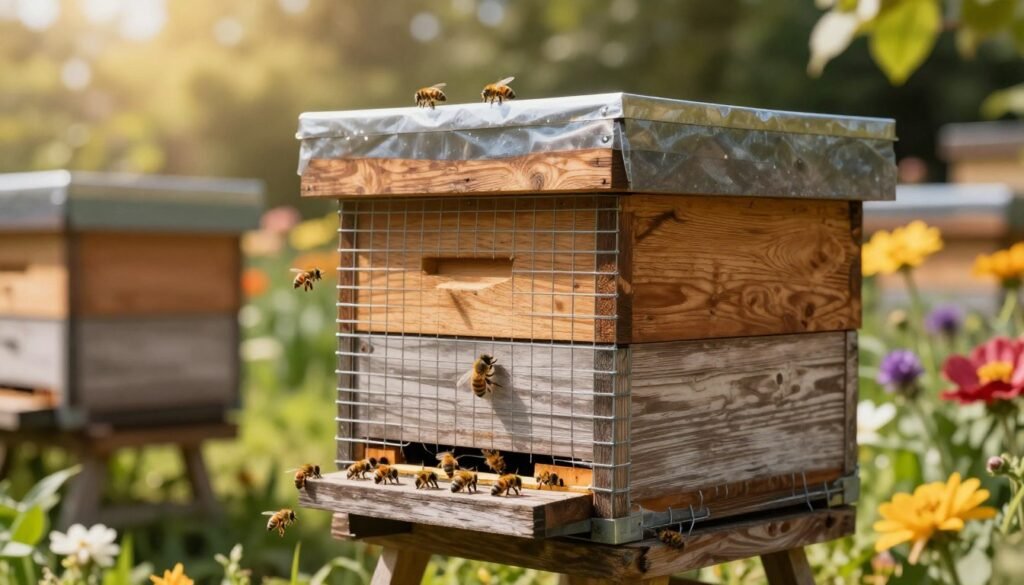
Mice often chew through frames and combs during the winter months to nest. This causes structural damage and increases the chance of disease spreading in the beehive.
Install a metal entrance reducer as the primary solution. It blocks rodents at the entrance and preserves internal combs.
- Elevate the hive on sturdy stands so pests cannot reach the entrance easily.
- Use physical deterrents like a bed of nails near the stand to discourage skunks from standing on their legs.
- Inspect equipment regularly for gaps or rot that create an entry problem.
Routine checks keep damage small and manageable. For guidance on modern designs that improve security and ease management, see movable-frame hives.
Maintaining Long-Term Colony Health and Conclusion
A healthy apiary grows from routine checks and robust physical protections. Dadant & Sons, with 180 years in beekeeping, stresses that a fortified beehive gives bees the best chance to thrive.
Consistent monitoring, secure entrance fittings, and solid barriers keep colony stress low and the number of bees stable. A well-kept hive supports productivity and high-quality honey through seasonal challenges.
Note: practical research such as the crushing test and colony impacts offers useful context for winter risks and management choices. Use those findings with field judgment.
Final thought: steady care, clear records, and basic physical defenses create resilient colonies that repay effort with long-term health and yield.
FAQ
What daily hygiene steps should a beekeeper follow to reduce contamination risk?
Wear clean protective gear and disinfect tools between inspections. Salt, diluted bleach (properly mixed and rinsed), or commercial disinfectants like Virkon S can be used on hive tools and gloves. Replace or heat-treat frames showing brood disease. Keep boots and clothing dedicated to apiary use to limit transfer of spores and mites.
How can equipment management lower the chance of spreading pests and disease?
Label and dedicate equipment for individual apiaries when possible. Sterilize used supers, frames, and feeders before reuse. Avoid sharing combs among colonies unless they are new or thoroughly treated. Use disposable or easily sanitized feeding devices during outbreaks.
What are effective methods for spotting Varroa mite problems early?
Conduct regular mite counts using alcohol wash or sugar shake tests on a sample of worker bees every few weeks during active months. Inspect brood for deformed wing virus and spot-check drone brood, which usually harbors higher mite loads. Keep written records of counts to track trends.
Which integrated pest management (IPM) techniques work best in an apiary?
Combine cultural, mechanical, and biological controls: drone brood removal, screened bottom boards, and powdered sugar dusting. Add biotechnical measures like queen caging or brood breaks during low nectar flows. Use IPM decision thresholds to time interventions and minimize chemical reliance.
Why is rotating chemical treatments important and how should it be done?
Rotating actives reduces resistance in Varroa populations. Alternate products with different modes of action—such as formic acid (MiteAway Quick Strips), oxalic acid vaporization, and amitraz-based treatments—following label guidance and local regulations. Limit frequency and monitor efficacy with post-treatment mite counts.
How can wildlife and livestock be kept from compromising hive safety?
Install sturdy fencing or electric netting to deter deer and livestock. Use predator guards and elevated stands to protect against skunks and raccoons. Place hives in open, sunlit areas with clear flight paths to reduce attacks by birds or bears; in bear country consider heavy-duty electric fencing.
What structural hive upgrades enhance protection and reduce contamination?
Fit hives with screened bottom boards to improve ventilation and allow mites to fall away. Add entrance reducers during small populations or winter to limit robbing and pest entry. Weatherproof roofs and tight-fitting boxes keep moisture out and reduce stress that makes colonies vulnerable.
Are there physical barrier options that protect comb and brood from invaders?
Yes. Mesh screens, predator guards, and front entrance constrictors limit access by mice, beetles, and wasps. Use beetle traps and oil-pan inserts in hive bottom boards to capture small hive beetles. Ensure barriers do not impede bee traffic or ventilation.
What long-term practices maintain strong, resilient colonies?
Prioritize genetic diversity by sourcing queens from reputable breeders, practice regular brood health checks, and maintain nutrition with supplemental pollen and syrup during dearths. Keep accurate records of interventions, mite levels, and colony performance to guide future management.
How should a beekeeper respond to a suspected disease outbreak in one colony?
Isolate the affected hive by moving it away from the apiary if feasible. Avoid moving frames or equipment from that colony. Contact local extension services or experienced apiarists, perform diagnostic tests, and follow legal reporting and treatment protocols. Consider humane removal if disease cannot be controlled.