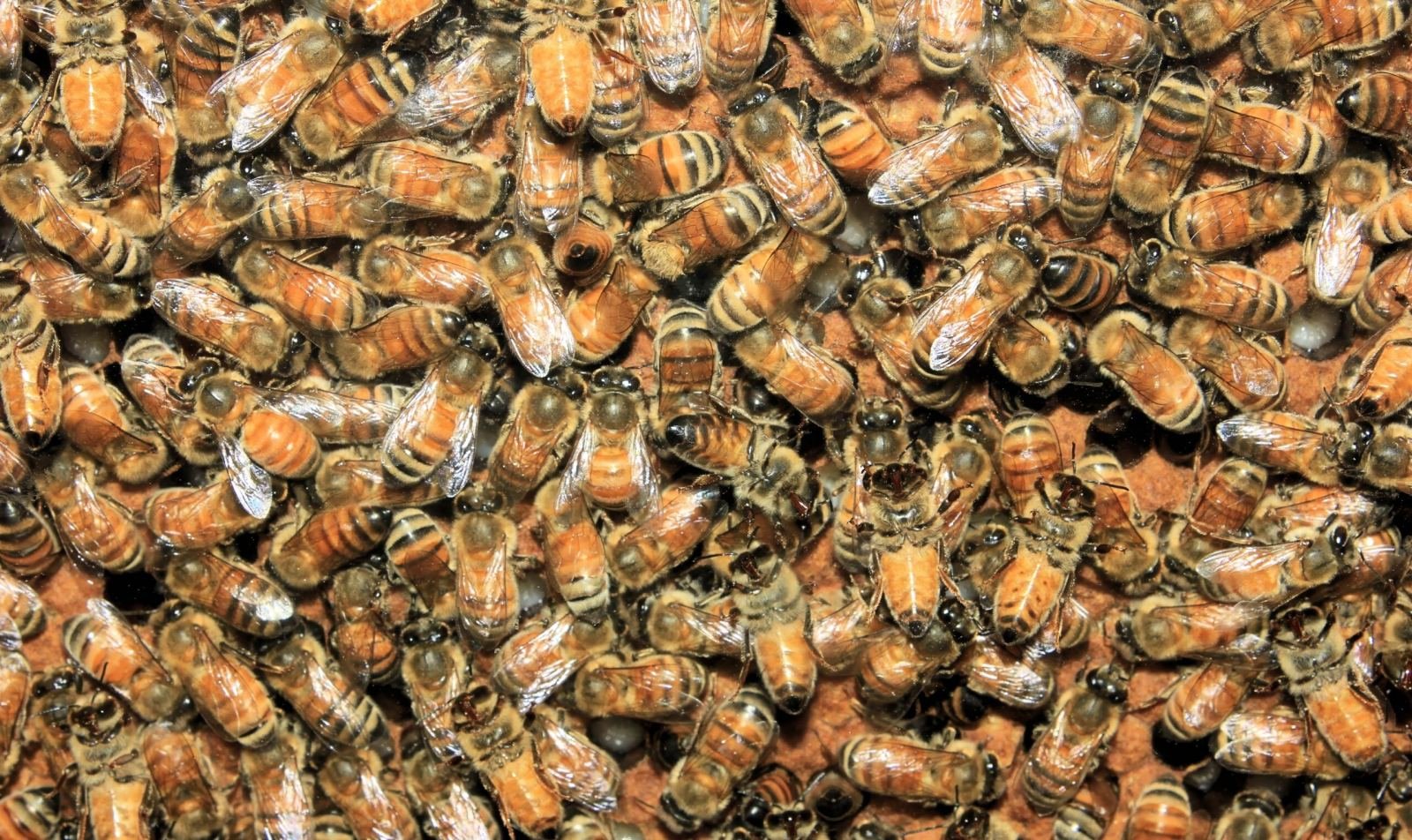
An observation hive is one of the few pieces of beekeeping equipment where the price genuinely tracks the woodworking, not the bees inside it — a basic acrylic-windowed box and a museum-grade rotating wall-mounted cabinet both just hold a few frames of the same Langstroth-compatible comb. This site’s existing guide to how observation hives work covers the concept, setup, and maintenance in general terms; this article is a narrower, buyer-focused companion — a real look at what’s actually for sale, from budget acrylic kits to purpose-built rotating cabinets, and what genuinely separates the price tiers.
Key Takeaways
- Observation hives range from basic acrylic-windowed wooden boxes sold on general marketplaces to purpose-built, professionally constructed rotating cabinet units from specialty makers.
- Frame capacity is the single biggest practical factor: a 2–4 frame unit is a genuine hobby/educational display piece, while larger units meant to sustain a colony long-term need more frames and better ventilation engineering.
- Rotating designs (some turning 180 degrees, others a full 360) exist specifically so a viewer can see both faces of the comb without opening the hive.
- Glass, bees, and sometimes even frames are commonly sold separately from the hive body itself — check exactly what’s included before comparing prices between sellers.
- A small, permanently-installed observation hive has real colony-management limitations (limited space, limited ventilation, harder mite treatment access) that this guide covers honestly rather than glossing over.
Table of Contents
- Budget Tier: Basic Acrylic-Window Kits
- Larger Living-Room and Display Units
- Premium Tier: Purpose-Built Rotating Cabinets
- Comparing the Tiers
- What’s Actually Included (and What Isn’t)
- The Real Limitations of a Small Observation Hive
- Indoor Wall-Mounted vs. Outdoor Standalone Designs
- A Practical Buying Checklist
- Frequently Asked Questions
Budget Tier: Basic Acrylic-Window Kits
The entry point for observation hives is a small, wooden-framed box with a plexiglass or acrylic viewing panel, typically holding somewhere around two to four medium frames. These are sold on general marketplaces like Amazon and eBay rather than exclusively through specialty beekeeping suppliers, with pricing for basic units commonly landing in roughly the $80–$100 range, though this varies by seller, frame count, and whether a stand or starter frames are bundled in — always verify the current listing price directly rather than assuming it’s held steady. These units are genuinely functional as an educational or hobby display piece for a small nucleus-sized population, but they’re built to a price point, so hardware quality (hinge durability, seal tightness around the viewing panel) varies more between sellers than it does in the higher tiers below.
Larger Living-Room and Display Units
A step up in both size and build quality, several specialty retailers sell larger observation hives explicitly designed as semi-permanent living-room, farm-store, or honey-house fixtures rather than a small demo box. Draper Bee, for example, sells an observation hive built for indoor display use at roughly 45 inches tall and 30 inches wide, designed to turn a full 360 degrees for viewing both sides of the comb. Betterbee, a long-established US beekeeping supplier, also sells a dedicated observation hive marketed for exactly this semi-permanent educational-fixture use case. These units are meant to be a real piece of furniture in a home, farm store, or nature center, not something tucked away between uses, and their price and build quality reflect that larger, more finished purpose.
Premium Tier: Purpose-Built Rotating Cabinets
At the top end, BackYardHive‘s sister maker Bonterra Bees sells the SwingView, a wall-mounted observation hive designed to hang like a piece of art and rotate a full 180 degrees between two positions, letting a viewer see both faces of the comb without disturbing the colony. It’s a genuinely real, currently-available product — made to order and typically shipping within about two weeks — built around a wall-plate-and-tube system that lets the colony access the outdoors through the wall itself while the viewing cabinet stays indoors. Pricing isn’t published as a flat number on the product page and is handled through the company’s shop or by direct inquiry, which is typical for a made-to-order specialty item rather than a mass-produced kit; expect a meaningfully higher price than either tier above, reflecting the custom woodworking and wall-integration hardware involved. Glass panels and the bees themselves are sourced separately in this tier too, exactly as with the budget kits — a purpose-built cabinet doesn’t come “hive-ready” out of the box any more than a basic acrylic kit does.
Comparing the Tiers
| Tier | Example | Typical frame capacity | Approximate price range |
|---|---|---|---|
| Budget acrylic kit | General marketplace listings (Amazon, eBay) | ~2–4 frames | Roughly $80–$100, verify current listing |
| Larger display/fixture unit | Draper Bee, Betterbee | Several frames; built for semi-permanent display | Meaningfully higher than budget kits; contact retailer for current pricing |
| Premium rotating wall cabinet | Bonterra Bees SwingView | Fits standard deep/medium Langstroth frames | Made-to-order custom pricing; highest tier |
What’s Actually Included (and What Isn’t)
Across every tier, it’s common for glass or acrylic panels, frames, and the bees themselves to be sold separately from the hive body — read the listing or product page carefully rather than assuming a single price covers a fully bee-ready setup. This isn’t a hidden-fee trick; it reflects that glass sizing, frame style, and bee-sourcing (a local nuc, a package, or an existing colony split) are genuinely buyer-specific choices that a manufacturer can’t reasonably bundle into one fixed price. Budgeting for these separately, on top of the hive body’s own price, avoids an unpleasant surprise after the box arrives.
The Real Limitations of a Small Observation Hive
An observation hive, at any price tier, is a genuinely compromised environment for a colony compared to a standard hive body — this site’s general guide to how observation hives work covers the underlying mechanics, but it’s worth restating plainly here before buying: limited frame count means limited stores and limited room for the colony to grow, ventilation is harder to get right in a sealed display cabinet than in a standard hive body, and treating for Varroa mites or performing a full inspection is more awkward in a hive built primarily for viewing rather than management. Most observation hive owners treat the unit as a seasonal or temporary display, moving the colony to a standard hive body for the parts of the year that demand more space and easier access — that’s a normal, expected part of owning one, not a sign something’s gone wrong.
Indoor Wall-Mounted vs. Outdoor Standalone Designs
It’s also worth distinguishing two different physical setups sold under the same “observation hive” label. An indoor, wall-mounted design — like Bonterra Bees’ SwingView — routes bees through a wall or window to the outdoors while the viewing cabinet itself stays indoors, permanently fixed in one room. A standalone outdoor observation hive, sometimes little more than a normal hive body with an added glass panel on one side, sits outside like a conventional hive but lets a beekeeper view frames without a full inspection. The indoor wall-mounted version is the more dramatic, further “living room fixture” experience and the one most buyer searches for this category actually mean, but it also requires real, permanent modification to a wall or window frame — a bigger commitment than a standalone outdoor unit, which can simply be moved or removed like any other hive.
A Practical Buying Checklist
Before buying, confirm: the exact frame count and whether it fits standard deep or medium Langstroth frames you already own; whether glass/acrylic panels and frames are included or purchased separately; how ventilation is handled, since this is the detail budget kits vary on most; whether the manufacturer or seller offers any support if a seal fails or a panel cracks; and, for a wall-mounted or through-wall design specifically, what modification your actual wall or window will need to support the bees’ outdoor access tube.
Frequently Asked Questions
How many bees can actually live in an observation hive?
It depends heavily on frame count, but a small 2-4 frame budget unit supports a meaningfully smaller population than a standard hive body, which is why most owners treat it as a seasonal display rather than a colony’s permanent year-round home.
Do observation hives come with bees included?
Generally no — across every price tier covered here, the hive body is typically sold separately from bees, and often separately from glass panels and frames too, so budget for these as additional costs.
Is a rotating observation hive actually worth the extra cost over a fixed one?
If seeing both faces of the comb matters to you — for teaching, for a public-facing display, or simply for your own interest — a rotating design is a genuine functional upgrade, not just a gimmick, since a fixed single-pane unit only ever shows one side of the comb.
Can I put a full-strength colony in an observation hive year-round?
It’s possible with a larger unit, but most beekeepers move the colony to a standard hive body for the parts of the year when maximum space, easier mite treatment access, and full ventilation matter most, treating the observation hive as a seasonal or rotating-duty setup instead.