Commercial-scale hive theft has climbed sharply over the past decade, and GPS trackers hidden inside hive bodies are now the most effective deterrent beekeepers actually have — not because they stop a theft in progress, but because they give law enforcement a real location to act on afterward. This site has already covered the crime wave itself in depth in Beehive Theft: The Real Crime Wave Hitting Almond Pollination; this article is the buying guide that piece didn’t try to be — an actual comparison of the trackers, alarms, and tags beekeepers are buying right now, not just the scale of the problem.
Hive theft isn’t just a commercial almond-pollination problem, either — a stolen backyard hive is a real loss of bees, equipment, and a season’s honey crop for a hobbyist with no insurance to fall back on. The tools below scale from a $30 motion alarm to a several-hundred-dollar dedicated GPS unit, and which one makes sense depends heavily on whether your hives sit in your own backyard or get trucked to a rented pollination yard for weeks at a time.
Key Takeaways
- Commercial hive theft rose sharply over the past decade, and only a small fraction of cases end in an arrest or recovery — which is exactly why prevention and trackable recovery matter more than after-the-fact reporting.
- Dedicated hidden GPS trackers (LandAirSea, Invoxia, BeeGuard) are built to be concealed inside a hive body or frame and report location via cellular or satellite connection.
- Motion-activated trackers add an extra layer: they send an alert the moment a hive is moved, rather than only reporting a static location on request.
- A consumer item tag (Apple AirTag, Tile) is far cheaper but relies on nearby phones for location — a real limitation in a remote rural apiary with little foot or vehicle traffic.
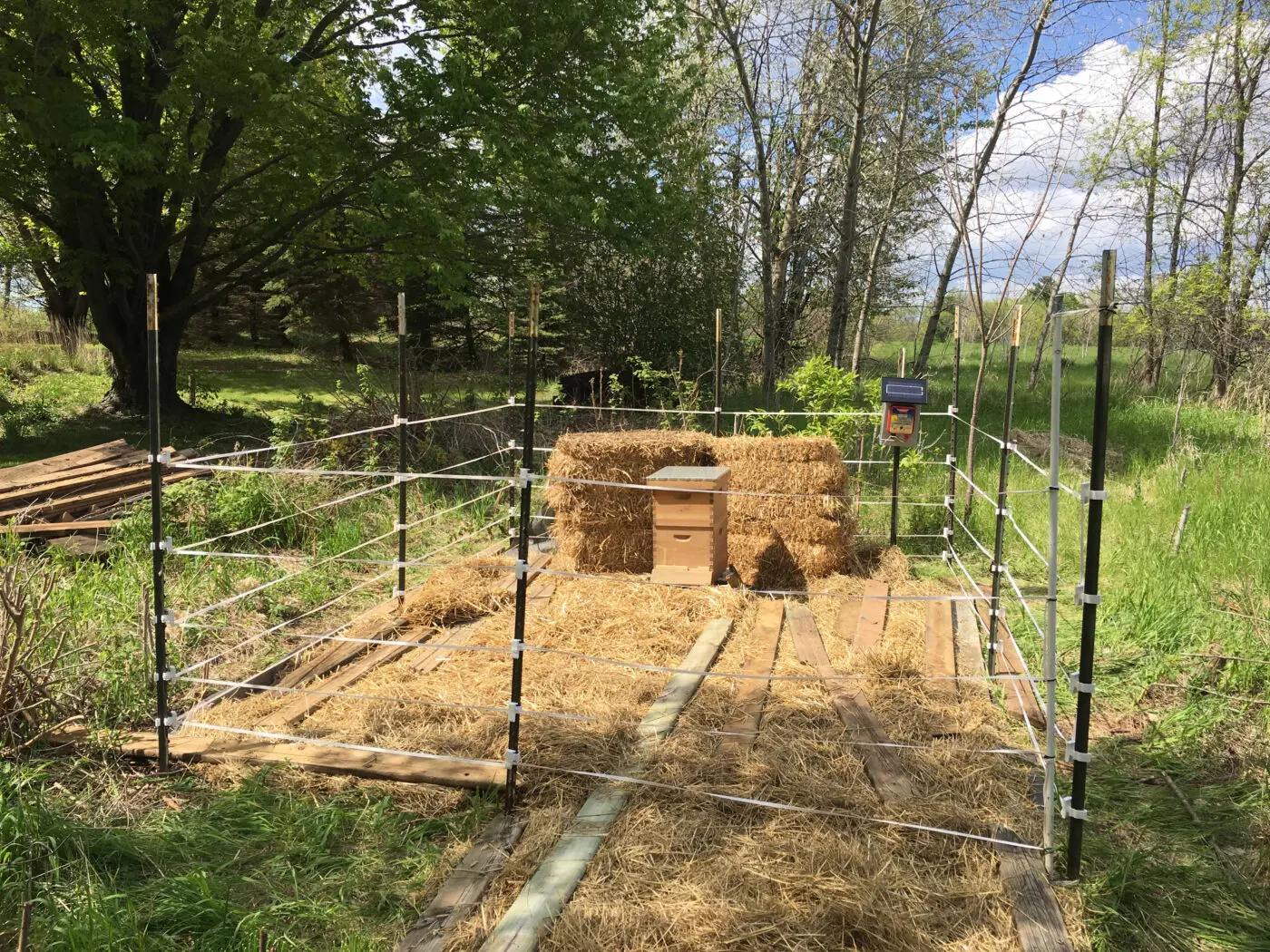
- No device prevents a theft outright; combine tracking with the basics — a locked gate, an electric fence, visible signage, and photographing serial numbers or branding hive equipment — for real deterrence.
The Scale of the Problem, Briefly
Commercial beekeeping has seen a well-documented rise in hive theft, driven largely by the value concentrated in migratory pollination operations — a single truckload of hives staged for almond pollination can represent tens of thousands of dollars sitting in an open field overnight. Recovery rates are low industry-wide; most stolen hives are never traced back to their owner, in part because unmarked, unbranded equipment is functionally untraceable once it’s repainted or the frames are redistributed into someone else’s boxes.
Dedicated GPS Trackers Built for Hives
| Product | How it’s concealed | Connectivity | Extra features |
|---|---|---|---|
| LandAirSea | Attached inside hive with cable ties or industrial magnets | Cellular, viewed via companion app | Real-time location history, geofencing alerts |
| Invoxia GPS Tracker | Slipped under the hive or directly into the frame space (built thin enough to fit) | Cellular | Compact form factor designed around hive dimensions |
| BeeGuard | Mounted on frames, secured in place by the bees’ own propolis and wax over time | Cellular/proprietary network | Also reports internal brood-nest temperature, doubling as a basic hive monitor |
| Motion-activated GPS units (various brands) | Hidden in hive body | Cellular, SMS alert | Sends an immediate text alert the instant the hive is moved, rather than only on-demand location |
The common thread across all of these is concealment — a visible tracker is one a thief simply removes before moving the hive, so the value is entirely in it being hidden well enough to survive the actual theft and report a location afterward, ideally to a stash location or vehicle rather than just the original apiary site.
Consumer Item Trackers: Cheaper, With a Real Catch
An Apple AirTag or Tile tag costs a fraction of a dedicated hive GPS unit, and either can genuinely be hidden inside a hive body. The catch is how they actually work: both rely on other nearby devices (other iPhones running Find My, or other Tile users) passively relaying the tag’s location — a system that works well in a city or suburb with constant phone traffic nearby, and works poorly in a remote rural apiary or an isolated pollination yard where days might pass without a single compatible device coming within range. For a backyard hive in a populated area, this is a legitimately cheap and workable option; for hives staged in a rural pollination contract, a dedicated cellular tracker is the more reliable choice specifically because it doesn’t depend on someone else’s phone happening to pass by.
RFID Tags: Best for Recovery, Not Real-Time Tracking
RFID tags work differently from GPS trackers — they don’t report a live location on their own; instead, they let equipment be scanned and positively identified after the fact, which matters most when recovered hives turn up at an auction, a secondhand equipment sale, or during a law enforcement stop of a suspicious unmarked trailer. Branding hive boxes with a registered brand (many states maintain an apiary registration and brand system specifically for this) and adding RFID tags to frames or boxes both serve the same goal: making stolen equipment provably yours if it’s ever recovered, even without live tracking data.
The commercial beekeeping industry has seen roughly an 86% increase in hive theft between 2013 and 2024, with only about one in ten cases resulting in an arrest or recovery — numbers that explain why beekeepers have moved from simply reporting theft to actively investing in prevention and trackable recovery.
A Realistic Layered Approach
- Physical deterrence first: a locked gate, a visible electric fence, and hives that aren’t visible from the road all reduce the chance of being targeted in the first place.
- Branding and photo documentation: paint a registered brand or unique mark on every box, and keep dated photos — cheap, low-effort, and genuinely useful for insurance claims and identifying recovered equipment.
- One hidden tracker per apiary site is often enough, not one per hive — a thief typically takes multiple hives from one location at once, so a single well-hidden tracker in one of several stolen boxes usually still leads back to the whole load.
- Report theft immediately to local law enforcement and, for commercial operations, to your state’s apiary inspector or agriculture department, which may maintain its own theft-tracking system separate from local police.
Frequently Asked Questions
Do GPS hive trackers need a subscription?
Most cellular-connected trackers (LandAirSea, Invoxia, BeeGuard) require an ongoing data plan or subscription fee similar to a vehicle GPS tracker, separate from the upfront device cost — factor this into the real annual cost before buying.
Will a hidden tracker survive being moved into a different truck or trailer?
Yes, in most cases — the tracker itself is what reports location regardless of what vehicle or building it ends up in, which is exactly the point: it’s designed to follow the stolen equipment rather than stay behind.
Is it legal to hide a tracker in my own beehive?
Placing a tracking device in equipment you own is generally legal, but always verify current state and local law, since regulations around tracking devices do vary and change. This is general information, not legal advice.
What should I do first if my hives are actually stolen?
Report it to local law enforcement immediately with any tracker location data, photos, and brand/registration information ready to hand over, and separately notify your state apiary inspector, since several states maintain dedicated hive-theft reporting channels distinct from general police reports.
A tracker doesn’t stop a determined thief from lifting a hive off a pallet at 2 a.m. — what it does is turn an unsolvable loss into a recoverable one, which is the realistic bar this category of product is actually built to clear.